 EN
EN


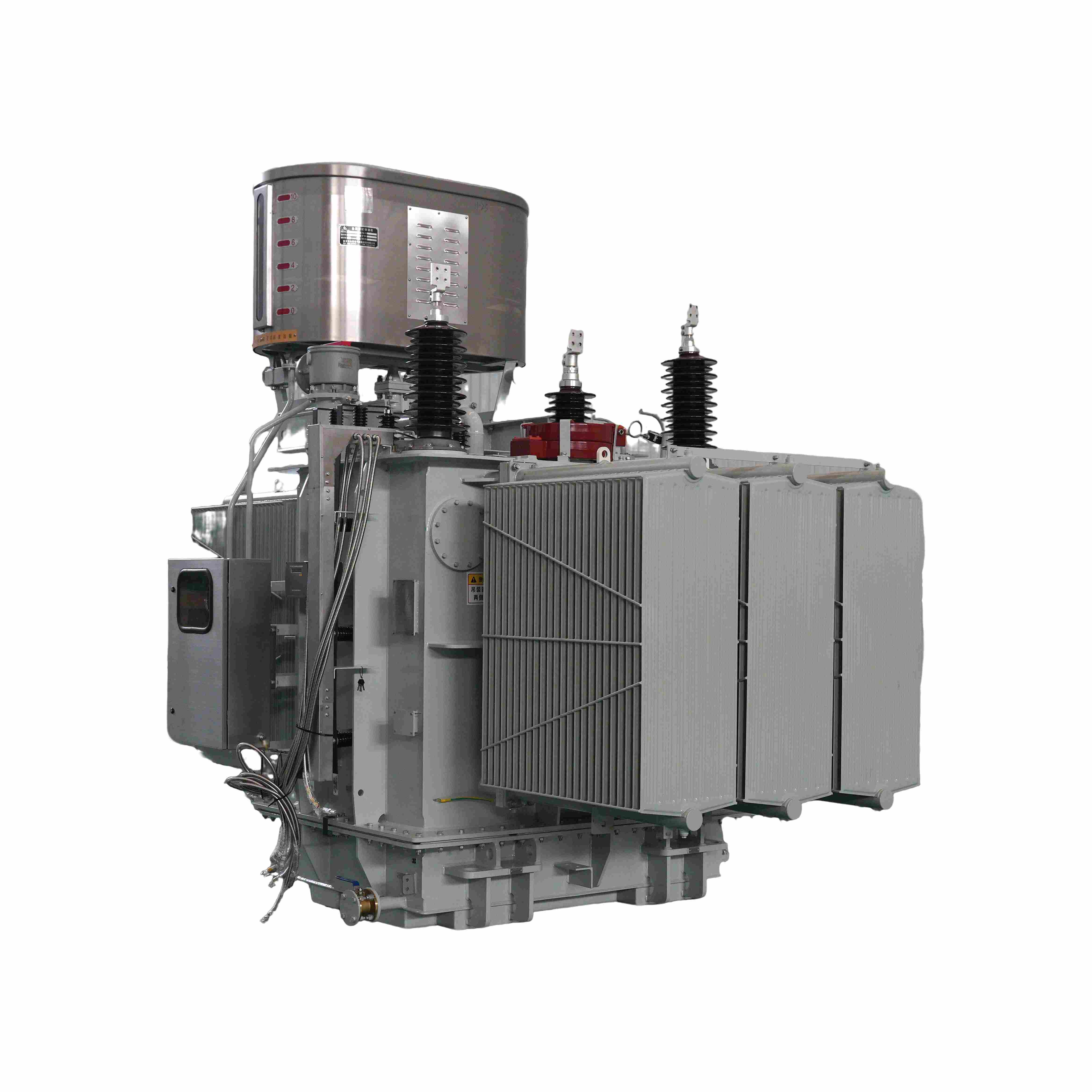
A transformer represents one of the most critical components in modern electrical power systems, serving as the backbone for efficient energy transmission and distribution across vast networks. These electromagnetic devices enable the seamless conversion of alternating current voltage levels, making it possible to transmit electricity over long distances while minimizing energy losses. Understanding how a transformer operates and its role in improving power system efficiency is essential for anyone involved in electrical engineering, power generation, or energy management. The fundamental principle behind transformer technology has remained largely unchanged since its invention, yet continuous innovations continue to enhance its performance and reliability in contemporary applications.
Fundamental Principles of Transformer Operation
Electromagnetic Induction and Core Design
The transformer operates on the principle of electromagnetic induction, first discovered by Michael Faraday in the early 19th century. When alternating current flows through the primary winding, it creates a changing magnetic field in the transformer core. This magnetic flux linkage induces an electromotive force in the secondary winding, allowing energy transfer without direct electrical connection. The core material, typically constructed from laminated silicon steel, provides a low-reluctance path for magnetic flux while minimizing eddy current losses through its layered structure.
Modern transformer cores utilize advanced materials such as grain-oriented electrical steel or amorphous metal alloys to further reduce core losses. The magnetic properties of these materials directly impact the transformer efficiency, with higher permeability materials allowing for better flux coupling between windings. The core design also influences the transformer's ability to handle various load conditions while maintaining stable voltage regulation throughout its operating range.
Winding Configuration and Turn Ratios
The transformer winding arrangement determines its voltage transformation characteristics through the turns ratio relationship. Primary and secondary windings are carefully designed with specific conductor sizes and insulation systems to handle their respective voltage and current levels. The turns ratio directly correlates to the voltage transformation ratio, enabling precise voltage conversion for different applications. Proper winding design ensures optimal coupling between primary and secondary circuits while maintaining electrical isolation.
Advanced winding techniques, including interleaved and disc-type configurations, help minimize leakage inductance and improve voltage regulation. The conductor material selection, typically copper or aluminum, affects both the electrical performance and economic considerations of the transformer design. Insulation systems between windings must withstand the electrical stresses while providing long-term reliability under various environmental conditions.
Power System Efficiency Enhancement Through Transformers
Voltage Level Optimization for Transmission
Power transmission efficiency dramatically improves when electricity is transmitted at higher voltage levels, and the transformer makes this possible by stepping up generator output voltages to transmission levels. High-voltage transmission reduces current flow for the same power transfer, which significantly decreases resistive losses in transmission lines according to the I²R relationship. A well-designed transformer can achieve efficiency levels exceeding 99% in large power applications, making it an indispensable component for economical power transmission.
The economic benefits of high-voltage transmission become evident when considering the reduced conductor size requirements and lower energy losses over long distances. Transmission systems typically operate at voltages ranging from 115kV to 765kV, requiring robust transformer designs capable of handling these extreme voltage levels while maintaining reliable operation. The step-up process at generation facilities and subsequent step-down transformations at substations enable efficient power delivery across extensive electrical networks.
Distribution System Optimization
Distribution transformers play a crucial role in the final stages of power delivery, converting high distribution voltages to utilization levels suitable for end-users. These devices are strategically located throughout distribution networks to minimize voltage drop and ensure adequate power quality at customer connection points. The transformer sizing and placement directly impact system efficiency, with properly selected units reducing both energy losses and voltage regulation issues.
Smart grid integration has introduced new requirements for distribution transformers, including enhanced monitoring capabilities and load management features. Modern distribution transformers incorporate advanced materials and design techniques to improve efficiency while reducing environmental impact. The selection of appropriate transformer ratings and configurations enables utilities to optimize their distribution systems for varying load patterns and future growth requirements.
Types and Applications of Power Transformers
Power Transformer Classifications
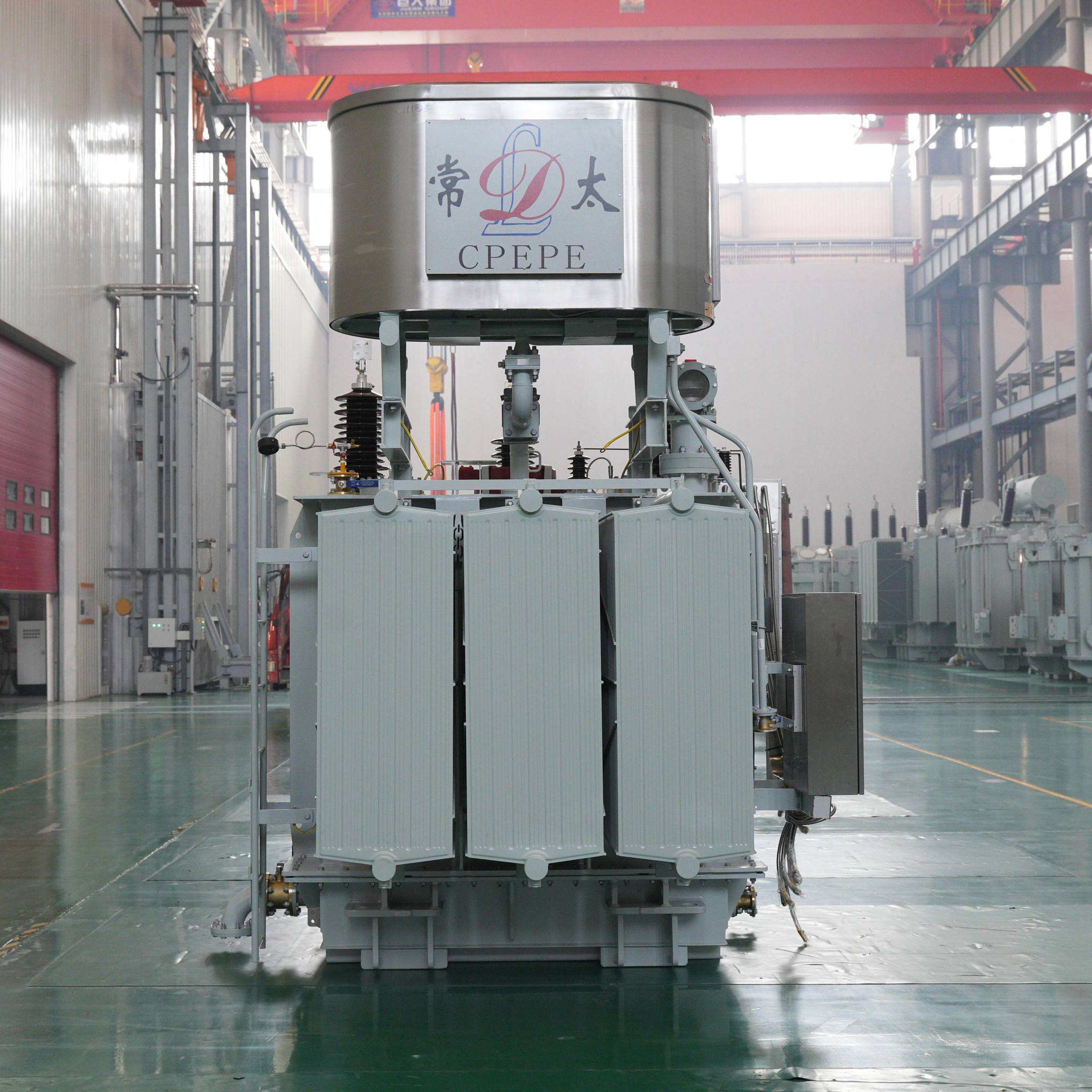
Power transformers are classified based on various criteria including voltage level, power rating, cooling method, and application. Generation step-up transformers handle the highest power levels, typically ranging from several hundred MVA to over 1000 MVA, and operate at generator voltage levels up to transmission system voltages. These massive units require sophisticated cooling systems and comprehensive protection schemes to ensure reliable operation under demanding conditions.
Transmission transformers facilitate voltage level changes within the transmission network, enabling interconnection between different voltage systems and providing operational flexibility. Auto-transformers offer advantages in certain applications where electrical isolation is not required, providing higher efficiency and lower cost for specific voltage transformation ratios. The selection of transformer type depends on system requirements, economic considerations, and operational constraints specific to each installation.
Industrial and Commercial Applications
Industrial facilities rely on transformers for various applications, from main service entrance transformers to specialized units for specific processes. Manufacturing operations often require multiple voltage levels for different equipment types, necessitating carefully planned transformer installations to ensure adequate power supply and system reliability. The transformer selection process must consider load characteristics, environmental conditions, and future expansion requirements.
Commercial buildings utilize transformers for services ranging from main electrical feeds to specialized equipment such as elevators and HVAC systems. Dry-type transformers have gained popularity in indoor installations due to their safety characteristics and reduced maintenance requirements. The integration of energy-efficient transformer designs in commercial applications contributes to overall building energy performance and sustainability goals.
Efficiency Factors and Loss Mechanisms
Core Loss Components
Core losses in a transformer consist primarily of hysteresis and eddy current losses, both related to the alternating magnetic field in the core material. Hysteresis losses result from the energy required to repeatedly magnetize and demagnetize the core material during each AC cycle. The selection of core materials with narrow hysteresis loops significantly reduces these losses, with modern grain-oriented electrical steels providing substantial improvements over conventional materials.
Eddy current losses occur due to circulating currents induced in the core material by the changing magnetic flux. Laminated core construction effectively minimizes these losses by restricting current paths through thin insulated steel laminations. Advanced manufacturing techniques enable thinner laminations and improved insulation systems, further reducing eddy current losses and enhancing overall transformer efficiency.
Winding Loss Characteristics
Winding losses, also known as copper losses or I²R losses, vary with the square of the load current and represent the resistive heating in the transformer conductors. These losses increase with loading and are influenced by conductor material, cross-sectional area, and winding configuration. Proper conductor sizing ensures that winding losses remain within acceptable limits while maintaining economic viability of the transformer design.
Additional winding losses include skin effect and proximity effect losses, which become more significant at higher frequencies and in certain winding configurations. Modern transformer designs incorporate techniques to minimize these effects through optimized conductor arrangements and advanced winding strategies. The total winding loss represents a significant component of overall transformer losses, particularly under heavy loading conditions.
Modern Transformer Technologies and Innovations
Advanced Materials and Construction
Recent developments in transformer technology focus on advanced materials that offer improved performance characteristics and environmental benefits. Amorphous metal cores provide significantly reduced no-load losses compared to conventional silicon steel, making them attractive for applications where transformers operate at light loads for extended periods. These materials enable transformer designs that exceed traditional efficiency standards while contributing to overall system energy savings.
Insulation system innovations include environmentally friendly alternatives to traditional mineral oil, such as natural ester fluids and synthetic materials with superior fire safety characteristics. These developments address environmental concerns while maintaining or improving transformer performance and reliability. Advanced insulation materials also enable more compact transformer designs with improved thermal characteristics and extended service life.
Smart Monitoring and Control Systems
Modern transformers incorporate sophisticated monitoring systems that provide real-time information about operating conditions, load levels, and potential issues. These systems enable predictive maintenance strategies and optimize transformer operation for maximum efficiency and reliability. Digital monitoring technologies allow utilities to implement condition-based maintenance programs that reduce costs while improving system availability.
Integration with smart grid technologies enables transformers to participate in advanced grid management functions, including voltage regulation, load balancing, and renewable energy integration. These capabilities enhance overall system efficiency while providing greater operational flexibility for utilities. The combination of advanced transformer designs with intelligent control systems represents the future direction of power system technology.
Environmental and Economic Considerations
Energy Efficiency Regulations and Standards
Government regulations and industry standards continue to drive improvements in transformer efficiency, with mandatory minimum efficiency levels for new installations. These regulations recognize the significant impact that transformer efficiency has on overall energy consumption and environmental sustainability. Compliance with efficiency standards requires careful attention to design details and material selection throughout the manufacturing process.
Life cycle cost analysis demonstrates the economic benefits of high-efficiency transformers, with energy savings over the transformer lifetime often justifying higher initial costs. The total cost of ownership includes not only purchase price but also installation costs, energy losses, and maintenance requirements over the expected service life. Utilities and end-users increasingly recognize the value proposition of efficient transformer designs in their investment decisions.
Sustainability and Environmental Impact
Environmental considerations influence modern transformer design through material selection, manufacturing processes, and end-of-life disposal planning. Recyclable materials and environmentally benign insulating fluids reduce the environmental footprint of transformer installations. The development of biodegradable insulating oils and other environmentally friendly components addresses growing concerns about sustainability in electrical equipment.
The reduction of greenhouse gas emissions through improved transformer efficiency contributes to global climate change mitigation efforts. Even small improvements in transformer efficiency, when applied across millions of units worldwide, result in significant energy savings and emission reductions. The transformer industry continues to innovate in pursuit of ever-higher efficiency levels while maintaining reliability and cost-effectiveness.
FAQ
What is the typical efficiency of a modern power transformer
Modern power transformers typically achieve efficiency levels between 95% and 99.5%, depending on their size, voltage rating, and application. Large transmission transformers often exceed 99% efficiency, while smaller distribution transformers typically operate at 95-98% efficiency. The efficiency varies with load, with peak efficiency usually occurring at approximately 50-70% of rated load.
How do transformers reduce power transmission losses
Transformers reduce power transmission losses by enabling high-voltage transmission, which significantly decreases current levels for the same power transfer. Since transmission losses are proportional to the square of the current (I²R losses), reducing current through higher voltage dramatically improves transmission efficiency. This allows electricity to be transmitted over long distances with minimal energy loss.
What factors affect transformer efficiency
Transformer efficiency is primarily affected by core losses (hysteresis and eddy current losses) and winding losses (resistive losses in conductors). Core material selection, lamination thickness, conductor sizing, and operating temperature all influence efficiency. Load level, power factor, and frequency also impact overall efficiency, with transformers typically operating most efficiently at moderate load levels.
How long do power transformers typically last
Well-maintained power transformers typically have service lives of 30-40 years or more, with some units operating reliably for over 50 years. The actual lifespan depends on operating conditions, load characteristics, maintenance quality, and environmental factors. Proper installation, regular maintenance, and condition monitoring can significantly extend transformer life while maintaining reliable operation throughout the service period.