 EN
EN


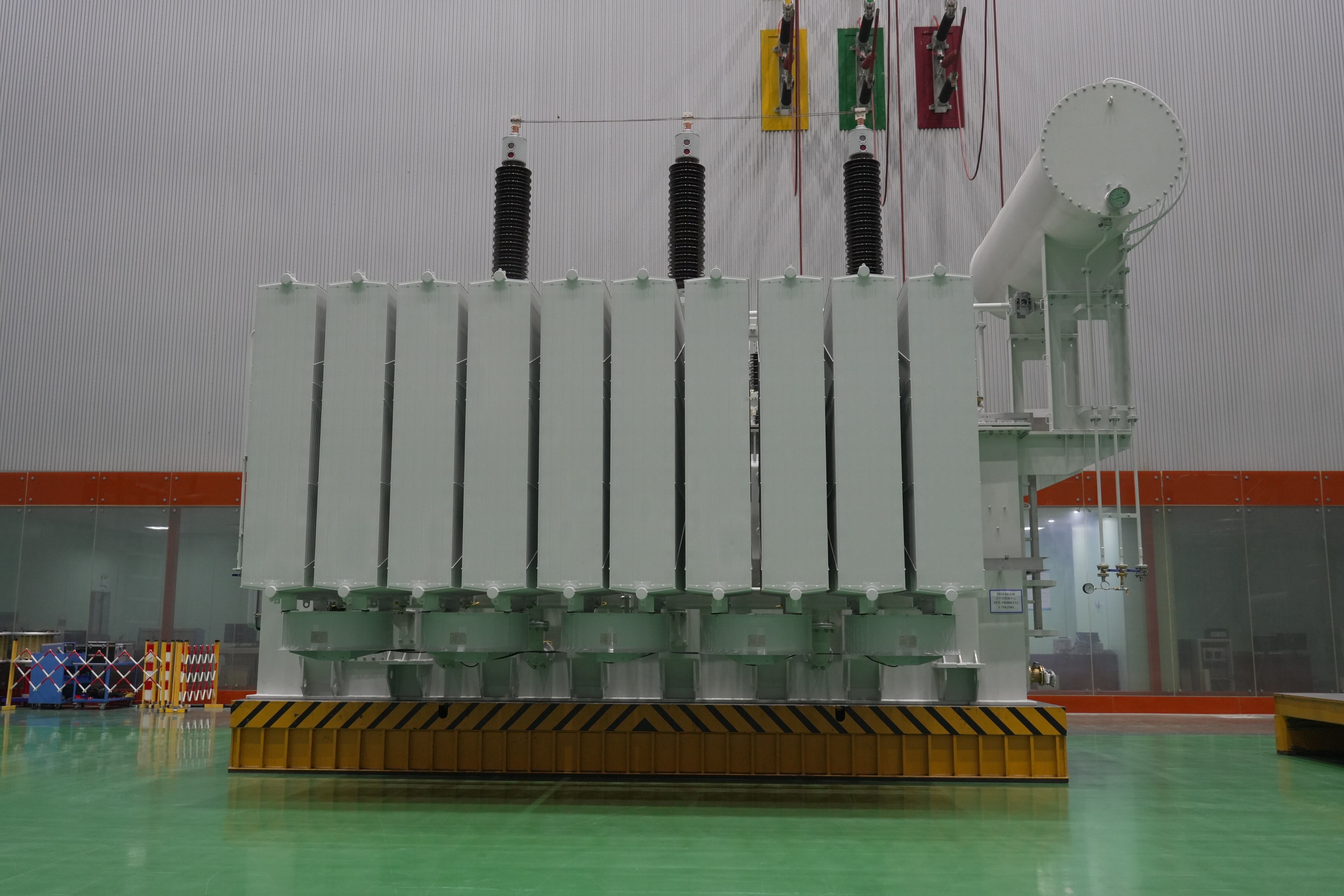
The modern electrical infrastructure relies heavily on sophisticated equipment to ensure reliable power transmission and distribution. Among the most critical components in electrical systems, the oil immersed transformer stands as a cornerstone technology that has revolutionized how we manage electrical energy across vast networks. These powerful devices serve as the backbone of electrical grids worldwide, facilitating efficient voltage conversion while maintaining optimal performance under demanding operational conditions. Understanding the fundamental principles and widespread applications of oil immersed transformer technology provides valuable insights into contemporary power engineering solutions.
Understanding Oil Immersed Transformer Technology
Core Design Principles
An oil immersed transformer represents a sophisticated electrical device that utilizes mineral oil as both an insulating medium and cooling agent. The transformer core and windings are completely submerged in specially refined transformer oil, creating an environment that maximizes electrical insulation while effectively dissipating heat generated during operation. This immersion technique allows the oil immersed transformer to handle significantly higher power ratings compared to dry-type alternatives, making them ideal for utility-scale applications.
The fundamental construction involves laminated steel cores wrapped with copper or aluminum windings, all housed within a sealed tank filled with transformer oil. The oil serves multiple critical functions, including preventing electrical breakdown between high-voltage components and facilitating heat transfer from internal components to the external environment. This dual-purpose design makes the oil immersed transformer exceptionally reliable for continuous operation in demanding electrical environments.
Insulation and Cooling Mechanisms
The insulating properties of transformer oil are fundamental to the operation of every oil immersed transformer system. The oil provides superior dielectric strength compared to air, allowing for more compact designs while maintaining safety margins required for high-voltage applications. The molecular structure of refined transformer oil creates an effective barrier against electrical discharge, enabling these transformers to operate safely at voltages ranging from distribution levels to ultra-high transmission voltages.
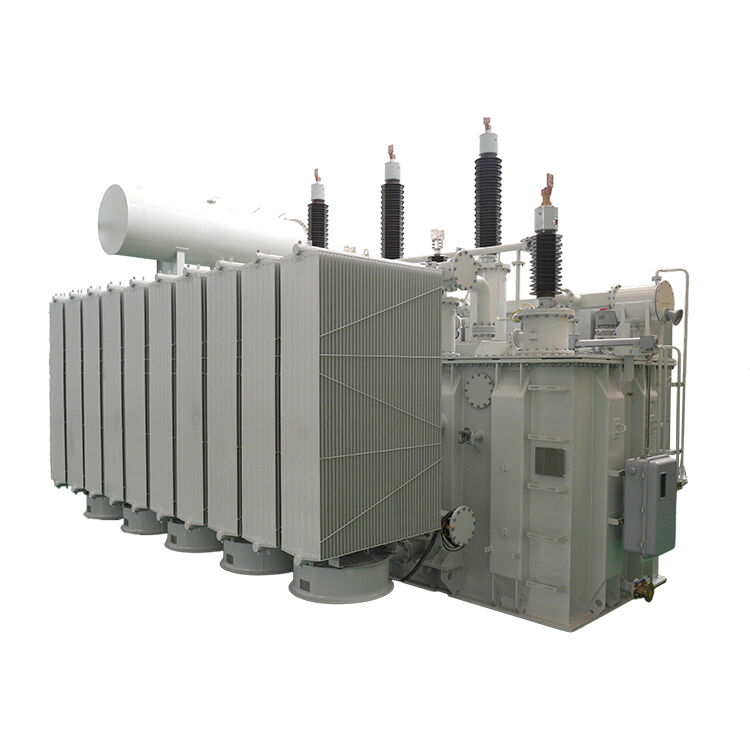
Cooling mechanisms in oil immersed transformer designs vary based on power rating and application requirements. Natural circulation relies on convection currents within the oil to transfer heat from windings to the tank walls, where it dissipates to the surrounding environment. For higher-capacity units, forced circulation systems employ pumps and cooling fans to enhance heat removal, ensuring optimal operating temperatures even under full-load conditions.
Operational Advantages and Benefits
Superior Heat Dissipation
The exceptional heat dissipation capabilities of oil immersed transformer technology provide significant operational advantages over alternative designs. The high thermal conductivity of transformer oil enables efficient heat transfer from the core and windings to the external cooling system. This superior heat management allows oil immersed transformer units to operate at higher power densities while maintaining safe operating temperatures throughout their service life.
Advanced cooling systems in modern oil immersed transformer installations can include radiators, forced-air cooling, and even water-cooled heat exchangers for the most demanding applications. These cooling enhancements enable transformers to handle overload conditions without compromising insulation integrity or reducing operational lifespan. The thermal mass of the oil also provides natural load-leveling capabilities, smoothing out temperature fluctuations during variable loading conditions.
Enhanced Electrical Performance
The electrical performance characteristics of oil immersed transformer systems consistently exceed those of dry-type alternatives across multiple parameters. The superior insulating properties of transformer oil allow for reduced clearances between high-voltage components, resulting in more compact designs without sacrificing safety or reliability. This space efficiency becomes particularly valuable in urban substations where real estate constraints limit equipment sizing options.
Load handling capabilities represent another significant advantage of oil immersed transformer technology. The excellent heat dissipation properties enable these units to handle temporary overloads that would damage dry-type transformers. This overload capacity provides system operators with valuable flexibility during peak demand periods or emergency conditions when transformer loading may exceed normal operating parameters.
Industrial Applications and Use Cases
Power Generation Facilities
Power generation facilities extensively utilize oil immersed transformer technology to step up generator voltage to transmission levels for efficient long-distance power delivery. These generator step-up transformers typically handle the full output of generating units, requiring robust construction and exceptional reliability. The oil immersed transformer design provides the thermal mass and cooling capacity necessary to handle the continuous high-power operation characteristic of baseload generating facilities.
Combined-cycle power plants, nuclear facilities, and renewable energy installations all depend on oil immersed transformer systems to interface with transmission networks. The ability to customize voltage ratios, power ratings, and impedance characteristics makes oil immersed transformer technology adaptable to diverse generation technologies. From conventional steam turbines to modern wind and solar installations, these transformers provide the critical link between generation sources and transmission infrastructure.
Transmission and Distribution Networks
Transmission substations represent the primary application domain for large oil immersed transformer installations. These facilities require transformers capable of handling hundreds of megavolt-amperes while maintaining exceptional reliability over decades of service. The robust construction and proven performance record of oil immersed transformer technology make them the preferred choice for mission-critical transmission applications where failure could impact thousands of customers.
Distribution networks also benefit from oil immersed transformer technology, particularly in high-density urban areas where space constraints and high load densities challenge conventional equipment. The compact design and superior heat dissipation characteristics of oil immersed transformer units enable utilities to maximize capacity within existing substation footprints. This space efficiency becomes increasingly valuable as urban power demands continue growing while available land for electrical infrastructure remains limited.
Maintenance and Operational Considerations
Routine Monitoring and Testing
Successful operation of oil immersed transformer systems requires comprehensive monitoring and testing programs to ensure continued reliability and performance. Oil analysis represents the cornerstone of predictive maintenance, providing insights into transformer condition through dissolved gas analysis, moisture content measurement, and dielectric strength testing. These diagnostic tools enable maintenance personnel to identify developing problems before they result in service interruptions or equipment failure.
Modern oil immersed transformer installations incorporate sophisticated monitoring systems that continuously track key operating parameters including oil temperature, winding temperature, load current, and dissolved gas concentrations. These monitoring systems provide real-time visibility into transformer condition while enabling predictive maintenance strategies that optimize equipment life and minimize unplanned outages. Advanced analytics algorithms can identify trending patterns that indicate developing problems, allowing for proactive maintenance interventions.
Service Life and Reliability
The service life characteristics of oil immersed transformer technology consistently exceed those of alternative designs when properly maintained and operated within design parameters. Well-maintained units commonly achieve service lives of 30 to 40 years, with some installations exceeding 50 years of reliable operation. This longevity results from the protective environment created by the oil immersion, which prevents oxidation and contamination of critical internal components.
Reliability statistics for oil immersed transformer installations demonstrate exceptional performance across diverse operating environments. The combination of robust mechanical construction, effective cooling, and superior insulation creates a highly dependable electrical asset that forms the foundation of modern power systems. Regular maintenance activities, including oil filtration, gasket replacement, and protective system testing, ensure these transformers continue providing reliable service throughout their extended operational lives.
Environmental and Safety Considerations
Environmental Impact Management
Modern oil immersed transformer designs incorporate numerous environmental protection features to minimize potential impacts from oil leaks or spills. Secondary containment systems, including concrete basins and synthetic liners, prevent transformer oil from contaminating soil or groundwater in the unlikely event of tank failure. These containment systems are sized to hold the full oil volume plus additional capacity for fire suppression water or precipitation.
The transformer oil used in contemporary oil immersed transformer installations is biodegradable and free from polychlorinated biphenyls (PCBs), addressing historical environmental concerns associated with older transformer technologies. Advanced oil formulations provide superior performance characteristics while meeting stringent environmental regulations. Oil recycling and reconditioning programs further reduce environmental impact by extending oil service life and minimizing waste generation.
Fire Safety and Protection
Fire protection systems for oil immersed transformer installations employ multiple layers of detection and suppression technology to minimize fire risk and limit potential damage. Early detection systems monitor for combustible gas concentrations, temperature anomalies, and smoke to provide advance warning of developing problems. These systems can automatically isolate transformers from service and activate suppression systems before minor issues escalate into major incidents.
Deluge sprinkler systems represent the most common fire suppression approach for oil immersed transformer installations, providing rapid cooling to prevent oil ignition and limit fire spread. Some installations employ more advanced suppression technologies, including water mist systems or gas-based agents, depending on specific site requirements and environmental considerations. Proper system design and regular testing ensure these protective systems remain ready to respond effectively when needed.
FAQ
How does an oil immersed transformer differ from a dry-type transformer
An oil immersed transformer uses mineral oil for both insulation and cooling, allowing it to handle higher power ratings and provide superior heat dissipation compared to dry-type transformers that rely on air for cooling. The oil provides better dielectric strength, enabling more compact designs and higher voltage capabilities. Oil immersed transformers typically offer longer service life and better overload capacity, making them ideal for high-power applications where dry-type transformers would be inadequate.
What maintenance requirements are associated with oil immersed transformers
Oil immersed transformers require regular oil analysis to monitor dissolved gases, moisture content, and dielectric strength. Routine maintenance includes oil filtration or replacement, gasket inspections, cooling system maintenance, and protective relay testing. Temperature monitoring and load management help ensure optimal operating conditions. While maintenance requirements are more complex than dry-type units, proper maintenance programs can extend service life to 30-40 years or more.
Are oil immersed transformers environmentally safe
Modern oil immersed transformers use biodegradable, PCB-free oils and incorporate comprehensive containment systems to prevent environmental contamination. Secondary containment basins capture any potential oil leaks, while oil recycling programs minimize waste. Advanced monitoring systems provide early warning of potential issues, and proper maintenance practices ensure environmental protection throughout the transformer's service life. These environmental safeguards make oil immersed transformers environmentally responsible when properly designed and maintained.
What power ratings are available for oil immersed transformers
Oil immersed transformers are available in power ratings ranging from small distribution units of several hundred kVA to massive transmission transformers exceeding 1000 MVA. The oil cooling capability enables much higher power densities than air-cooled alternatives, making them suitable for everything from industrial facilities to utility transmission substations. Custom designs can accommodate specific voltage ratios, impedance requirements, and environmental conditions to meet diverse application needs across the electrical power industry.