 EN
EN
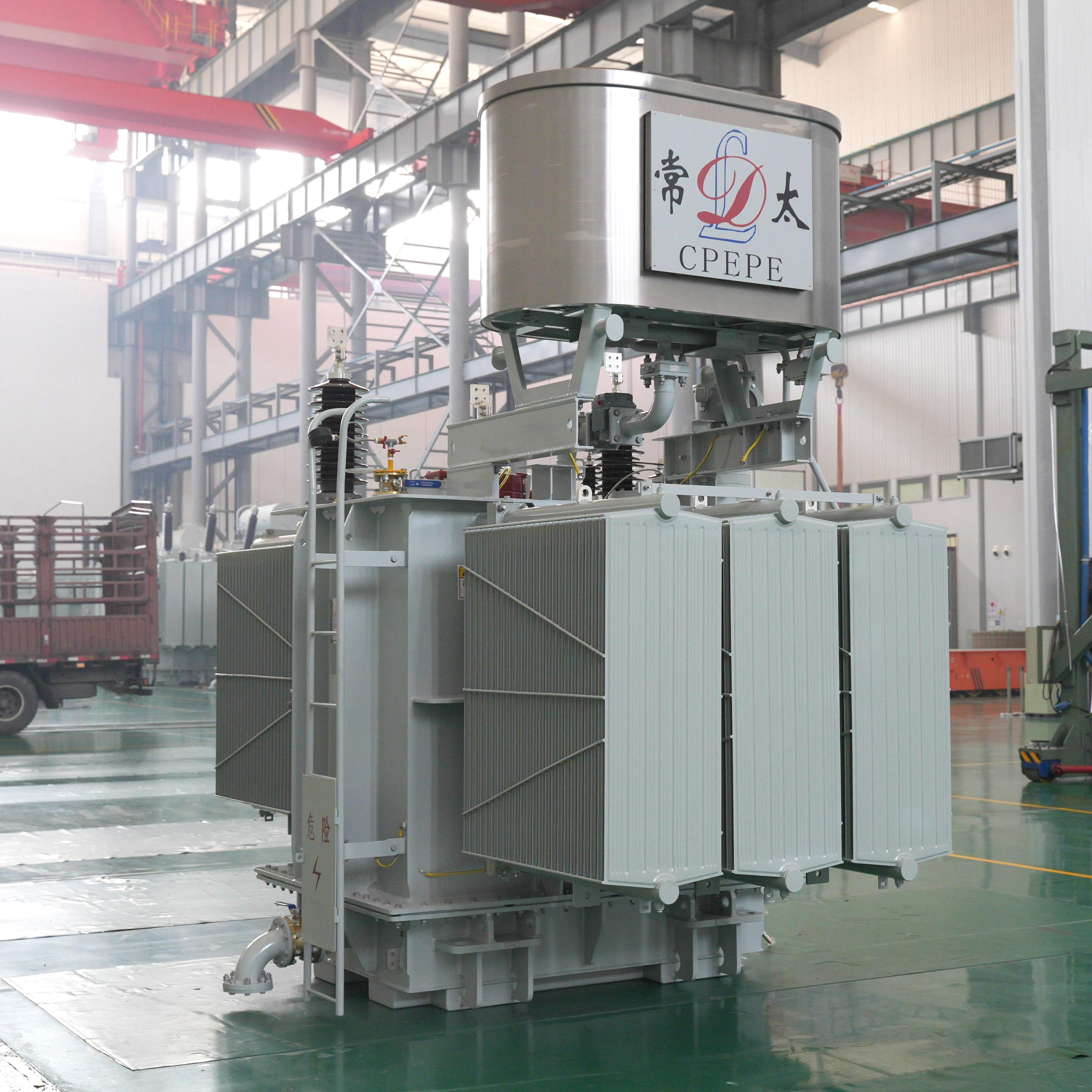
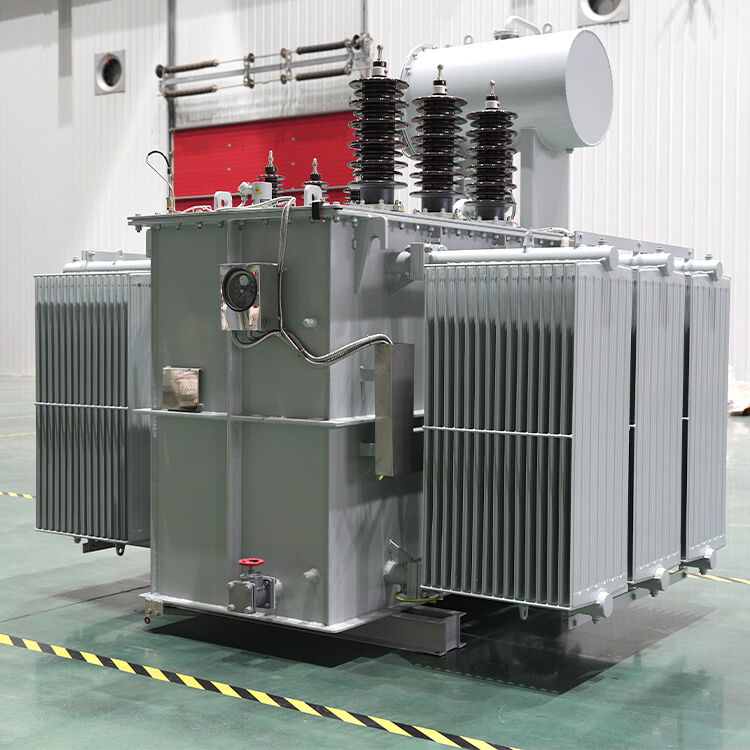
Oil immersed transformers represent one of the most critical components in electrical power systems, requiring comprehensive maintenance protocols to ensure reliable operation and extended service life. These sophisticated electrical devices utilize transformer oil as both an insulating medium and cooling agent, making their maintenance requirements unique compared to other transformer types. Understanding the specific maintenance needs of oil immersed transformers is essential for power system operators, maintenance engineers, and facility managers who depend on uninterrupted electrical supply for their operations.
The maintenance of oil immersed transformers involves multiple interconnected systems and components that must work in harmony to deliver optimal performance. From oil quality monitoring to bushing inspections, each maintenance activity plays a crucial role in preventing costly failures and ensuring regulatory compliance. Modern maintenance strategies for oil immersed transformers have evolved significantly, incorporating advanced diagnostic technologies and predictive maintenance techniques that help identify potential issues before they become critical problems.
Essential Oil Quality Management
Transformer Oil Testing and Analysis
Regular oil testing forms the cornerstone of effective maintenance for oil immersed transformers. The transformer oil serves multiple functions, including electrical insulation, heat transfer, and arc quenching, making its quality assessment paramount for system reliability. Professional maintenance teams typically conduct dissolved gas analysis (DGA) to detect incipient faults within the transformer by analyzing gases dissolved in the oil. This testing method can identify developing problems such as overheating, arcing, or insulation degradation before they lead to catastrophic failures.
Oil quality parameters that require regular monitoring include dielectric strength, moisture content, acidity levels, and interfacial tension. These parameters provide valuable insights into the overall health of oil immersed transformers and help maintenance professionals make informed decisions about oil treatment or replacement. The frequency of oil testing varies depending on transformer age, loading conditions, and environmental factors, but most industry standards recommend annual testing for distribution transformers and more frequent testing for critical transmission equipment.
Oil Filtration and Regeneration
Maintaining optimal oil condition in oil immersed transformers often requires specialized filtration and regeneration processes. Oil filtration removes particulate matter, moisture, and dissolved gases that can compromise the insulating properties of the oil. Advanced filtration systems utilize multiple stages of purification, including mechanical filtration, vacuum dehydration, and degassing processes to restore oil quality to acceptable levels.
Oil regeneration represents a more comprehensive treatment process that can extend the service life of transformer oil significantly. This process involves removing oxidation products, acids, and other contaminants through specialized treatment equipment. For high-value oil immersed transformers, regeneration can provide substantial cost savings compared to complete oil replacement while maintaining system reliability and performance standards.
Cooling System Maintenance
Radiator and Heat Exchanger Care
The cooling system of oil immersed transformers requires dedicated maintenance attention to ensure effective heat dissipation and prevent overheating conditions. Radiators and heat exchangers must be kept clean and free from obstructions that could impede airflow or oil circulation. Regular inspection of cooling fins, tubes, and associated piping helps identify potential issues such as corrosion, leaks, or blockages that could compromise cooling efficiency.
Maintenance procedures for cooling systems include pressure testing of oil circuits, cleaning of external surfaces, and verification of proper oil flow rates. For oil immersed transformers equipped with forced cooling systems, additional maintenance requirements include fan motor servicing, control system calibration, and pump inspection. These components are critical for maintaining safe operating temperatures under varying load conditions.
Temperature Monitoring Systems
Accurate temperature monitoring is essential for the safe operation of oil immersed transformers. Temperature indicators and alarm systems must be calibrated regularly to ensure accurate readings and proper operation of protective devices. Winding temperature indicators, oil temperature gauges, and thermal imaging equipment all contribute to comprehensive temperature monitoring programs that help prevent overheating incidents.
Modern oil immersed transformers often incorporate digital monitoring systems that provide continuous temperature data and trend analysis capabilities. These systems require periodic calibration and software updates to maintain accuracy and reliability. Maintenance personnel should verify the operation of temperature alarms and automatic control functions during routine inspections to ensure proper system response to abnormal conditions.
Electrical Component Inspection
Bushing Maintenance and Testing
Bushings represent critical interface points between oil immersed transformers and external electrical connections, requiring specialized maintenance procedures to ensure reliable operation. Regular visual inspection of bushings should identify signs of cracking, oil leakage, or contamination that could lead to insulation failure. Electrical testing of bushings includes power factor measurements, capacitance testing, and insulation resistance verification to assess their condition.
Bushing maintenance also involves proper torquing of electrical connections, cleaning of porcelain surfaces, and inspection of gaskets and seals. For oil immersed transformers operating in harsh environments, more frequent bushing inspections may be necessary to detect early signs of deterioration. Proper documentation of bushing test results helps establish trending patterns that can predict when replacement may be necessary.
Tap Changer Servicing
On-load tap changers (OLTCs) in oil immersed transformers require specialized maintenance procedures due to their mechanical complexity and critical role in voltage regulation. Regular operation counting, contact inspection, and oil testing specific to the tap changer compartment are essential maintenance activities. The tap changer oil typically requires more frequent attention than main tank oil due to the mechanical switching operations that can generate contaminants.
Maintenance of tap changers includes verification of proper operation sequences, contact alignment checks, and inspection of drive mechanisms. For oil immersed transformers with vacuum or gas-filled tap changers, additional procedures may be required to maintain proper pressure levels and verify the integrity of sealing systems. Regular tap changer maintenance helps prevent costly failures and ensures reliable voltage regulation capabilities.
Insulation System Assessment
Winding Insulation Evaluation
The insulation system of oil immersed transformers requires comprehensive evaluation through various testing methods to assess its condition and remaining service life. Insulation resistance testing, polarization index measurements, and power factor testing provide valuable information about the condition of solid insulation materials. These tests help identify moisture ingress, insulation aging, or contamination that could compromise transformer reliability.
Advanced diagnostic techniques such as frequency response analysis (FRA) and partial discharge testing offer deeper insights into the mechanical and electrical condition of transformer windings. For critical oil immersed transformers, these sophisticated testing methods can detect winding deformation, loose connections, or insulation defects that might not be apparent through conventional testing methods. Regular insulation assessment helps optimize maintenance scheduling and prevent unexpected failures.
Moisture Management
Effective moisture management is crucial for maintaining the insulation integrity of oil immersed transformers. Moisture can enter transformer systems through various pathways, including breathing, seal degradation, or oil handling operations. Regular monitoring of moisture levels in both oil and solid insulation helps identify trends that could indicate sealing problems or other moisture ingress sources.
Moisture removal techniques for oil immersed transformers include vacuum processing, hot oil circulation, and specialized drying equipment for solid insulation. The selection of appropriate moisture removal methods depends on transformer design, moisture levels, and operational constraints. Proper moisture management extends insulation life and maintains the dielectric strength necessary for safe operation.
Protective System Maintenance
Relay Testing and Calibration
Protective relays safeguard oil immersed transformers from various fault conditions and require regular testing to ensure proper operation when needed. Relay testing procedures include verification of pickup settings, timing characteristics, and coordination with other protective devices in the power system. Modern digital relays offer advanced diagnostic capabilities that can assist in maintenance planning and fault analysis.
Maintenance of protective systems for oil immersed transformers also includes testing of current transformers, voltage transformers, and associated wiring. These components must maintain accuracy and reliability to ensure proper relay operation. Regular calibration of protective devices helps prevent nuisance trips while ensuring adequate protection against fault conditions that could damage expensive transformer equipment.
Buchholz Relay and Gas Detection
The Buchholz relay serves as a critical protective device for oil immersed transformers, detecting gas accumulation and oil flow disturbances that indicate internal faults. Regular testing of Buchholz relays includes verification of float positions, contact operation, and gas collection capabilities. Proper maintenance ensures reliable detection of incipient faults before they progress to more serious conditions.
Gas detection systems in oil immersed transformers may include online dissolved gas monitoring equipment that provides continuous assessment of transformer condition. These systems require periodic calibration and sensor replacement to maintain accuracy. Integration of gas detection data with other monitoring parameters provides comprehensive condition assessment capabilities for modern transformer maintenance programs.
Environmental and Safety Considerations
Oil Spill Prevention and Response
Environmental compliance for oil immersed transformers requires comprehensive spill prevention and response procedures. Regular inspection of containment systems, including oil containment pits, drainage systems, and spill response equipment, helps ensure compliance with environmental regulations. Maintenance personnel must be trained in proper oil handling procedures and emergency response protocols.
Preventive measures for oil immersed transformers include regular inspection of seals, gaskets, and valve systems that could potentially leak oil. Proper maintenance of secondary containment systems ensures that any oil releases are contained and can be properly managed. Environmental monitoring programs may be required for some installations to verify compliance with local regulations.
Fire Protection Systems
Fire protection systems for oil immersed transformers require specialized maintenance procedures due to the combustible nature of transformer oil. Regular testing of fire detection systems, suppression equipment, and alarm systems ensures proper operation in emergency situations. Water spray systems, foam suppression equipment, and other fire protection measures must be maintained according to manufacturer specifications and local fire codes.
Maintenance of fire protection systems includes verification of detection sensitivity, suppression system pressure levels, and proper operation of automatic control systems. For oil immersed transformers in critical applications, redundant fire protection systems may be employed to provide additional safety margins. Regular coordination with local fire departments ensures proper emergency response procedures are in place.
FAQ
How often should oil testing be performed on oil immersed transformers?
Oil testing frequency for oil immersed transformers depends on several factors including transformer age, criticality, and operating conditions. Generally, annual oil testing is recommended for most distribution transformers, while transmission transformers may require semi-annual or quarterly testing. Critical transformers or those showing signs of deterioration may need more frequent monitoring. Dissolved gas analysis should be performed whenever unusual operating conditions occur or when other test results indicate potential problems.
What are the most common causes of oil immersed transformer failures?
The most common failure modes for oil immersed transformers include insulation degradation due to moisture, thermal aging of oil and solid insulation materials, bushing failures, and tap changer malfunctions. Overloading, lightning strikes, and manufacturing defects can also contribute to premature failures. Proper maintenance programs that address oil quality, moisture control, and regular component inspection can significantly reduce the risk of these common failure modes.
Can transformer oil be reconditioned instead of replaced?
Yes, transformer oil can often be reconditioned through filtration and regeneration processes, which can extend its service life significantly. Oil reconditioning involves removing moisture, particulates, dissolved gases, and oxidation products through specialized treatment equipment. This approach is often more cost-effective than complete oil replacement and can restore oil properties to near-new condition. However, the decision to recondition or replace oil should be based on comprehensive oil analysis and economic considerations.
What safety precautions are necessary when maintaining oil immersed transformers?
Safety precautions for maintaining oil immersed transformers include proper electrical isolation and lockout/tagout procedures, fire safety measures due to combustible oil, proper ventilation when working in confined spaces, and environmental protection to prevent oil spills. Personnel should be trained in transformer-specific hazards, including the potential for explosive gases, electrical shock, and oil-related health concerns. Proper personal protective equipment and emergency response procedures are essential for safe maintenance operations.