 EN
EN


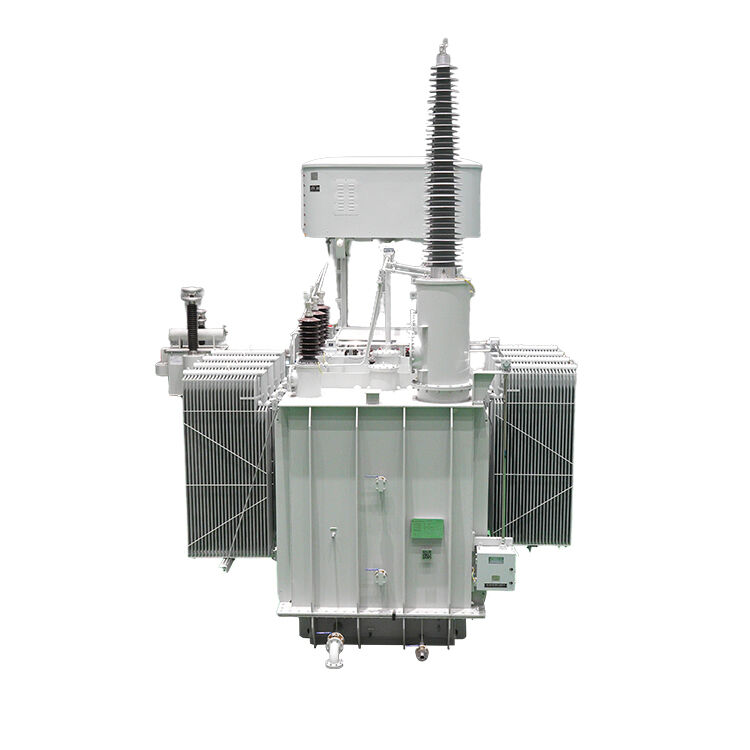
Power distribution systems rely heavily on efficient cooling mechanisms to maintain optimal performance and prevent equipment failure. An oil immersed transformer represents one of the most effective solutions for managing heat dissipation in high-voltage electrical applications. These sophisticated devices utilize specialized mineral oil as both an insulating medium and cooling agent, creating a dual-purpose system that significantly enhances operational reliability. The cooling efficiency of an oil immersed transformer stems from the superior thermal conductivity properties of transformer oil compared to air-cooled alternatives. Modern electrical infrastructure demands robust cooling solutions that can handle increasing power loads while maintaining consistent performance standards throughout extended operational periods.
Fundamental Cooling Mechanisms in Oil Immersed Transformers
Heat Transfer Principles and Oil Circulation
The cooling efficiency of an oil immersed transformer depends on natural convection currents that develop within the transformer tank. When electrical current flows through transformer windings, heat generation occurs due to resistive losses and magnetic flux variations. The transformer oil surrounding these components absorbs this heat and becomes less dense, causing it to rise toward the tank's upper regions. Cooler oil then descends to replace the heated oil, establishing continuous circulation patterns that effectively distribute thermal energy throughout the system. This natural circulation process ensures consistent temperature control without requiring external pumping mechanisms in many applications.
Advanced oil immersed transformer designs incorporate strategically positioned cooling fins and radiators that maximize surface area exposure to ambient air. These external cooling elements allow heated oil to transfer its thermal energy to the surrounding environment through conduction and convection processes. The efficiency of this heat exchange depends on factors such as ambient temperature, wind conditions, and the overall surface area available for heat dissipation. Engineers carefully calculate these parameters during the design phase to ensure adequate cooling capacity for specific power ratings and environmental conditions.
Oil Properties and Thermal Conductivity
Transformer oil possesses exceptional thermal conductivity characteristics that make it superior to air-based cooling systems. The specific heat capacity of mineral oil allows it to absorb substantial amounts of thermal energy without experiencing dramatic temperature increases. This property enables an oil immersed transformer to handle higher power loads while maintaining safe operating temperatures. The viscosity of transformer oil also plays a crucial role in circulation efficiency, as lower viscosity promotes better fluid flow and heat transfer rates throughout the transformer assembly.
Quality transformer oil undergoes rigorous refining processes to remove impurities that could impede heat transfer or cause electrical breakdown. The dielectric strength of purified oil provides excellent insulation properties while simultaneously serving as an efficient cooling medium. Regular oil testing and maintenance ensure that these thermal and electrical properties remain within acceptable limits throughout the transformer's operational lifetime. Contaminated or degraded oil can significantly reduce cooling efficiency and compromise the overall performance of an oil immersed transformer system.
Design Features That Enhance Cooling Performance
Tank Configuration and Heat Dissipation Systems
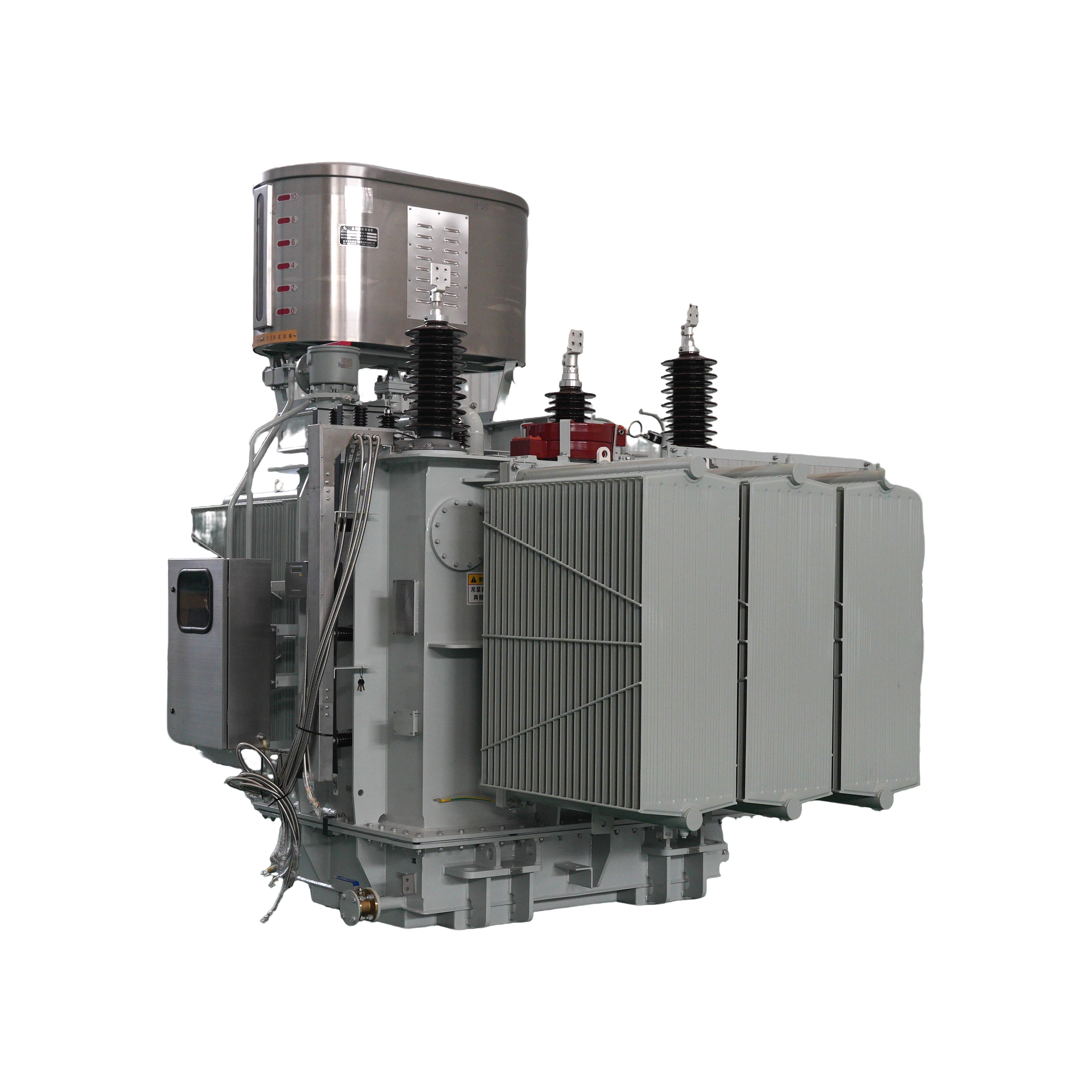
Modern oil immersed transformer designs incorporate various tank configurations optimized for maximum heat dissipation efficiency. Corrugated tank walls increase surface area exposure while maintaining structural integrity under internal pressure variations. Some designs feature detachable radiator panels that can be adjusted or replaced based on specific cooling requirements. The positioning of these radiators relative to prevailing wind patterns and ambient temperature conditions significantly impacts overall cooling effectiveness in outdoor installations.
Forced cooling systems represent advanced solutions for high-power oil immersed transformer applications where natural convection alone proves insufficient. These systems integrate oil pumps and cooling fans that accelerate heat transfer rates beyond what natural circulation can achieve. The combination of forced oil circulation and directed air flow over cooling surfaces enables transformers to handle substantially higher power ratings while maintaining safe operating temperatures. Control systems monitor oil temperature and automatically adjust fan speeds or pump flow rates to maintain optimal cooling performance under varying load conditions.
Internal Winding Design and Heat Management
The internal construction of an oil immersed transformer significantly influences cooling efficiency through strategic winding placement and oil flow channel design. Engineers create deliberate spacing between winding layers to promote oil circulation and prevent hot spot formation. These oil ducts guide heated oil away from high-temperature regions while ensuring adequate insulation distances between conductors. The cross-sectional area of these channels must balance oil flow requirements with space constraints within the transformer assembly.
Conductor materials and cross-sectional areas directly impact heat generation rates within transformer windings. Larger conductor cross-sections reduce resistive losses and subsequent heat production, while copper conductors offer superior electrical and thermal conductivity compared to aluminum alternatives. The arrangement of conductors within each winding layer also affects local heat concentration and oil flow patterns. Optimized designs distribute current density evenly across conductor surfaces to minimize hot spot development and maximize cooling effectiveness throughout the transformer core and winding assembly.
Operational Advantages of Oil Immersed Cooling Systems
Temperature Regulation and Load Handling Capacity
An oil immersed transformer demonstrates superior temperature regulation capabilities compared to dry-type alternatives, particularly under heavy load conditions. The thermal mass of transformer oil provides significant temperature buffering that prevents rapid temperature fluctuations during load variations. This thermal stability allows electrical equipment to operate more consistently and reduces stress on insulation materials that could otherwise experience thermal cycling damage. The ability to maintain stable operating temperatures directly correlates with extended equipment lifespan and reduced maintenance requirements.
Load handling capacity improvements in oil immersed transformer designs enable utilities and industrial facilities to maximize power throughput without exceeding safe temperature limits. The efficient heat removal provided by oil circulation allows these transformers to operate at higher power ratings while maintaining acceptable temperature rises. This increased capacity translates into improved system reliability and reduced infrastructure investment requirements. Emergency overload conditions can be accommodated more effectively due to the superior thermal buffering characteristics of oil-based cooling systems.
Maintenance Benefits and System Longevity
Oil immersed transformer cooling systems offer distinct maintenance advantages through their self-contained design and protective oil environment. The oil serves as both a cooling medium and a barrier against moisture infiltration and atmospheric contamination that could degrade internal components. Regular oil analysis provides valuable diagnostic information about transformer condition and potential developing problems before they result in equipment failure. This predictive maintenance capability allows operators to schedule repairs during planned outages rather than experiencing unexpected failures.
The sealed environment within an oil immersed transformer protects critical components from environmental factors that accelerate aging and deterioration. Windings and core materials remain isolated from oxygen, moisture, and airborne contaminants that could compromise insulation integrity or promote corrosion. This protection significantly extends operational lifetime compared to air-exposed alternatives and reduces the frequency of major maintenance interventions. Oil replacement and reconditioning procedures can restore cooling performance and insulation properties without requiring complete transformer replacement in many cases.
Efficiency Optimization Strategies and Best Practices
Installation Considerations for Maximum Cooling Performance
Proper installation practices significantly influence the cooling efficiency of an oil immersed transformer throughout its operational lifetime. Site selection should consider ambient temperature patterns, prevailing wind directions, and adequate clearance for air circulation around cooling surfaces. Transformers installed in confined spaces or areas with restricted air flow experience reduced cooling effectiveness and may require supplemental ventilation systems. Ground-mounted installations should incorporate proper drainage to prevent water accumulation that could interfere with cooling system operation or create safety hazards.
Foundation design and transformer positioning affect both cooling performance and operational safety. Elevated installations improve air circulation around cooling surfaces while facilitating oil drainage during maintenance procedures. The orientation of radiator panels relative to prevailing wind patterns can significantly impact heat dissipation rates, with proper alignment providing substantial cooling improvements. Access requirements for maintenance and oil sampling should be incorporated during installation planning to ensure long-term cooling system effectiveness.
Monitoring and Control Systems Integration
Advanced monitoring systems enable real-time assessment of oil immersed transformer cooling performance and automatic adjustment of cooling system components. Temperature sensors placed at strategic locations throughout the transformer provide comprehensive thermal mapping that helps identify potential cooling deficiencies before they affect equipment performance. These monitoring systems can trigger alarms when temperature limits are approached and automatically activate forced cooling systems when natural convection proves insufficient.
Integration with supervisory control and data acquisition systems allows remote monitoring of cooling system performance and trending of thermal behavior over extended periods. Historical temperature data helps identify seasonal patterns, load-related thermal responses, and gradual changes that might indicate developing cooling system problems. Predictive algorithms can analyze this data to optimize cooling system operation and schedule maintenance activities based on actual equipment condition rather than predetermined time intervals. This data-driven approach maximizes cooling efficiency while minimizing operational costs and maintenance requirements.
FAQ
What makes oil cooling more effective than air cooling in transformers
Oil provides superior heat transfer capabilities compared to air due to its higher thermal conductivity and specific heat capacity. An oil immersed transformer can absorb and dissipate significantly more heat per unit volume than air-cooled designs, enabling higher power ratings and more compact installations. The liquid medium also provides better contact with internal components, ensuring more uniform temperature distribution and preventing hot spot formation that commonly occurs in air-cooled systems.
How often should transformer oil be tested and replaced
Transformer oil should undergo annual testing to assess its dielectric strength, moisture content, and thermal properties. Complete oil replacement typically occurs every 10-15 years depending on operating conditions and oil quality test results. An oil immersed transformer operating under severe conditions or high ambient temperatures may require more frequent oil maintenance. Regular testing allows operators to identify degradation trends and schedule oil reconditioning or replacement before cooling efficiency is compromised.
Can forced cooling systems be retrofitted to existing oil immersed transformers
Many existing oil immersed transformer installations can accommodate forced cooling system upgrades to increase their power handling capacity. Retrofit installations typically involve adding external oil pumps and cooling fans along with associated control systems. The feasibility depends on available space, structural considerations, and electrical connection requirements. Professional engineering assessment is essential to determine compatibility and ensure that modifications maintain safety and performance standards.
What environmental factors most significantly impact cooling efficiency
Ambient temperature represents the primary environmental factor affecting oil immersed transformer cooling efficiency, as higher temperatures reduce the temperature differential driving heat transfer. Wind patterns and air circulation around cooling surfaces also significantly influence heat dissipation rates. Altitude affects air density and cooling effectiveness, while humidity levels can impact long-term oil quality and insulation performance. Installation location should consider these factors to optimize cooling system performance throughout varying seasonal conditions.