বহুমুখী ইনস্টলেশন এবং স্পেস অপটিমাইজেশন
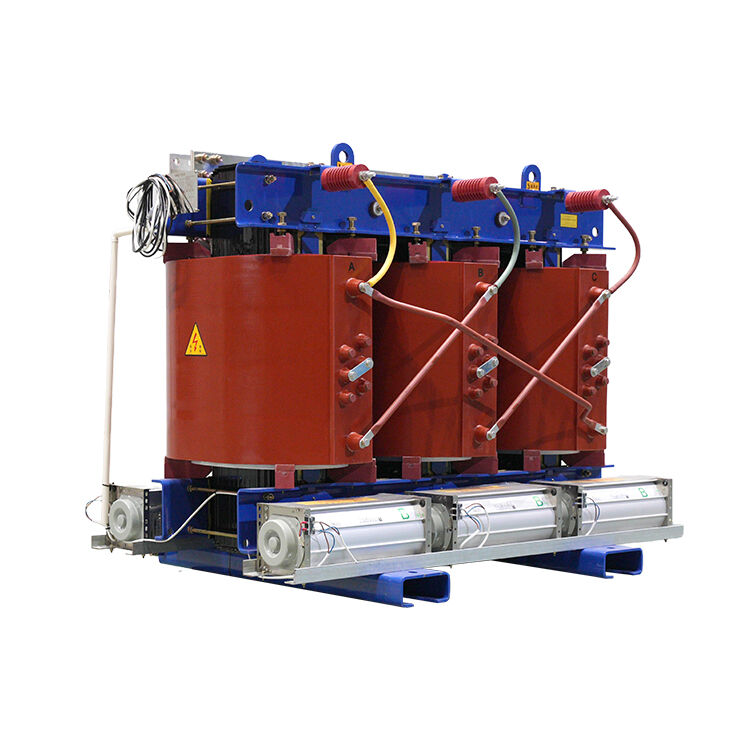
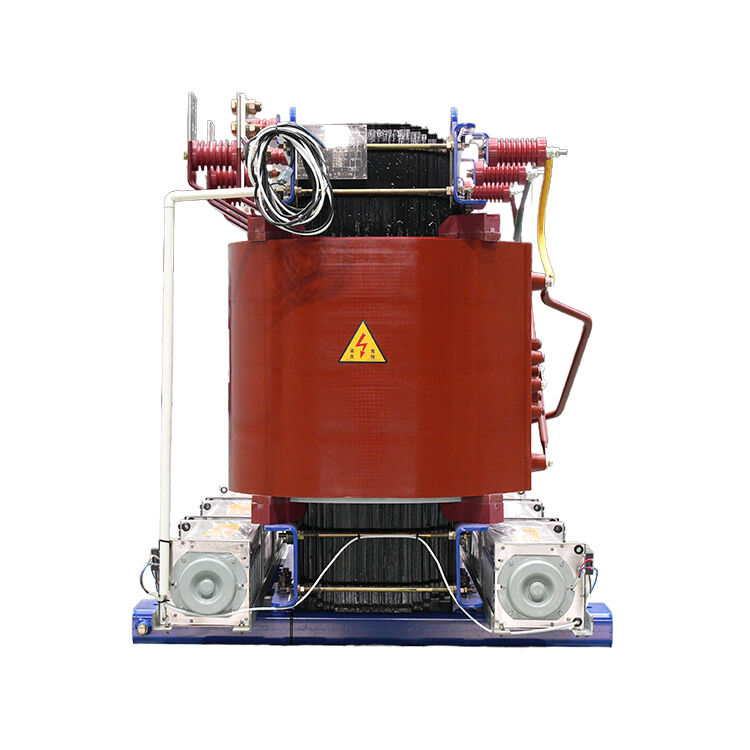
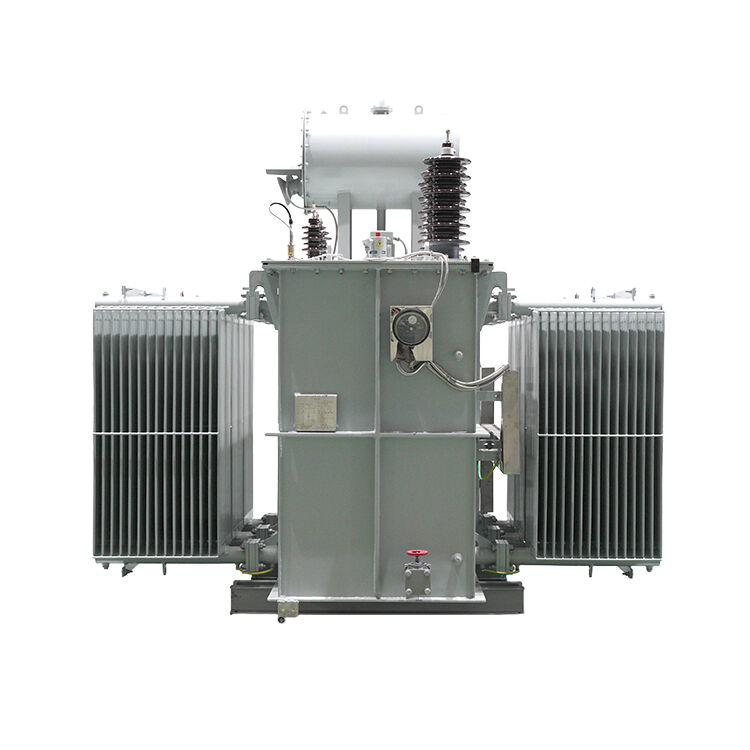
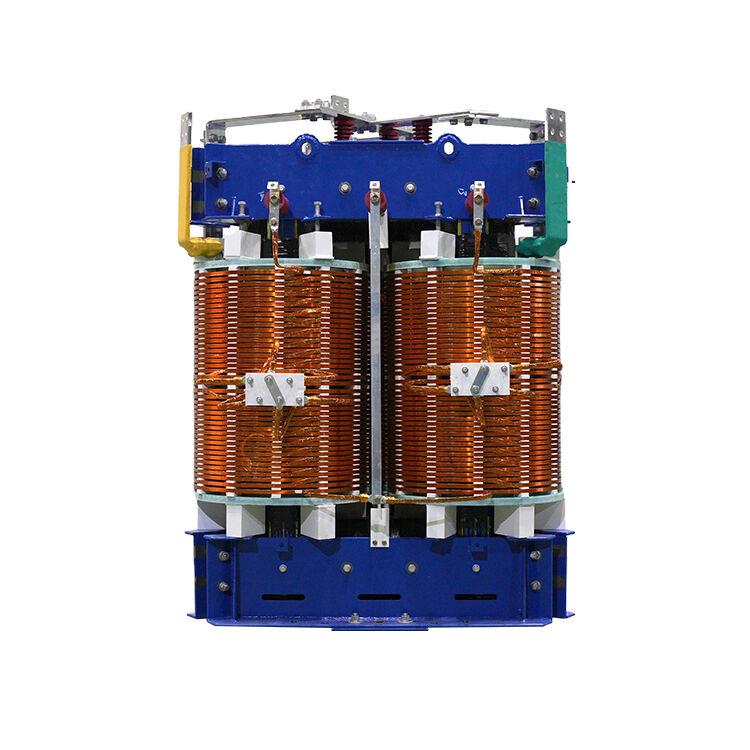
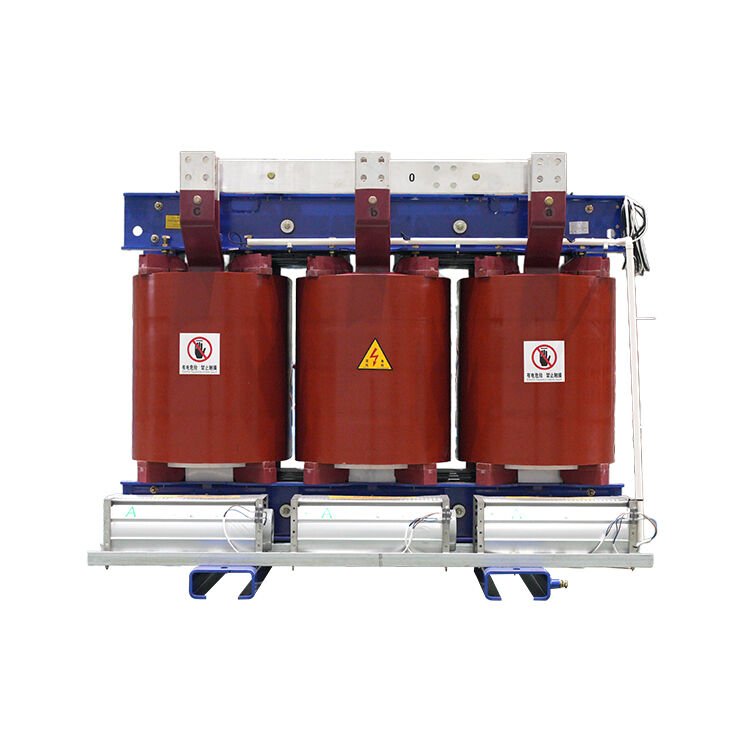
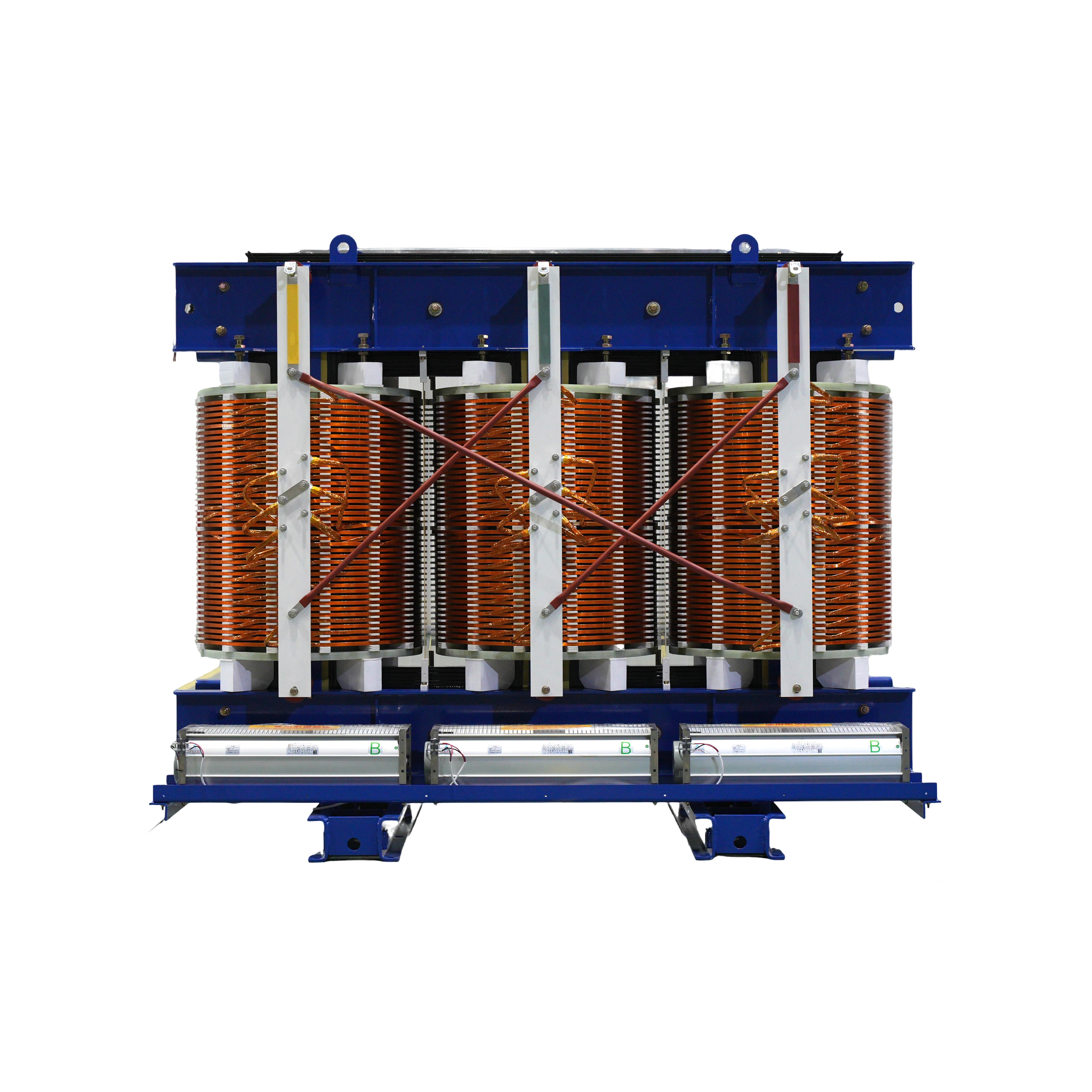
শুষ্ক প্রকারের সাবস্টেশন ট্রান্সফরমার আধুনিক বৈদ্যুতিক অবকাঠামো প্রকল্পগুলিতে সাধারণত দেখা যায় এমন স্থান সংকীর্ণতা এবং নকশা-সংক্রান্ত চ্যালেঞ্জগুলির সমাধান করে যা ইনস্টলেশনের ক্ষেত্রে অভূতপূর্ব নমনীয়তা প্রদান করে। তেল-পূর্ণ ট্রান্সফরমারগুলির বিপরীতে, যেগুলির তেল লিকেজ রোধ করা এবং সঠিক শীতলীকরণ নিশ্চিত করার জন্য নির্দিষ্ট অবস্থান প্রয়োজন, শুষ্ক প্রকারের সাবস্টেশন ট্রান্সফরমারগুলিকে প্রায় যেকোনো অভিমুখে ইনস্টল করা যায় যাতে কোনো কার্যকারিতা হ্রাস বা নিরাপত্তা ঝুঁকি না হয়। এই অভিমুখ-নমনীয়তা সংকীর্ণ শহুরে পরিবেশ, রিট্রোফিট প্রয়োগ এবং অদ্বিতীয় স্থাপত্য সীমাবদ্ধতা সম্পন্ন ভবনগুলিতে অত্যন্ত মূল্যবান প্রমাণিত হয়। শুষ্ক প্রকারের সাবস্টেশন ট্রান্সফরমারগুলির অভ্যন্তরীণ ইনস্টলেশনের সক্ষমতা একটি প্রধান সুবিধা, কারণ এগুলি বিশেষ ভেন্টিলেশন সিস্টেম বা তেল-পূর্ণ ইউনিটগুলির জন্য প্রয়োজনীয় অগ্নিনির্বাপক সরঞ্জাম ছাড়াই আবদ্ধ স্থানে নিরাপদে কাজ করতে পারে। এই অভ্যন্তরীণ সামঞ্জস্যতা বৈদ্যুতিক ডিজাইনারদের ট্রান্সফরমারগুলিকে সরাসরি ভবনের বৈদ্যুতিক রুম, ভূতল বা বিশেষভাবে নির্মিত আবদ্ধ স্থানে একীভূত করতে সক্ষম করে, যা স্থান ব্যবহার অপ্টিমাইজ করে এবং পৃথক বহিরঙ্গন ট্রান্সফরমার যার্ডের প্রয়োজনীয়তা কমিয়ে দেয়। শুষ্ক প্রকারের সাবস্টেশন ট্রান্সফরমারগুলির সংকুচিত ফুটপ্রিন্ট স্থান অপ্টিমাইজেশনে উল্লেখযোগ্য অবদান রাখে, কারণ তেল ধারণ ব্যবস্থা, শীতলীকরণ রেডিয়েটর এবং সংশ্লিষ্ট নিরাপত্তা সরঞ্জামের অনুপস্থিতি সামগ্রিক ইনস্টলেশন এনভেলপ হ্রাস করে। এই স্থান-দক্ষতা বিশেষভাবে মূল্যবান হয়ে ওঠে শহুরে পরিবেশে, যেখানে ভূসম্পত্তির খরচ উচ্চ এবং উপলব্ধ স্থান সীমিত। শুষ্ক প্রকারের সাবস্টেশন ট্রান্সফরমারগুলির জন্য ভেন্টিলেশনের প্রয়োজনীয়তা তেল-পূর্ণ বিকল্পগুলির তুলনায় ন্যূনতম, যা সাধারণত কেবল প্রাকৃতিক কনভেকশন বা সরল বাধ্যতামূলক বায়ু সিস্টেম প্রয়োজন করে। এই হ্রাসকৃত ভেন্টিলেশন জটিলতা ভবন নকশা সহজতর করে এবং ইনস্টলেশন খরচ কমায়, যার সাথে ট্রান্সফরমারের অপ্টিমাল কার্যকারিতা বজায় রাখে। অনেক শুষ্ক প্রকারের সাবস্টেশন ট্রান্সফরমার ডিজাইনের মডুলার প্রকৃতি ধাপে ধাপে ইনস্টলেশন বা সুবিধার চাহিদা বৃদ্ধির সাথে সাথে বৈদ্যুতিক ক্ষমতা সহজেই বৃদ্ধি করার অনুমতি দেয়। এই স্কেলেবিলিটির সুবিধা সুবিধা পরিকল্পনাকারীদের দীর্ঘমেয়াদী নমনীয়তা প্রদান করে এবং প্রাথমিক ইনস্টলেশনে অতিরিক্ত ক্ষমতা নিয়ে ইনস্টল করার প্রয়োজনীয়তা কমায়। পরিবহন ও হ্যান্ডলিংয়ের সুবিধাগুলির মধ্যে রয়েছে হালকা ওজন এবং পরিবহন বা ইনস্টলেশনের সময় তেল লিকেজের কোনো ঝুঁকি না থাকা, যা লজিস্টিক্সকে সহজতর করে এবং ইনস্টলেশনের ঝুঁকি কমায়। শুষ্ক প্রকারের সাবস্টেশন ট্রান্সফরমার ডিজাইন মেঝে-মাউন্টেড, প্যাড-মাউন্টেড এবং সাসপেন্ডেড ইনস্টলেশনসহ বিভিন্ন মাউন্টিং কনফিগারেশন গ্রহণ করে, যা স্থাপত্য ও প্রকৌশলীদের সর্বোচ্চ নকশা স্বাধীনতা প্রদান করে। শুষ্ক প্রকারের সাবস্টেশন ট্রান্সফরমারগুলির ভূকম্প প্রতিরোধী বৈশিষ্ট্যগুলি প্রায়শই তেল-পূর্ণ ইউনিটগুলির চেয়ে উচ্চতর হয়, কারণ এগুলির কঠিন নির্মাণ এবং নিম্ন কেন্দ্রের মাধ্যাকর্ষণ রয়েছে, যা ভূকম্প-প্রবণ অঞ্চলগুলিতে গঠনগত অখণ্ডতা সর্বোচ্চ গুরুত্বপূর্ণ হওয়ায় এগুলিকে উপযুক্ত করে তোলে।
 EN
EN