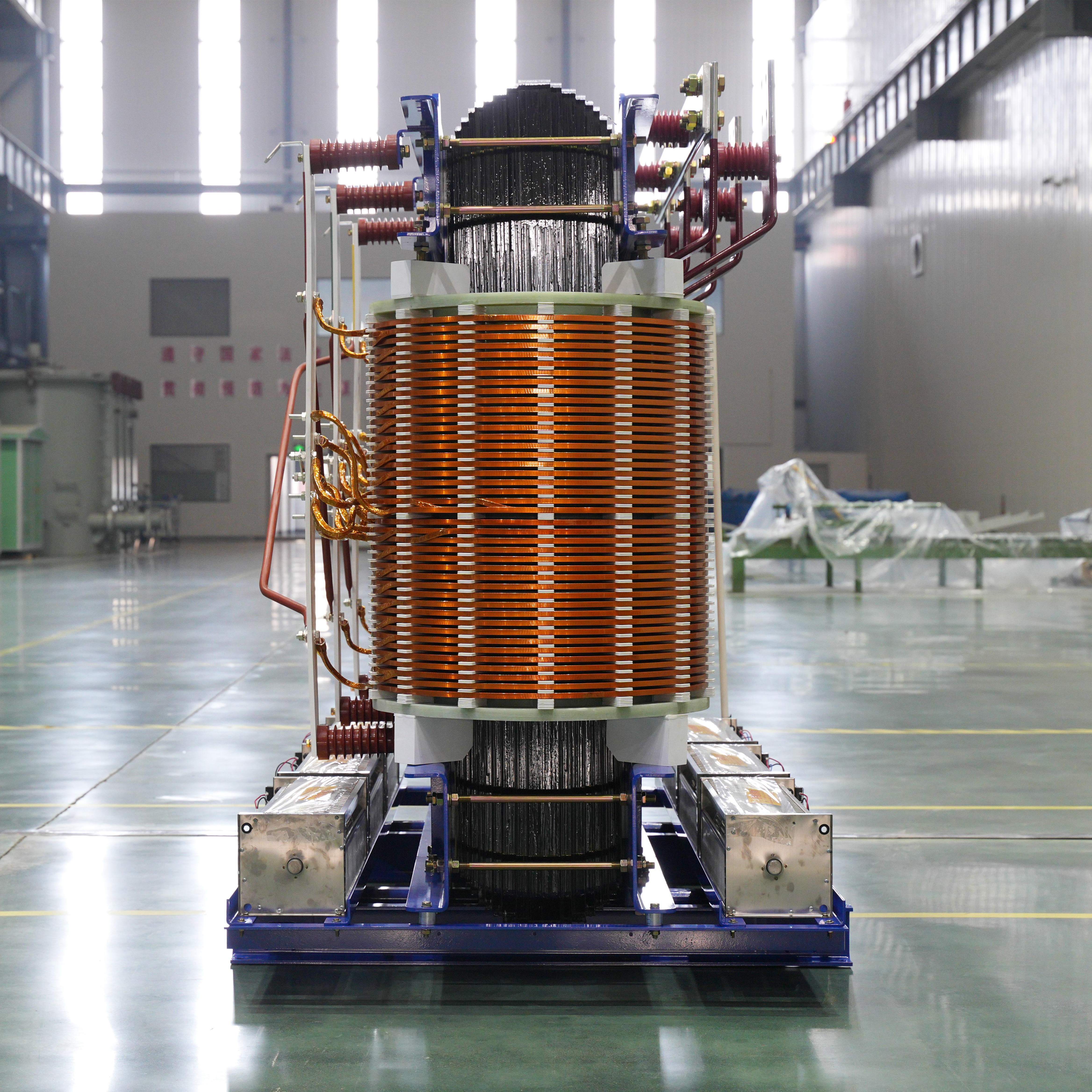
Dry Type Step Up Transformer Solutions - Safe, Efficient & Reliable Voltage Conversion

Get a Free Quote

Our representative will contact you soon.
Email
WhatsApp/Mobile
Name
Company Name
Message
0/1000

dry type step up transformer

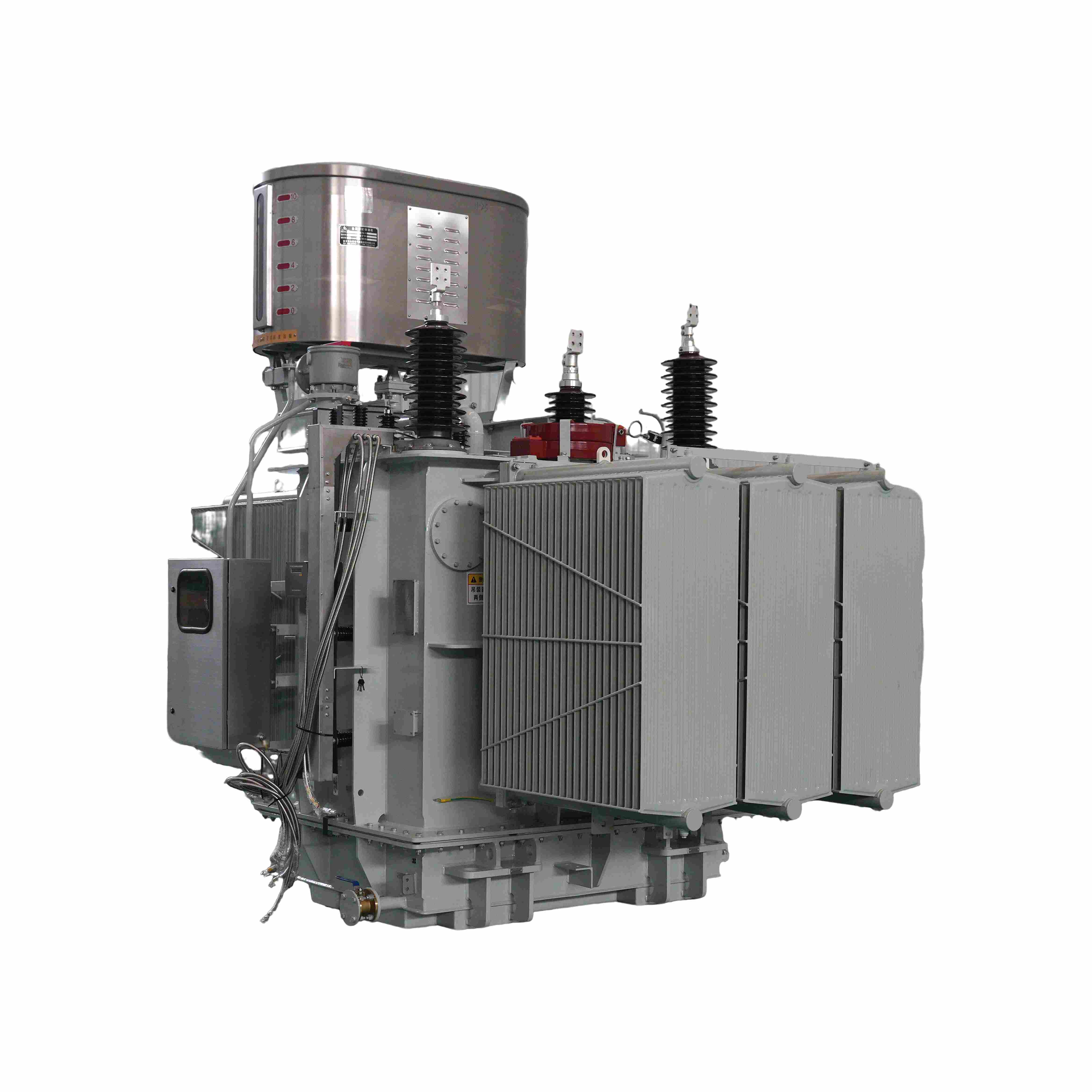
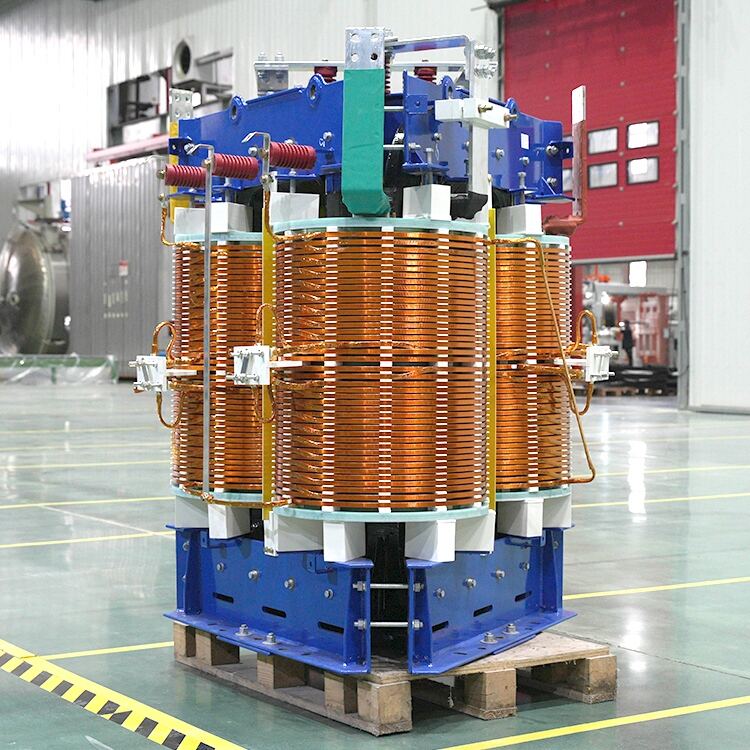
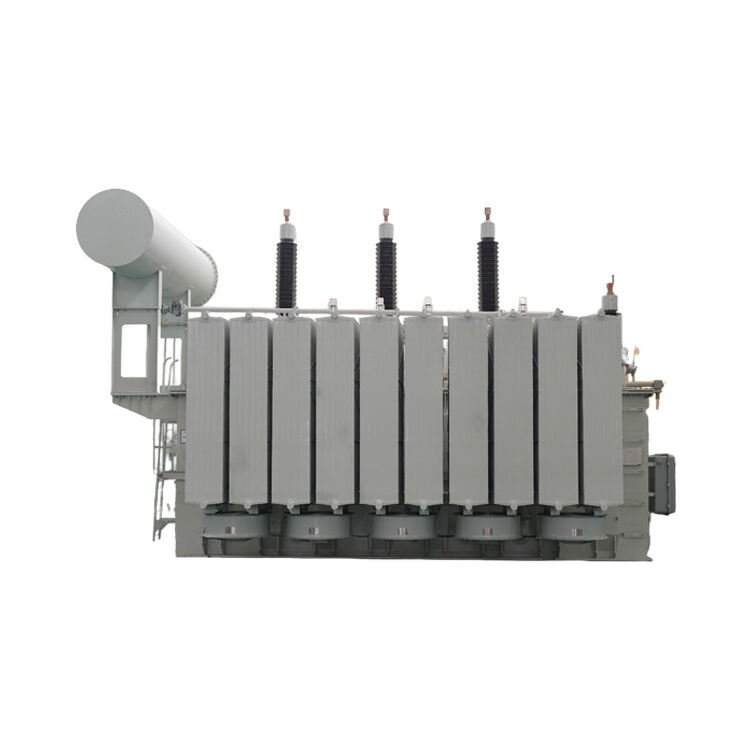
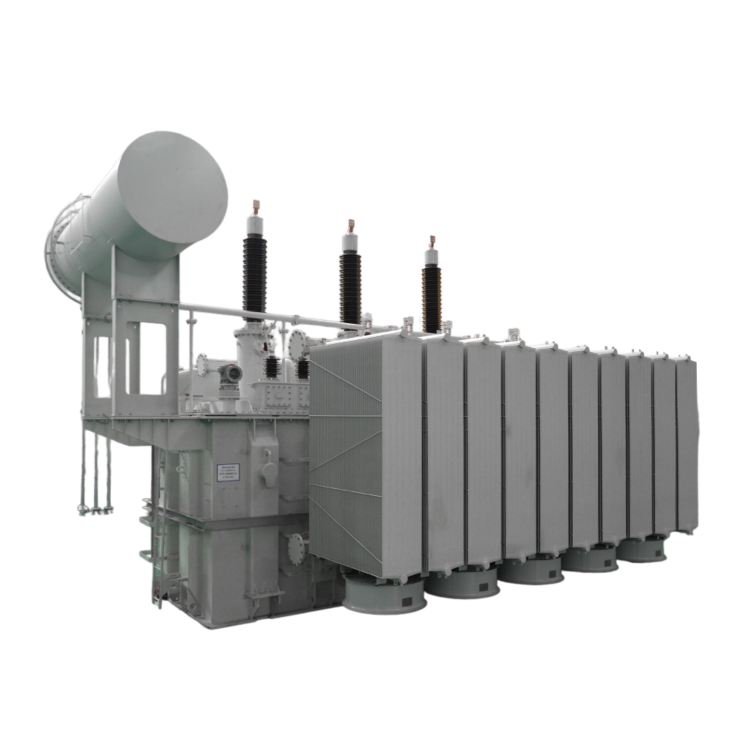
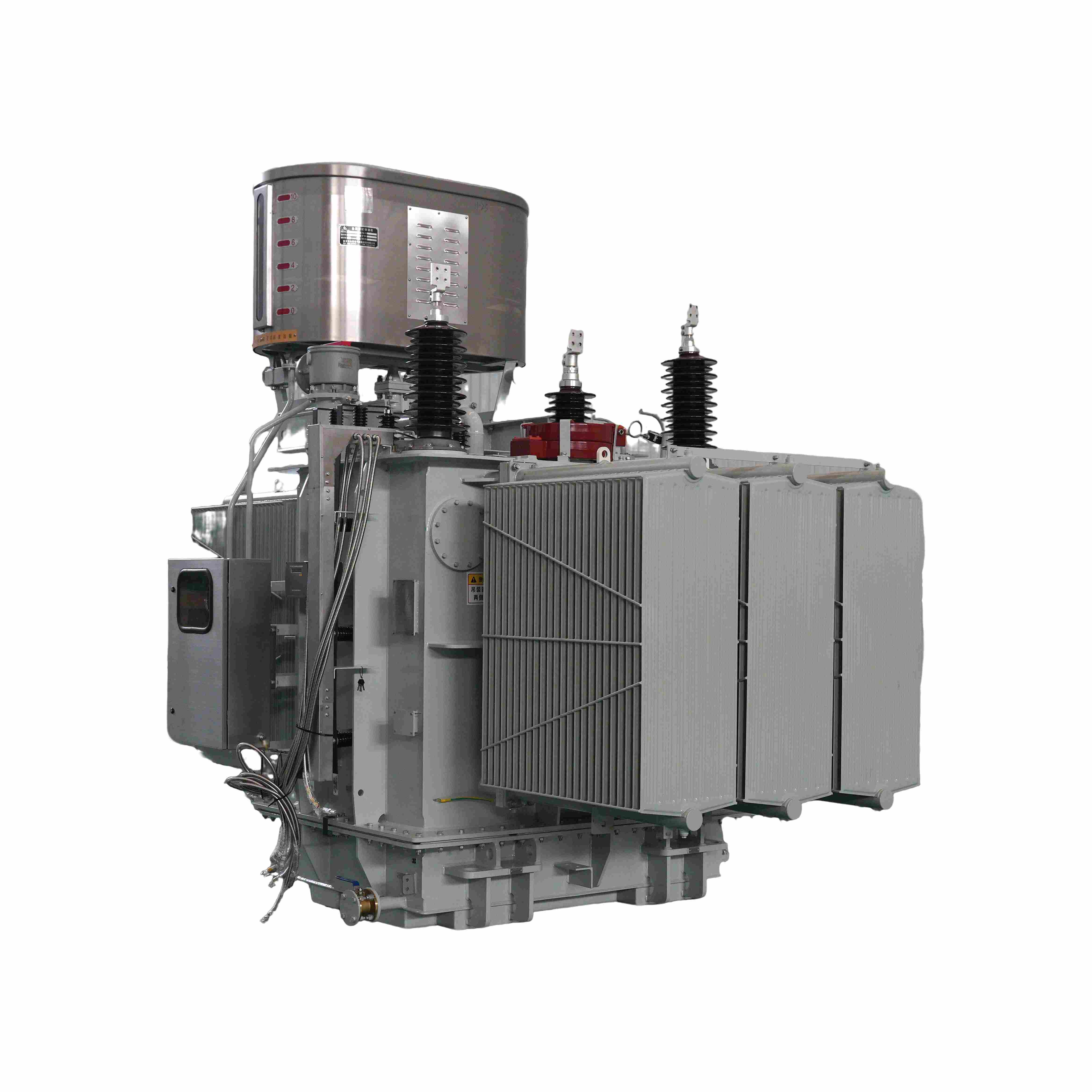
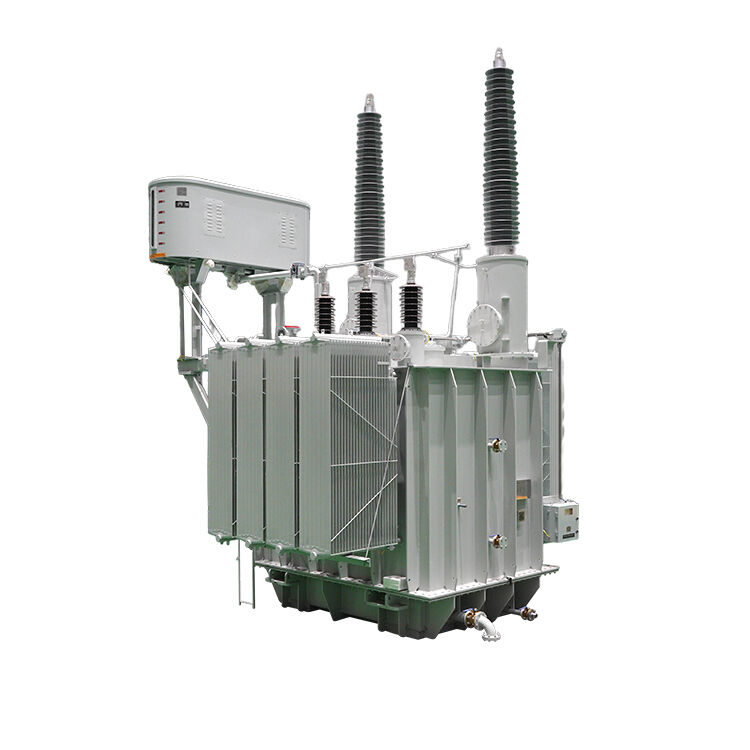
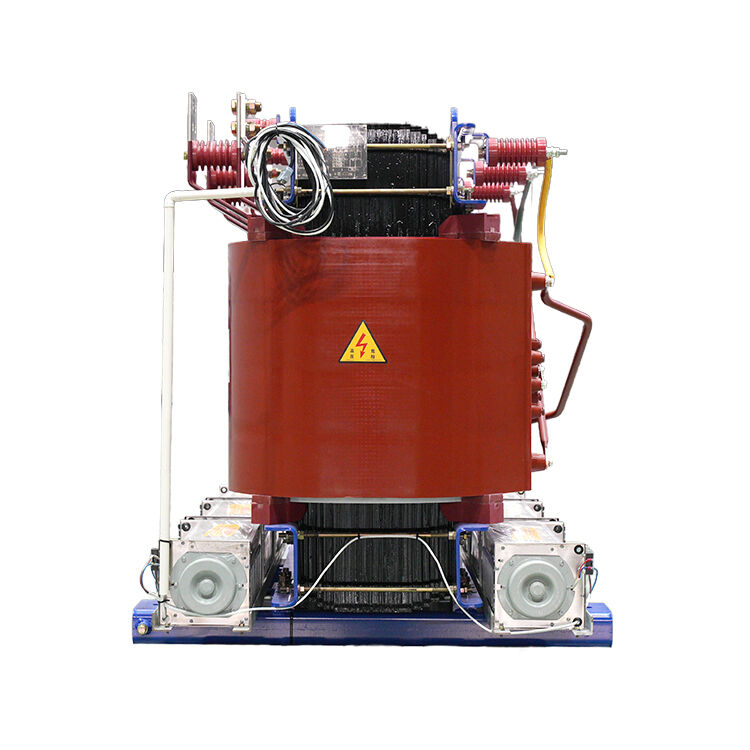
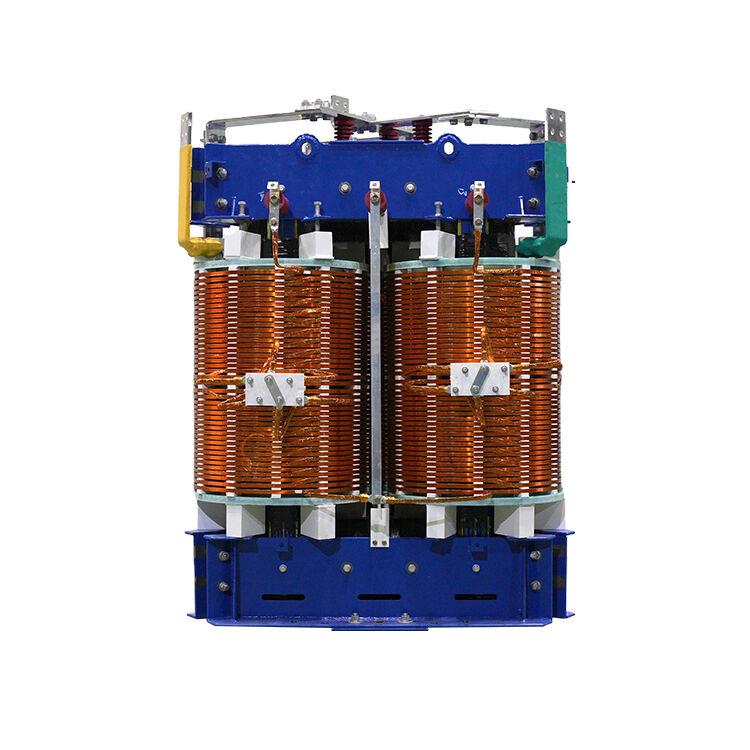
A dry type step up transformer represents a crucial electrical device engineered to increase voltage levels from lower input values to higher output values without requiring liquid coolants for heat dissipation. Unlike oil-filled transformers, the dry type step up transformer utilizes air circulation and solid insulation materials to manage thermal conditions effectively. The primary function involves electromagnetic induction principles, where alternating current flows through primary windings to create magnetic flux that induces higher voltage in secondary windings with more turns. These transformers incorporate advanced insulation systems featuring Class H materials that withstand temperatures up to 180 degrees Celsius, ensuring reliable operation under demanding conditions. The technological features include epoxy resin casting for windings protection, temperature monitoring systems, and forced air cooling mechanisms when necessary. Modern dry type step up transformer designs integrate digital monitoring capabilities that track performance parameters including load current, voltage levels, and internal temperatures. Applications span diverse sectors including renewable energy installations where solar panels or wind turbines require voltage elevation for grid connection, industrial facilities needing power distribution at different voltage levels, and commercial buildings requiring electrical system optimization. Data centers commonly implement dry type step up transformer units to manage power distribution efficiently while maintaining safety standards. The construction methodology employs vacuum pressure impregnation techniques that eliminate air pockets within insulation materials, enhancing dielectric strength and operational longevity. Core materials utilize grain-oriented silicon steel laminations that minimize eddy current losses and improve magnetic permeability. The dry type step up transformer configuration allows installation in confined spaces where fire safety regulations prohibit oil-filled alternatives, making them ideal for indoor applications including hospitals, schools, and office buildings where environmental safety remains paramount.

New Product Releases

The dry type step up transformer delivers exceptional environmental safety benefits that eliminate risks associated with oil leakage and fire hazards commonly found in liquid-filled alternatives. This safety advantage makes installation possible in sensitive environments including residential areas, healthcare facilities, and educational institutions where regulatory compliance demands strict safety protocols. Maintenance requirements remain significantly lower compared to oil-filled transformers because the dry type step up transformer eliminates the need for oil testing, filtration, and replacement procedures that consume time and resources. Installation costs decrease substantially since the dry type step up transformer requires no oil containment systems, specialized foundations, or fire suppression equipment that traditional transformers demand. The compact design allows flexible placement in tight spaces including basements, rooftops, and indoor electrical rooms where space optimization becomes critical for project success. Operational efficiency reaches impressive levels through reduced losses and improved power factor correction capabilities that directly translate into energy cost savings for end users. The dry type step up transformer operates with minimal noise levels, typically below 50 decibels, making them suitable for noise-sensitive applications including hospitals and residential developments where acoustic comfort matters. Temperature monitoring systems provide real-time operational data that enables predictive maintenance scheduling and prevents unexpected failures that could disrupt business operations. The absence of cooling fluids eliminates environmental contamination risks and simplifies disposal procedures at end-of-life stages, supporting corporate sustainability initiatives. Quick installation processes reduce project timelines because the dry type step up transformer arrives ready for immediate connection without requiring oil filling or complex commissioning procedures. Weather resistance capabilities allow outdoor installations without additional protective enclosures, expanding application possibilities while reducing infrastructure costs. Load handling capacity remains consistent across varying ambient temperatures, ensuring reliable performance in challenging environmental conditions. The modular construction facilitates easy transportation and reduces shipping costs compared to larger oil-filled units that require special handling procedures.

Latest News

What Is a Transformer and How Does It Improve Power System Efficiency?

02

Jan

What Is a Transformer and How Does It Improve Power System Efficiency?

A transformer represents one of the most critical components in modern electrical power systems, serving as the backbone for efficient energy transmission and distribution across vast networks. These electromagnetic devices enable the seamless conver...
View More
Why Are Transformers Critical for Industrial Power Distribution Systems?

14

Jan

Why Are Transformers Critical for Industrial Power Distribution Systems?

Industrial power distribution systems form the backbone of modern manufacturing, commercial facilities, and critical infrastructure operations. At the heart of these complex networks lies a fundamental component that ensures safe, efficient, and reli...
View More
How Do Transformers Support Grid Stability in Large-Scale Power Networks?

20

Jan

How Do Transformers Support Grid Stability in Large-Scale Power Networks?

Large-scale power networks form the backbone of modern electrical infrastructure, requiring sophisticated equipment to maintain stability and reliability across vast geographical areas. Power transformers play a crucial role in these complex systems ...
View More
What Should Utilities Consider When Selecting a Transformer Supplier?

26

Jan

What Should Utilities Consider When Selecting a Transformer Supplier?

Selecting the right supplier for power infrastructure represents one of the most critical decisions utility companies face in today's rapidly evolving energy landscape. The process of choosing a power transformer supplier requires careful evaluation ...
View More

Get a Free Quote

Our representative will contact you soon.
Email
WhatsApp/Mobile
Name
Company Name
Message
0/1000

dry type step up transformer

Advanced Safety Features and Environmental Protection

Advanced Safety Features and Environmental Protection

The dry type step up transformer incorporates comprehensive safety mechanisms that prioritize personnel protection and environmental preservation in all operating conditions. The absence of flammable cooling oils eliminates fire hazards that plague traditional transformer installations, making these units ideal for locations where fire safety regulations demand the highest standards. Advanced temperature protection systems monitor internal heat levels continuously and activate automatic shutdown procedures when predetermined thresholds are exceeded, preventing equipment damage and ensuring personnel safety. The solid insulation system employs Class H materials that maintain structural integrity even under extreme temperature fluctuations, providing reliable operation in harsh environments where conventional transformers might fail. Overpressure relief mechanisms automatically vent internal pressure buildup through specialized ports, preventing catastrophic failures that could endanger nearby equipment or personnel. The dry type step up transformer design incorporates multiple redundant safety circuits that monitor voltage levels, current flow, and insulation resistance to detect potential problems before they escalate into serious failures. Ground fault protection systems immediately isolate the transformer when insulation breakdown occurs, preventing electrical hazards that could affect connected equipment or create dangerous conditions for maintenance personnel. The sealed construction prevents moisture ingress that commonly causes insulation degradation and performance issues in outdoor applications. Environmental protection extends beyond operational safety through elimination of soil and groundwater contamination risks associated with oil leaks from traditional transformers. The recyclable materials used in dry type step up transformer construction support circular economy principles and reduce environmental impact throughout the product lifecycle. Arc-resistant designs incorporate pressure relief channels that safely direct fault energy away from personnel areas, meeting stringent safety standards required in industrial and commercial installations. Seismic resistance capabilities ensure continued operation during earthquake events, providing critical power infrastructure reliability when community safety depends on electrical system performance.
Superior Efficiency and Cost-Effectiveness

Superior Efficiency and Cost-Effectiveness

The dry type step up transformer delivers outstanding economic value through reduced operational costs and enhanced energy efficiency that directly impacts bottom-line profitability for businesses and organizations. Energy losses remain significantly lower than oil-filled alternatives due to advanced core materials and optimized winding configurations that minimize eddy currents and hysteresis losses during operation. The high-efficiency design typically achieves 98-99 percent energy conversion rates, translating into substantial electricity cost savings over the transformer lifespan that can exceed twenty-five years of continuous service. Maintenance expenses decrease dramatically because the dry type step up transformer requires no oil changes, filter replacements, or cooling system servicing that consume significant resources in traditional transformer maintenance programs. The absence of oil monitoring and testing procedures eliminates recurring laboratory costs and specialized maintenance personnel requirements that burden operational budgets in conventional transformer installations. Installation cost advantages include simplified foundation requirements because the dry type step up transformer weighs considerably less than oil-filled equivalents, reducing structural engineering costs and construction complexity. The compact footprint maximizes valuable real estate utilization in urban environments where space costs represent significant project expenses, allowing more efficient facility layouts that optimize operational workflows. Lower insurance premiums reflect reduced fire and environmental risks associated with dry type step up transformer installations, providing ongoing cost benefits that compound over the equipment lifespan. Quick commissioning procedures reduce project timelines and associated labor costs because the dry type step up transformer arrives factory-tested and ready for immediate service without extended startup procedures. Energy monitoring capabilities enable precise load management and power factor optimization that further reduce electrical utility costs through improved system efficiency. The robust construction minimizes unexpected repair costs and replacement expenses that commonly affect oil-filled transformers operating in challenging environments. Resale value remains higher due to the environmentally friendly design and reduced regulatory compliance burdens that make dry type step up transformer units more attractive in secondary markets.
Versatile Application Range and Installation Flexibility

Versatile Application Range and Installation Flexibility

The dry type step up transformer offers unmatched versatility across diverse applications and installation environments, making it the preferred choice for projects requiring flexible power solutions. Indoor installation capabilities eliminate weather protection requirements while maintaining full operational performance in climate-controlled environments including data centers, manufacturing facilities, and commercial buildings where space optimization remains critical. Outdoor deployment options with appropriate enclosures expand application possibilities to include solar farms, wind energy installations, and remote industrial sites where traditional transformers face environmental challenges. The modular design philosophy enables custom configurations that meet specific voltage requirements and load capacities without requiring extensive modifications or special ordering procedures that delay project schedules. Renewable energy integration becomes seamless through specialized dry type step up transformer designs optimized for variable load conditions and power factor variations common in solar and wind power applications. Industrial process compatibility extends to heavy manufacturing environments where electromagnetic interference resistance and vibration tolerance ensure reliable operation alongside sensitive equipment and automated systems. Commercial building applications benefit from quiet operation and compact dimensions that allow installation in mechanical rooms, basements, and rooftop locations without disturbing occupant comfort or violating building codes. Data center implementations leverage the dry type step up transformer reliability and efficiency to support mission-critical operations where power interruptions could result in significant business losses and customer dissatisfaction. Mining and oil field applications utilize ruggedized versions that withstand extreme temperatures, dust exposure, and mechanical stress while maintaining consistent performance in remote locations with limited maintenance access. Transportation infrastructure projects including airports, rail systems, and marine facilities benefit from the safety features and environmental compliance that dry type step up transformer installations provide. Educational institutions and healthcare facilities prioritize the fire safety and environmental protection characteristics that enable installations in proximity to sensitive populations and critical operations. Emergency backup power systems integrate dry type step up transformer units to ensure reliable voltage conversion during utility outages when maintaining essential services becomes paramount for community safety and business continuity.

Get a Free Quote

Our representative will contact you soon.
Email
WhatsApp/Mobile
Name
Company Name
Message
0/1000