 EN
EN
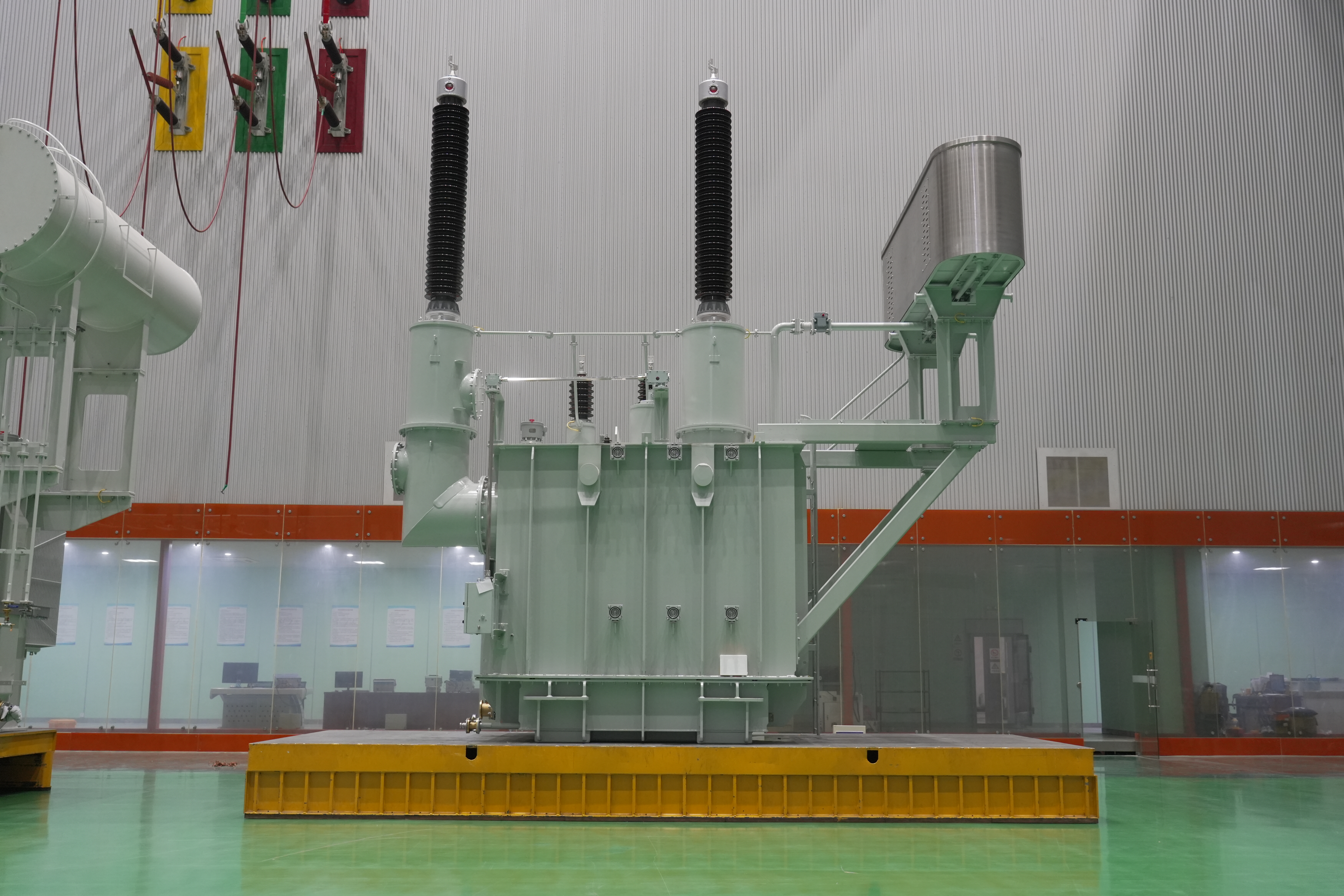
A railway transformer designed for long-term rail operation must meet stringent technical, operational, and environmental standards that extend far beyond basic electrical functionality. The selection of the right railway transformer directly impacts the efficiency, safety, and cost-effectiveness of rail networks, making it essential for operators to understand the critical factors that determine suitability. Modern rail systems depend heavily on specialized equipment, and a railway transformer that fails to meet performance expectations can lead to costly downtime, safety risks, and reduced operational reliability across entire networks.
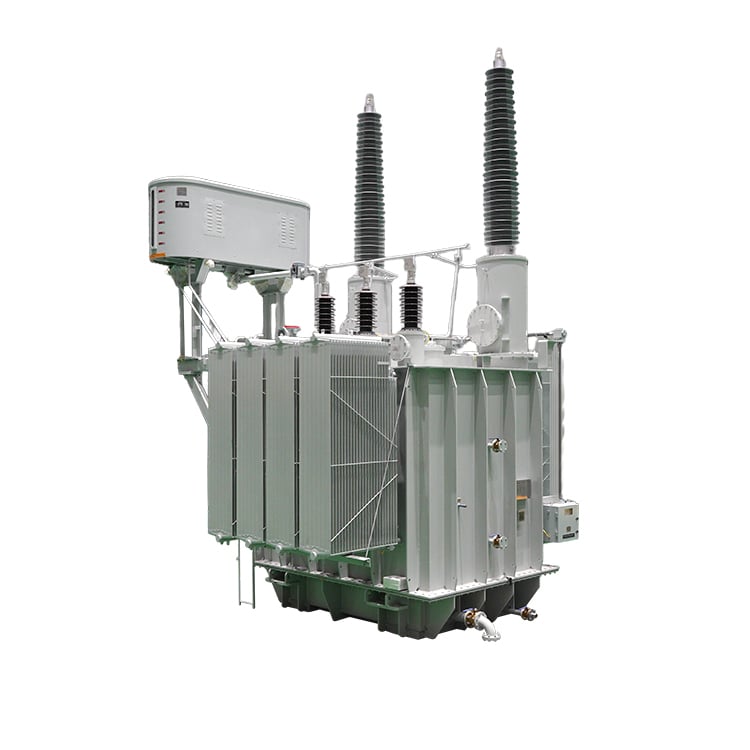
Understanding what makes a railway transformer suitable for sustained operation requires examining multiple interconnected dimensions, from thermal management and voltage regulation to mechanical durability and environmental resilience. Rail operators must evaluate not only immediate performance metrics but also the long-term behavior of a railway transformer under the dynamic stress conditions typical of modern rail networks. This comprehensive assessment ensures that selected equipment will maintain consistent performance throughout its operational lifespan while adapting to evolving operational demands and regulatory requirements.
Thermal Management and Heat Dissipation Capabilities
Core Thermal Design for Railway Transformer Systems
Thermal performance stands as one of the most critical factors in determining whether a railway transformer can sustain long-term operation without degradation. A properly designed railway transformer must incorporate advanced cooling systems that prevent insulation breakdown, which represents the primary failure mode in high-use rail environments. The oil circulation and cooling system within a quality railway transformer enables continuous heat removal under peak load conditions, ensuring that winding temperatures remain within manufacturer specifications throughout the operational cycle.
Excessive heat accelerates the aging of insulation materials in any railway transformer, reducing its operational lifespan dramatically. Modern railway transformer designs employ forced-oil cooling systems with dedicated pump systems, thermostatic controls, and redundant cooling pathways to maintain stable operating temperatures even during extended peak-load periods. The selection of insulation materials in a railway transformer has evolved to include synthetic compounds with superior thermal tolerance, allowing equipment to operate reliably in demanding rail network environments where temperature fluctuations and sustained high loads are commonplace.
Environmental Temperature Variations and Railway Transformer Performance
Railway networks operate across diverse geographic regions, exposing a railway transformer to temperature extremes ranging from arctic conditions to tropical climates. A suitable railway transformer for long-term operation must maintain consistent performance across this full temperature spectrum without requiring seasonal adjustments or additional cooling interventions. The expansion and contraction cycles caused by temperature variations can stress mechanical components within a railway transformer, making robust design critical for reliability.
Altitude variations and seasonal weather changes create compounding thermal challenges for any railway transformer installed in mountainous or geographically diverse regions. Equipment designed with thermally optimized tank materials and sealed bushing systems protects a railway transformer from moisture ingress and corrosion, which accelerate both thermal and electrical performance degradation. Long-term railway transformer reliability depends on the ability to shed waste heat efficiently across the full operating temperature range without performance compromise.
Electrical Efficiency and Load Regulation Precision
Core Losses and Operational Efficiency in Railway Transformer Equipment
Electrical efficiency fundamentally determines the operational economics of a railway transformer over its lifespan, with even small improvements in core loss performance translating to substantial energy savings across large rail networks. A high-quality railway transformer incorporates grain-oriented electrical steel cores designed to minimize magnetizing losses while maintaining consistent magnetic properties across the voltage and frequency ranges typical of rail traction systems. The winding design in a modern railway transformer optimizes copper loss reduction through precise conductor sizing and arrangement, ensuring that I²R losses remain minimal even under sustained maximum load conditions.
Harmonic distortion and reactive power management significantly influence the long-term operational efficiency of any railway transformer supporting dynamic rail network loads. A properly specified railway transformer includes harmonic mitigation features and efficient load regulation mechanisms that adapt automatically to changing traction demand patterns throughout the day. Rail network operators benefit from lower energy consumption when their railway transformer minimizes losses, directly reducing operational costs and environmental impact while improving the financial sustainability of rail services.
Voltage Regulation and Output Stability Under Variable Load
Consistent voltage output remains essential for reliable operation of all downstream railway infrastructure, making voltage regulation capability a defining feature of any suitable railway transformer. Load-tap-changing mechanisms within advanced railway transformer designs enable automatic voltage adjustment across multiple steps, responding instantly to fluctuations in network demand without manual intervention or service disruption. The precision of voltage regulation directly affects the performance of traction systems, protection equipment, and signaling infrastructure dependent on stable electrical supply from the railway transformer.
Railway networks experience rapid load changes during peak transit periods, acceleration phases, and regenerative braking events, creating dynamic voltage stress on all connected equipment. A railway transformer engineered for long-term reliability must accommodate these rapid transients without allowing voltage deviations that could trigger protective systems or degrade connected equipment. Sophisticated control systems integrated into modern railway transformers monitor voltage deviation continuously and execute corrective tap changes within milliseconds, maintaining optimal performance throughout the demanding operational cycle.
Mechanical Robustness and Environmental Resilience
Structural Integrity and Vibration Resistance for Railway Environments
The mechanical environment surrounding a railway transformer exposes equipment to continuous vibration, shock loading, and environmental stresses that conventional industrial transformers never encounter. A railway transformer designed for long-term operation must incorporate reinforced tank structures, dampened core supports, and elastically mounted winding assemblies that absorb vibration energy without transmitting damaging forces to critical components. The mechanical design philosophy underlying quality railway transformer construction emphasizes distributed support systems and flexible mounting points that prevent resonance accumulation over extended operational periods.
Seismic events, track irregularities, and dynamic braking forces generate mechanical transients that can damage improperly designed railway transformer equipment. Robust tank construction and comprehensive structural engineering in modern railway transformer designs ensure that mechanical loads are distributed safely throughout the equipment without creating stress concentration points where fatigue cracks might initiate. The mechanical durability of a railway transformer directly correlates with its ability to maintain reliable operation across decades of demanding rail network service without requiring major reconstruction or replacement.
Corrosion Protection and Environmental Sealing Effectiveness
Salt spray, industrial pollution, and moisture exposure create severe corrosion challenges for any railway transformer installed in coastal or industrial rail corridors. High-quality railway transformer construction incorporates multi-layer protective coatings applied to tank surfaces, specialized bushing seals that prevent moisture ingress, and interior moisture control systems that maintain oil quality despite external environmental pressures. The selection of compatible materials throughout a railway transformer design ensures that dissimilar metal combinations do not create electrochemical corrosion pathways that could compromise structural integrity.
Long-term environmental sealing integrity directly determines whether a railway transformer can operate reliably without frequent maintenance interventions or catastrophic failure from internal corrosion. Advanced bushings with ceramic or composite insulators resist surface contamination and moisture accumulation better than older designs, extending the maintenance intervals required to keep any railway transformer operating safely. Oil preservation systems integrated into modern railway transformer designs employ dehydrating breathers and automatic moisture detection, maintaining insulation integrity throughout the equipment's operational lifespan regardless of external environmental conditions.
FAQ
What specific certifications should a suitable railway transformer hold?
A railway transformer intended for long-term rail operation should carry certifications such as IEC 61378 for traction transformers, EN 50324 for railway transformer requirements, and relevant national rail authority approvals. These certifications confirm that the railway transformer meets durability, safety, and performance standards established specifically for rail network applications. Additional certifications for noise emissions, temperature rise limits, and efficiency ratings provide further evidence that a railway transformer meets long-term operational requirements for demanding rail environments.
How frequently should a railway transformer undergo maintenance during its operational lifespan?
Maintenance frequency for a quality railway transformer depends on operational intensity, environmental exposure, and installation conditions, but typically ranges from annual inspections to major overhauls at 15-20 year intervals. A well-designed railway transformer with robust sealing and advanced materials may require minimal maintenance beyond routine oil sampling and cooler system inspection. Regular monitoring of dissolved gas content in the railway transformer oil provides early warning of potential internal problems, allowing predictive maintenance scheduling that minimizes unplanned downtime.
Can a railway transformer designed for one climate region operate reliably in a different geographic environment?
While basic railway transformer design principles remain consistent, equipment specifications should be tailored to the specific climate, altitude, and environmental conditions of the installation location. A railway transformer specified for temperate climates may not include sufficient corrosion protection for coastal environments or cooling capacity for tropical regions. Consulting with railway transformer manufacturers about environmental conditions ensures that equipment specifications match the actual operating environment, maximizing the suitability and reliability of the transformer for long-term rail network service.