 EN
EN


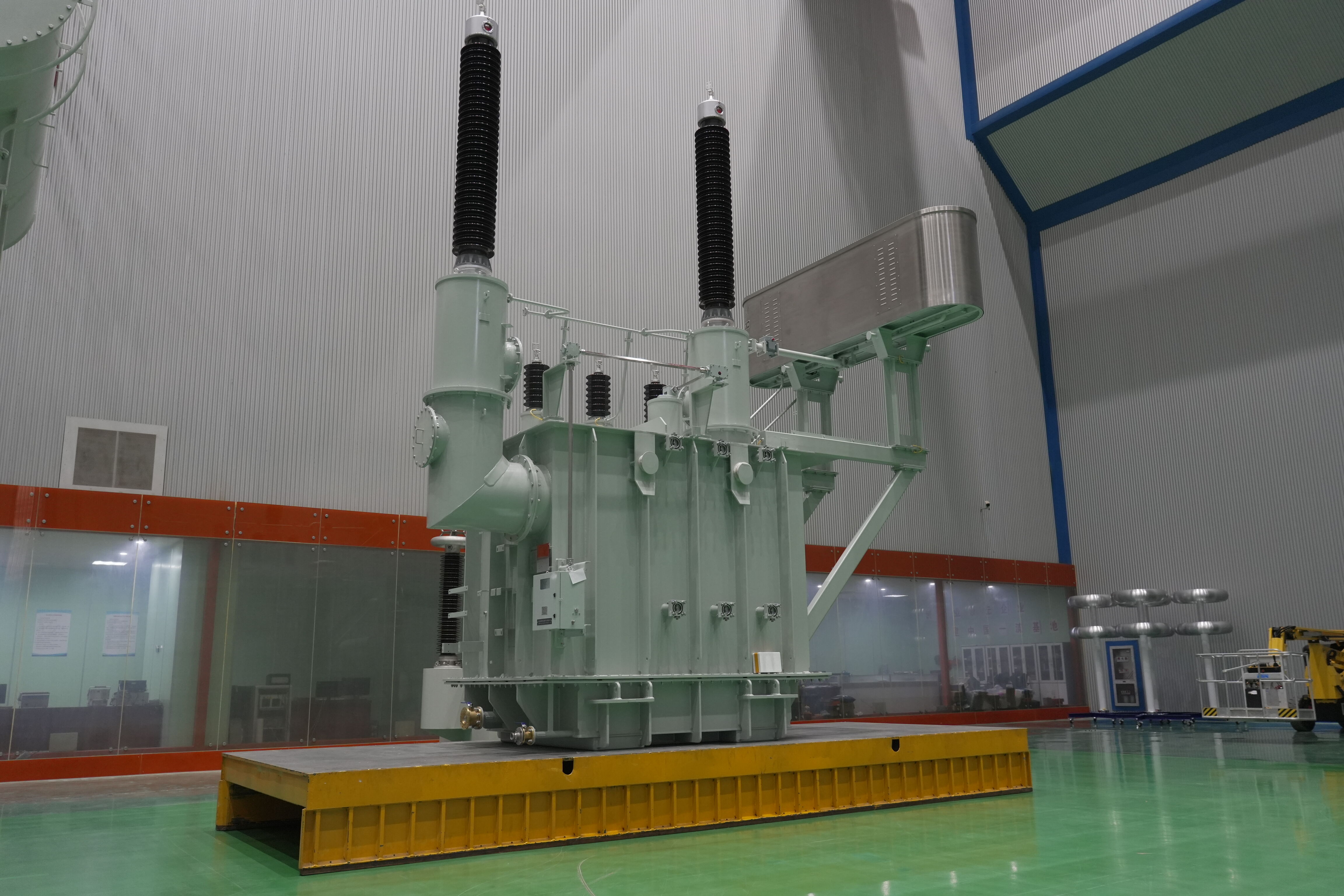
Urbes modernae in suppellectilem electricam firmam et continuam nituntur, et in ipso hoc catenae suppeditationis corculo transformatorius distributionis . Quotienscumque electricitas ab altivoltaginea linea transmissionis ad domum, ad aedificium officiorum, aut ad fabricam transmittitur, transformator distributionis incar... est ut voltam eam ad gradum tutum et utilem minuat. Sine hoc instrumento critico, tota rete electricum urbanum non posset electricitatem in forma quae usus finales tuto consumere possint suppeditare.
Intellectus quomodo transformator distributionis infrastructuram urbanam electricitatis sublevet, ingenieros, planificatores urbis, et peritos in emptionibus adiuvat ut meliores decisiones de structura rete et de electione instrumentorum faciant. Transformator distributionis non est tantum componentis passivus — sed est activus facilitator regulandi tensionem, administrandi onus, et fiduciae in energia per zonas urbanas densissime habitatas. Hoc opusculum explorat officia specifica quae transformator distributionis in retibus electricis urbium gerit, proprietates technicas quae eum ad idoneum reddunt ad ambientes urbanos, et considerationes principales quae deployment eius formant.
Officium Principale Transformatoris Distributionis in Retibus Urbanis
Gradatio Tensionis ad Minorem et Secura Distrubutio Electricitatis
Prima functio transformatoris distributionis est ut altas tensiones transmissionis — quae saepe variant ab 10 kV usque ad 35 kV — reducat ad tensiones infimas, quae in usum domesticum et commerciale requiruntur, ut sunt 380 V aut 220 V. In reti urbana, hoc processus descendens fieri debet millies per totam retem, quod significat transformatorem distributionis opus esse cum maxima efficacia, minimis dispendiis, et constanti qualitate producti. Transformator bene dispositus distributionis certificat ut fluctuationes tensionis intra limites acceptabiles manent, utrumque instrumentum et ultimos usores protegens a damno quod ex irregulari suppeditatione oritur.
Urbes praebent difficultates unicas ad gestionem voltarum, quia postulatus oneris cito mutatur per diem. Transformator distributionis onus huiusmodi sustinere debet dum tamen stabilem effluentiam servat. Modernae unitates transformatorum distributionis urbanae fabricatae sunt cum nucleis exiguorum amissorum in statu quieto et designis optimatis convolutionum quae generationem caloris minuunt et responsionem ad cycli variabilis postulati meliorant. Hoc transformatorem distributionis in stabilizatorem essentialem reddit intra aedificium electricum urbis.
Distributio Onus per Zonas Urbanas
Unus urbanus districtus mille consumptores electricitatis singulos continere potest, omnes per rete commune coniunctos. Transformator distributionis fungitur ut nodus localis qui fluxum potentiae inter lineam medi-voltaticam et rete consumptorum bassi-voltaticum aequat. Per collocandum transformatorem distributionis in punctis strategici per urbem, operatores rete locum praebere potentiam possunt, minuere amissas transmittendi per breves distantias, et defectus efficacius isolare. Haec methodus zonalis, quae in transformatore distributionis centrum habet, est fundamentum modernae architecturae urbis rete.
Characteristica Technica Quae Ambientibus Urbanis Accommodant
Design Compactum et Flexibilitas Installationis
Ambientia urbana spatium limitatum habent, quod facit vestigium physicum transformatoris distributionis considerationem criticam in designo. Unitates compactae transformatorum distributionis, sive in basi positarum sive in columna positarum, late utuntur in urbibus, quia in locis angustis, ut in cryptis subterraneis, in clausuris ad vias, aut in substationibus aedificiorum, installari possunt. Transformator compactus distributionis minuit necessitatem aedificiorum magnorum et specialium statio et infrastructuram electricitatis magis integrare permittit in ambitu urbano. Facultas transformatoris distributionis in variis configurationibus deployendi magis flexibilitatem praebet planificatoribus urbibus, cum rete electricitatis designant aut emendant.
Designa transformatorum distributionis hermetice clausorum et sigillatorum praesertim valent in urbibus, ubi periculum humectationis, pulveris et vandalismi est. Unitas transformatoris distributionis clausi minima cura indiget et in spatiis angustis aut semipublicis fiducialiter operari potest absque necessitate regularium inspectionum olei aut servitiorum in loco. Hoc profectum exiguae curae transformatorem distributionis reddit bonum a longo tempore oeconomicum in consiliis investitionum infrastructurae urbanae.
Efficientia Energiae et Normae Ambientales
Gubernationes urbanae magis magisque efficaciam energiae et conformitatem ambientalem in politicis suis de emptionibus infrastructurae praeponunt. Transformator distributivus altius efficax, qui ex legatis amorpha vel ex aço silicio sublimi fabricatus est, minuit perditas sine onere notabiliter comparatus ad antiquiores formas transformatorum. Per totam vitam operativam transformatoris distributivi, hae reductiones perditarum in conservationem energiae mensurabilem et in emissionem carbonis minorem in ambitu urbis convertuntur. Turmae emptionum, quae transformatorem aestimant pro transformatorius distributionis proiectis urbanis rete, semper gradum efficaciae, valores perditarum et conformitatem cum praesentibus normis de performance energiae, quae ad regionem suam pertinent, aestimare debent.
Scenaria Distributionis et Valor Strategicus
Expansionem Urbanam et Integrationem Rete Sapientis Suffragantes
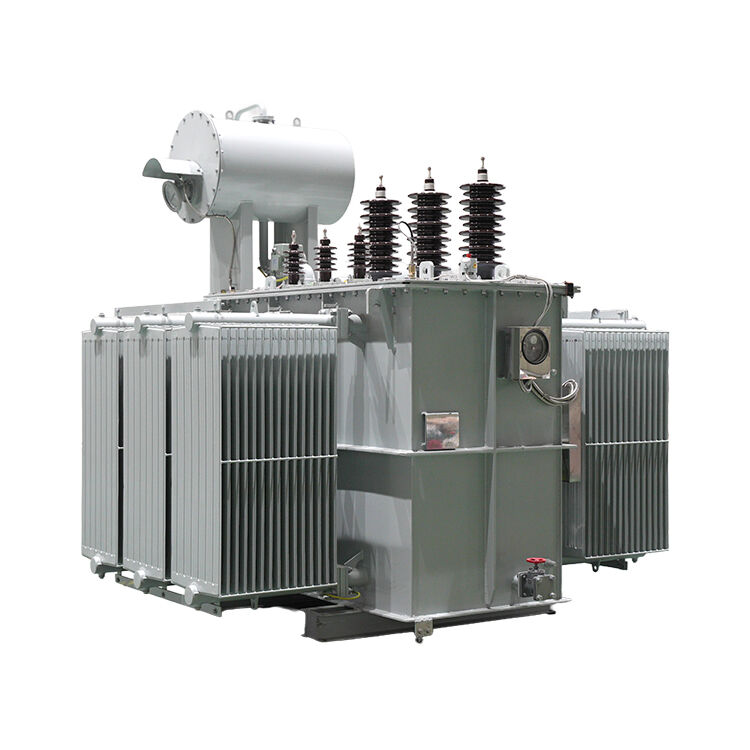
Rapida urbana incrementatio continuo augent petitionem quae incumbit super exstantem infrastructuram electricam. Addere novum transformatorum distributionis ad districtus dilatantes permittit operatoribus rete ut novas aedificationes residenciales, centra commercialia, et zonas industriales servient sine onerando exstantem capacitatem rete. Quisque additus transformator distributionis efficaciter extendit ambitum et capacitatem urbis rete, faciens eum instrumentum principale pro scalando infrastructura. Cum urbes crescunt sursum et foras, positio strategica cuiuslibet transformatoris distributionis determinat quam efficaciter nova petita onera absorbantur in rete.
Technologia rete sagacis etiam formam mutat qua transformator distributivus in urbibus utitur. Moderni transformatores distributivi instrui possunt sensoribus et modulis communicationis quae data operationis in tempore reali ad systemata centralia directionis rete transmittere possunt. Haec connexio operariis permittit ut valetudo cuiusque transformatoris distributivi observetur, condicionum anormalium praeceptio fiat, et aequipes manutenctionis proactivae mittantur. Transformator distributivus sagaciter instructus fit nodus intelligentis in rete urbano, contribuens ad visibilitatem totius rete et efficaciam operationis.
Robustitas et Isolatio Defectuum in Reticulis Urbibus Densissimis
Rete urbana electrica altam disponibilitatem praebere debet, quia interruptio servitii in urbe multos homines et functiones criticas afficit. Transformator distributivus recte dimensionatus cum protectionis facultatibus incorporatis, ut sunt arrestores impulsum, monitorium temperaturae, et protectio contra oneratio exsuperans, ad minimum redigit effectum defectuum. Cum defectus accidit, transformator distributivus bene configuratus propagationem defectus limitat et sectiones rete proximae ut manere possint excitatae. Haec facultas defectus isolandi essentialis est ad retinendam resilientiam urbis electricam, praesertim in districtibus qui aedificia habent ubi curantur aegroti, centra data, et servitia urgentia.
FAQ
Quae est ambitus tensionis quem transformator distributivus saepius tractat in retibus urbanis?
Transformator distributivus in urbibus adhibitus saepe voltages medias (inter 10 kV et 35 kV) ad voltages infimas (380 V aut 220 V) demittit. Ratio exacta voltarum transformatoris distributivi pendet ex norma locali rei publicae electricae et ex necessitatibus specificis oneris in zona urbana qua ministratur.
Quomodo transformator distributivus ad efficientiam energiae in urbibus contribuit?
Transformator distributivus altam efficientiam habens minuit amissas sine onere et sub onere dum operatur, quod directe totam energiam consumptam ab infrastructura rei publicae electricae minuit. Per vitam operativam transformatoris distributivi, hae accessiones efficientiae tam impensas operationis quam emissiones carbonis minuunt, ita ut transformator distributivus elementum clavis in planificatione urbana sustentabili energiae sit.
Num transformator distributivus in systema rei publicae electricae prudentis integrari potest?
Ita, transformator distributivus modernus sensoribus monitorii, interfacibus communicationis et modulis logorum dati instrui potest, ut in nodo intelligente rete electrico prudente fungatur. Haec integratio permittit observationem praestantiae in tempore vero singulorum transformatorum distributivorum, subsidium praedictionis maintenance, et meliorationem responsivitatis totius rete electrici urbani.