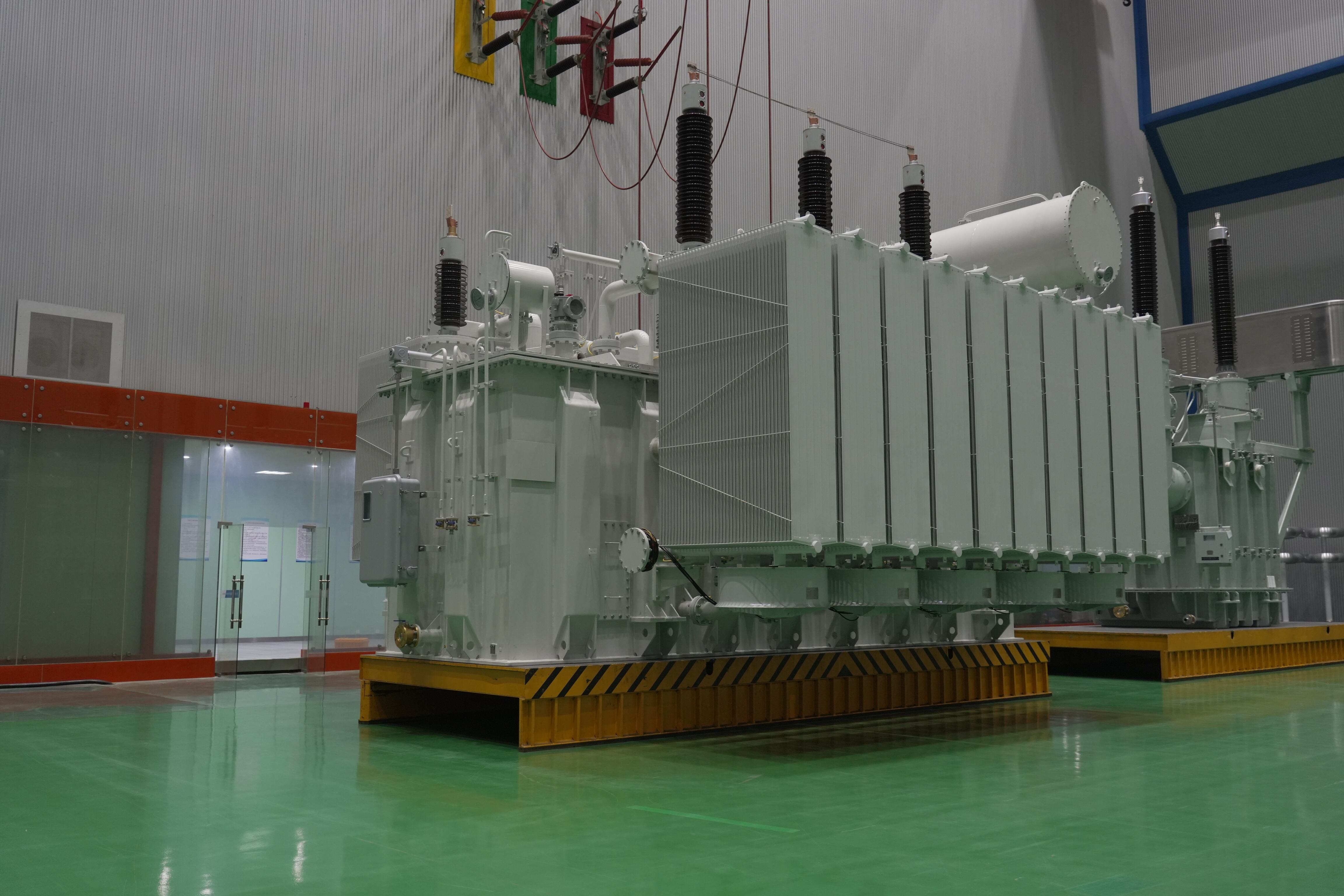
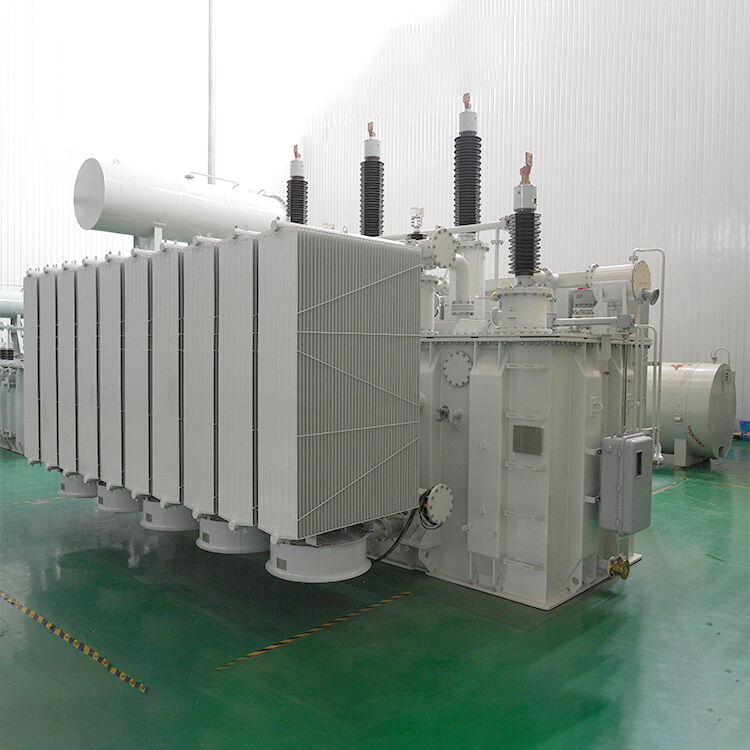
dry type power supply transformer
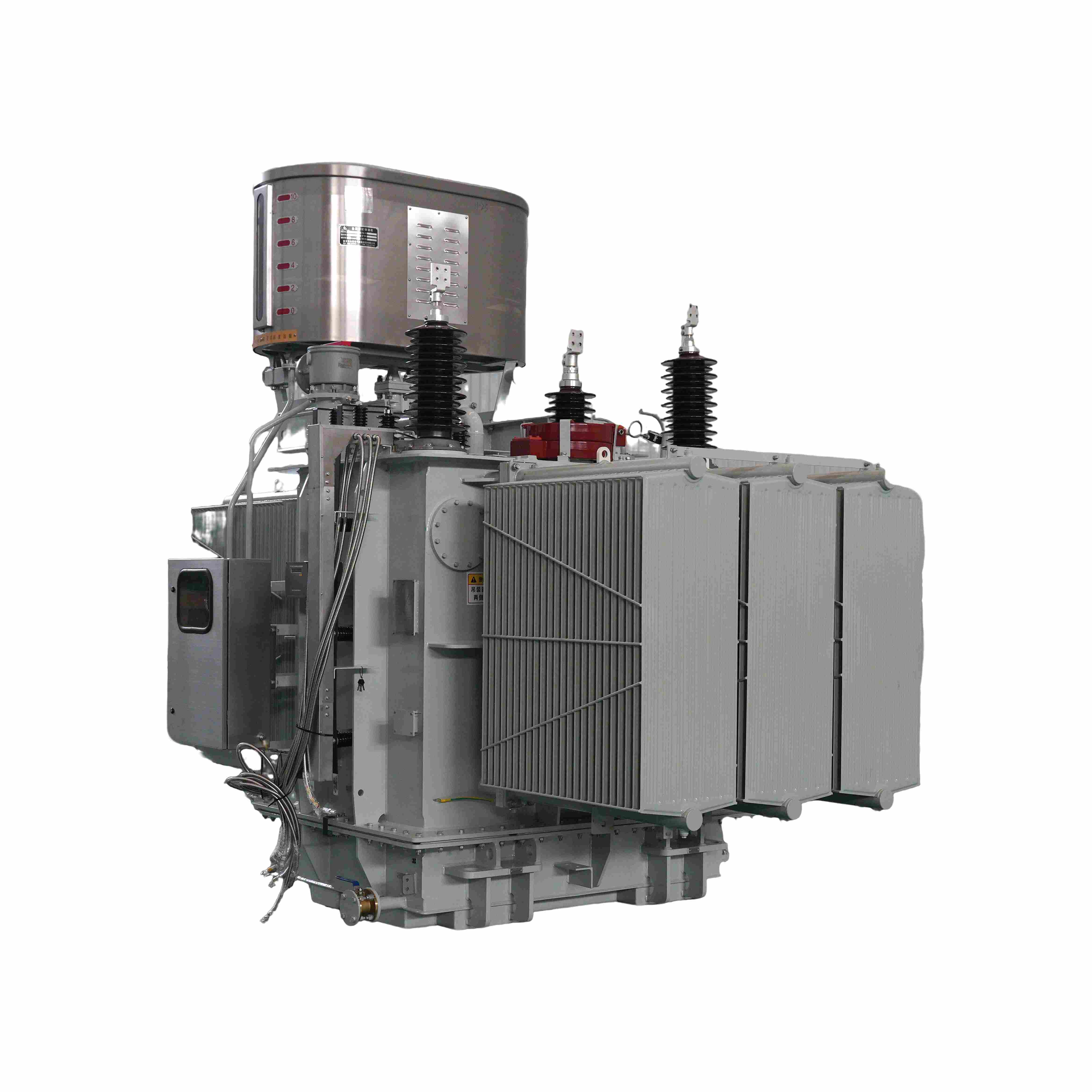
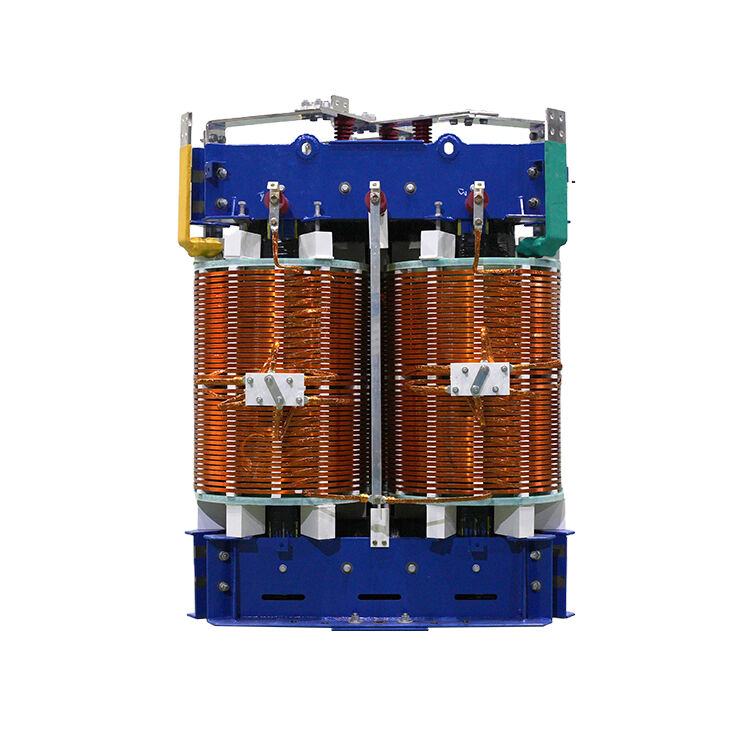
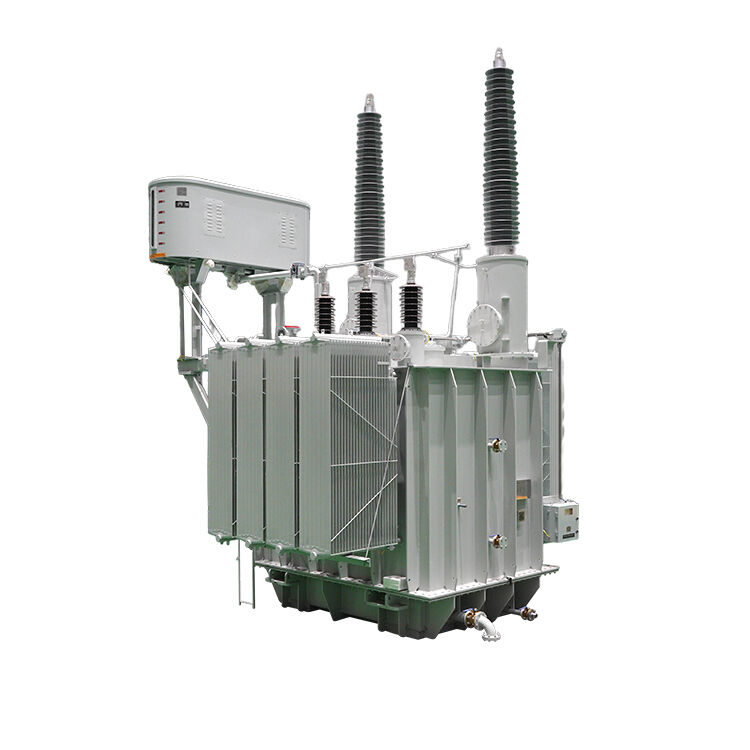
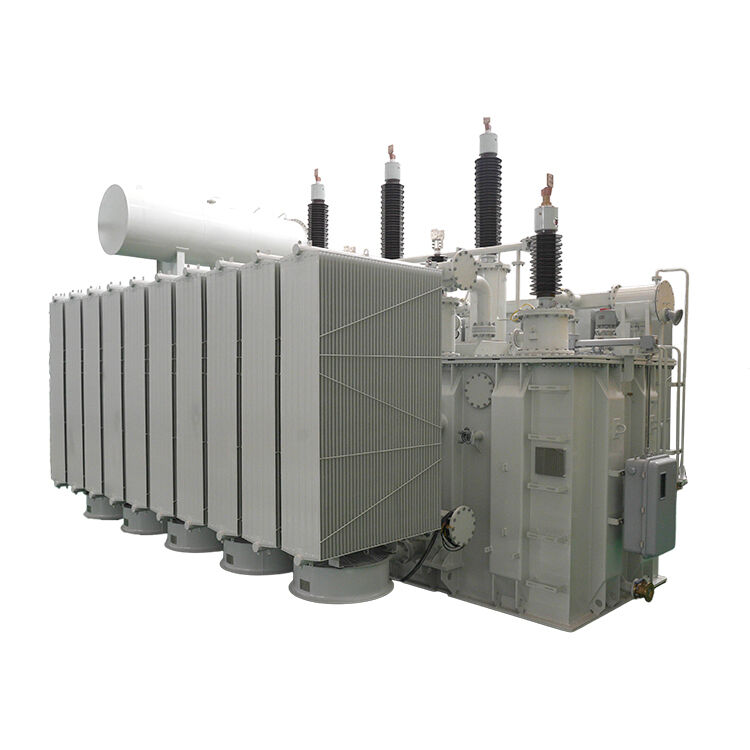
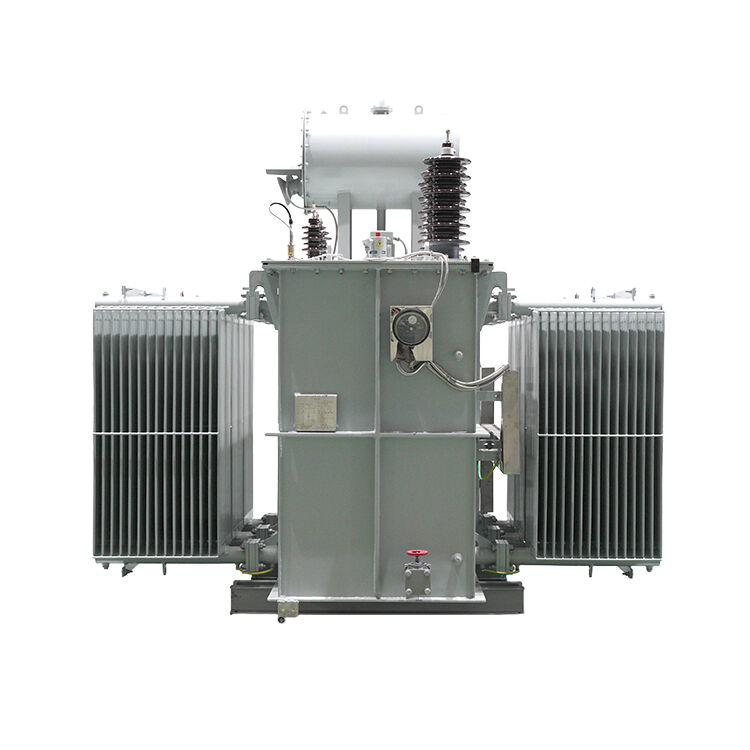
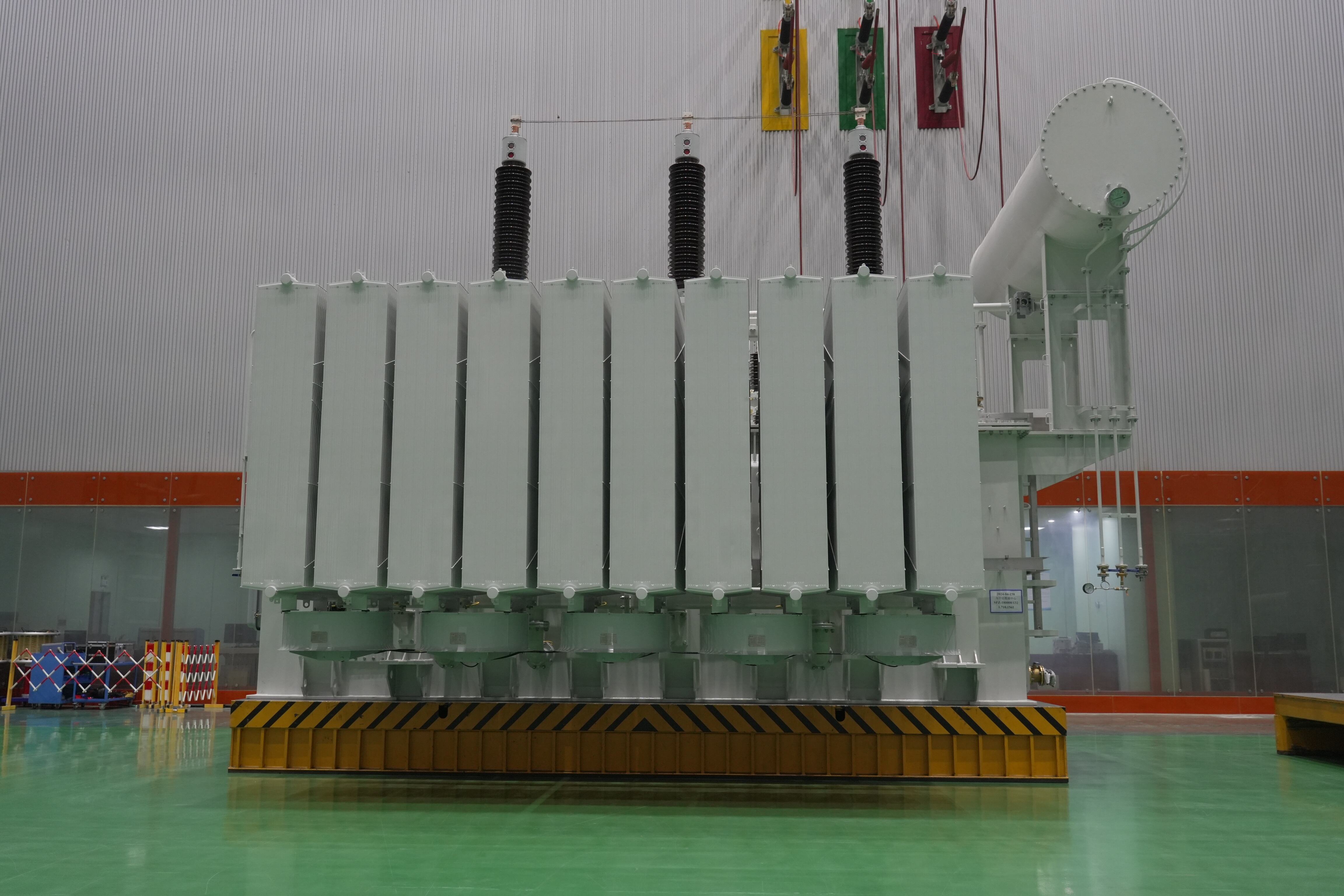
A dry type power supply transformer represents a revolutionary advancement in electrical power distribution technology, designed to convert alternating current voltage levels without the need for liquid coolants. Unlike traditional oil-filled transformers, the dry type power supply transformer utilizes air or solid insulation materials to prevent electrical breakdown between windings. This innovative design makes it an ideal solution for indoor installations where fire safety and environmental concerns are paramount. The primary function of a dry type power supply transformer involves stepping voltage up or down to meet specific electrical requirements across various applications. These transformers employ advanced magnetic core technology combined with precision-wound copper or aluminum conductors to ensure efficient energy transfer. The absence of oil or other liquid dielectrics eliminates the risk of leaks, spills, and potential fire hazards associated with conventional transformers. Technologically, dry type power supply transformers incorporate several sophisticated features that enhance their performance and reliability. The core construction typically utilizes high-grade silicon steel laminations that minimize energy losses and reduce operating temperatures. Modern dry type power supply transformer designs often include temperature monitoring systems, protective relays, and advanced insulation materials that can withstand extreme operating conditions. The ventilation systems are engineered to provide optimal cooling through natural or forced air circulation, ensuring consistent performance even under heavy load conditions. Applications for dry type power supply transformers span numerous industries and environments. They are extensively used in commercial buildings, hospitals, schools, data centers, and manufacturing facilities where safety regulations prohibit the use of oil-filled equipment. The dry type power supply transformer is particularly valuable in underground installations, high-rise buildings, and areas with strict environmental regulations. Their compact design and reduced maintenance requirements make them cost-effective solutions for both new construction projects and retrofit applications where space constraints and safety considerations are critical factors.
 EN
EN