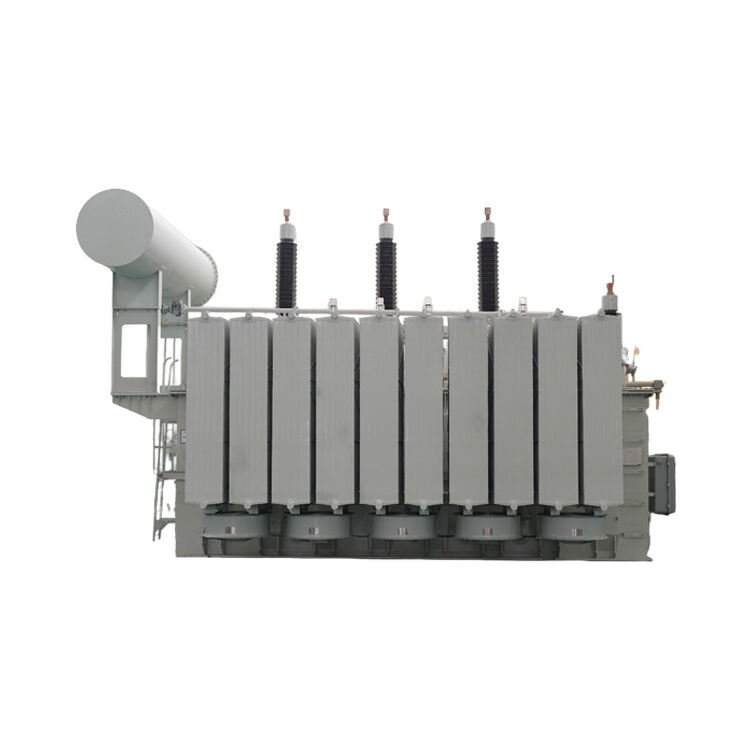
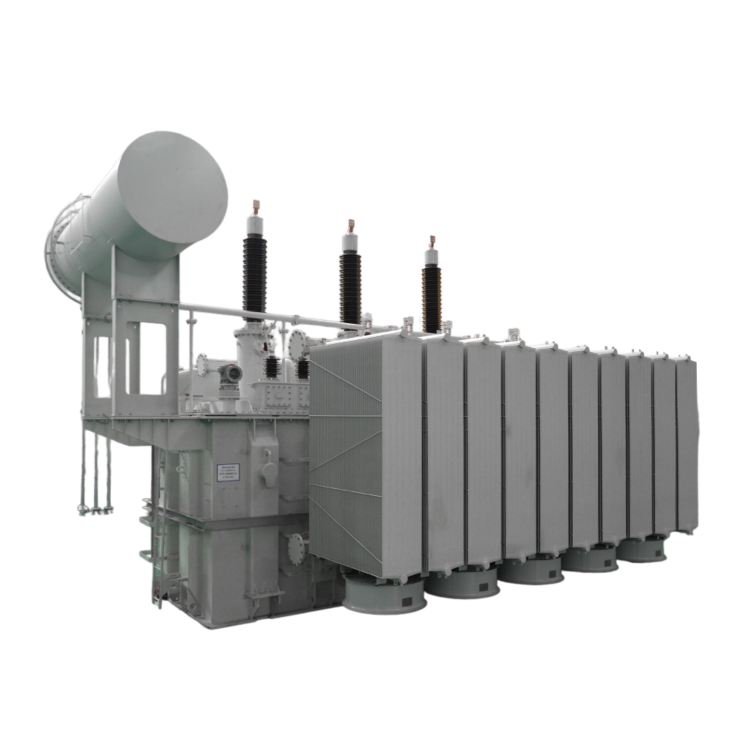
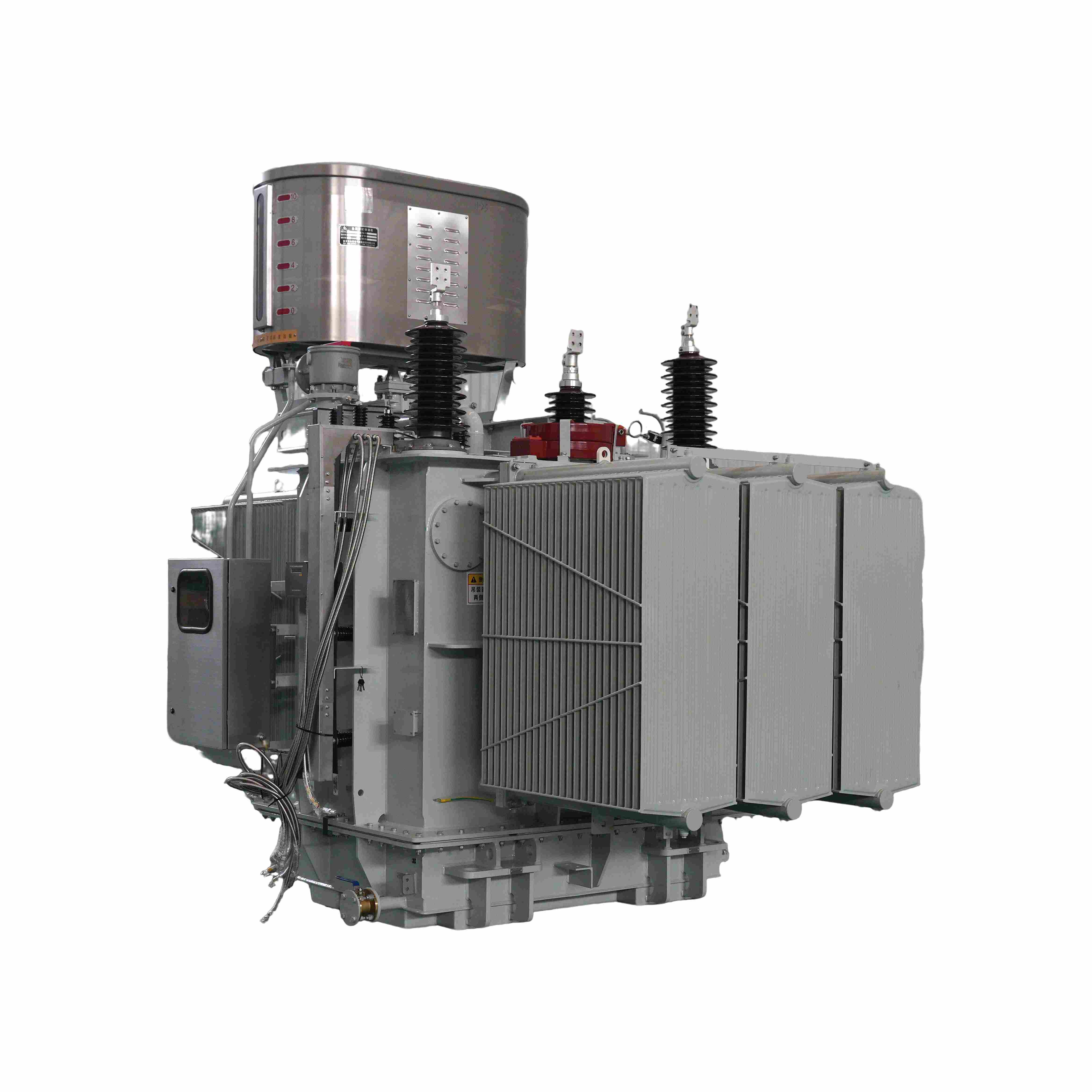
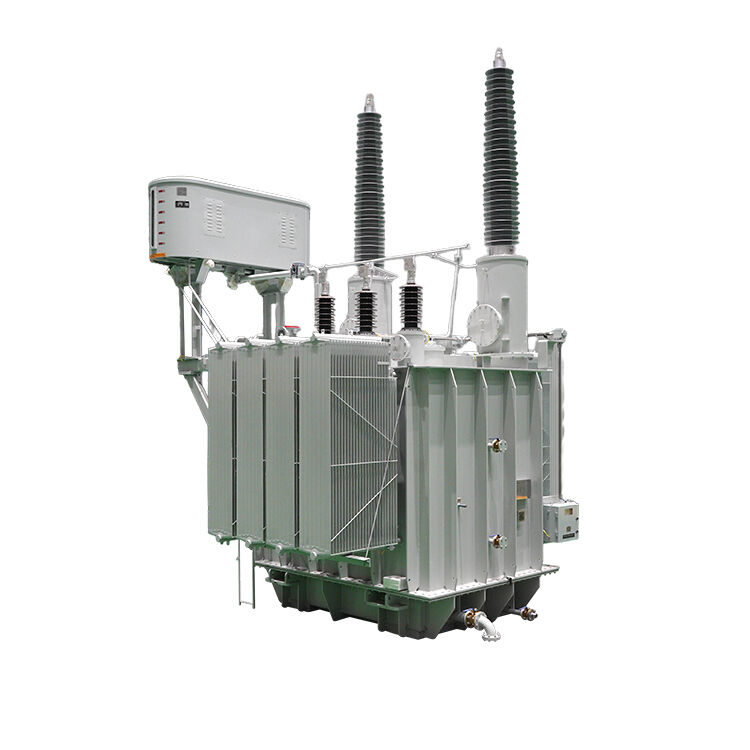
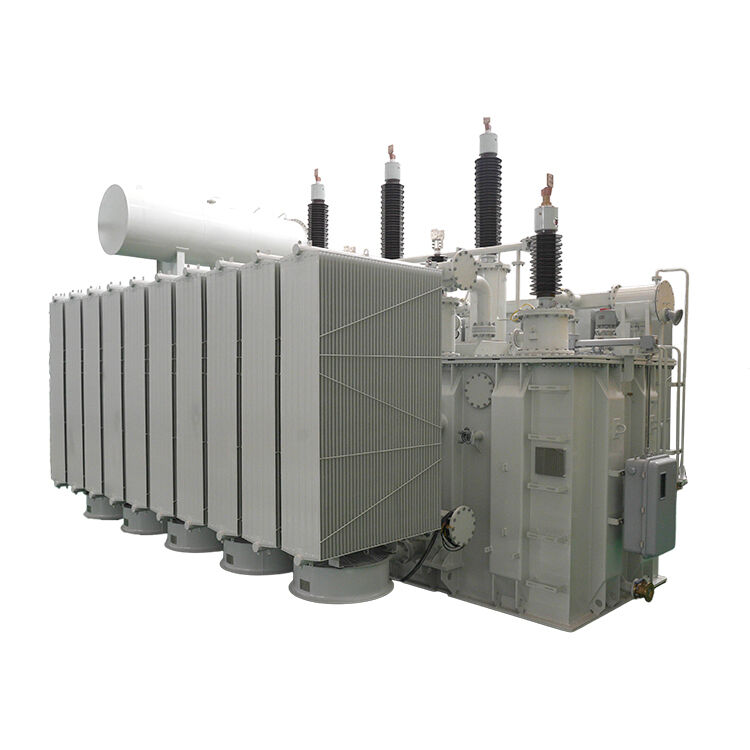
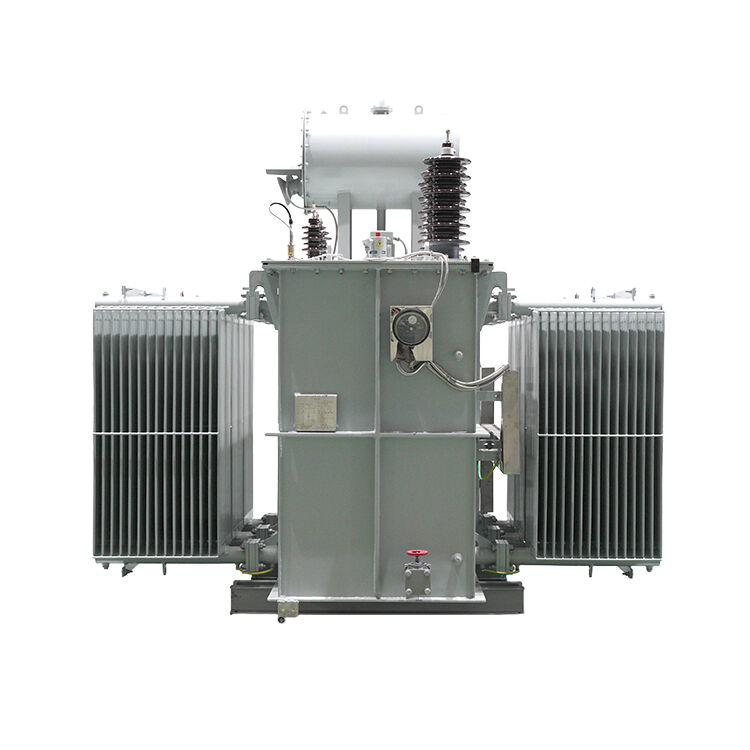
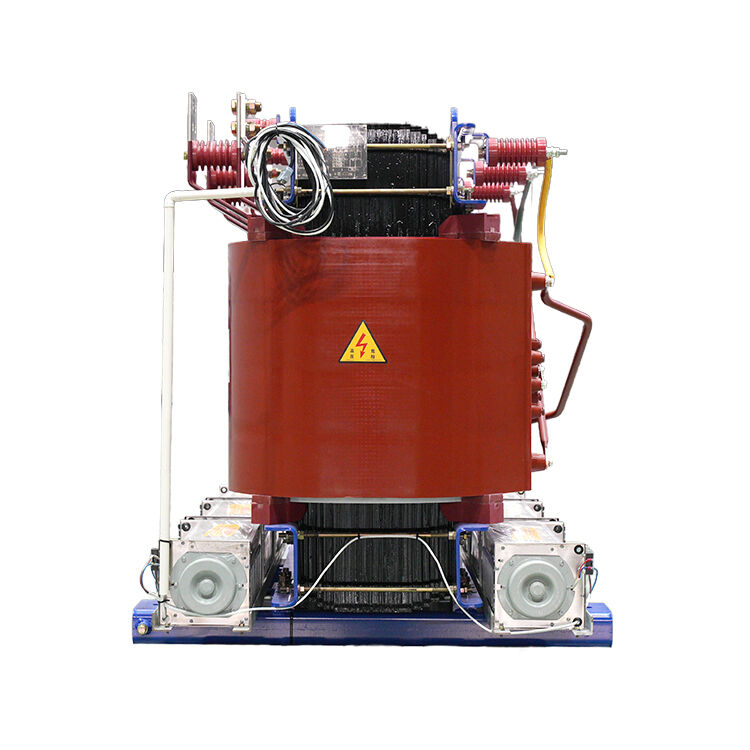
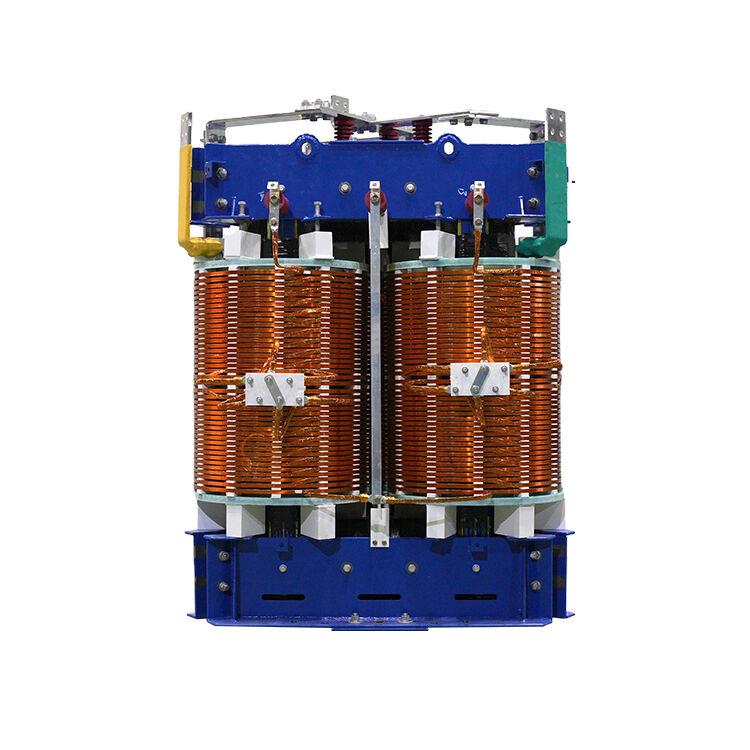
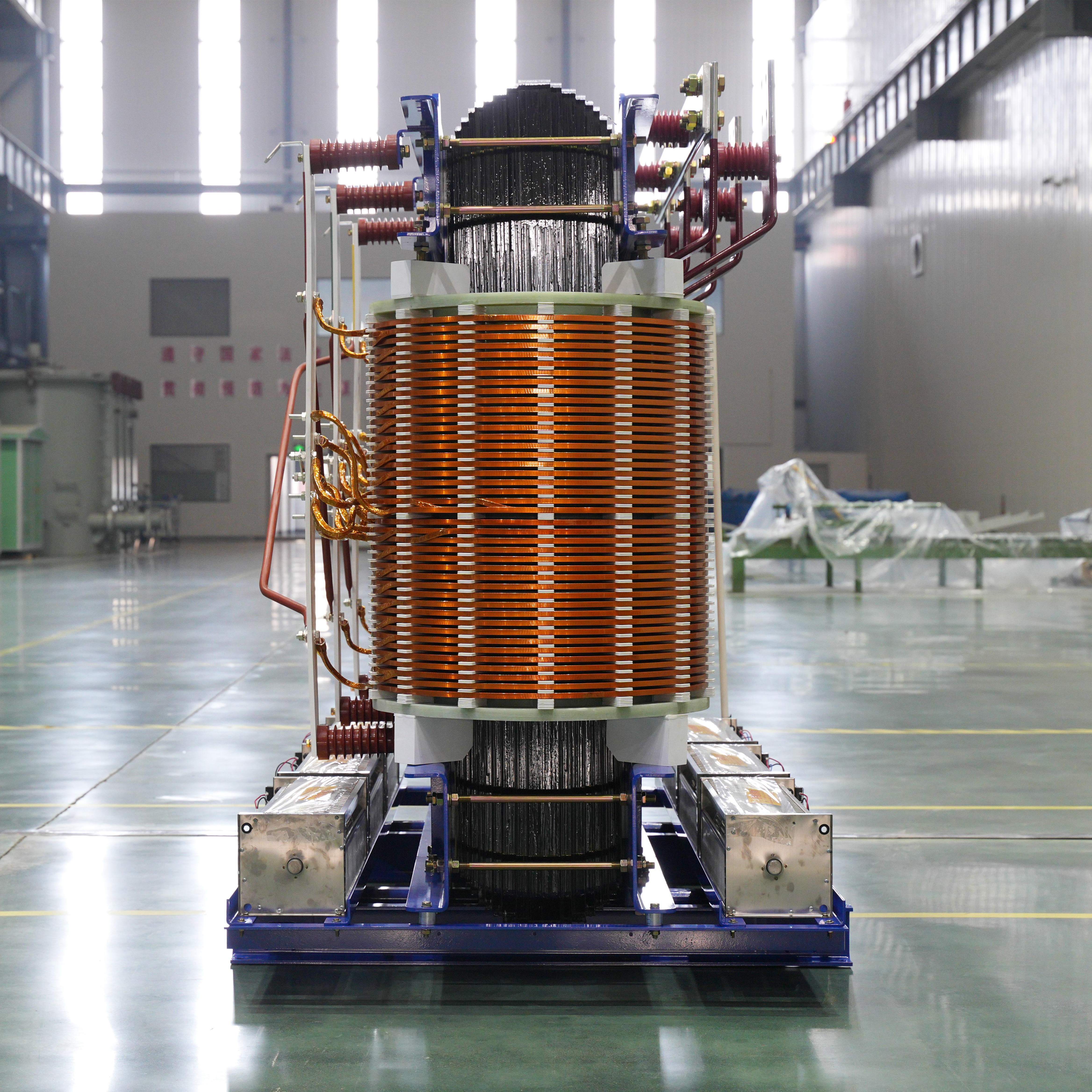
dry type step up transformer
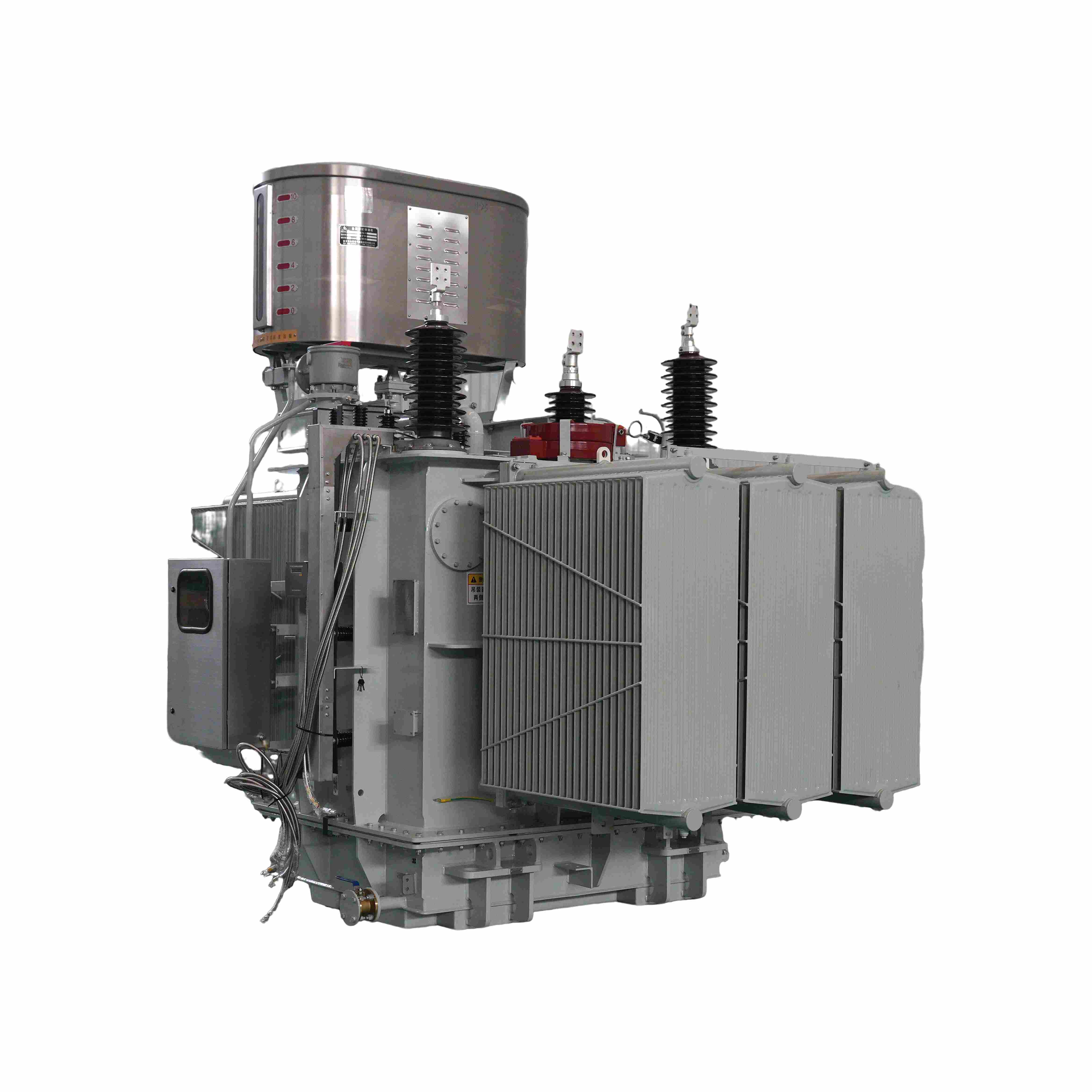
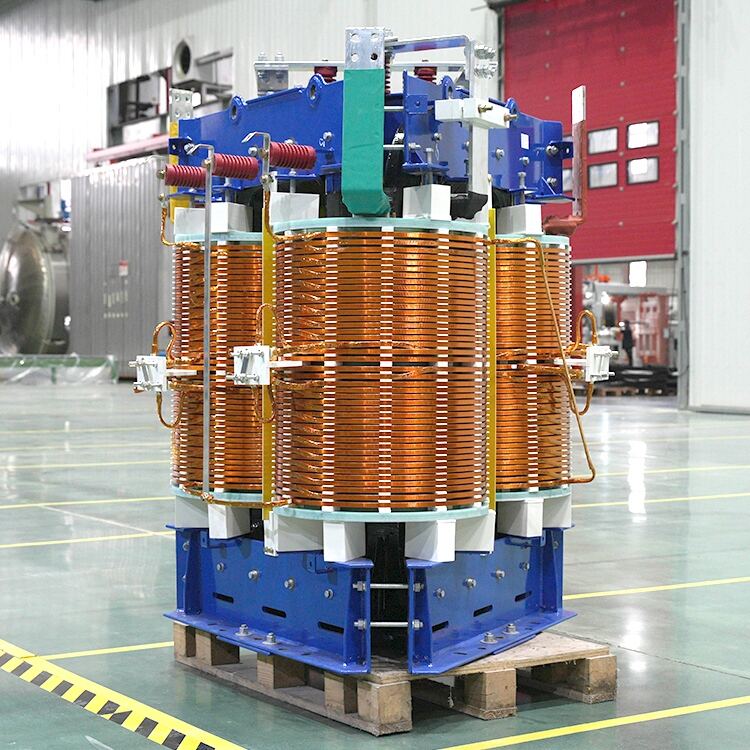
A dry type step up transformer represents a crucial electrical device engineered to increase voltage levels from lower input values to higher output values without requiring liquid coolants for heat dissipation. Unlike oil-filled transformers, the dry type step up transformer utilizes air circulation and solid insulation materials to manage thermal conditions effectively. The primary function involves electromagnetic induction principles, where alternating current flows through primary windings to create magnetic flux that induces higher voltage in secondary windings with more turns. These transformers incorporate advanced insulation systems featuring Class H materials that withstand temperatures up to 180 degrees Celsius, ensuring reliable operation under demanding conditions. The technological features include epoxy resin casting for windings protection, temperature monitoring systems, and forced air cooling mechanisms when necessary. Modern dry type step up transformer designs integrate digital monitoring capabilities that track performance parameters including load current, voltage levels, and internal temperatures. Applications span diverse sectors including renewable energy installations where solar panels or wind turbines require voltage elevation for grid connection, industrial facilities needing power distribution at different voltage levels, and commercial buildings requiring electrical system optimization. Data centers commonly implement dry type step up transformer units to manage power distribution efficiently while maintaining safety standards. The construction methodology employs vacuum pressure impregnation techniques that eliminate air pockets within insulation materials, enhancing dielectric strength and operational longevity. Core materials utilize grain-oriented silicon steel laminations that minimize eddy current losses and improve magnetic permeability. The dry type step up transformer configuration allows installation in confined spaces where fire safety regulations prohibit oil-filled alternatives, making them ideal for indoor applications including hospitals, schools, and office buildings where environmental safety remains paramount.
 EN
EN