 EN
EN
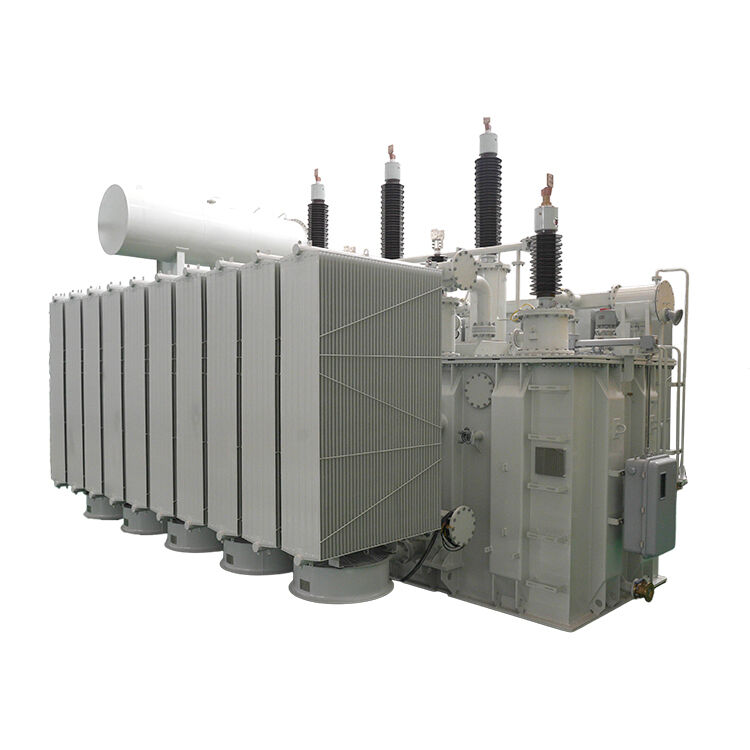
বৈদ্যুতিক রেলওয়ে সিস্টেমগুলি উচ্চ গতিতে বিশাল দূরত্ব অতিক্রম করে চলমান ট্রেনগুলিতে বিদ্যুৎ বিশ্বস্তভাবে ও দক্ষতার সাথে সরবরাহ করার জন্য বৈদ্যুতিক অবকাঠামোর একটি জটিল নেটওয়ার্কের উপর নির্ভরশীল। এই অবকাঠামোর কেন্দ্রে রয়েছে ট্রাকশন ট্রান্সফরমার একটি বিশেষায়িত বৈদ্যুতিক সরঞ্জাম, যা ওভারহেড ক্যাটেনারি বা তৃতীয় রেল থেকে উচ্চ-ভোল্টেজ পরিবর্তনশীল প্রবাহকে ইলেকট্রিক লোকোমোটিভ এবং মাল্টিপল ইউনিটগুলির প্রয়োজনীয় নির্দিষ্ট ভোল্টেজ স্তরে রূপান্তরিত করার জন্য ডিজাইন করা হয়েছে। একটি ট্রাকশন ট্রান্সফরমার এর কাজ বোঝা ইলেকট্রিক রেলওয়ে অপারেশনগুলিকে সমর্থন করে, যা আধুনিক রেল পরিবহন নিরাপদভাবে, অর্থনৈতিকভাবে এবং পরিবেশের উপর ন্যূনতম প্রভাব ফেলে কাজ করতে সক্ষম করে—এই প্রযুক্তিগত পরিকল্পনার জটিলতা প্রকাশ করে। এই নিবন্ধটি ট্রাকশন ট্রান্সফরমারের কার্যপ্রণালী, ডিজাইন বিবেচনা এবং কার্যকরী অবদানগুলি পরীক্ষা করে, যা একে বিশ্বব্যাপী বিদ্যুতায়িত রেল নেটওয়ার্কের জন্য অপরিহার্য করে তোলে।
ট্রাকশন ট্রান্সফরমারের কার্যকরী ভূমিকা শুধুমাত্র সরল ভোল্টেজ রূপান্তরের চেয়ে অনেক বেশি বিস্তৃত। এই ট্রান্সফরমারগুলি ট্রেনগুলির ত্বরণ ও মন্দীভবনের সময় গতিশীল শক্তির চাহিদা পূরণ করতে হয়, আধুনিক ট্রাকশন কনভার্টারগুলি দ্বারা সৃষ্ট হারমোনিক বিকৃতি পরিচালনা করতে হয়, চলমান কম্পন ও গতির কারণে উদ্ভূত যান্ত্রিক চাপ সহ্য করতে হয় এবং চরম তাপমাত্রা পরিবর্তনের মধ্যেও কার্যকারিতা বজায় রাখতে হয়। রেলওয়ে অপারেটরগুলি জাতীয় গ্রিডের সংক্রমণ ভোল্টেজ এবং ট্রাকশন মোটরের কার্যকরী ভোল্টেজের মধ্যে ফাঁক পূরণের জন্য ট্রাকশন ট্রান্সফরমারের উপর নির্ভর করে, যাতে বিদ্যুৎ শক্তি সাবস্টেশন থেকে চাকায় দক্ষতার সাথে প্রবাহিত হয়। এই ট্রান্সফরমারগুলির নকশা ও কার্যকরী বৈশিষ্ট্যগুলি সরাসরি ট্রেনের কার্যকারিতা, শক্তি ব্যবহার, রক্ষণাবেক্ষণের প্রয়োজনীয়তা এবং যাত্রী ও মালবাহী রেল নেটওয়ার্কের সামগ্রিক ব্যবস্থার নির্ভরযোগ্যতাকে প্রভাবিত করে।
ভোল্টেজ রূপান্তর ও শক্তি বণ্টন ব্যবস্থা
ভোল্টেজ স্টেপ-ডাউন রূপান্তরের প্রাথমিক কাজ
একটি ট্র্যাকশন ট্রান্সফরমারের মূল কার্যপ্রণালী হলো ওভারহেড কন্টাক্ট লাইন বা কন্ডাক্টর রেল থেকে আসা উচ্চ-ভোল্টেজের বৈদ্যুতিক সরবরাহকে কমিয়ে ট্র্যাকশন মোটর এবং সহায়ক সিস্টেমের জন্য উপযুক্ত নিম্ন ভোল্টেজে নিয়ে আসা। সাধারণত বিদ্যুতায়িত রেলওয়ে কনফিগারেশনে, ওভারহেড ক্যাটেনারি সিস্টেমগুলো ১৫ kV থেকে ২৫ kV AC ভোল্টেজে চলে, যদিও কিছু সিস্টেমে ১.৫ kV থেকে ৩ kV DC ব্যবহৃত হয়। ট্র্যাকশন ট্রান্সফরমার এই উচ্চ-ভোল্টেজের ইনপুট গ্রহণ করে এবং একাধিক ওয়াইন্ডিং কনফিগারেশন জুড়ে ইলেক্ট্রোম্যাগনেটিক ইন্ডাকশনের মাধ্যমে এটিকে রূপান্তরিত করে। এই ভোল্টেজ হ্রাস অপরিহার্য, কারণ ইনসুলেশন নষ্ট হওয়া, অতিরিক্ত বৈদ্যুতিক চাপ এবং যাত্রী ও রক্ষণাবেক্ষণ কর্মীদের জন্য নিরাপত্তা ঝুঁকি ছাড়া ট্র্যাকশন মোটর এবং অনবোর্ড কন্ট্রোল সিস্টেমগুলো সরাসরি ট্রান্সমিশন ভোল্টেজে চলতে পারে না।
ট্রাকশন ট্রান্সফরমারের ইলেকট্রোম্যাগনেটিক কোরটি ল্যামিনেটেড সিলিকন স্টিলের পাতলা পাত দিয়ে তৈরি, যা প্রাথমিক ও গৌণ ওয়াইন্ডিং-এর মধ্যে চুম্বকীয় ফ্লাক্স স্থানান্তরকে সর্বাধিক করতে এবং ভর্তুকি প্রবাহ ক্ষতিকে সর্বনিম্ন করতে সাজানো হয়। ওভারহেড সরবরাহের সাথে সংযুক্ত প্রাথমিক ওয়াইন্ডিং-এর মধ্য দিয়ে পরিবর্তনশীল বিদ্যুৎ প্রবাহিত হলে একটি সময়-পরিবর্তনশীল চুম্বকীয় ক্ষেত্র সৃষ্টি হয়, যা ঘূর্ণন অনুপাত অনুযায়ী গৌণ ওয়াইন্ডিং-এ ভোল্টেজ আবিষ্ট করে। এই ঘূর্ণন অনুপাতটি সঠিকভাবে প্রকৌশলীভাবে নকশা করা হয় যাতে ট্রাকশন কনভার্টারগুলিকে সঠিক ভোল্টেজ সরবরাহ করা যায়, যা পরে লোকোমোটিভের ডিজাইনের উপর নির্ভর করে এসি বা ডিসি ট্রাকশন মোটরগুলিকে শক্তি সরবরাহ করে। আধুনিক ট্রাকশন ট্রান্সফরমার ডিজাইনে একাধিক গৌণ ওয়াইন্ডিং অন্তর্ভুক্ত করা হয়েছে যাতে চালনা ব্যবস্থা, সহায়ক শক্তি একক, তাপীয় ও শীতলীকরণ ব্যবস্থা এবং অনবোর্ড ইলেকট্রনিক্সের জন্য বিভিন্ন ভোল্টেজ স্তর প্রদান করা যায়, ফলে একটি একক ট্রান্সফরমার ইউনিট থেকে সম্পূর্ণ শক্তি বণ্টন সম্ভব হয়।
বিচ্ছিন্নতা এবং বৈদ্যুতিক নিরাপত্তা উন্নয়ন
ভোল্টেজ রূপান্তরের পাশাপাশি, ট্রাকশন ট্রান্সফরমারটি উচ্চ-ভোল্টেজ ক্যাটেনারি সিস্টেম এবং ট্রেনের বৈদ্যুতিক সরঞ্জামের মধ্যে গ্যালভানিক আইসোলেশন প্রদান করে। এই আইসোলেশনটি যাত্রী, ক্রু এবং রক্ষণাবেক্ষণ কর্মীদের সম্ভাব্য ঘাতক ভোল্টেজ থেকে রক্ষা করতে অত্যন্ত গুরুত্বপূর্ণ, একইসাথে ট্রেনের বৈদ্যুতিক ত্রুটিগুলি সরবরাহ নেটওয়ার্কে ফিরে ছড়ানো প্রতিরোধ করে। প্রাইমারি এবং সেকেন্ডারি ওয়াইন্ডিংগুলির মধ্যে শারীরিক বিচ্ছিন্নতা, যা খনিজ তেল, সিনথেটিক এস্টার বা উন্নত রেজিন সিস্টেমের মতো শক্তিশালী ইনসুলেশন উপকরণের সমন্বয়ে গঠিত, বৈদ্যুতিক ব্রেকডাউনের বিরুদ্ধে একাধিক বাধা সৃষ্টি করে। এই ডিজাইনটি নিশ্চিত করে যে, শর্ট-সার্কিটের অবস্থা বা ইনসুলেশন ক্ষয় হলেও, ট্রান্সফরমারটি নিরাপদ অপারেশন বজায় রাখে এবং প্রবেশযোগ্য ট্রেন উপাদানগুলিতে বিপজ্জনক ভোল্টেজ পটেনশিয়াল প্রদর্শিত হওয়া প্রতিরোধ করে।
আইসোলেশন ফাংশনটি কার্যকর গ্রাউন্ডিং কৌশল এবং ত্রুটি সুরক্ষা সমন্বয়কেও সমর্থন করে। রেলওয়ে বৈদ্যুতিক সিস্টেমগুলিকে প্রত্যাবর্তন কারেন্টগুলি সাবধানতার সাথে পরিচালনা করতে হয় এবং রেল ক্ষয় ঘটাতে পারে অথবা সিগন্যালিং সিস্টেমগুলিতে বাধা সৃষ্টি করতে পারে এমন বিচ্ছুরিত কারেন্টগুলিকে ন্যূনতম করতে হয়। এর ট্রাকশন ট্রান্সফরমার নিয়ন্ত্রিত গ্রাউন্ডিং কনফিগারেশনগুলি সক্ষম করে যা ত্রুটি কারেন্টগুলিকে নির্দিষ্ট প্রত্যাবর্তন পথের মধ্য দিয়ে পরিচালিত করে, যার ফলে সার্কিট ব্রেকার এবং ডিফারেনশিয়াল রিলে সহ সুরক্ষা ডিভাইসগুলি দ্রুত ত্রুটিগুলি সনাক্ত করে এবং দূর করে। এই সমন্বিত সুরক্ষা পদ্ধতি সেবা ব্যাহত হওয়া কমায়, সরঞ্জামের ক্ষতি হ্রাস করে এবং বৈদ্যুতিক ত্রুটিগুলিকে বিপজ্জনক অবস্থা বা ব্যাপক বিদ্যুৎ চাপ হয়ে উঠার আগেই সীমাবদ্ধ ও আইসোলেট করার মাধ্যমে সামগ্রিক সিস্টেম নিরাপত্তা বৃদ্ধি করে।
হারমোনিক ফিল্টারিং এবং পাওয়ার কোয়ালিটি ম্যানেজমেন্ট
আধুনিক বৈদ্যুতিক ট্রেনগুলি ট্রাকশন মোটরের গতি ও টর্ক নিয়ন্ত্রণের জন্য উচ্চ নির্ভুলতাসহ পাওয়ার ইলেকট্রনিক কনভার্টার ব্যবহার করে। এই কনভার্টারগুলি সাধারণত ইনসুলেটেড গেট বাইপোলার ট্রানজিস্টর (IGBT) অথবা অনুরূপ অর্ধপরিবাহী যন্ত্রের উপর ভিত্তি করে তৈরি, যা উচ্চ বর্তমানকে দ্রুত ফ্রিকোয়েন্সিতে সুইচ করে এবং হারমোনিক বিকৃতি সৃষ্টি করে, যা ট্রাকশন ট্রান্সফরমারের মাধ্যমে সরবরাহ নেটওয়ার্কে প্রতিফিরিত হতে পারে। অত্যধিক হারমোনিক সামগ্রী বিদ্যুৎ গুণগত মান হ্রাস করে, বৈদ্যুতিক সরঞ্জামে অতিরিক্ত তাপোত্পাদন ঘটায়, যোগাযোগ ব্যবস্থায় ব্যাঘাত সৃষ্টি করে এবং সরবরাহকারী প্রতিষ্ঠানের সংযোগ মানদণ্ড লঙ্ঘন করতে পারে। ট্রাকশন ট্রান্সফরমার হারমোনিক প্রভাবগুলি কমানোর ক্ষেত্রে একটি গুরুত্বপূর্ণ ভূমিকা পালন করে, যা এর স্বতঃস্ফূর্ত ইম্পিড্যান্স বৈশিষ্ট্য এবং উচ্চ-ফ্রিকোয়েন্সি উপাদানগুলিকে দুর্বল করে দেওয়ার জন্য বিশেষায়িত ওয়াইন্ডিং কনফিগারেশনের মাধ্যমে সম্ভব হয়, যখন মৌলিক ফ্রিকোয়েন্সির বিদ্যুৎ দক্ষতার সাথে প্রেরণ করা হয়।
কিছু ট্রাকশন ট্রান্সফরমার ডিজাইনে সংহত হারমোনিক ফিল্টার অন্তর্ভুক্ত করা হয় অথবা বিশেষ ওয়াইন্ডিং বিন্যাস (যেমন প্রসারিত ডেল্টা বা জিগজ্যাগ সংযোগ) দিয়ে অপ্টিমাইজ করা হয় যা নির্দিষ্ট হারমোনিক অর্ডারগুলিকে বাতিল করে। এই ডিজাইন বৈশিষ্ট্যগুলি পাওয়ার সাপ্লাই নেটওয়ার্কের দ্বারা দেখা মোট হারমোনিক বিকৃতি কমায়, অন্যান্য বৈদ্যুতিক লোডের সাথে সামঞ্জস্যতা উন্নত করে এবং সাবস্টেশন যন্ত্রপাতির উপর চাপ কমায়। রেলওয়ে অপারেটররা শক্তি ক্ষয় কমানো, কেবল ও ট্রান্সফরমারগুলিতে তাপ উৎপাদন কমানো এবং বিদ্যুৎ গুণগত মানের নিয়মাবলীর সাথে আরও ভালো অনুপালন থেকে উপকৃত হন। ট্রাকশন ট্রান্সফরমারের হারমোনিক পরিচালনা করার ক্ষমতা এবং একইসাথে মৌলিক শক্তি রূপান্তর কাজ পরিচালনা করার ক্ষমতা প্রদর্শন করে যে, পরিবর্তনশীল লোড এবং জটিল বৈদ্যুতিক পারস্পরিক ক্রিয়াযুক্ত পরিবেশে নির্ভরযোগ্য বৈদ্যুতিক রেলওয়ে অপারেশন সমর্থন করতে উন্নত প্রকৌশলী দক্ষতা প্রয়োজন।
গতিশীল লোড সামঞ্জস্যকরণ এবং স্থানান্তরিত প্রতিক্রিয়া
দ্রুত শক্তি চাহিদা পরিবর্তন পরিচালনা
বৈদ্যুতিক ট্রেনগুলি স্টেশন থেকে ছাড়ার পর ত্বরণ, ঢালু অংশ আরোহণ, শক্তি পুনরুদ্ধারের জন্য মন্থরীকরণ এবং স্থির গতিতে চলমান অবস্থায় স্বাভাবিক অপারেশনের সময় শক্তির চাহিদায় উল্লেখযোগ্য পরিবর্তনের সম্মুখীন হয়। একটি ট্রাকশন ট্রান্সফরমারকে এই লোড পরিবর্তনগুলির প্রতি তৎক্ষণাৎ প্রতিক্রিয়া জানাতে হবে, যাতে ভোল্টেজ অস্থিতিশীলতা বা বিদ্যুৎ বিচ্ছিন্নতা ঘটে না। ত্বরণের সময়, ট্রান্সফরমারকে শীর্ষ শক্তি সরবরাহ করতে হয় যা কয়েক মেগাওয়াটের বেশি হতে পারে, ফলে উইন্ডিং এবং ইনসুলেশন সিস্টেমের উপর উচ্চ তাপীয় ও বৈদ্যুতিক চাপ পড়ে। অন্যদিকে, রিজেনারেটিভ ব্রেকিংয়ের সময়, ট্রাকশন মোটরগুলি যখন জেনারেটর হিসেবে কাজ করে, তখন ট্রান্সফরমারকে বিপরীত দিকে শক্তি প্রবাহ গ্রহণ করতে হয়—যা ক্যাটেনারি সিস্টেমে ফিরিয়ে দেওয়া হয় অথবা অনবোর্ড রেজিস্টর ব্যাঙ্কের মাধ্যমে বিসিপ করা হয়।
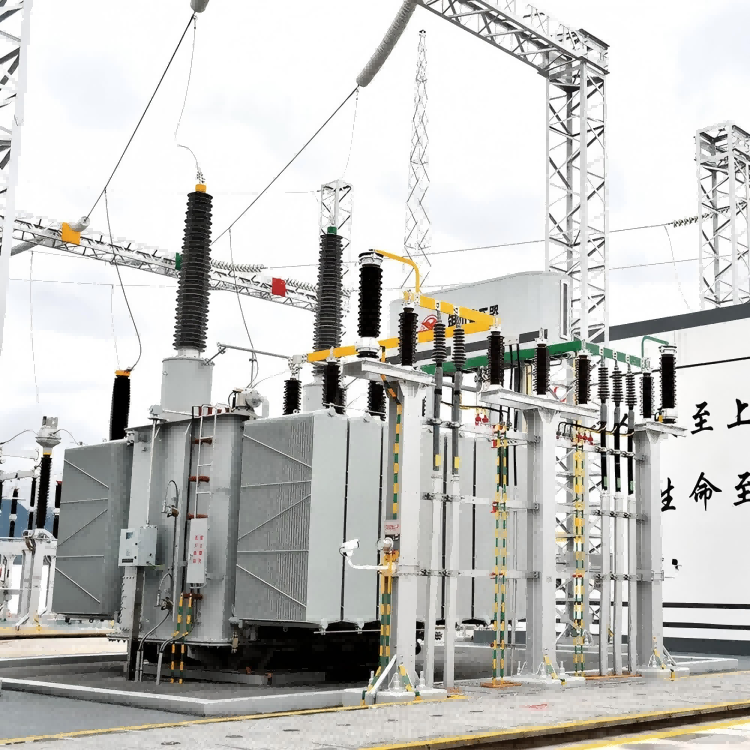
ট্রাকশন ট্রান্সফরমারের স্থানান্তরিত প্রতিক্রিয়ার বৈশিষ্ট্যগুলি এর লিকেজ ইন্ডাক্ট্যান্স, ওয়াইন্ডিংয়ের রেজিস্ট্যান্স এবং কোরের চৌম্বকীকরণ আচরণের উপর নির্ভর করে। ভালভাবে নকশা করা ট্রাকশন ট্রান্সফরমারগুলি লোডের সমস্ত শর্তের পূর্ণ পরিসরে ঘনিষ্ঠ ভোল্টেজ নিয়ন্ত্রণ বজায় রাখে, যার ফলে প্রোটেক্টিভ রিলেগুলি ট্রিগার হওয়া বা ট্রাকশন কনভার্টারের দুর্ঘটনা ঘটা থেকে ভোল্টেজ স্যাগ রোধ করা হয়। এই গতিশীল অবস্থাগুলি সামলানোর ট্রান্সফরমারের ক্ষমতা সরাসরি ট্রেনের কর্মক্ষমতা মেট্রিকগুলি—যেমন ত্বরণ হার, সর্বোচ্চ গতির ক্ষমতা এবং শক্তি দক্ষতা—কে প্রভাবিত করে। রেলওয়ে অপারেটররা বাস্তবসম্মত কার্যক্রমের প্রোফাইলগুলিকে প্রতিফলিত করে এমন ডিউটি সাইকেলের ভিত্তিতে ট্রাকশন ট্রান্সফরমারের কর্মক্ষমতা নির্দিষ্ট করেন, যাতে প্রত্যাশিত সেবা জীবন জুড়ে পুনরাবৃত্ত উচ্চ-শক্তির স্থানান্তরিত অবস্থাগুলি সহ্য করার ক্ষমতা নিশ্চিত করা যায় এবং প্রাক-সময়ে ব্যর্থতা বা ক্ষমতা হ্রাস এড়ানো যায়।
পরিবর্তনশীল লোডিংয়ের অধীনে তাপীয় ব্যবস্থাপনা
পরিবর্তনশীল বৈদ্যুতিক লোডের অধীনে চলমান অবিরত অপারেশনের ফলে ট্রাকশন ট্রান্সফরমারের ভিতরে উত্তাপ সৃষ্টি হয়, যা উইন্ডিংগুলিতে রেজিস্টিভ ক্ষতি এবং চৌম্বক কোরে হিস্টেরিসিস ও এডি কারেন্ট ক্ষতির কারণে ঘটে। ইনসুলেশনের ক্ষয়ক্ষতি, উইন্ডিংয়ের বিকৃতি এবং শেষ পর্যন্ত ট্রান্সফরমারের ব্যর্থতা প্রতিরোধ করতে কার্যকর তাপীয় ব্যবস্থাপনা অত্যাবশ্যক। তরল-পূর্ণ ট্রাকশন ট্রান্সফরমারগুলিতে মিনারেল অয়েল বা সিনথেটিক ডাই-ইলেকট্রিক তরল ব্যবহার করা হয়, যা একসাথে বৈদ্যুতিক ইনসুলেশন এবং তাপ স্থানান্তর উভয়ই প্রদান করে; এই তরলগুলি প্রাকৃতিকভাবে বা বাধ্যতামূলক পাম্পের মাধ্যমে সঞ্চালিত হয়ে উইন্ডিং থেকে উত্তাপ বহন করে বহিঃস্থ রেডিয়েটর বা হিট এক্সচেঞ্জারে পৌঁছে। শুষ্ক-প্রকারের ট্রাকশন ট্রান্সফরমারগুলি বায়ু শীতলীকরণের উপর নির্ভর করে, যেখানে ভেন্টিলেশন সিস্টেমগুলি নকশা করা হয়েছে যাতে উচ্চ লোড চলাকালীন দীর্ঘ সময় ধরে উইন্ডিংয়ের তাপমাত্রা নিরাপদ সীমার মধ্যে রাখা যায়।
ট্রাকশন ট্রান্সফরমারের তাপীয় ডিজাইনে পুনরাবৃত্ত ত্বরণ চক্রের সঞ্চিত তাপ প্রভাব, খাড়া ঢালে দীর্ঘ সময় ধরে সম্পূর্ণ ক্ষমতায় অপারেশন এবং চলমান ট্রেনের সীমিত ভেন্টিলেশন পরিবেশ—এই সমস্ত বিষয়কে বিবেচনায় আনতে হবে। ট্রান্সফরমারের ওয়াইন্ডিংয়ের মধ্যে সংযুক্ত তাপমাত্রা সেন্সরগুলি বাস্তব সময়ে নজরদারি প্রদান করে, যা তাপীয় সীমা অতিক্রম করার ঝুঁকি দেখা দিলে সুরক্ষা ব্যবস্থাগুলিকে ক্ষমতা হ্রাস করতে বা সতর্কতা সংকেত চালু করতে সক্ষম করে। রেলওয়ে রক্ষণাবেক্ষণ প্রোগ্রামগুলিতে শীতলীকরণ ব্যবস্থার কার্যকারিতা, ডাই-ইলেকট্রিক তরলের অবস্থা এবং ইনসুলেশন রেজিস্ট্যান্সের নিয়মিত নজরদারি অন্তর্ভুক্ত থাকে, যাতে তাপীয় ক্ষয়ের প্রাথমিক লক্ষণগুলি শনাক্ত করা যায়। ট্রাকশন ট্রান্সফরমারের তড়িৎ কার্যকারিতা বজায় রেখে তাপ পরিচালনা করার ক্ষমতাই এর বিশ্বস্ততা এবং দীর্ঘস্থায়িত্বকে চাপসৃষ্টিকারী রেলওয়ে সেবা পরিবেশে নির্ধারণ করে।
যান্ত্রিক পীড়ন প্রতিরোধ ক্ষমতা এবং কম্পন সহনশীলতা
সাবস্টেশনের স্থির ট্রান্সফরমারের বিপরীতে, একটি চলমান ট্রেনে মাউন্ট করা ট্রাকশন ট্রান্সফরমার কম্পন, আঘাত লোড এবং ত্বরণ বলের কারণে চলমান যান্ত্রিক চাপের শিকার হয়। রেলপথের অনিয়মিততা, চাকা-রেল আঘাত এবং ব্রেকিংয়ের গতিবিদ্যা ট্রান্সফরমারকে বিস্তৃত ফ্রিকোয়েন্সি স্পেকট্রামে বহু-অক্ষ কম্পনের শিকার করে। ট্রান্সফরমারের কোর এবং ওয়াইন্ডিংগুলিকে যান্ত্রিকভাবে সুরক্ষিত করতে হবে যাতে সেগুলি সরে না যায়—যা ইনসুলেশনের ক্ষয়, বৈদ্যুতিক সংযোগের ঢিলে হওয়া বা গঠনগত ক্লান্তির কারণ হতে পারে। উন্নত মাউন্টিং সিস্টেমগুলি প্রতিরোধক আইসোলেটর ব্যবহার করে যা আঘাত শোষণ করে কিন্তু অত্যধিক সরণ রোধ করে, ফলে ট্রান্সফরমারটি যান্ত্রিক ক্ষতি থেকে রক্ষা পায় এবং ট্রেনের কাঠামোতে কম্পন সঞ্চার কমিয়ে আনে।
ট্রাকশন ট্রান্সফরমারের উইন্ডিং নির্মাণে ইপোক্সি বন্ধন, ফাইবারগ্লাস আবরণ এবং কঠিন স্পেসারের মতো যান্ত্রিক শক্তিকরণ অন্তর্ভুক্ত থাকে, যা গতিশীল লোডের অধীনে কন্ডাক্টরগুলির অবস্থান বজায় রাখে। কোর অ্যাসেম্বলিতে ল্যামিনেশনগুলির সরণ রোধ করে এমন ক্ল্যাম্পিং সিস্টেম ব্যবহার করা হয়, যদিও তাপীয় প্রসারণের জন্য স্থান রাখা হয়। রেলওয়ে স্পেসিফিকেশনে ট্রাকশন ট্রান্সফরমারের জন্য কঠোর যান্ত্রিক পরীক্ষার প্রোটোকল অন্তর্ভুক্ত থাকে, যা নিয়ন্ত্রিত কম্পন ও আঘাত পরীক্ষার মাধ্যমে বছরের পর বছর ধরে চলমান সেবা অবস্থার অনুকরণ করে। এই যান্ত্রিক ডিজাইন বিবেচনাগুলি নিশ্চিত করে যে ট্রাকশন ট্রান্সফরমারটি তার পূর্ণ কার্যকালে বৈদ্যুতিক কার্যকারিতা এবং গঠনগত অখণ্ডতা বজায় রাখে, যা উচ্চ-গতির যাত্রীবাহী ট্রেন এবং ভারী মালবাহী লোকোমোটিভের চ্যালেঞ্জিং যান্ত্রিক পরিবেশেও নির্ভরযোগ্য রেলওয়ে অপারেশনকে সমর্থন করে।
ট্রাকশন কনভার্টার এবং মোটর ড্রাইভের সাথে একীভূতকরণ
অপ্টিমাল পাওয়ার ট্রান্সফারের জন্য ইম্পিড্যান্স ম্যাচিং
ট্রাকশন ট্রান্সফরমারের বৈদ্যুতিক ইম্পিড্যান্স বৈশিষ্ট্যগুলি সরাসরি এটির নিম্নপ্রবাহ ট্রাকশন কনভার্টার এবং মোটর ড্রাইভ সিস্টেমগুলির সাথে মিথস্ক্রিয়াকে প্রভাবিত করে। উপযুক্ত ইম্পিড্যান্স মিলন সর্বোচ্চ শক্তি স্থানান্তর দক্ষতা নিশ্চিত করে, যখন সুরক্ষা যন্ত্রগুলি দ্বারা নিরাপদে বিচ্ছিন্ন করা যায় এমন স্তরে লঘু-বর্তনী প্রবাহকে সীমিত করে। প্রাথমিক ও গৌণ উইন্ডিংগুলির মধ্যে চৌম্বকীয় কাপলিং দ্বারা নির্ধারিত ট্রাকশন ট্রান্সফরমারের লিকেজ ইন্ডাক্ট্যান্স একটি শ্রেণী ইম্পিড্যান্স হিসাবে কাজ করে, যা কনভার্টার সুইচিং ঘটনার সময় প্রবেশ প্রবাহকে সীমিত করে এবং ত্রুটির অবস্থায় স্বতঃস্ফূর্ত প্রবাহ সীমাবদ্ধকরণ সুরক্ষা প্রদান করে। রেলওয়ে বৈদ্যুতিক প্রকৌশলীরা সাধারণ অপারেশনের সময় নিম্ন ভোল্টেজ ড্রপ এবং সিস্টেম সুরক্ষার জন্য যথেষ্ট ত্রুটি প্রবাহ সীমাবদ্ধকরণ—এই দুটি প্রতিযোগিতামূলক প্রয়োজনীয়তার ভারসাম্য বজায় রাখতে ট্রান্সফরমার ইম্পিড্যান্স মানগুলি সাবধানে নির্দিষ্ট করেন।
আধুনিক ট্রাকশন কনভার্টারগুলি পালস-উইথ মডুলেশন প্রযুক্তি ব্যবহার করে, যা উচ্চ-ফ্রিকোয়েন্সি সুইচিং ট্রানজিয়েন্ট তৈরি করে যা ট্রাকশন ট্রান্সফরমারের মধ্য দিয়ে প্রতিফলিত হতে পারে, ফলে অনুরণন ঘটনা বা অত্যধিক ভোল্টেজ চাপের সম্ভাবনা তৈরি হয়। ট্রান্সফরমারের ডিজাইনকে এই উচ্চ-ফ্রিকোয়েন্সি উপাদানগুলি সহ্য করার জন্য এমনভাবে করতে হবে যাতে ইনসুলেশন বিফল না হয় বা অত্যধিক ক্ষতি না হয়। কিছু ট্রাকশন ট্রান্সফরমার স্পেসিফিকেশনে টার্ন-টু-টার্ন ইনসুলেশন শক্তিকরণ এবং ইন্টার-উইন্ডিং শিল্ডিং অন্তর্ভুক্ত থাকে, যাতে দ্রুত কনভার্টার সুইচিংয়ের সাথে যুক্ত ভোল্টেজ স্পাইকগুলি সহ্য করা যায়। ট্রাকশন ট্রান্সফরমারের ইম্পিড্যান্স বৈশিষ্ট্য এবং কনভার্টার নিয়ন্ত্রণ অ্যালগরিদমের মধ্যে সামঞ্জস্য সমগ্র সিস্টেমের স্থিতিশীলতা, দক্ষতা এবং ইলেকট্রোম্যাগনেটিক সামঞ্জস্য নির্ধারণ করে, ফলে এই ইন্টারফেসটি বৈদ্যুতিক রেলওয়ে যানবাহন উন্নয়নের জন্য একটি গুরুত্বপূর্ণ ডিজাইন বিবেচনা হয়ে ওঠে।
সহায়ক সিস্টেমগুলির জন্য বহু-আউটপুট কনফিগারেশন
প্রধান ট্রাকশন কনভার্টারগুলি সরবরাহ করার পাশাপাশি, একটি ট্রাকশন ট্রান্সফরমার সাধারণত ট্রেন চালনা এবং যাত্রীদের আরামের জন্য অপরিহার্য বহুসংখ্যক সহায়ক সিস্টেমকে বিদ্যুৎ সরবরাহ করে। এই সহায়ক লোডগুলির মধ্যে রয়েছে জলবায়ু নিয়ন্ত্রণের জন্য HVAC সিস্টেম, আলোকসজ্জা, দরজার অ্যাকচুয়েটর, যোগাযোগ সরঞ্জাম, ব্যাটারি চার্জার এবং অনবোর্ড তথ্য সিস্টেম। একটি বহু-উইন্ডিং ট্রাকশন ট্রান্সফরমার ডিজাইনে বিভিন্ন ভোল্টেজ স্তর এবং পাওয়ার রেটিংয়ের জন্য অপ্টিমাইজড উৎসর্গীকৃত সেকেন্ডারি উইন্ডিং অন্তর্ভুক্ত থাকে, যা ট্রেনের মধ্যে বৈদ্যুতিক শক্তির দক্ষ বণ্টন সক্ষম করে। কিছু সহায়ক উইন্ডিং মোটর-চালিত কম্প্রেসার এবং ফ্যানগুলির জন্য তিন-ফেজ বিদ্যুৎ সরবরাহ করে, অন্যগুলি আলোকসজ্জা এবং ইলেকট্রনিক্সের জন্য ৪০০ ভোল্ট, ২৩০ ভোল্ট বা ১১০ ভোল্টের মতো এক-ফেজ বিদ্যুৎ সরবরাহ করে, যা আঞ্চলিক মানদণ্ডের উপর নির্ভর করে।
একাধিক ট্রান্সফরমার ওয়াইন্ডিং-এর মাধ্যমে পাওয়ার সাপ্লাইয়ের সেগমেন্টেশন সহায়ক লোডগুলিকে উচ্চ-ক্ষমতা ট্রাকশন সার্কিট থেকে বিচ্ছিন্ন করে সিস্টেমের বিশ্বস্ততা উন্নত করে। সহায়ক সিস্টেমে কোনো ত্রুটি বা অতিরিক্ত লোড ট্রাকশন পাওয়ারের প্রাপ্যতাকে সরাসরি প্রভাবিত করে না, যার ফলে যাত্রীদের সুবিধা কমে গেলেও ট্রেনগুলি চালু থাকতে পারে। ট্রাকশন ট্রান্সফরমারের ডিজাইন এমনভাবে করতে হবে যাতে সমস্ত সেকেন্ডারি ওয়াইন্ডিং ট্রাকশন ও সহায়ক লোডের পূর্ণ পরিসরে গৃহীত সমস্ত সম্ভাব্য সংমিশ্রণের জন্য গ্রহণযোগ্য সীমার মধ্যে ভোল্টেজ রেগুলেশন বজায় রাখতে পারে। রেলওয়ে অপারেটররা এই একীভূত পাওয়ার ডিস্ট্রিবিউশন পদ্ধতি থেকে সরঞ্জামের সংখ্যা কমানো, ইনস্টলেশন সরলীকরণ এবং রেলওয়ে যানবাহনের অ্যান্ডারফ্রেম ও সরঞ্জাম কম্পার্টমেন্টের সীমিত স্থানে স্থান ব্যবহারের উন্নতির মাধ্যমে উপকৃত হন।
শক্তি পুনরুদ্ধার এবং রিজেনারেটিভ ব্রেকিং সমর্থন
আধুনিক বৈদ্যুতিক ট্রেনগুলিতে রিজেনারেটিভ ব্রেকিং সিস্টেম ব্যবহার করা হয়, যা মন্থরীকরণের সময় গতিশক্তিকে পুনরায় বৈদ্যুতিক শক্তিতে রূপান্তরিত করে, ফলে যান্ত্রিক ব্রেকগুলির ক্ষয় কমে এবং সামগ্রিক শক্তি দক্ষতা বৃদ্ধি পায়। রিজেনারেটিভ ব্রেকিং-এর সময় ট্রাকশন মোটরগুলি জেনারেটর হিসেবে কাজ করে এবং ট্রাকশন কনভার্টার ও ট্রাকশন ট্রান্সফরমারের মধ্য দিয়ে ওভারহেড সাপ্লাই সিস্টেমে বিপরীত দিকে বৈদ্যুতিক শক্তি উৎপন্ন করে। ট্রান্সফরমারটি এই দ্বিদিক শক্তি প্রবাহকে গ্রহণ করতে সক্ষম হতে হবে, যাতে উল্লেখযোগ্য ক্ষতি বা ভোল্টেজ অস্থিতিশীলতা সৃষ্টি না হয়। ট্রান্সফরমারের নিম্ন অভ্যন্তরীণ ইম্পিড্যান্স এবং সমমানের বৈদ্যুতিক বৈশিষ্ট্যগুলি দক্ষ শক্তি পুনরুদ্ধারকে সক্ষম করে, যার ফলে উৎপন্ন শক্তিটি একই বৈদ্যুতিক অংশে চলমান অন্যান্য ট্রেনগুলি দ্বারা ব্যবহৃত হতে পারে অথবা সাবস্টেশনের ইনভার্টারের মাধ্যমে ইউটিলিটি গ্রিডে পুনরায় ফেরত দেওয়া যায়।
রিজেনারেটিভ ব্রেকিং-এর সফল বাস্তবায়ন ট্রাকশন ট্রান্সফরমারের উপর নির্ভর করে, যা মোটরিং ও জেনারেটিং মোডের মধ্যে দ্রুত পরিবর্তনের সময় ভোল্টেজ স্থিতিশীলতা বজায় রাখতে সক্ষম হয়। কিছু রেলওয়ে সিস্টেমে একাধিক ট্রেন একসাথে রিজেনারেটিভ ব্রেকিং প্রয়োগ করলে ক্যাটেনারিতে ভোল্টেজ বৃদ্ধি পায়, যা সরঞ্জামের ভোল্টেজ রেটিং-কে অতিক্রম করতে পারে। ট্রাকশন ট্রান্সফরমারের ডিজাইন এই অতি-ভোল্টেজ অবস্থার বিরুদ্ধে সহ্য করতে সক্ষম হতে হবে, আর সুরক্ষা ব্যবস্থাগুলি ভোল্টেজ স্তর নিরীক্ষণ করে এবং প্রয়োজন অনুযায়ী ব্রেকিং প্রচেষ্টা সামঞ্জস্য করে। রেলওয়ে অপারেটররা কার্যকর রিজেনারেটিভ ব্রেকিং সিস্টেমের মাধ্যমে ১৫ থেকে ৩০ শতাংশ শক্তি সাশ্রয় করেছেন, যেখানে ট্রাকশন ট্রান্সফরমার এই দক্ষতা উন্নয়নে কেন্দ্রীয় ভূমিকা পালন করে। শক্তি খরচ হ্রাসের পরিবেশগত ও অর্থনৈতিক সুবিধাগুলি দ্বিদিক বিদ্যুৎ প্রবাহ ক্ষমতাকে আধুনিক ট্রাকশন ট্রান্সফরমার ডিজাইনের একটি অপরিহার্য বৈশিষ্ট্য করে তোলে।
বিশ্বস্ততা উন্নয়ন এবং রক্ষণাবেক্ষণ অপ্টিমাইজেশন
অবস্থা নিরীক্ষণ এবং নৈদানিক ব্যবস্থা
রেলওয়ে অপারেটরগুলি ট্রাকশন ট্রান্সফরমারের স্বাস্থ্য অবলোকন করা এবং ব্যর্থতা ঘটার আগেই রক্ষণাবেক্ষণের প্রয়োজনীয়তা ভবিষ্যদ্বাণী করার জন্য ব্যাপক অবস্থা মনিটরিং প্রোগ্রাম বাস্তবায়ন করে। আধুনিক ট্রাকশন ট্রান্সফরমারগুলিতে সেন্সর অন্তর্ভুক্ত করা হয় যা কুণ্ডলীর তাপমাত্রা, শীতলকারী তরলের তাপমাত্রা ও স্তর, আংশিক ডিসচার্জ ক্রিয়াকলাপ এবং বুশিংয়ের ইনসুলেশন অখণ্ডতা সহ বিভিন্ন পরামিতি অবিরামভাবে পরিমাপ করে। এই সেন্সরগুলির আউটপুটগুলি অনবোর্ড ডায়াগনস্টিক সিস্টেমে প্রবেশ করে, যা প্রবণতা বিশ্লেষণ করে, বিসংগতি সনাক্ত করে এবং উন্নয়নশীল সমস্যাগুলির ব্যাপারে রক্ষণাবেক্ষণ কর্মীদের সতর্ক করে। উন্নত মনিটরিং সিস্টেমগুলি তরল-পূর্ণ ট্রান্সফরমারগুলির জন্য দ্রবীভূত গ্যাস বিশ্লেষণ (ডিজিএ) ব্যবহার করে, যা ট্রান্সফরমার ট্যাঙ্কের ভিতরে ইনসুলেশন ক্ষয় বা বৈদ্যুতিক আর্কিং-এর ফলে উৎপন্ন গ্যাসগুলি সনাক্ত করে। এই সতর্কতা সংকেতগুলির প্রাথমিক সনাক্তকরণ ব্যাপক ব্যর্থতা প্রতিরোধ করতে এবং সেবা বিঘ্ন কমাতে পূর্বাভাসী রক্ষণাবেক্ষণ ব্যবস্থা গ্রহণের অনুমতি দেয়।
অবস্থা মনিটরিং ডেটা এবং ফ্লিট ম্যানেজমেন্ট সিস্টেমগুলির একীভূতকরণের মাধ্যমে রেলওয়ে অপারেটররা নির্দিষ্ট সময় ব্যবধানের পরিবর্তে প্রকৃত সরঞ্জাম অবস্থার উপর ভিত্তি করে রক্ষণাবেক্ষণের সময়সূচী অপটিমাইজ করতে পারেন। এই অবস্থা-ভিত্তিক রক্ষণাবেক্ষণ পদ্ধতি অপ্রয়োজনীয় পরীক্ষা-নিরীক্ষাগুলি হ্রাস করে, একইসাথে নির্দেশকগুলি যখন ট্রান্সফরমারগুলিতে আবির্ভূত সমস্যার ইঙ্গিত দেয় তখন সেগুলিকে প্রয়োজনীয় মনোযোগ প্রদান নিশ্চিত করে। ডেটা বিশ্লেষণ প্ল্যাটফর্মগুলি ট্রান্সফরমার জনসংখ্যার মধ্যে প্যাটার্নগুলি চিহ্নিত করে, যা ডিজাইনের দুর্বলতা, কার্যক্রমগত চাপ উৎপাদক কারক বা রক্ষণাবেক্ষণ পদ্ধতির উন্নতির বিষয়ে তথ্য প্রকাশ করে। পদ্ধতিগত অবস্থা মনিটরিং মাধ্যমে যে বিশ্বস্ততা উন্নতি অর্জিত হয়, তা রেলওয়ে কার্যক্রমের উচ্চ উপলব্ধতা, জীবনচক্র খরচ হ্রাস এবং অপ্রত্যাশিত সরঞ্জাম ব্যর্থতা প্রতিরোধের মাধ্যমে ট্রেনগুলিকে আটকে রাখা বা যাত্রীদের ঝুঁকির মধ্যে ফেলা এড়ানোর মাধ্যমে নিরাপত্তা বৃদ্ধির লক্ষ্যগুলিকে সরাসরি সমর্থন করে।
দীর্ঘ সেবা জীবনের জন্য ডিজাইন বৈশিষ্ট্য
রেলওয়ে অ্যাপ্লিকেশনগুলি ট্রাকশন ট্রান্সফরমারগুলির জন্য অসাধারণভাবে দীর্ঘ সেবা আয়ু চায়, কারণ সরঞ্জাম প্রতিস্থাপনের উচ্চ মূলধন খরচ এবং অপরিকল্পিত ব্যর্থতা সংশ্লিষ্ট কার্যক্রম বাধাগুলির কারণে। নির্মাতারা দশক ধরে চলা চাপসৃষ্টিকারী সেবার মোকাবিলা করার জন্য শক্তিশালী ইনসুলেশন সিস্টেম, অতিরিক্ত বড় তাপীয় ক্ষমতা এবং ক্ষয়রোধী উপকরণ নিয়ে ট্রাকশন ট্রান্সফরমারগুলি ডিজাইন করেন। ইনসুলেশন উপকরণগুলি তাপীয় চক্র, যান্ত্রিক চাপ এবং দূষক পদার্থের সংস্পর্শে এসেও তাদের ডাই-ইলেকট্রিক শক্তি বজায় রাখার ক্ষমতার ভিত্তিতে নির্বাচিত হয়। ওয়াইন্ডিং কন্ডাক্টরগুলিতে উচ্চ-বিশুদ্ধির তামা বা অ্যালুমিনিয়াম ব্যবহার করা হয়, যার পর্যাপ্ত ক্রস-সেকশনাল এলাকা রেজিস্টিভ তাপ এবং যান্ত্রিক চাপ কমিয়ে দেয়। ট্রান্সফরমার ট্যাঙ্ক এবং কুলিং সিস্টেমগুলিতে ক্ষয়রোধী কোটিং এবং ক্যাথোডিক প্রোটেকশন অন্তর্ভুক্ত করা হয় যাতে রেলওয়ে যানবাহনের কঠোর কার্যপরিবেশে ক্ষয় রোধ করা যায়।
নির্মাতাদের এবং রেলওয়ে অপারেটরদের কর্তৃক প্রতিষ্ঠিত মানকীকৃত রক্ষণাবেক্ষণ পদ্ধতিগুলির মধ্যে নিয়মিত পরীক্ষা, ডাই-ইলেকট্রিক পরীক্ষা, শীতলীকরণ ব্যবস্থা পরিষেবা এবং সংযোগ টাইট করা অন্তর্ভুক্ত রয়েছে, যাতে ট্রাকশন ট্রান্সফরমারের প্রত্যাশিত ৩০ থেকে ৪০ বছরের সেবা জীবন জুড়ে এর কার্যকারিতা বজায় থাকে। প্রধান ওভারহলগুলির মধ্যে রিওয়াইন্ডিং, কোর পুনর্বহাল বা শীতলীকরণ ব্যবস্থার আধুনিকীকরণ অন্তর্ভুক্ত হতে পারে, যার ফলে ট্রান্সফরমারগুলিকে নতুনের মতো অবস্থায় ফিরিয়ে আনা যায় প্রতিস্থাপন খরচের একটি ছোট অংশে। বৃহৎ ফ্লিট পরিচালনা করা রেলওয়ে অপারেটরদের জন্য সেবা জীবন বাড়ানোর অর্থনৈতিক মূল্য অত্যন্ত উল্লেখযোগ্য, যার ফলে ট্রাকশন ট্রান্সফরমার ক্রয়ের সময় বিশ্বস্ততা এবং রক্ষণাবেক্ষণযোগ্যতা প্রধান নির্বাচন মাপদণ্ড হয়ে ওঠে। পরীক্ষা, পরীক্ষা এবং মেরামতের সুবিধা প্রদানকারী ডিজাইন বৈশিষ্ট্যগুলি বৈদ্যুতিক রেলওয়ে সিস্টেমগুলির মোট মালিকানা খরচ এবং কার্যকরী উপলব্ধতার ক্ষেত্রে উল্লেখযোগ্য অবদান রাখে।
মানকীকরণ এবং ইন্টারঅপারেবিলিটি বিবেচনা
আন্তর্জাতিক রেলওয়ে মান সংস্থাগুলি বিভিন্ন নির্মাতা ও রেলওয়ে ব্যবস্থার মধ্যে অন্তর্ক্রিয়াক্ষমতা, নিরাপত্তা এবং কার্যকারিতার সামঞ্জস্য বজায় রাখতে ট্রাকশন ট্রান্সফরমারের জন্য বিশেষকরণ প্রস্তুত করেছে। আইইসি ৬০৩১০ এর মতো মানগুলি ট্রাকশন ট্রান্সফরমারগুলির পরীক্ষার প্রয়োজনীয়তা, তাপমাত্রা বৃদ্ধির সীমা, ইনসুলেশন সমন্বয় এবং যান্ত্রিক শক্তির মানদণ্ড নির্ধারণ করে। এই মানগুলির সাথে অনুরূপতা নিশ্চিত করে যে, বিভিন্ন সরবরাহকারী থেকে আসা ট্রান্সফরমারগুলি রেলওয়ে ফ্লিটে নির্ভরযোগ্যভাবে একীভূত করা যায়, যেখানে তাদের সামঞ্জস্য ও কার্যকারিতার উপর আস্থা রাখা যায়। মানকীকরণ আন্তর্জাতিক সীমার মধ্যে স্পেয়ার পার্টসের উপলব্ধতা, রক্ষণাবেক্ষণ প্রশিক্ষণ এবং প্রযুক্তিগত সহায়তা সুনিশ্চিত করে— যা বিশেষভাবে গুরুত্বপূর্ণ হয় যখন রেলওয়ে অপারেটররা সীমান্ত-অতিক্রমী পরিষেবা বা বহুজাতিক ফ্লিট পরিচালনা করেন।
মানকীকরণের চেষ্টা সত্ত্বেও, বিদ্যুৎকরণ পদ্ধতি, ভোল্টেজ স্তর এবং ফ্রিকোয়েন্সি মানগুলির আঞ্চলিক পার্থক্যের কারণে নির্দিষ্ট রেলওয়ে নেটওয়ার্কের জন্য ট্রাকশন ট্রান্সফরমার ডিজাইনগুলি কাস্টমাইজ করা আবশ্যক। ইউরোপীয় রেলওয়েগুলি প্রধানত ২৫ কেভি ৫০ হার্জ বা ১৫ কেভি ১৬.৭ হার্জ পদ্ধতি ব্যবহার করে, অন্যদিকে উত্তর আমেরিকার কার্গো রেলওয়েগুলি বিভিন্ন ডিসি ভোল্টেজ ব্যবহার করে, এবং এশিয়ার হাই-স্পিড রেল নেটওয়ার্কগুলি ২৫ কেভি ৬০ হার্জ কনফিগারেশন ব্যবহার করে। নির্মাতারা এই বিভিন্ন বৈদ্যুতিক পরামিতিগুলির সাথে সামঞ্জস্য রাখার জন্য অভিযোজ্য ডিজাইন প্ল্যাটফর্ম বজায় রাখেন, যদিও মূল ডিজাইন নীতিগুলি এবং উৎপাদন প্রক্রিয়াগুলি অপরিবর্তিত রাখা হয়। রেলওয়ে অপারেটররা এই মানকীকরণ ও কাস্টমাইজেশনের ভারসাম্য থেকে উপকৃত হন—এটি প্রকৌশল ব্যয় হ্রাস করে, প্রমাণিত ডিজাইন থেকে বিশ্বস্ততা উন্নত করে এবং নির্দিষ্ট পরিচালন প্রয়োজন বা কার্যকারিতা লক্ষ্যমাত্রা অনুযায়ী ট্রান্সফরমারের বিশেষকরণ করার নমনীয়তা প্রদান করে।
প্রায়শই জিজ্ঞাসিত প্রশ্নাবলী
বৈদ্যুতিক ট্রেনে ব্যবহৃত ট্রাকশন ট্রান্সফরমারগুলির সাধারণ ক্ষমতা রেটিং পরিসর কত?
ট্রাকশন ট্রান্সফরমারের শক্তি রেটিং ট্রেনের ধরন এবং অপারেশনাল প্রয়োজনীয়তার উপর নির্ভর করে ব্যাপকভাবে পরিবর্তিত হয়। লাইট রেল এবং মেট্রো সিস্টেমগুলিতে সাধারণত ৫০০ কেভিএ থেকে ২ এমভিএ রেটেড ট্রাকশন ট্রান্সফরমার ব্যবহার করা হয়, অন্যদিকে কমিউটার ট্রেন এবং আঞ্চলিক যাত্রী পরিষেবাগুলির জন্য ২ এমভিএ থেকে ৬ এমভিএ রেটেড ট্রান্সফরমারের প্রয়োজন হয়। ২৫০ কিমি/ঘন্টার বেশি গতিতে চলমান হাই-স্পিড যাত্রী ট্রেনগুলিতে দ্রুত ত্বরণ এবং স্থায়ী উচ্চ-গতির অপারেশনের জন্য প্রয়োজনীয় বিশাল শক্তি সরবরাহ করার জন্য ৬ এমভিএ থেকে ১২ এমভিএ রেটেড ট্রাকশন ট্রান্সফরমার ব্যবহার করা হয়। কঠিন ঢালে দীর্ঘ ট্রেন চালানোর জন্য ভারী ফ্রেইট লোকোমোটিভগুলিতে প্রায়শই ১০ এমভিএ পর্যন্ত রেটেড ট্রাকশন ট্রান্সফরমার ব্যবহার করা হয়। নির্দিষ্ট শক্তি রেটিং নির্ধারণ করা হয় রুট প্রোফাইল, ট্রেন কনফিগারেশন, ত্বরণের প্রয়োজনীয়তা এবং সর্বোচ্চ অপারেটিং গতির বিশেষ বিবরণের বিস্তারিত বিশ্লেষণের মাধ্যমে।
ট্রাকশন ট্রান্সফরমার একটি স্ট্যান্ডার্ড ডিস্ট্রিবিউশন ট্রান্সফরমার থেকে কীভাবে ভিন্ন?
ট্রাকশন ট্রান্সফরমারগুলি স্থির বিতরণ ট্রান্সফরমার থেকে একাধিক গুরুত্বপূর্ণ দিক থেকে মৌলিকভাবে ভিন্ন। ট্রেনের চলাচলের কারণে চলমান যান্ত্রিক কম্পন ও আঘাত লোড সহ্য করতে হয়, ফলে এদের শক্তিশালী যান্ত্রিক নির্মাণ এবং বিশেষায়িত মাউন্টিং সিস্টেমের প্রয়োজন হয়। ট্রাকশন ট্রান্সফরমারগুলি অত্যন্ত পরিবর্তনশীল বৈদ্যুতিক লোড এবং প্রায়শই ঘটে যাওয়া ট্রানজিয়েন্ট অবস্থায় কাজ করে, যার ফলে উচ্চমানের তাপীয় ডিজাইন এবং গতিশীল ভোল্টেজ নিয়ন্ত্রণ ক্ষমতার প্রয়োজন হয়। সাধারণত এদের একাধিক সেকেন্ডারি ওয়াইন্ডিং থাকে, যা ট্রাকশন এবং সহায়ক সিস্টেমগুলির জন্য বিভিন্ন ভোল্টেজ স্তর সরবরাহ করে। রেলওয়ে যানবাহনের সীমিত স্থান ও ওজন সীমাবদ্ধতার কারণে উন্নত উপকরণ ও শীতলীকরণ পদ্ধতি ব্যবহার করে সংকুচিত কিন্তু উচ্চ-শক্তি-ঘনত্বের ডিজাইন প্রয়োজন হয়। এছাড়াও, রিজেনারেটিভ ব্রেকিংয়ের জন্য দ্বিদিক বিদ্যুৎ প্রবাহ সমর্থন করা এবং সিগন্যালিং ও যোগাযোগ সিস্টেমগুলিতে ব্যাঘাত না ঘটানোর জন্য কঠোর ইলেক্ট্রোম্যাগনেটিক সামঞ্জস্যতা (ইএমসি) প্রয়োজনীয়তা পূরণ করা ট্রাকশন ট্রান্সফরমারগুলির অন্যতম দায়িত্ব।
ট্রাকশন ট্রান্সফরমারের বিশ্বস্ততা নিশ্চিত করতে কোন রক্ষণাবেক্ষণ কার্যক্রমগুলি অপরিহার্য?
ট্রাকশন ট্রান্সফরমারগুলির জন্য প্রয়োজনীয় রক্ষণাবেক্ষণ কার্যক্রমের মধ্যে রয়েছে তেল লিকেজ, শারীরিক ক্ষতি এবং শীতলীকরণ ব্যবস্থার কার্যকারিতা পরীক্ষা করার জন্য নিয়মিত দৃশ্যমান পরিদর্শন। বৈদ্যুতিক পরীক্ষণের মধ্যে অন্তরক রোধ পরিমাপ, পাওয়ার ফ্যাক্টর পরীক্ষা এবং ট্রান্সফরমার টার্নস রেশিও যাচাইকরণ অন্তর্ভুক্ত থাকে, যা উইন্ডিংয়ের ক্ষয় বা সংযোগ সমস্যা শনাক্ত করতে সাহায্য করে। তরল-পূর্ণ ট্রান্সফরমারের ক্ষেত্রে, পর্যায়ক্রমে তেল নমুনা সংগ্রহ ও বিশ্লেষণ করে আর্দ্রতা সামগ্রী, ডাই-ইলেকট্রিক শক্তি এবং অভ্যন্তরীণ ত্রুটির সূচনা করে এমন দ্রবীভূত গ্যাসগুলি পর্যবেক্ষণ করা হয়। শীতলীকরণ ব্যবস্থার রক্ষণাবেক্ষণে রেডিয়েটর পরিষ্কার করা, ফ্যানের কার্যকারিতা যাচাই করা এবং তেল সঞ্চালন ব্যবস্থার জন্য পাম্প পরিদর্শন অন্তর্ভুক্ত থাকে। সংযোগ টাইট করা ঢিলে টার্মিনাল থেকে উত্তপ্ত স্থান তৈরি রোধ করে, অন্যদিকে বুশিং পরিদর্শন ট্র্যাকিং বা দূষণ শনাক্ত করে। তাপমাত্রা পর্যবেক্ষণ ব্যবস্থার ক্যালিব্রেশন সুনিশ্চিত করে তাপীয় ওভারলোডের বিরুদ্ধে সঠিক সুরক্ষা। অধিকাংশ অপারেটর এই পরিদর্শনগুলি সম্পাদন করেন গুরুত্বপূর্ণ প্যারামিটারগুলির জন্য ত্রৈমাসিক থেকে ব্যাপক পরীক্ষার জন্য বার্ষিক পর্যন্ত ব্যবধানে, যখন অবস্থা মূল্যায়নের ফলাফলের ভিত্তিতে প্রধান ওভারহলগুলি ৮ থেকে ১২ বছর পরপর নির্ধারিত হয়।
ট্রাকশন ট্রান্সফরমারগুলি বিভিন্ন পাওয়ার সাপ্লাই ভোল্টেজের মধ্যে কি কার্যকরভাবে কাজ করতে পারে?
ট্রাকশন ট্রান্সফরমারগুলি সাধারণত তাদের লক্ষ্যিত রেলওয়ে নেটওয়ার্কের বিদ্যুৎ সরবরাহ পদ্ধতির সাথে সম্পর্কিত নির্দিষ্ট নমিনাল ইনপুট ভোল্টেজের জন্য ডিজাইন করা হয়। তবে, কিছু উন্নত ডিজাইনে ট্যাপ চেঞ্জার বা ডুয়াল-ভোল্টেজ ক্ষমতা অন্তর্ভুক্ত করা হয় যাতে বিভিন্ন সরবরাহ ভোল্টেজে কাজ করা যায়, ফলে ট্রেনগুলি বিভিন্ন বিদ্যুৎ সরবরাহ মান বিশিষ্ট নেটওয়ার্ক অতিক্রম করতে পারে। আন্তর্জাতিক পরিষেবার জন্য ব্যবহৃত মাল্টি-সিস্টেম লোকোমোটিভগুলিতে ১৫ কেভি, ২৫ কেভি বা ৩ কেভি ডিসি সিস্টেমের মতো বিভিন্ন ভোল্টেজের জন্য ট্রান্সফরমারটি পুনরায় কনফিগার করার জন্য একাধিক প্রাইমারি ওয়াইন্ডিং বা স্বয়ংক্রিয় ট্যাপ-চেঞ্জিং ব্যবস্থা সহ ট্রাকশন ট্রান্সফরমার ব্যবহার করা হয়। এই বহুমুখী ডিজাইনগুলি একক-ভোল্টেজ ট্রান্সফরমারের তুলনায় অতিরিক্ত জটিলতা, ওজন এবং খরচ জড়িত করে, কিন্তু সীমান্ত অতিক্রমকারী মালবাহী ও যাত্রী পরিষেবার জন্য প্রয়োজনীয় কার্যকরী নমনীয়তা প্রদান করে। ট্রান্সফরমারটি ট্রেনের সম্পূর্ণ পরিষেবা অঞ্চল জুড়ে নিরাপদ ও নির্ভরযোগ্য কার্যকারিতা নিশ্চিত করার জন্য সমর্থিত সমস্ত ভোল্টেজ কনফিগারেশনে সঠিক ভোল্টেজ নিয়ন্ত্রণ, সুরক্ষা সমন্বয় এবং তড়িৎ চৌম্বকীয় সামঞ্জস্য বজায় রাখতে হবে।
বিষয়সূচি
- ভোল্টেজ রূপান্তর ও শক্তি বণ্টন ব্যবস্থা
- গতিশীল লোড সামঞ্জস্যকরণ এবং স্থানান্তরিত প্রতিক্রিয়া
- ট্রাকশন কনভার্টার এবং মোটর ড্রাইভের সাথে একীভূতকরণ
- বিশ্বস্ততা উন্নয়ন এবং রক্ষণাবেক্ষণ অপ্টিমাইজেশন
-
প্রায়শই জিজ্ঞাসিত প্রশ্নাবলী
- বৈদ্যুতিক ট্রেনে ব্যবহৃত ট্রাকশন ট্রান্সফরমারগুলির সাধারণ ক্ষমতা রেটিং পরিসর কত?
- ট্রাকশন ট্রান্সফরমার একটি স্ট্যান্ডার্ড ডিস্ট্রিবিউশন ট্রান্সফরমার থেকে কীভাবে ভিন্ন?
- ট্রাকশন ট্রান্সফরমারের বিশ্বস্ততা নিশ্চিত করতে কোন রক্ষণাবেক্ষণ কার্যক্রমগুলি অপরিহার্য?
- ট্রাকশন ট্রান্সফরমারগুলি বিভিন্ন পাওয়ার সাপ্লাই ভোল্টেজের মধ্যে কি কার্যকরভাবে কাজ করতে পারে?