auto type transformer
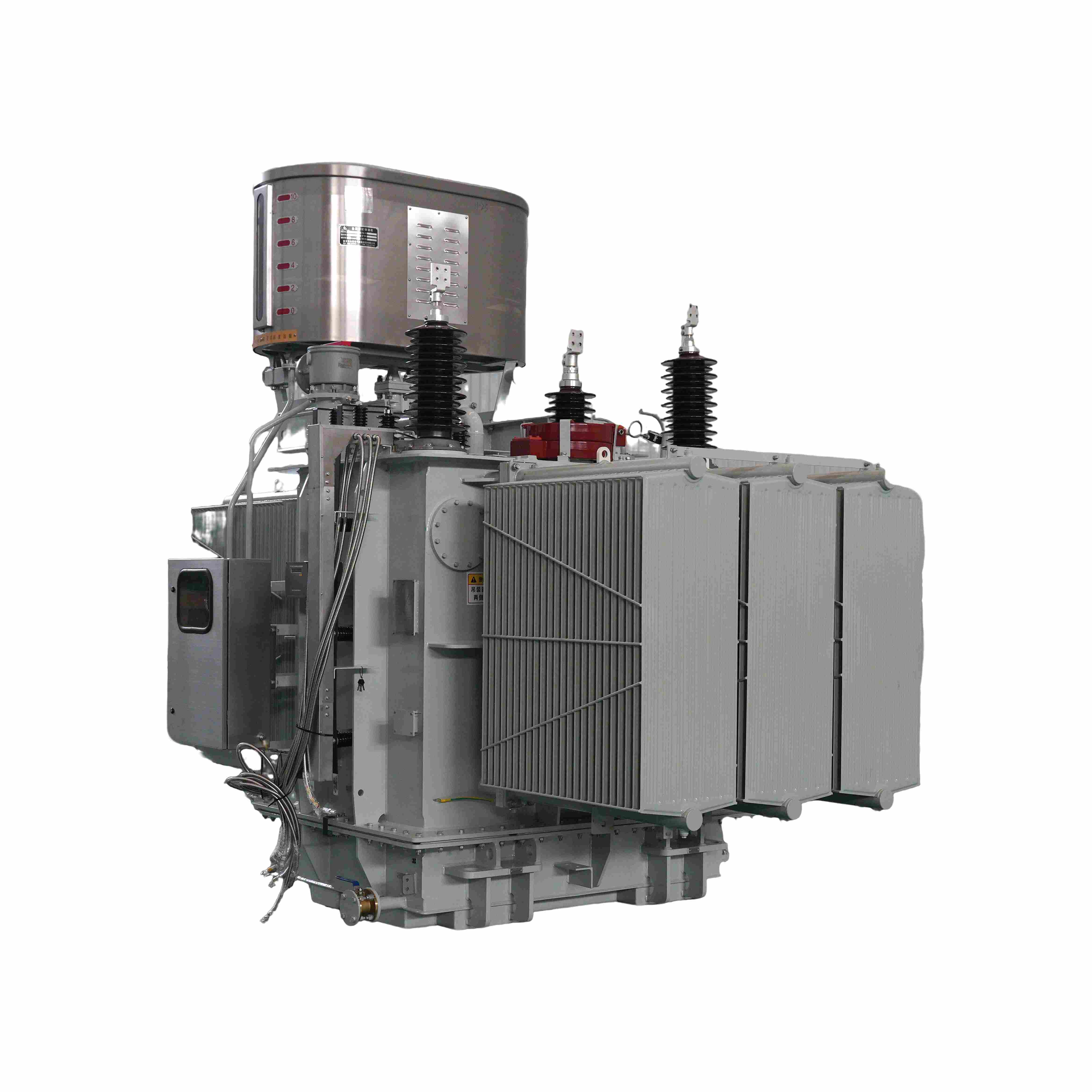
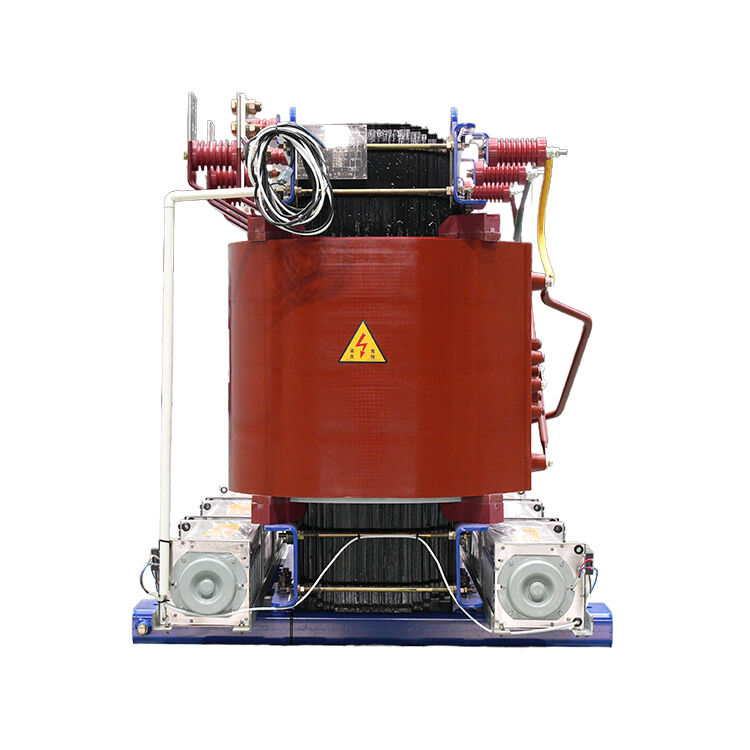
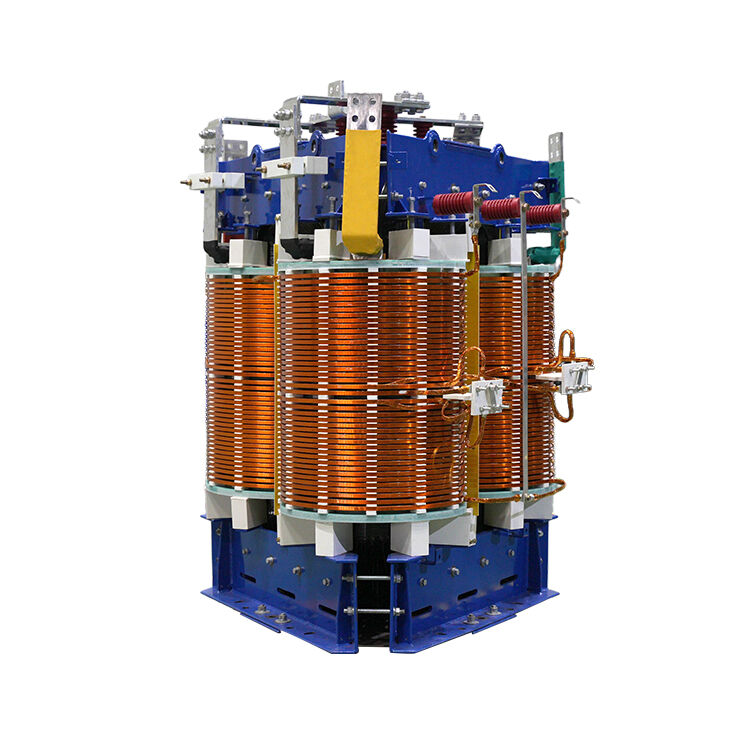
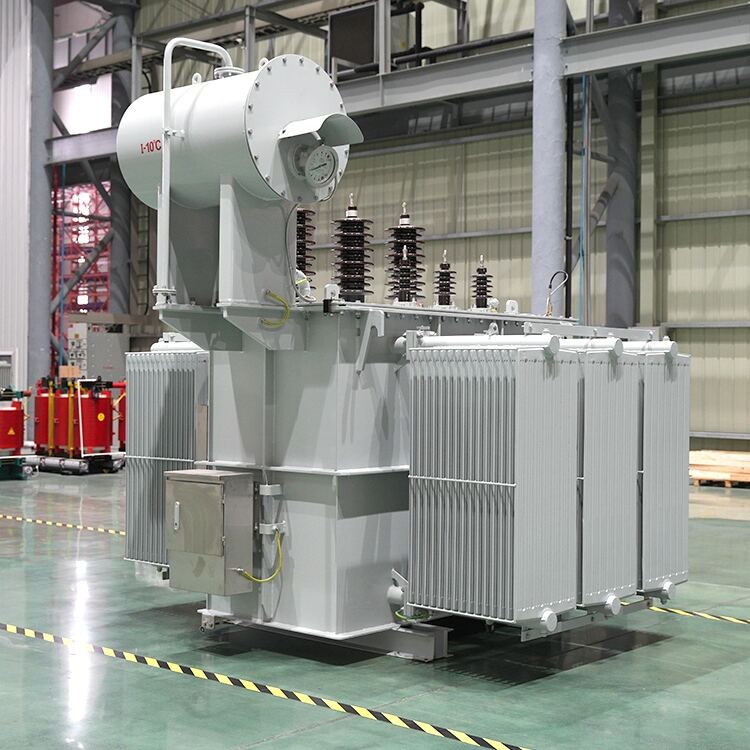
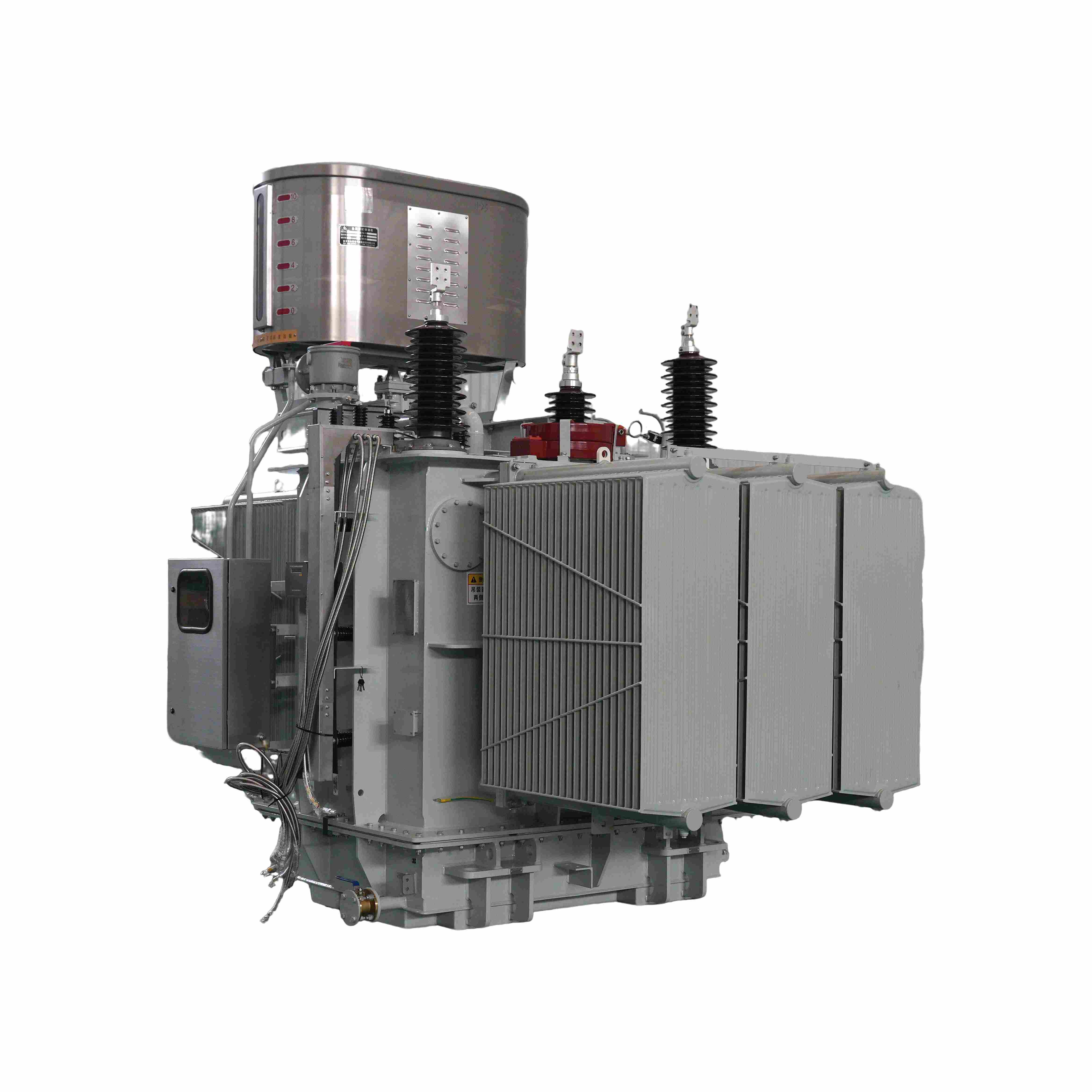
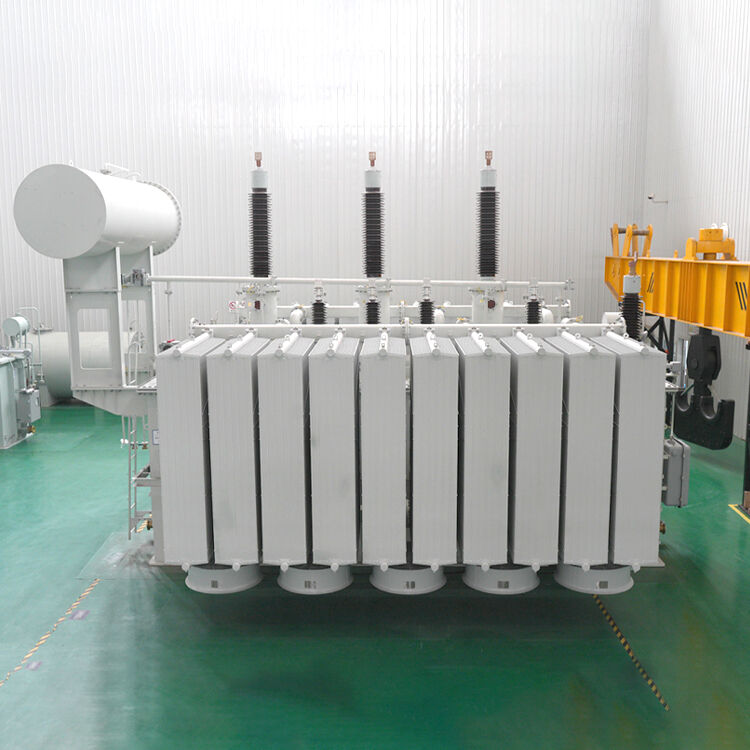
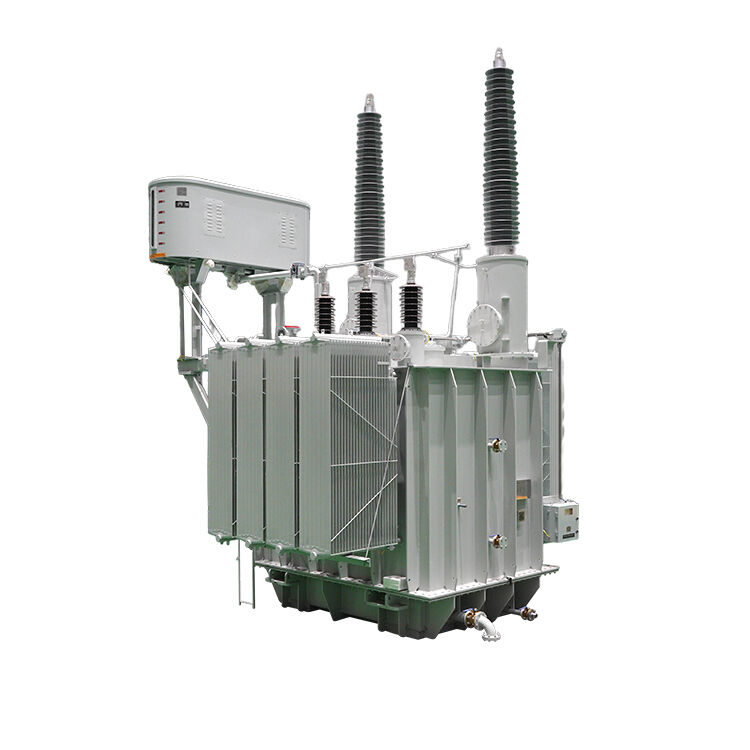
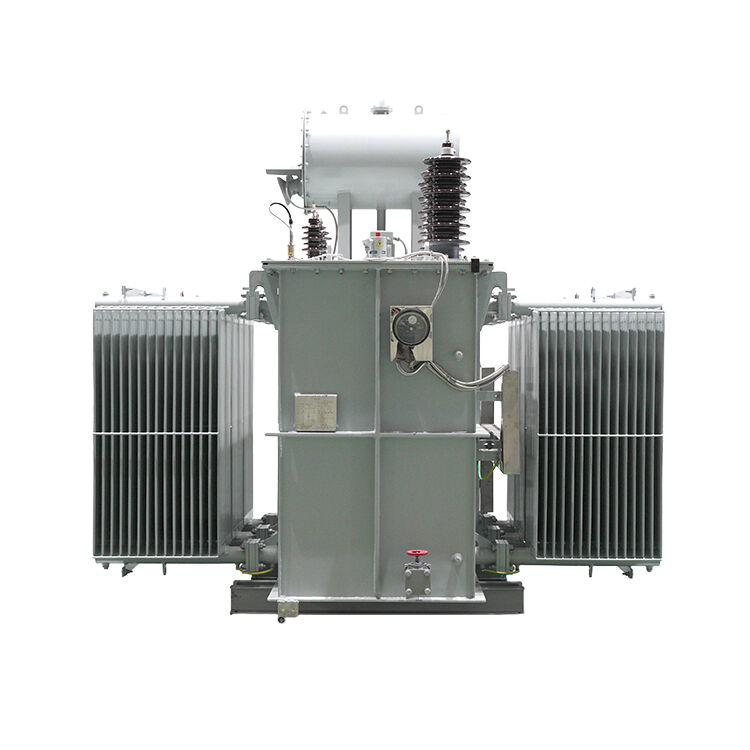
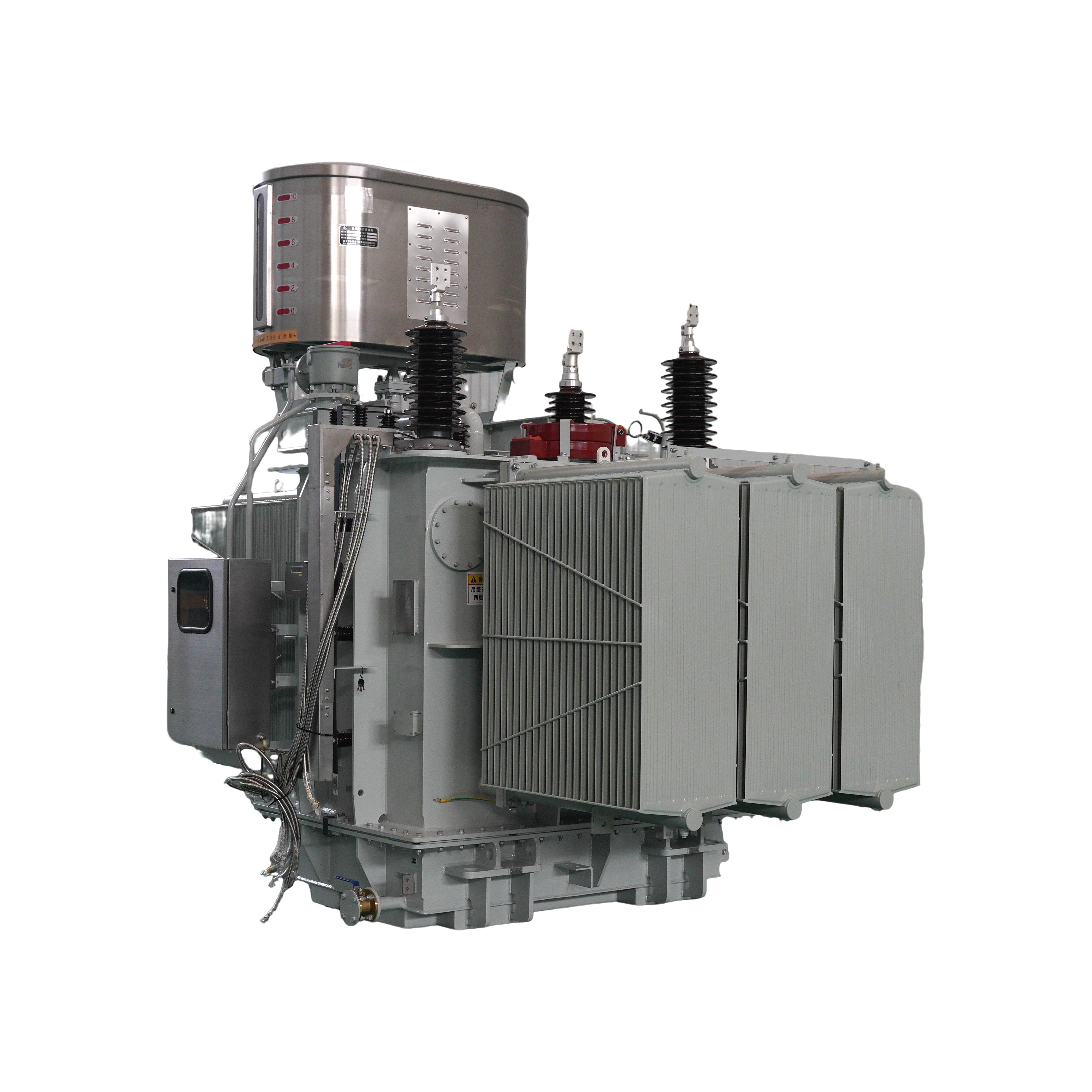
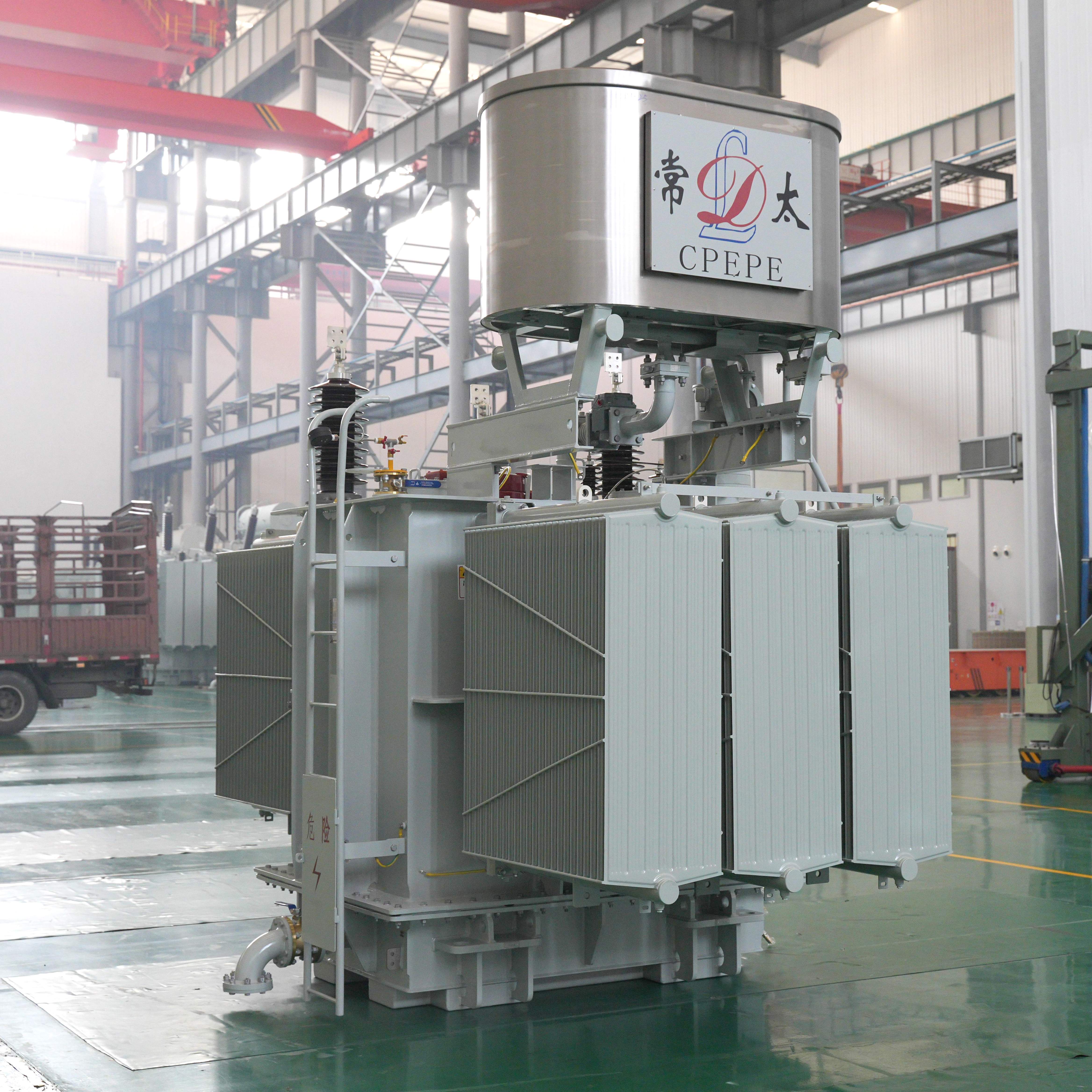
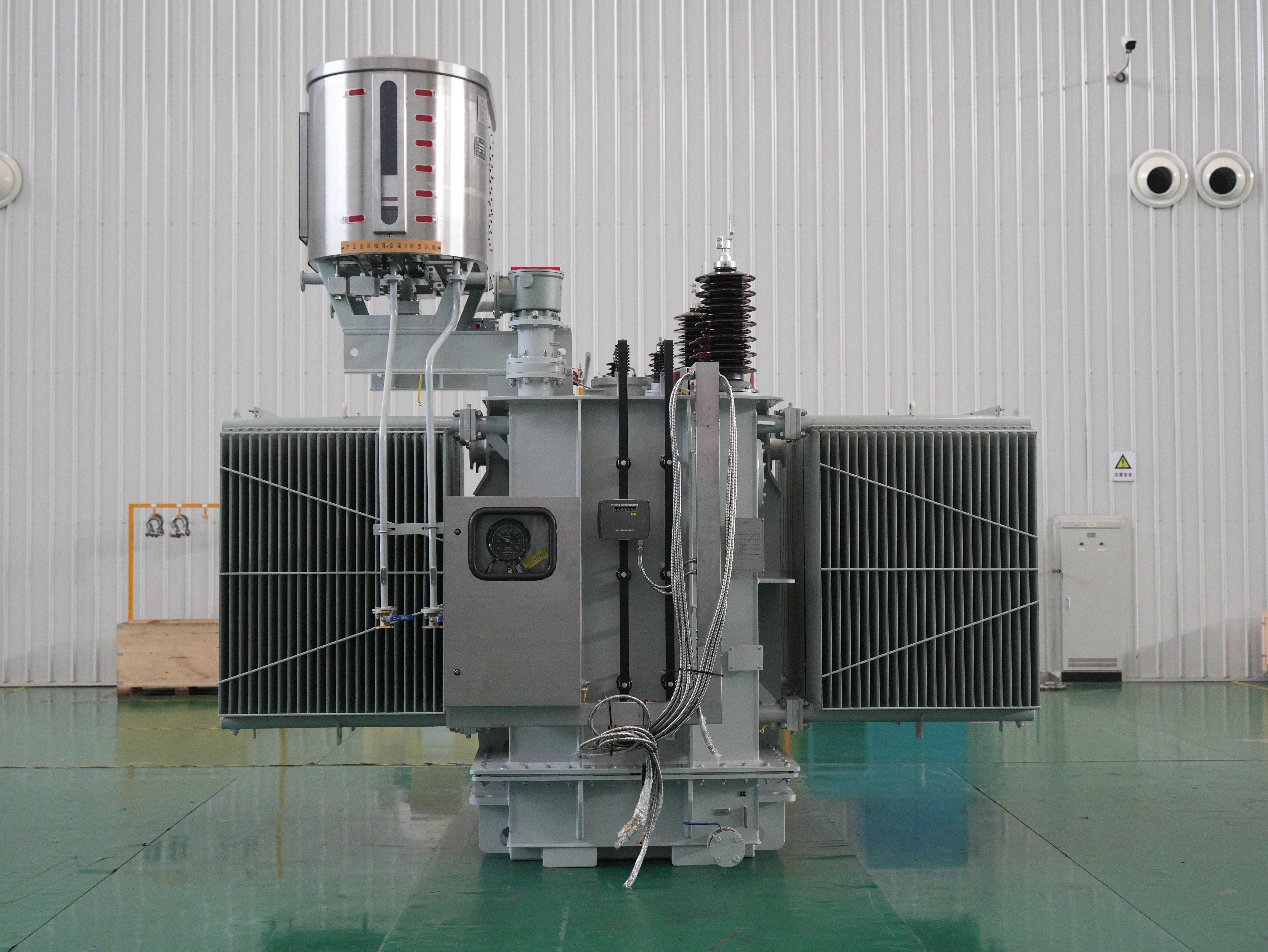
An auto type transformer represents a specialized electrical device that serves as a crucial component in power distribution and voltage regulation systems. Unlike conventional transformers that utilize separate primary and secondary windings, the auto type transformer employs a single continuous winding with multiple taps, creating a more compact and efficient design. This innovative configuration allows the transformer to step up or step down voltage levels while maintaining excellent electrical performance and energy efficiency. The auto type transformer operates on the principle of electromagnetic induction, where a portion of the winding acts as both primary and secondary circuits simultaneously. This shared winding arrangement significantly reduces the amount of copper required for construction, resulting in a more economical solution compared to traditional isolation transformers. The device features multiple connection points along the winding, enabling users to select different voltage ratios according to their specific requirements. Modern auto type transformer units incorporate advanced insulation materials and cooling systems to ensure reliable operation under various environmental conditions. The core construction typically utilizes high-grade silicon steel laminations that minimize energy losses and reduce electromagnetic interference. These transformers excel in applications where voltage transformation ratios are relatively small, typically ranging from 1.5:1 to 3:1, making them ideal for utility distribution networks and industrial power systems. The auto type transformer design inherently provides better voltage regulation compared to conventional transformers, maintaining stable output voltages even under fluctuating load conditions. Safety features integrated into modern units include protective relays, temperature monitoring systems, and fault detection mechanisms that ensure safe operation and prevent equipment damage. The compact footprint of auto type transformer installations makes them particularly suitable for space-constrained environments where traditional transformer solutions would be impractical.
 EN
EN