Auto Transformer Cost Guide: Affordable Solutions for Efficient Power Management

Get a Free Quote

Our representative will contact you soon.
Email
WhatsApp/Mobile
Name
Company Name
Message
0/1000

auto transformer cost

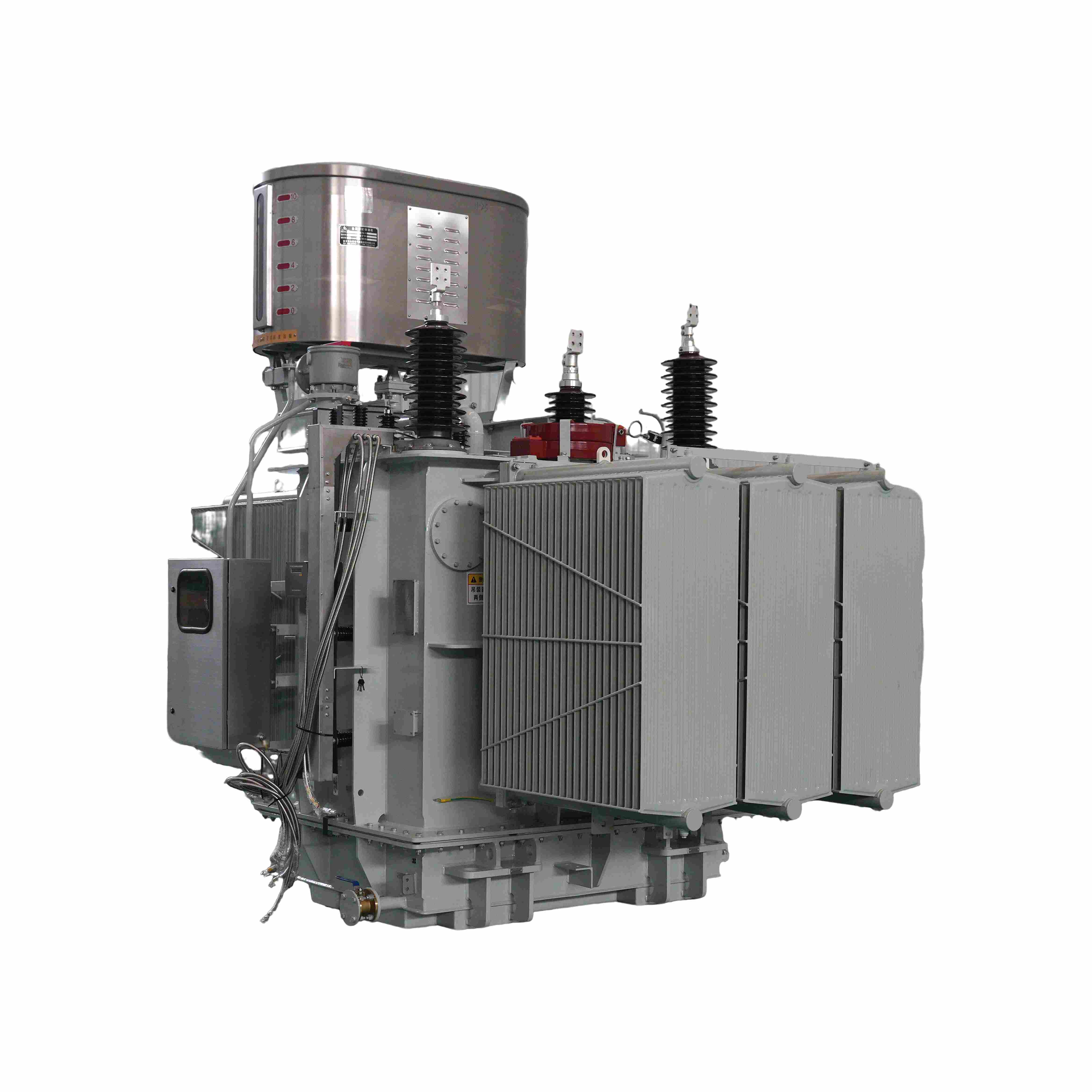
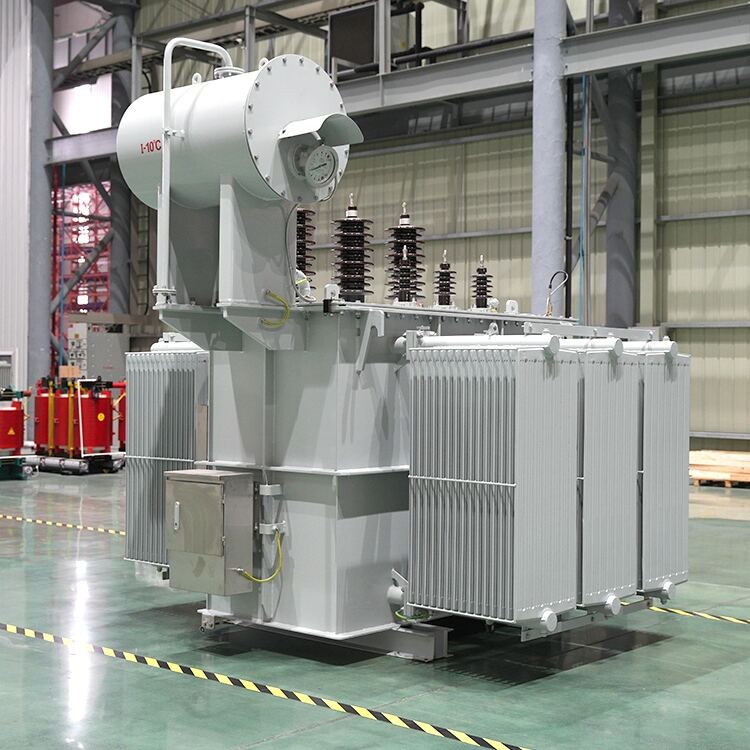
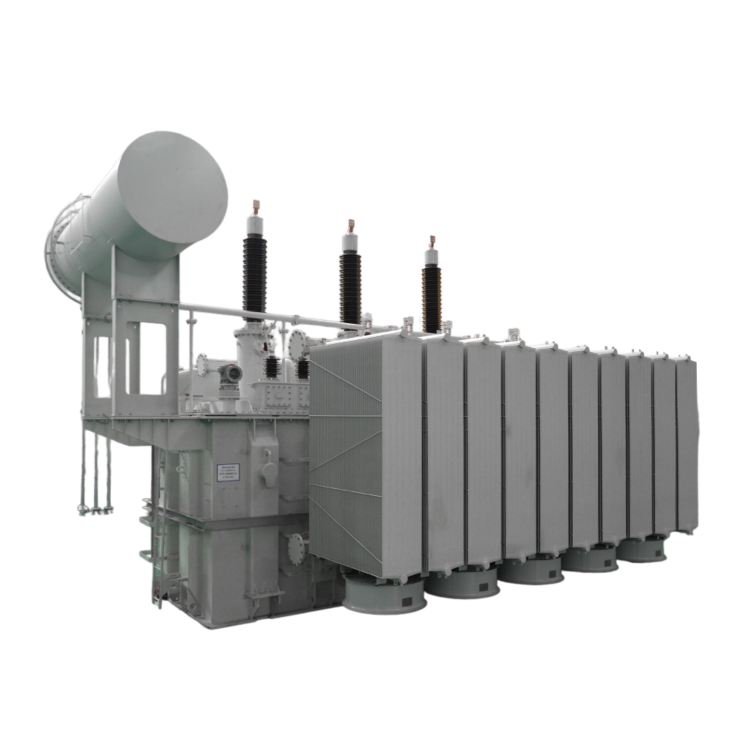
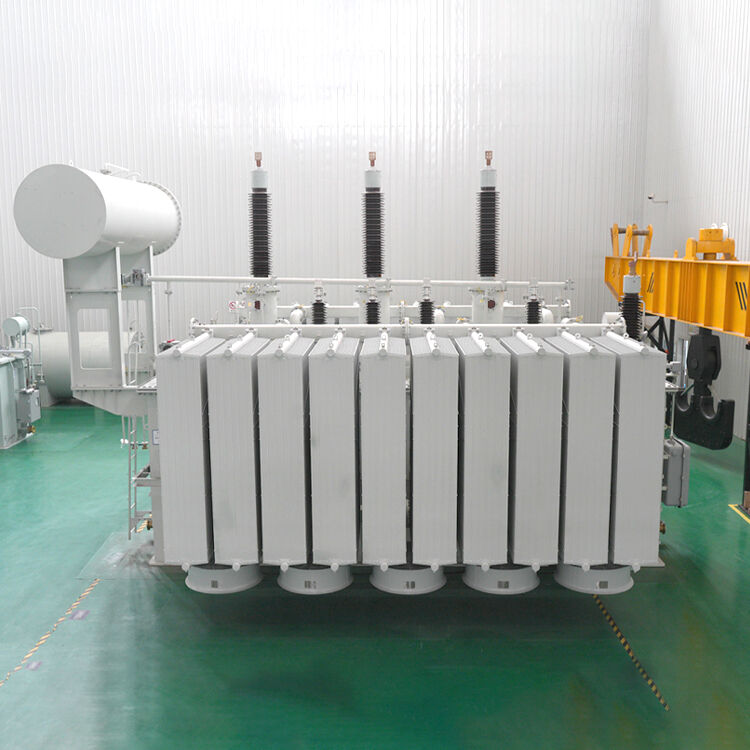
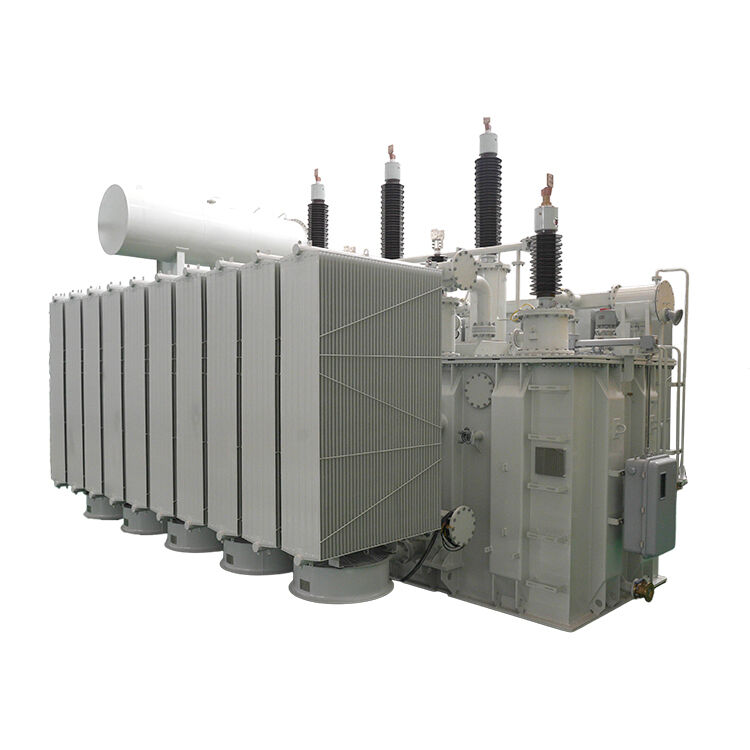
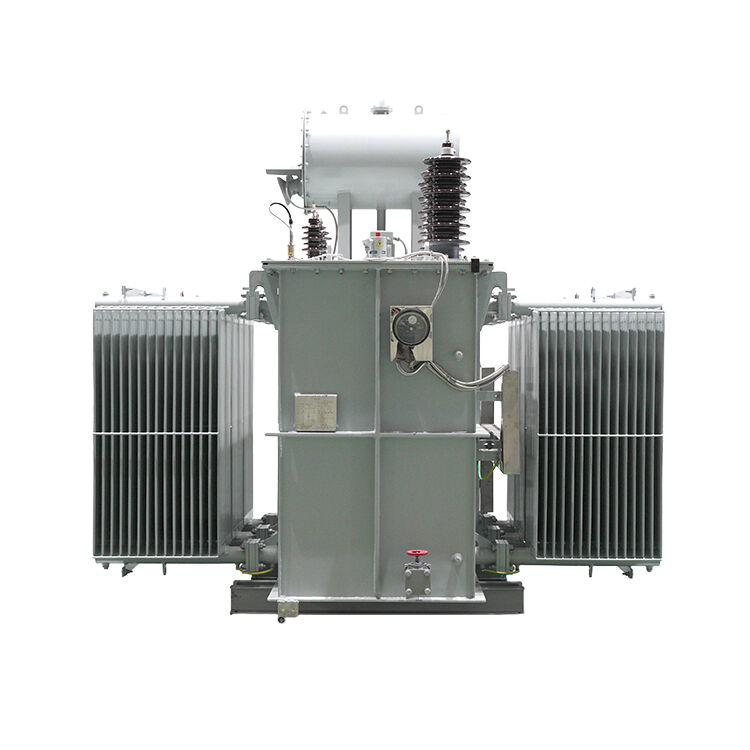
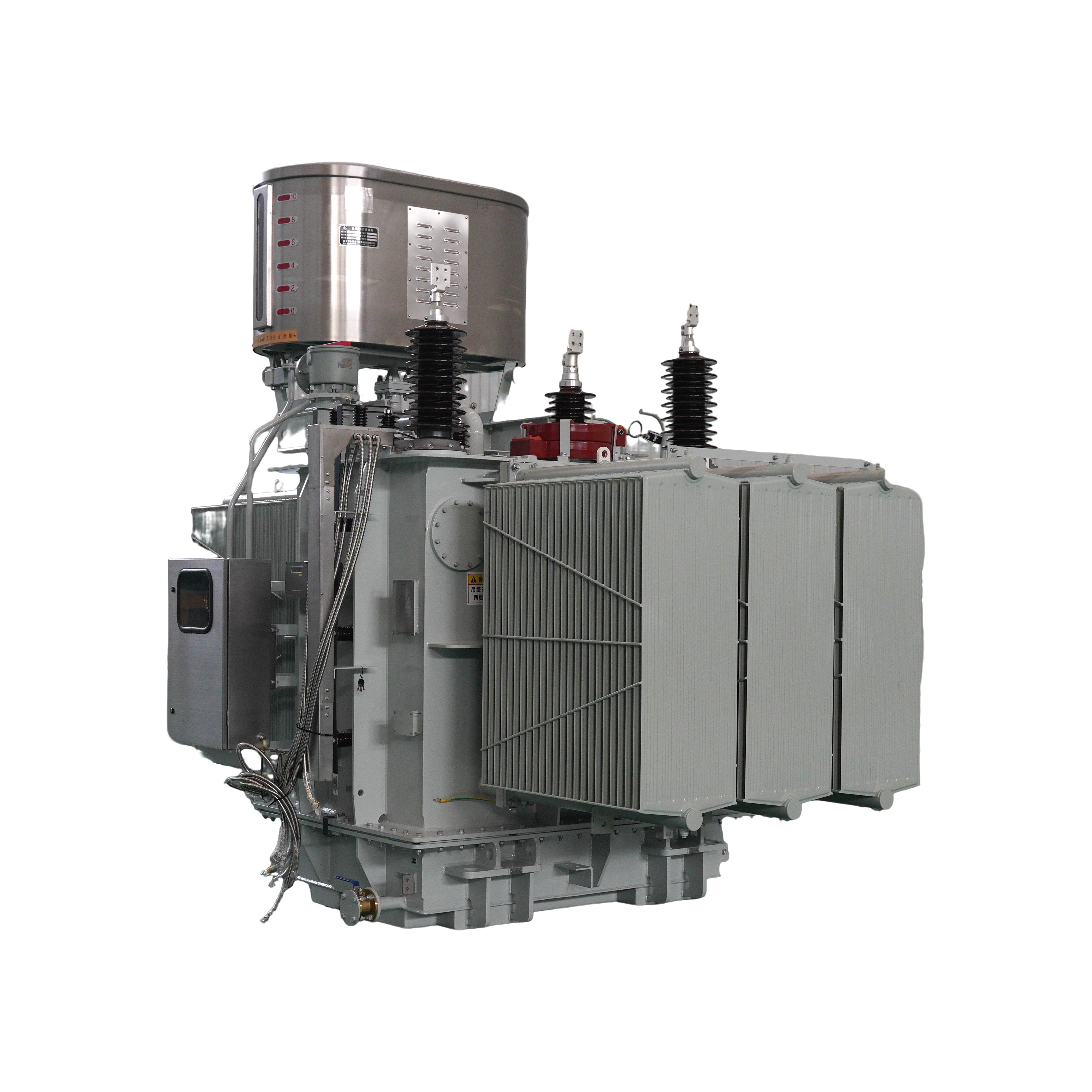
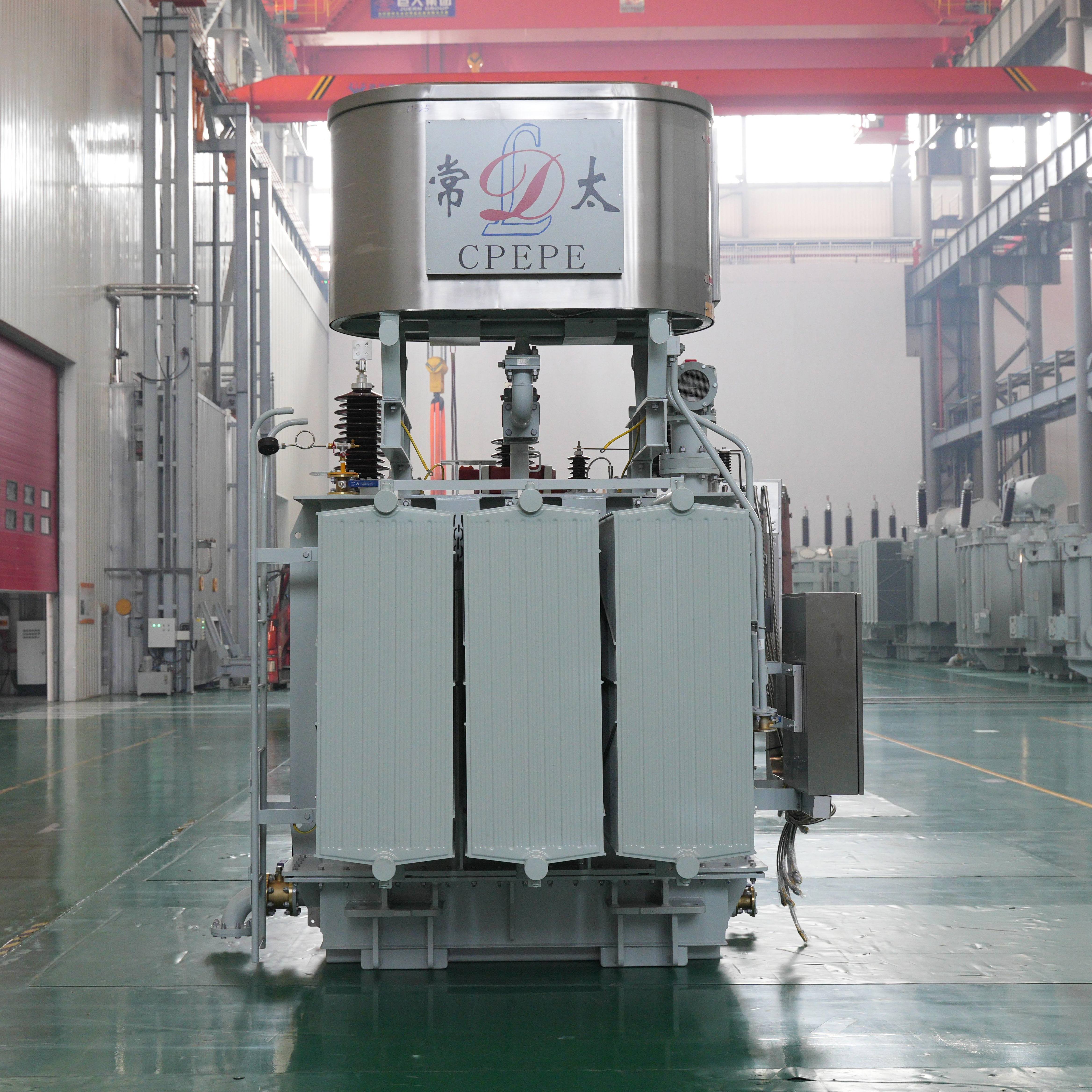
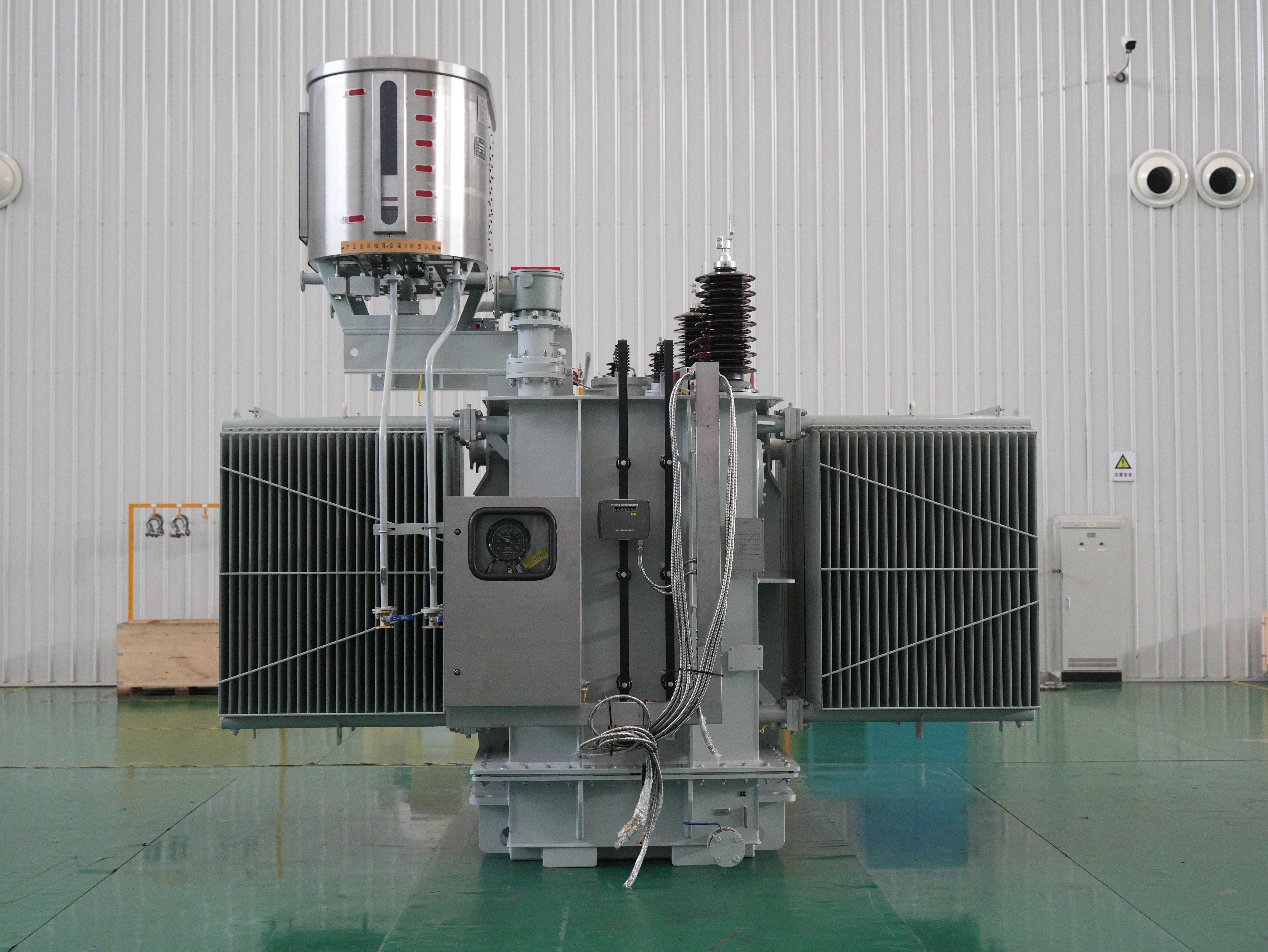
Auto transformer cost represents a crucial consideration for businesses and industries seeking efficient electrical solutions. An auto transformer stands as a specialized electrical device that transfers power between circuits through electromagnetic induction, utilizing a single winding with multiple taps rather than separate primary and secondary windings. This unique design significantly impacts the overall auto transformer cost while delivering exceptional performance benefits. The primary function involves voltage regulation, stepping voltage up or down according to specific requirements. Unlike conventional transformers, auto transformers share a common winding between input and output circuits, creating a direct electrical connection that enhances efficiency and reduces material requirements. This innovative approach directly influences auto transformer cost by minimizing copper usage and reducing overall manufacturing expenses. Technological features include compact design, superior efficiency ratings typically exceeding 98 percent, and reduced weight compared to traditional transformer alternatives. The auto transformer cost structure reflects these advanced characteristics while maintaining competitive pricing for end users. Applications span numerous industries including power distribution systems, motor starting applications, voltage stabilization equipment, and laboratory testing facilities. Manufacturing facilities frequently employ auto transformers for equipment requiring specific voltage levels, making auto transformer cost a critical budget consideration. The construction methodology involves careful winding arrangements on a single core, creating multiple voltage taps that provide flexibility in output selection. This design approach contributes to favorable auto transformer cost economics while ensuring reliable performance across diverse operating conditions. Energy efficiency represents another significant factor affecting auto transformer cost calculations, as higher efficiency translates to reduced operational expenses over the equipment lifecycle. Modern auto transformers incorporate advanced materials and manufacturing techniques that optimize performance while maintaining reasonable auto transformer cost levels for various budget requirements.

Popular Products

Auto transformer cost advantages extend beyond initial purchase price considerations to encompass comprehensive operational benefits that deliver substantial long-term value. The primary advantage lies in reduced material requirements, as auto transformers utilize approximately 30 to 40 percent less copper compared to conventional two-winding transformers, directly translating to lower auto transformer cost structures. This material efficiency stems from the shared winding design that eliminates duplicate conductor requirements while maintaining full electrical functionality. Energy efficiency represents another compelling advantage, with auto transformers achieving efficiency ratings exceeding 98 percent under optimal conditions. Higher efficiency means reduced power losses, resulting in lower electricity bills and decreased operational costs that complement the favorable auto transformer cost profile. The compact design offers space-saving benefits particularly valuable in crowded electrical installations where real estate comes at a premium. Reduced physical size translates to simplified installation procedures, potentially lowering labor costs associated with auto transformer cost implementation. Weight reduction compared to traditional transformers simplifies transportation and handling requirements, contributing additional savings to the total auto transformer cost equation. Maintenance requirements remain minimal due to robust construction and fewer components, reducing ongoing service expenses that factor into lifetime auto transformer cost calculations. Voltage regulation capabilities provide precise control over output parameters, eliminating the need for additional regulation equipment and associated costs. Auto transformers excel in applications requiring variable voltage output through tap changing mechanisms, offering operational flexibility that enhances value relative to auto transformer cost investments. The direct electrical connection between input and output circuits enables faster response times and improved dynamic performance characteristics. Installation simplicity reduces commissioning time and technical expertise requirements, contributing to favorable auto transformer cost implementation scenarios. Reliability factors include robust construction standards and proven operational histories across diverse applications, ensuring consistent performance that justifies auto transformer cost expenditures. Environmental benefits include reduced material consumption and improved energy efficiency that support sustainability initiatives while maintaining competitive auto transformer cost structures for environmentally conscious organizations.

Practical Tips

What Is a Transformer and How Does It Improve Power System Efficiency?

02

Jan

What Is a Transformer and How Does It Improve Power System Efficiency?

A transformer represents one of the most critical components in modern electrical power systems, serving as the backbone for efficient energy transmission and distribution across vast networks. These electromagnetic devices enable the seamless conver...
View More
How Does a Transformer Work in High Voltage Power Transmission?

08

Jan

How Does a Transformer Work in High Voltage Power Transmission?

High voltage power transmission systems form the backbone of modern electrical grids, enabling electricity to travel efficiently across vast distances. At the heart of these complex networks lies the power transformer, a crucial piece of equipment th...
View More
How Do Transformers Support Grid Stability in Large-Scale Power Networks?

20

Jan

How Do Transformers Support Grid Stability in Large-Scale Power Networks?

Large-scale power networks form the backbone of modern electrical infrastructure, requiring sophisticated equipment to maintain stability and reliability across vast geographical areas. Power transformers play a crucial role in these complex systems ...
View More
What Should Utilities Consider When Selecting a Transformer Supplier?

26

Jan

What Should Utilities Consider When Selecting a Transformer Supplier?

Selecting the right supplier for power infrastructure represents one of the most critical decisions utility companies face in today's rapidly evolving energy landscape. The process of choosing a power transformer supplier requires careful evaluation ...
View More

Get a Free Quote

Our representative will contact you soon.
Email
WhatsApp/Mobile
Name
Company Name
Message
0/1000

auto transformer cost

Superior Cost Efficiency Through Advanced Engineering

Superior Cost Efficiency Through Advanced Engineering

Auto transformer cost efficiency emerges as the most compelling selling point for businesses evaluating electrical equipment investments. The fundamental engineering principle behind cost advantages lies in the innovative single-winding design that eliminates redundant materials while maintaining full operational capabilities. Traditional transformers require separate primary and secondary windings, essentially doubling copper requirements and increasing manufacturing complexity. Auto transformers achieve identical voltage transformation results using approximately 60 to 70 percent of the materials required by conventional alternatives, creating immediate auto transformer cost savings that benefit end users. This material efficiency extends beyond copper savings to include reduced core materials, insulation requirements, and housing components. Manufacturing processes become streamlined due to simplified construction requirements, enabling producers to offer competitive auto transformer cost structures without compromising quality standards. The direct connection between input and output circuits eliminates transformer losses typically associated with magnetic coupling inefficiencies, resulting in operational cost reductions that compound auto transformer cost advantages over equipment lifetimes. Energy savings achieved through superior efficiency ratings translate to measurable reductions in electricity expenses, particularly significant for high-capacity installations operating continuously. Installation costs decrease due to reduced weight and compact dimensions that simplify handling, transportation, and positioning requirements. Auto transformer cost calculations must include these installation advantages alongside purchase price considerations to accurately assess total project expenses. Maintenance intervals extend due to fewer components and robust construction standards, reducing service costs that factor into long-term auto transformer cost evaluations. The versatility of tap-changing capabilities eliminates needs for additional voltage regulation equipment, creating system-level savings that enhance overall auto transformer cost effectiveness. Quality manufacturers provide extensive warranty coverage reflecting confidence in reliability, protecting auto transformer cost investments against premature failures. Return on investment calculations consistently favor auto transformers due to combined purchase price advantages, operational savings, and extended service life characteristics that maximize value relative to auto transformer cost expenditures.
Exceptional Performance Reliability and Operational Excellence

Exceptional Performance Reliability and Operational Excellence

Auto transformer cost justification becomes compelling when examining the exceptional performance reliability that characterizes these sophisticated electrical devices. Engineering excellence manifests through robust construction methodologies that ensure consistent operation across diverse environmental conditions and load variations. The single-winding configuration inherently provides superior mechanical stability compared to conventional transformer designs, as the shared conductor arrangement creates structural integrity that resists vibration, temperature fluctuations, and electrical stress conditions. This enhanced durability directly impacts auto transformer cost economics by extending operational lifespans and reducing replacement frequencies. Performance reliability encompasses precise voltage regulation capabilities that maintain output parameters within tight tolerances regardless of input variations or load changes. Auto transformers achieve regulation accuracy typically superior to traditional alternatives, ensuring connected equipment receives stable power supply that prevents operational disruptions and potential damage. The auto transformer cost investment delivers peace of mind through consistent performance that supports critical applications requiring uninterrupted power quality. Thermal management represents another reliability advantage, as the efficient design generates less internal heat compared to conventional transformers operating at similar power levels. Reduced thermal stress extends component lifespans and maintains insulation integrity over extended periods, contributing to favorable auto transformer cost lifecycle economics. Electrical characteristics include low impedance values that enable superior short-circuit performance and enhanced system stability during fault conditions. These protective features safeguard connected equipment and prevent costly damage that could far exceed auto transformer cost investments. Load handling capabilities accommodate varying demand patterns without performance degradation, ensuring consistent operation across diverse application scenarios. The auto transformer cost structure reflects engineering investments in high-quality materials and precision manufacturing processes that guarantee reliable performance. Diagnostic capabilities built into modern auto transformers enable proactive maintenance scheduling and early problem detection, preventing unexpected failures that could result in expensive downtime costs. Quality assurance programs implemented by reputable manufacturers ensure each unit meets stringent performance standards before delivery, protecting auto transformer cost investments through verified reliability. Field experience demonstrates exceptional service records with minimal maintenance requirements, validating auto transformer cost decisions through proven operational excellence.
Comprehensive Application Versatility and Future-Ready Technology

Comprehensive Application Versatility and Future-Ready Technology

Auto transformer cost considerations must account for the remarkable application versatility that enables these devices to serve diverse industrial, commercial, and utility requirements with exceptional adaptability. Modern auto transformers incorporate advanced technologies that position them as future-ready solutions capable of evolving with changing electrical system demands. The fundamental design flexibility allows manufacturers to customize voltage ratios, tap configurations, and power ratings according to specific application requirements without significant auto transformer cost premiums. This customization capability eliminates the need for multiple transformer types in complex installations, streamlining procurement processes and reducing overall system costs beyond basic auto transformer cost considerations. Smart technology integration enables remote monitoring, diagnostic capabilities, and predictive maintenance features that enhance operational efficiency while protecting auto transformer cost investments through optimized performance management. Digital communication protocols allow seamless integration with modern control systems and building automation platforms, ensuring compatibility with evolving technological infrastructure. The auto transformer cost structure accommodates these advanced features while maintaining competitive pricing that makes cutting-edge technology accessible across various market segments. Power quality enhancement capabilities address harmonics, voltage fluctuations, and other electrical disturbances that can damage sensitive equipment or disrupt operations. Auto transformers equipped with filtering and regulation technologies provide comprehensive power conditioning that eliminates needs for separate equipment purchases, creating system-level savings that enhance auto transformer cost effectiveness. Environmental adaptability encompasses operation across wide temperature ranges, altitude variations, and diverse atmospheric conditions without performance degradation. This versatility expands application possibilities and reduces the need for specialized environmental protection equipment that would increase total system costs beyond auto transformer cost investments. Scalability features enable capacity expansion through parallel operation or tap reconfiguration, protecting auto transformer cost investments against obsolescence as electrical demands evolve. Industry-specific certifications ensure compliance with regulatory requirements across various sectors, eliminating costly retrofitting or replacement needs that could impact auto transformer cost calculations. Future compatibility includes readiness for renewable energy integration, smart grid applications, and emerging electrical technologies that will define tomorrow's power systems. The auto transformer cost investment today positions organizations for seamless adaptation to future electrical infrastructure developments while maintaining operational continuity and performance excellence.

Get a Free Quote

Our representative will contact you soon.
Email
WhatsApp/Mobile
Name
Company Name
Message
0/1000