pad mounted transformer cost
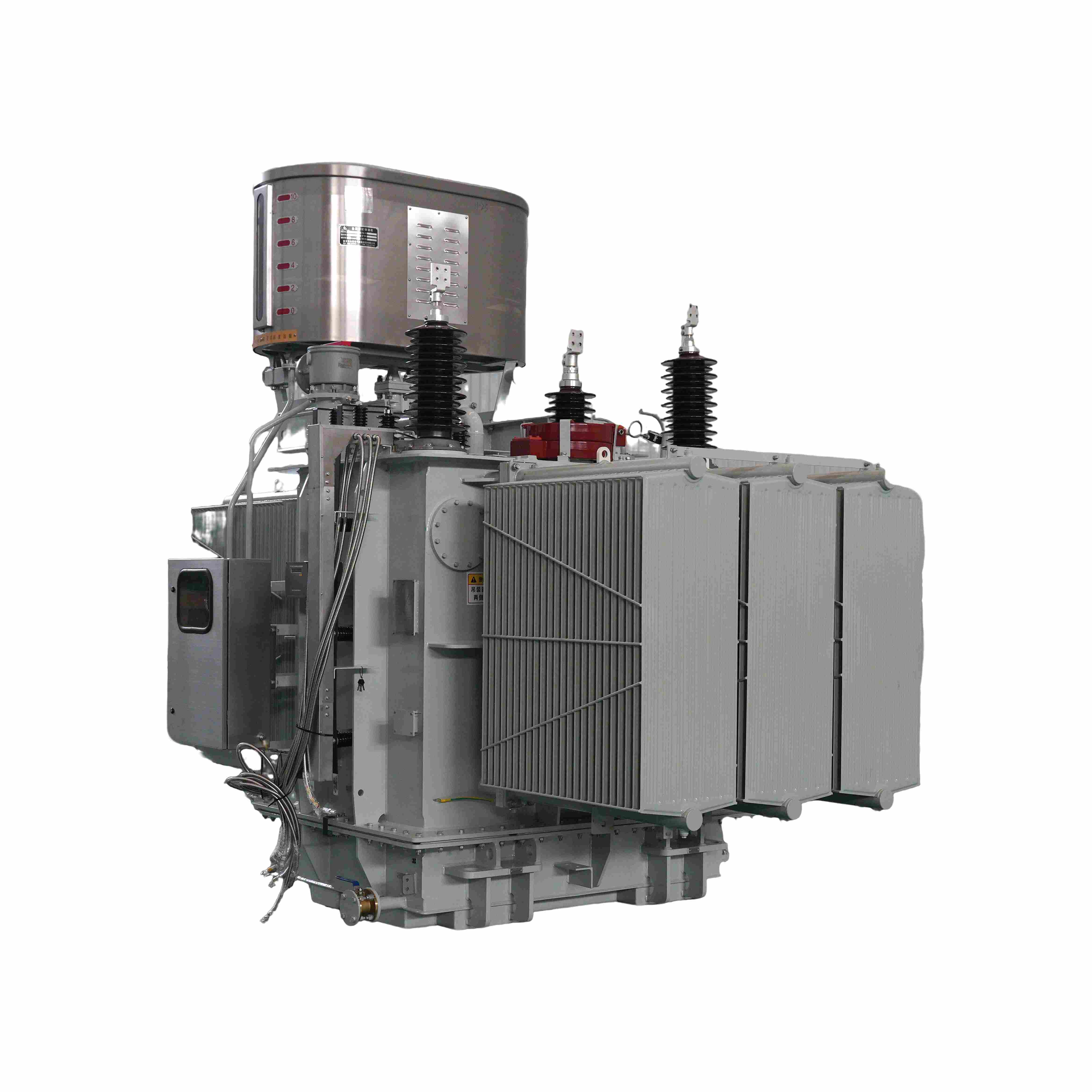
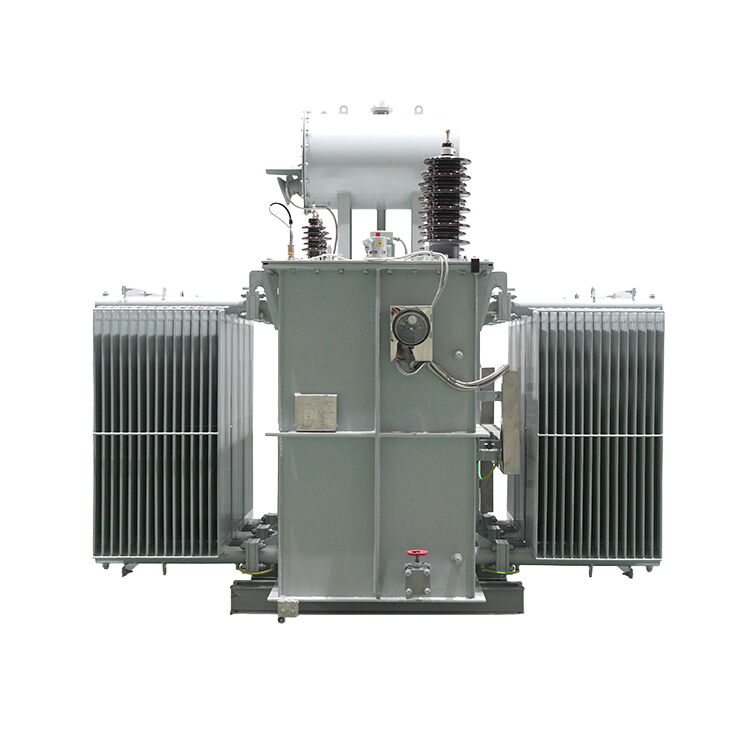
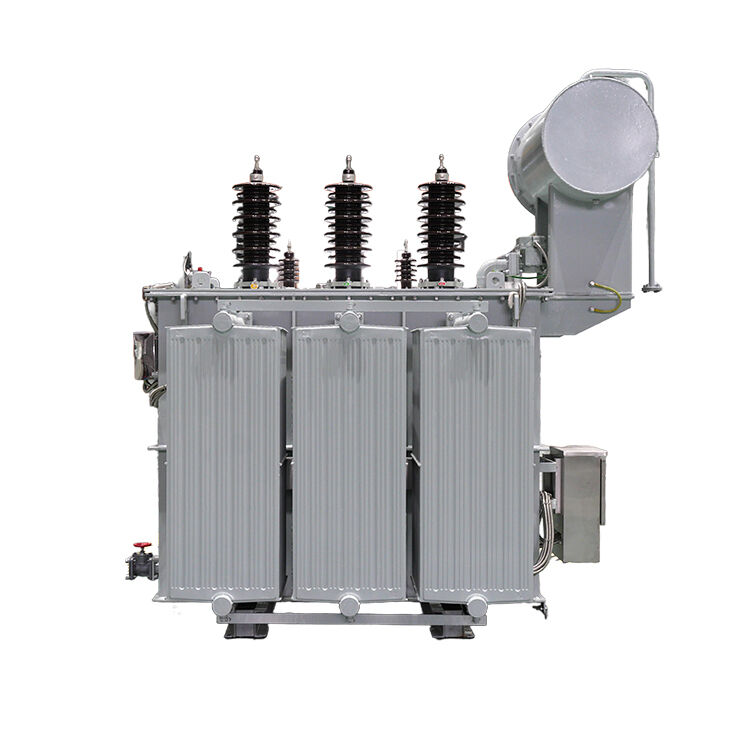
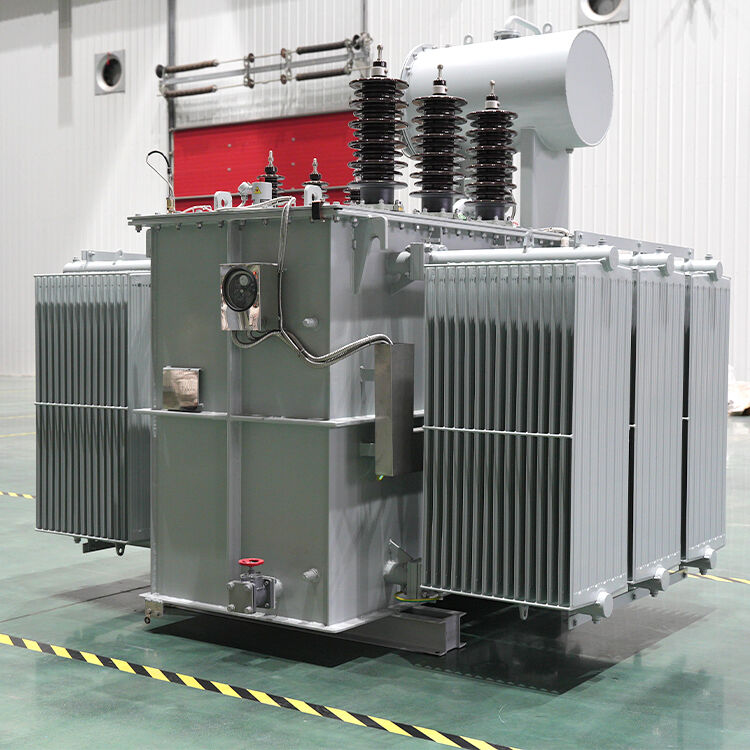
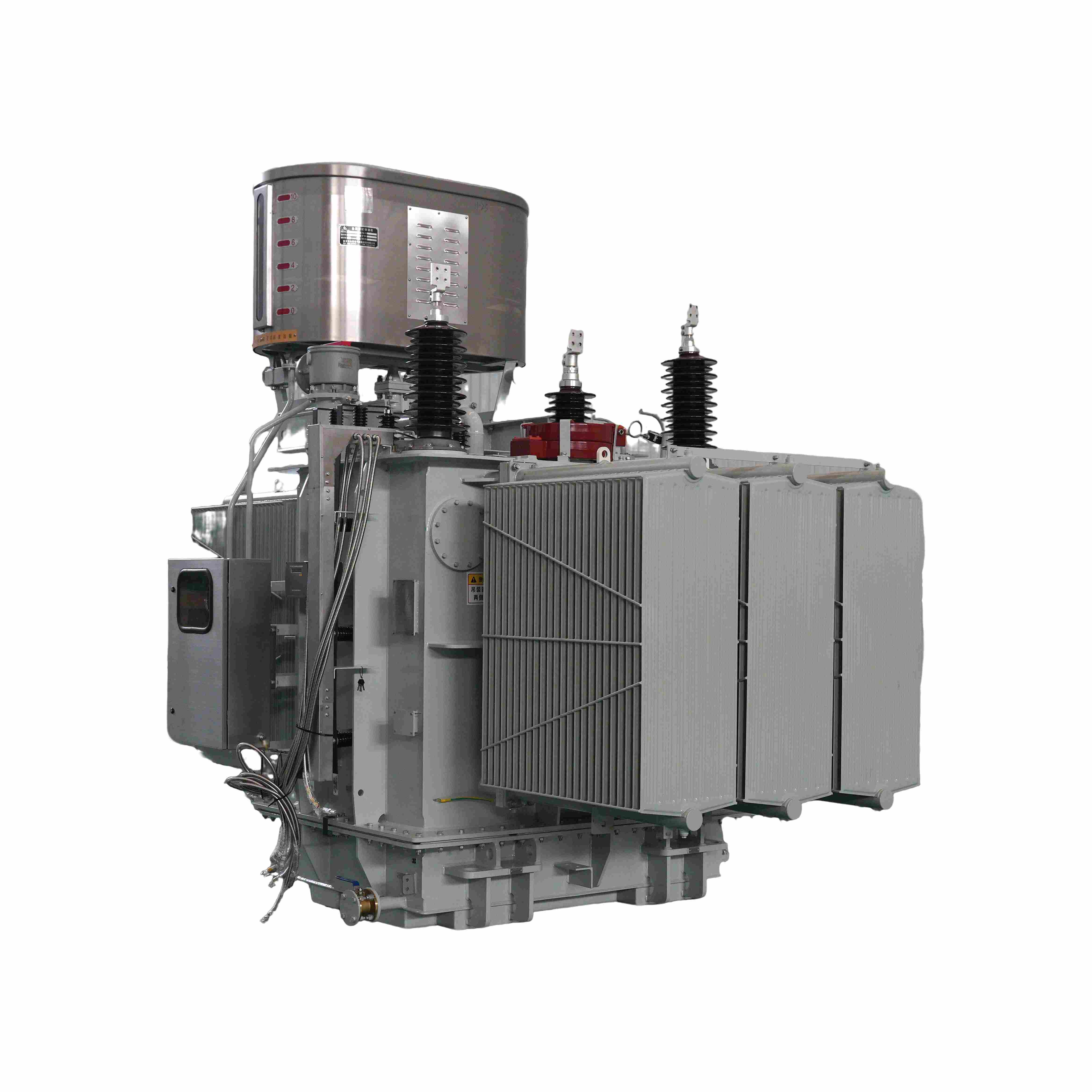
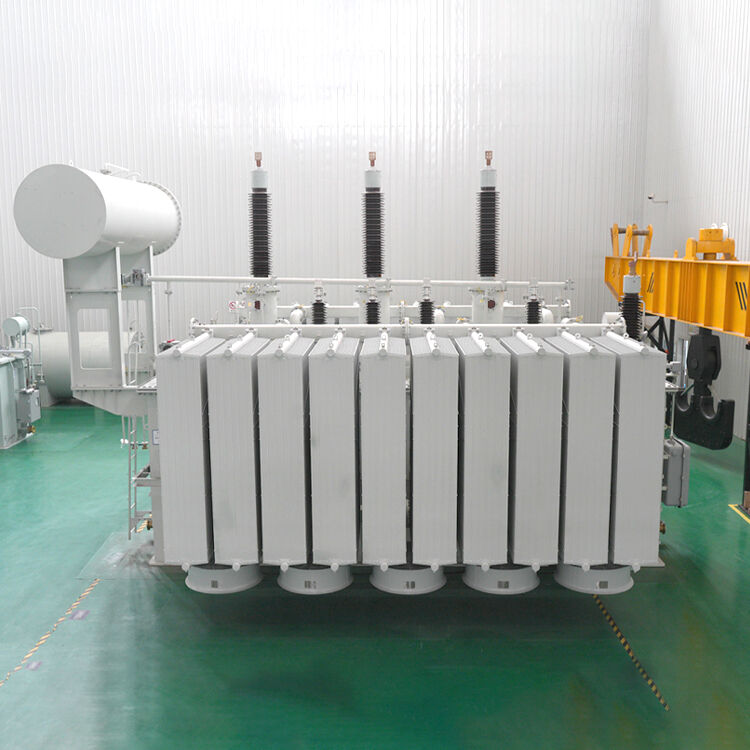
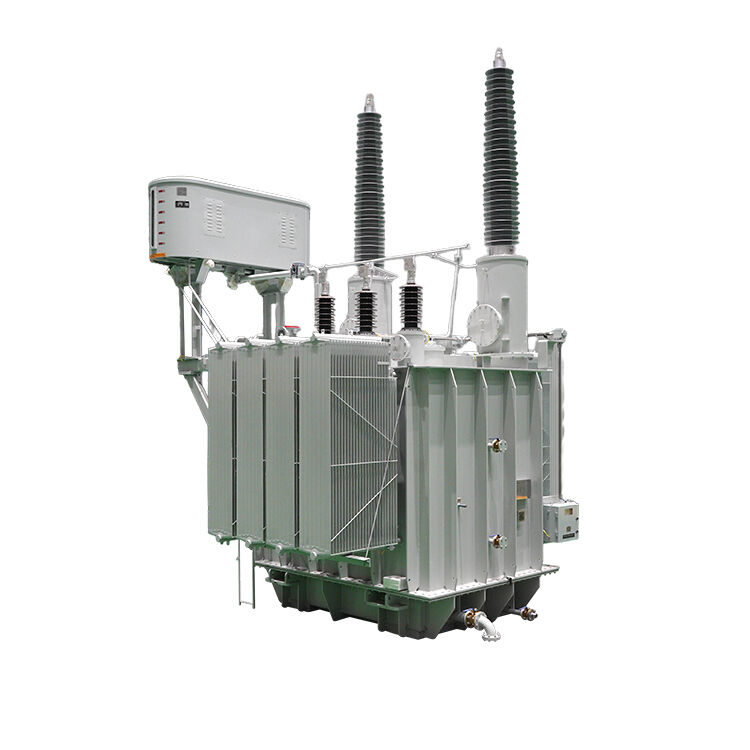
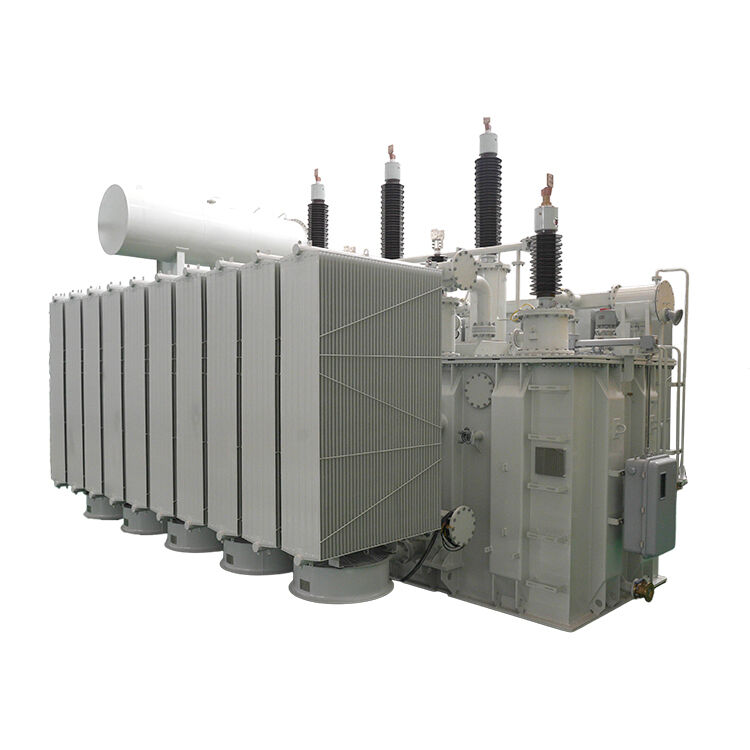
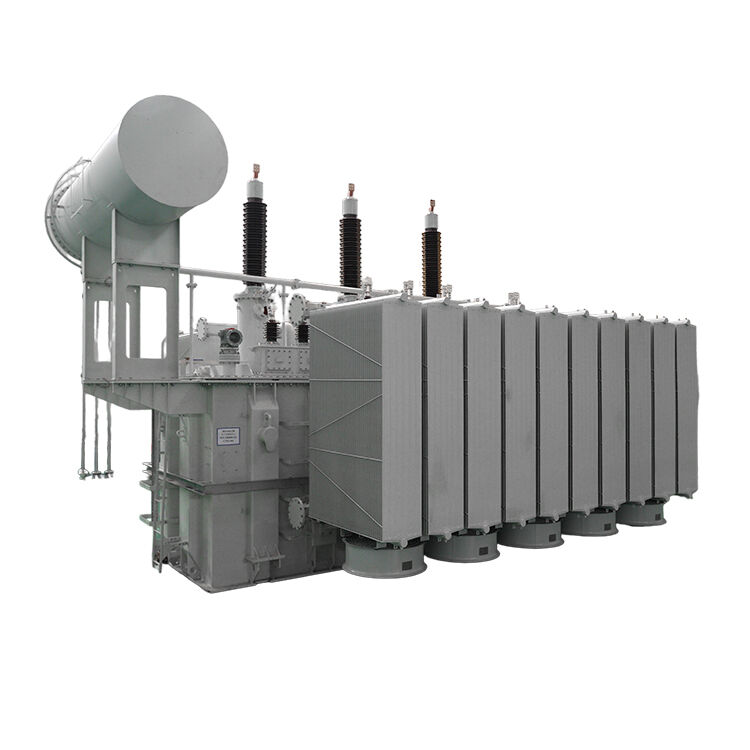
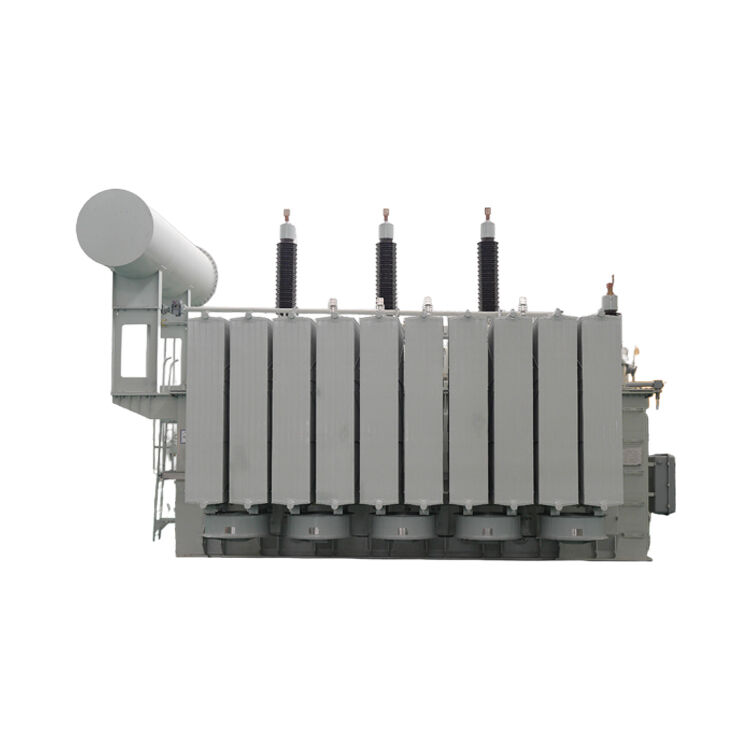
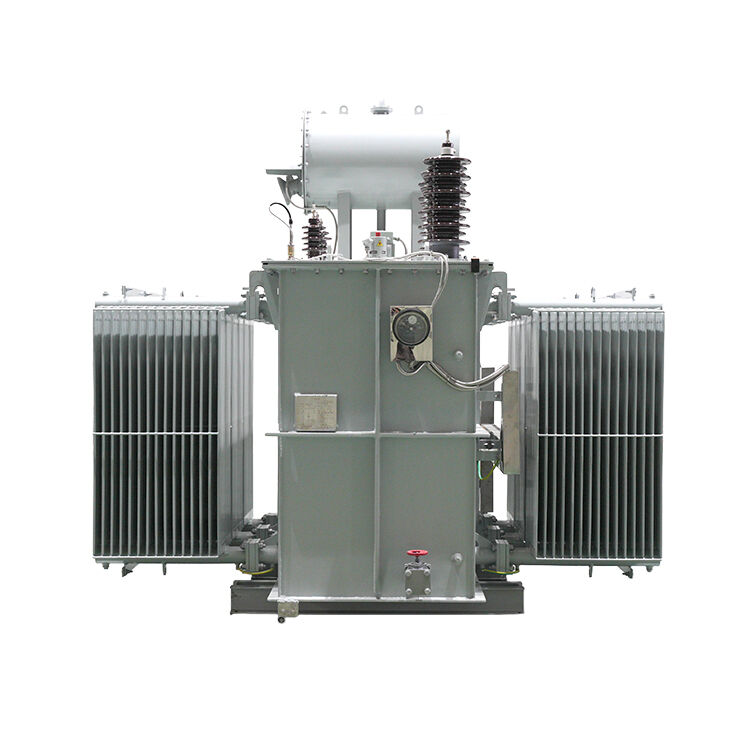
Understanding pad mounted transformer cost requires a comprehensive examination of these critical electrical infrastructure components that serve as the backbone of modern power distribution systems. Pad mounted transformers represent sophisticated electrical equipment designed to step down high voltage electricity to lower, more manageable levels suitable for residential and commercial applications. The pad mounted transformer cost encompasses various factors including initial purchase price, installation expenses, maintenance requirements, and long-term operational efficiency considerations. These transformers are engineered with robust construction featuring weather-resistant enclosures that protect internal components from environmental elements while ensuring safe operation in outdoor settings. The technological sophistication of pad mounted transformers includes advanced insulation systems, cooling mechanisms, and safety features that justify their investment value. When evaluating pad mounted transformer cost, customers must consider the equipment's capacity ratings, voltage specifications, and regulatory compliance standards that directly impact pricing structures. Modern pad mounted transformers incorporate innovative design elements such as tamper-resistant compartments, accessible wiring sections, and standardized mounting configurations that streamline installation processes. The cost structure reflects the engineering complexity required to meet stringent safety standards while delivering reliable power distribution capabilities. These transformers typically feature oil-filled or dry-type insulation systems, with each technology offering distinct advantages that influence overall pad mounted transformer cost calculations. Installation considerations significantly affect total project expenses, as proper site preparation, foundation requirements, and electrical connections demand specialized expertise and equipment. The pad mounted transformer cost also includes ongoing operational expenses such as routine maintenance, testing protocols, and potential repair services throughout the equipment's operational lifespan. Quality manufacturers provide comprehensive warranty programs and technical support services that add value to the initial investment while protecting against unexpected maintenance costs.
 EN
EN