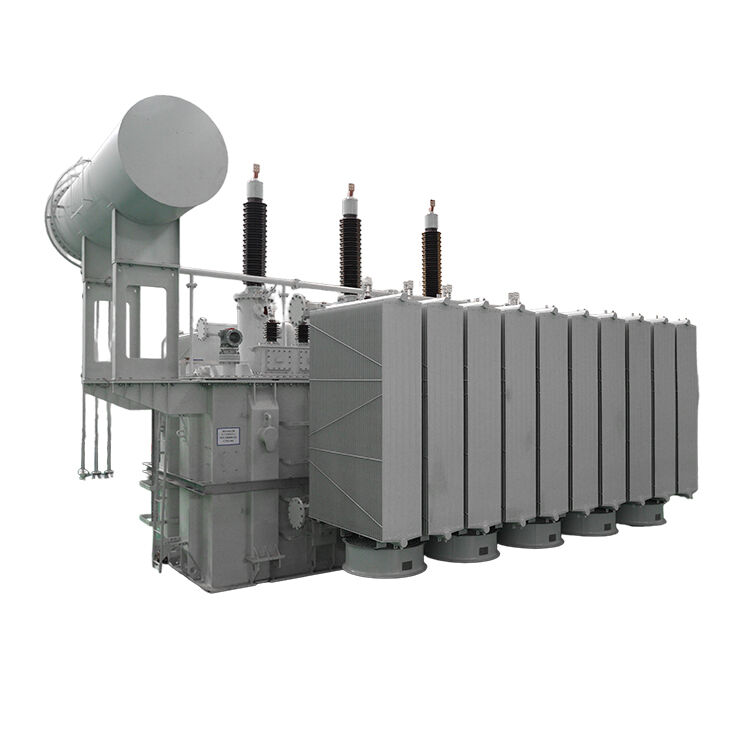
Substation Power Transformers - High-Efficiency Electrical Distribution Solutions

Get a Free Quote

Our representative will contact you soon.
Email
WhatsApp/Mobile
Name
Company Name
Message
0/1000

substation power transformer

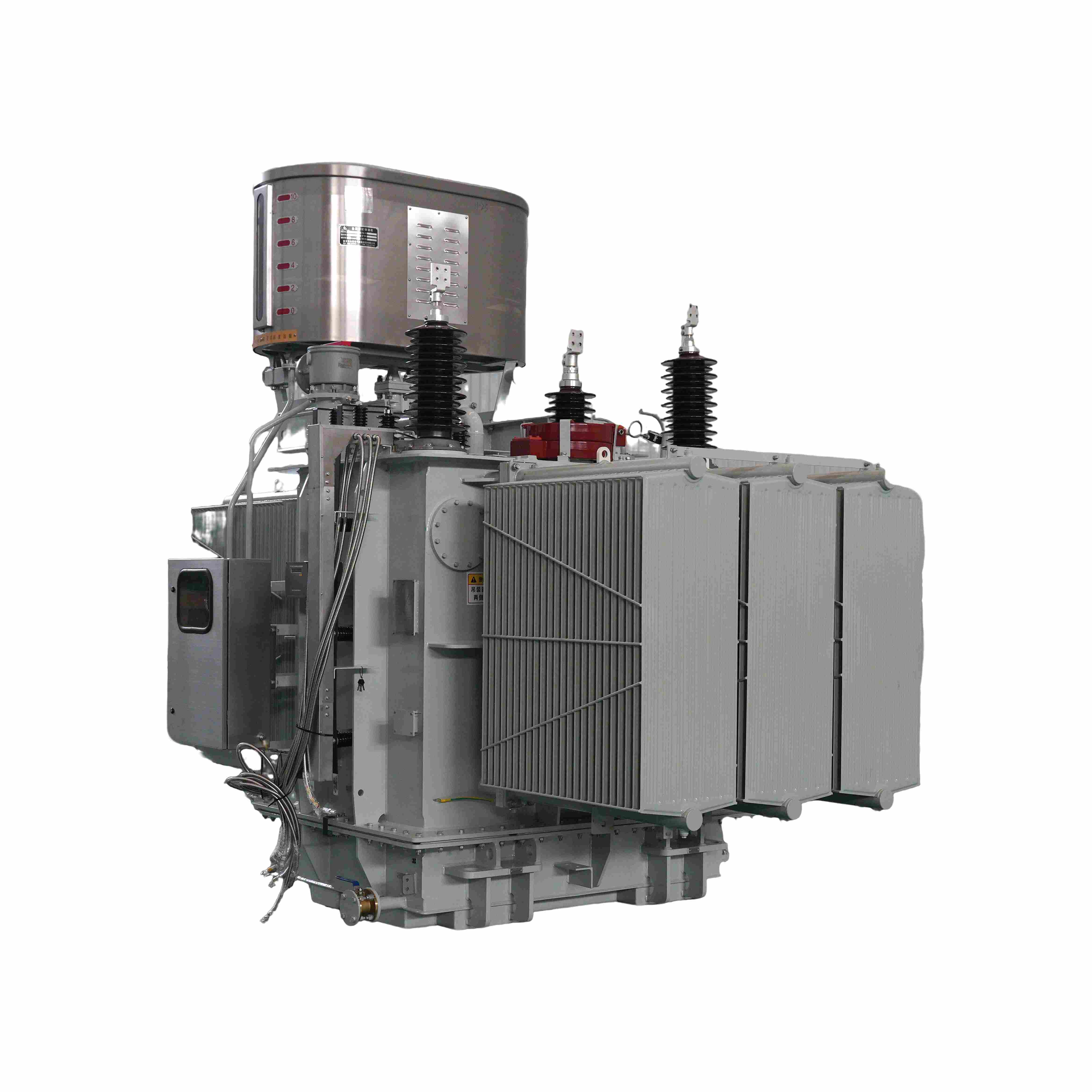
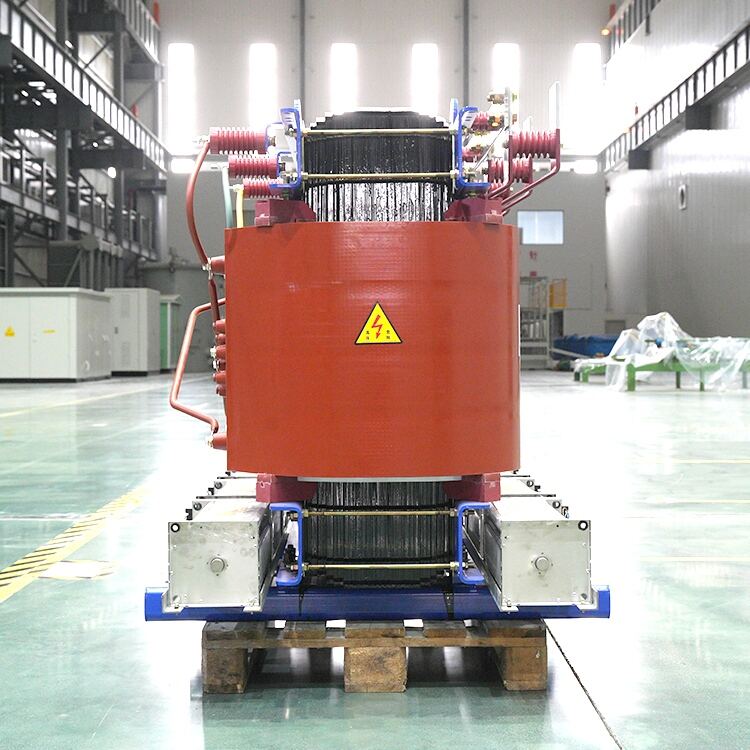
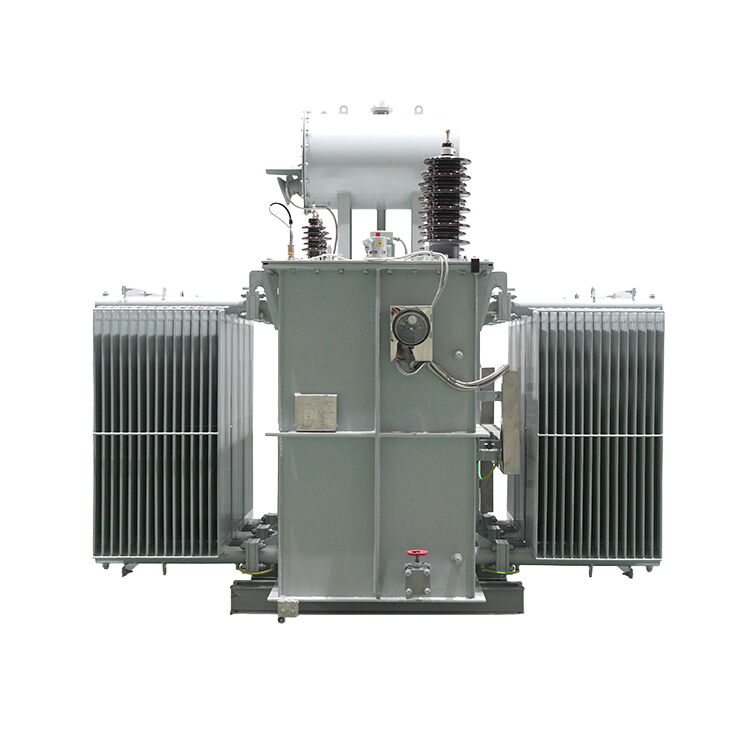
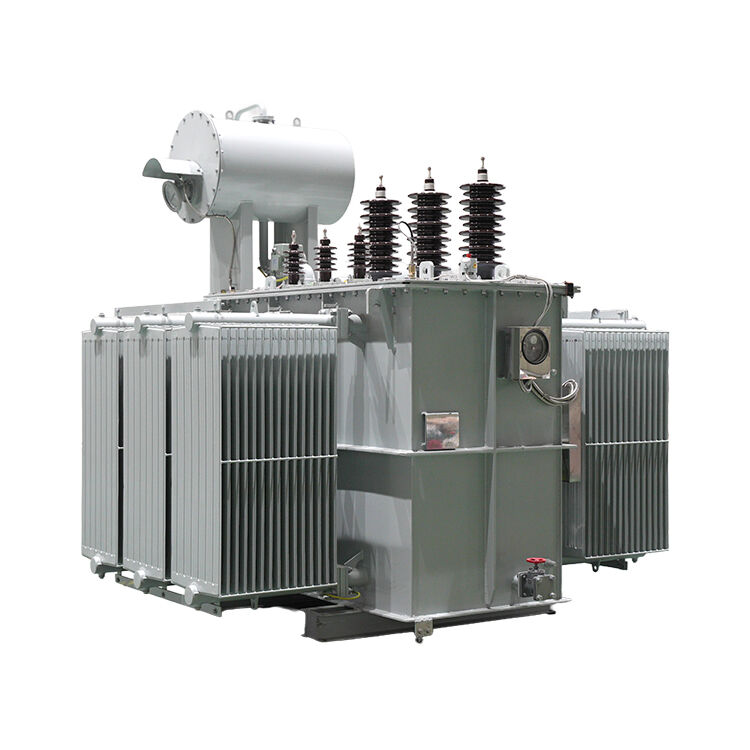
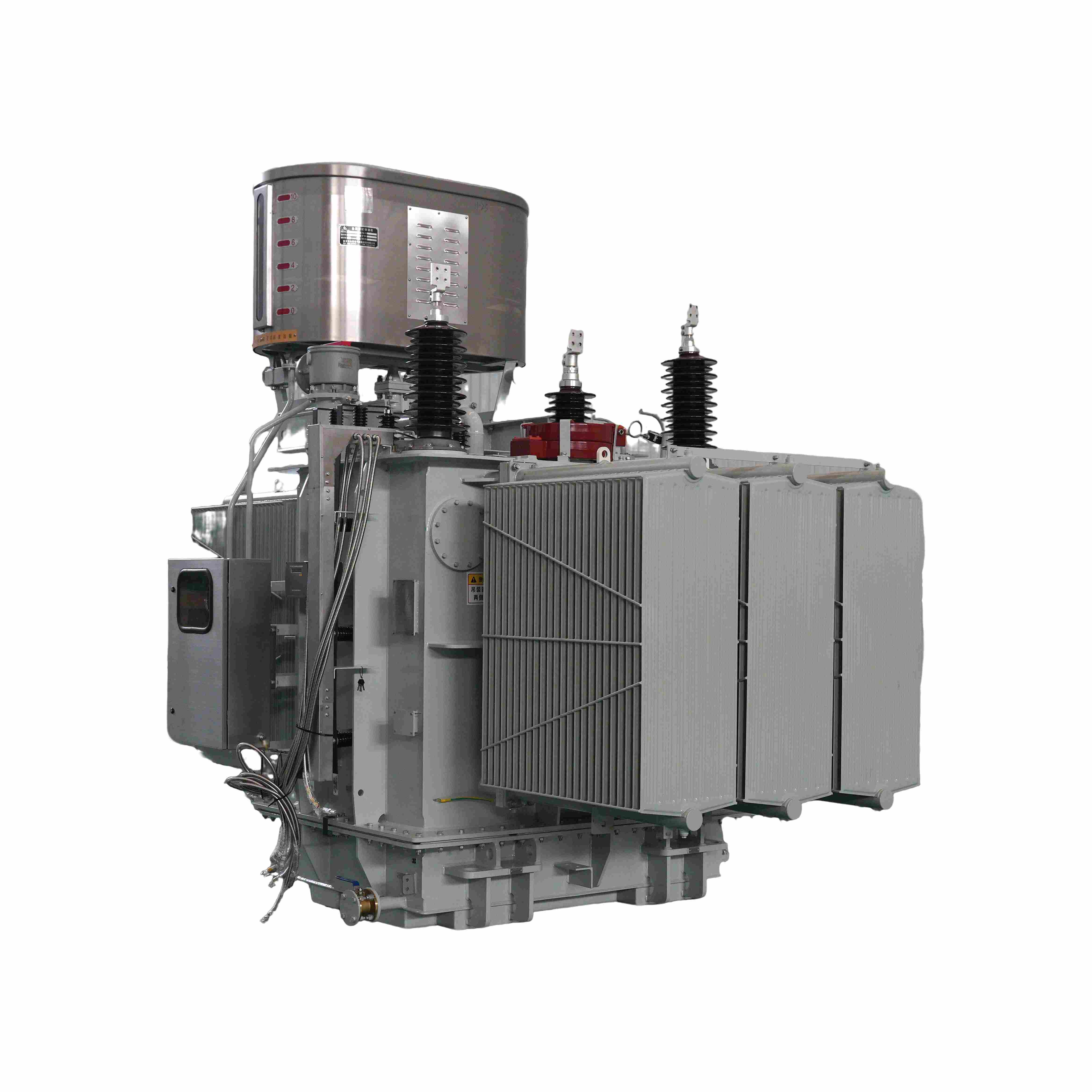
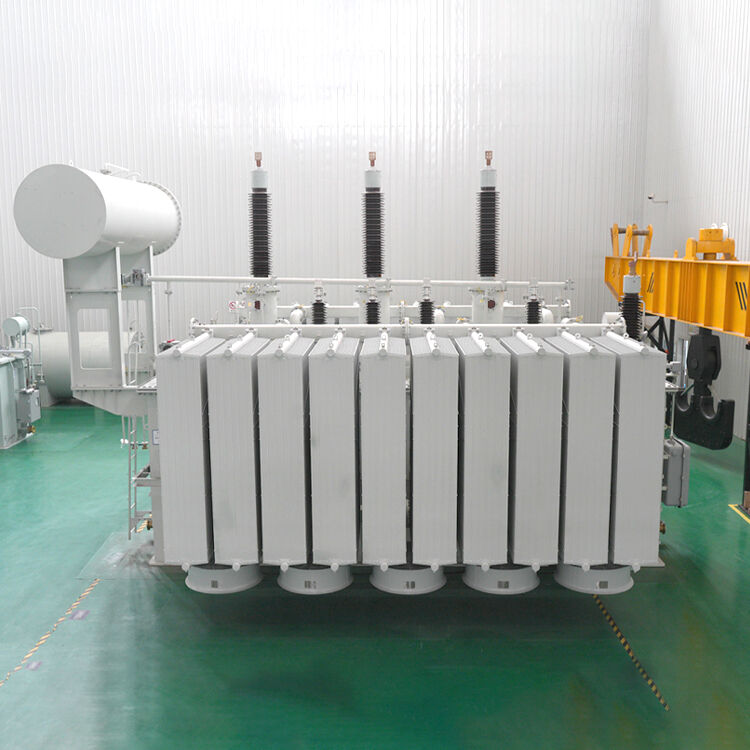
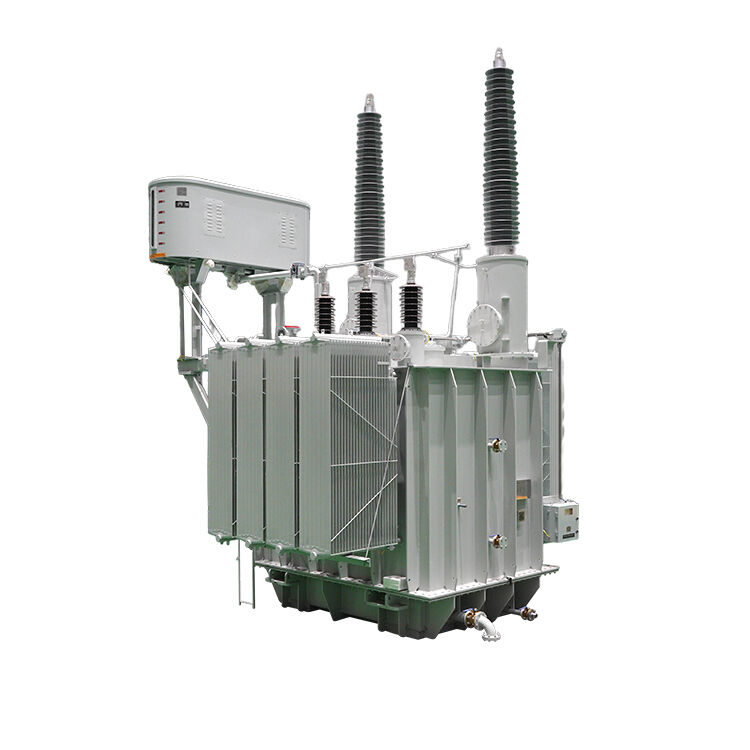
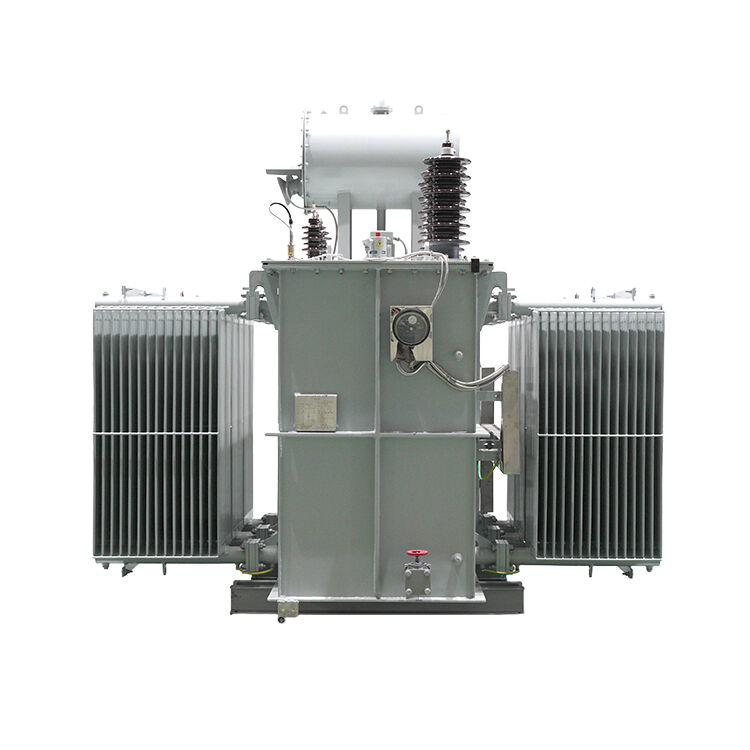
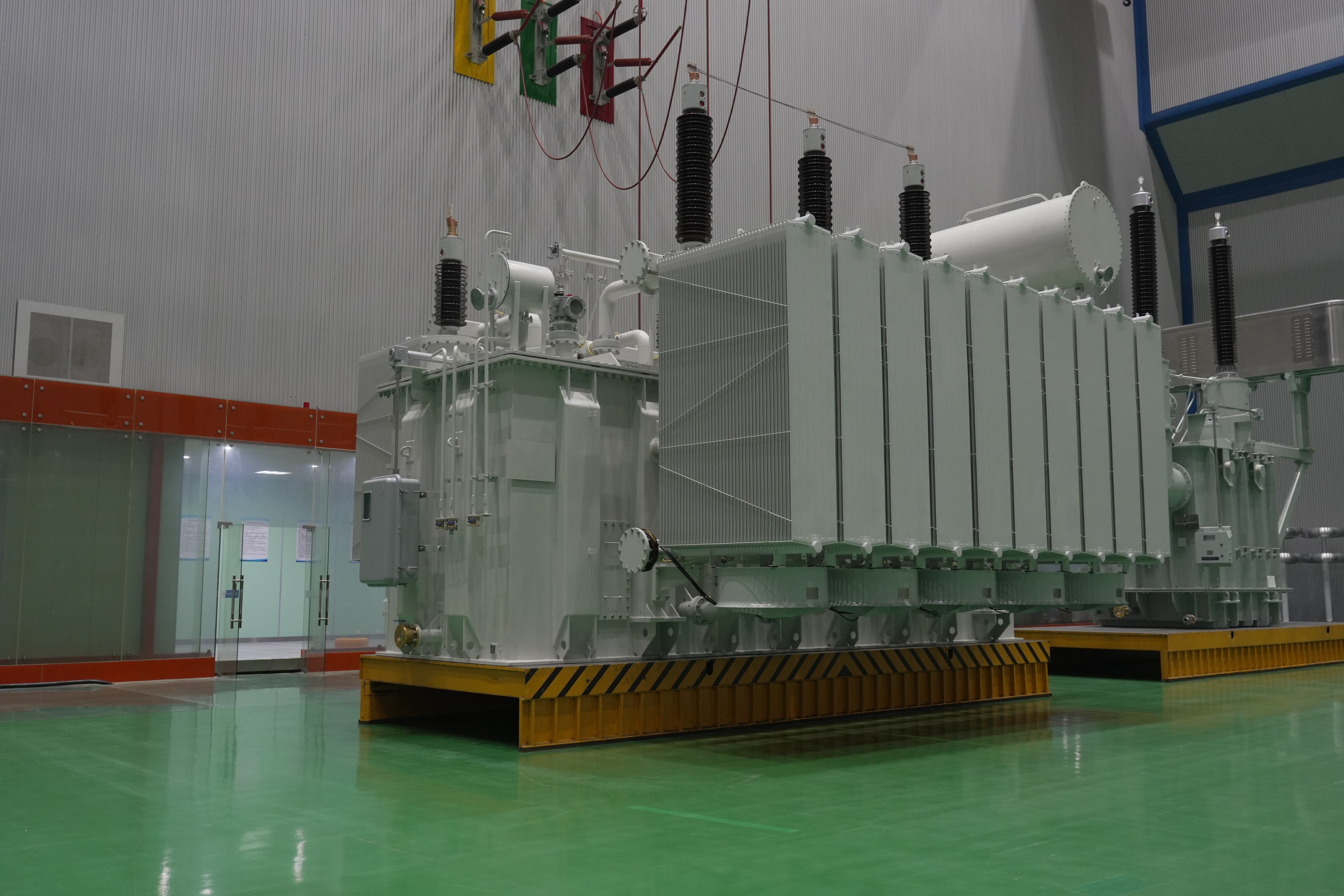
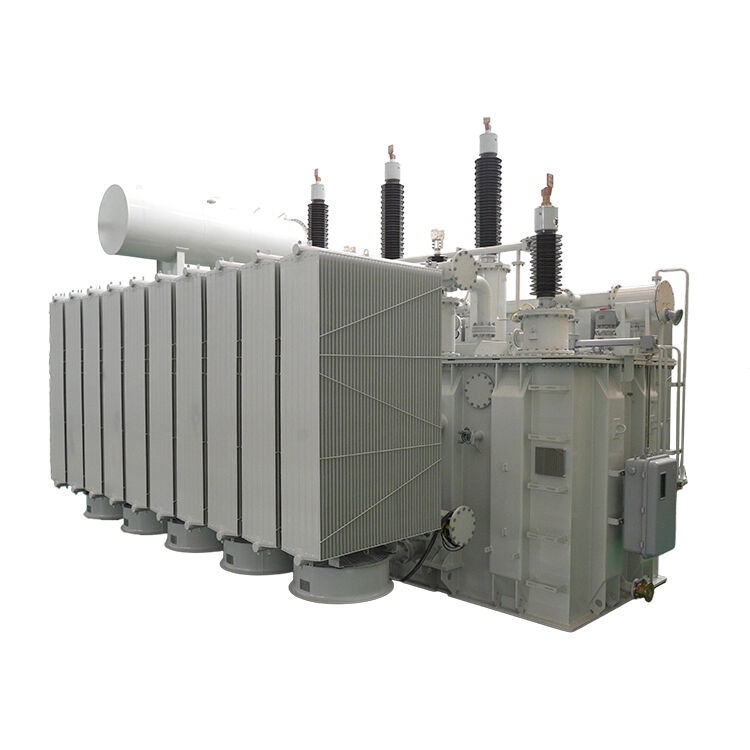
A substation power transformer serves as the critical backbone of electrical distribution systems, facilitating the efficient transmission and distribution of electrical energy across power grids. These sophisticated electrical devices operate by converting high-voltage electricity from transmission lines into lower voltages suitable for local distribution networks, ensuring safe and reliable power delivery to communities and industrial facilities. The substation power transformer functions through electromagnetic induction principles, utilizing primary and secondary windings wrapped around a magnetic core to step down voltage levels while maintaining power quality and system stability. Modern substation power transformers incorporate advanced cooling systems, including oil-immersed and dry-type configurations, to manage heat generation during operation. The magnetic core construction typically employs high-grade silicon steel laminations that minimize energy losses and enhance operational efficiency. These transformers feature robust insulation systems designed to withstand electrical stress, environmental conditions, and mechanical forces encountered during normal operation. Protection systems integrated within substation power transformers include temperature monitoring, pressure relief valves, and fault detection mechanisms that ensure safe operation and prevent equipment damage. The technological architecture includes tap changers that allow voltage regulation under varying load conditions, maintaining consistent power quality for end users. Substation power transformers find extensive applications in utility companies, industrial complexes, commercial buildings, and renewable energy installations. They serve essential roles in solar farms, wind power facilities, and conventional power plants, enabling seamless integration of generated electricity into existing grid infrastructure. The capacity range varies from smaller distribution transformers handling local neighborhoods to massive transmission units managing regional power flows. These transformers support various voltage configurations, accommodating different regional standards and grid requirements while ensuring compatibility with existing electrical infrastructure and future expansion plans.

New Product Recommendations

Substation power transformers deliver exceptional reliability that ensures uninterrupted power supply to communities and businesses, operating continuously for decades with minimal maintenance requirements. These robust electrical devices provide superior energy efficiency, converting electrical power with minimal losses while reducing operational costs for utility companies and end users. The advanced design incorporates state-of-the-art materials and manufacturing techniques that enhance durability and extend service life beyond traditional expectations. Cost-effectiveness represents another significant advantage, as substation power transformers offer excellent return on investment through reduced maintenance expenses and extended operational periods. The modular construction allows for easy installation and replacement, minimizing downtime during maintenance or upgrade procedures. Enhanced safety features protect personnel and equipment through comprehensive monitoring systems, automatic shutdown mechanisms, and fail-safe protection protocols. Environmental benefits include reduced carbon footprint through improved efficiency and eco-friendly materials that support sustainability initiatives. The adaptive voltage regulation capability ensures stable power quality regardless of load fluctuations, protecting sensitive equipment and maintaining consistent performance across connected systems. Scalability advantages allow utilities to expand capacity as demand grows, accommodating future infrastructure development without requiring complete system overhauls. The compact footprint maximizes land utilization in substation facilities, reducing real estate costs and environmental impact. Smart grid compatibility enables remote monitoring and control capabilities, allowing operators to optimize performance and respond quickly to system changes. Weather resistance ensures reliable operation in various climatic conditions, from extreme heat to freezing temperatures, maintaining consistent performance year-round. The standardized design facilitates easier procurement, installation, and maintenance procedures, reducing complexity for utility operators. Load flexibility allows these transformers to handle varying demand patterns efficiently, adapting to peak loads and off-peak conditions seamlessly. Quality assurance through rigorous testing and certification processes guarantees reliable performance and compliance with international standards, providing peace of mind for operators and customers alike.

Practical Tips

What Is a Transformer and How Does It Improve Power System Efficiency?

02

Jan

What Is a Transformer and How Does It Improve Power System Efficiency?

A transformer represents one of the most critical components in modern electrical power systems, serving as the backbone for efficient energy transmission and distribution across vast networks. These electromagnetic devices enable the seamless conver...
View More
How Does a Transformer Work in High Voltage Power Transmission?

08

Jan

How Does a Transformer Work in High Voltage Power Transmission?

High voltage power transmission systems form the backbone of modern electrical grids, enabling electricity to travel efficiently across vast distances. At the heart of these complex networks lies the power transformer, a crucial piece of equipment th...
View More
Why Are Transformers Critical for Industrial Power Distribution Systems?

14

Jan

Why Are Transformers Critical for Industrial Power Distribution Systems?

Industrial power distribution systems form the backbone of modern manufacturing, commercial facilities, and critical infrastructure operations. At the heart of these complex networks lies a fundamental component that ensures safe, efficient, and reli...
View More
What Should Utilities Consider When Selecting a Transformer Supplier?

26

Jan

What Should Utilities Consider When Selecting a Transformer Supplier?

Selecting the right supplier for power infrastructure represents one of the most critical decisions utility companies face in today's rapidly evolving energy landscape. The process of choosing a power transformer supplier requires careful evaluation ...
View More

Get a Free Quote

Our representative will contact you soon.
Email
WhatsApp/Mobile
Name
Company Name
Message
0/1000

substation power transformer

Advanced Cooling Technology for Maximum Efficiency

Advanced Cooling Technology for Maximum Efficiency

The substation power transformer incorporates cutting-edge cooling technology that represents a revolutionary advancement in electrical equipment design and performance optimization. This sophisticated cooling system utilizes multiple methods including natural oil circulation, forced air cooling, and advanced heat exchanger configurations to maintain optimal operating temperatures under all load conditions. The innovative cooling design significantly extends equipment lifespan by preventing overheating damage and maintaining consistent performance levels throughout the transformer's operational life. Temperature management directly impacts efficiency ratings, as cooler operating conditions reduce electrical resistance and minimize energy losses during power conversion processes. The cooling system features intelligent monitoring capabilities that continuously track temperature variations across different transformer components, enabling proactive maintenance scheduling and preventing unexpected failures. Advanced radiator designs maximize heat dissipation surface area while maintaining compact installation footprints, allowing substation power transformers to operate efficiently in space-constrained environments. The cooling technology incorporates environmental considerations, using biodegradable cooling fluids and energy-efficient circulation systems that reduce overall environmental impact while maintaining superior performance standards. Redundant cooling circuits ensure continued operation even if primary cooling systems experience temporary issues, providing additional reliability for critical power infrastructure applications. The modular cooling design allows for capacity upgrades without requiring complete transformer replacement, offering flexibility for future load growth and changing operational requirements. Maintenance accessibility has been optimized through strategic component placement and service-friendly designs that reduce downtime during routine inspections and repairs. The cooling system's compatibility with smart grid technologies enables remote monitoring and automated adjustments based on real-time operating conditions, optimizing performance while reducing operational costs. This advanced cooling technology directly translates to improved return on investment through extended equipment life, reduced maintenance requirements, and enhanced operational efficiency that benefits utility companies and end customers through more reliable power delivery.
Exceptional Load Management and Voltage Regulation

Exceptional Load Management and Voltage Regulation

The substation power transformer excels in load management and voltage regulation capabilities, delivering consistent power quality through sophisticated control mechanisms and adaptive response systems. This exceptional performance stems from advanced tap changer technology that automatically adjusts voltage levels based on real-time demand fluctuations, ensuring optimal power delivery regardless of varying load conditions. The intelligent load management system continuously monitors electrical parameters including current, voltage, and frequency, making instantaneous adjustments to maintain stable grid operations. Voltage regulation accuracy exceeds industry standards, providing precise control within tight tolerance ranges that protect sensitive equipment and ensure reliable operation of connected systems. The transformer's ability to handle sudden load changes without voltage instability makes it ideal for industrial applications where power quality directly impacts production efficiency and equipment longevity. Dynamic response capabilities enable rapid adaptation to changing electrical conditions, including switching operations, fault conditions, and load transfers that commonly occur in modern power systems. The load management features incorporate predictive algorithms that anticipate demand patterns and proactively adjust operating parameters to optimize efficiency and prevent overload conditions. Multiple voltage taps provide flexibility for different connection requirements and future system modifications, allowing utilities to adapt to changing grid configurations without major infrastructure investments. The regulation system includes both manual and automatic operation modes, giving operators flexibility to choose appropriate control methods based on specific operational requirements and system conditions. Load monitoring capabilities provide detailed performance data that supports maintenance planning, efficiency optimization, and capacity planning for future expansion projects. The voltage regulation technology ensures compatibility with renewable energy integration, managing the variable output characteristics of solar and wind power systems while maintaining grid stability. Protection coordination features work seamlessly with load management functions, ensuring that protective systems operate correctly under all loading conditions while preventing nuisance trips and maintaining service reliability for connected customers.
Superior Build Quality and Long-Term Durability

Superior Build Quality and Long-Term Durability

The substation power transformer demonstrates superior build quality through premium materials, advanced manufacturing processes, and rigorous quality control measures that ensure exceptional long-term durability and reliable performance. High-grade electrical steel cores minimize energy losses while providing excellent magnetic properties that enhance efficiency and reduce operational costs over the transformer's extended service life. The insulation system utilizes cutting-edge materials and design techniques that withstand electrical stress, temperature variations, and environmental challenges encountered during decades of continuous operation. Robust mechanical construction features reinforced tank designs, heavy-duty bushings, and strengthened internal structures that resist vibration, seismic forces, and transportation stresses. The manufacturing process incorporates precision assembly techniques, comprehensive testing procedures, and strict quality assurance protocols that guarantee consistent performance and reliability standards. Corrosion-resistant materials and protective coatings extend equipment life in challenging environmental conditions, including coastal areas with salt exposure, industrial zones with chemical contaminants, and regions with extreme weather patterns. The tank design includes expansion chambers, pressure relief systems, and moisture protection features that accommodate thermal cycling while preventing contamination and maintaining insulation integrity. Internal component quality focuses on high-performance conductors, advanced insulation systems, and precision-wound coils that deliver optimal electrical characteristics and minimize maintenance requirements. The assembly process utilizes specialized vacuum processing, precision welding, and comprehensive testing at each manufacturing stage to ensure consistent quality and eliminate potential failure points. Quality documentation and traceability systems track every component and process step, providing complete manufacturing history and supporting warranty claims and maintenance planning activities. The durability design philosophy emphasizes overengineering critical components to provide safety margins that extend beyond rated specifications, ensuring reliable operation under adverse conditions and unexpected loading scenarios. Comprehensive factory testing includes routine tests, type tests, and specialized diagnostic procedures that verify performance characteristics and identify potential issues before installation, reducing field problems and ensuring successful long-term operation for utility customers and industrial applications.

Get a Free Quote

Our representative will contact you soon.
Email
WhatsApp/Mobile
Name
Company Name
Message
0/1000