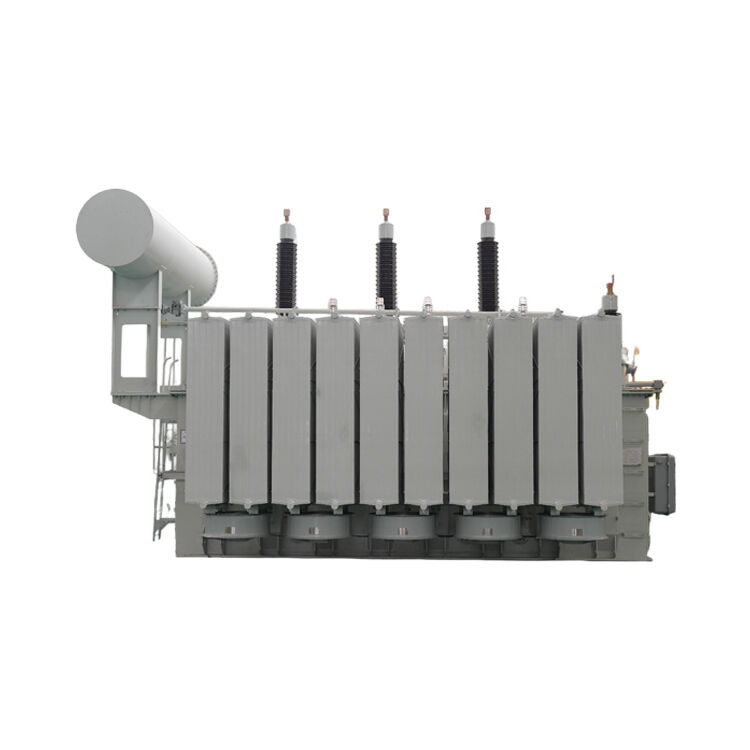
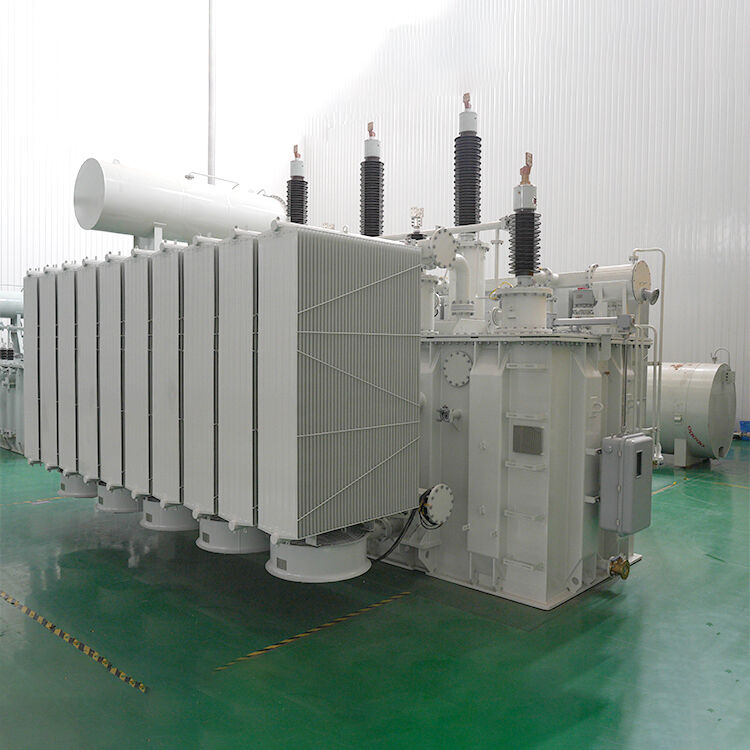
Step Up Power Transformer: High-Efficiency Voltage Conversion Solutions for Modern Power Systems

Get a Free Quote

Our representative will contact you soon.
Email
WhatsApp/Mobile
Name
Company Name
Message
0/1000

step up power transformer

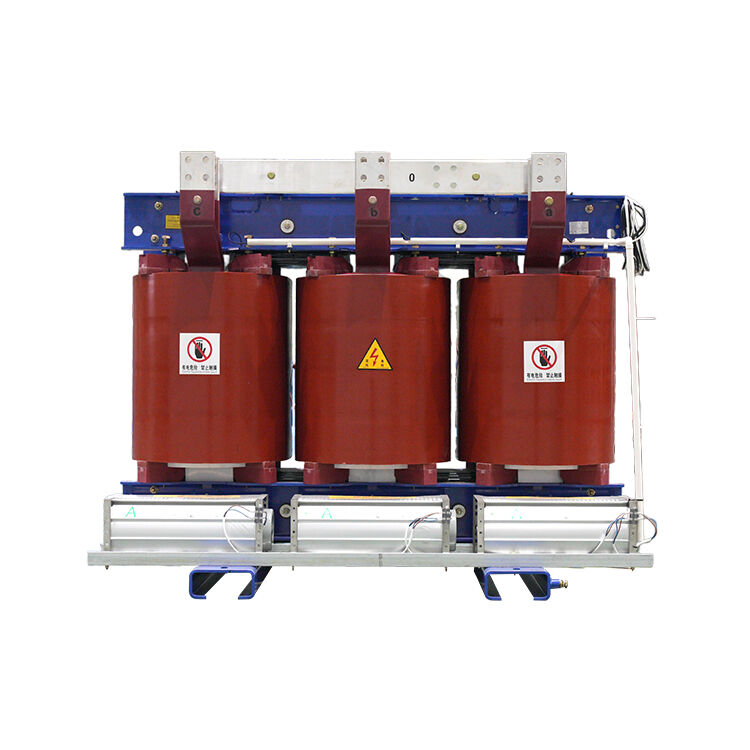
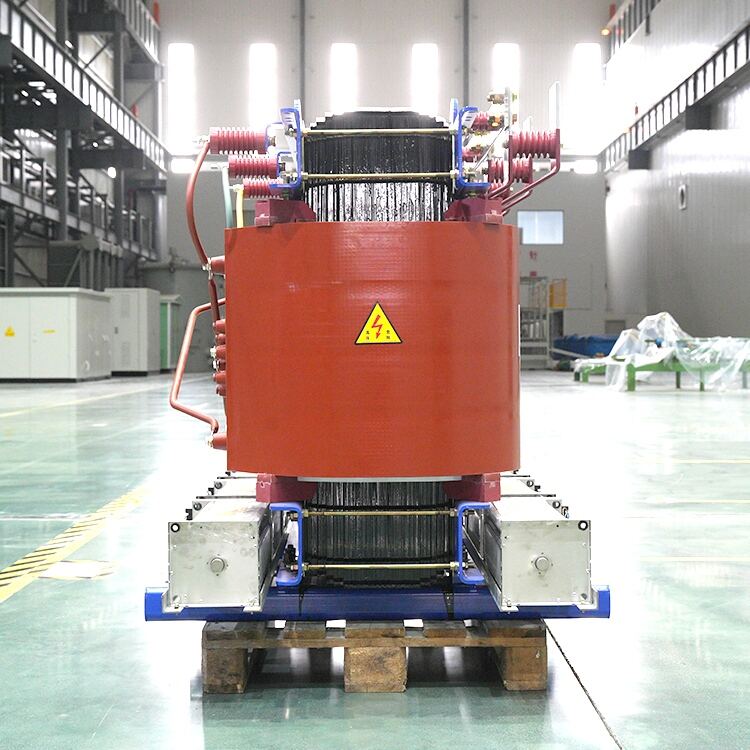
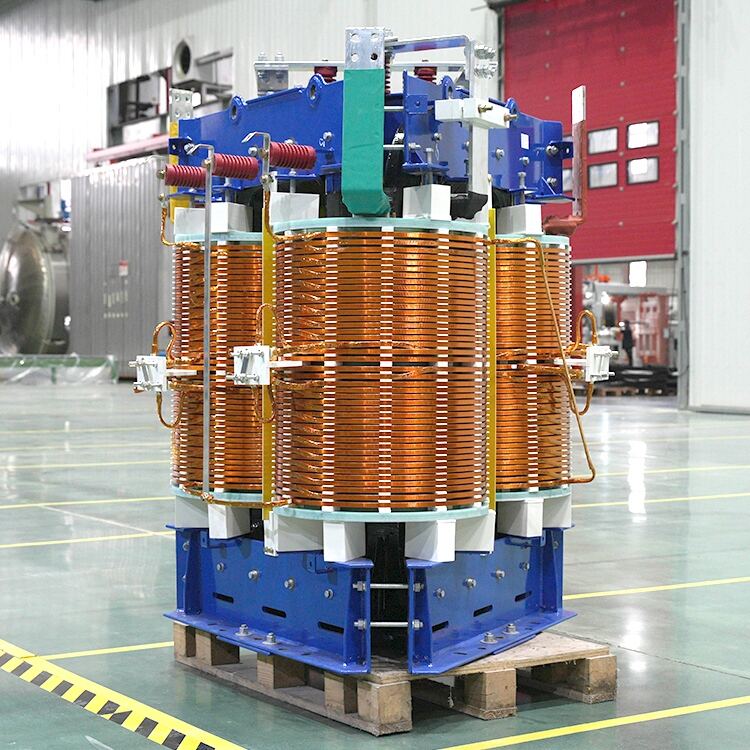
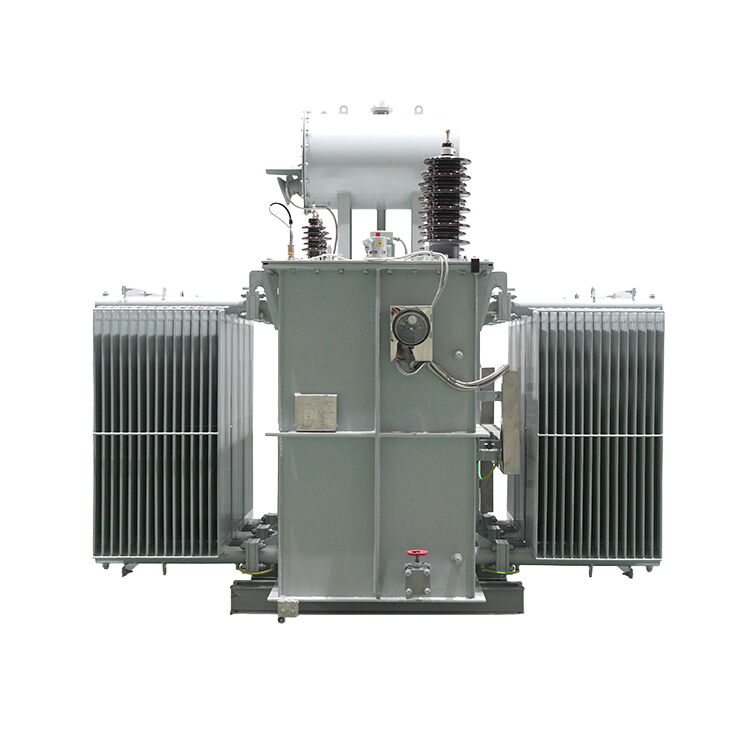
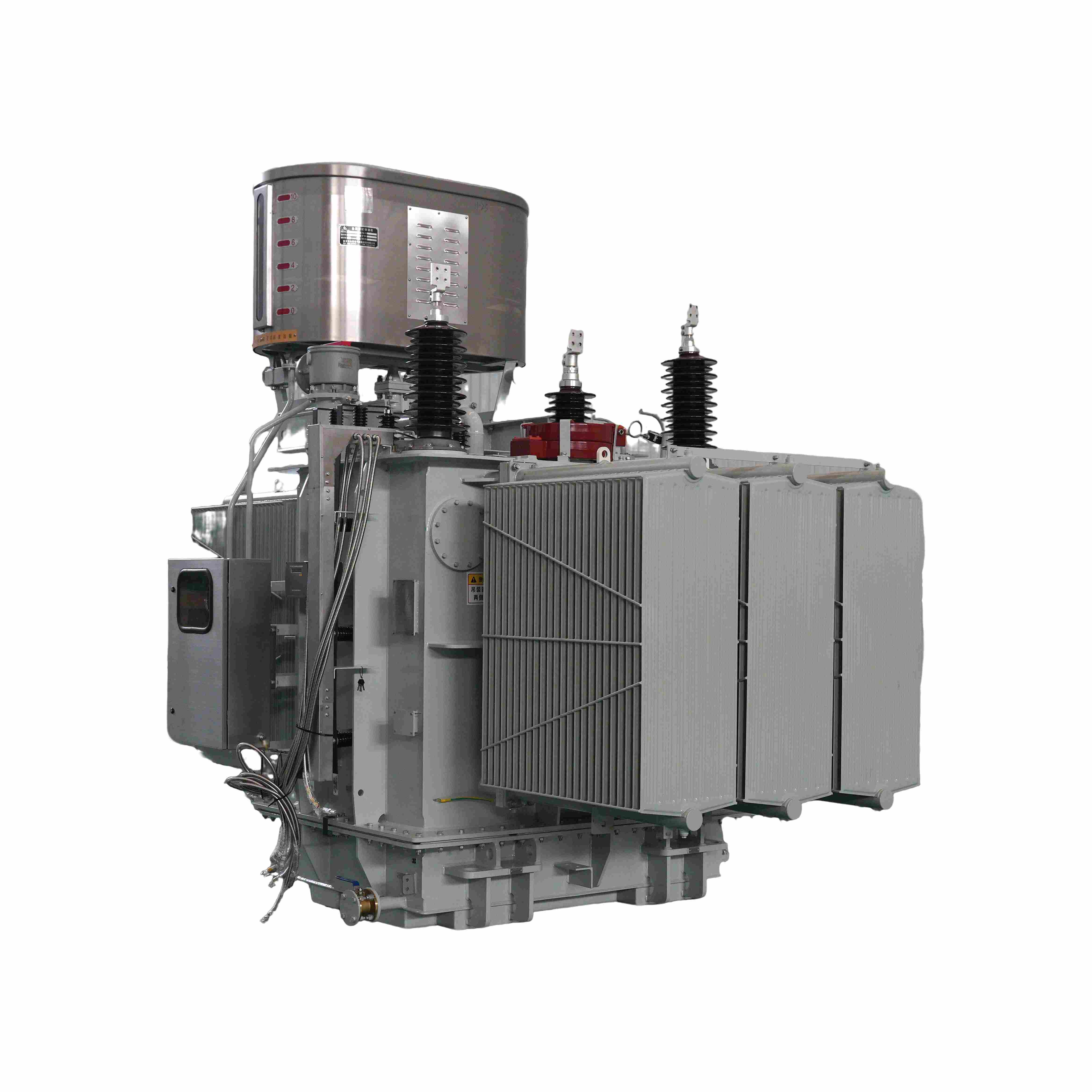
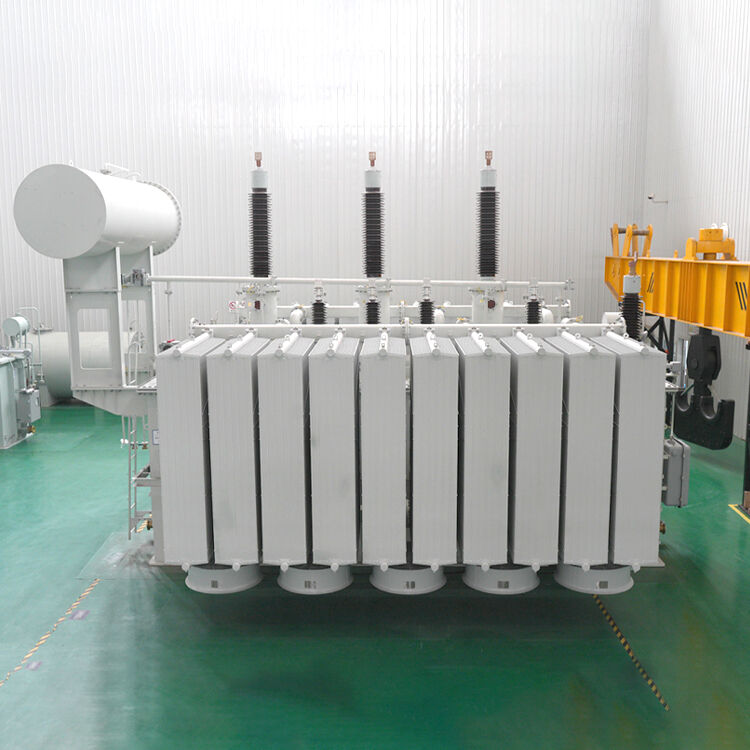
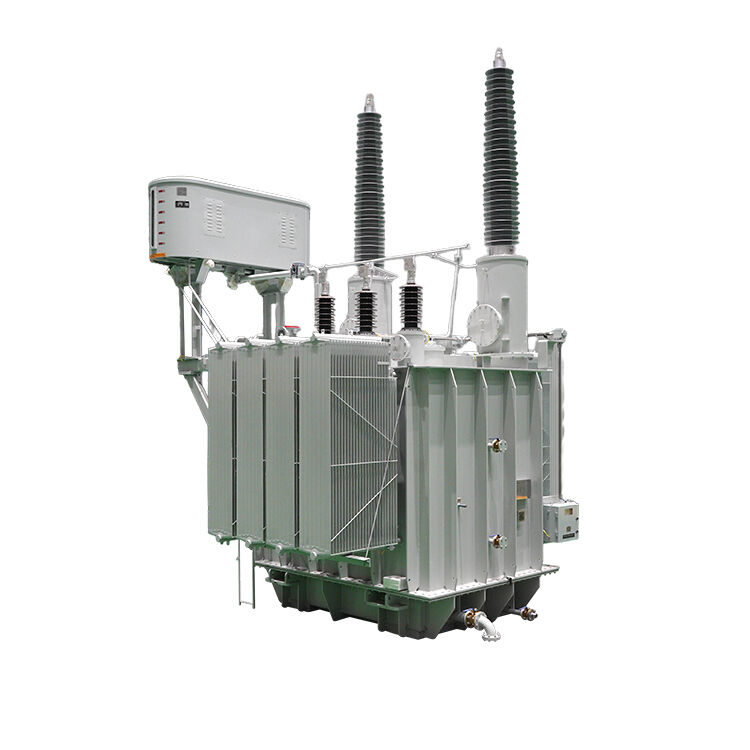
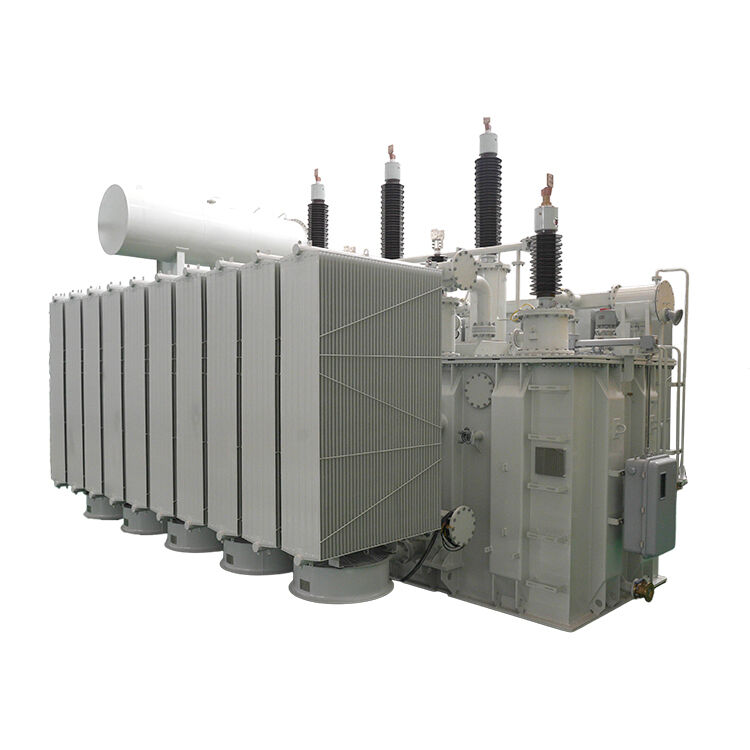
A step up power transformer represents a fundamental electrical device engineered to increase voltage levels while simultaneously decreasing current proportionally, maintaining constant power transfer according to electromagnetic induction principles. This essential equipment operates through mutual induction between primary and secondary windings wound around a laminated iron core, where the secondary winding contains more turns than the primary winding, creating the voltage multiplication effect. The step up power transformer serves as a critical component in electrical power distribution systems, enabling efficient long-distance transmission by converting lower voltages from power generation facilities to higher transmission voltages. Modern step up power transformers utilize advanced materials including grain-oriented silicon steel cores that minimize energy losses through reduced hysteresis and eddy current effects. These transformers incorporate sophisticated cooling systems ranging from natural air cooling for smaller units to forced oil circulation with external radiators for large-scale installations. Protection systems integrate temperature monitoring, pressure relief valves, and buchholz relays to ensure safe operation under varying load conditions. The electromagnetic design follows precise calculations determining turn ratios, flux density limitations, and insulation requirements to achieve optimal performance. Construction features include robust tank assemblies, high-grade insulating materials, and precision-manufactured windings capable of withstanding mechanical stresses during operation. Installation flexibility accommodates both indoor and outdoor environments through weatherproof enclosures and corrosion-resistant finishes. Regular maintenance protocols ensure sustained reliability through oil analysis, insulation testing, and thermal imaging inspections. Quality manufacturing standards comply with international regulations including IEC, IEEE, and ANSI specifications, guaranteeing consistent performance and safety standards across diverse applications and operating environments worldwide.

New Product Releases

Step up power transformers deliver exceptional efficiency ratings typically exceeding 98 percent, translating into substantial cost savings through reduced energy losses during voltage conversion processes. This high efficiency stems from advanced core materials and optimized winding configurations that minimize heat generation and electromagnetic losses. Customers benefit from lower operational costs as these transformers waste minimal electrical energy, making them environmentally responsible choices that reduce carbon footprints while maximizing return on investment. The robust construction ensures extended service life spanning several decades with proper maintenance, providing excellent long-term value propositions for industrial and utility applications. These transformers excel in handling varying load conditions through superior voltage regulation capabilities, maintaining stable output voltages despite fluctuations in input supply or load demands. This stability protects downstream equipment from voltage variations that could cause premature failure or operational inefficiencies. Installation versatility accommodates diverse mounting configurations including pad-mounted, pole-mounted, and vault installations, adapting to specific site requirements and space constraints. Compact designs optimize footprint utilization while delivering high power density, making them suitable for urban installations where space is premium. Advanced protection features including thermal monitoring, pressure relief systems, and fault detection mechanisms ensure safe operation and prevent catastrophic failures. These safety systems provide early warning of potential issues, enabling proactive maintenance and avoiding costly unplanned shutdowns. The step up power transformer integrates seamlessly with modern smart grid technologies, supporting remote monitoring and control capabilities that enhance operational efficiency. Digital monitoring systems provide real-time performance data, enabling predictive maintenance strategies that maximize uptime and extend equipment life. Manufacturing quality ensures consistent performance across varying environmental conditions, from extreme temperatures to high humidity environments. Standardized designs facilitate easy procurement, installation, and maintenance processes, reducing project timelines and associated costs. The transformer's ability to improve power transmission efficiency across long distances makes it indispensable for renewable energy integration, particularly wind and solar installations located far from consumption centers.

Tips And Tricks

What Is a Transformer and How Does It Improve Power System Efficiency?

02

Jan

What Is a Transformer and How Does It Improve Power System Efficiency?

A transformer represents one of the most critical components in modern electrical power systems, serving as the backbone for efficient energy transmission and distribution across vast networks. These electromagnetic devices enable the seamless conver...
View More
How Does a Transformer Work in High Voltage Power Transmission?

08

Jan

How Does a Transformer Work in High Voltage Power Transmission?

High voltage power transmission systems form the backbone of modern electrical grids, enabling electricity to travel efficiently across vast distances. At the heart of these complex networks lies the power transformer, a crucial piece of equipment th...
View More
Why Are Transformers Critical for Industrial Power Distribution Systems?

14

Jan

Why Are Transformers Critical for Industrial Power Distribution Systems?

Industrial power distribution systems form the backbone of modern manufacturing, commercial facilities, and critical infrastructure operations. At the heart of these complex networks lies a fundamental component that ensures safe, efficient, and reli...
View More
How Do Transformers Support Grid Stability in Large-Scale Power Networks?

20

Jan

How Do Transformers Support Grid Stability in Large-Scale Power Networks?

Large-scale power networks form the backbone of modern electrical infrastructure, requiring sophisticated equipment to maintain stability and reliability across vast geographical areas. Power transformers play a crucial role in these complex systems ...
View More

Get a Free Quote

Our representative will contact you soon.
Email
WhatsApp/Mobile
Name
Company Name
Message
0/1000

step up power transformer

Superior Electromagnetic Design Technology

Superior Electromagnetic Design Technology

The step up power transformer incorporates cutting-edge electromagnetic design principles that optimize energy transfer efficiency while minimizing operational losses. Advanced finite element analysis during the design phase ensures precise magnetic flux distribution throughout the core structure, eliminating hot spots and reducing no-load losses to industry-leading levels. The carefully engineered turn ratio between primary and secondary windings provides exact voltage transformation while maintaining optimal impedance characteristics for stable operation across varying load conditions. High-grade grain-oriented silicon steel laminations reduce core losses through superior magnetic permeability properties, while specialized coating treatments minimize eddy current formation. The winding configuration utilizes continuous disc or helical arrangements that provide excellent mechanical strength against short-circuit forces while maintaining uniform current distribution. Insulation systems employ multiple barriers including kraft paper, pressboard, and synthetic materials rated for extended thermal life, ensuring reliable operation even under overload conditions. The electromagnetic shielding design minimizes external interference and reduces audible noise levels, making these transformers suitable for installation in residential or noise-sensitive areas. Temperature rise calculations ensure optimal thermal performance, preventing hot spots that could degrade insulation and reduce service life. The magnetic circuit design incorporates step-lap core construction that reduces no-load current and improves voltage regulation characteristics. Quality control testing includes impulse voltage tests, partial discharge measurements, and thermal evaluations that verify electromagnetic integrity before shipment. These design innovations result in transformers that exceed industry efficiency standards while providing exceptional reliability and longevity, delivering measurable value through reduced energy costs and extended service intervals.
Advanced Cooling and Protection Systems

Advanced Cooling and Protection Systems

Modern step up power transformers feature sophisticated cooling and protection systems engineered to ensure optimal performance and safety throughout their operational lifetime. The cooling system design accommodates various configurations from natural convection for smaller units to advanced forced circulation systems for high-power applications. Oil-immersed transformers utilize specially refined mineral oil or synthetic fluids that provide both insulation and heat transfer properties, with circulation patterns optimized through computational fluid dynamics analysis. External radiators with adjustable louvers maximize heat dissipation while minimizing space requirements, and optional cooling fans provide additional thermal management during peak load periods. Temperature monitoring systems incorporate multiple sensors throughout the transformer structure, providing continuous surveillance of winding temperatures, top oil temperatures, and ambient conditions. The protection portfolio includes buchholz relays that detect internal faults through gas accumulation analysis, pressure relief devices that prevent tank rupture during fault conditions, and differential protection schemes that isolate faults within milliseconds. Moisture monitoring systems prevent insulation degradation by tracking water content in the insulating oil, triggering maintenance alerts before problems develop. The step up power transformer protection coordination integrates with substation control systems, providing comprehensive fault analysis and automated response capabilities. Load tap changers, where applicable, include separate protection and monitoring systems that ensure reliable voltage regulation throughout the transformer's operating range. Lightning arresters and surge protection devices shield the transformer from external overvoltages, while grounding systems ensure personnel safety and equipment protection. Regular diagnostic testing capabilities include dissolved gas analysis, power factor measurements, and insulation resistance testing that provide insight into internal conditions. These comprehensive protection and cooling systems work together to maximize transformer reliability, extend service life, and minimize maintenance requirements while ensuring safe operation under all normal and abnormal operating conditions.
Flexible Installation and Smart Grid Integration

Flexible Installation and Smart Grid Integration

The step up power transformer offers exceptional installation flexibility combined with advanced smart grid integration capabilities that meet evolving power system requirements. Multiple mounting options accommodate diverse installation environments, including outdoor pad-mounted configurations for utility substations, indoor installations for industrial facilities, and specialized vault-mounted designs for urban applications where aesthetics and space optimization are critical. Modular designs enable factory pre-testing and simplified field installation procedures, reducing construction timelines and minimizing site disruption. Transportation considerations include split-shipment capabilities for transformers exceeding highway weight limits, ensuring accessibility to remote locations without infrastructure modifications. The transformer structure accommodates various connection configurations including wye-wye, delta-wye, and specialized arrangements for specific application requirements, providing flexibility to meet diverse system architectures. Smart monitoring systems integrate seamlessly with existing SCADA networks and modern distribution management systems, enabling real-time performance monitoring and remote control capabilities. Digital communication protocols including DNP3, IEC 61850, and Modbus support comprehensive data exchange with control centers, facilitating automated switching operations and system optimization. Condition monitoring sensors provide continuous assessment of critical parameters including dissolved gas concentrations, moisture levels, and thermal conditions, enabling predictive maintenance strategies that maximize availability while minimizing costs. The step up power transformer supports renewable energy integration through specialized features including load following capabilities that accommodate variable generation patterns from wind and solar installations. Voltage regulation systems automatically adjust to maintain optimal power quality despite fluctuating renewable input, ensuring grid stability and consumer satisfaction. Cyber security features protect communication systems from unauthorized access while maintaining operational functionality. Installation support includes comprehensive documentation, training programs, and technical assistance that ensure proper commissioning and optimal performance throughout the transformer's service life. Environmental compliance features including noise reduction technologies and leak-proof containment systems address regulatory requirements while minimizing environmental impact.

Get a Free Quote

Our representative will contact you soon.
Email
WhatsApp/Mobile
Name
Company Name
Message
0/1000