transformer and auto transformer
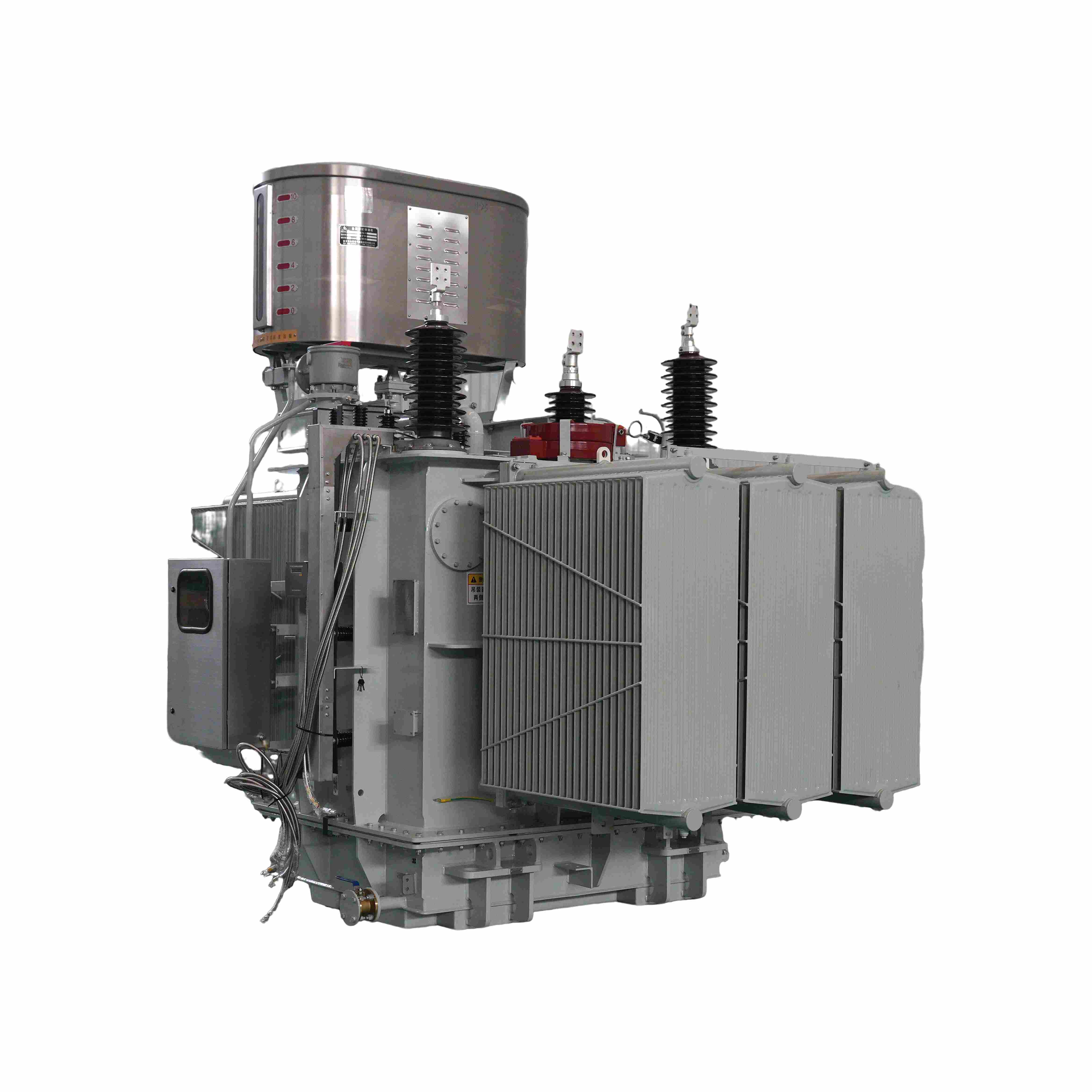
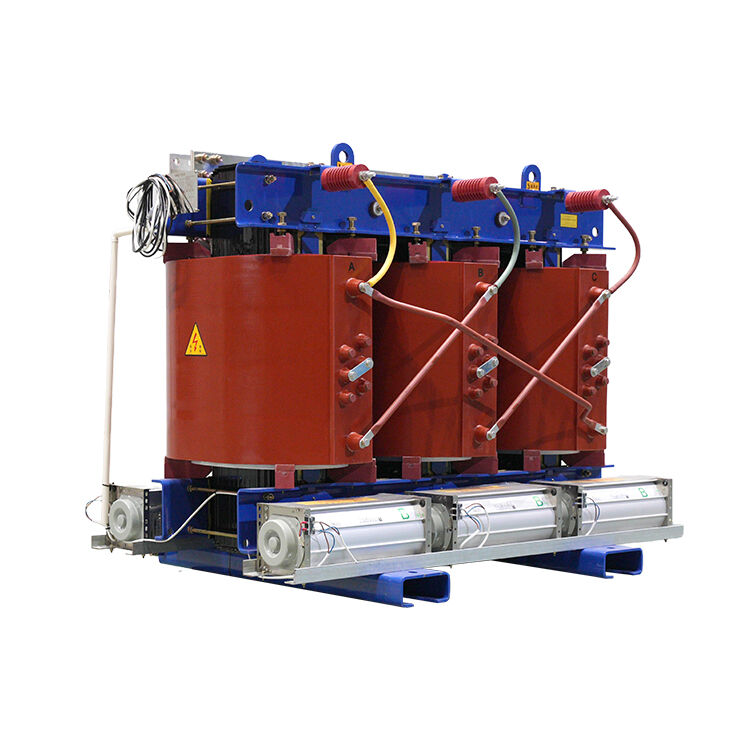
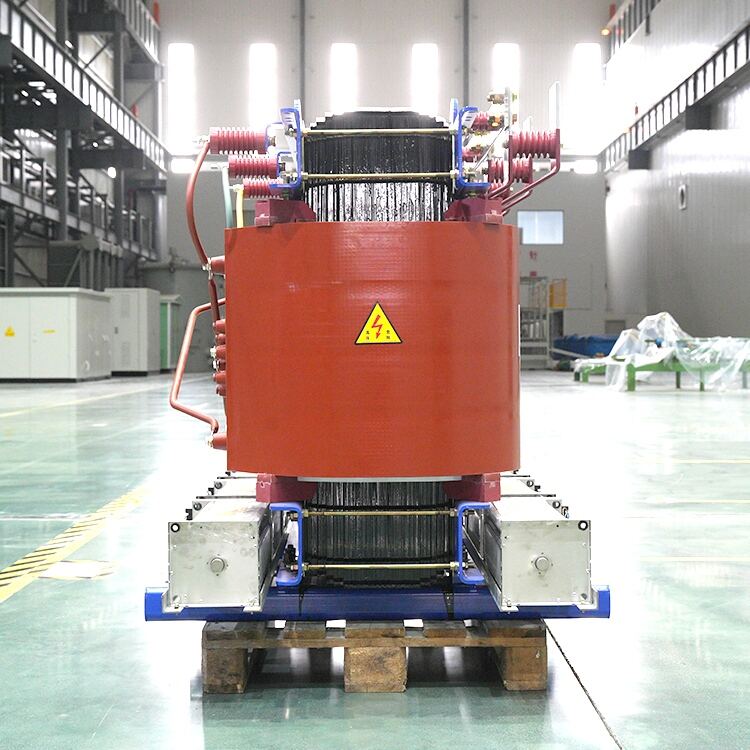
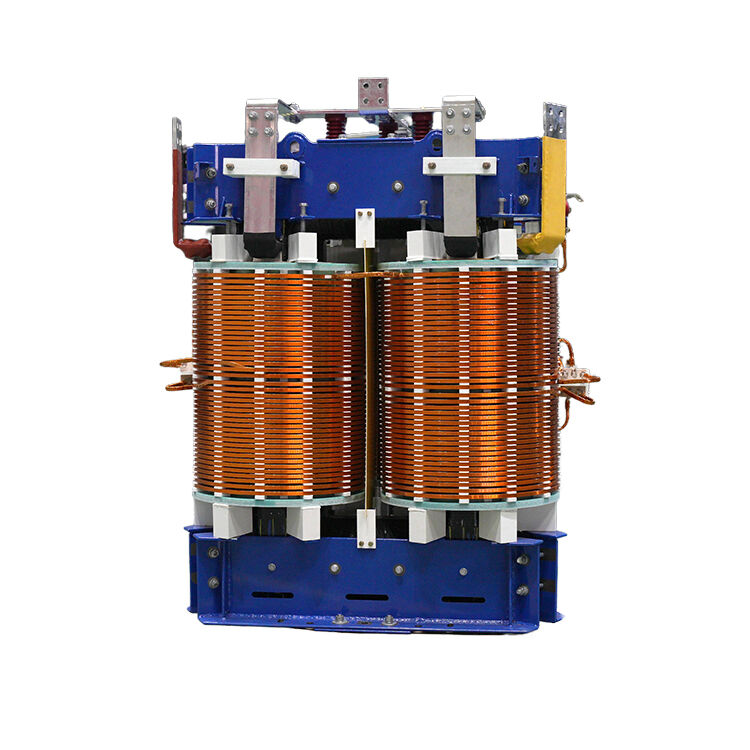
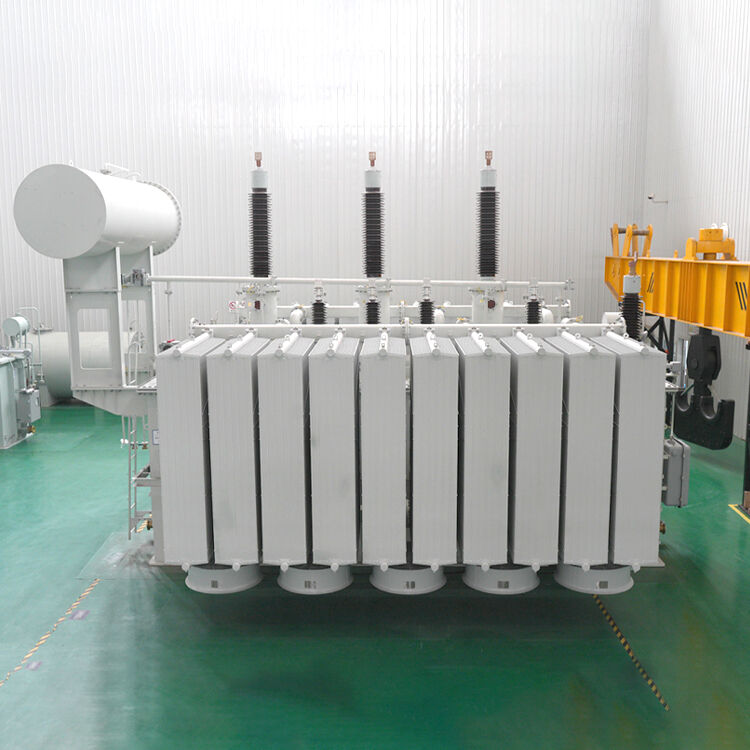
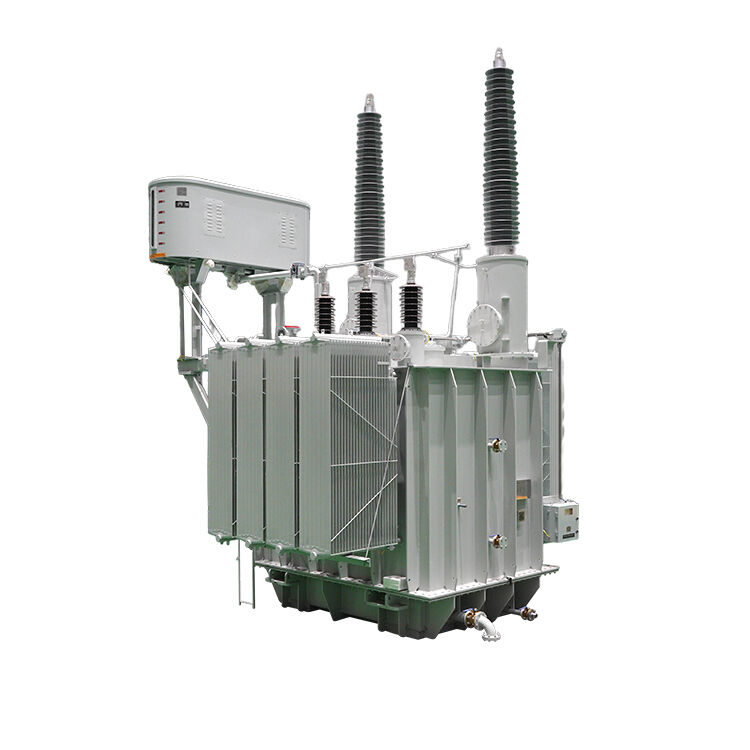
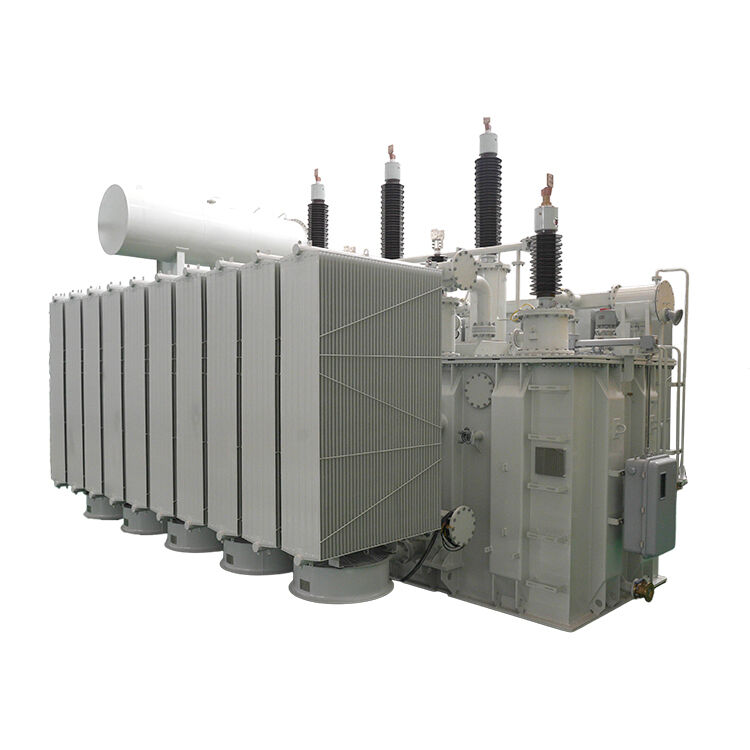
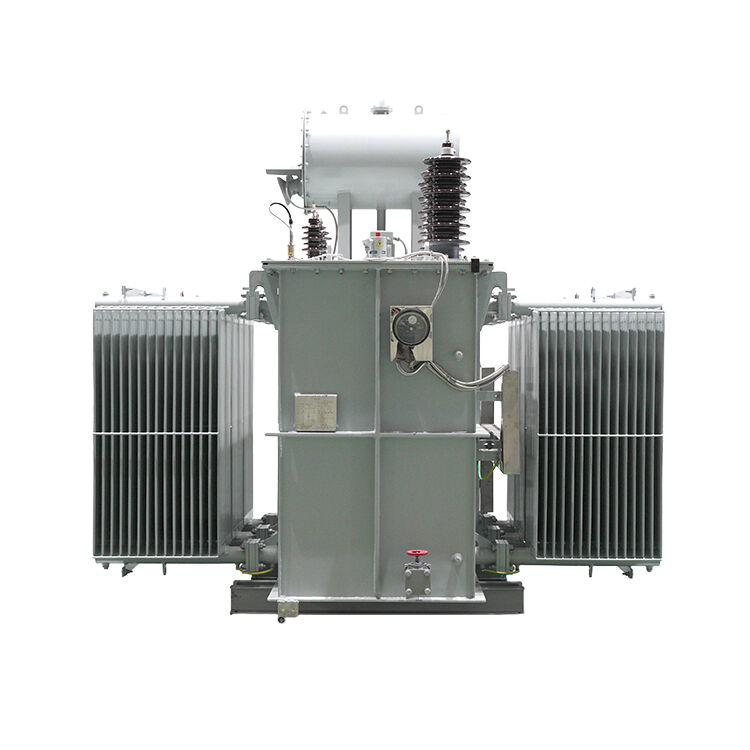
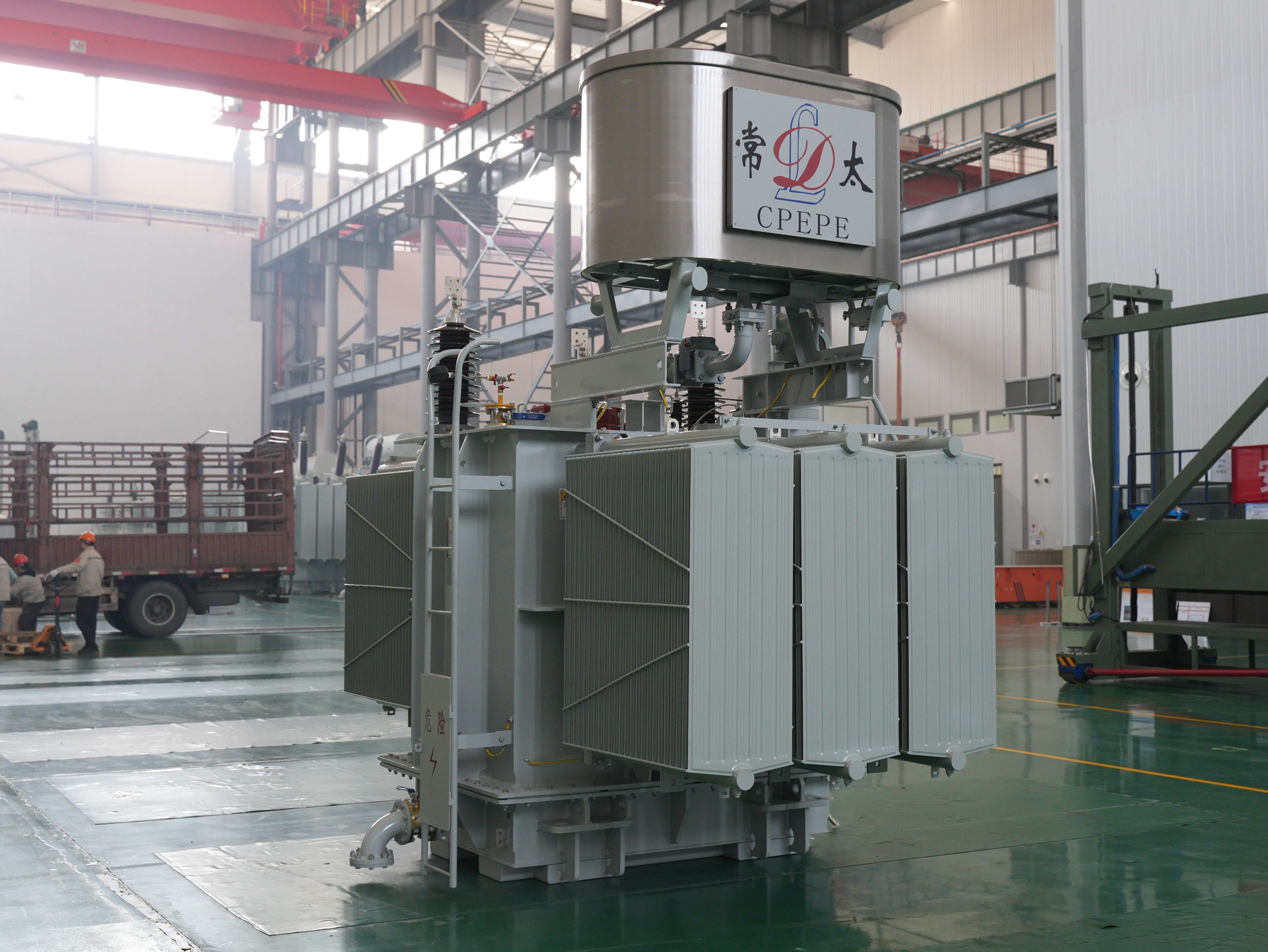
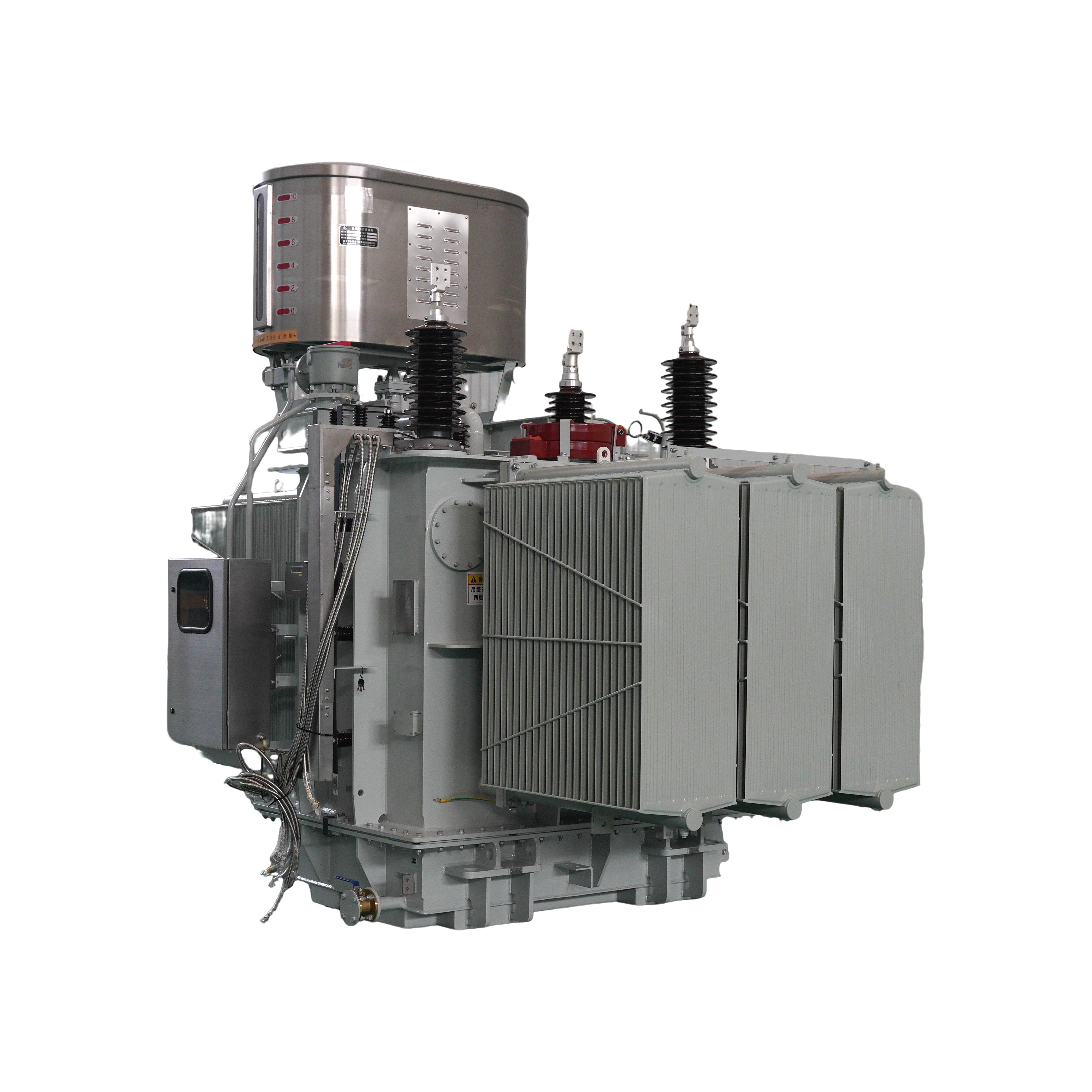
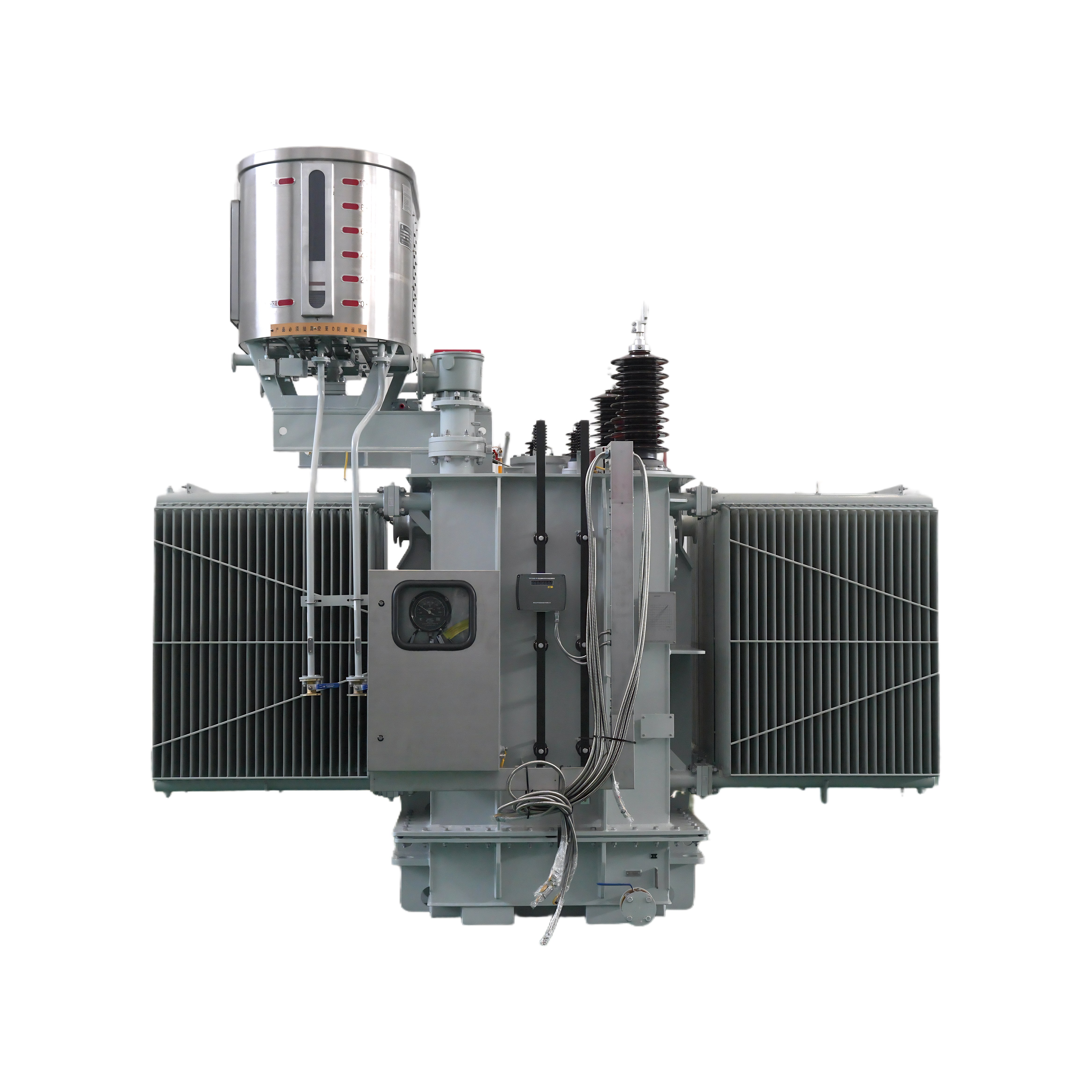
A transformer is an essential electrical device that transfers energy between circuits through electromagnetic induction, operating without any moving parts. This static equipment consists of primary and secondary windings wrapped around a magnetic core, typically made of laminated silicon steel. When alternating current flows through the primary winding, it creates a magnetic field that induces voltage in the secondary winding, enabling efficient power transfer at different voltage levels. Transformers serve crucial functions in electrical power systems, including voltage stepping up or down, electrical isolation between circuits, and impedance matching. The transformer operates on Faraday's law of electromagnetic induction, making it one of the most efficient electrical devices with efficiency rates often exceeding 95 percent. An auto transformer represents a specialized variant that uses a single winding with multiple taps to achieve voltage transformation. Unlike conventional transformers, the auto transformer shares a common winding between input and output circuits, creating both electrical and magnetic coupling. This design makes auto transformers more compact and cost-effective for specific applications. The auto transformer provides variable voltage output through tap changing mechanisms, making it ideal for motor starting, voltage regulation, and laboratory testing equipment. Both transformer types feature robust construction with high-grade insulation materials, ensuring reliable operation under various environmental conditions. Modern transformers incorporate advanced cooling systems, including oil-filled and dry-type designs, to maintain optimal operating temperatures. The technological features include sophisticated protection systems, monitoring capabilities, and smart grid compatibility. These devices find extensive applications across power generation, transmission, distribution networks, industrial facilities, commercial buildings, and residential installations, making them indispensable components of modern electrical infrastructure.
 EN
EN