Auto Transformer in Substation: Complete Guide to Efficient Power Distribution Solutions

Get a Free Quote

Our representative will contact you soon.
Email
WhatsApp/Mobile
Name
Company Name
Message
0/1000

auto transformer in substation

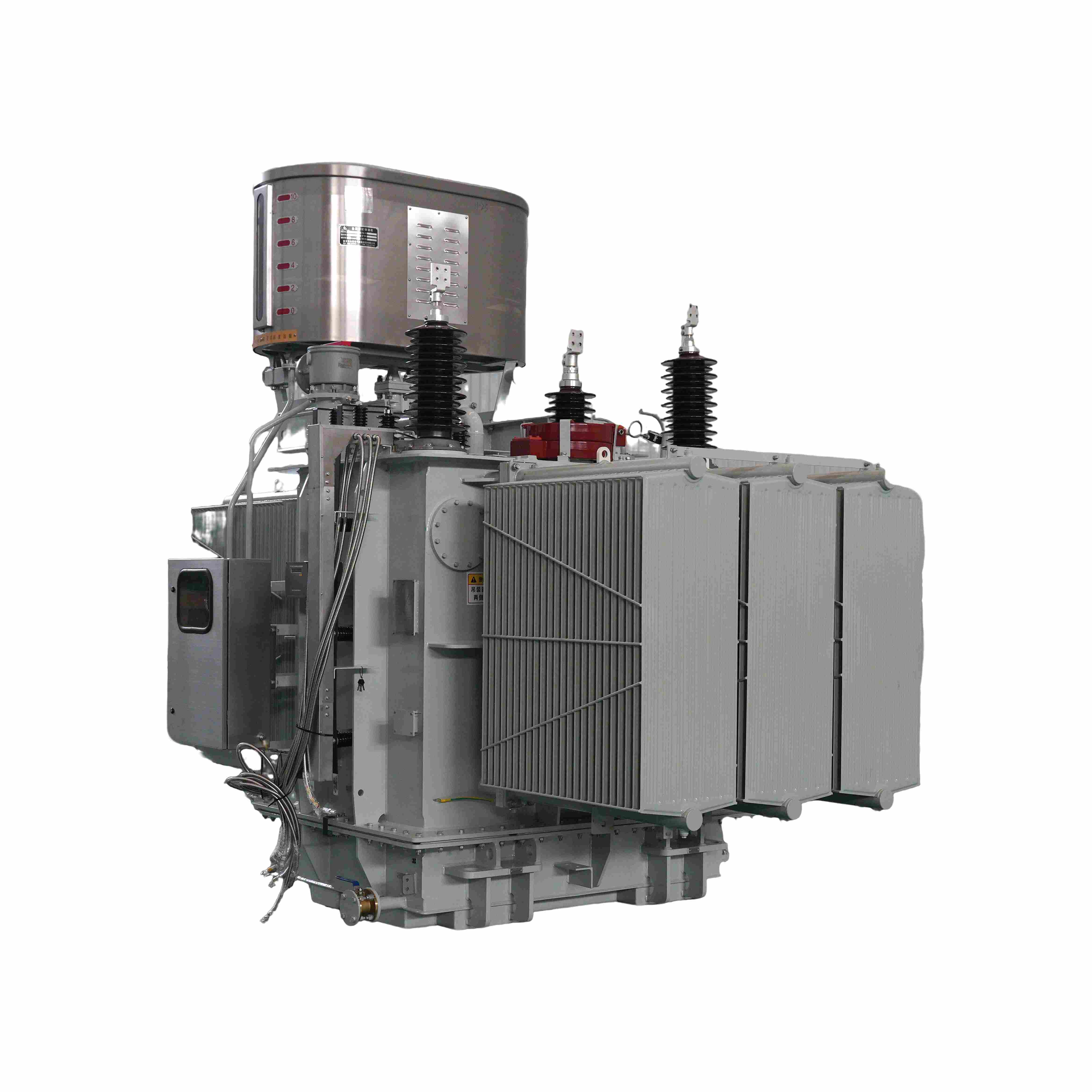
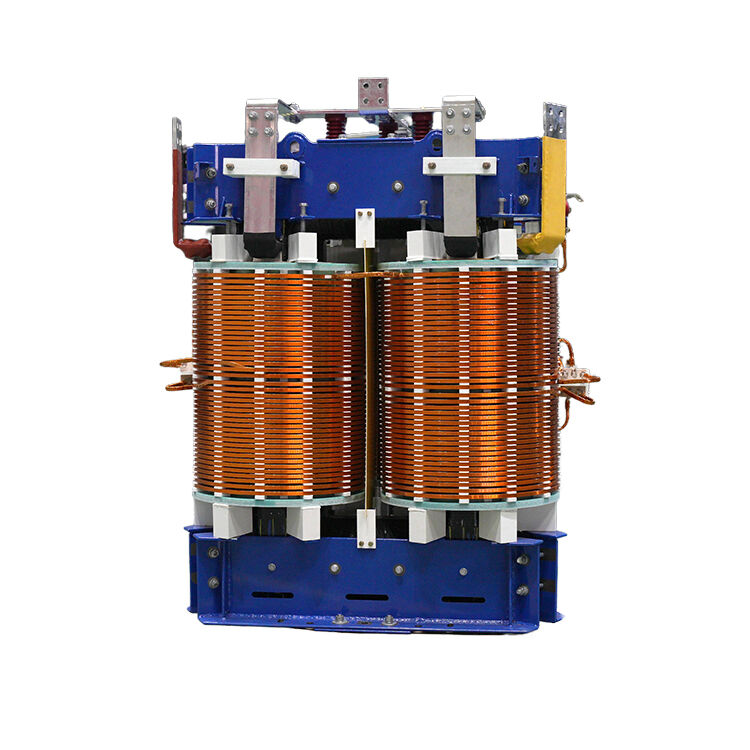
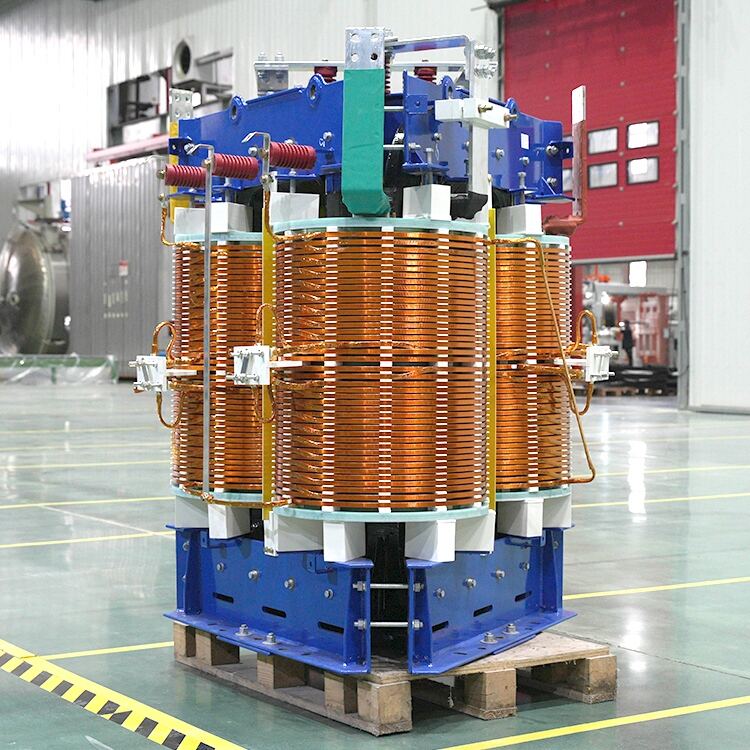
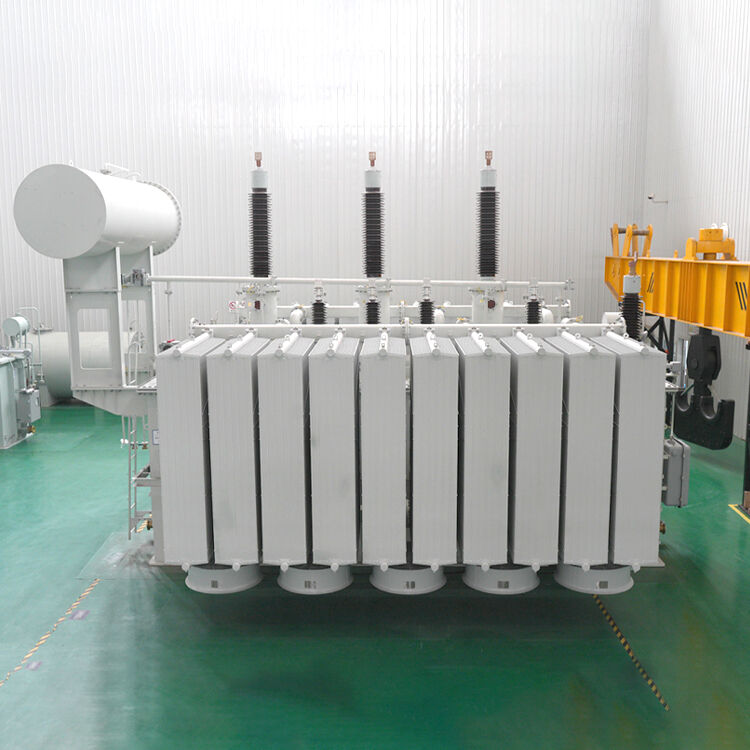
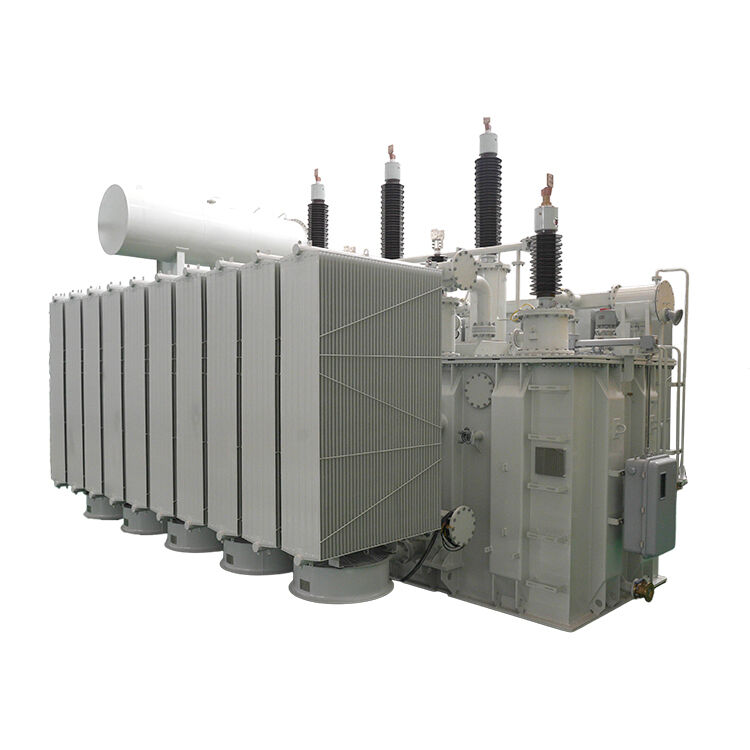
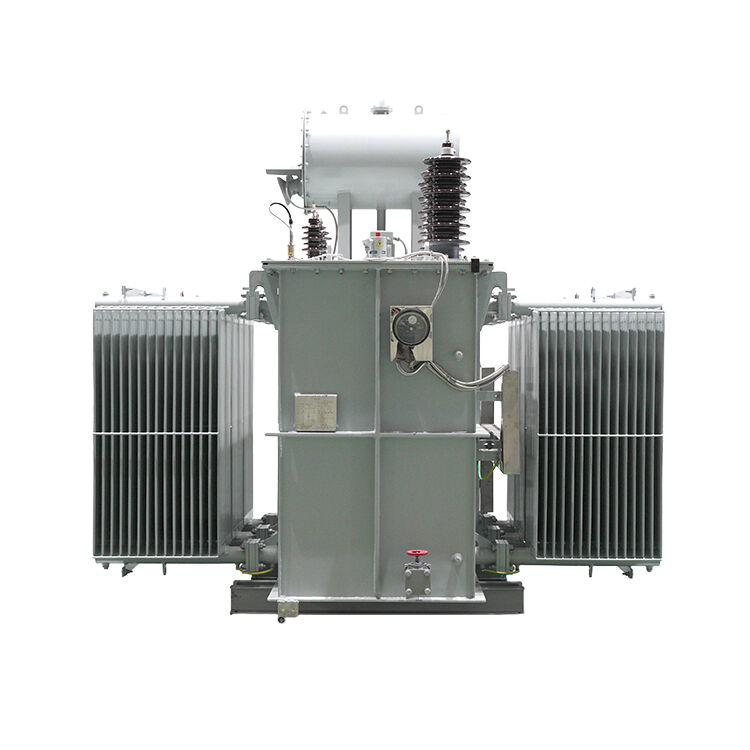
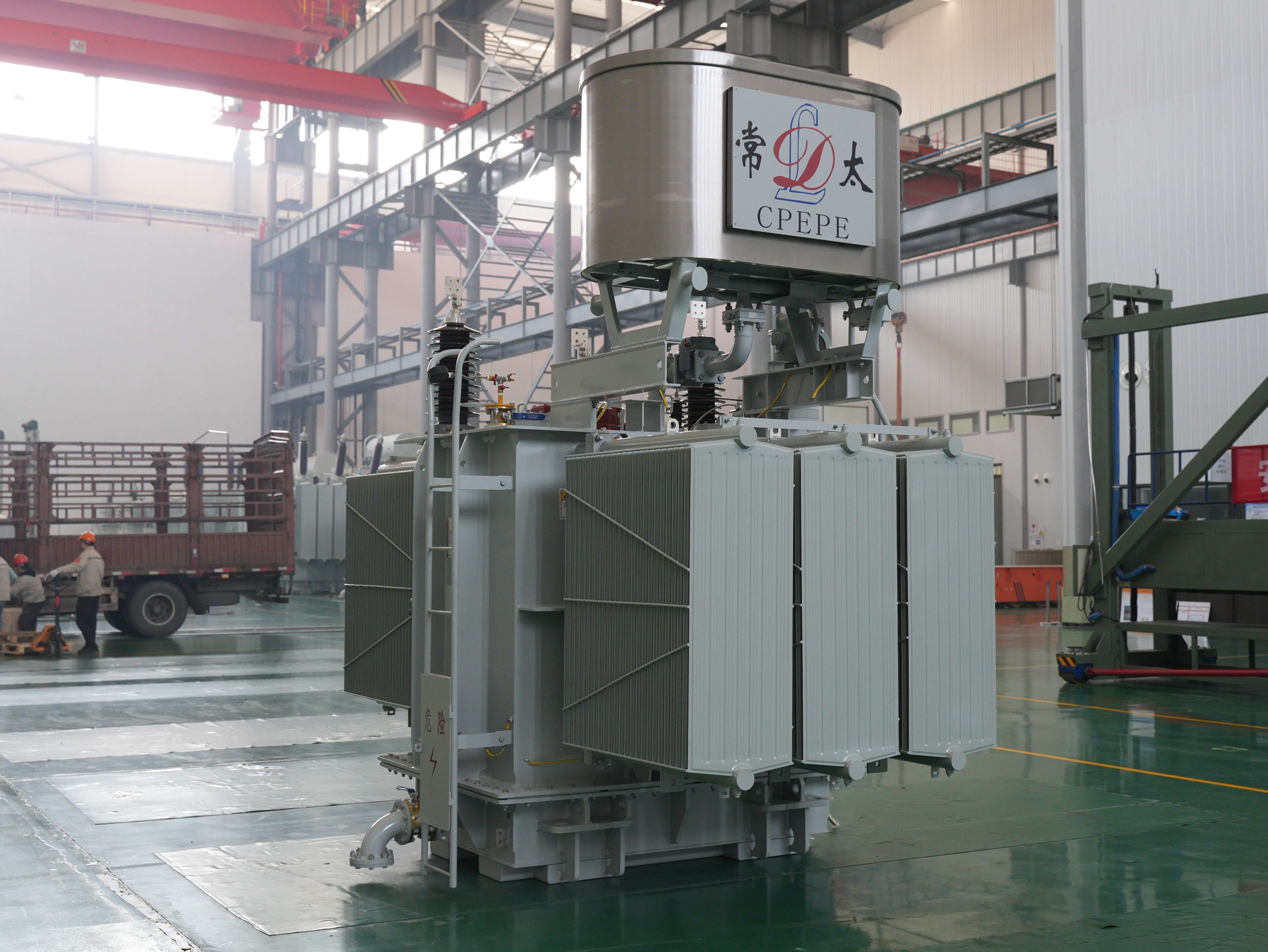
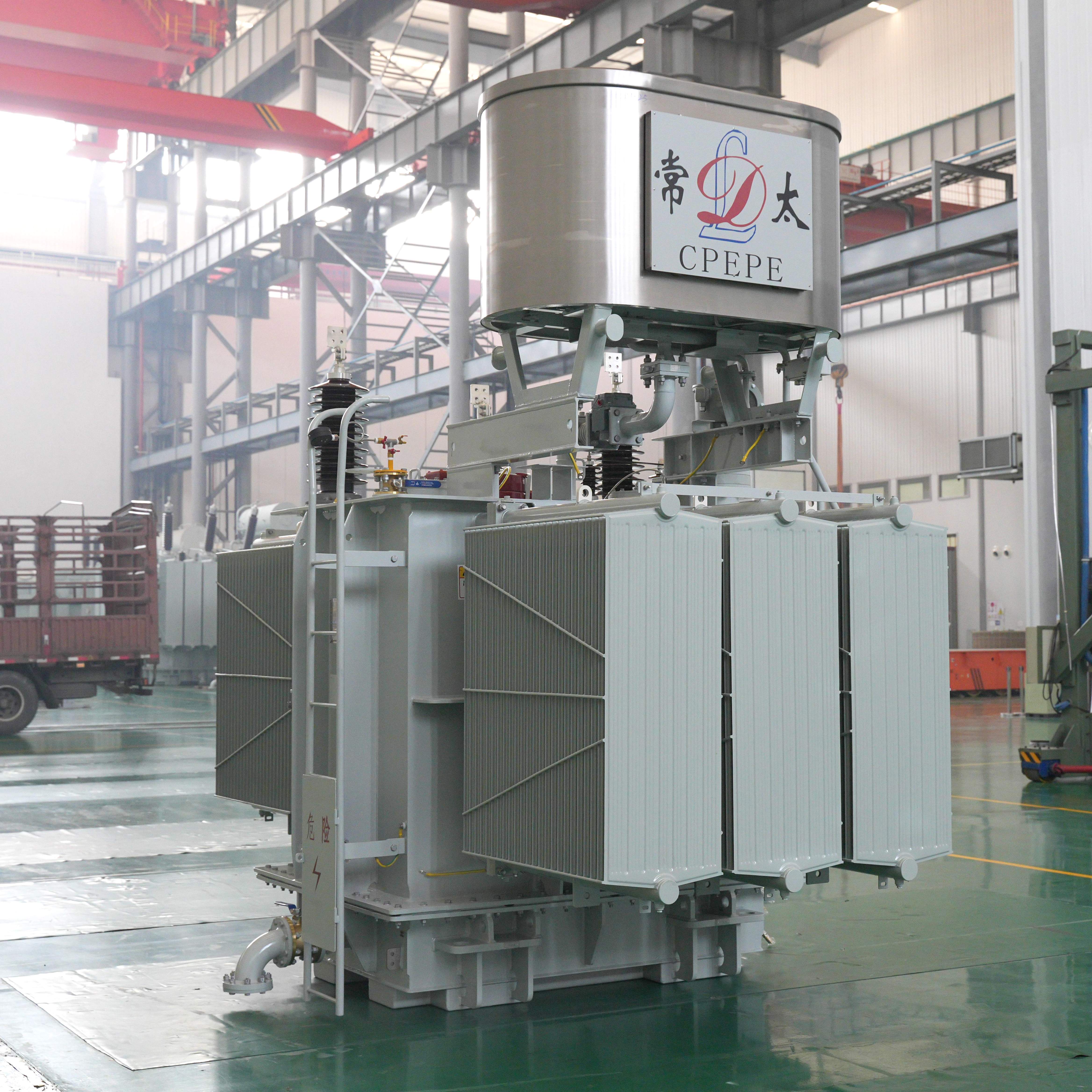
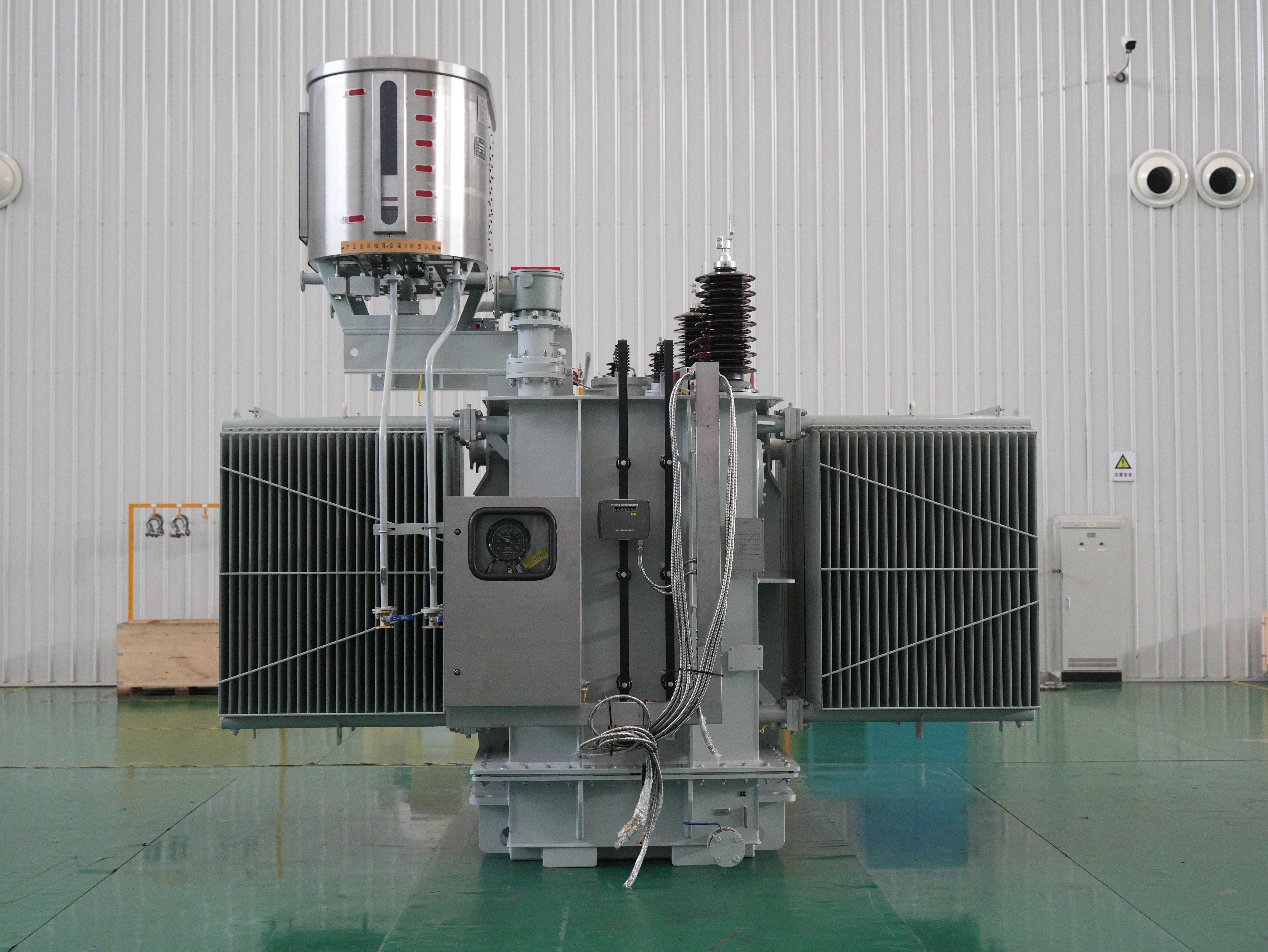
An auto transformer in substation serves as a critical electrical component that efficiently manages voltage transformation within power distribution networks. This specialized equipment operates on the principle of electromagnetic induction, featuring a single winding with multiple tap points that enable voltage regulation across different levels. Unlike conventional transformers that utilize separate primary and secondary windings, the auto transformer in substation employs a shared winding configuration that creates direct electrical connections between input and output circuits. The main functions of an auto transformer in substation include voltage step-up and step-down operations, reactive power compensation, and system voltage stabilization. These units excel in applications requiring moderate voltage ratios, typically ranging from 1.5:1 to 4:1, making them ideal for interconnecting transmission lines operating at different voltage levels. The technological features of an auto transformer in substation encompass advanced core materials, sophisticated cooling systems, and comprehensive protection mechanisms. Modern designs incorporate high-grade silicon steel cores that minimize energy losses, while forced-air or oil-immersed cooling systems maintain optimal operating temperatures. Digital monitoring systems provide real-time data on electrical parameters, temperature conditions, and operational status. Applications for auto transformer in substation span across utility companies, industrial facilities, and renewable energy installations. Power utilities deploy these transformers for transmission network interconnection, load balancing, and voltage regulation. Industrial applications include motor starting, power factor correction, and process equipment supply. The compact design and reduced material requirements make an auto transformer in substation particularly attractive for space-constrained installations. Their ability to handle high-current applications while maintaining excellent efficiency ratings positions them as preferred solutions for modern electrical infrastructure projects.

New Products

The auto transformer in substation offers numerous practical benefits that make it an exceptional choice for electrical infrastructure applications. Cost efficiency represents the primary advantage, as these units require approximately 20-30% less copper and iron compared to conventional two-winding transformers of equivalent capacity. This material reduction translates directly into lower initial investment costs and reduced transportation expenses. The simplified construction of an auto transformer in substation results in faster manufacturing times and easier installation procedures, enabling project completion within tighter schedules. Energy efficiency stands as another compelling advantage, with typical efficiency ratings exceeding 99% under optimal loading conditions. The reduced losses stem from the elimination of separate secondary windings, which minimizes resistance losses and core losses. This enhanced efficiency delivers substantial operational cost savings through reduced electricity consumption over the equipment's lifespan. Space optimization benefits make the auto transformer in substation particularly valuable for urban installations and retrofitting projects. The compact footprint requires up to 40% less floor space compared to equivalent conventional transformers, allowing for more flexible substation layouts and reduced land acquisition costs. Maintenance requirements are significantly simplified due to fewer components and connections, resulting in lower lifecycle maintenance expenses and improved system reliability. The auto transformer in substation demonstrates superior short-circuit performance and better voltage regulation characteristics under varying load conditions. The direct electrical connection between primary and secondary circuits provides faster response times to system disturbances and enhanced stability during fault conditions. Operational flexibility allows for easy tap changing and voltage adjustment without interrupting power supply, supporting dynamic grid management requirements. Environmental benefits include reduced material consumption, lower manufacturing energy requirements, and decreased carbon footprint during production. The auto transformer in substation supports sustainable infrastructure development while delivering reliable power transformation capabilities. These combined advantages create compelling value propositions for utilities, industrial customers, and infrastructure developers seeking cost-effective, efficient, and reliable electrical solutions.

Latest News

What Is a Transformer and How Does It Improve Power System Efficiency?

02

Jan

What Is a Transformer and How Does It Improve Power System Efficiency?

A transformer represents one of the most critical components in modern electrical power systems, serving as the backbone for efficient energy transmission and distribution across vast networks. These electromagnetic devices enable the seamless conver...
View More
How Does a Transformer Work in High Voltage Power Transmission?

08

Jan

How Does a Transformer Work in High Voltage Power Transmission?

High voltage power transmission systems form the backbone of modern electrical grids, enabling electricity to travel efficiently across vast distances. At the heart of these complex networks lies the power transformer, a crucial piece of equipment th...
View More
How Do Transformers Support Grid Stability in Large-Scale Power Networks?

20

Jan

How Do Transformers Support Grid Stability in Large-Scale Power Networks?

Large-scale power networks form the backbone of modern electrical infrastructure, requiring sophisticated equipment to maintain stability and reliability across vast geographical areas. Power transformers play a crucial role in these complex systems ...
View More
What Should Utilities Consider When Selecting a Transformer Supplier?

26

Jan

What Should Utilities Consider When Selecting a Transformer Supplier?

Selecting the right supplier for power infrastructure represents one of the most critical decisions utility companies face in today's rapidly evolving energy landscape. The process of choosing a power transformer supplier requires careful evaluation ...
View More

Get a Free Quote

Our representative will contact you soon.
Email
WhatsApp/Mobile
Name
Company Name
Message
0/1000

auto transformer in substation

Superior Energy Efficiency and Cost Reduction

Superior Energy Efficiency and Cost Reduction

The auto transformer in substation delivers exceptional energy efficiency that significantly outperforms conventional transformer technologies, making it an intelligent investment for forward-thinking organizations. This remarkable efficiency stems from the unique single-winding design that eliminates the energy losses typically associated with separate primary and secondary windings found in traditional transformers. The auto transformer in substation achieves efficiency levels consistently above 99%, which translates into substantial operational savings over the equipment's 25-30 year operational lifespan. These efficiency gains become particularly significant in high-capacity applications where even small percentage improvements result in considerable energy cost reductions. The cost benefits extend beyond operational savings to encompass initial capital expenditure reductions. An auto transformer in substation requires approximately 25-35% less raw materials compared to equivalent conventional transformers, including reduced copper conductor requirements and smaller core materials. This material efficiency translates directly into lower manufacturing costs, reduced shipping expenses, and decreased installation complexity. The streamlined design also enables faster production schedules, allowing utilities and industrial customers to implement projects more rapidly and capitalize on infrastructure investments sooner. Furthermore, the auto transformer in substation requires less supporting infrastructure, including smaller foundations, reduced cooling equipment, and simplified protective systems. The space efficiency creates additional value by minimizing land acquisition costs and enabling more compact substation designs. Maintenance cost reductions represent another significant advantage, as the simplified construction requires fewer routine inspections, reduced spare parts inventory, and lower specialized labor requirements. These combined efficiency and cost benefits make the auto transformer in substation an economically superior choice that delivers measurable return on investment through reduced operational expenses and enhanced system performance.
Compact Design and Space Optimization

Compact Design and Space Optimization

The auto transformer in substation revolutionizes space utilization in electrical installations through its remarkably compact design that addresses the growing challenges of urban infrastructure development and land scarcity. This space-efficient solution occupies up to 50% less footprint compared to equivalent conventional transformer installations, enabling utilities and industrial customers to maximize the value of expensive real estate while maintaining full electrical capacity requirements. The reduced size stems from the integrated single-winding construction that eliminates the need for separate primary and secondary coils, resulting in smaller overall dimensions without compromising performance capabilities. The compact nature of an auto transformer in substation provides unprecedented flexibility in substation layout and design optimization. Engineers can create more efficient arrangements that accommodate additional equipment, improve maintenance access, and enhance overall operational efficiency. This spatial advantage becomes particularly valuable in urban environments where land costs represent significant portions of project budgets, and in retrofit applications where existing space constraints limit expansion options. The smaller physical profile also reduces visual impact, making the auto transformer in substation more suitable for installations in residential or commercial areas where aesthetic considerations influence project approval processes. Installation benefits multiply through reduced foundation requirements, lighter structural loads, and simplified transportation logistics. The auto transformer in substation can often be delivered as a complete factory-assembled unit, minimizing on-site construction time and reducing installation costs. Smaller cranes and lifting equipment suffice for positioning, while reduced clearance requirements simplify site preparation activities. The compact design also facilitates indoor installations where weather protection and security considerations mandate enclosed substations. Additionally, the space efficiency enables modular expansion strategies where future capacity increases can be accommodated within existing facility boundaries. These space optimization advantages make the auto transformer in substation an ideal solution for modern infrastructure projects that demand maximum performance within minimal spatial constraints while maintaining operational reliability and safety standards.
Enhanced Reliability and Superior Performance

Enhanced Reliability and Superior Performance

The auto transformer in substation delivers exceptional reliability and performance characteristics that surpass conventional transformer technologies, establishing it as the preferred choice for critical electrical infrastructure applications. The superior performance originates from the simplified electrical architecture that features fewer internal connections, reduced component count, and streamlined current paths that minimize potential failure points. This inherent design reliability translates into extended operational lifespans, reduced unplanned outages, and improved system availability for mission-critical applications. The auto transformer in substation demonstrates superior voltage regulation capabilities under varying load conditions, maintaining stable output voltages within tighter tolerance bands compared to conventional transformers. This enhanced regulation supports sensitive industrial processes, data centers, and commercial facilities that require consistent power quality for optimal equipment performance. The direct electrical connection between input and output circuits provides faster response times to system disturbances, enabling better grid stability and reduced voltage fluctuations during load changes or fault conditions. Overload capability represents another significant performance advantage, as the auto transformer in substation can typically handle 150-200% of rated capacity for short durations without damage, providing valuable system flexibility during emergency conditions or peak demand periods. The thermal performance characteristics enable higher loading factors while maintaining safe operating temperatures, maximizing asset utilization and improving return on investment. Advanced monitoring and diagnostic capabilities integrated into modern auto transformer in substation designs provide real-time performance data, predictive maintenance alerts, and comprehensive system health information. These intelligent features enable proactive maintenance scheduling, optimize performance parameters, and prevent unexpected failures through early problem detection. The auto transformer in substation also exhibits superior short-circuit withstand capability due to its robust mechanical construction and inherent electrical characteristics. This enhanced fault tolerance protects downstream equipment and minimizes system disruption during abnormal operating conditions. The combination of these reliability and performance advantages creates a compelling value proposition for applications requiring maximum uptime, consistent power quality, and long-term operational dependability.

Get a Free Quote

Our representative will contact you soon.
Email
WhatsApp/Mobile
Name
Company Name
Message
0/1000