Ventilated Power Supply Transformers: Advanced Cooling Technology for Superior Performance

Get a Free Quote

Our representative will contact you soon.
Email
WhatsApp/Mobile
Name
Company Name
Message
0/1000

ventilated power supply transformer

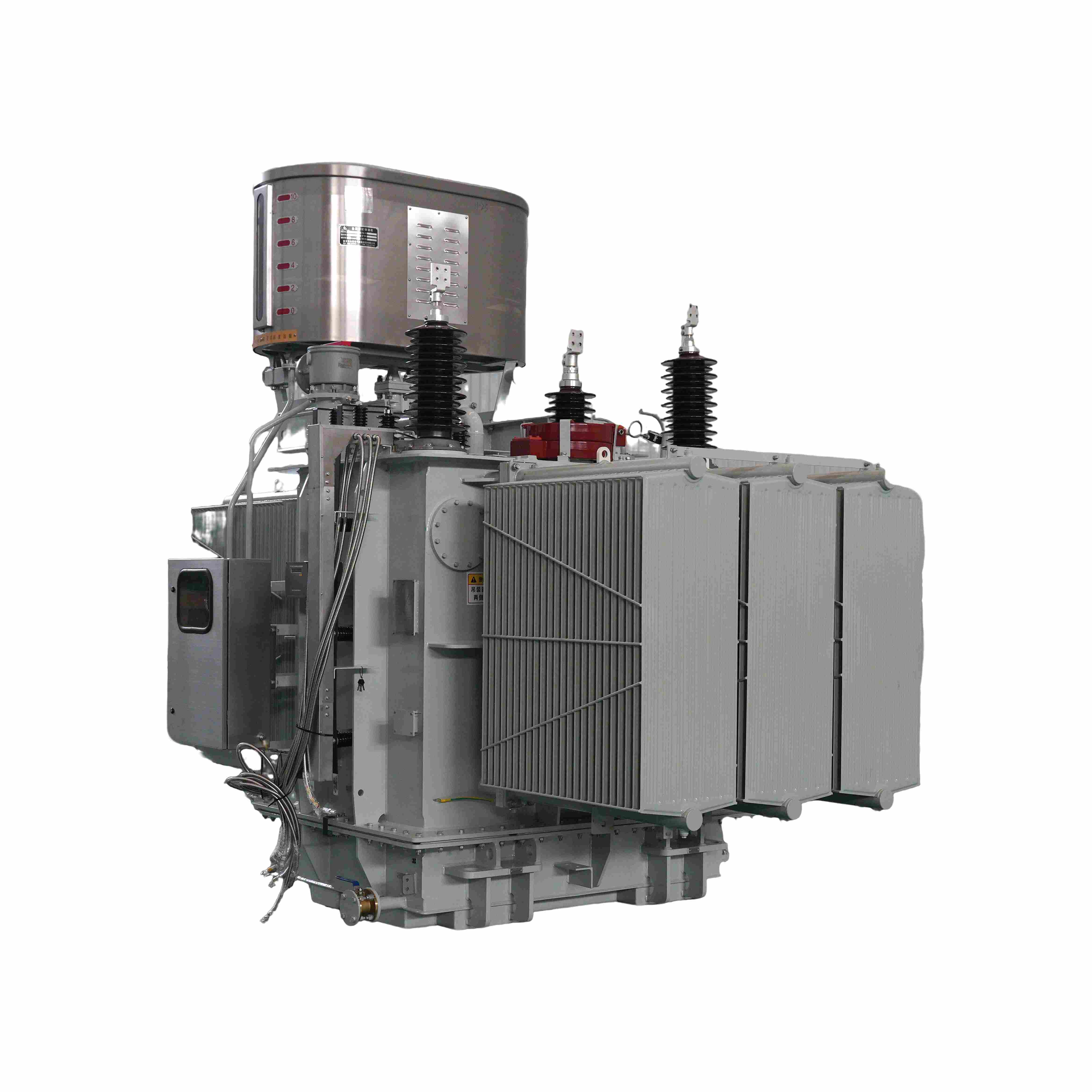
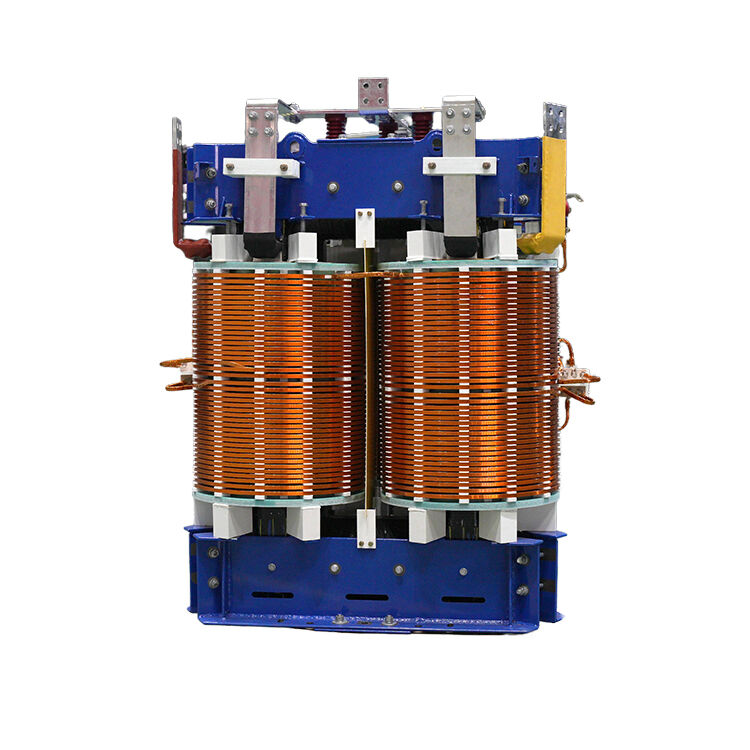
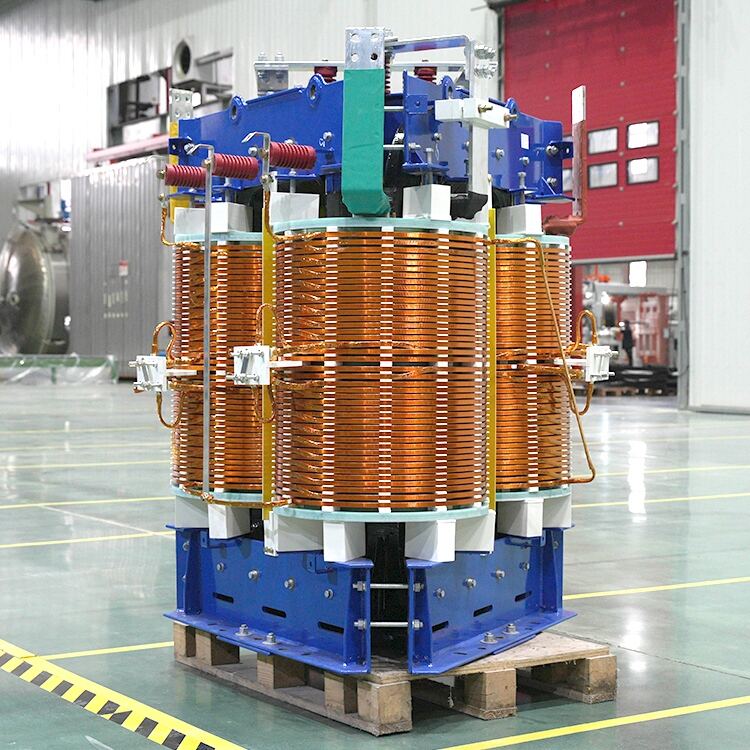
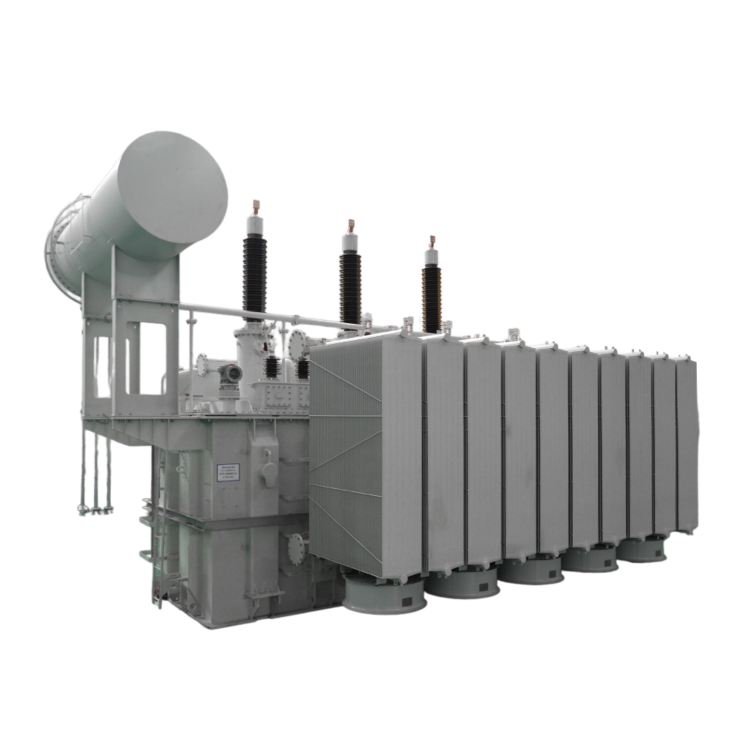
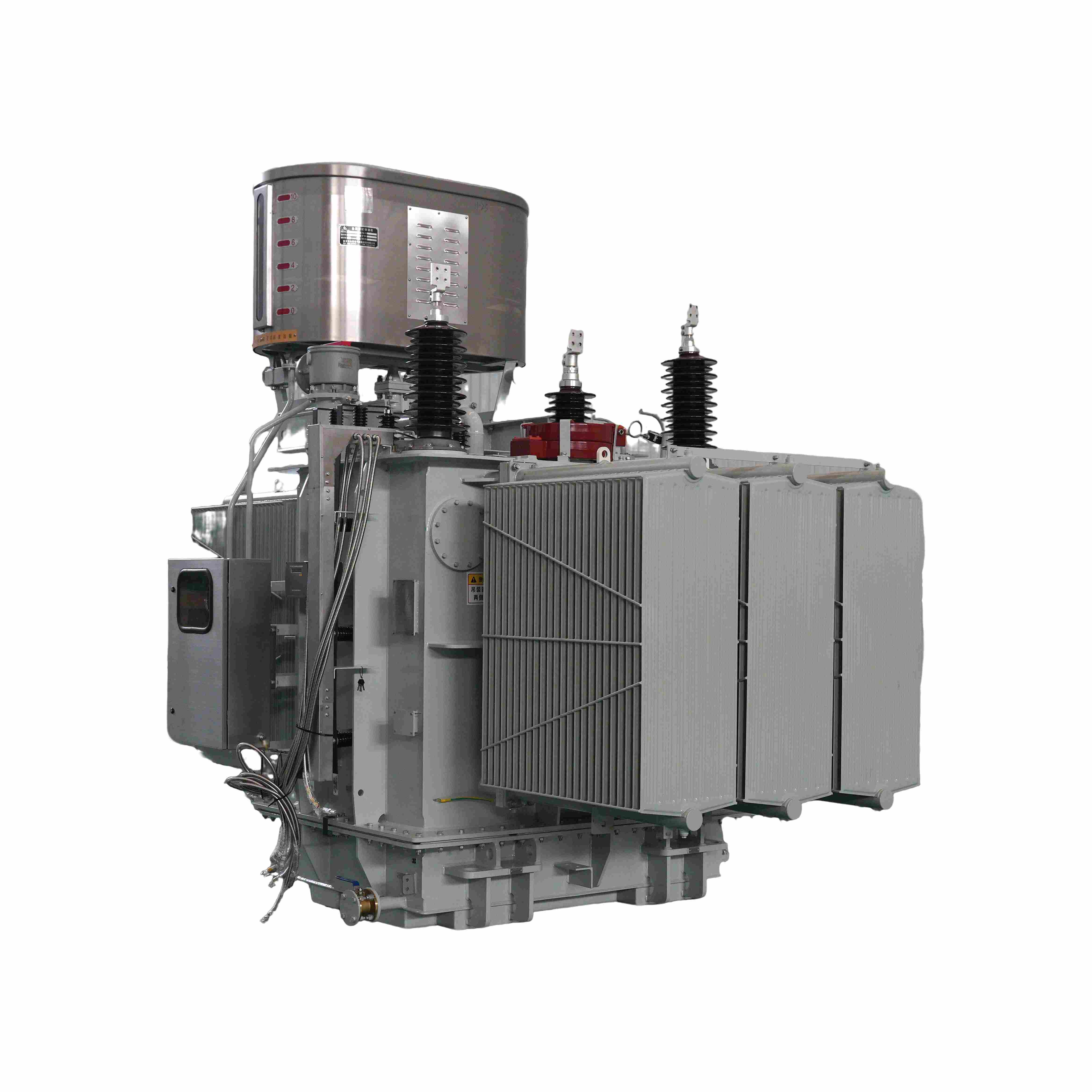
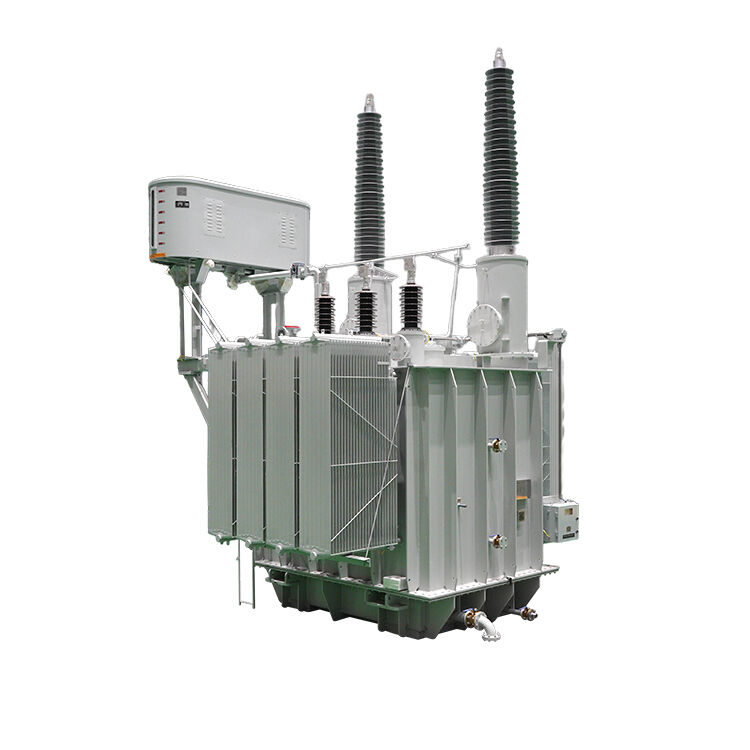
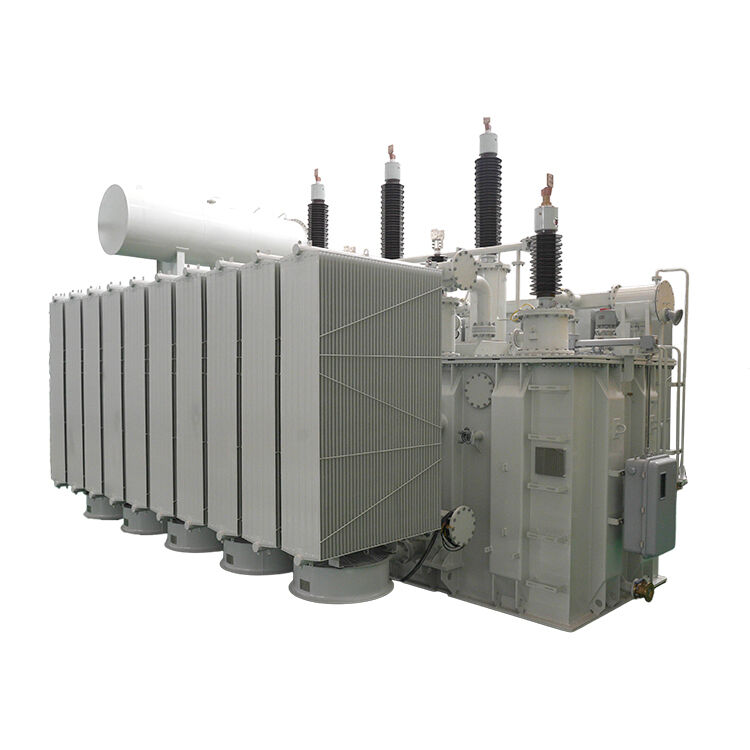
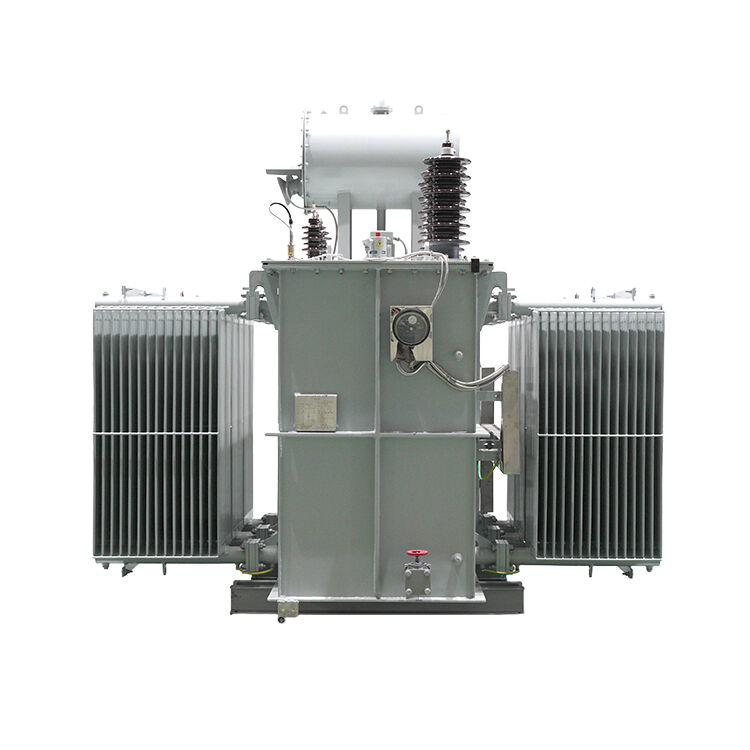
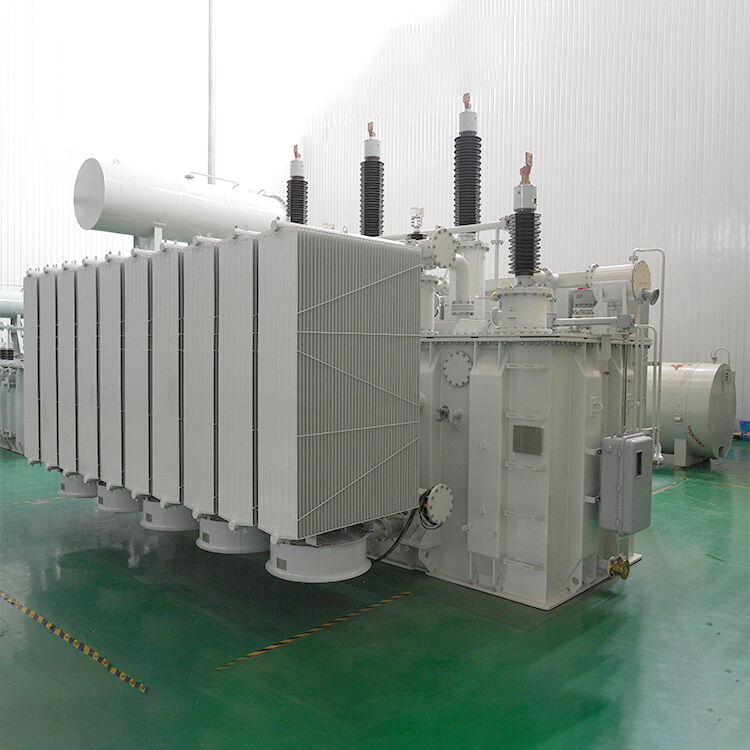
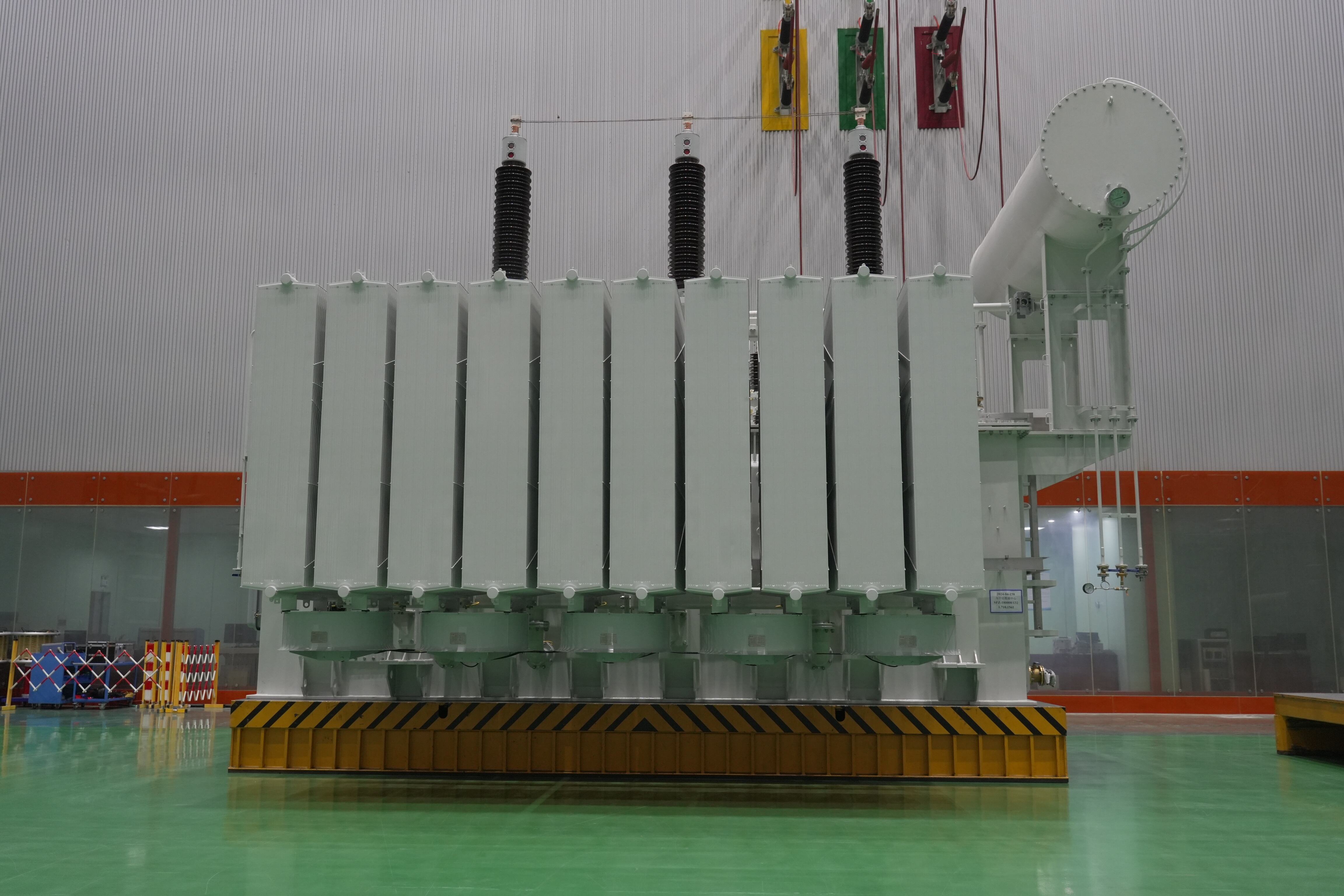
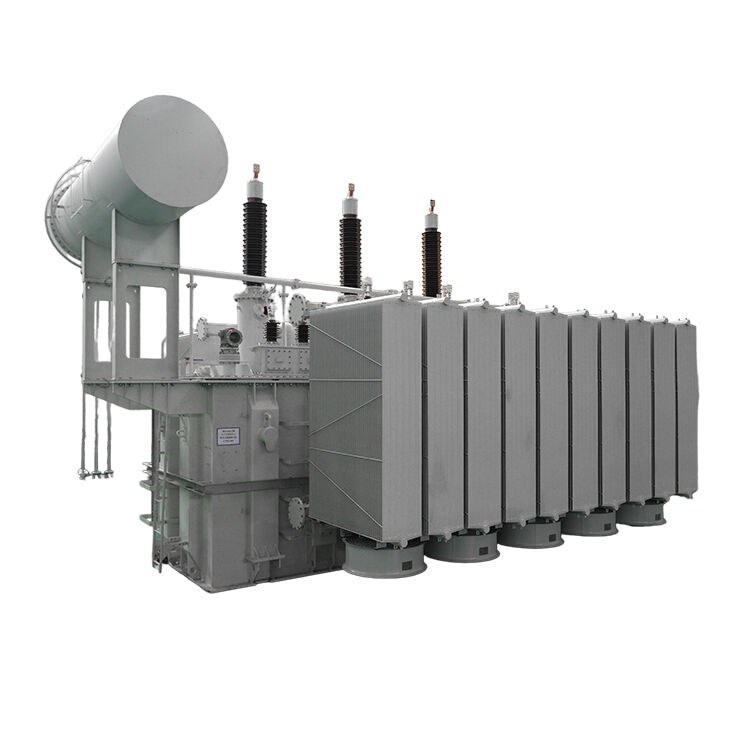
A ventilated power supply transformer represents a sophisticated electrical device designed to convert alternating current from one voltage level to another while maintaining optimal operating temperatures through integrated cooling systems. This advanced transformer type incorporates strategic ventilation mechanisms that allow continuous airflow around critical components, ensuring reliable performance in demanding industrial and commercial environments. The ventilated power supply transformer serves as the backbone of electrical distribution networks, providing safe and efficient voltage conversion for various applications ranging from manufacturing facilities to data centers. The primary function of these transformers involves stepping up or stepping down voltage levels according to specific power requirements. Through electromagnetic induction principles, the ventilated power supply transformer transfers electrical energy between primary and secondary windings while the ventilation system prevents overheating that could compromise performance or safety. The technological features of modern ventilated power supply transformers include high-grade silicon steel cores that minimize energy losses, copper or aluminum windings optimized for conductivity, and sophisticated insulation systems rated for extreme operating conditions. The ventilation design typically incorporates natural or forced air circulation methods, with some models featuring temperature-sensitive fans that activate automatically when internal temperatures exceed predetermined thresholds. Advanced models include digital monitoring systems that track performance metrics, temperature variations, and load conditions in real-time. These transformers find extensive applications across industrial manufacturing plants where consistent power quality is essential for production equipment operation. Commercial buildings utilize ventilated power supply transformers for lighting systems, HVAC equipment, and office electronics. Data centers rely heavily on these transformers to maintain stable power delivery to servers and networking equipment. The construction industry employs portable ventilated power supply transformers for temporary power distribution at job sites. Additionally, renewable energy installations incorporate these transformers to convert generated power for grid integration or local consumption purposes.

New Product Releases

The ventilated power supply transformer delivers exceptional reliability through its advanced cooling system that prevents thermal damage and extends operational lifespan significantly. Unlike sealed transformer units, the ventilated design allows heat dissipation through strategic airflow patterns, maintaining optimal internal temperatures even under heavy load conditions. This temperature management directly translates to reduced maintenance requirements and lower total ownership costs for businesses. Users experience fewer unexpected shutdowns and equipment failures, resulting in improved productivity and reduced downtime expenses. The enhanced cooling capability enables these transformers to operate at higher efficiency levels compared to conventional designs. Energy losses decrease substantially when components remain within optimal temperature ranges, leading to lower electricity consumption and reduced operating costs. Many organizations report energy savings of fifteen to twenty percent after upgrading to ventilated power supply transformers from older sealed units. The superior thermal management also allows for higher power density installations, enabling businesses to achieve greater electrical capacity within limited space constraints. Safety represents another significant advantage of ventilated power supply transformers. The continuous airflow prevents the accumulation of harmful gases and moisture that could create hazardous conditions in sealed units. Emergency response teams can quickly assess transformer conditions through visual inspection of ventilation systems, improving overall facility safety protocols. The reduced risk of thermal runaway events protects both equipment and personnel from potential electrical hazards. Installation flexibility marks another key benefit, as ventilated power supply transformers can be positioned in various orientations and locations without compromising cooling effectiveness. This adaptability simplifies facility planning and reduces installation costs compared to transformers requiring specific mounting configurations or additional cooling infrastructure. Maintenance teams appreciate the accessibility of internal components through removable panels, enabling faster inspection and repair procedures. The modular design of many ventilated power supply transformers allows for easy component replacement without complete unit replacement, extending equipment life and reducing capital expenditure requirements. Noise reduction features in modern ventilated designs create quieter operating environments compared to older transformer technologies, improving workplace comfort and meeting increasingly strict noise regulations. The combination of these practical advantages makes ventilated power supply transformers an intelligent investment for organizations prioritizing operational efficiency, safety, and long-term cost management.

Tips And Tricks

What Is a Transformer and How Does It Improve Power System Efficiency?

02

Jan

What Is a Transformer and How Does It Improve Power System Efficiency?

A transformer represents one of the most critical components in modern electrical power systems, serving as the backbone for efficient energy transmission and distribution across vast networks. These electromagnetic devices enable the seamless conver...
View More
Why Are Transformers Critical for Industrial Power Distribution Systems?

14

Jan

Why Are Transformers Critical for Industrial Power Distribution Systems?

Industrial power distribution systems form the backbone of modern manufacturing, commercial facilities, and critical infrastructure operations. At the heart of these complex networks lies a fundamental component that ensures safe, efficient, and reli...
View More
How Do Transformers Support Grid Stability in Large-Scale Power Networks?

20

Jan

How Do Transformers Support Grid Stability in Large-Scale Power Networks?

Large-scale power networks form the backbone of modern electrical infrastructure, requiring sophisticated equipment to maintain stability and reliability across vast geographical areas. Power transformers play a crucial role in these complex systems ...
View More
What Should Utilities Consider When Selecting a Transformer Supplier?

26

Jan

What Should Utilities Consider When Selecting a Transformer Supplier?

Selecting the right supplier for power infrastructure represents one of the most critical decisions utility companies face in today's rapidly evolving energy landscape. The process of choosing a power transformer supplier requires careful evaluation ...
View More

Get a Free Quote

Our representative will contact you soon.
Email
WhatsApp/Mobile
Name
Company Name
Message
0/1000

ventilated power supply transformer

Advanced Thermal Management System

Advanced Thermal Management System

The revolutionary thermal management system integrated into ventilated power supply transformers represents the pinnacle of electrical engineering innovation, delivering unparalleled temperature control that directly impacts performance, safety, and longevity. This sophisticated cooling mechanism employs strategically positioned ventilation channels that create optimal airflow patterns throughout the transformer core and windings. The system utilizes natural convection principles enhanced by forced air circulation when necessary, ensuring consistent temperature distribution across all critical components. Temperature sensors continuously monitor internal conditions, triggering automatic cooling responses when predetermined thresholds are approached. The thermal management system prevents hot spots that could damage insulation materials or create efficiency losses, maintaining uniform temperature profiles even during peak demand periods. Advanced models incorporate intelligent cooling algorithms that adjust ventilation rates based on load conditions, ambient temperature, and historical performance data. This adaptive approach optimizes energy consumption while maximizing cooling effectiveness. The ventilation design includes filtered air intake systems that prevent contaminants from entering the transformer housing, protecting sensitive components from dust, moisture, and corrosive particles. Heat exchangers within the ventilated power supply transformer facilitate rapid thermal transfer from windings to the cooling medium, accelerating heat dissipation rates significantly. The thermal management system extends transformer lifespan by maintaining insulation integrity and preventing thermal stress on conductor materials. Users benefit from reduced maintenance schedules as components operate within design specifications consistently. The system enables continuous operation under varying load conditions without thermal limitations, providing operational flexibility that sealed transformers cannot match. Emergency cooling protocols activate during fault conditions, protecting the ventilated power supply transformer from catastrophic thermal damage. The sophisticated thermal management system represents a critical investment in equipment reliability, offering substantial returns through reduced downtime, lower maintenance costs, and extended operational life that significantly exceeds conventional transformer technologies.

Superior Energy Efficiency and Power Quality

Superior Energy Efficiency and Power Quality

The exceptional energy efficiency characteristics of ventilated power supply transformers establish new standards for electrical power conversion, delivering substantial cost savings and environmental benefits through advanced design principles and materials science innovations. These transformers achieve efficiency ratings consistently exceeding ninety-eight percent under optimal operating conditions, translating to minimal energy waste and reduced operational expenses. The superior efficiency stems from high-grade silicon steel cores with optimized grain orientation that minimizes magnetic losses during power conversion processes. Advanced winding techniques utilize premium copper or aluminum conductors arranged in configurations that reduce electrical resistance and eddy current formation. The ventilated design maintains optimal operating temperatures that preserve conductor properties and insulation characteristics, preventing efficiency degradation over time. Power quality improvements represent another significant benefit, as ventilated power supply transformers deliver stable voltage regulation and harmonic distortion levels well below industry standards. The thermal stability provided by effective cooling systems ensures consistent magnetic properties in core materials, resulting in predictable voltage transformation ratios across varying load conditions. Users experience fewer power quality issues such as voltage sags, surges, or frequency variations that can damage sensitive equipment or disrupt production processes. The enhanced efficiency and power quality characteristics make these transformers particularly valuable in applications requiring precise electrical parameters, such as medical equipment, laboratory instrumentation, or high-tech manufacturing processes. Energy cost reductions achieved through improved efficiency compound over the transformer's operational lifetime, often resulting in payback periods of less than three years for organizations with substantial electrical loads. Environmental benefits include reduced carbon footprint through lower energy consumption and decreased demand on electrical generation capacity. The ventilated power supply transformer contributes to sustainability goals while providing economic advantages that justify the initial investment. Regulatory compliance becomes easier as these transformers exceed energy efficiency standards mandated by governmental agencies and industry organizations. The combination of superior efficiency and power quality positions ventilated power supply transformers as essential components for organizations prioritizing operational excellence and environmental responsibility.
Flexible Installation and Maintenance Benefits

Flexible Installation and Maintenance Benefits

The remarkable installation flexibility and maintenance advantages of ventilated power supply transformers provide unprecedented convenience and cost-effectiveness for electrical system designers, facility managers, and maintenance personnel. These transformers accommodate diverse installation scenarios through modular design approaches that eliminate many constraints associated with traditional sealed units. The ventilated configuration allows horizontal, vertical, or angled mounting positions without compromising cooling effectiveness or operational performance. This adaptability simplifies facility planning processes and reduces structural modifications required for transformer installation. Electrical contractors appreciate the reduced installation time and complexity, as ventilated power supply transformers typically require less specialized equipment and fewer personnel for positioning and connection procedures. The accessible design facilitates visual inspection of internal components through removable panels or transparent viewing windows, enabling maintenance teams to assess transformer condition without complete disassembly. Routine maintenance procedures become significantly more efficient as technicians can reach critical components for cleaning, testing, and adjustment operations. The ventilation system components, including fans and filters, are designed for field replacement using standard tools and procedures. Preventive maintenance schedules can be optimized based on actual operating conditions rather than conservative estimates, reducing unnecessary service interruptions and associated costs. Diagnostic capabilities integrated into advanced ventilated power supply transformers provide real-time performance data that enables predictive maintenance strategies. Maintenance personnel receive early warning indicators for potential issues, allowing proactive interventions that prevent costly emergency repairs or unplanned downtime. The modular construction philosophy extends to replacement parts availability, with critical components standardized across product lines to minimize inventory requirements and reduce procurement lead times. Training requirements for maintenance staff are simplified due to consistent design principles and accessible component layouts. Documentation and service manuals provide clear guidance for troubleshooting and repair procedures specific to ventilated power supply transformers. The combination of installation flexibility and maintenance benefits results in lower total cost of ownership throughout the transformer's operational life, making these units attractive investments for organizations seeking reliable, cost-effective electrical power solutions.

Get a Free Quote

Our representative will contact you soon.
Email
WhatsApp/Mobile
Name
Company Name
Message
0/1000