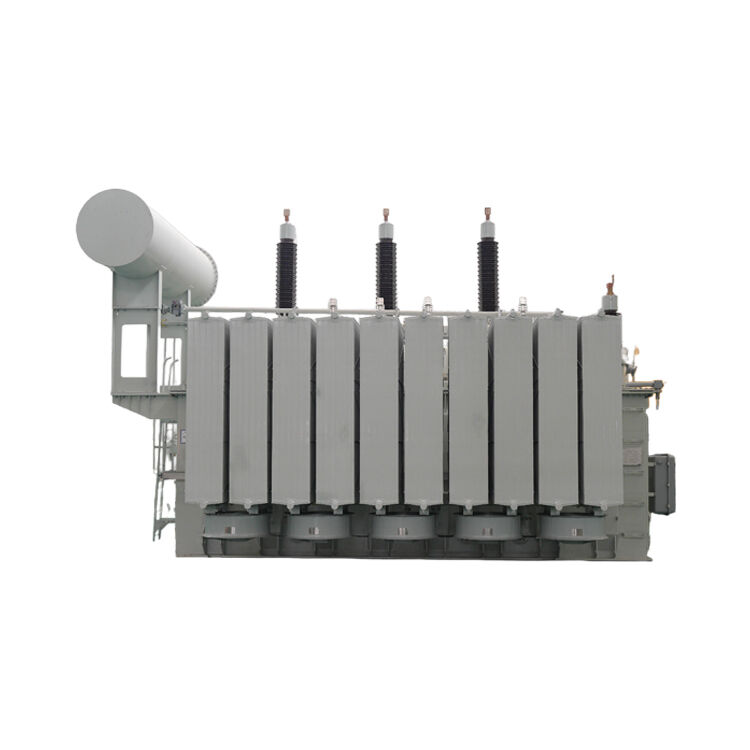
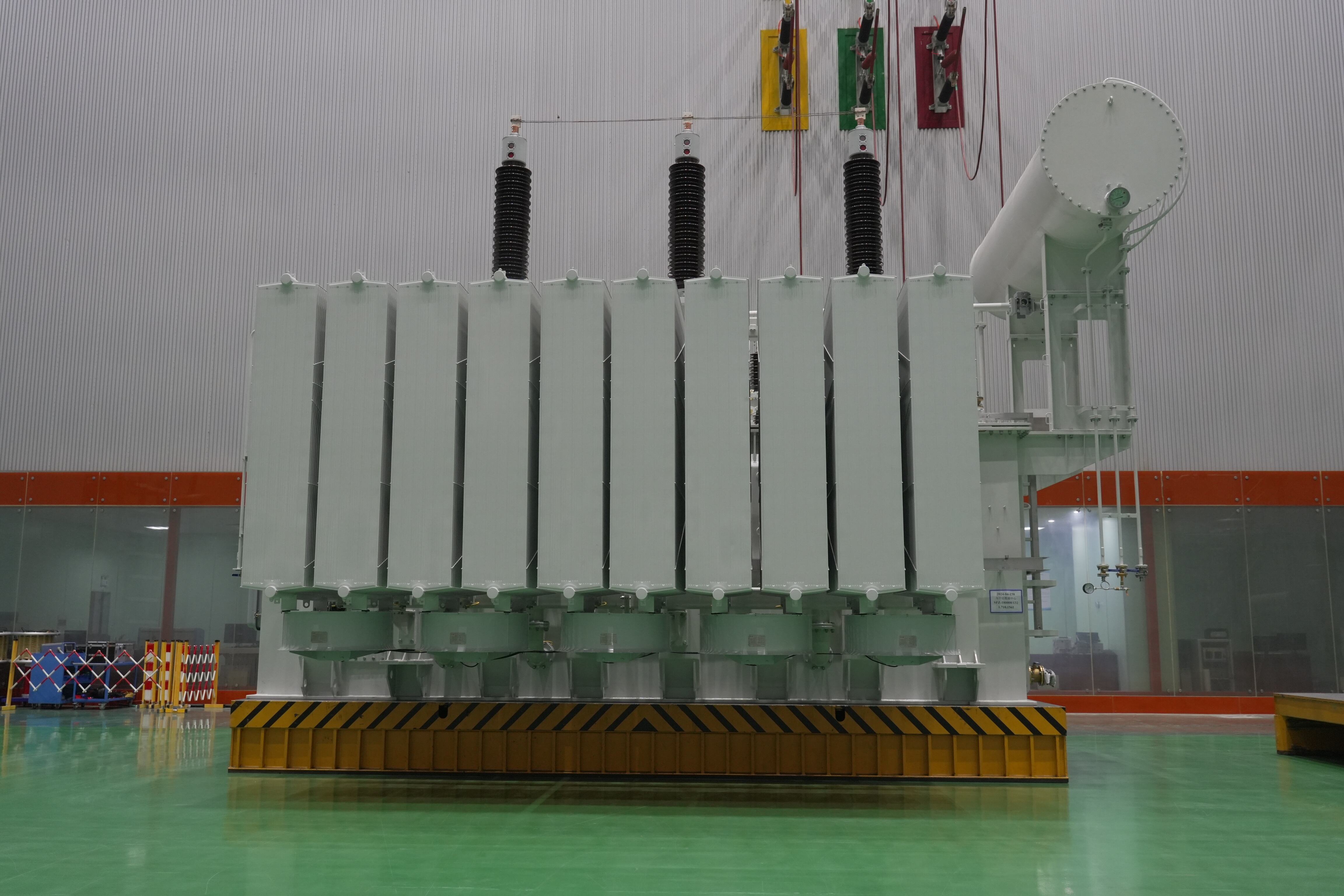
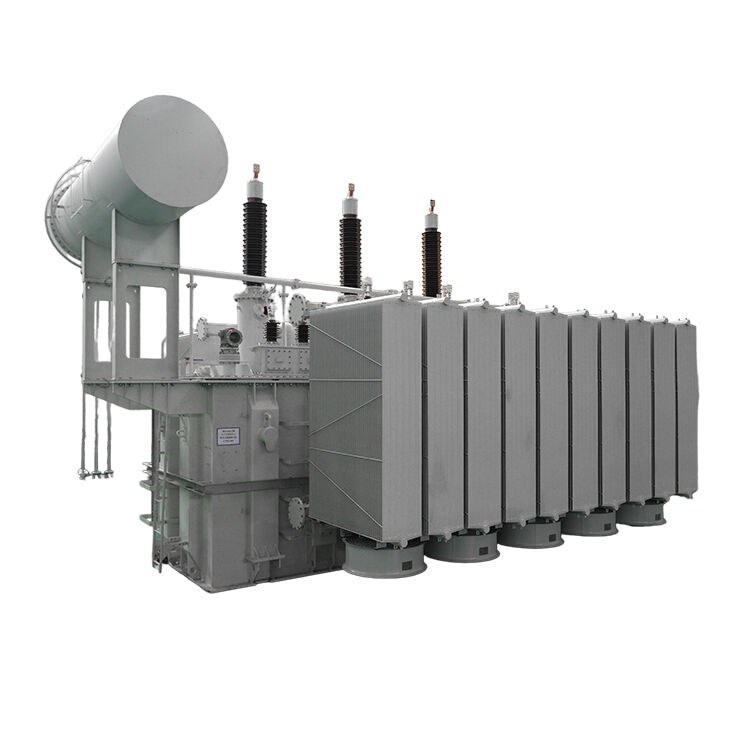
industrial power supply transformer
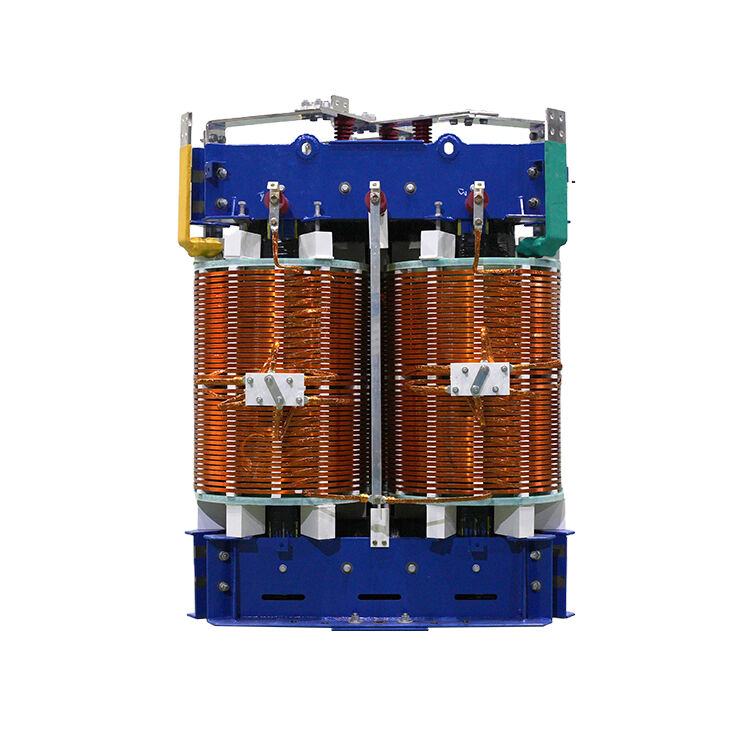
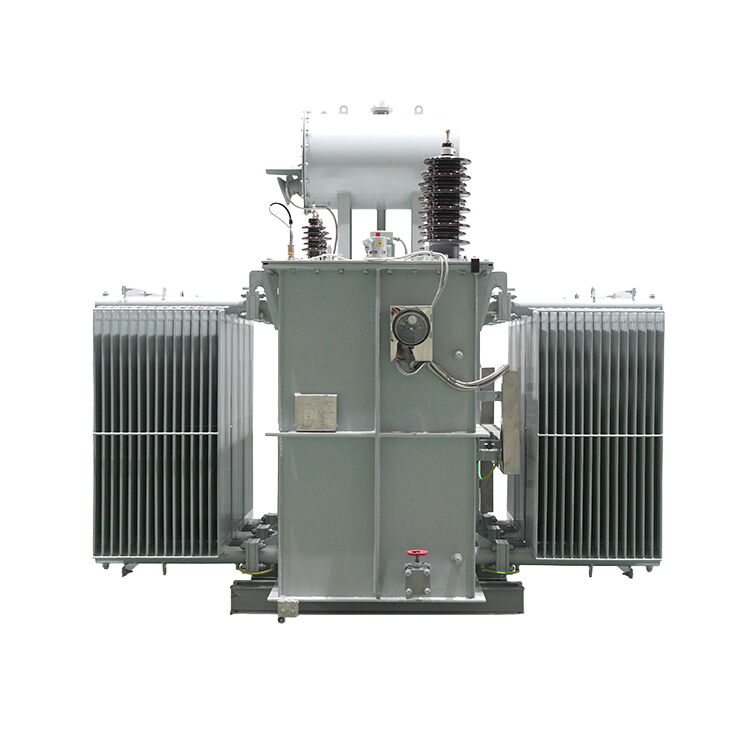
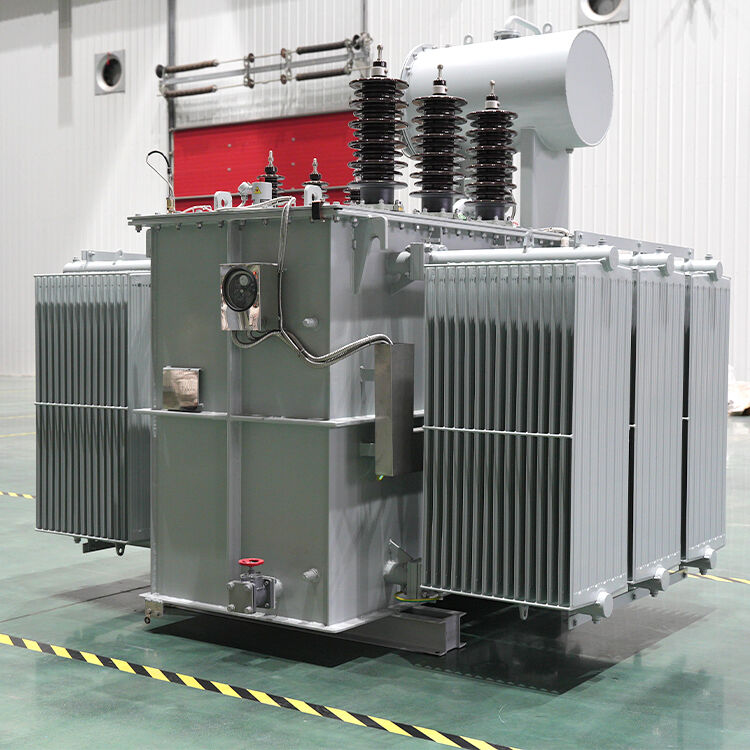
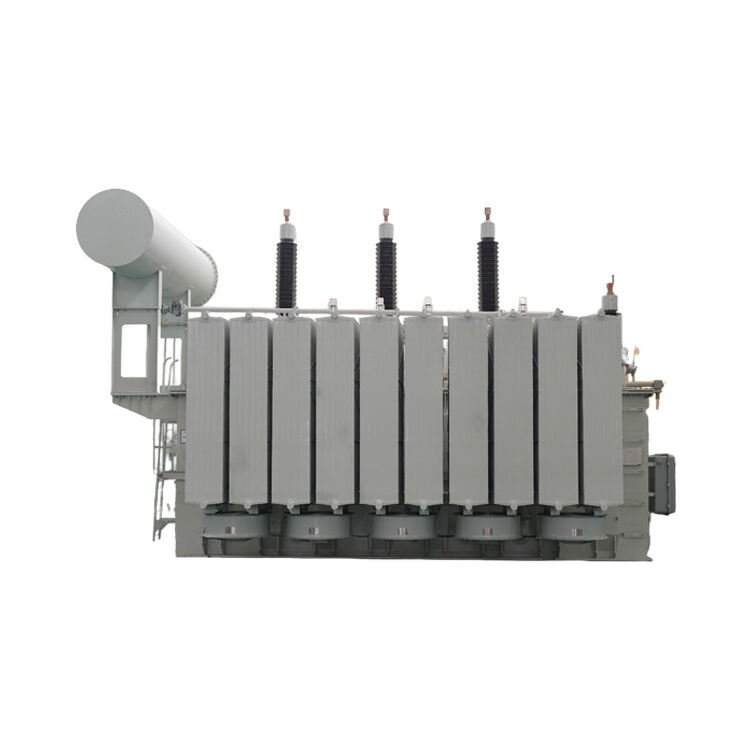
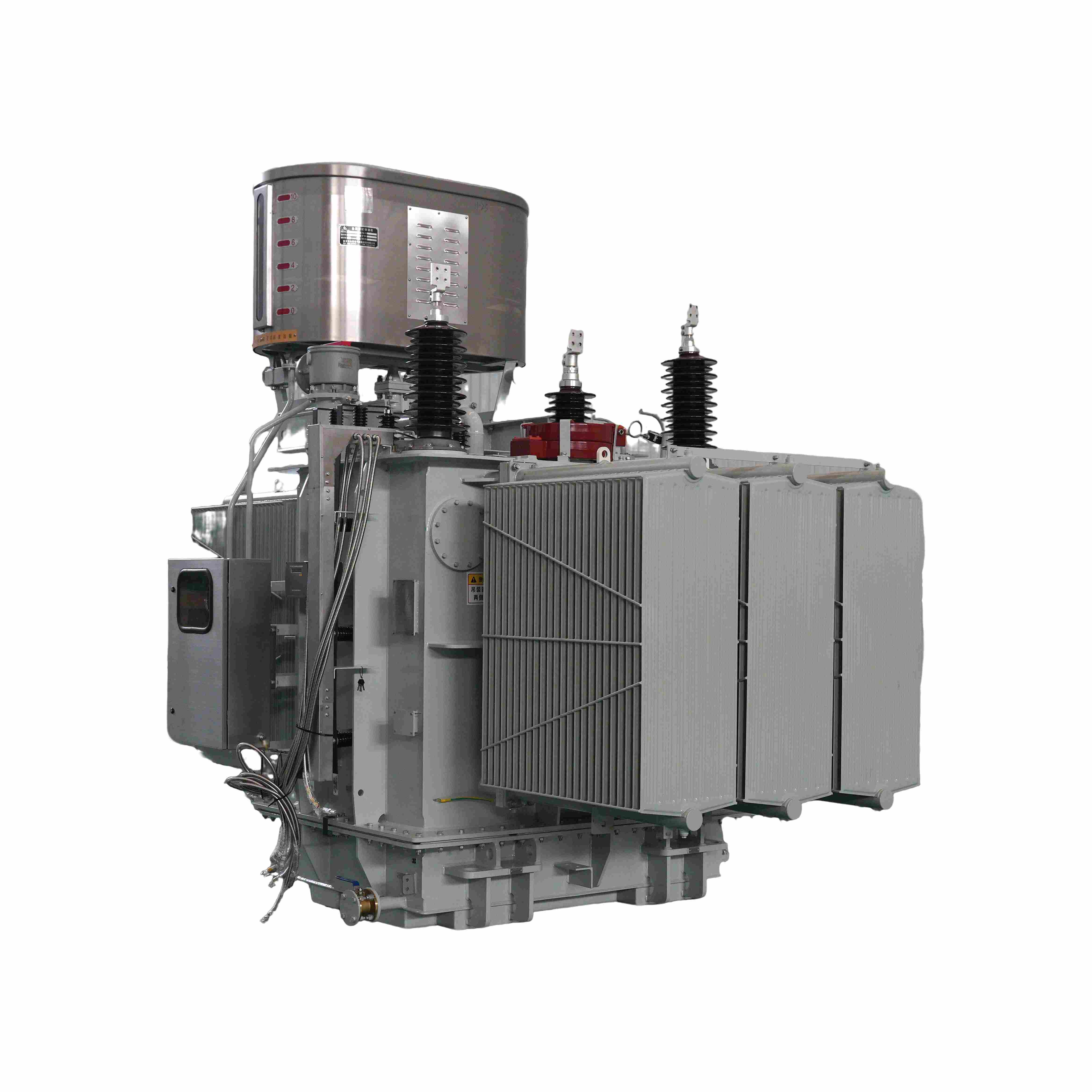
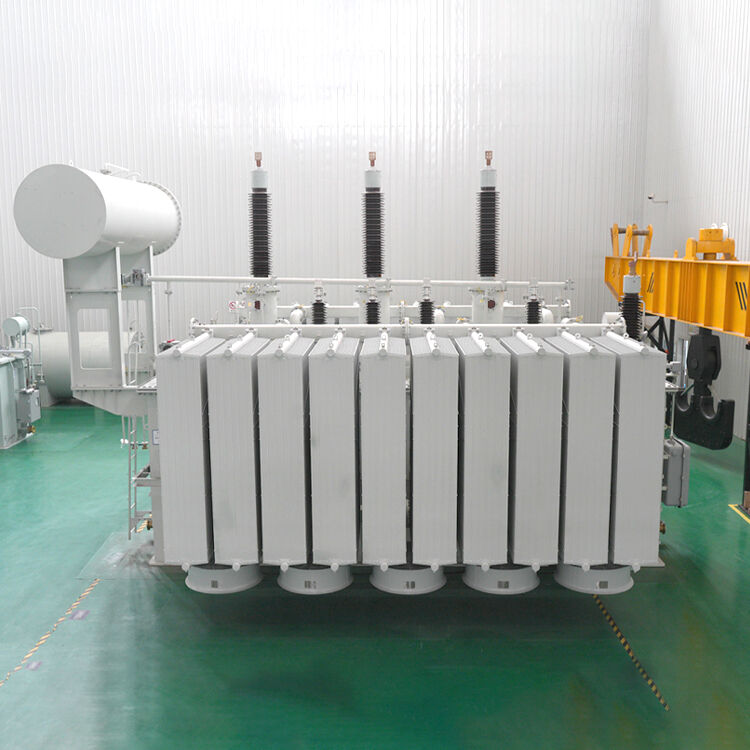
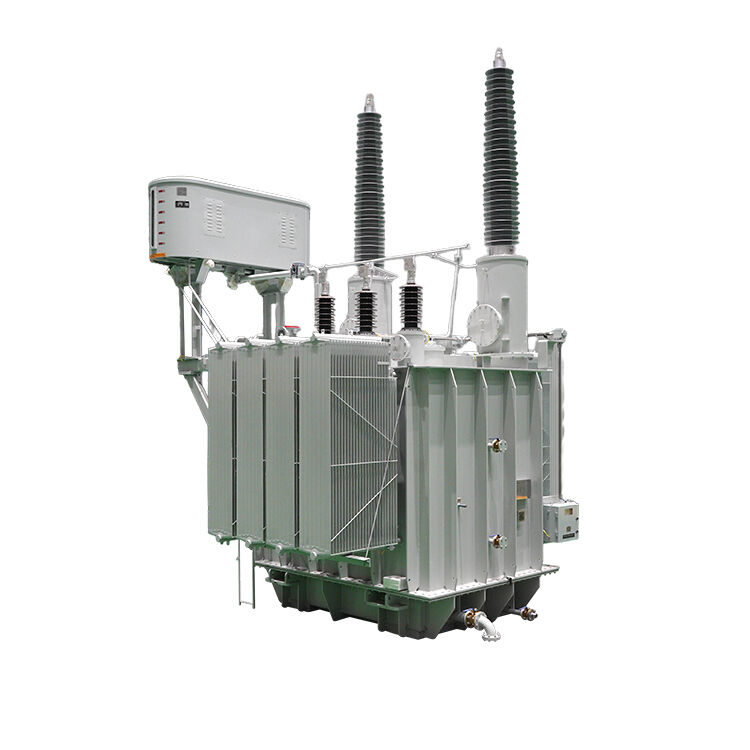
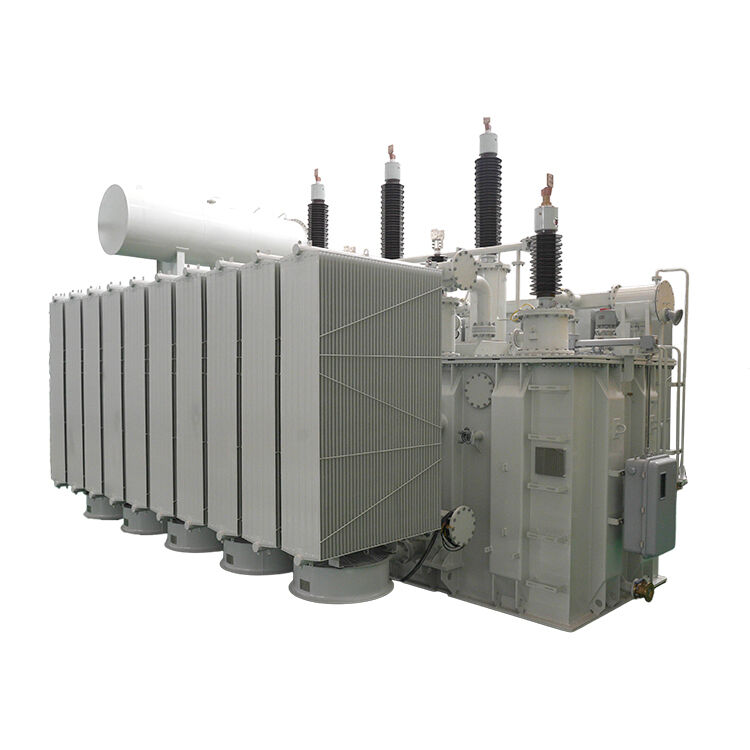
An industrial power supply transformer serves as a critical component in manufacturing and commercial facilities, converting electrical energy from one voltage level to another to meet specific operational requirements. These robust devices operate on the fundamental principle of electromagnetic induction, utilizing primary and secondary windings wrapped around a ferromagnetic core to efficiently transfer electrical power while maintaining isolation between input and output circuits. The industrial power supply transformer plays an essential role in stepping down high-voltage electrical supply to safer, more manageable levels suitable for equipment operation, or conversely, stepping up voltage when higher power levels are needed for specific industrial processes. Modern industrial power supply transformer units incorporate advanced materials and design methodologies to maximize efficiency, minimize energy losses, and ensure reliable performance under demanding operational conditions. These transformers feature enhanced cooling systems, superior insulation materials, and precision-engineered cores that deliver consistent performance across varying load conditions. The construction typically includes high-grade silicon steel laminations that reduce eddy current losses, while specialized winding techniques minimize copper losses and improve overall efficiency ratings. Industrial facilities depend on these transformers to provide stable, regulated power supply to critical equipment including motors, control systems, lighting networks, and automated machinery. The industrial power supply transformer must withstand harsh environmental conditions including temperature fluctuations, vibration, moisture, and electromagnetic interference while maintaining optimal performance standards. Quality units incorporate protection features such as thermal monitoring, overcurrent protection, and voltage regulation capabilities that safeguard both the transformer and connected equipment from potential damage. Installation flexibility represents another key characteristic, with various mounting configurations available to accommodate different space constraints and operational requirements within industrial environments.
 EN
EN