3 Phase Transformer Cost Guide: Pricing, Benefits & ROI Analysis 2024

Get a Free Quote

Our representative will contact you soon.
Email
WhatsApp/Mobile
Name
Company Name
Message
0/1000

3 phase transformer cost

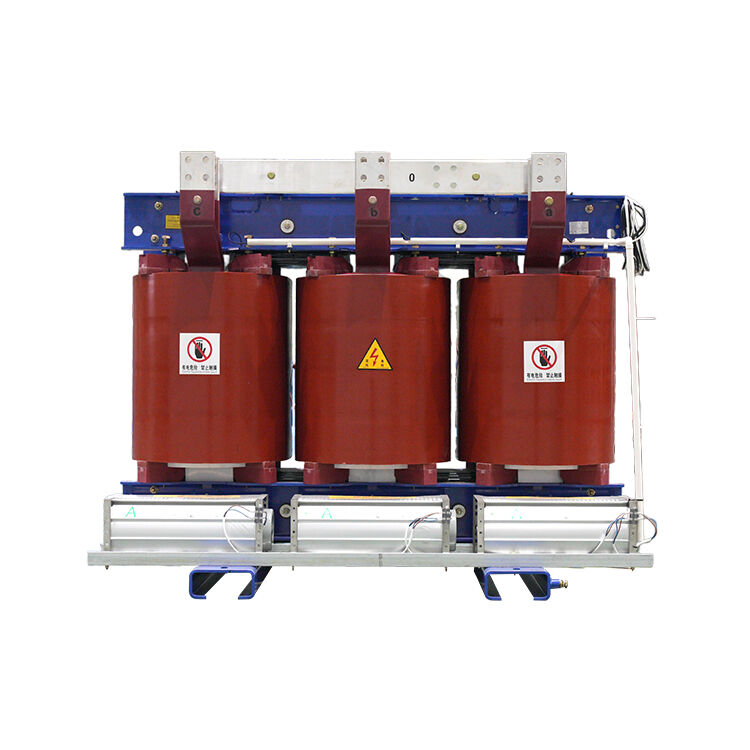
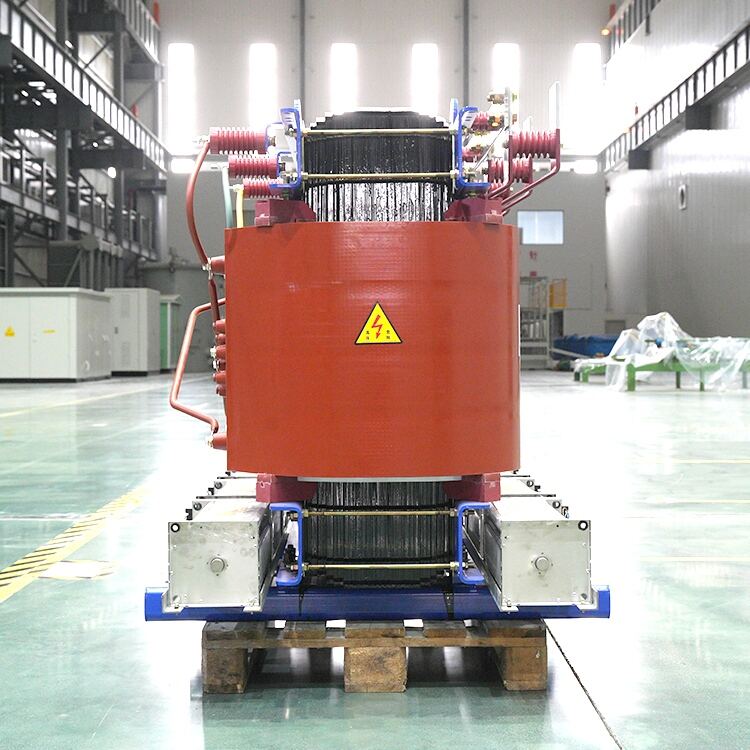
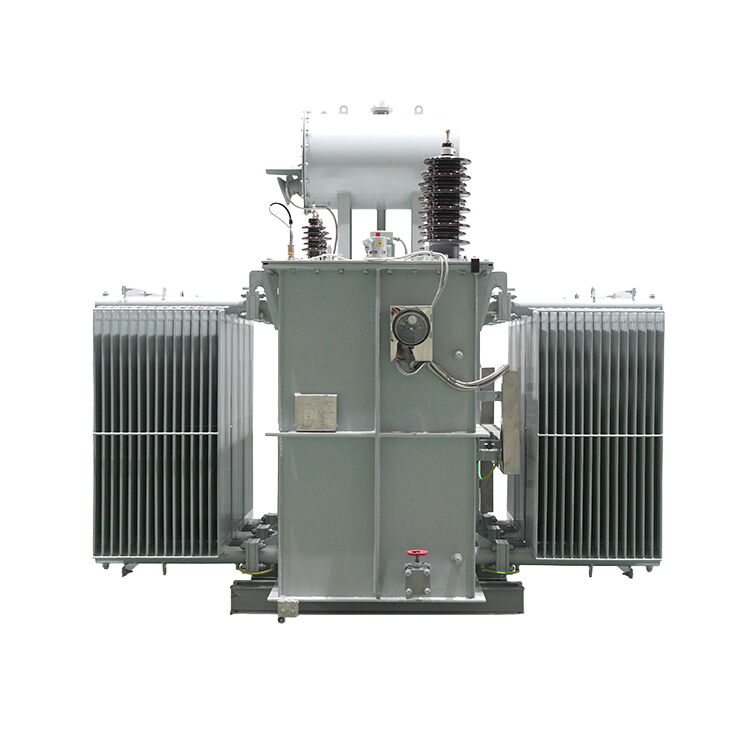
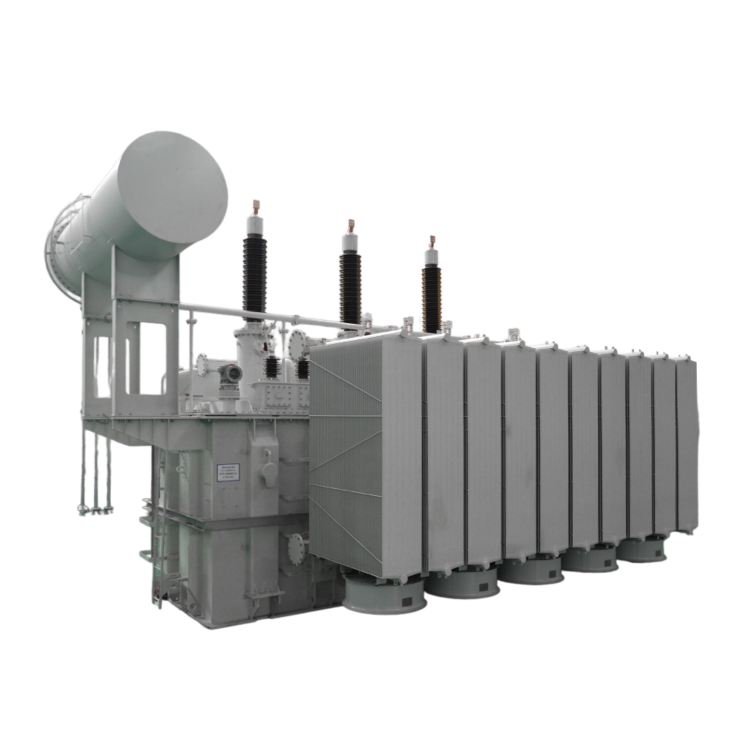
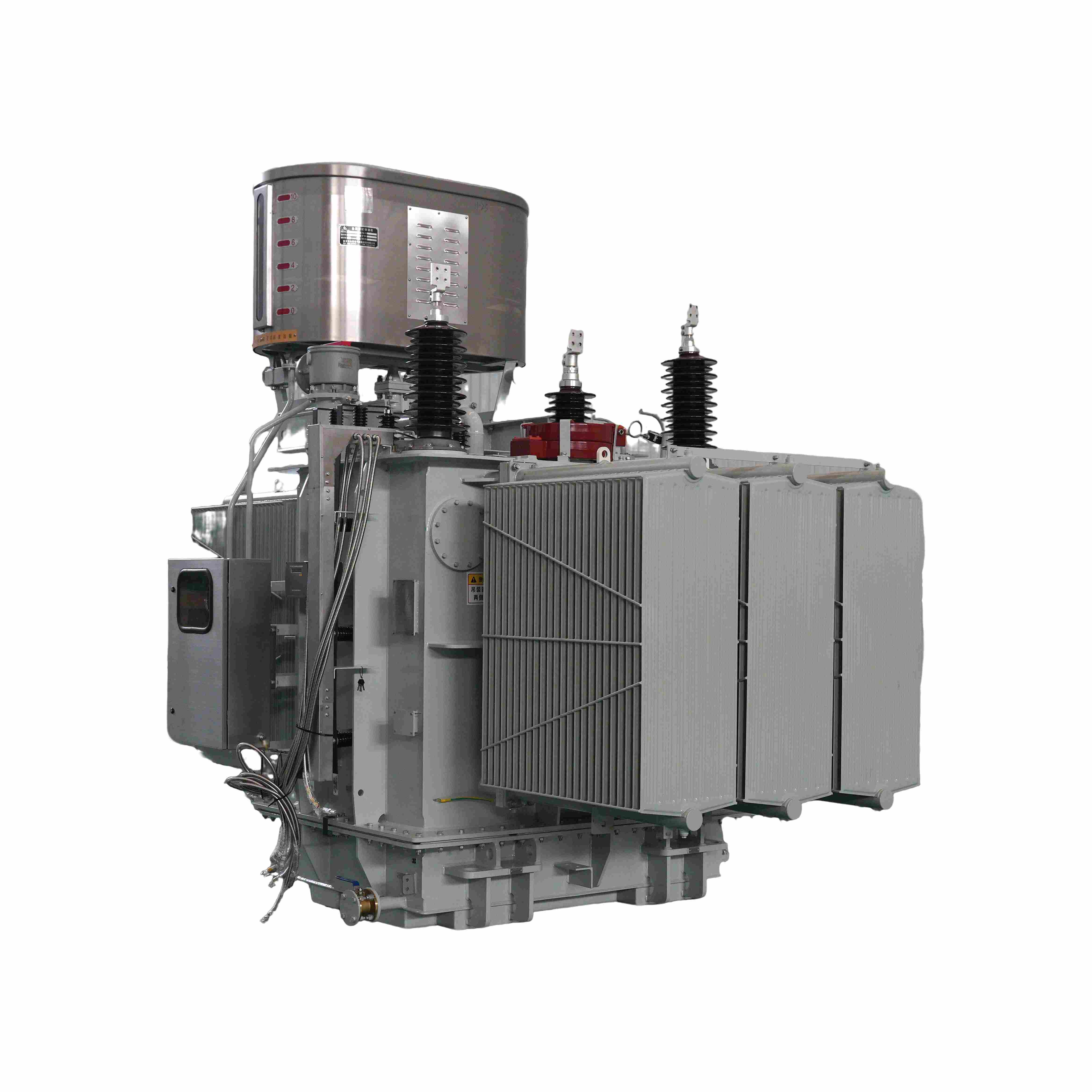
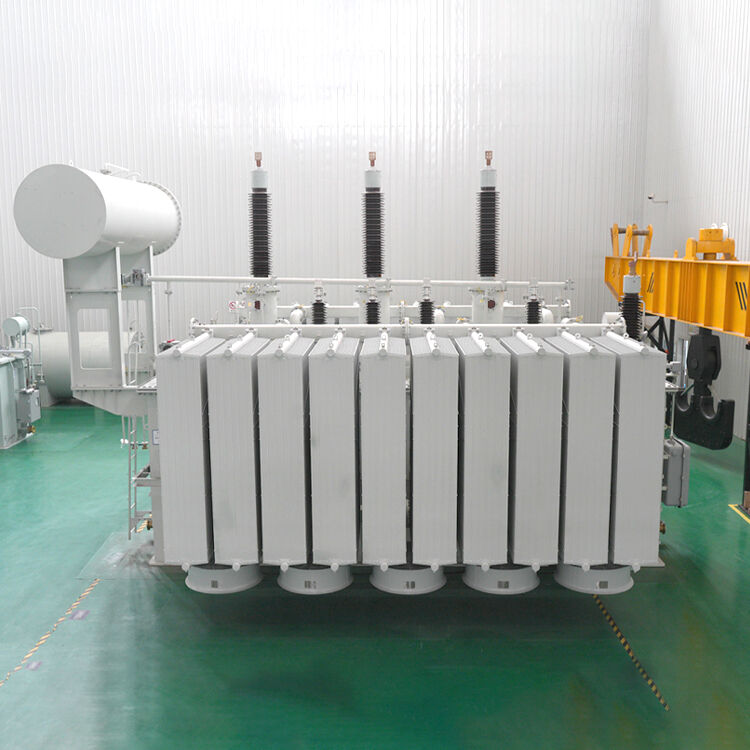
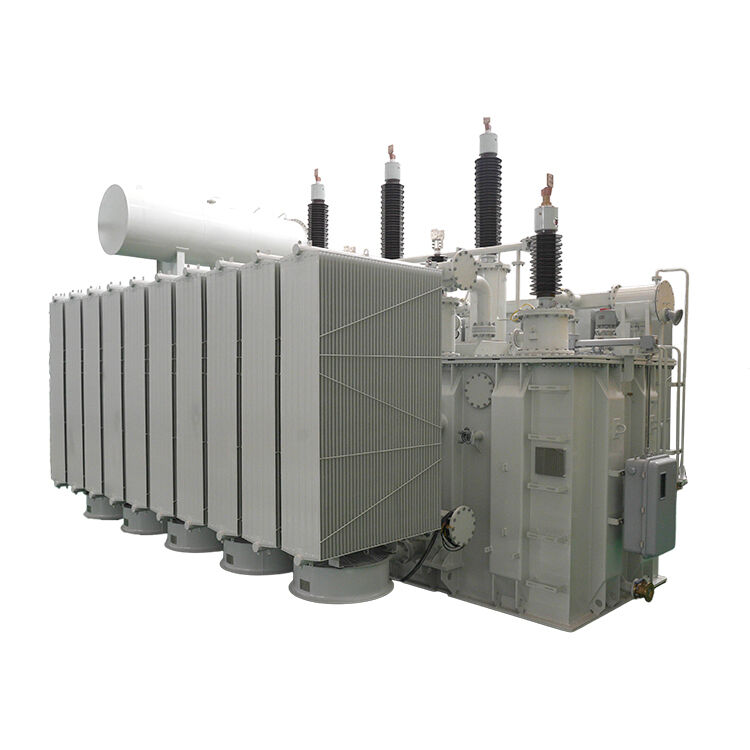
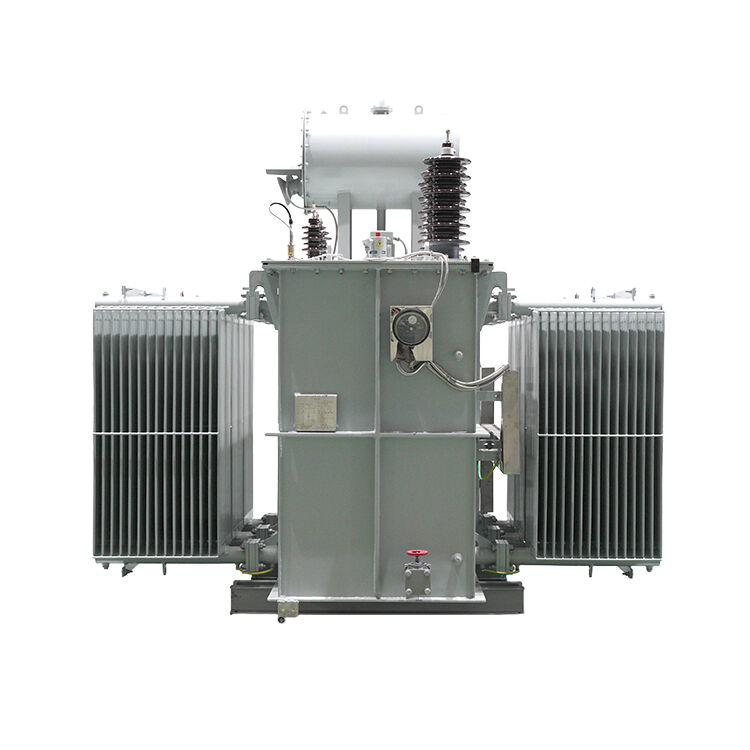
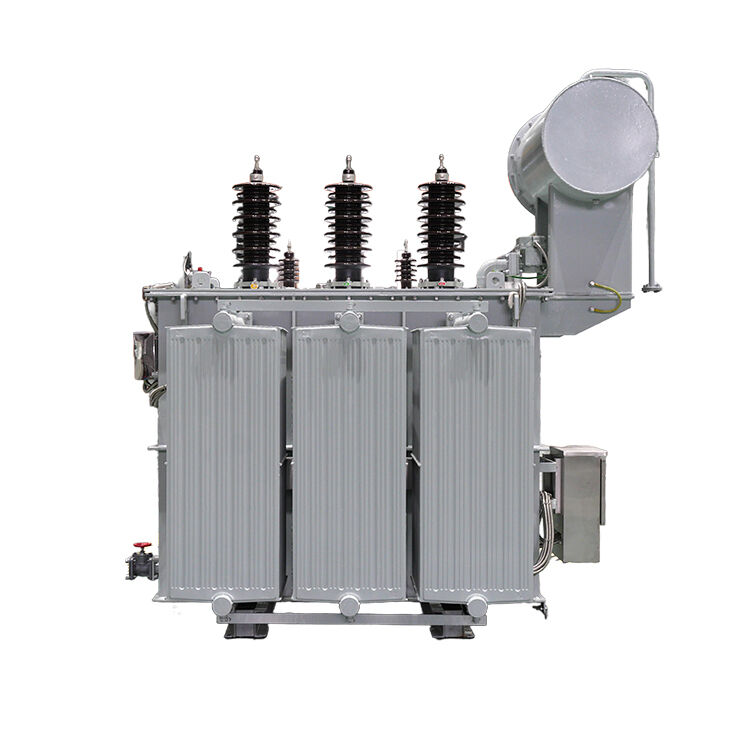
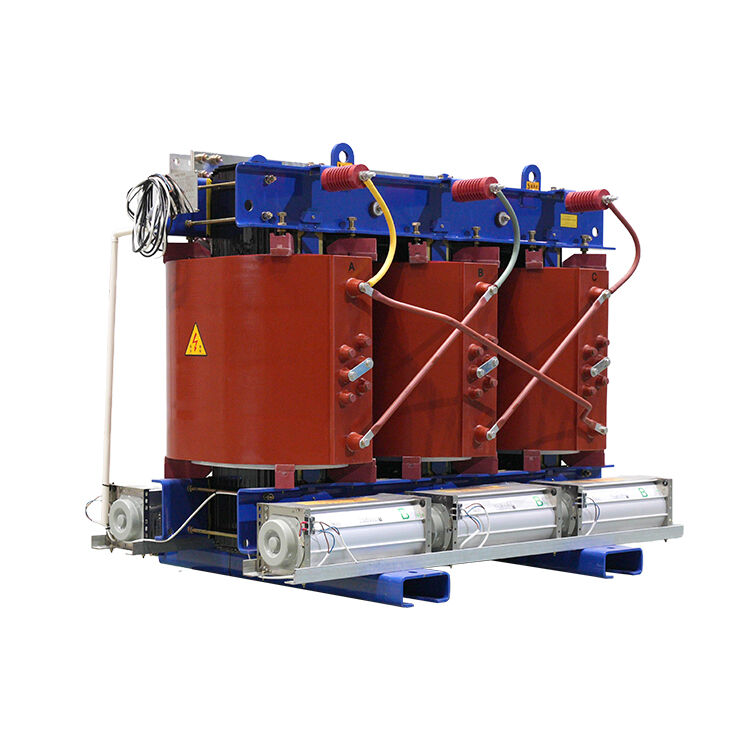
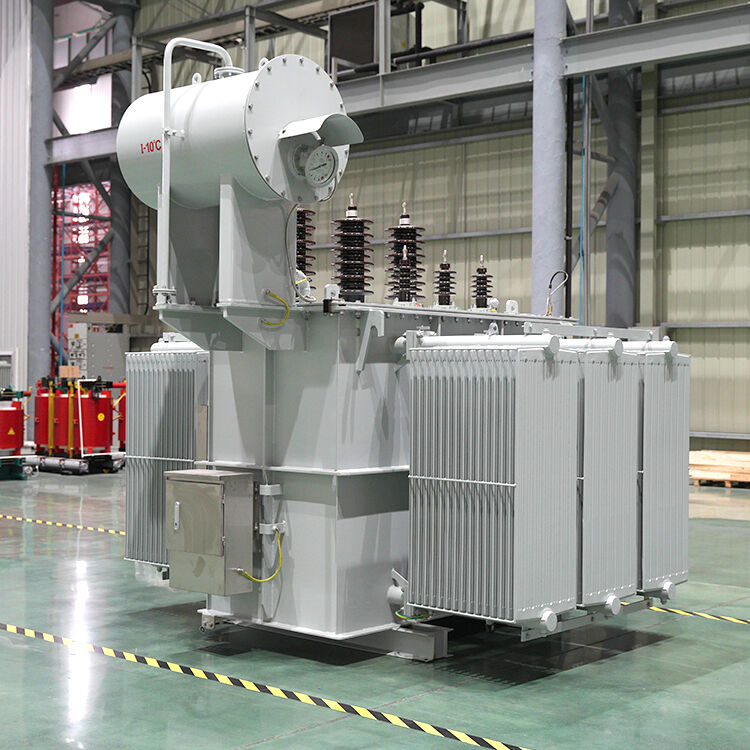
Three phase transformer cost analysis reveals a sophisticated electrical component that serves as the backbone of industrial power distribution systems. These transformers efficiently convert voltage levels between three-phase alternating current circuits, making them essential for commercial facilities, manufacturing plants, and utility networks. The 3 phase transformer cost typically reflects the unit's capacity, efficiency rating, and construction quality, with prices varying significantly based on power ratings from small 15 kVA units to massive utility-scale installations exceeding 1000 MVA. Main functions include voltage transformation, power distribution, electrical isolation, and load balancing across three-phase systems. The 3 phase transformer cost encompasses advanced technological features such as silicon steel core construction for minimal energy losses, precision-wound copper or aluminum windings for optimal conductivity, and sophisticated cooling systems including oil immersion or air cooling depending on capacity requirements. Modern units incorporate digital monitoring capabilities, temperature sensors, and protection systems that justify the 3 phase transformer cost through enhanced reliability and maintenance optimization. Applications span diverse industries including data centers requiring uninterrupted power supply, manufacturing facilities with heavy machinery loads, commercial buildings with complex electrical demands, and renewable energy installations where voltage conversion is critical. The 3 phase transformer cost consideration must account for long-term operational efficiency, as higher-quality units deliver superior energy conversion rates, reduced maintenance requirements, and extended service life spanning decades. Installation flexibility represents another crucial aspect, with options including pad-mounted outdoor units, indoor substations, and pole-mounted configurations. The 3 phase transformer cost investment provides substantial value through improved power quality, reduced electrical losses, and enhanced system reliability that minimizes costly downtime in critical applications.

New Product Recommendations

The advantages of three phase transformer cost optimization extend far beyond initial purchase considerations, delivering substantial long-term benefits for businesses seeking reliable power solutions. Energy efficiency represents the primary advantage, as quality three phase transformers achieve conversion rates exceeding 98 percent, dramatically reducing operational costs compared to single-phase alternatives. The 3 phase transformer cost investment pays dividends through lower electricity bills, as efficient units minimize power losses during voltage conversion processes. Reliability stands as another compelling advantage, with properly sized transformers operating continuously for 25-30 years with minimal maintenance requirements. This longevity makes the 3 phase transformer cost extremely competitive when calculated over the equipment's lifetime, often resulting in total ownership costs significantly lower than cheaper alternatives requiring frequent replacement. Power quality improvement represents a critical advantage that directly impacts connected equipment performance. Three phase transformers deliver balanced voltage across all phases, preventing motor overheating, reducing harmonic distortion, and extending the lifespan of sensitive electronic equipment. The 3 phase transformer cost justification becomes clear when considering avoided replacement costs for damaged equipment caused by poor power quality. Scalability advantages allow businesses to expand operations without complete electrical system overhauls. Modular transformer installations accommodate growing power demands, making the initial 3 phase transformer cost a strategic investment in future growth capacity. Safety advantages include electrical isolation between primary and secondary circuits, protecting personnel and equipment from dangerous voltage fluctuations. Advanced protection systems integrated into modern units prevent catastrophic failures, justifying the 3 phase transformer cost through reduced insurance premiums and liability exposure. Environmental advantages emerge through reduced carbon footprint, as efficient transformers consume less energy and incorporate recyclable materials. The 3 phase transformer cost consideration should include environmental compliance benefits, particularly for companies pursuing sustainability certifications. Maintenance advantages include simplified servicing procedures, standardized replacement parts availability, and predictive maintenance capabilities that prevent unexpected failures. Remote monitoring features allow proactive maintenance scheduling, optimizing the total 3 phase transformer cost through extended service intervals and reduced emergency repair expenses.

Latest News

What Is a Transformer and How Does It Improve Power System Efficiency?

02

Jan

What Is a Transformer and How Does It Improve Power System Efficiency?

A transformer represents one of the most critical components in modern electrical power systems, serving as the backbone for efficient energy transmission and distribution across vast networks. These electromagnetic devices enable the seamless conver...
View More
How Does a Transformer Work in High Voltage Power Transmission?

08

Jan

How Does a Transformer Work in High Voltage Power Transmission?

High voltage power transmission systems form the backbone of modern electrical grids, enabling electricity to travel efficiently across vast distances. At the heart of these complex networks lies the power transformer, a crucial piece of equipment th...
View More
How Do Transformers Support Grid Stability in Large-Scale Power Networks?

20

Jan

How Do Transformers Support Grid Stability in Large-Scale Power Networks?

Large-scale power networks form the backbone of modern electrical infrastructure, requiring sophisticated equipment to maintain stability and reliability across vast geographical areas. Power transformers play a crucial role in these complex systems ...
View More
What Should Utilities Consider When Selecting a Transformer Supplier?

26

Jan

What Should Utilities Consider When Selecting a Transformer Supplier?

Selecting the right supplier for power infrastructure represents one of the most critical decisions utility companies face in today's rapidly evolving energy landscape. The process of choosing a power transformer supplier requires careful evaluation ...
View More

Get a Free Quote

Our representative will contact you soon.
Email
WhatsApp/Mobile
Name
Company Name
Message
0/1000

3 phase transformer cost

Exceptional Energy Efficiency and Cost Savings

Exceptional Energy Efficiency and Cost Savings

The most compelling aspect of 3 phase transformer cost evaluation centers on exceptional energy efficiency that delivers measurable cost savings throughout the equipment's operational lifetime. Modern three phase transformers achieve remarkable efficiency ratings between 96-99 percent, meaning minimal energy loss during voltage conversion processes. This efficiency directly translates to reduced electricity consumption, making the 3 phase transformer cost investment highly attractive for energy-conscious businesses. The superior efficiency stems from advanced core materials utilizing high-grade silicon steel with optimized grain orientation, reducing eddy current losses and magnetic hysteresis. Precision manufacturing techniques ensure tight tolerances between core laminations, further minimizing energy waste. The 3 phase transformer cost reflects these quality materials and manufacturing processes, but the investment pays substantial dividends through lower monthly utility bills. Energy savings calculations demonstrate that a high-efficiency transformer can reduce annual electricity costs by thousands of dollars compared to standard efficiency units. Over a 25-year service life, these savings often exceed the initial 3 phase transformer cost difference between standard and premium efficiency models. The efficiency advantage becomes particularly pronounced in continuous operation applications where transformers operate 24/7, such as data centers, manufacturing facilities, and critical infrastructure installations. Load regulation capabilities maintain consistent output voltage despite input fluctuations, preventing energy waste from voltage instability. Advanced cooling systems optimize thermal management, maintaining peak efficiency even under heavy load conditions. The 3 phase transformer cost consideration must account for total lifecycle costs, including energy consumption, maintenance requirements, and replacement schedules. Premium efficiency transformers not only consume less energy but also generate less heat, reducing cooling system loads and further enhancing overall energy savings. Environmental benefits accompany financial advantages, as reduced energy consumption decreases carbon footprint and supports corporate sustainability initiatives. The 3 phase transformer cost investment in high-efficiency units often qualifies for utility rebates and tax incentives, further improving return on investment calculations.
Superior Reliability and Minimal Maintenance Requirements

Superior Reliability and Minimal Maintenance Requirements

The reliability advantage inherent in quality 3 phase transformer cost investments cannot be overstated, as these robust electrical devices provide decades of uninterrupted service with minimal maintenance interventions. Superior reliability stems from conservative design practices that operate transformers well below maximum capacity ratings, ensuring thermal and electrical stress levels remain within safe operating parameters throughout their service life. The 3 phase transformer cost reflects premium materials including high-temperature insulation systems, corrosion-resistant tank construction, and precision-manufactured components that withstand environmental challenges and operational stresses. Advanced monitoring systems integrated into modern transformers provide real-time diagnostics of critical parameters including winding temperatures, oil condition, moisture content, and dissolved gas analysis. These monitoring capabilities enable predictive maintenance strategies that identify potential issues before they develop into costly failures, maximizing the value of the 3 phase transformer cost investment. Reliability engineering principles guide transformer design, incorporating redundant protection systems, fault-tolerant cooling mechanisms, and robust electrical connections that maintain integrity under extreme operating conditions. The sealed tank construction prevents contamination ingress while maintaining optimal internal environment conditions. Oil-filled transformers benefit from superior heat dissipation characteristics and arc suppression properties that enhance reliability during fault conditions. The 3 phase transformer cost consideration should emphasize the substantial economic impact of avoided downtime, as transformer failures can halt production operations and result in significant revenue losses. Quality transformers typically operate for 25-30 years without major overhauls, making the initial 3 phase transformer cost highly competitive when amortized over the equipment's service life. Maintenance requirements remain minimal, typically consisting of periodic oil sampling, bushing inspection, and cooling system servicing. The predictable maintenance schedule allows for planned outages that minimize operational disruption. Spare parts availability for quality transformers ensures rapid restoration in the unlikely event of component failure. The 3 phase transformer cost investment in reliable equipment provides peace of mind and operational continuity that proves invaluable for critical applications where power interruption carries severe consequences.
Advanced Technology Integration and Future-Ready Design

Advanced Technology Integration and Future-Ready Design

The technological sophistication embedded in contemporary 3 phase transformer cost considerations reflects cutting-edge engineering advances that position these units as future-ready power solutions capable of adapting to evolving electrical grid requirements. Smart transformer technology integration represents a revolutionary advancement, incorporating digital monitoring, communication capabilities, and autonomous control functions that optimize performance while providing unprecedented operational visibility. The 3 phase transformer cost investment includes sophisticated sensor arrays that continuously monitor critical parameters including temperature gradients, vibration signatures, partial discharge activity, and oil condition indicators. This real-time data collection enables advanced analytics and machine learning algorithms to predict maintenance requirements, optimize load distribution, and prevent catastrophic failures. Digital communication protocols allow seamless integration with building management systems, SCADA networks, and smart grid infrastructure, making the 3 phase transformer cost a strategic investment in connected facility management. Advanced cooling system technologies incorporate variable-speed fans, intelligent temperature control, and adaptive cooling strategies that optimize efficiency while extending equipment life. The 3 phase transformer cost reflects innovative insulation materials including aramid paper, thermally upgraded kraft paper, and synthetic ester fluids that provide superior thermal performance and environmental compatibility. Modular design concepts enable field upgrades and capacity expansion without complete transformer replacement, protecting the initial 3 phase transformer cost investment while accommodating future growth requirements. Renewable energy integration capabilities position these transformers for grid-tied solar installations, wind energy systems, and energy storage applications that require bi-directional power flow management. The 3 phase transformer cost consideration should account for cybersecurity features that protect against digital threats while maintaining operational integrity in connected environments. Environmental compliance features address regulatory requirements for noise reduction, oil containment, and recyclability at end of service life. Remote monitoring capabilities enable off-site diagnostics and troubleshooting, reducing on-site service requirements and minimizing operational interruptions. The 3 phase transformer cost investment in advanced technology provides competitive advantages through improved efficiency, enhanced reliability, and reduced total ownership costs that justify the premium pricing of sophisticated units.

Get a Free Quote

Our representative will contact you soon.
Email
WhatsApp/Mobile
Name
Company Name
Message
0/1000