Single Three Phase Transformer: Advanced Power Solutions for Efficient Electrical Distribution

Get a Free Quote

Our representative will contact you soon.
Email
WhatsApp/Mobile
Name
Company Name
Message
0/1000

single three phase transformer

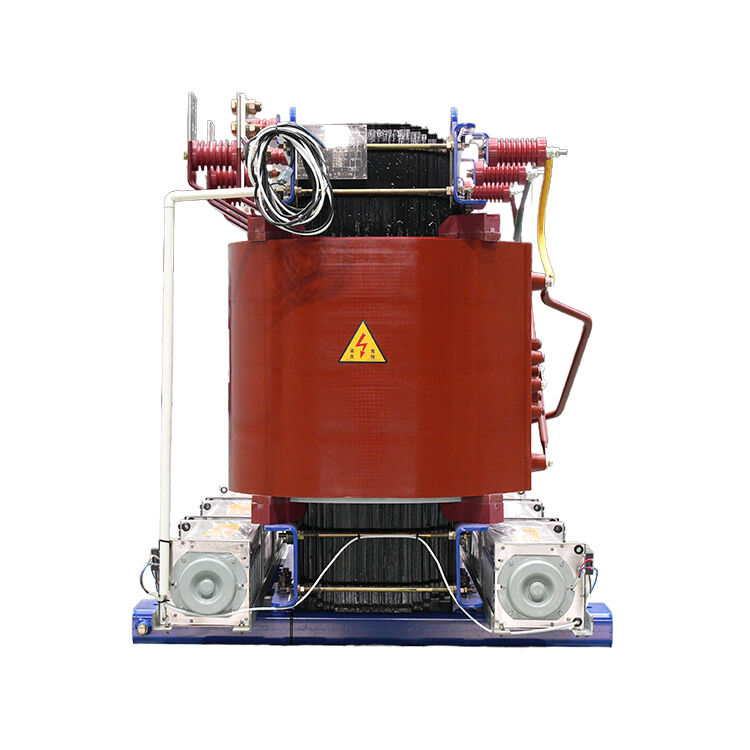
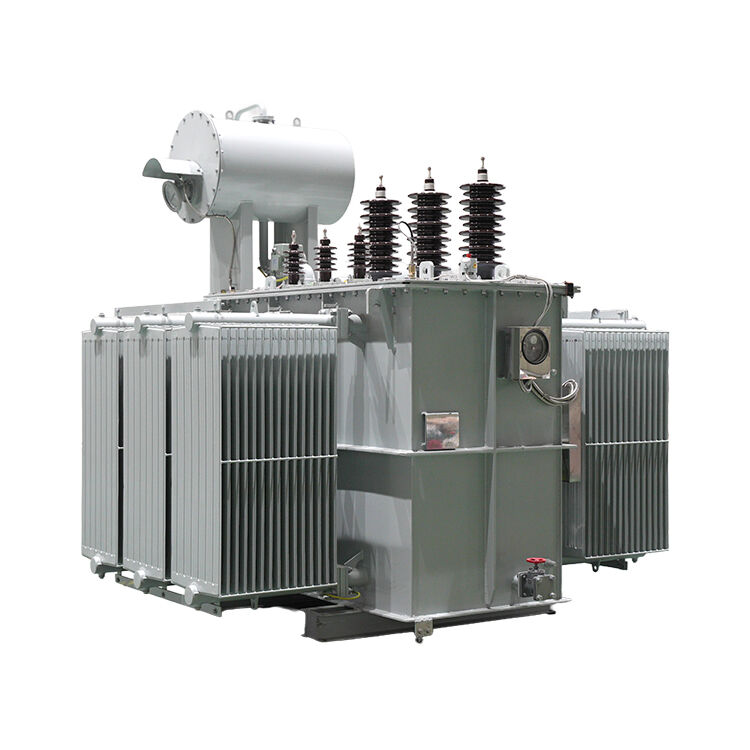
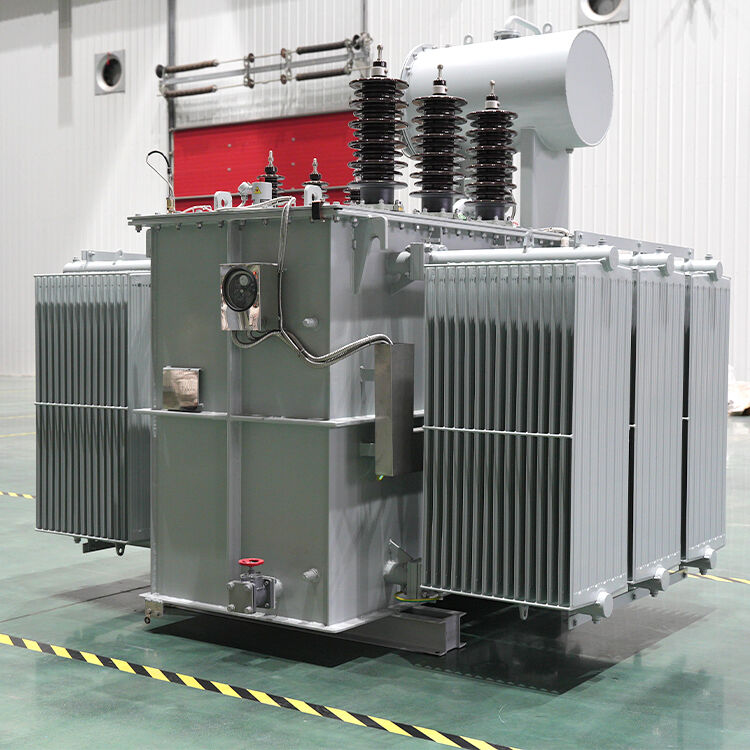
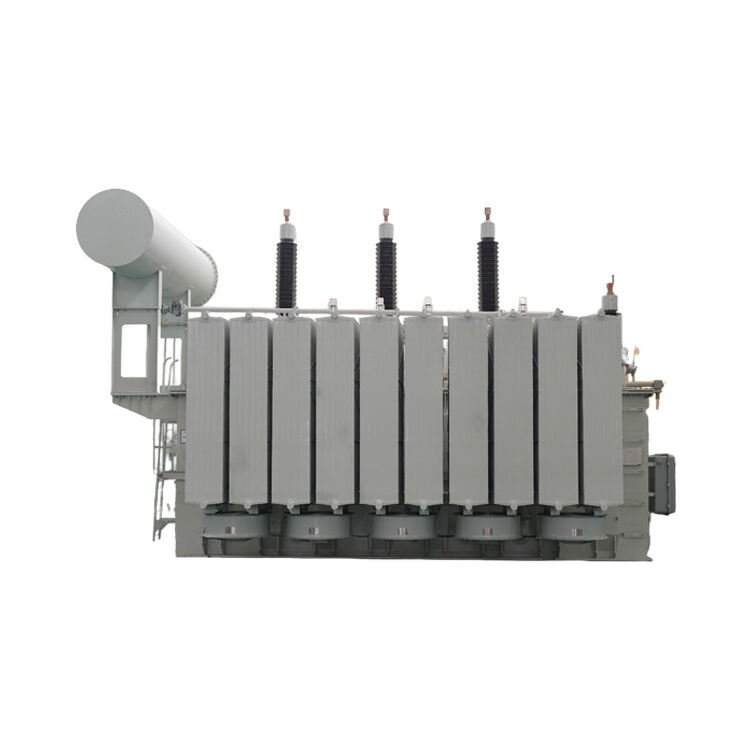
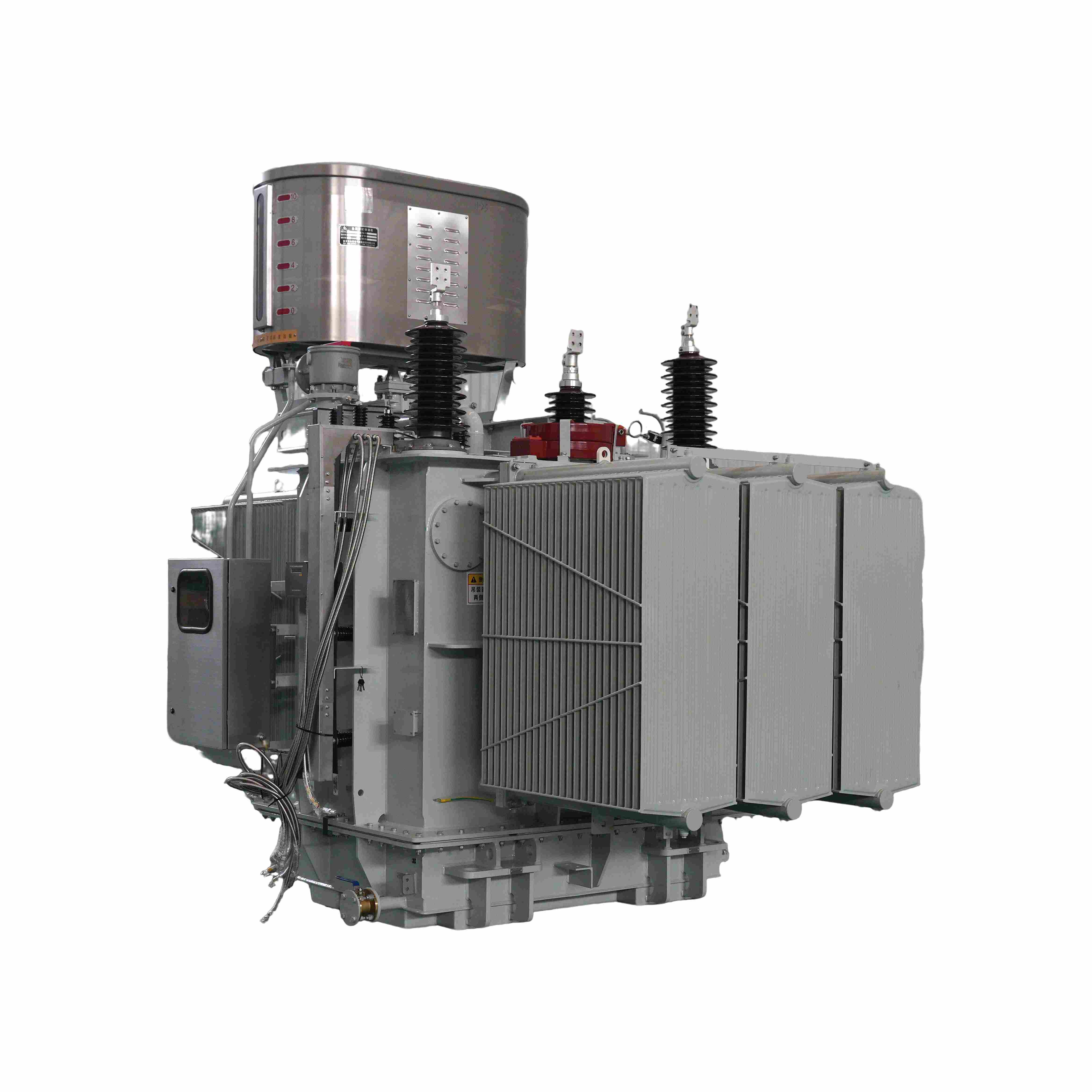
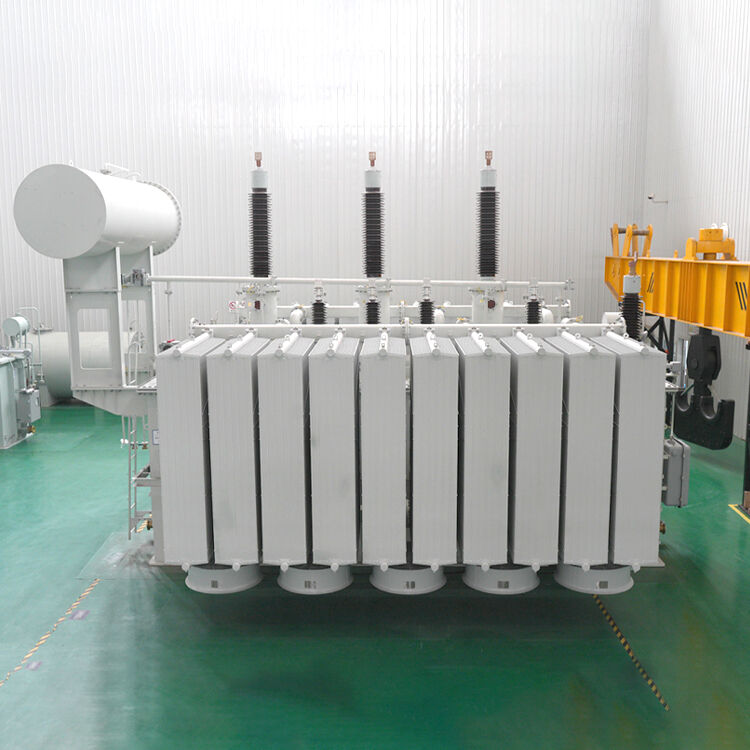
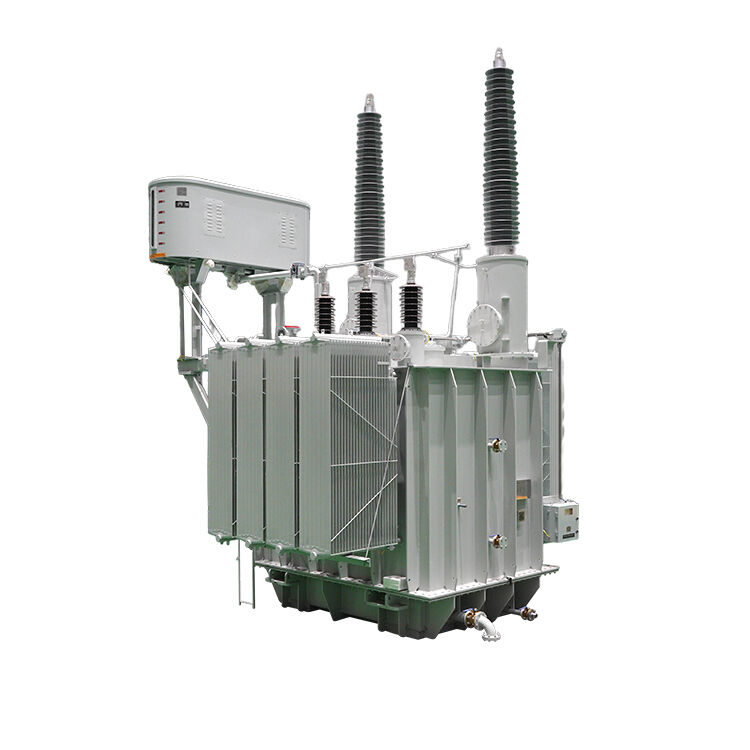
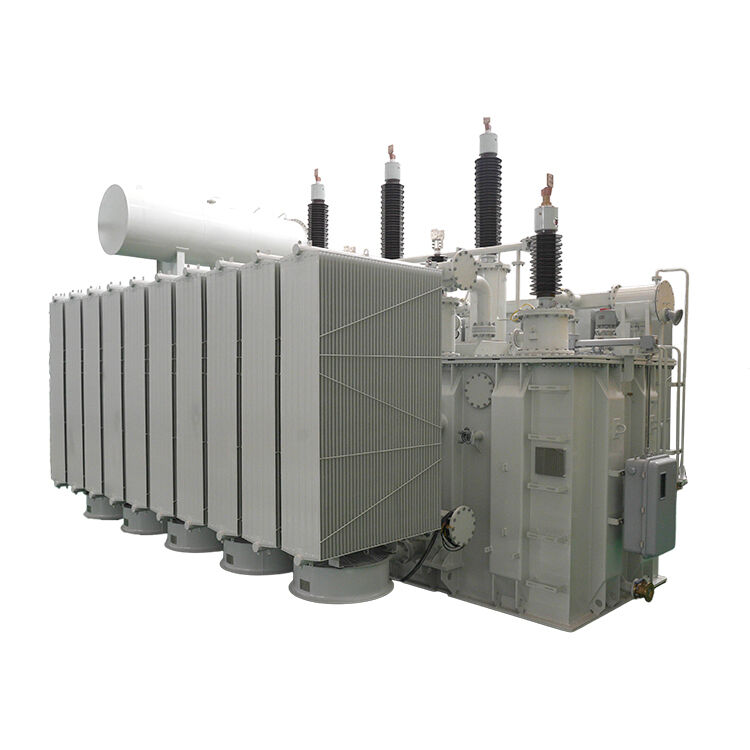
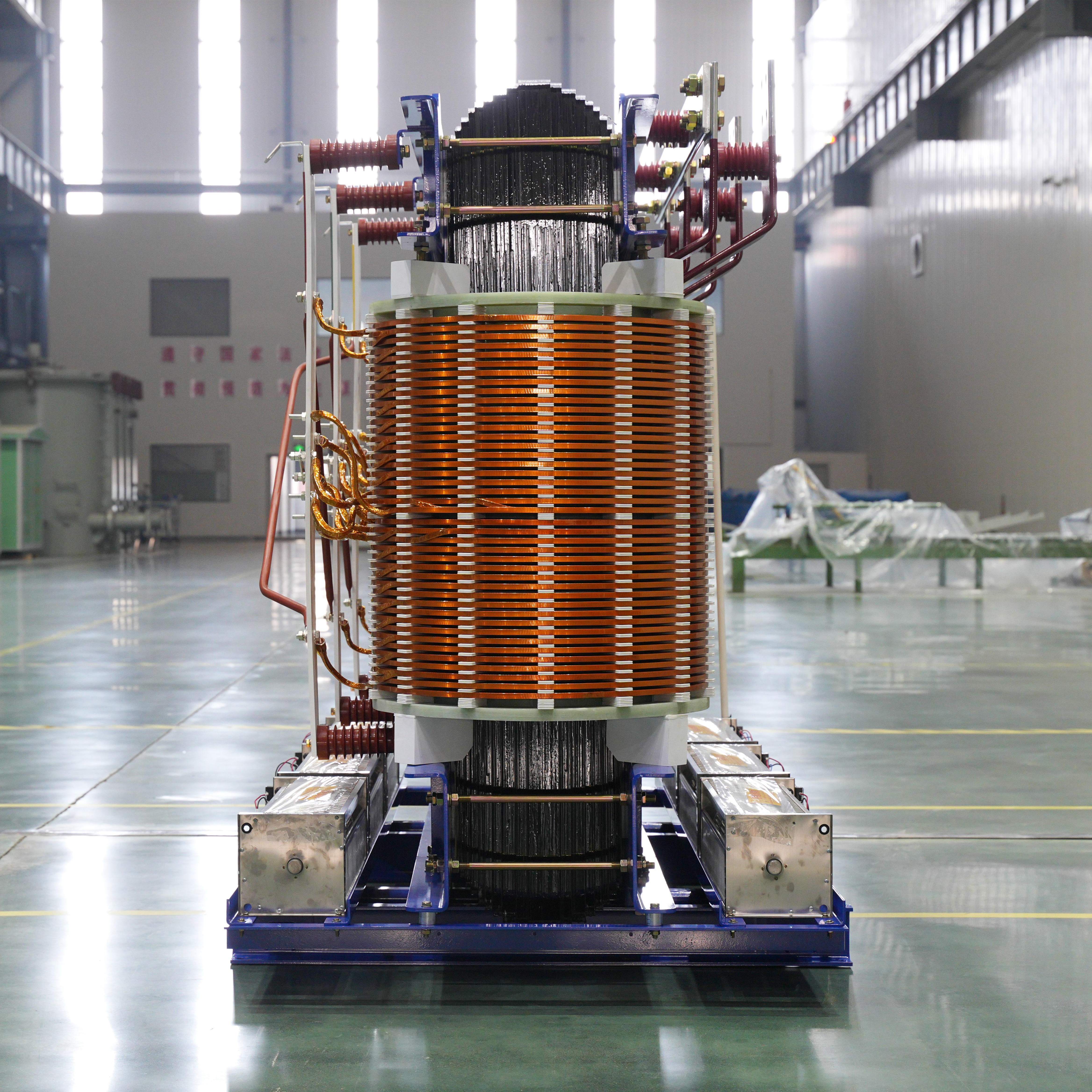
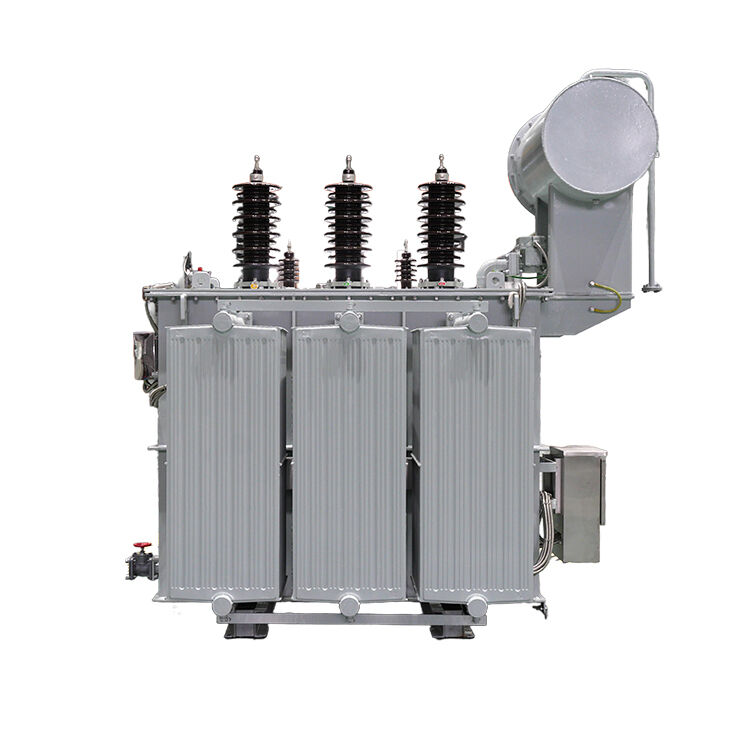
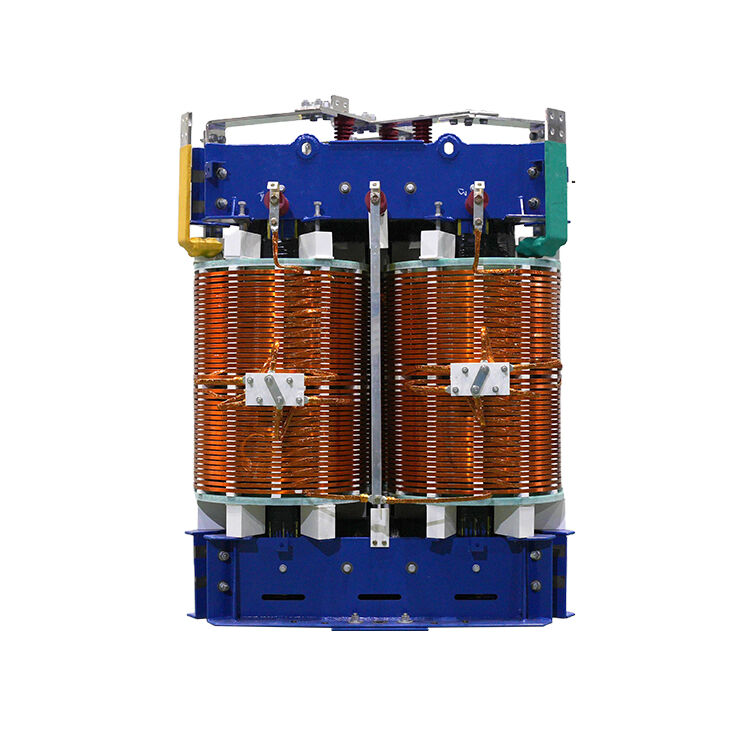
The single three phase transformer represents a revolutionary approach to electrical power distribution, combining three individual transformer phases into one unified unit. This sophisticated electrical device serves as the backbone of modern power systems, efficiently converting voltage levels while maintaining the three-phase power configuration essential for industrial and commercial applications. Unlike traditional three separate single-phase transformers, the single three phase transformer integrates all phases within a single core structure, creating a more compact and efficient solution for power distribution networks. The primary function of a single three phase transformer involves stepping voltage up or down while preserving the phase relationships critical for balanced power delivery. This electrical equipment operates on electromagnetic induction principles, utilizing primary and secondary windings arranged around a common magnetic core. The core construction typically employs high-grade silicon steel laminations that minimize energy losses and enhance magnetic flux distribution across all three phases simultaneously. Advanced insulation systems protect the windings from electrical stress while ensuring reliable operation under varying load conditions. The technological features of the single three phase transformer include delta and wye winding configurations, which provide flexibility in voltage transformation ratios and grounding options. Modern units incorporate temperature monitoring systems, tap changers for voltage regulation, and protective relaying interfaces that enhance operational safety and system reliability. The cooling systems range from natural air circulation to forced oil circulation with radiators, depending on power ratings and installation requirements. Applications for the single three phase transformer span numerous sectors including manufacturing facilities, commercial buildings, utility substations, and renewable energy installations. Power generation plants rely on these transformers for efficient voltage stepping between generation levels and transmission systems. Distribution networks utilize them for reducing high transmission voltages to usable levels for end consumers. Industrial facilities depend on single three phase transformer units to match equipment voltage requirements with available supply voltages, ensuring optimal performance and energy efficiency across diverse operational environments.

New Product Recommendations

The single three phase transformer delivers exceptional cost-effectiveness compared to installing three separate single-phase units. This integrated design reduces initial equipment costs, installation expenses, and ongoing maintenance requirements significantly. Manufacturing economies of scale allow producers to build these units more efficiently, passing savings directly to customers through lower purchase prices. Installation costs decrease substantially because technicians need to position, connect, and commission only one unit instead of three separate transformers. This streamlined installation process reduces labor hours and minimizes project completion timeframes. Space efficiency represents another major advantage of the single three phase transformer design. The unified construction requires approximately sixty percent less installation space than three individual units, making it ideal for locations with limited real estate availability. Urban substations, industrial facilities, and commercial buildings benefit tremendously from this compact footprint, allowing more efficient facility layouts and reduced infrastructure costs. The smaller footprint also simplifies foundation requirements and reduces civil construction expenses associated with transformer installations. Enhanced reliability stands out as a crucial benefit of the single three phase transformer configuration. The integrated design eliminates multiple connection points that could become failure sources, reducing overall system vulnerability. Shared magnetic circuits provide natural load balancing between phases, improving voltage regulation and reducing harmonic distortion throughout the electrical system. This balanced operation extends equipment lifespan and reduces maintenance interventions required over the transformer's operational life. Energy efficiency improvements achieved through the single three phase transformer design translate directly into reduced operating costs. The shared core construction minimizes magnetic losses compared to separate units, while optimized winding arrangements reduce resistive losses. These efficiency gains compound over years of operation, creating substantial energy cost savings that offset initial equipment investments. Environmental benefits accompany the improved efficiency, as reduced energy consumption decreases carbon footprint and supports sustainability initiatives. Maintenance advantages include simplified inspection procedures, consolidated spare parts inventory, and reduced testing requirements. Technicians can perform comprehensive diagnostics on one unit rather than managing three separate transformers, streamlining maintenance schedules and reducing associated labor costs. The unified design also enables more sophisticated monitoring systems that provide comprehensive operational data from a single interface, enhancing predictive maintenance capabilities and extending service life through optimized care.

Latest News

What Is a Transformer and How Does It Improve Power System Efficiency?

02

Jan

What Is a Transformer and How Does It Improve Power System Efficiency?

A transformer represents one of the most critical components in modern electrical power systems, serving as the backbone for efficient energy transmission and distribution across vast networks. These electromagnetic devices enable the seamless conver...
View More
How Does a Transformer Work in High Voltage Power Transmission?

08

Jan

How Does a Transformer Work in High Voltage Power Transmission?

High voltage power transmission systems form the backbone of modern electrical grids, enabling electricity to travel efficiently across vast distances. At the heart of these complex networks lies the power transformer, a crucial piece of equipment th...
View More
Why Are Transformers Critical for Industrial Power Distribution Systems?

14

Jan

Why Are Transformers Critical for Industrial Power Distribution Systems?

Industrial power distribution systems form the backbone of modern manufacturing, commercial facilities, and critical infrastructure operations. At the heart of these complex networks lies a fundamental component that ensures safe, efficient, and reli...
View More
How Do Transformers Support Grid Stability in Large-Scale Power Networks?

20

Jan

How Do Transformers Support Grid Stability in Large-Scale Power Networks?

Large-scale power networks form the backbone of modern electrical infrastructure, requiring sophisticated equipment to maintain stability and reliability across vast geographical areas. Power transformers play a crucial role in these complex systems ...
View More

Get a Free Quote

Our representative will contact you soon.
Email
WhatsApp/Mobile
Name
Company Name
Message
0/1000

single three phase transformer

Superior Space Utilization and Installation Flexibility

Superior Space Utilization and Installation Flexibility

The single three phase transformer excels in space optimization, delivering unmatched installation flexibility that addresses modern infrastructure challenges. This innovative design consolidates three-phase power transformation into a remarkably compact unit, requiring substantially less physical space than conventional multiple transformer arrangements. The space-saving benefits extend beyond mere footprint reduction, encompassing comprehensive facility planning advantages that optimize entire electrical installations. Urban environments particularly benefit from this compact design, where real estate costs make every square foot valuable. The reduced footprint allows facility designers to maximize usable space while maintaining essential electrical infrastructure requirements. Commercial buildings can dedicate more area to revenue-generating activities rather than electrical equipment housing, directly impacting profitability and operational efficiency. The single three phase transformer enables creative facility layouts that were previously impossible with bulkier equipment configurations. Installation flexibility reaches new levels with the unified transformer design, as the single unit adapts to various mounting configurations and environmental conditions. Whether installed indoors, outdoors, on concrete pads, or specialized mounting structures, the single three phase transformer accommodates diverse installation requirements without compromising performance or safety standards. This adaptability reduces site preparation costs and accelerates project timelines, as contractors avoid complex coordination required for multiple unit installations. The streamlined installation process minimizes disruption to existing operations, particularly important for retrofit projects in active facilities. Engineering teams appreciate the simplified cable routing and connection requirements that accompany single unit installations. Reduced cable runs lower material costs while simplifying maintenance access and future modifications. The consolidated connection points enhance system reliability by eliminating potential failure modes associated with multiple interconnections. Foundation requirements become significantly simpler with single three phase transformer installations, as engineers design for one concentrated load rather than distributing support across multiple locations. This foundation simplification reduces construction costs and accelerates project completion schedules. Seismic considerations also benefit from the unified design, as single point mounting systems typically demonstrate superior earthquake resistance compared to multiple interconnected units that can experience differential movement during seismic events.
Advanced Efficiency and Performance Optimization

Advanced Efficiency and Performance Optimization

The single three phase transformer incorporates cutting-edge efficiency technologies that deliver superior performance while minimizing operational costs throughout its service life. Advanced core materials and construction techniques optimize magnetic flux distribution across all three phases simultaneously, reducing core losses that traditionally waste energy and generate unwanted heat. High-grade silicon steel laminations with precision manufacturing tolerances ensure minimal eddy current losses while maintaining excellent magnetic properties under varying load conditions. The shared magnetic circuit design inherent in the single three phase transformer creates natural load balancing between phases, automatically compensating for uneven loads and maintaining system stability. This automatic balancing capability reduces voltage fluctuations and minimizes harmonic distortion throughout the electrical system, protecting sensitive equipment and improving overall power quality. Enhanced power quality translates directly into reduced maintenance costs for connected equipment and improved operational reliability across entire facilities. Modern winding techniques employed in single three phase transformer construction optimize conductor utilization while minimizing resistive losses. Advanced insulation systems allow closer winding spacing without compromising electrical safety, reducing overall transformer size while maintaining or improving electrical performance. These design optimizations result in efficiency ratings that consistently exceed industry standards, delivering measurable energy savings throughout the transformer's operational lifespan. Temperature management systems integrated into single three phase transformer designs maintain optimal operating conditions that preserve efficiency and extend equipment life. Sophisticated cooling systems, ranging from natural convection to forced circulation designs, ensure consistent performance under varying load conditions while preventing harmful overheating. Advanced temperature monitoring provides real-time operational data that enables predictive maintenance strategies, reducing unexpected failures and optimizing maintenance scheduling. The efficiency improvements achieved through single three phase transformer technology compound over time, creating substantial cost savings that justify initial equipment investments. Energy savings accumulate continuously throughout the transformer's service life, often exceeding twenty to thirty years of operation. These long-term savings, combined with reduced maintenance costs and improved reliability, create compelling economic benefits that make the single three phase transformer an intelligent investment for forward-thinking organizations committed to operational excellence and environmental responsibility.
Comprehensive Cost Reduction and Economic Benefits

Comprehensive Cost Reduction and Economic Benefits

The single three phase transformer delivers exceptional economic value through comprehensive cost reductions spanning initial procurement, installation, operation, and maintenance phases of ownership. Initial equipment costs benefit from manufacturing efficiencies that consolidate three-phase functionality into a single optimized unit, eliminating redundant components and reducing material requirements compared to separate transformer installations. Volume production advantages allow manufacturers to achieve economies of scale that translate into competitive pricing for customers seeking cost-effective power transformation solutions. Installation cost reductions represent immediate and tangible benefits of choosing the single three phase transformer configuration. Contractors complete installations faster with fewer crew hours required, as they handle one transformer unit instead of coordinating multiple installations with complex interconnections. Reduced installation complexity minimizes project risks and accelerates commissioning schedules, allowing facilities to achieve operational status sooner. The simplified installation process also reduces potential error sources that could cause delays or require expensive corrections during construction phases. Long-term operational savings accumulate through superior efficiency characteristics of the single three phase transformer design. Reduced energy losses translate into lower electricity bills throughout the transformer's service life, creating ongoing cost benefits that compound annually. The improved efficiency also reduces heat generation, decreasing cooling requirements in indoor installations and potentially reducing HVAC operational costs. These operational savings continue for decades, often exceeding the initial equipment cost over the transformer's expected lifespan. Maintenance cost advantages stem from the consolidated design that simplifies inspection procedures, reduces spare parts inventory requirements, and streamlines testing protocols. Maintenance technicians focus their expertise on one comprehensive unit rather than managing multiple separate transformers with individual maintenance schedules. This consolidation reduces maintenance labor costs while improving maintenance quality through focused attention on single system components. Predictive maintenance programs become more effective with unified monitoring systems that provide comprehensive operational data from integrated sensors and monitoring equipment. The economic benefits extend to facility planning and future expansion considerations, as the single three phase transformer provides flexibility for load growth and system modifications. The compact design reserves space for future equipment additions while the robust construction accommodates load increases within rated capacity. This future-proofing capability protects infrastructure investments and reduces costs associated with premature equipment replacement or extensive facility modifications required to accommodate growing electrical demands in expanding operations.

Get a Free Quote

Our representative will contact you soon.
Email
WhatsApp/Mobile
Name
Company Name
Message
0/1000