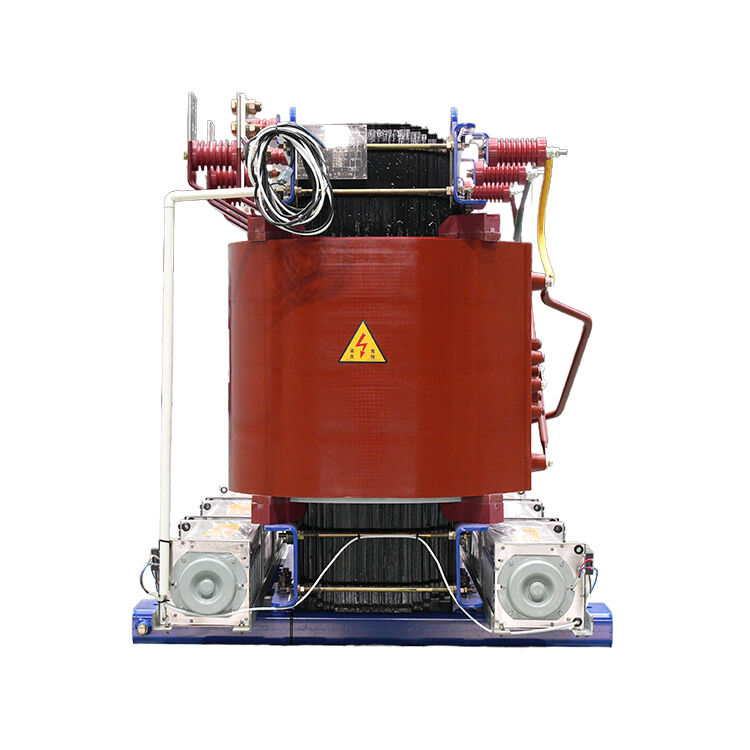
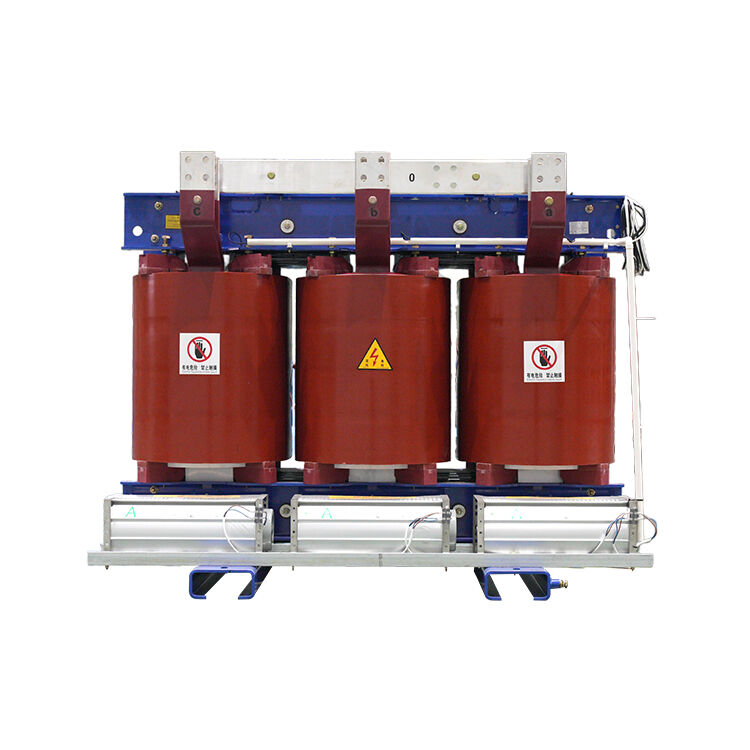
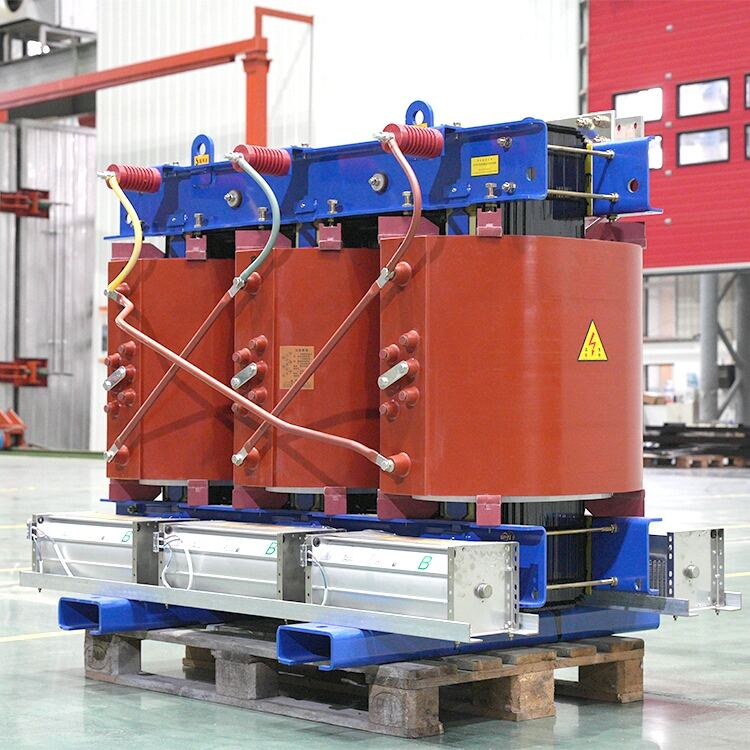
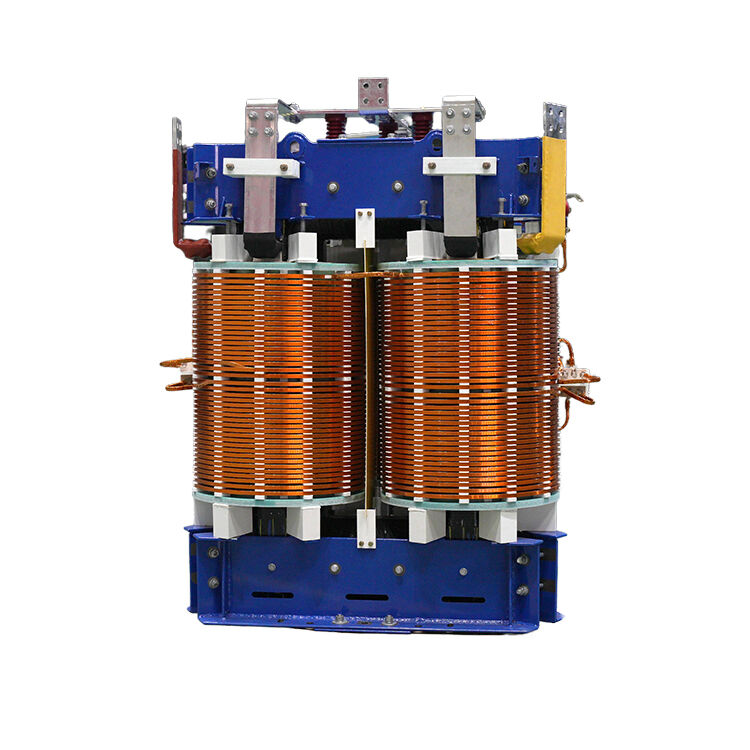
Small 3 Phase Transformer: Compact, Efficient Power Solutions for Commercial & Industrial Applications

Get a Free Quote

Our representative will contact you soon.
Email
WhatsApp/Mobile
Name
Company Name
Message
0/1000

small 3 phase transformer

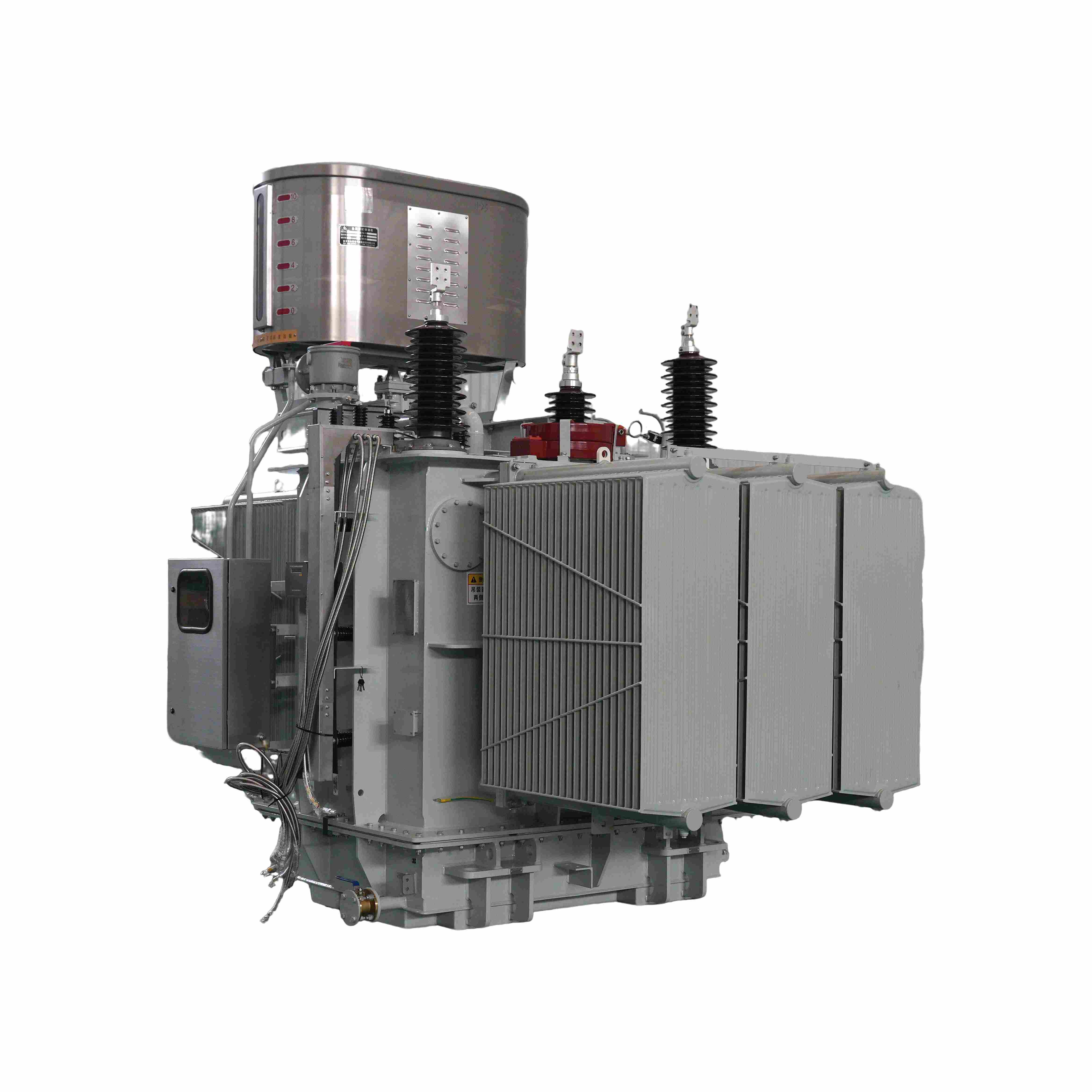
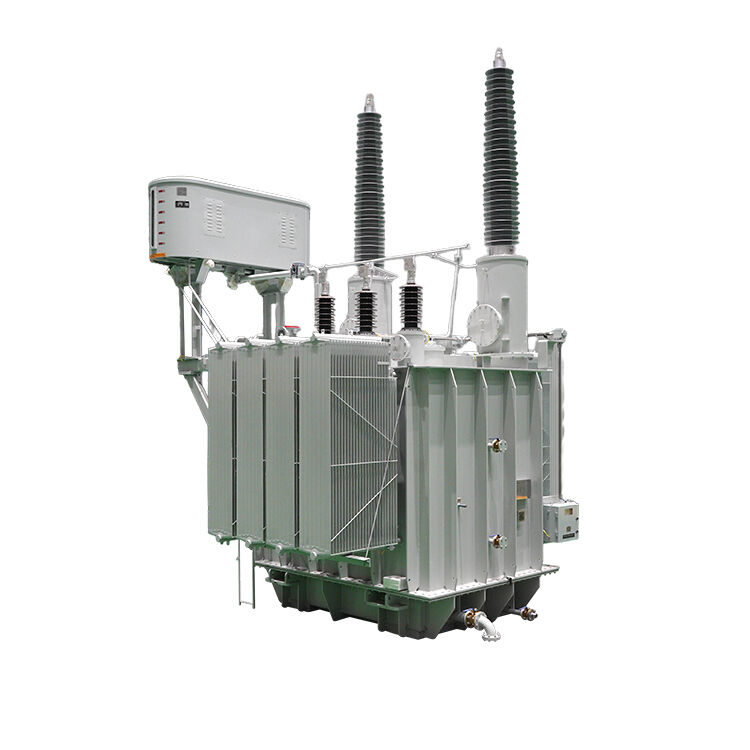
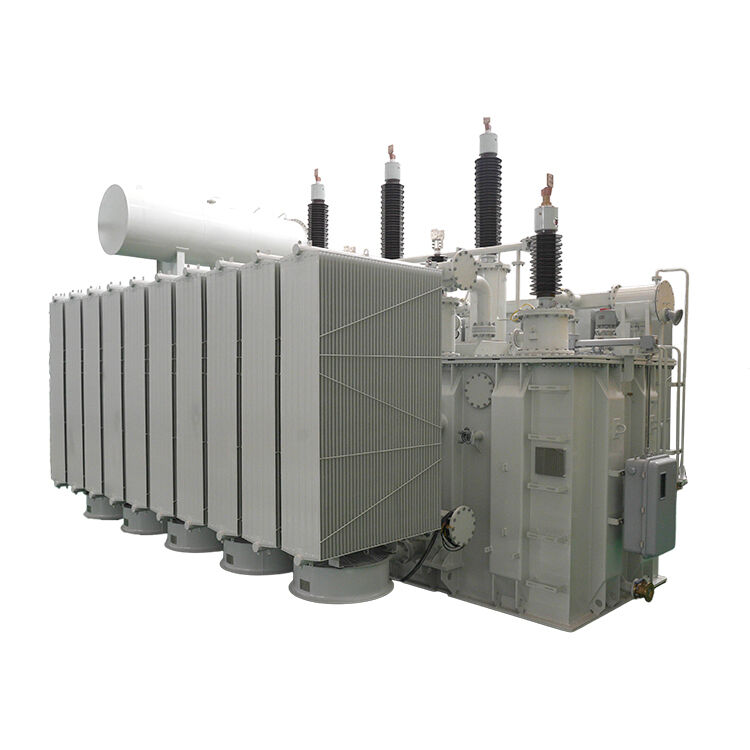
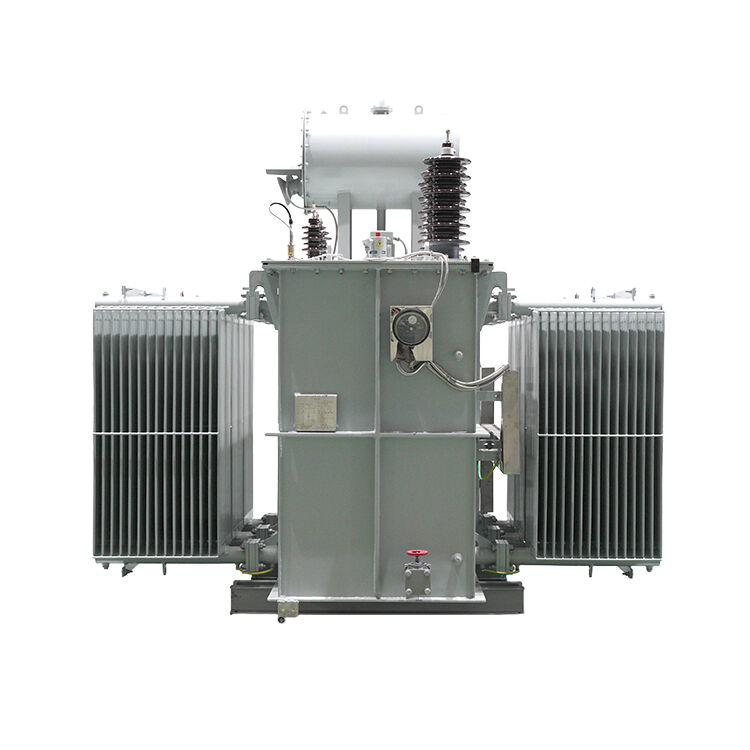
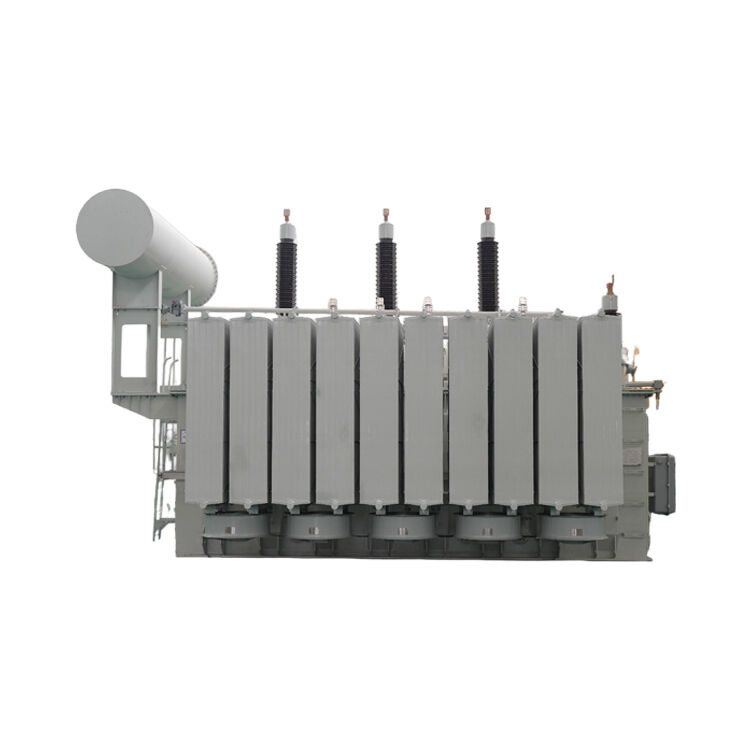
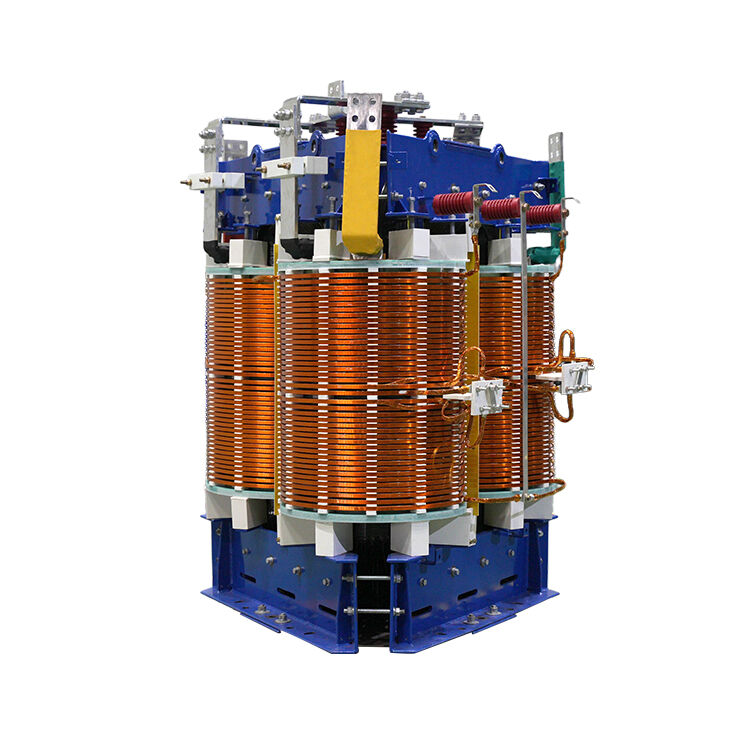
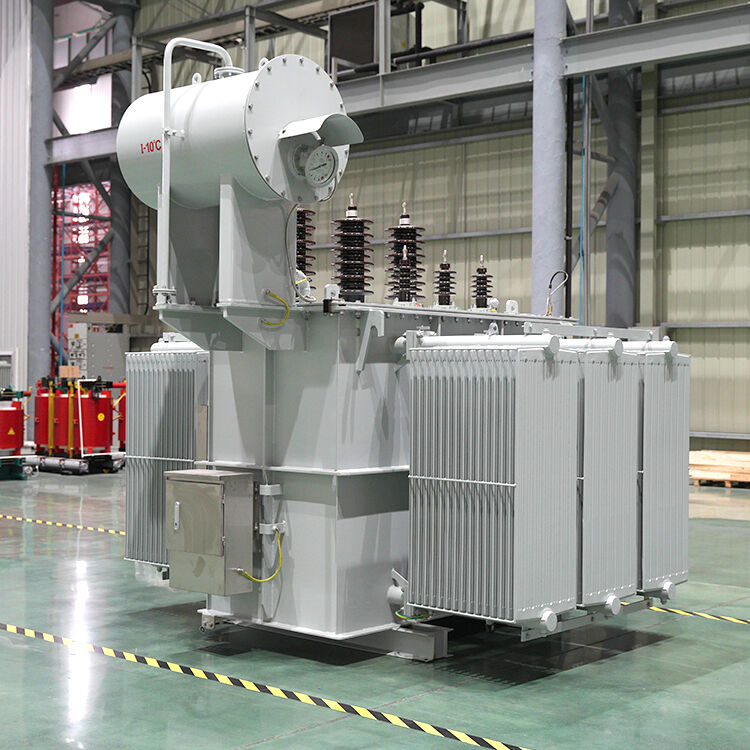
A small 3 phase transformer represents a crucial electrical component designed to efficiently convert voltage levels in three-phase power systems while maintaining compact dimensions suitable for various commercial and industrial applications. These transformers operate on the fundamental principle of electromagnetic induction, utilizing three separate windings arranged in a delta or wye configuration to handle balanced three-phase electrical loads. The small 3 phase transformer delivers superior power distribution capabilities compared to single-phase units, providing more stable and efficient energy transmission across multiple electrical circuits simultaneously. Modern manufacturing techniques enable these transformers to incorporate advanced core materials, typically constructed from high-grade silicon steel laminations that minimize energy losses and reduce operational noise levels. The technological features of a small 3 phase transformer include precision-wound copper or aluminum conductors, robust insulation systems rated for specific voltage classes, and protective enclosures designed to withstand environmental challenges. Temperature monitoring systems and tap changers often complement these units, allowing for voltage regulation under varying load conditions. The compact design philosophy ensures that these transformers can fit into space-constrained installations while delivering reliable performance. Applications span across manufacturing facilities, commercial buildings, renewable energy systems, and backup power installations where consistent three-phase power delivery remains essential. The small 3 phase transformer excels in powering motors, HVAC systems, industrial equipment, and lighting circuits that require balanced electrical supply. These units commonly serve in voltage step-down applications, converting higher distribution voltages to usable levels for end-user equipment. Their versatility makes them indispensable in modern electrical infrastructure, supporting everything from small workshops to large commercial complexes that demand reliable, efficient power conversion solutions with minimal maintenance requirements.

New Product Recommendations

The small 3 phase transformer offers numerous practical benefits that make it an excellent choice for businesses and facilities seeking reliable power solutions. First, these transformers deliver exceptional energy efficiency compared to multiple single-phase units, reducing overall electricity costs and environmental impact. The three-phase design naturally balances electrical loads, eliminating power fluctuations that can damage sensitive equipment and cause costly downtime. This balanced power delivery translates directly into smoother operation of motors, pumps, and other rotating machinery, extending their operational lifespan and reducing maintenance expenses. Installation flexibility represents another significant advantage, as the compact size of a small 3 phase transformer allows placement in confined spaces where larger units would be impractical. This space-saving design reduces installation costs and simplifies system planning for architects and engineers. The reduced conductor requirements of three-phase systems mean lower material costs for wiring and reduced installation labor, providing immediate cost savings during project implementation. Operational reliability stands out as a key benefit, with the small 3 phase transformer typically requiring minimal maintenance while delivering consistent performance over extended periods. The robust construction and quality materials used in manufacturing ensure these units can withstand harsh environmental conditions, temperature variations, and electrical stress without compromising performance. Power quality improvements represent another crucial advantage, as these transformers help eliminate harmonic distortions and voltage imbalances that plague single-phase systems. This cleaner power delivery protects downstream equipment from premature failure and reduces energy waste throughout the electrical system. The versatility of voltage configurations available in small 3 phase transformer units allows customization for specific application requirements, whether step-up, step-down, or isolation applications. Cost-effectiveness extends beyond initial purchase price to include reduced operating expenses, lower maintenance requirements, and improved equipment protection. These transformers also support future expansion plans, as three-phase systems can easily accommodate additional loads without major infrastructure modifications. The standardized connections and mounting options simplify replacement and upgrade procedures, minimizing disruption to ongoing operations while ensuring long-term system sustainability and performance optimization.

Practical Tips

What Is a Transformer and How Does It Improve Power System Efficiency?

02

Jan

What Is a Transformer and How Does It Improve Power System Efficiency?

A transformer represents one of the most critical components in modern electrical power systems, serving as the backbone for efficient energy transmission and distribution across vast networks. These electromagnetic devices enable the seamless conver...
View More
Why Are Transformers Critical for Industrial Power Distribution Systems?

14

Jan

Why Are Transformers Critical for Industrial Power Distribution Systems?

Industrial power distribution systems form the backbone of modern manufacturing, commercial facilities, and critical infrastructure operations. At the heart of these complex networks lies a fundamental component that ensures safe, efficient, and reli...
View More
How Do Transformers Support Grid Stability in Large-Scale Power Networks?

20

Jan

How Do Transformers Support Grid Stability in Large-Scale Power Networks?

Large-scale power networks form the backbone of modern electrical infrastructure, requiring sophisticated equipment to maintain stability and reliability across vast geographical areas. Power transformers play a crucial role in these complex systems ...
View More
What Should Utilities Consider When Selecting a Transformer Supplier?

26

Jan

What Should Utilities Consider When Selecting a Transformer Supplier?

Selecting the right supplier for power infrastructure represents one of the most critical decisions utility companies face in today's rapidly evolving energy landscape. The process of choosing a power transformer supplier requires careful evaluation ...
View More

Get a Free Quote

Our representative will contact you soon.
Email
WhatsApp/Mobile
Name
Company Name
Message
0/1000

small 3 phase transformer

Compact Design with Maximum Power Density

Compact Design with Maximum Power Density

The compact design of a small 3 phase transformer represents a revolutionary approach to power distribution, delivering maximum power output within minimal physical footprint requirements. This engineering achievement stems from advanced core design techniques and optimized winding configurations that maximize magnetic flux utilization while minimizing overall dimensions. The space-efficient design proves particularly valuable in urban installations, retrofit projects, and applications where real estate costs significantly impact project economics. Modern manufacturing processes enable these transformers to achieve power densities previously impossible, allowing facility managers to install substantial electrical capacity in areas once considered too small for traditional transformer installations. The compact nature of these units facilitates installation in basement utility rooms, rooftop mechanical spaces, and indoor electrical rooms without requiring extensive structural modifications or ventilation systems. This design philosophy extends beyond mere size reduction to encompass weight optimization, making handling and installation procedures safer and more cost-effective. The reduced footprint directly translates to lower installation costs, as smaller concrete pads, reduced clearance requirements, and simplified access provisions reduce overall project expenses. Maintenance accessibility remains uncompromised despite the compact dimensions, with strategically positioned access points and removable panels ensuring technicians can perform routine inspections and repairs efficiently. The space savings achieved by implementing a small 3 phase transformer often allow for additional equipment installation within the same electrical room, improving overall system functionality and future expansion capabilities. Environmental benefits emerge from the compact design, as reduced material usage during manufacturing decreases the carbon footprint while maintaining superior performance standards. The smaller size also reduces transportation costs and enables more efficient logistics during project delivery and installation phases. Heat dissipation capabilities remain optimal despite the compact form factor, thanks to advanced cooling fin designs and strategic ventilation pathways that maintain safe operating temperatures under full load conditions. This combination of compact dimensions and robust performance makes the small 3 phase transformer an ideal solution for modern electrical systems where space constraints and efficiency requirements must be balanced effectively.
Superior Energy Efficiency and Cost Savings

Superior Energy Efficiency and Cost Savings

Energy efficiency represents the cornerstone benefit of implementing a small 3 phase transformer, delivering substantial cost savings and environmental benefits that compound over the unit's operational lifetime. These transformers achieve efficiency ratings typically exceeding 95%, meaning minimal energy loss during power conversion processes that directly translates to reduced electricity bills and lower operational expenses. The advanced core materials and precision manufacturing techniques employed in small 3 phase transformer construction minimize eddy current losses, hysteresis losses, and copper losses that traditionally plagued older transformer designs. This efficiency advantage becomes particularly pronounced under varying load conditions, as modern designs maintain high efficiency across a broad operating range rather than only at full load capacity. The three-phase configuration inherently provides more efficient power transmission compared to single-phase alternatives, reducing conductor losses and improving overall system efficiency. Load balancing capabilities of the small 3 phase transformer ensure optimal power distribution across all three phases, eliminating the inefficiencies associated with unbalanced loads that can cause excessive neutral current and increased system losses. Temperature management systems integrated into these units maintain optimal operating conditions, preventing efficiency degradation due to excessive heat buildup that commonly affects inferior transformer designs. The superior efficiency translates directly into reduced demand charges from utility companies, as the improved power factor and reduced reactive power requirements result in lower monthly electricity bills. Long-term cost savings extend beyond energy consumption to include reduced maintenance requirements, as efficient operation generates less heat stress on internal components, extending operational lifespan and reducing replacement frequency. Environmental benefits align with corporate sustainability goals, as the reduced energy consumption directly decreases carbon footprint and supports green building certifications and environmental compliance requirements. The efficiency gains become more significant in facilities with continuous operation requirements, where even small percentage improvements in transformer efficiency can result in thousands of dollars in annual savings. Return on investment calculations consistently favor small 3 phase transformer installations, with payback periods typically ranging from two to five years depending on usage patterns and local utility rates. These efficiency advantages position businesses to meet increasingly stringent energy regulations while achieving measurable reductions in operational costs and environmental impact.
Exceptional Reliability and Minimal Maintenance Requirements

Exceptional Reliability and Minimal Maintenance Requirements

The exceptional reliability of a small 3 phase transformer stems from robust engineering principles and high-quality manufacturing standards that ensure consistent performance across decades of continuous operation. These transformers incorporate multiple layers of protection and redundancy features that prevent common failure modes while maintaining operational stability under adverse conditions. The solid-state construction eliminates moving parts that typically require frequent maintenance in other electrical equipment, resulting in dramatically reduced maintenance schedules and associated costs. Advanced insulation systems protect internal components from environmental factors such as moisture, temperature fluctuations, and chemical contaminants that can degrade transformer performance over time. The sealed tank design of many small 3 phase transformer units prevents contamination ingress while maintaining optimal internal conditions for sustained reliable operation. Thermal management systems including cooling fins, forced air circulation, and temperature monitoring ensure that operating temperatures remain within safe limits even under maximum load conditions. Quality control processes during manufacturing include comprehensive testing protocols that verify each transformer meets or exceeds industry standards for insulation integrity, thermal performance, and electrical characteristics. The balanced three-phase design inherently provides operational stability, as load distribution across three phases reduces stress on individual windings and core components compared to single-phase alternatives. Protective devices integrated into small 3 phase transformer designs include overcurrent protection, temperature monitoring, and fault detection systems that automatically isolate the unit during abnormal conditions, preventing catastrophic failures and extending operational life. The robust construction materials, including high-grade electrical steel cores and premium conductor materials, resist degradation from electrical stress, mechanical vibration, and environmental exposure. Predictive maintenance capabilities built into modern units allow facility managers to monitor transformer health continuously, identifying potential issues before they result in operational disruptions or equipment failures. The reliability record of these transformers consistently demonstrates mean time between failures measured in decades rather than years, providing exceptional value for critical applications where power interruption costs far exceed equipment replacement expenses. Warranty coverage typically extends for multiple years, reflecting manufacturer confidence in the reliability and durability of small 3 phase transformer designs. This exceptional reliability makes these units ideal for applications where power continuity remains critical, including hospitals, data centers, manufacturing facilities, and commercial buildings where electrical system failures can result in significant financial losses or safety concerns.

Get a Free Quote

Our representative will contact you soon.
Email
WhatsApp/Mobile
Name
Company Name
Message
0/1000