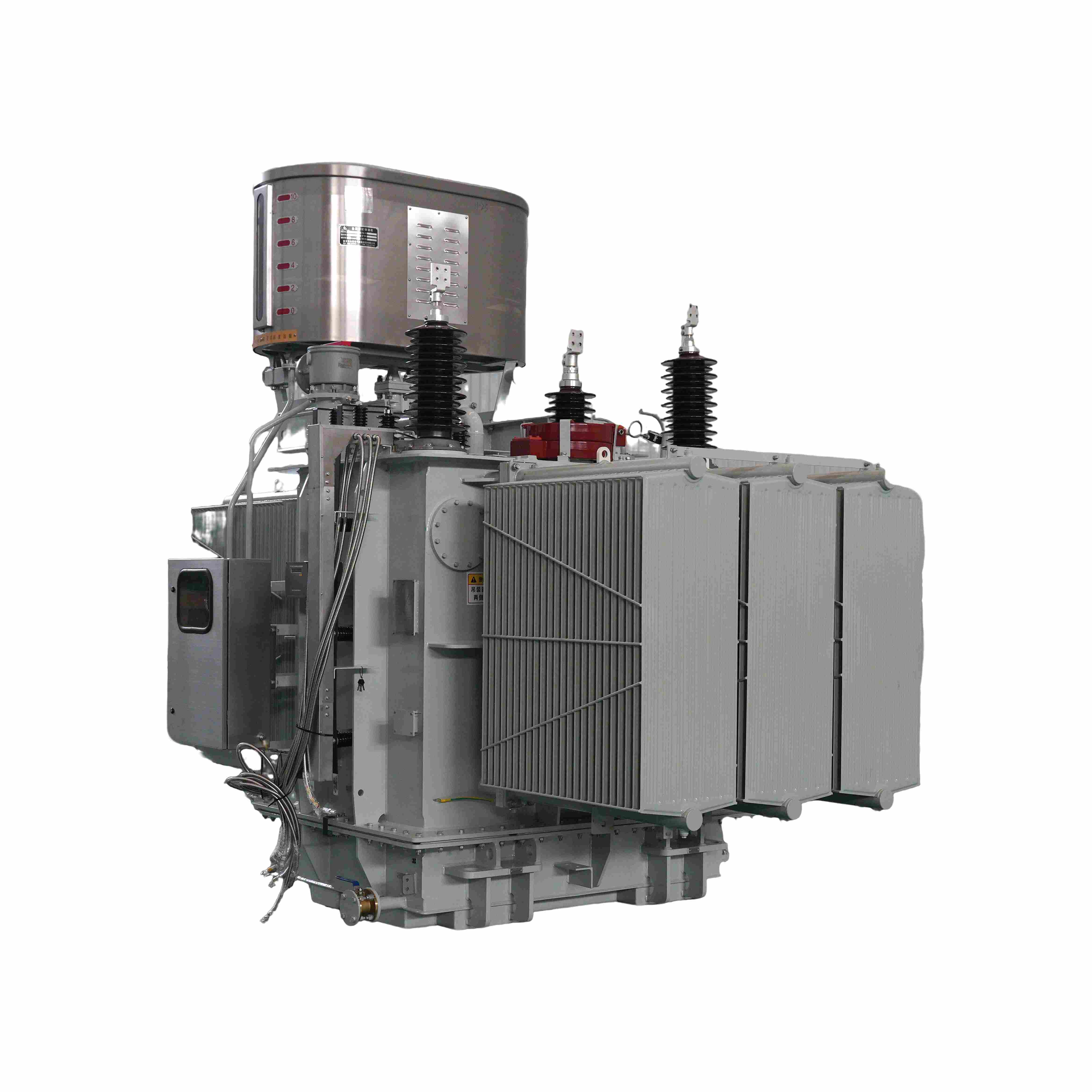
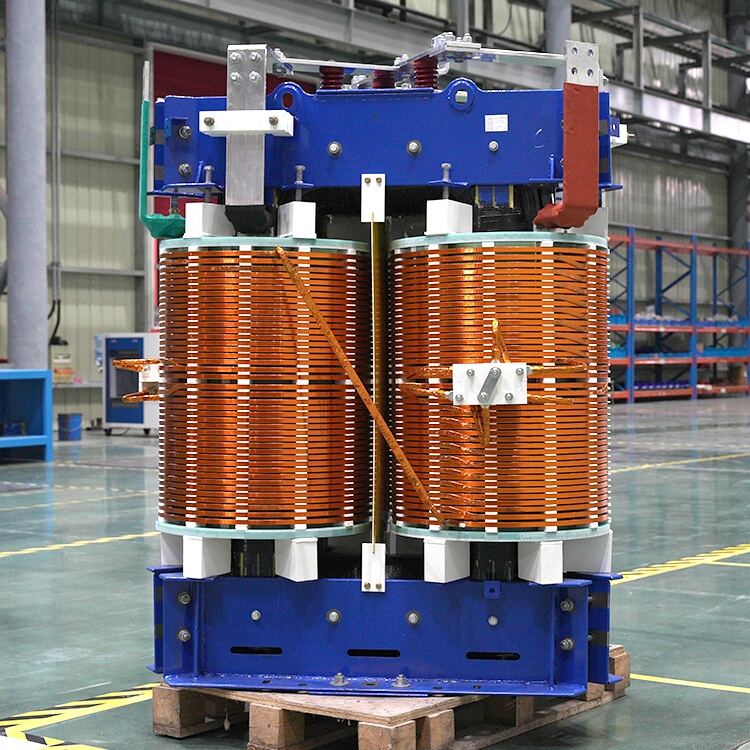
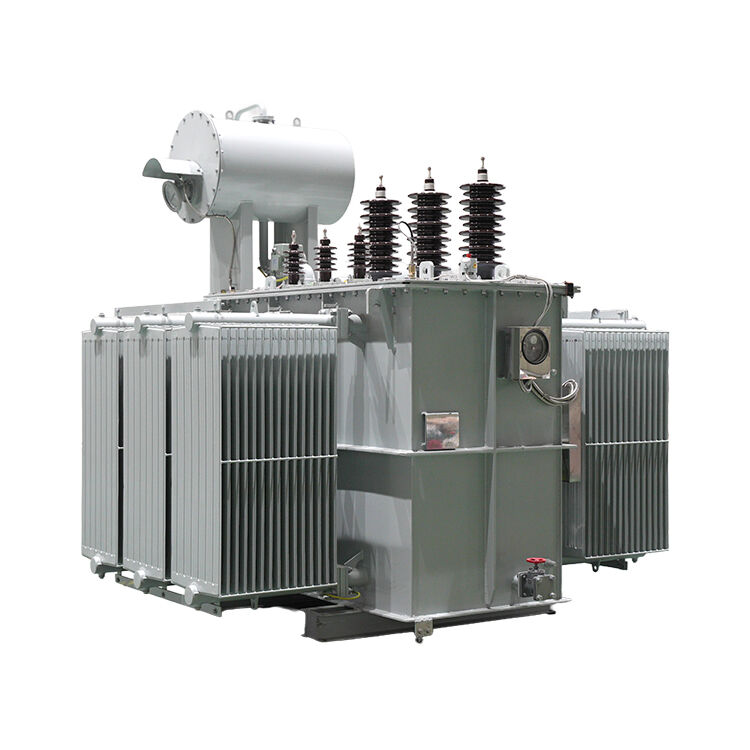
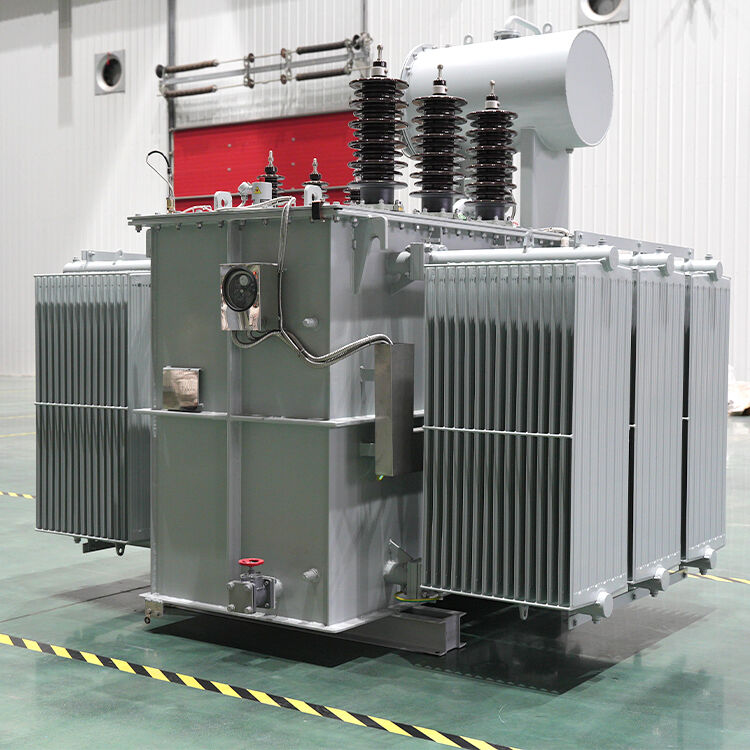
Three Phase Transformer: High-Efficiency Power Solutions for Industrial & Commercial Applications

Get a Free Quote

Our representative will contact you soon.
Email
WhatsApp/Mobile
Name
Company Name
Message
0/1000

a three phase transformer

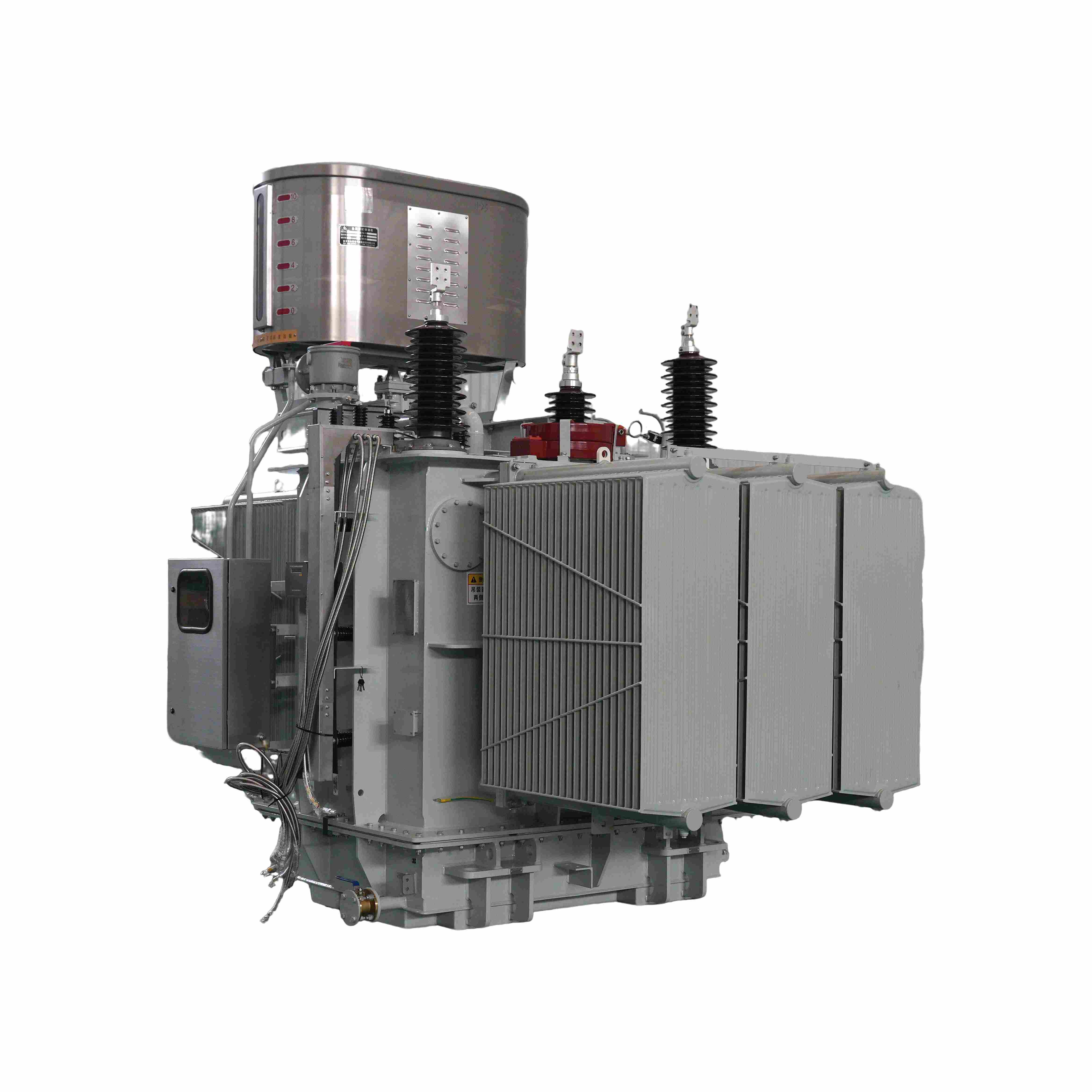
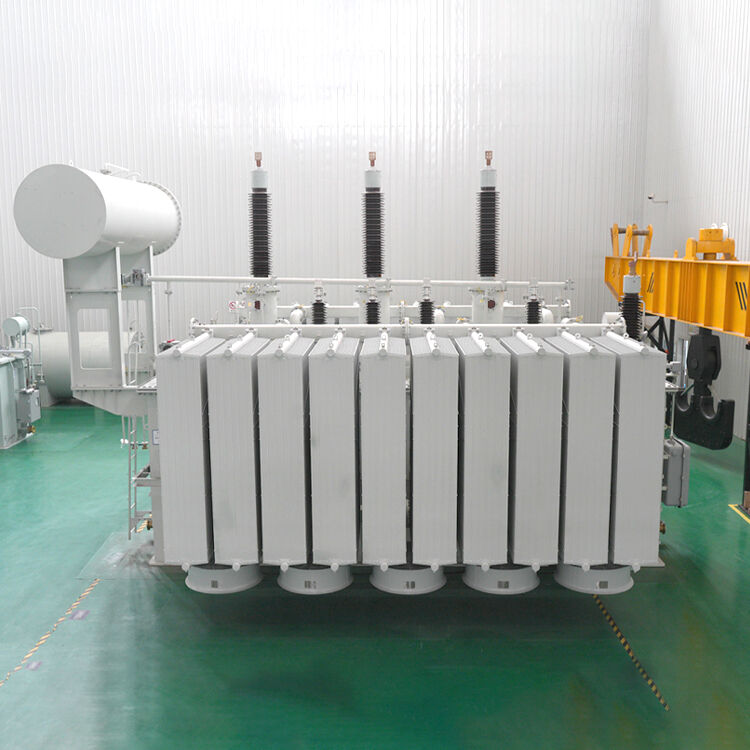
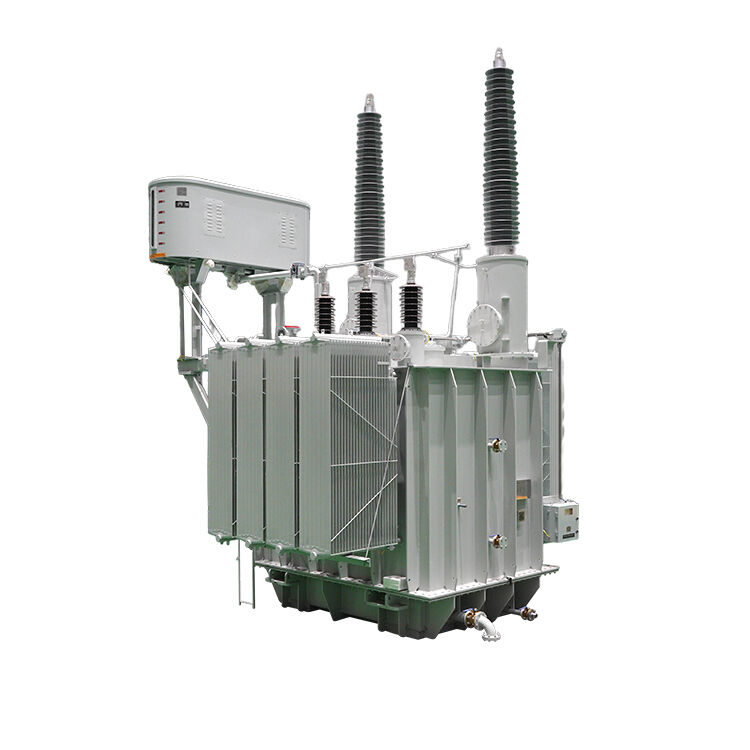
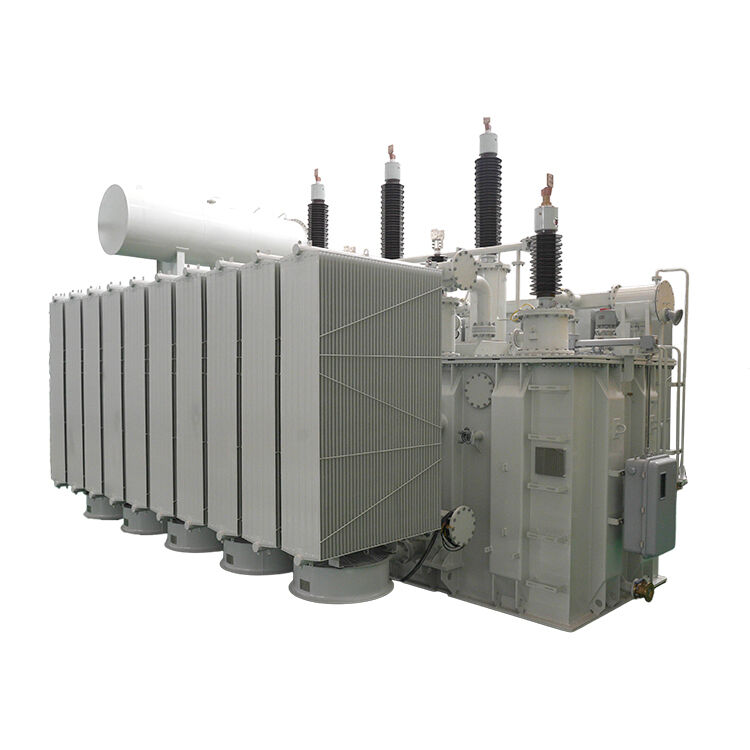
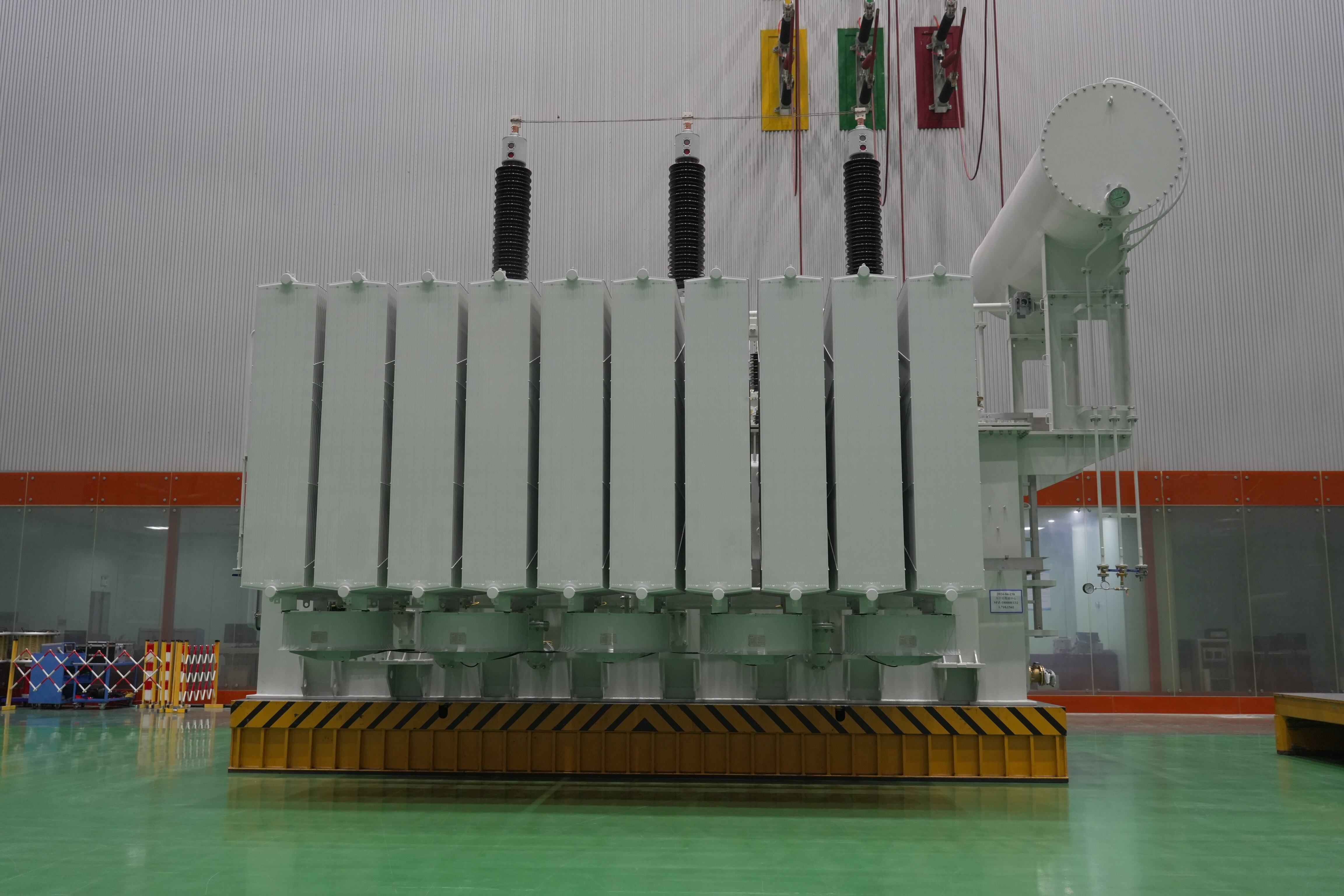
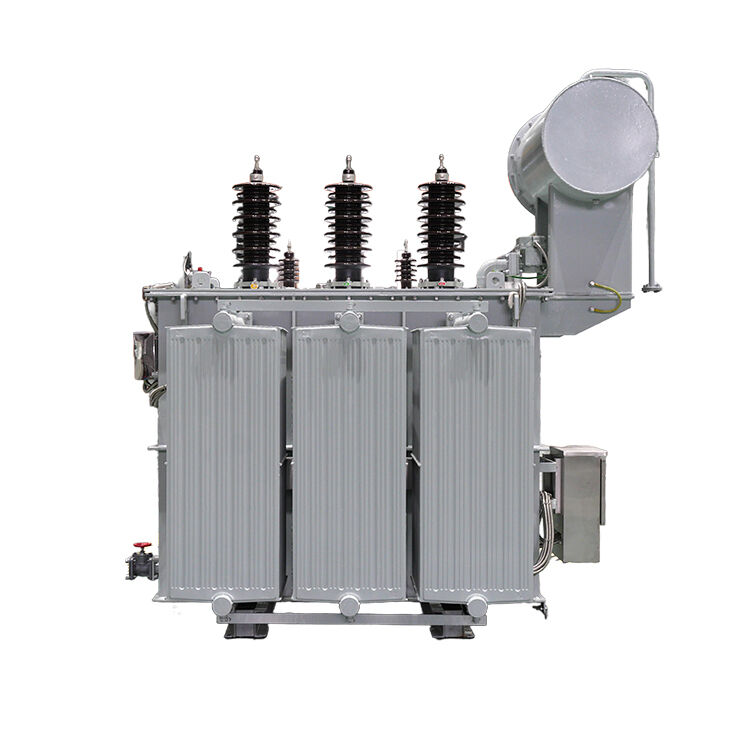
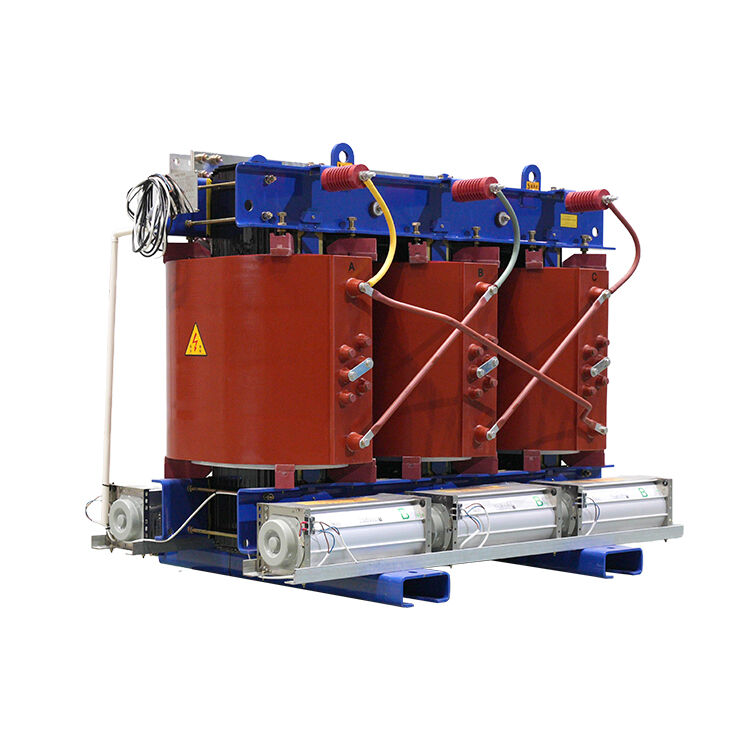
A three phase transformer represents a fundamental piece of electrical equipment designed to transfer electrical energy between different voltage levels in three-phase power systems. This sophisticated device operates on electromagnetic induction principles, utilizing three separate windings arranged around a common magnetic core to handle three-phase alternating current simultaneously. The primary function of a three phase transformer involves stepping voltage levels up or down while maintaining the same frequency, making it essential for power transmission and distribution networks worldwide. The technological architecture of a three phase transformer incorporates three primary windings and three secondary windings, each handling one phase of the electrical system. These windings are strategically positioned to create a balanced magnetic field that ensures efficient energy transfer with minimal losses. The core design typically features laminated silicon steel construction that reduces eddy current losses and enhances overall performance. Modern three phase transformer units integrate advanced insulation systems using high-grade materials that withstand extreme operating conditions while maintaining electrical integrity. Temperature monitoring systems and protective relays are commonly integrated to prevent overheating and ensure safe operation. The applications of a three phase transformer span across multiple industries and sectors. Power generation facilities rely on these transformers to step up voltage levels for efficient long-distance transmission through electrical grids. Industrial manufacturing plants utilize them to convert high transmission voltages to appropriate levels for machinery and equipment operation. Commercial buildings depend on three phase transformer systems to distribute electrical power safely throughout their facilities. Renewable energy installations, including solar farms and wind power stations, employ specialized three phase transformer configurations to integrate generated power into existing electrical infrastructure. The versatility of these devices extends to marine applications, mining operations, and transportation systems where reliable voltage conversion remains critical for operational success.

New Product Releases

The advantages of a three phase transformer offer compelling benefits that make these devices indispensable for modern electrical systems. Energy efficiency stands as the primary advantage, with three phase transformer units achieving efficiency ratings typically exceeding 95 percent during normal operation. This high efficiency translates directly into reduced energy costs and lower environmental impact for organizations utilizing these systems. The balanced load distribution characteristic of a three phase transformer ensures that electrical power flows evenly across all three phases, preventing voltage fluctuations and reducing stress on connected equipment. Cost effectiveness represents another significant advantage, as a three phase transformer requires less copper and iron compared to three separate single-phase units of equivalent capacity. This material reduction leads to lower manufacturing costs and more affordable pricing for end users. The compact design of integrated three phase transformer systems saves valuable installation space, making them ideal for facilities with limited room for electrical equipment. Maintenance requirements remain minimal due to the robust construction and fewer moving parts compared to alternative power conversion solutions. The reliability factor of a three phase transformer exceeds that of multiple single-phase units because fewer connection points reduce potential failure locations. Power quality improvement occurs naturally with three phase transformer operation, as these devices help stabilize voltage levels and reduce harmonic distortion in electrical systems. The continuous power delivery capability ensures uninterrupted operation for critical applications where power outages could result in significant operational losses or safety concerns. Scalability advantages allow facility managers to easily expand electrical capacity by adding additional three phase transformer units as power demands increase. The standardized design specifications of three phase transformer equipment ensure compatibility across different manufacturers and simplify replacement procedures when upgrades become necessary. Temperature regulation features built into modern three phase transformer designs prevent overheating and extend equipment lifespan, reducing long-term replacement costs. The electromagnetic interference reduction achieved through proper three phase transformer installation minimizes disruption to sensitive electronic equipment operating in the same facility.

Tips And Tricks

What Is a Transformer and How Does It Improve Power System Efficiency?

02

Jan

What Is a Transformer and How Does It Improve Power System Efficiency?

A transformer represents one of the most critical components in modern electrical power systems, serving as the backbone for efficient energy transmission and distribution across vast networks. These electromagnetic devices enable the seamless conver...
View More
How Does a Transformer Work in High Voltage Power Transmission?

08

Jan

How Does a Transformer Work in High Voltage Power Transmission?

High voltage power transmission systems form the backbone of modern electrical grids, enabling electricity to travel efficiently across vast distances. At the heart of these complex networks lies the power transformer, a crucial piece of equipment th...
View More
Why Are Transformers Critical for Industrial Power Distribution Systems?

14

Jan

Why Are Transformers Critical for Industrial Power Distribution Systems?

Industrial power distribution systems form the backbone of modern manufacturing, commercial facilities, and critical infrastructure operations. At the heart of these complex networks lies a fundamental component that ensures safe, efficient, and reli...
View More
How Do Transformers Support Grid Stability in Large-Scale Power Networks?

20

Jan

How Do Transformers Support Grid Stability in Large-Scale Power Networks?

Large-scale power networks form the backbone of modern electrical infrastructure, requiring sophisticated equipment to maintain stability and reliability across vast geographical areas. Power transformers play a crucial role in these complex systems ...
View More

Get a Free Quote

Our representative will contact you soon.
Email
WhatsApp/Mobile
Name
Company Name
Message
0/1000

a three phase transformer

Superior Power Handling Capacity and Efficiency

Superior Power Handling Capacity and Efficiency

The power handling capacity of a three phase transformer significantly exceeds that of single-phase alternatives, making it the preferred choice for high-demand electrical applications. This superior capacity stems from the inherent design characteristics that allow simultaneous processing of three alternating current phases, effectively tripling the power transfer capability compared to single-phase systems. Modern three phase transformer units can handle power ratings ranging from small commercial applications of 15 kVA to massive industrial installations exceeding 100 MVA, demonstrating remarkable scalability to meet diverse operational requirements. The efficiency advantages of a three phase transformer become particularly pronounced in large-scale operations where even small percentage improvements in efficiency translate to substantial cost savings. Advanced core materials and optimized winding configurations enable these transformers to achieve efficiency levels of 96-99 percent, minimizing energy losses during voltage conversion processes. The balanced three-phase system inherently reduces conductor losses because the neutral current in a balanced load approaches zero, eliminating unnecessary power waste. Temperature management systems integrated into modern three phase transformer designs include sophisticated cooling mechanisms such as forced air circulation, oil cooling systems, and advanced thermal monitoring that maintains optimal operating temperatures even under maximum load conditions. The continuous duty rating of a three phase transformer allows for 24/7 operation without performance degradation, making these devices ideal for mission-critical applications where downtime is not acceptable. Load balancing capabilities ensure that electrical stress distributes evenly across all three phases, preventing hotspots and extending equipment lifespan significantly beyond what single-phase alternatives can achieve. The power factor correction inherent in properly designed three phase transformer systems improves overall electrical efficiency by reducing reactive power demand from the utility grid, resulting in lower electricity bills and improved system stability.
Enhanced Reliability and Reduced Maintenance Requirements

Enhanced Reliability and Reduced Maintenance Requirements

The reliability advantages of a three phase transformer stem from its integrated design that eliminates many potential failure points present in multiple single-phase transformer installations. This consolidated approach reduces the number of electrical connections, bushings, and switching equipment required, directly correlating to fewer opportunities for equipment failure and improved overall system reliability. Predictive maintenance capabilities built into modern three phase transformer systems include dissolved gas analysis monitoring, temperature sensors, and vibration detection that identify potential issues before they develop into costly failures. The robust construction standards applied to three phase transformer manufacturing ensure these devices withstand environmental stresses including temperature extremes, humidity fluctuations, and mechanical vibrations that might compromise lesser equipment. Self-protective features integrated into advanced three phase transformer designs include overcurrent protection, overvoltage protection, and thermal protection systems that automatically isolate the equipment when operating parameters exceed safe limits. The simplified maintenance schedule of a three phase transformer typically requires only annual inspections and oil sampling, compared to the more frequent maintenance needs of multiple single-phase units performing equivalent functions. Diagnostic capabilities available in modern three phase transformer installations provide real-time monitoring of critical parameters including load levels, temperature readings, and insulation resistance values that enable proactive maintenance planning. The extended service life of a properly maintained three phase transformer often exceeds 30 years, providing exceptional return on investment compared to alternative power conversion solutions. Emergency backup capabilities can be easily integrated with three phase transformer systems through automatic transfer switches and redundant transformer configurations that ensure continuous power availability even during equipment maintenance or unexpected failures. The standardized replacement parts availability for three phase transformer components ensures that maintenance activities can be completed quickly and cost-effectively, minimizing operational disruptions during servicing periods.
Versatile Application Range and Future-Ready Technology

Versatile Application Range and Future-Ready Technology

The application versatility of a three phase transformer makes it suitable for an extraordinarily wide range of industrial, commercial, and utility applications, from small office buildings to massive manufacturing facilities and power generation plants. This adaptability stems from the standardized design principles that allow customization of voltage ratings, power capacities, and specialized features to meet specific application requirements without compromising performance or reliability. Smart grid integration capabilities built into modern three phase transformer systems enable seamless communication with automated distribution systems, allowing for remote monitoring, control, and optimization of power flow throughout electrical networks. The renewable energy compatibility of contemporary three phase transformer designs makes them ideal for solar photovoltaic installations, wind power generation facilities, and energy storage systems that require efficient AC voltage conversion and grid synchronization capabilities. Industrial process applications benefit from the stable power delivery characteristics of a three phase transformer, which provides the consistent voltage and frequency control required for precision manufacturing equipment, variable frequency drives, and sensitive electronic systems. Marine and offshore applications utilize specialized three phase transformer designs that withstand corrosive saltwater environments while providing reliable power conversion for shipboard systems, offshore drilling platforms, and underwater installations. The future-ready technology incorporated into advanced three phase transformer systems includes provisions for condition monitoring, predictive analytics, and integration with Internet of Things (IoT) platforms that enable sophisticated power management strategies. Environmental compliance features ensure that modern three phase transformer installations meet stringent regulations regarding noise levels, electromagnetic emissions, and environmental impact while maintaining peak performance standards. The modular expansion capabilities of three phase transformer systems allow facilities to increase electrical capacity incrementally as operational demands grow, avoiding the need for complete system replacements and minimizing capital expenditure requirements. Export market compatibility ensures that three phase transformer equipment can be deployed globally with appropriate modifications for local electrical standards, voltage requirements, and regulatory compliance needs, making these devices truly universal power conversion solutions for international operations.

Get a Free Quote

Our representative will contact you soon.
Email
WhatsApp/Mobile
Name
Company Name
Message
0/1000