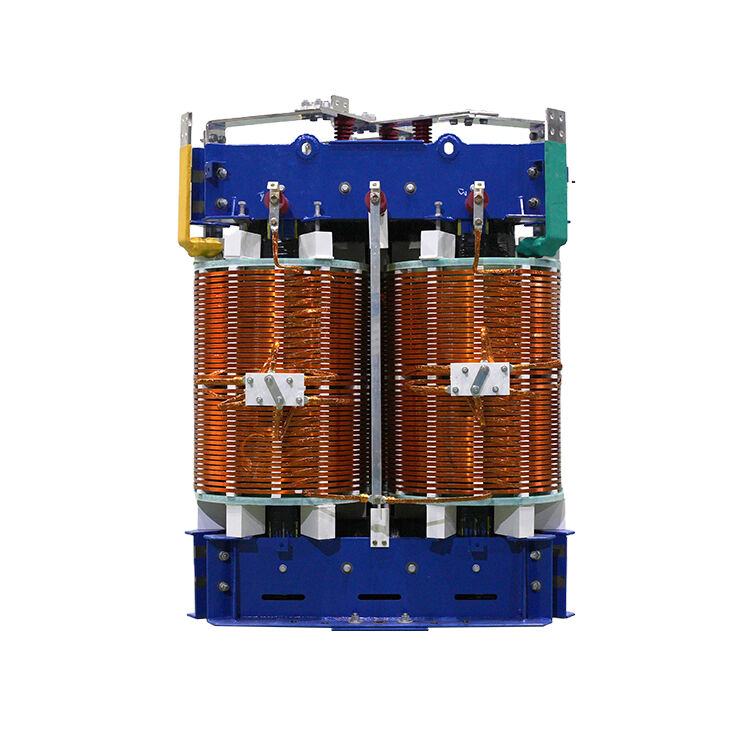
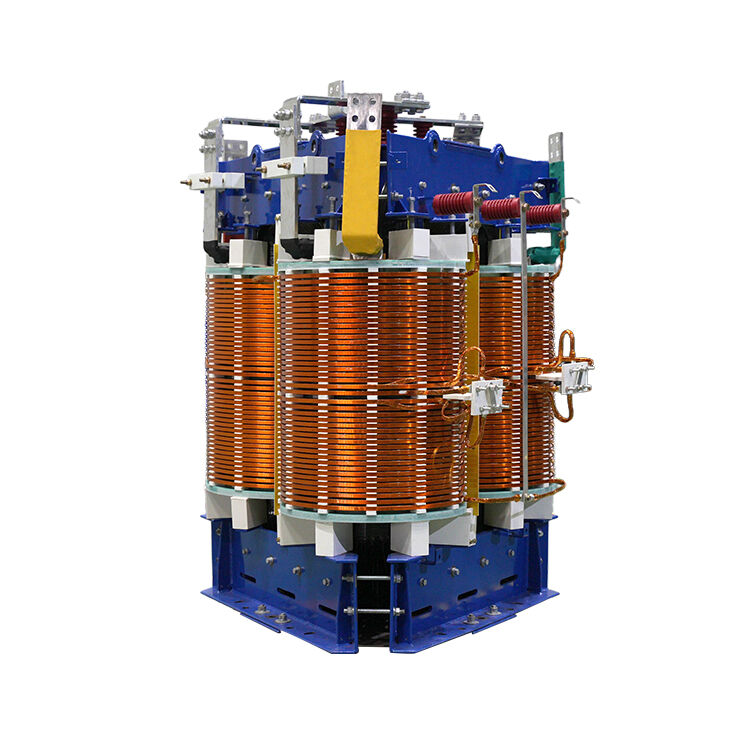
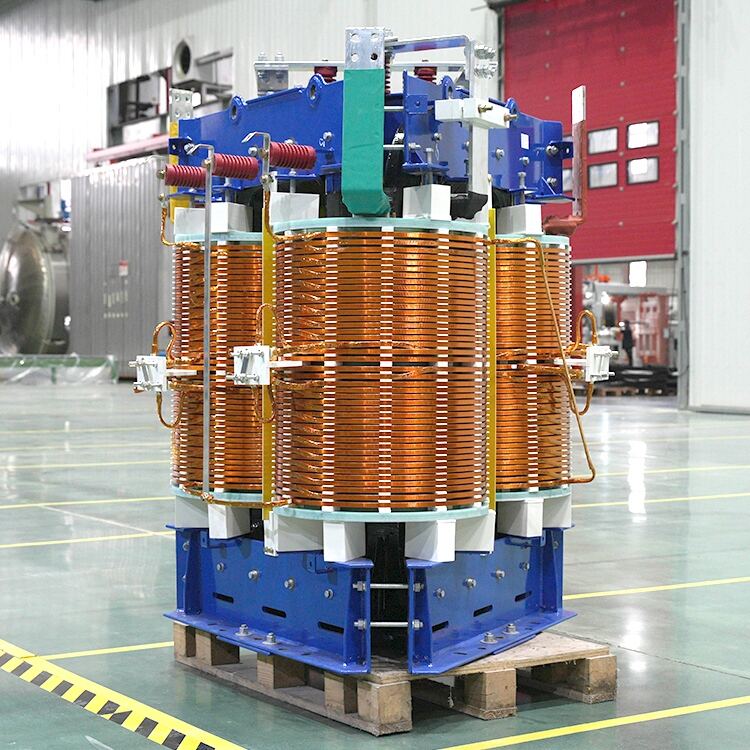
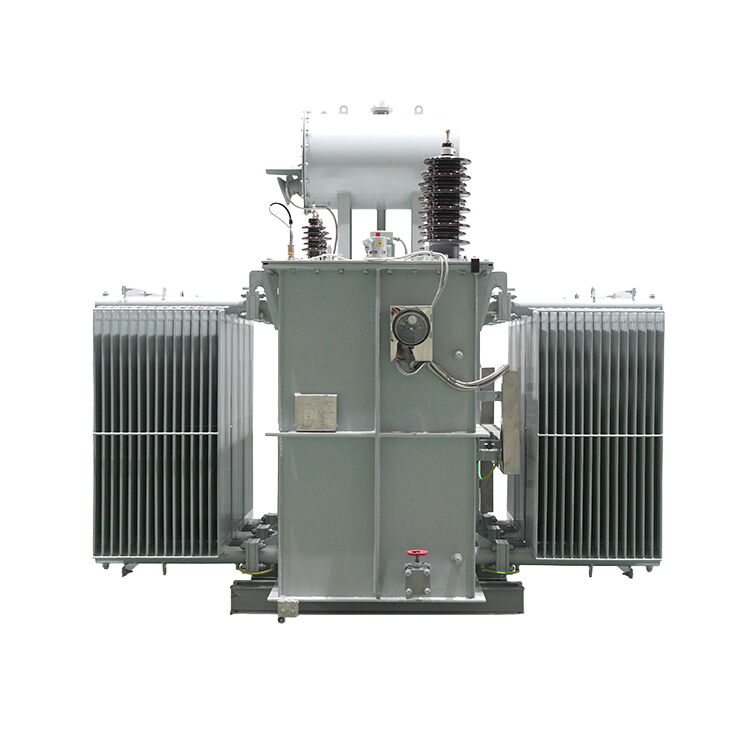
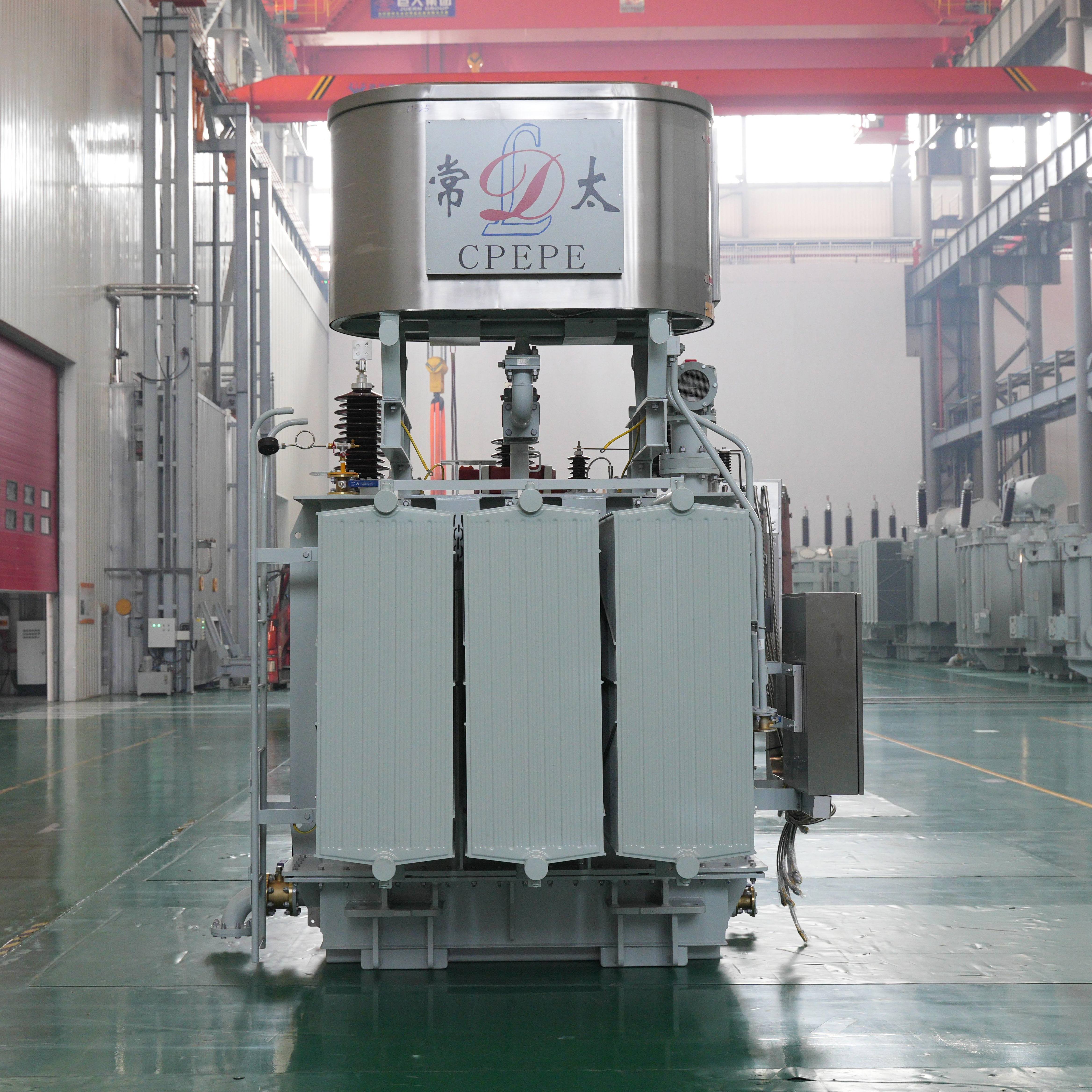
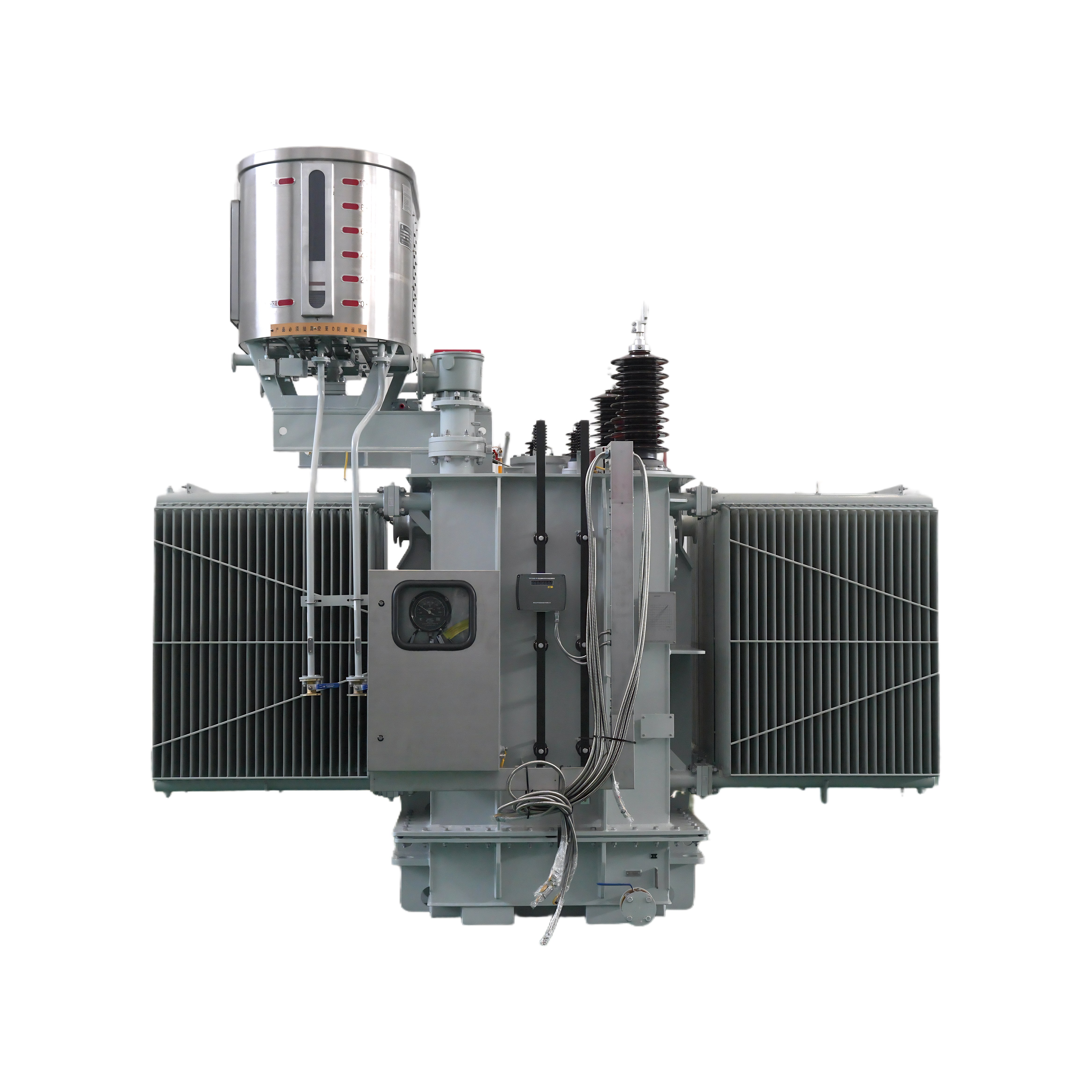
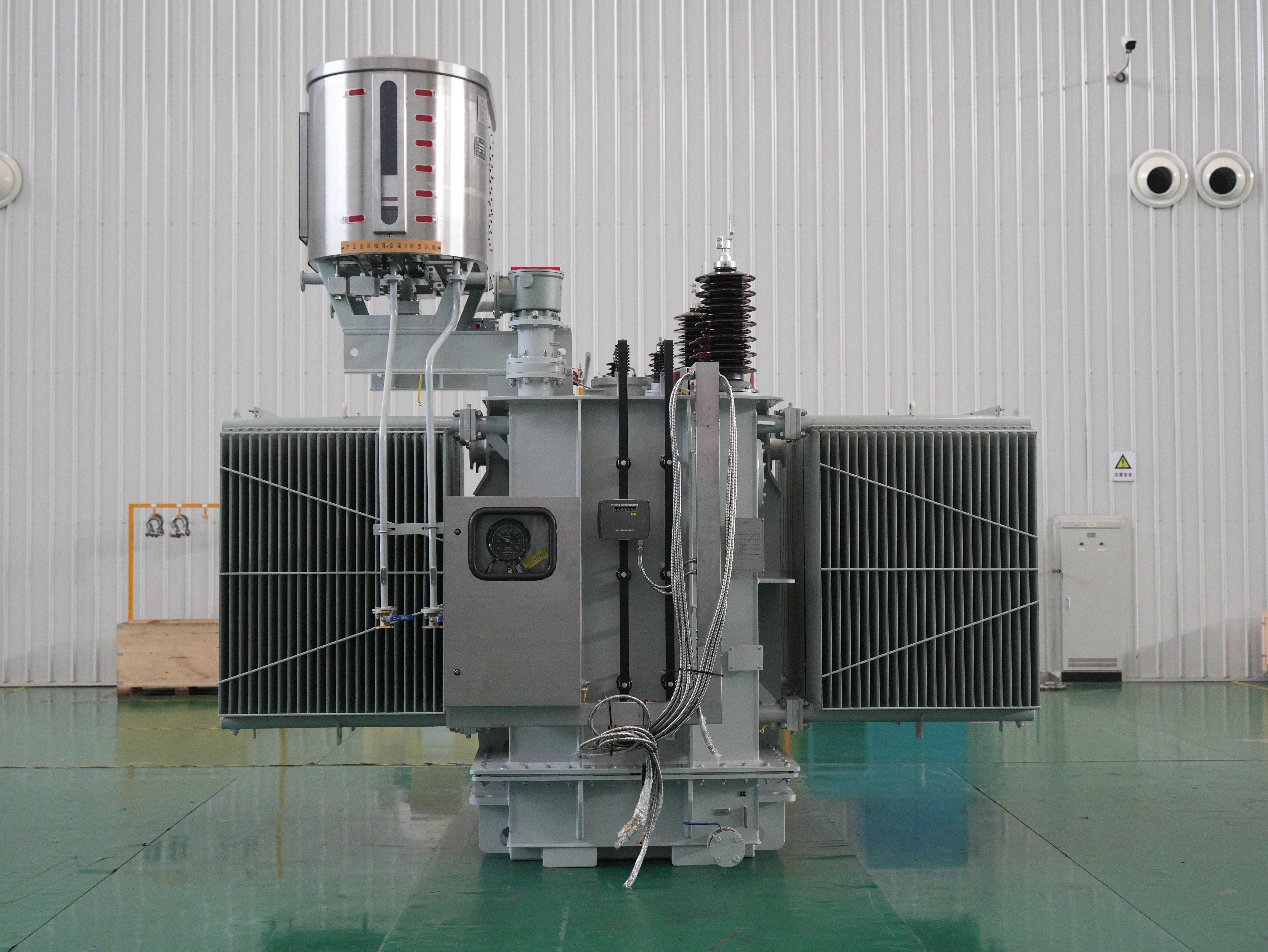
electrical auto transformer
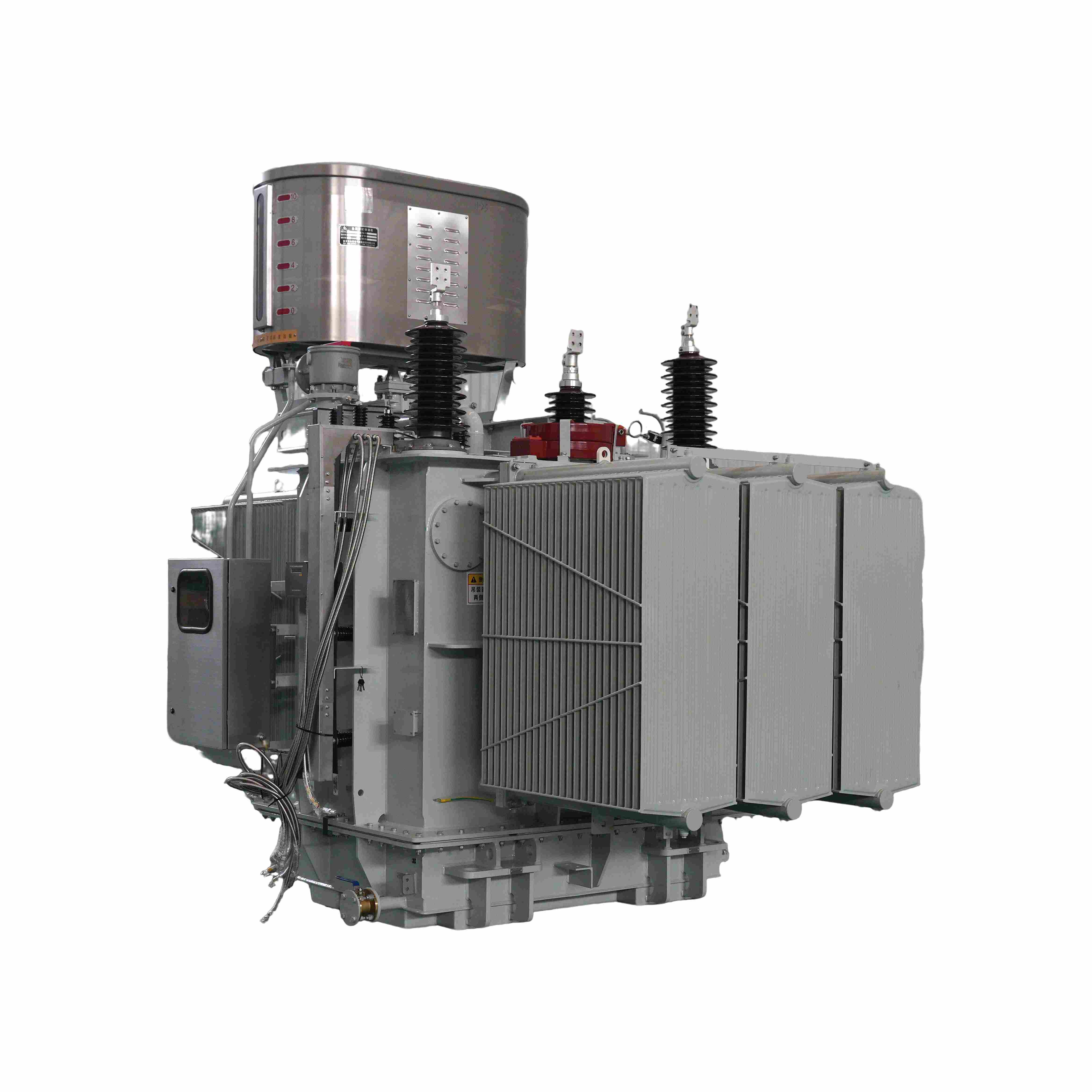
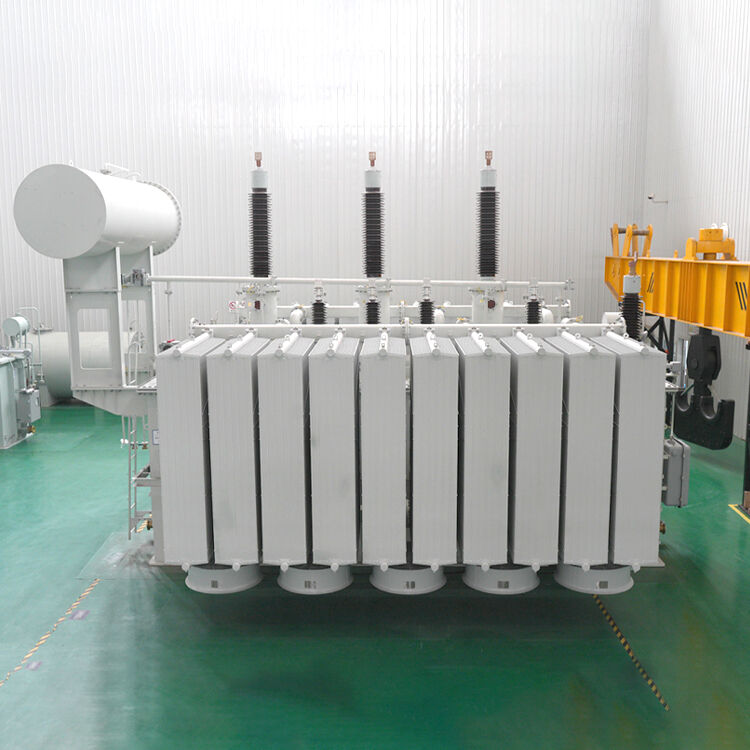
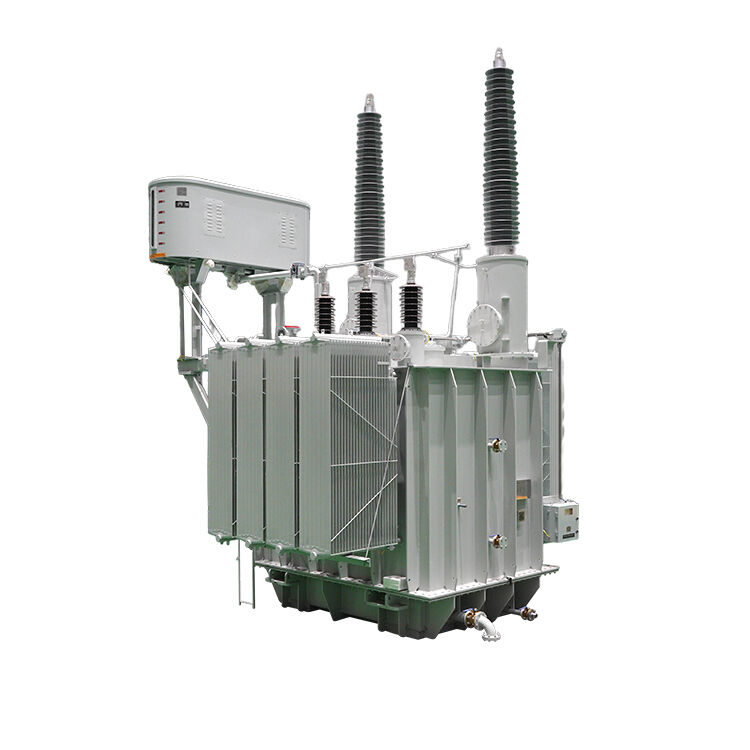
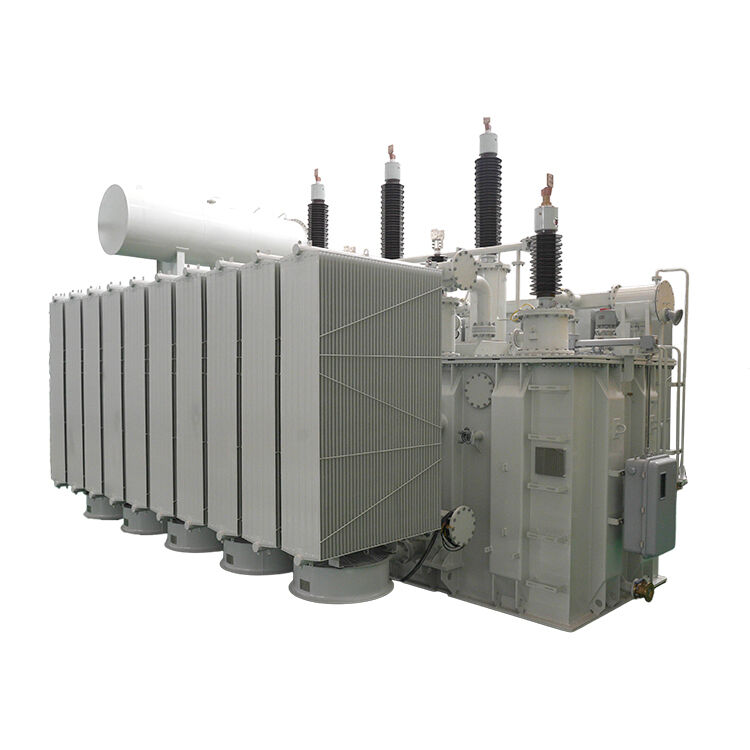
An electrical auto transformer represents a specialized type of electrical equipment that provides voltage regulation and power distribution capabilities across various industrial and commercial applications. This innovative device operates on the principle of electromagnetic induction, utilizing a single winding that serves as both primary and secondary circuits. Unlike conventional transformers that feature separate windings, the electrical auto transformer employs a shared winding configuration, creating a direct electrical connection between input and output circuits. The fundamental design incorporates a magnetic core, typically constructed from high-grade silicon steel laminations, which enhances magnetic flux efficiency and reduces energy losses. The single winding configuration allows for multiple tap connections at different points along the coil, enabling precise voltage adjustment capabilities. This electrical auto transformer design facilitates step-up or step-down voltage transformation depending on connection requirements. The magnetic coupling between different sections of the winding ensures efficient energy transfer while maintaining electrical continuity. Modern electrical auto transformer units integrate advanced materials and manufacturing techniques to optimize performance characteristics. The core construction utilizes grain-oriented electrical steel that minimizes hysteresis and eddy current losses, improving overall efficiency ratings. Insulation systems employ high-temperature resistant materials that withstand operational stresses and environmental conditions. Cooling mechanisms, including natural air circulation or forced ventilation, maintain optimal operating temperatures. Protection systems incorporate temperature monitoring, overcurrent detection, and voltage regulation controls to ensure safe operation. The electrical auto transformer configuration provides inherent voltage regulation capabilities through its tap-changing mechanisms, allowing operators to maintain stable output voltages despite input variations. Installation flexibility accommodates various mounting configurations, including floor-standing, wall-mounted, or integrated cabinet designs. Maintenance requirements remain minimal due to robust construction and reliable component selection, reducing operational costs and downtime risks.
 EN
EN