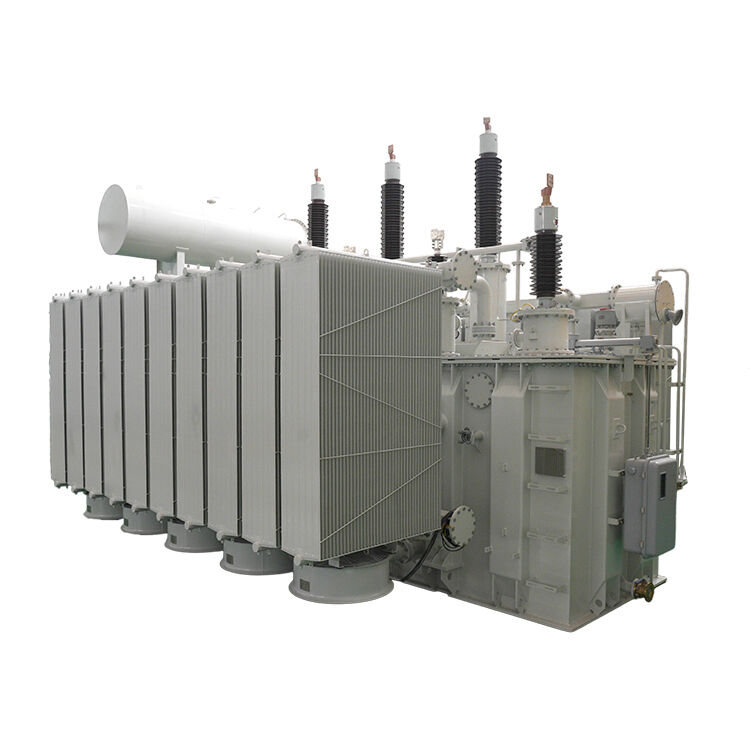
Booster Transformer Solutions: Advanced Voltage Regulation for Industrial and Commercial Applications

Get a Free Quote

Our representative will contact you soon.
Email
WhatsApp/Mobile
Name
Company Name
Message
0/1000

booster transformer

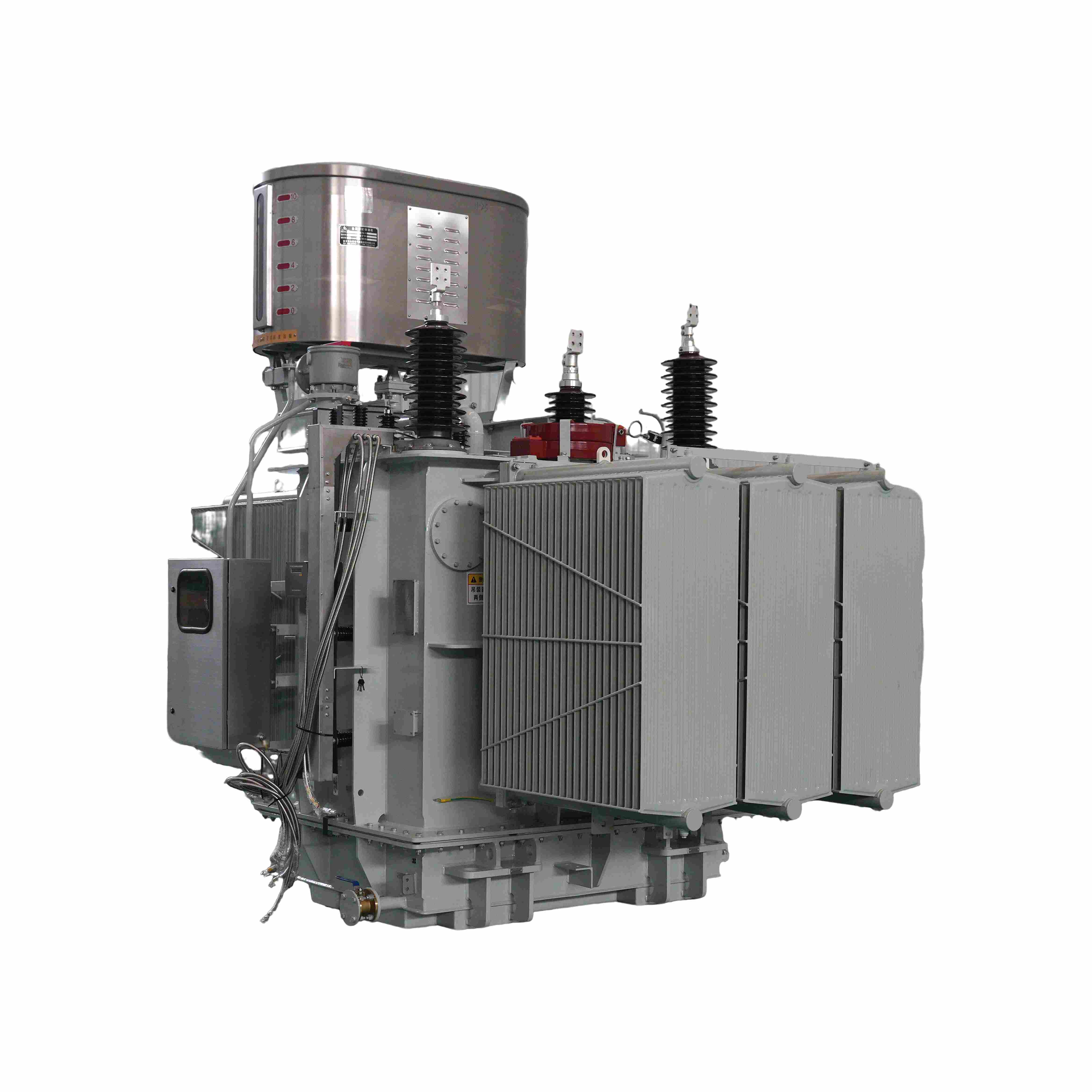
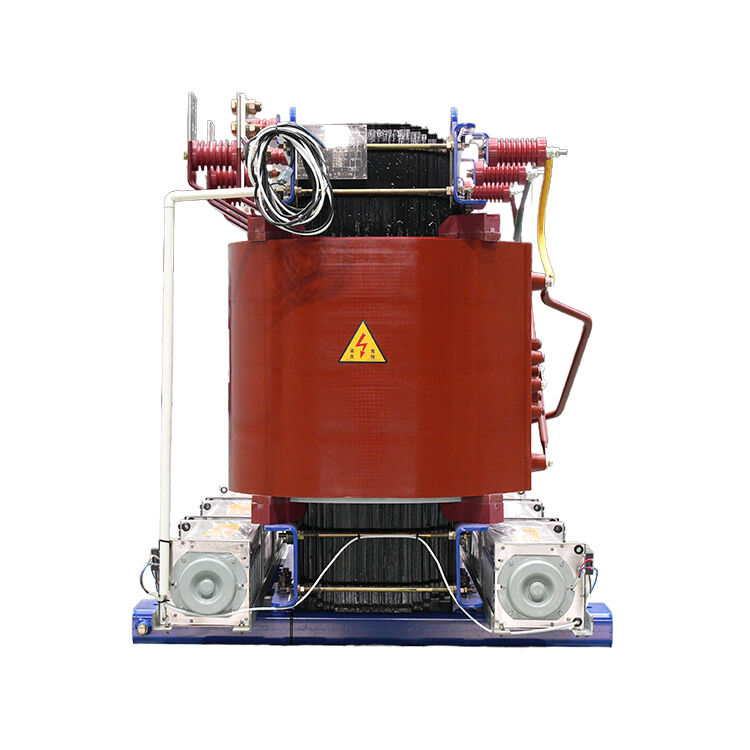
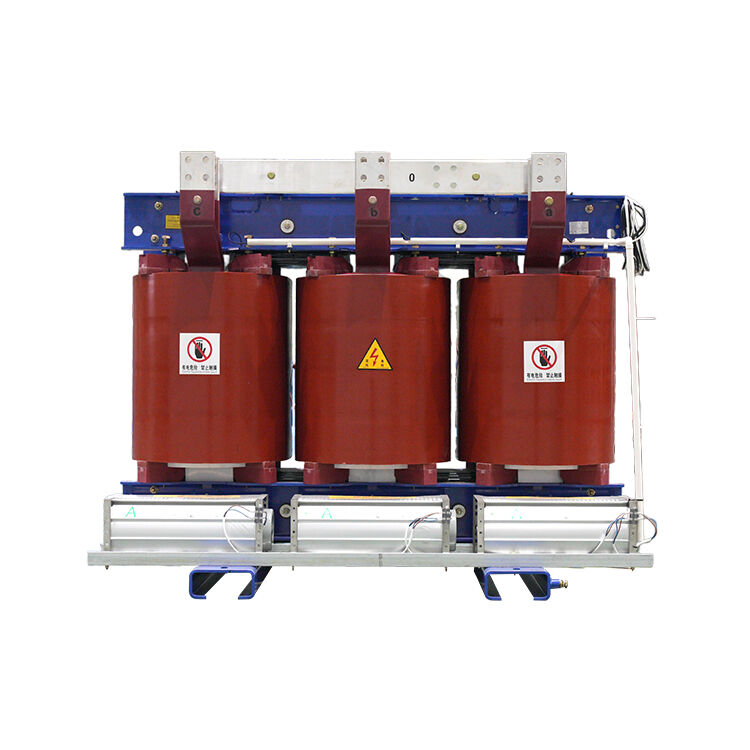
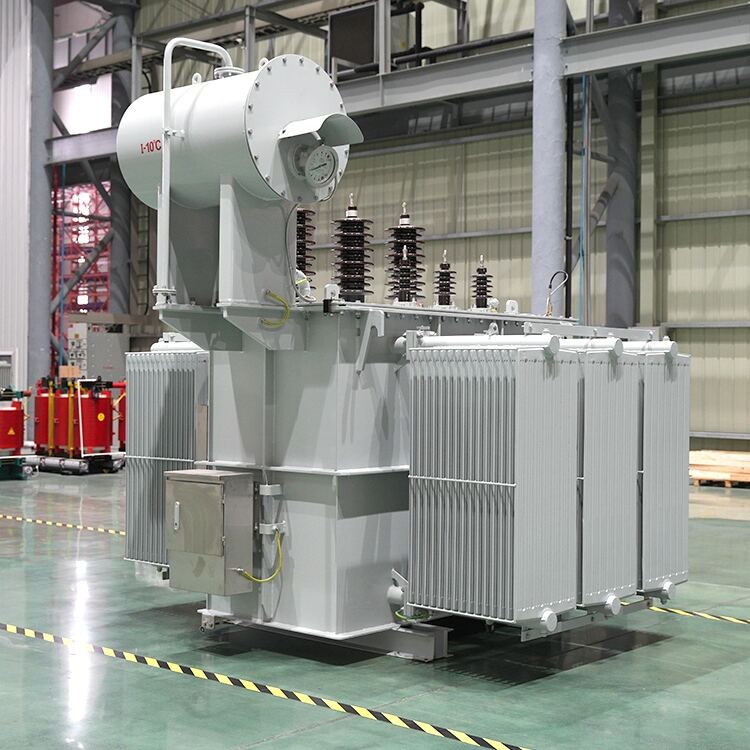
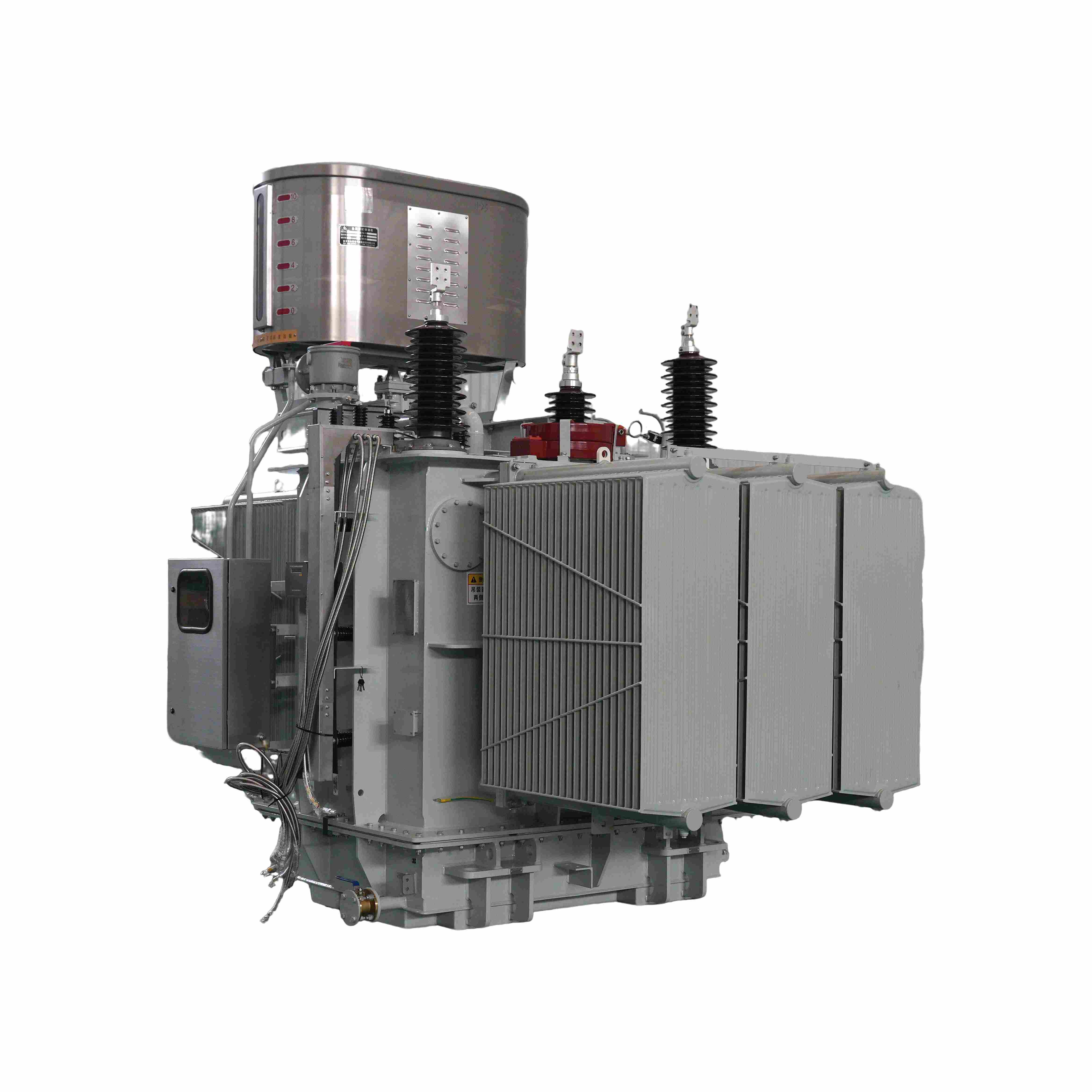
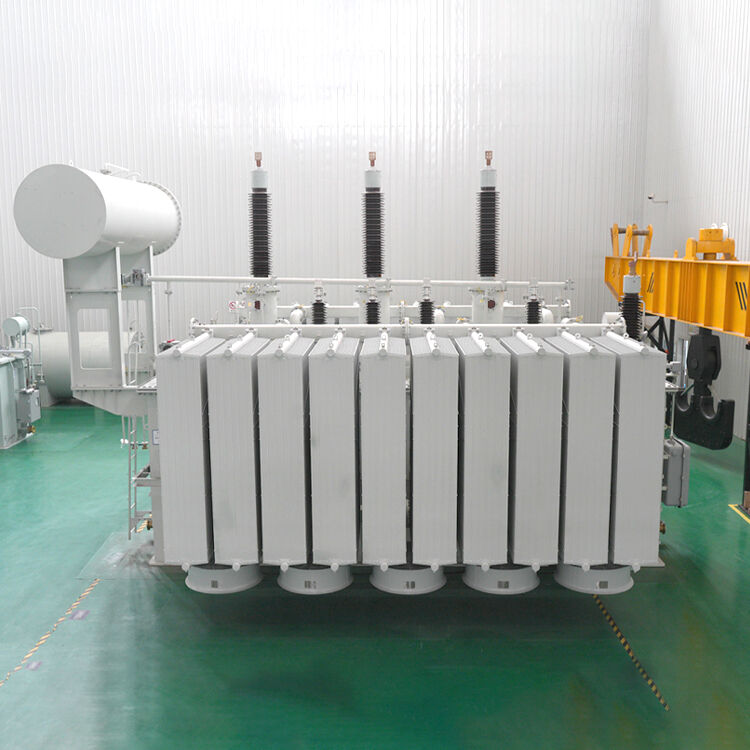
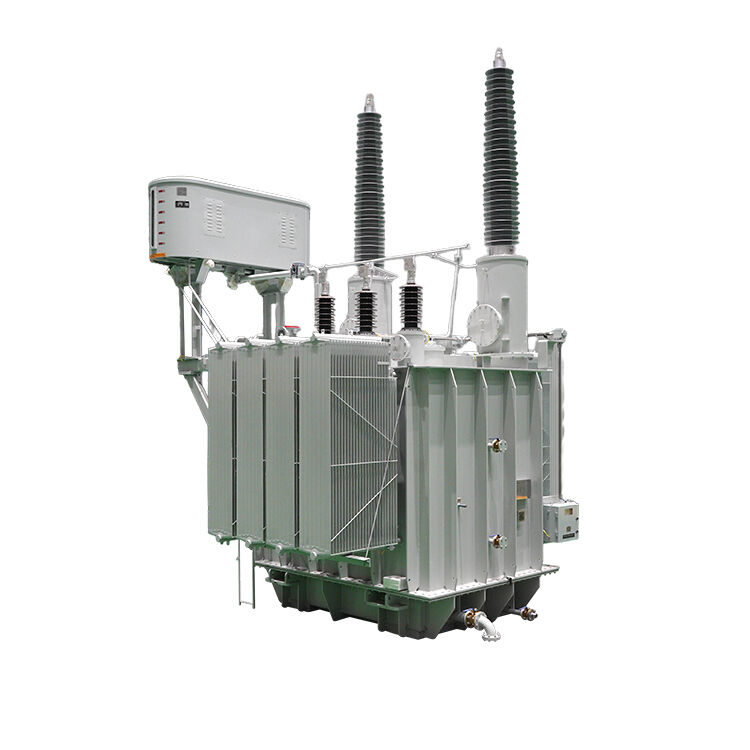
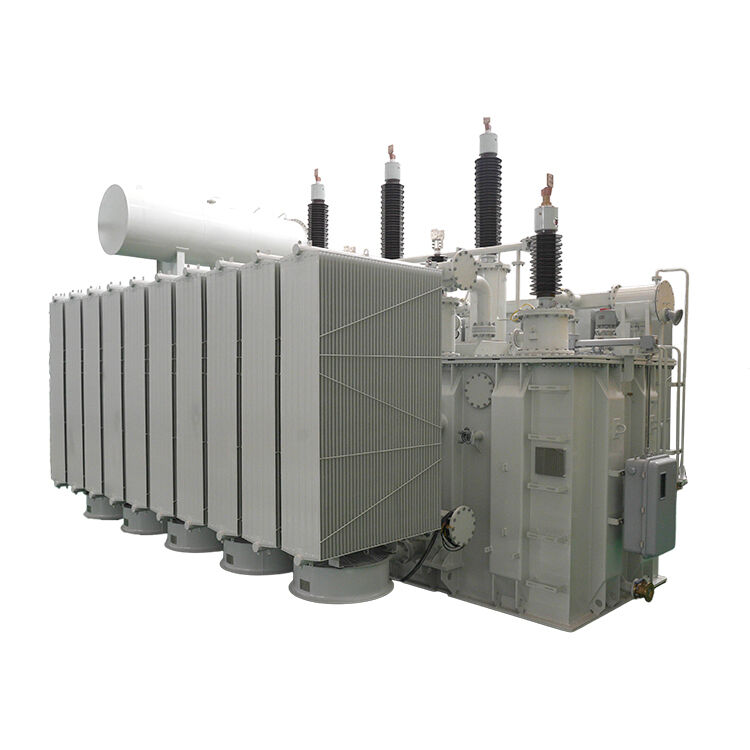
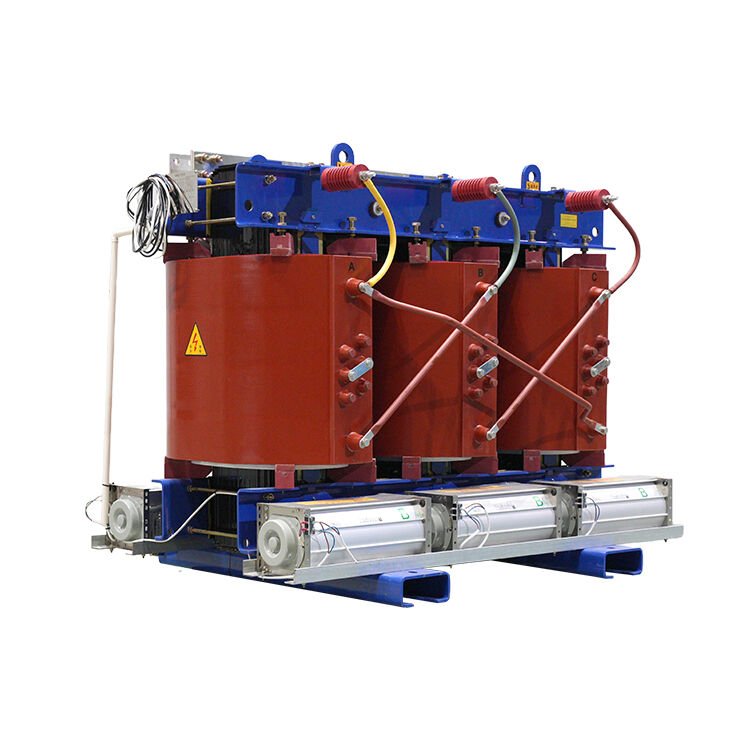
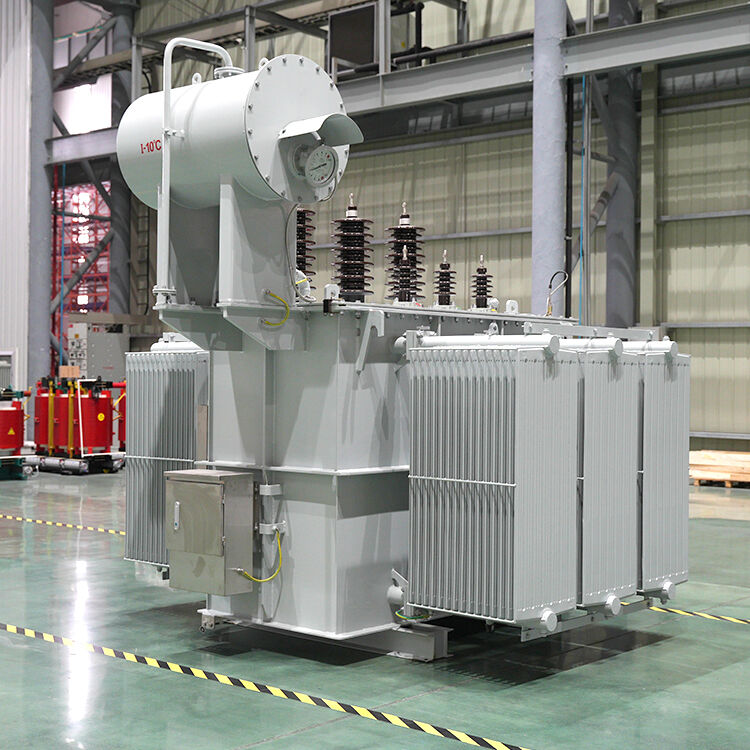
A booster transformer represents a specialized electrical device engineered to increase voltage levels within power distribution systems while maintaining system stability and efficiency. This sophisticated piece of equipment operates on electromagnetic induction principles, utilizing primary and secondary windings configured to step up voltage from lower input levels to higher output requirements. The booster transformer serves as an essential component in electrical networks where voltage regulation becomes critical for optimal performance and equipment protection. Modern booster transformers incorporate advanced core materials, typically featuring high-grade silicon steel laminations that minimize energy losses and reduce operational costs. These units are designed with precision-engineered windings that ensure consistent voltage transformation across varying load conditions. The construction includes robust insulation systems capable of withstanding electrical stress while maintaining long-term reliability. Temperature management systems integrated within booster transformers prevent overheating during continuous operation, extending equipment lifespan significantly. Various tap configurations allow operators to adjust output voltage levels according to specific application requirements, providing flexibility in system design and implementation. Safety features include overcurrent protection, thermal monitoring, and fault detection systems that automatically disconnect the unit during abnormal operating conditions. Installation versatility enables booster transformers to function effectively in indoor and outdoor environments, with weatherproof enclosures protecting internal components from environmental factors. Maintenance requirements remain minimal due to solid-state construction and absence of moving parts, reducing operational expenses over the equipment lifecycle. Quality manufacturing standards ensure consistent performance characteristics, with rigorous testing protocols validating operational parameters before deployment. The compact design philosophy maximizes power density while minimizing footprint requirements, making these units suitable for space-constrained installations. Advanced cooling techniques, including natural air circulation and forced ventilation options, maintain optimal operating temperatures across diverse environmental conditions.

New Products

Booster transformers deliver exceptional performance benefits that directly impact operational efficiency and cost-effectiveness for electrical system operators. These devices significantly reduce voltage drop issues that commonly plague distribution networks, ensuring consistent power delivery to end-user equipment regardless of distance from the primary source. Energy efficiency ratings typically exceed 95 percent, translating to substantial savings on electricity costs over extended operational periods. The robust construction methodology employed in booster transformer manufacturing ensures remarkable durability, with many units providing decades of reliable service under proper maintenance protocols. Installation procedures are straightforward and require minimal specialized equipment, reducing project timelines and labor costs during implementation phases. Operational flexibility stands out as a major advantage, allowing system operators to adjust voltage levels dynamically based on changing load requirements without significant infrastructure modifications. The compact form factor enables installation in locations where space constraints would otherwise limit equipment options, providing solutions for challenging installation environments. Maintenance requirements are exceptionally low compared to alternative voltage regulation technologies, with routine inspections and basic cleaning procedures sufficient to maintain peak performance levels. Safety features built into modern booster transformers protect both equipment and personnel from electrical hazards, incorporating multiple protection layers that prevent dangerous operating conditions. Cost-effectiveness becomes apparent through extended equipment lifespan, reduced maintenance expenses, and improved system reliability that minimizes downtime costs. Environmental impact is minimized through efficient operation and recyclable construction materials, supporting sustainability initiatives while maintaining operational excellence. Compatibility with existing electrical infrastructure eliminates the need for extensive system modifications, allowing seamless integration into established power distribution networks. The technology adapts well to various industrial, commercial, and residential applications, providing versatility that accommodates diverse operational requirements. Performance consistency remains stable across wide temperature ranges and varying environmental conditions, ensuring reliable operation in challenging installations. Quality control measures implemented during manufacturing guarantee consistent specifications and performance characteristics across all units, providing predictable results for system designers and operators.

Practical Tips

What Is a Transformer and How Does It Improve Power System Efficiency?

02

Jan

What Is a Transformer and How Does It Improve Power System Efficiency?

A transformer represents one of the most critical components in modern electrical power systems, serving as the backbone for efficient energy transmission and distribution across vast networks. These electromagnetic devices enable the seamless conver...
View More
How Does a Transformer Work in High Voltage Power Transmission?

08

Jan

How Does a Transformer Work in High Voltage Power Transmission?

High voltage power transmission systems form the backbone of modern electrical grids, enabling electricity to travel efficiently across vast distances. At the heart of these complex networks lies the power transformer, a crucial piece of equipment th...
View More
Why Are Transformers Critical for Industrial Power Distribution Systems?

14

Jan

Why Are Transformers Critical for Industrial Power Distribution Systems?

Industrial power distribution systems form the backbone of modern manufacturing, commercial facilities, and critical infrastructure operations. At the heart of these complex networks lies a fundamental component that ensures safe, efficient, and reli...
View More
How Do Transformers Support Grid Stability in Large-Scale Power Networks?

20

Jan

How Do Transformers Support Grid Stability in Large-Scale Power Networks?

Large-scale power networks form the backbone of modern electrical infrastructure, requiring sophisticated equipment to maintain stability and reliability across vast geographical areas. Power transformers play a crucial role in these complex systems ...
View More

Get a Free Quote

Our representative will contact you soon.
Email
WhatsApp/Mobile
Name
Company Name
Message
0/1000

booster transformer

Superior Voltage Regulation Technology

Superior Voltage Regulation Technology

The advanced voltage regulation capabilities of booster transformers represent a breakthrough in electrical power management, delivering precise control over output voltage levels that ensures optimal equipment performance across diverse applications. This sophisticated technology employs multiple tap configurations and intelligent switching mechanisms that automatically adjust voltage output based on real-time load conditions and input voltage variations. The regulation accuracy typically maintains output voltage within plus or minus one percent of the target value, providing stability that sensitive electronic equipment requires for proper operation. Advanced core design utilizing high-permeability materials maximizes magnetic coupling efficiency while minimizing losses, resulting in superior performance compared to conventional voltage regulation methods. The system incorporates feedback control mechanisms that continuously monitor output parameters and make instantaneous adjustments to compensate for fluctuations in supply voltage or load conditions. This dynamic regulation capability eliminates the need for manual adjustments and reduces the risk of equipment damage caused by voltage variations. Temperature compensation features ensure consistent performance across seasonal changes and varying ambient conditions, maintaining regulation accuracy regardless of environmental factors. The technology includes surge protection capabilities that safeguard connected equipment from transient voltage spikes and electrical disturbances common in industrial environments. Harmonic distortion levels remain exceptionally low, preserving power quality and preventing interference with sensitive electronic devices. Load capacity ranges accommodate everything from small commercial installations to large industrial facilities, providing scalable solutions for diverse power requirements. The regulation system operates silently without mechanical switching components, eliminating noise pollution and reducing maintenance requirements associated with moving parts. Response times for voltage corrections occur within milliseconds, ensuring seamless operation even during rapid load changes or supply disturbances. Integration capabilities allow connection with building automation systems and remote monitoring platforms, enabling centralized control and data collection for comprehensive power management strategies.
Enhanced Energy Efficiency and Cost Savings

Enhanced Energy Efficiency and Cost Savings

Booster transformers deliver outstanding energy efficiency that translates directly into significant cost savings for facility operators, with typical efficiency ratings exceeding 98 percent under optimal operating conditions. This exceptional efficiency stems from innovative core design techniques that minimize eddy current losses and hysteresis effects, allowing maximum power transfer with minimal waste heat generation. The high-efficiency operation reduces electricity consumption substantially compared to alternative voltage regulation methods, generating measurable savings on monthly utility bills that accumulate into substantial annual cost reductions. Load losses remain consistently low across the entire operating range, ensuring efficient performance whether the system operates at partial or full capacity. No-load losses are minimized through advanced core materials and optimized magnetic circuit design, preventing unnecessary energy consumption during periods of reduced demand. The efficiency benefits compound over time, with improved power factor correction capabilities that may qualify facilities for utility rebates and reduced demand charges. Thermal management systems maintain optimal operating temperatures without requiring energy-intensive cooling systems, further contributing to overall energy savings. The technology eliminates the need for multiple voltage regulation devices, consolidating functions into a single efficient unit that reduces both capital and operating expenses. Power quality improvements achieved through booster transformer operation reduce stress on connected equipment, extending equipment lifespan and reducing replacement costs. Reduced maintenance requirements minimize service interruptions and associated productivity losses, contributing to improved operational economics. The long service life typical of booster transformers, often exceeding 25 years with proper maintenance, provides excellent return on investment through extended operational periods. Environmental benefits include reduced carbon footprint due to improved efficiency and decreased demand for electrical generation capacity. Energy monitoring capabilities built into modern units provide detailed consumption data that supports energy management initiatives and identifies opportunities for additional savings. The technology supports peak demand reduction strategies by optimizing voltage levels during high-usage periods, potentially reducing costly demand charges imposed by utility companies.
Versatile Application Range and Easy Installation

Versatile Application Range and Easy Installation

The remarkable versatility of booster transformers makes them suitable for an extensive range of applications spanning industrial manufacturing, commercial buildings, residential complexes, and specialized facilities requiring precise voltage control. Manufacturing environments benefit significantly from the stable voltage supply that ensures consistent operation of production equipment, reducing defects and improving product quality while maintaining optimal productivity levels. Commercial installations utilize booster transformers to address voltage drop issues in large buildings where electrical loads are distributed across significant distances from main service panels. Data centers rely on these devices to maintain critical voltage levels required for server equipment and networking infrastructure, where even minor voltage variations can cause system failures and data loss. Healthcare facilities implement booster transformers to ensure medical equipment receives clean, stable power necessary for patient safety and accurate diagnostic results. Educational institutions benefit from improved power quality that supports modern classroom technology and laboratory equipment while reducing maintenance requirements. Residential applications include high-end homes with extensive electrical systems, luxury condominiums, and apartment complexes where consistent voltage delivery enhances resident satisfaction and reduces complaint calls. The installation process is streamlined through standardized mounting configurations and connection procedures that minimize project complexity and reduce labor requirements. Pre-engineered connection points eliminate guesswork during installation, while clear documentation guides technicians through setup procedures efficiently. Modular design concepts allow for easy expansion or reconfiguration as electrical requirements change over time, providing future-proof solutions that adapt to evolving needs. Indoor and outdoor installation options accommodate diverse environmental conditions, with appropriate enclosure ratings protecting equipment from weather, dust, and other environmental factors. Compliance with international safety standards ensures installations meet regulatory requirements across different jurisdictions and applications. The compact footprint allows installation in space-constrained locations where larger equipment would be impractical, providing solutions for challenging architectural constraints. Integration capabilities with existing electrical infrastructure minimize disruption during installation and reduce the need for extensive system modifications that would increase project costs and timelines.

Get a Free Quote

Our representative will contact you soon.
Email
WhatsApp/Mobile
Name
Company Name
Message
0/1000