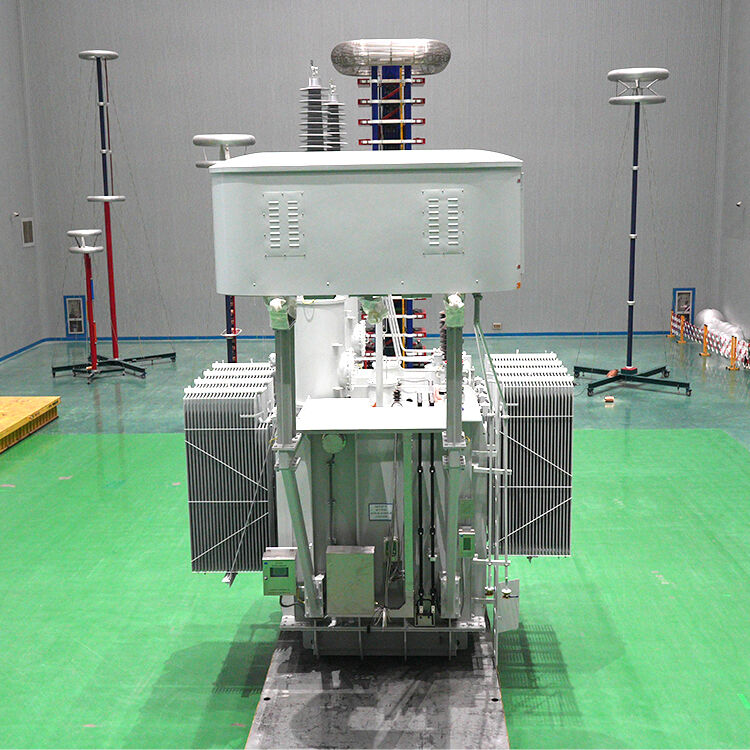
Step Down Transformer: Complete Guide to Voltage Reduction Solutions

Get a Free Quote

Our representative will contact you soon.
Email
WhatsApp/Mobile
Name
Company Name
Message
0/1000

a step down transformer

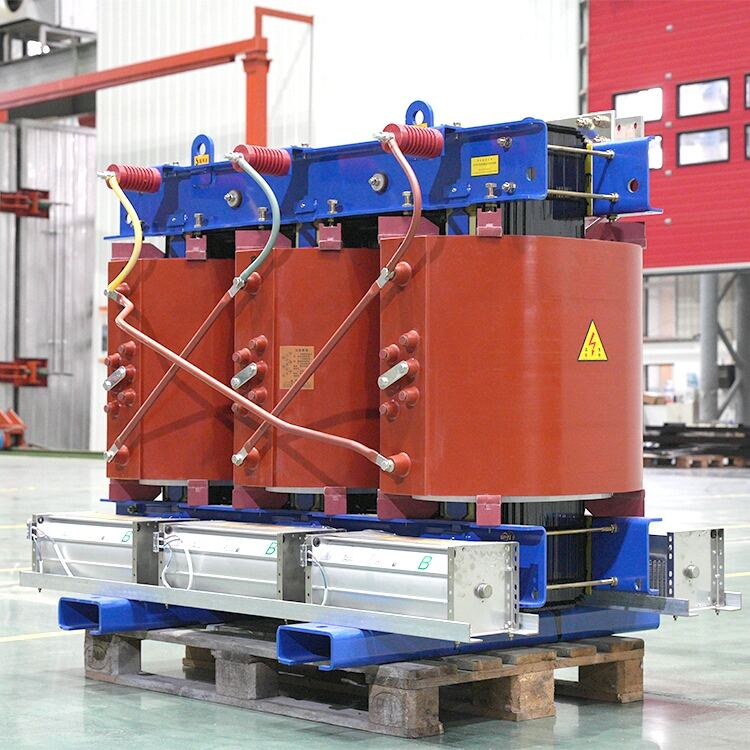
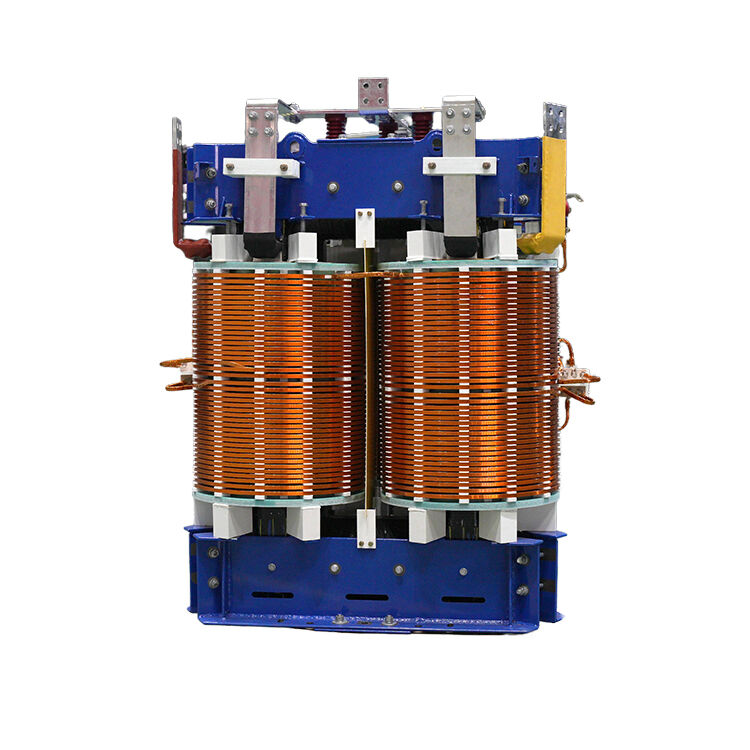
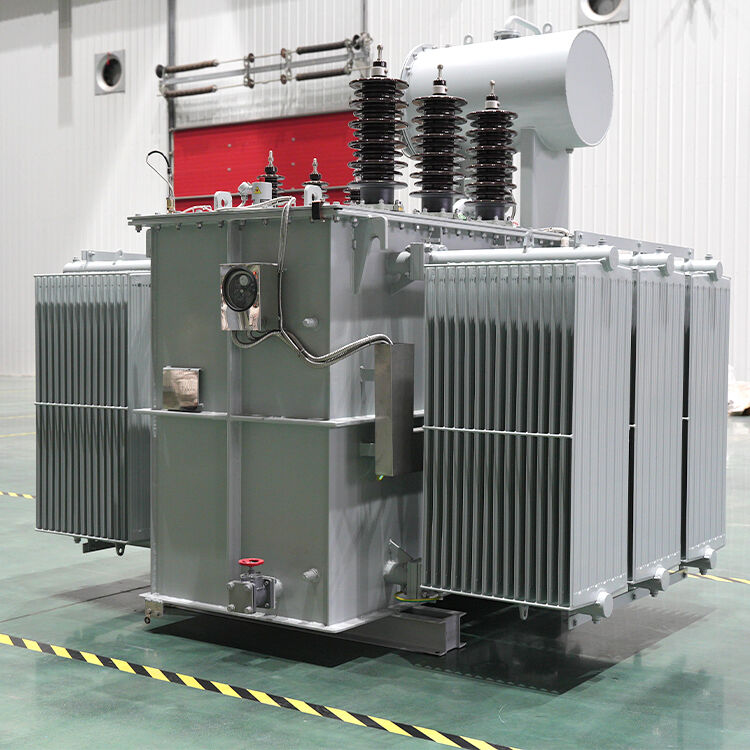
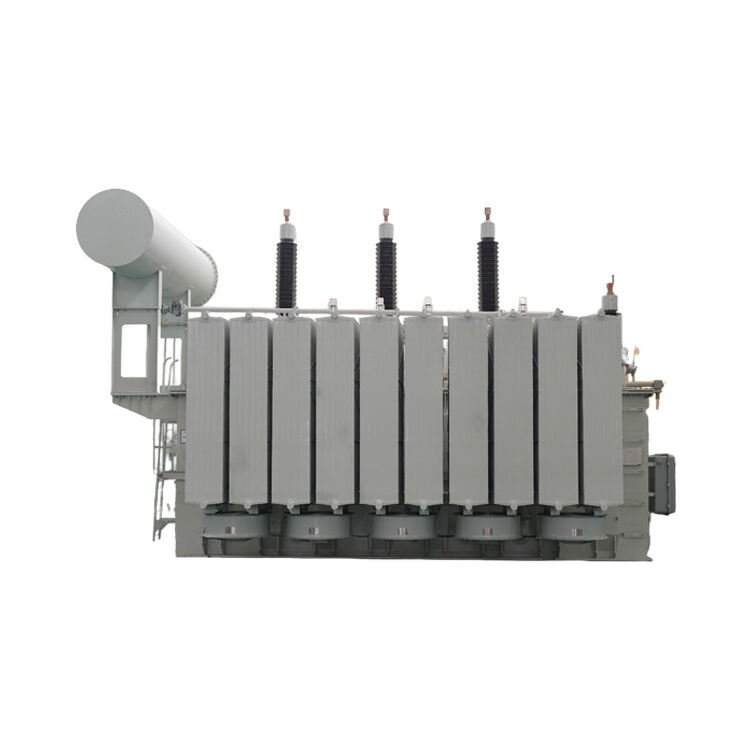
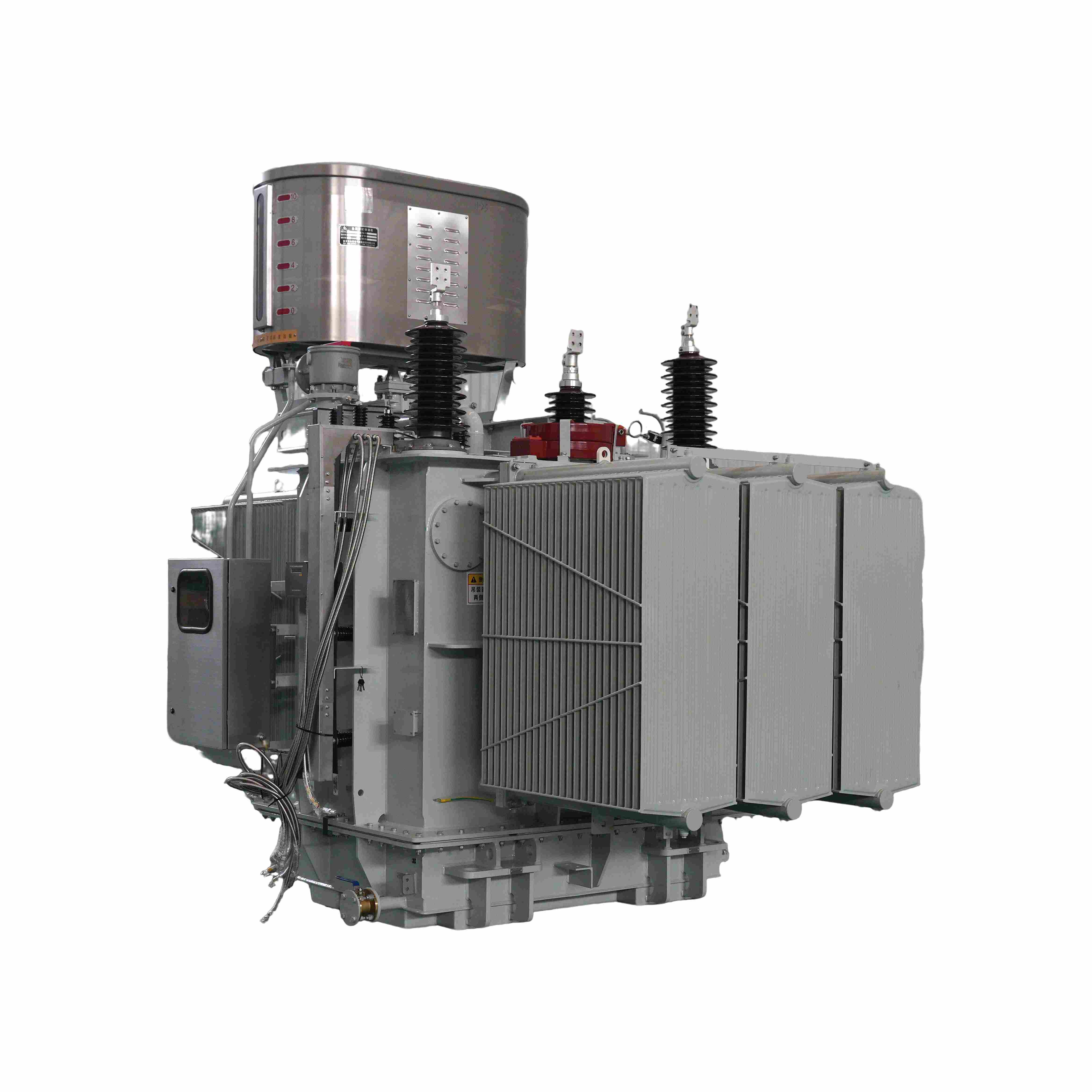
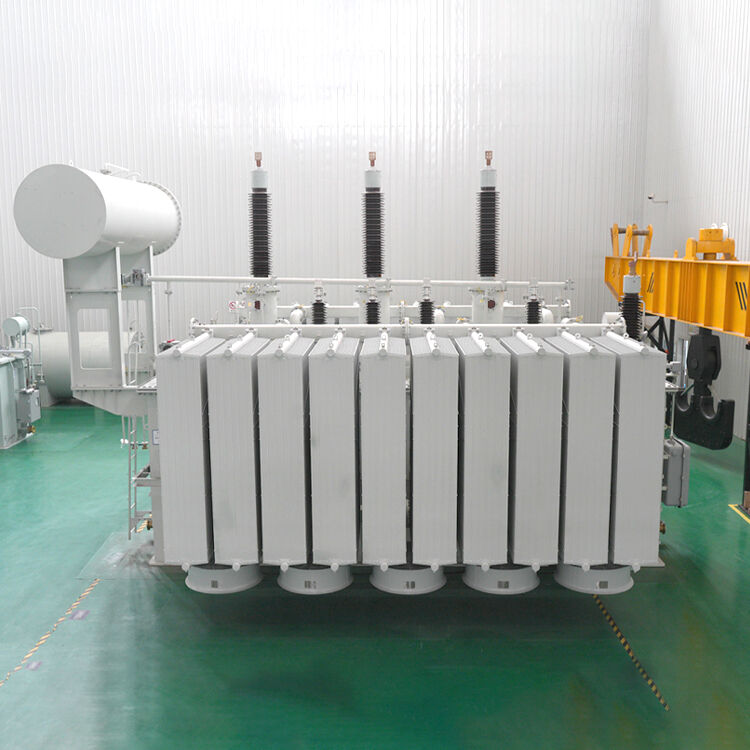
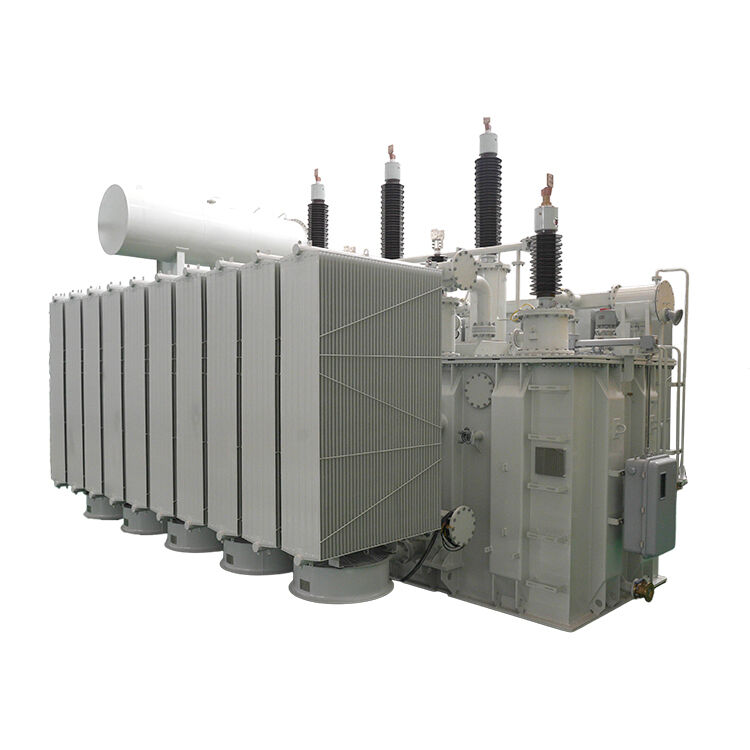
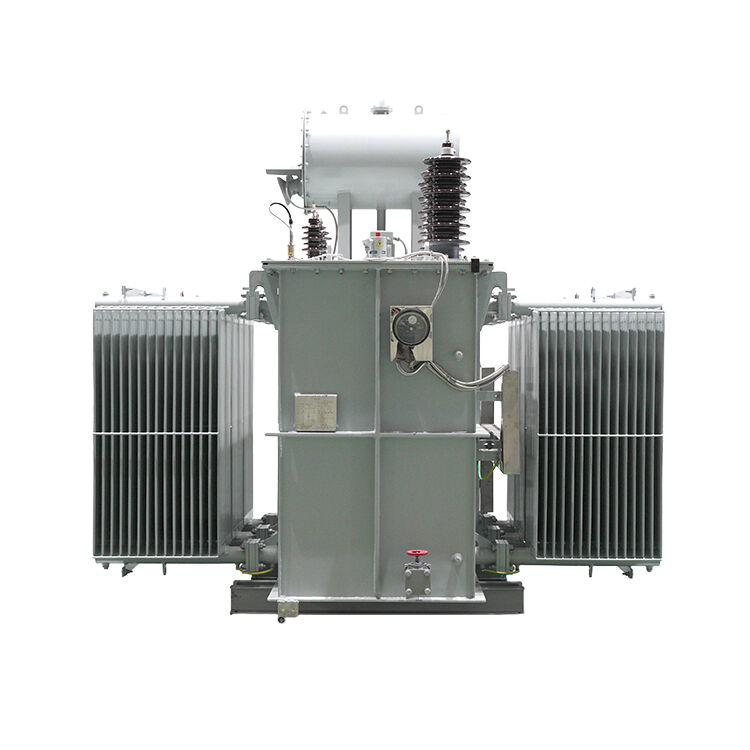
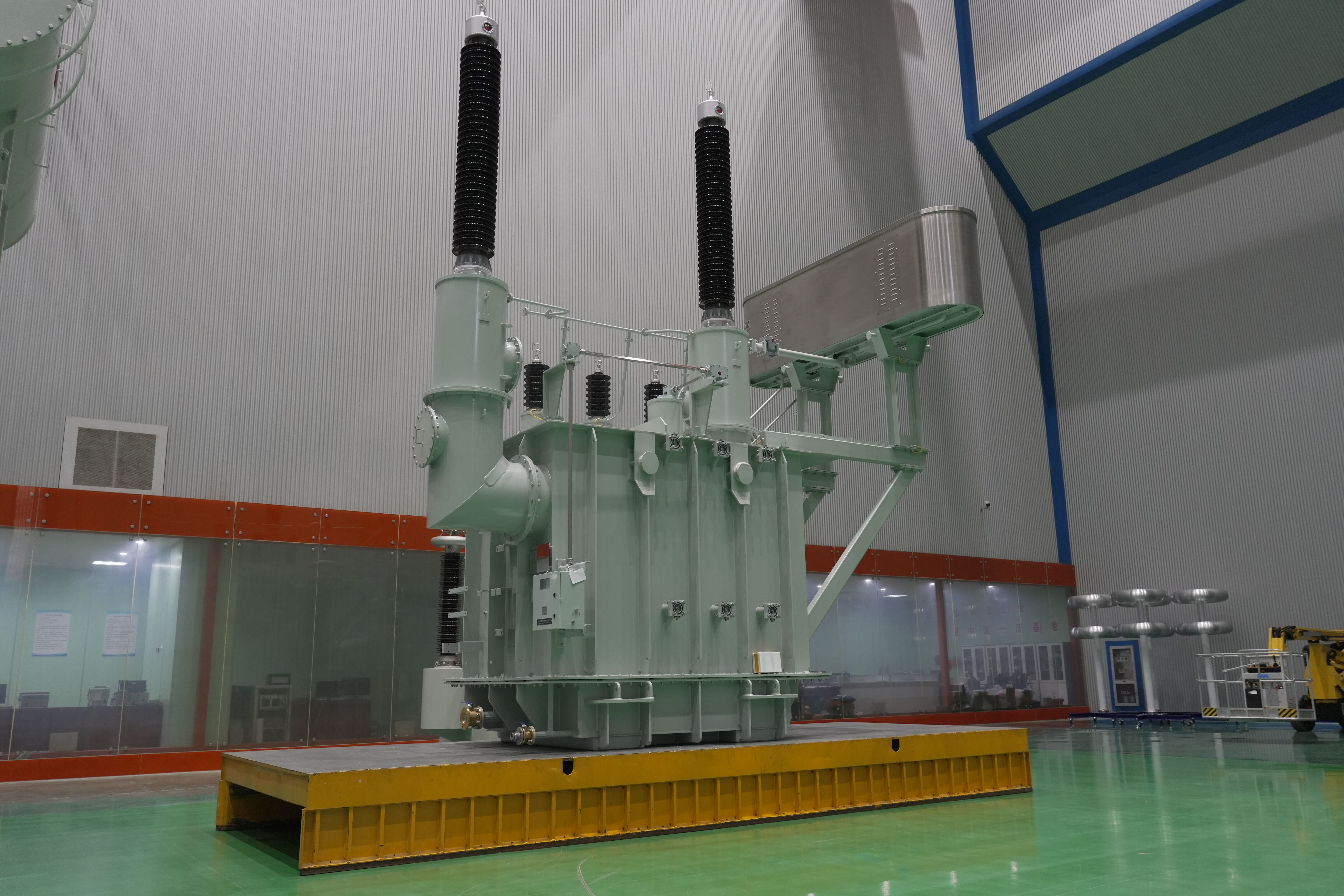
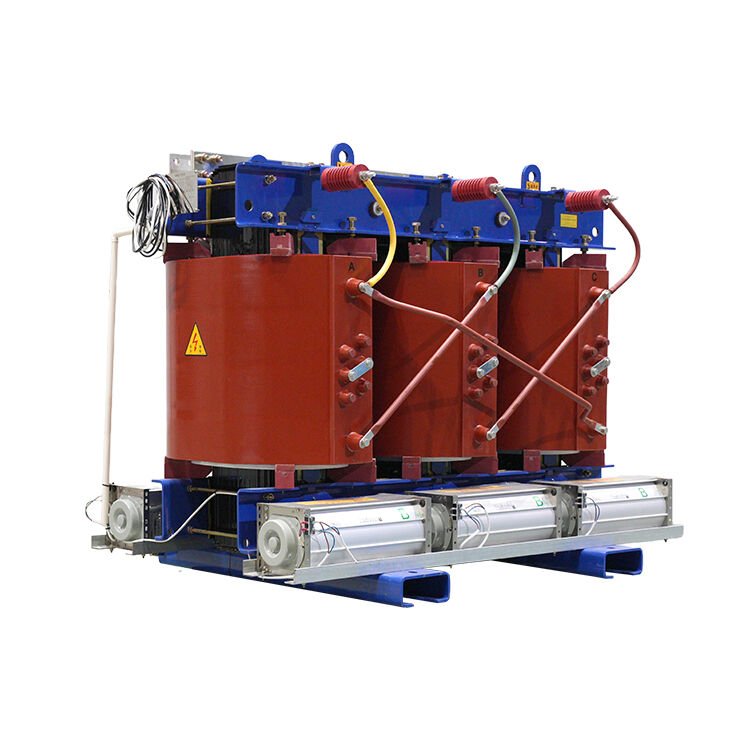
A step down transformer represents a fundamental electrical device designed to reduce voltage levels from primary to secondary windings while maintaining power efficiency. This essential component operates on electromagnetic induction principles, featuring a primary winding with more turns than the secondary winding. The voltage reduction ratio directly correlates with the turns ratio between these windings. A step down transformer serves critical roles in power distribution systems, converting high-voltage transmission electricity into safer, usable voltage levels for residential, commercial, and industrial applications. The technological foundation relies on Faraday's law of electromagnetic induction, where alternating current in the primary winding creates a changing magnetic field that induces voltage in the secondary winding. Core materials typically utilize silicon steel laminations to minimize eddy current losses and maximize magnetic coupling efficiency. Modern step down transformer designs incorporate advanced insulation systems, temperature monitoring capabilities, and protection mechanisms against overload conditions. These devices maintain excellent regulation characteristics, ensuring stable output voltage despite input fluctuations or load variations. The construction includes specialized cooling systems, ranging from natural air circulation to forced oil circulation, depending on power ratings and environmental requirements. Safety features encompass multiple protection layers, including thermal overload protection, short-circuit protection, and ground fault detection. Installation flexibility allows for indoor or outdoor mounting configurations, with weatherproof enclosures for external applications. The efficiency ratings typically exceed 95 percent for quality units, contributing to energy conservation and reduced operational costs. Maintenance requirements remain minimal, involving periodic inspection of connections, insulation testing, and cooling system verification. These transformers accommodate various load types, from resistive heating elements to complex electronic equipment with harmonic-generating characteristics.

New Products

A step down transformer delivers numerous practical benefits that directly impact operational efficiency and cost-effectiveness for users across diverse applications. Energy efficiency stands as the primary advantage, with modern units achieving efficiency ratings exceeding 98 percent, translating directly into reduced electricity bills and lower carbon footprint. This high efficiency results from advanced core materials and optimized winding configurations that minimize energy losses during voltage conversion processes. Safety enhancement represents another crucial benefit, as a step down transformer isolates electrical circuits and provides galvanic separation between input and output sides, protecting sensitive equipment and personnel from potential electrical hazards. The voltage regulation capability ensures consistent performance regardless of input voltage fluctuations, maintaining stable output levels that protect connected devices from damage caused by voltage spikes or drops. Cost savings extend beyond energy efficiency to include reduced infrastructure requirements, as lower secondary voltages allow the use of smaller, less expensive cables, switches, and protective devices throughout the electrical system. Reliability factors contribute significantly to operational continuity, with quality step down transformer units offering decades of trouble-free service when properly maintained and operated within specified parameters. Flexibility in installation options accommodates various space constraints and environmental conditions, with configurations available for wall mounting, floor mounting, or pole mounting to suit specific application requirements. Load handling versatility enables a step down transformer to accommodate diverse electrical loads, from simple resistive heating to complex electronic systems with varying power factor characteristics. Maintenance simplicity reduces ongoing operational costs, as these devices require minimal routine maintenance compared to other electrical equipment, typically involving only periodic visual inspections and basic testing procedures. Environmental adaptability allows operation in challenging conditions, with appropriate enclosure ratings protecting internal components from moisture, dust, temperature extremes, and corrosive atmospheres. Scalability options enable system expansion without major infrastructure changes, as modular step down transformer installations can grow with increasing power demands while maintaining system integrity and performance standards.

Tips And Tricks

What Is a Transformer and How Does It Improve Power System Efficiency?

02

Jan

What Is a Transformer and How Does It Improve Power System Efficiency?

A transformer represents one of the most critical components in modern electrical power systems, serving as the backbone for efficient energy transmission and distribution across vast networks. These electromagnetic devices enable the seamless conver...
View More
How Does a Transformer Work in High Voltage Power Transmission?

08

Jan

How Does a Transformer Work in High Voltage Power Transmission?

High voltage power transmission systems form the backbone of modern electrical grids, enabling electricity to travel efficiently across vast distances. At the heart of these complex networks lies the power transformer, a crucial piece of equipment th...
View More
How Do Transformers Support Grid Stability in Large-Scale Power Networks?

20

Jan

How Do Transformers Support Grid Stability in Large-Scale Power Networks?

Large-scale power networks form the backbone of modern electrical infrastructure, requiring sophisticated equipment to maintain stability and reliability across vast geographical areas. Power transformers play a crucial role in these complex systems ...
View More
What Should Utilities Consider When Selecting a Transformer Supplier?

26

Jan

What Should Utilities Consider When Selecting a Transformer Supplier?

Selecting the right supplier for power infrastructure represents one of the most critical decisions utility companies face in today's rapidly evolving energy landscape. The process of choosing a power transformer supplier requires careful evaluation ...
View More

Get a Free Quote

Our representative will contact you soon.
Email
WhatsApp/Mobile
Name
Company Name
Message
0/1000

a step down transformer

Superior Voltage Regulation and Power Quality

Superior Voltage Regulation and Power Quality

The exceptional voltage regulation capability of a step down transformer ensures consistent, reliable power delivery that protects valuable equipment while maintaining optimal performance across varying load conditions. This critical feature involves sophisticated magnetic circuit design and precision winding techniques that minimize voltage variation between no-load and full-load conditions, typically maintaining regulation within two percent of nominal voltage. The importance of this characteristic cannot be overstated, as voltage fluctuations can cause significant damage to sensitive electronic equipment, reduce motor efficiency, and create operational disruptions that result in costly downtime. Advanced step down transformer designs incorporate compensation windings and magnetic shunt arrangements that automatically adjust for load variations, input voltage changes, and power factor fluctuations without requiring external control systems. This self-regulating behavior provides substantial value to customers by eliminating the need for separate voltage regulation equipment, reducing system complexity and initial investment costs. The power quality enhancement extends beyond voltage regulation to include harmonic filtering capabilities, where the transformer's inherent impedance characteristics help attenuate harmonic distortion generated by nonlinear loads such as variable frequency drives, computer systems, and LED lighting installations. Temperature stability plays a crucial role in maintaining consistent regulation performance, with quality units featuring temperature-compensated designs that account for conductor resistance changes and magnetic property variations across operating temperature ranges. Load transient response represents another dimension of voltage regulation excellence, where a step down transformer quickly recovers from sudden load changes without experiencing prolonged voltage deviations that could disrupt connected equipment operation. The economic benefits of superior voltage regulation include extended equipment lifespan, reduced maintenance requirements, improved energy efficiency of connected loads, and minimized risk of production interruptions in industrial applications.
Enhanced Safety Features and Electrical Isolation

Enhanced Safety Features and Electrical Isolation

Safety represents the paramount concern in electrical system design, and a step down transformer incorporates multiple layers of protection that safeguard both personnel and equipment from electrical hazards while providing galvanic isolation between primary and secondary circuits. The fundamental safety benefit stems from electrical isolation, where the transformer creates a complete electrical separation between input and output circuits, preventing dangerous voltage transfer paths that could create shock hazards or equipment damage during fault conditions. This isolation capability proves especially valuable in applications where sensitive electronic equipment requires protection from power line disturbances, ground loops, or electromagnetic interference that can propagate through direct electrical connections. Advanced insulation systems utilize modern materials such as polyester films, epoxy resins, and specialized varnishes that provide superior dielectric strength and long-term reliability under thermal and electrical stress conditions. Temperature protection mechanisms include thermal sensors embedded within transformer windings that monitor operating temperatures and provide early warning of overload conditions before damage occurs, automatically disconnecting power when predetermined temperature thresholds are exceeded. Ground fault protection capabilities detect dangerous current leakage paths and rapidly interrupt power to prevent electrical shock hazards, particularly important in wet or corrosive environments where insulation integrity may be compromised. Short-circuit protection involves carefully designed impedance characteristics that naturally limit fault currents while coordinating with upstream protective devices to ensure selective operation during abnormal conditions. Arc fault detection represents an emerging safety feature in modern step down transformer designs, identifying dangerous arcing conditions that could lead to fire hazards and automatically interrupting power before ignition can occur. Enclosure integrity provides physical protection against accidental contact with energized components, with appropriate IP ratings ensuring protection against dust, moisture, and mechanical damage in challenging industrial environments. The comprehensive safety approach delivers immense value to customers by reducing liability exposure, ensuring regulatory compliance, protecting valuable assets, and providing peace of mind through multiple redundant protection systems.
Versatile Applications and Customization Options

Versatile Applications and Customization Options

The remarkable versatility of a step down transformer enables deployment across an extraordinarily wide range of applications, from residential voltage conversion to complex industrial power distribution systems, with extensive customization options that precisely match specific operational requirements and environmental conditions. Residential applications encompass international equipment compatibility, where travelers and expatriates require voltage conversion for appliances designed for different electrical systems, workshop power supplies for specialized tools, and backup power system integration for emergency preparedness scenarios. Commercial applications span retail establishments requiring specialized lighting systems, office buildings with international equipment installations, restaurants with imported kitchen equipment, and service facilities needing flexible power distribution for diverse operational requirements. Industrial versatility shines through manufacturing applications where a step down transformer provides precise voltage levels for automated machinery, process control systems, welding equipment, and material handling systems that demand specific electrical characteristics for optimal performance. Customization capabilities include voltage ratio selection across virtually any practical combination, power rating options from fractional kilowatts to multiple megawatts, frequency adaptation for specialized applications or international compatibility, and enclosure modifications for specific environmental protection requirements. Mounting configuration flexibility accommodates space constraints and installation preferences, with options including wall-mounted units for compact installations, floor-standing designs for high-power applications, and pole-mounted configurations for outdoor distribution systems. Environmental customization addresses challenging operating conditions through specialized coatings for corrosive atmospheres, enhanced cooling systems for high-ambient temperature locations, vibration-resistant designs for mobile applications, and explosion-proof enclosures for hazardous area installations. Performance customization enables optimization for specific load characteristics, including designs tailored for motor starting applications with high inrush currents, electronic load compatibility with harmonic mitigation features, and precision laboratory applications requiring exceptional regulation accuracy. The extensive customization capabilities provide tremendous value to customers by eliminating the need for oversized or inappropriate standard units, optimizing system performance and efficiency, reducing installation complexity, and ensuring long-term reliability in demanding applications while maintaining cost-effectiveness through precise specification matching.

Get a Free Quote

Our representative will contact you soon.
Email
WhatsApp/Mobile
Name
Company Name
Message
0/1000