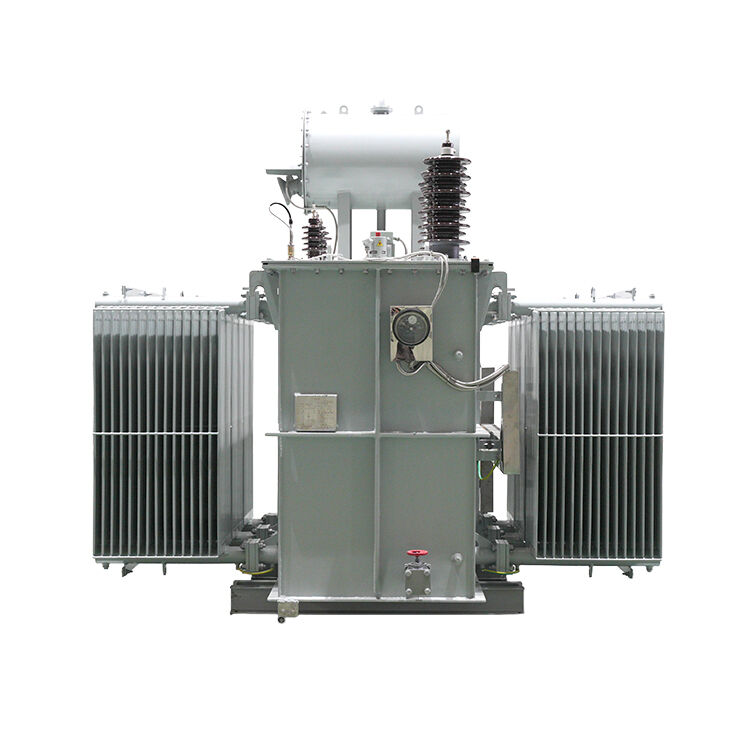
High Voltage Transformers: Advanced HV Transformer Solutions for Power Systems

Get a Free Quote

Our representative will contact you soon.
Email
WhatsApp/Mobile
Name
Company Name
Message
0/1000

hv transformer

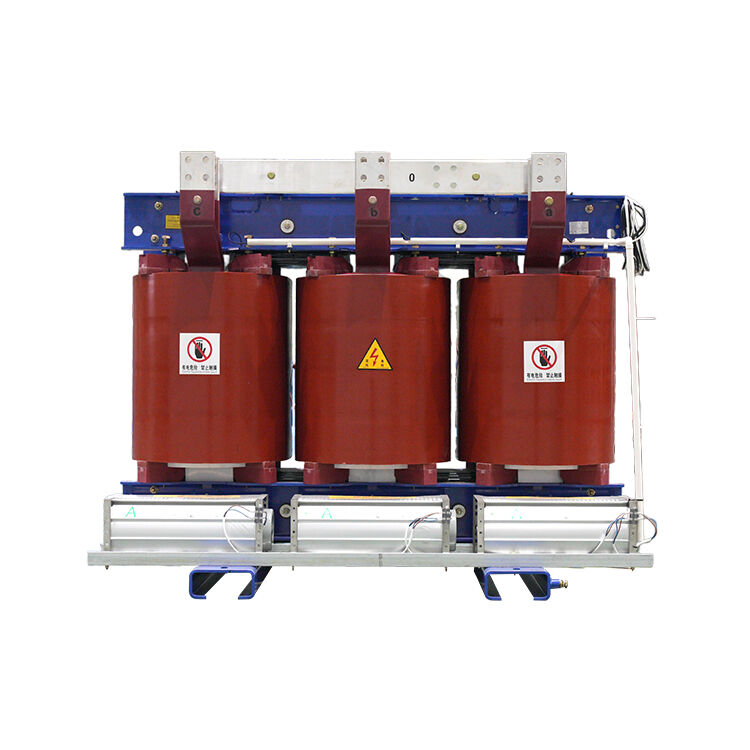
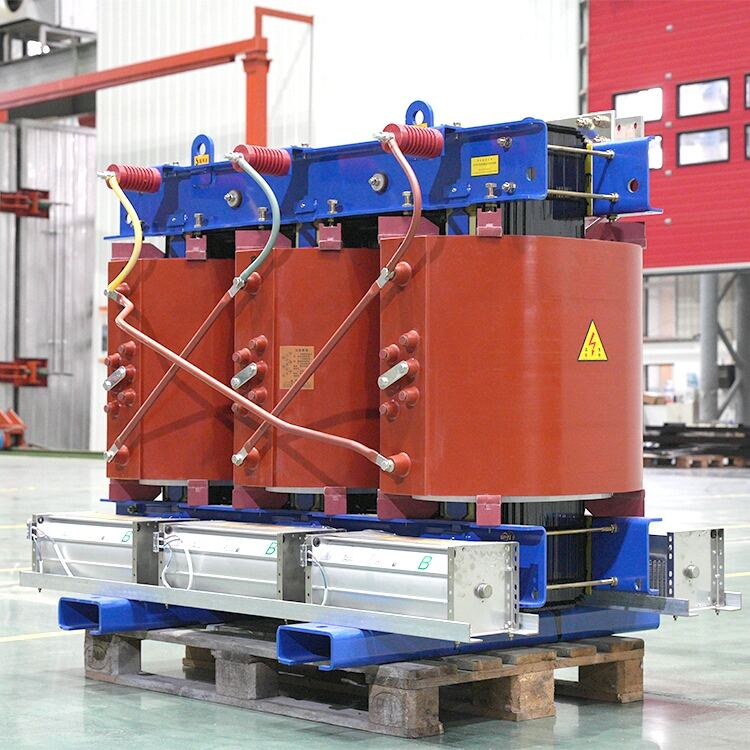
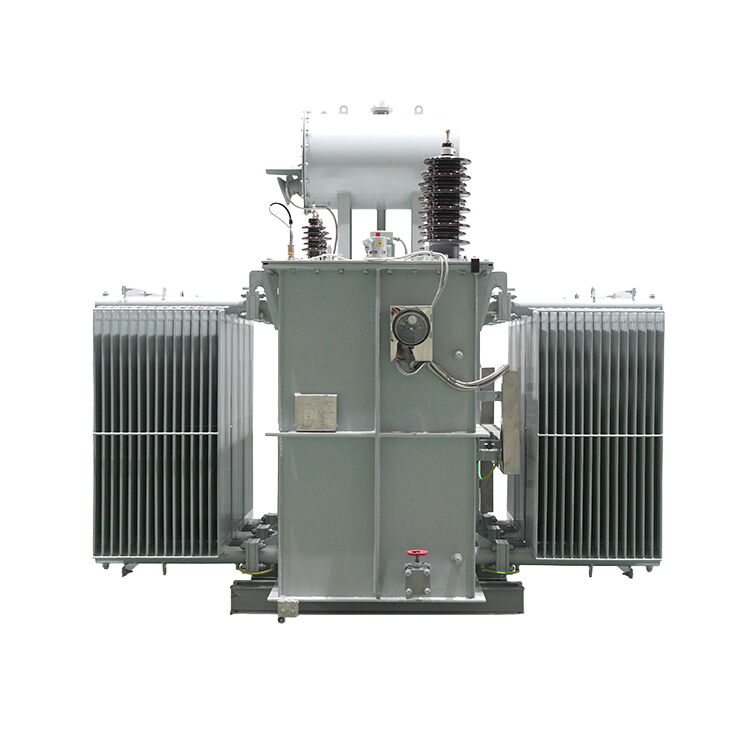
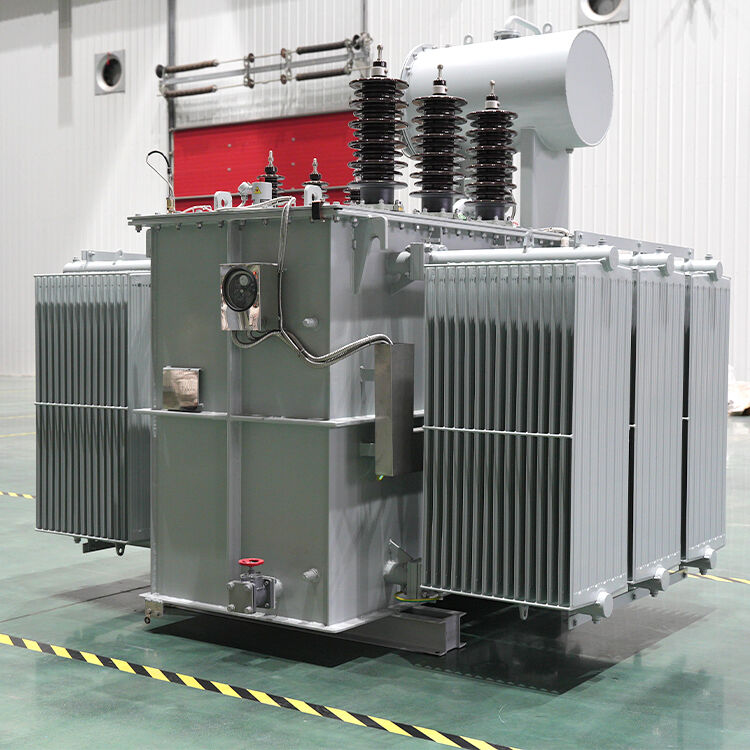
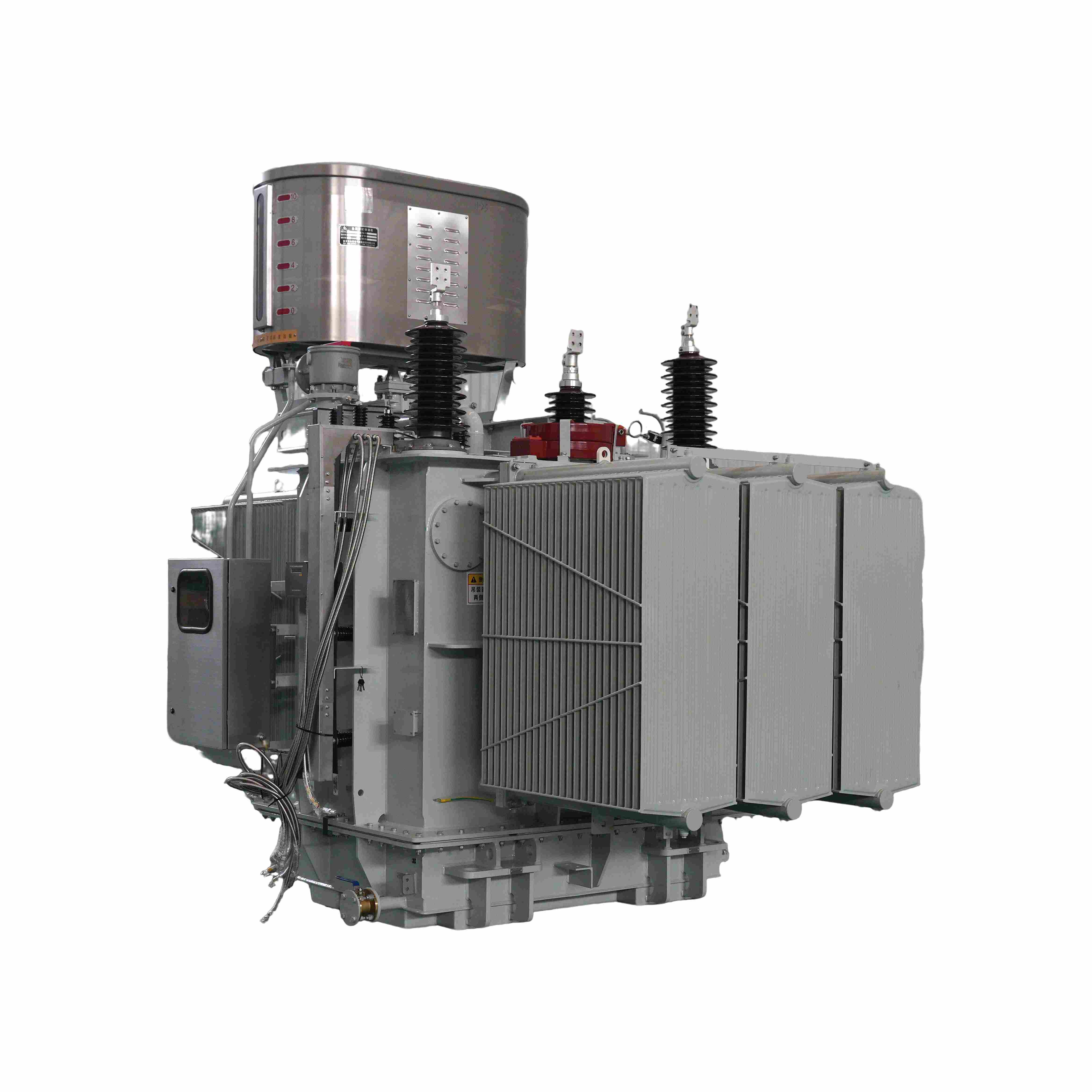
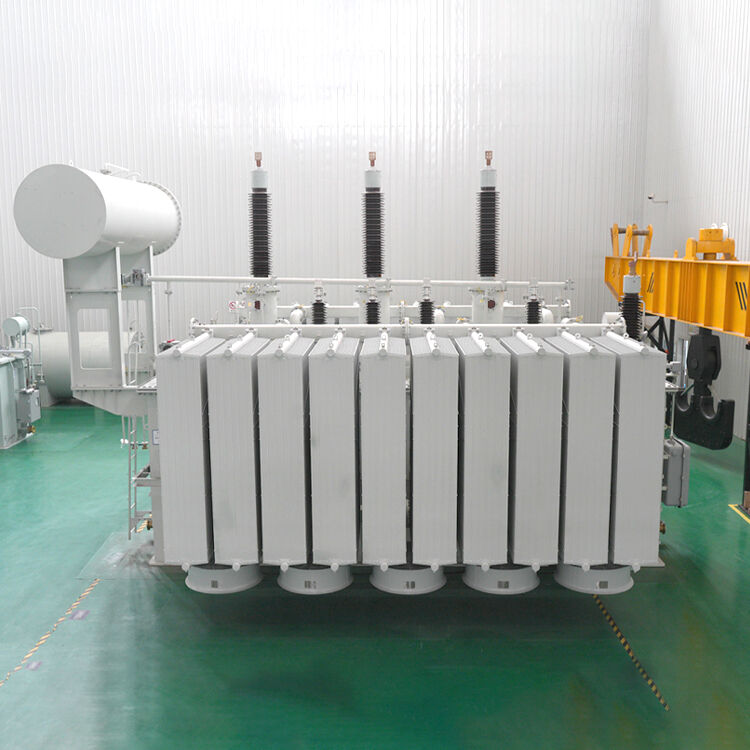
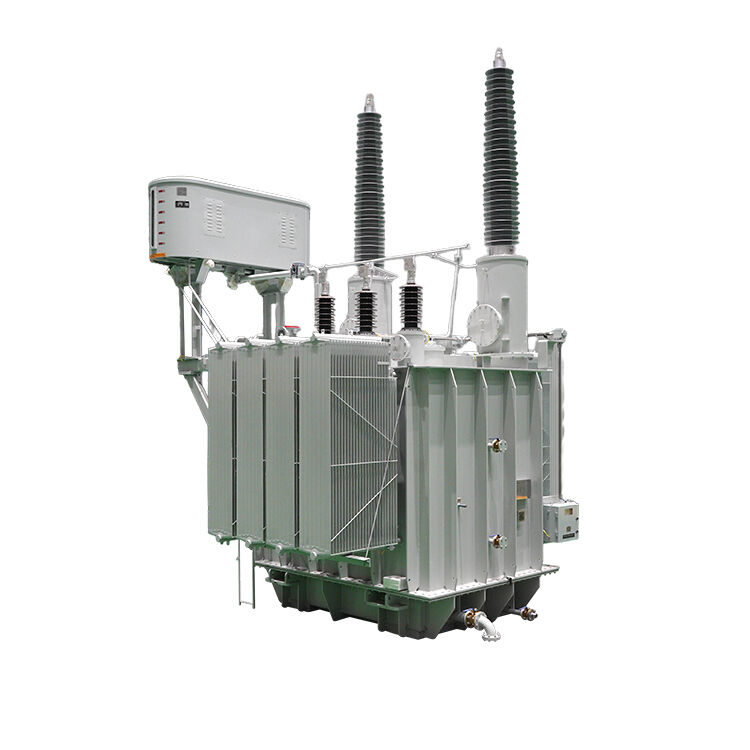
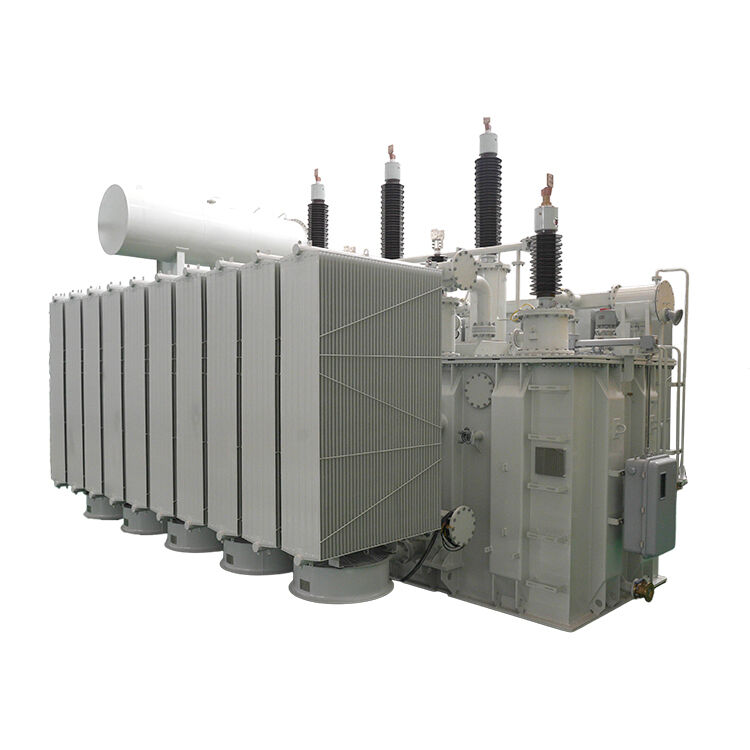
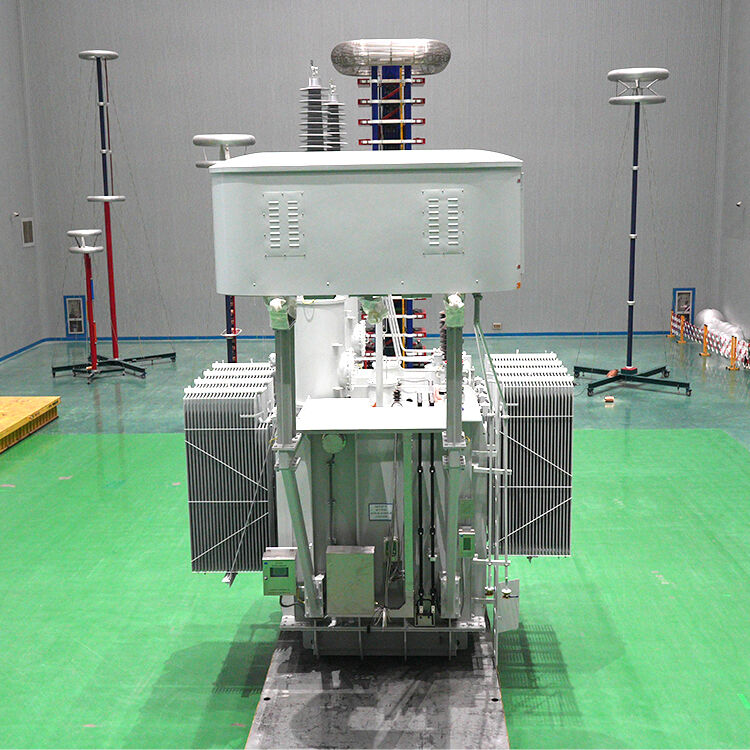
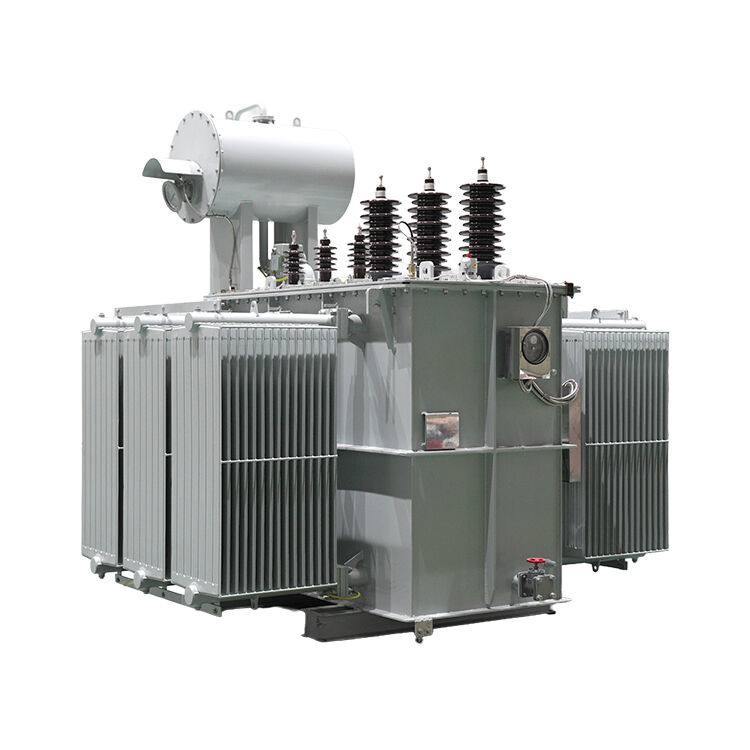
The hv transformer represents a critical component in electrical power systems, serving as the backbone for high-voltage power transmission and distribution networks worldwide. An hv transformer, or high-voltage transformer, operates by utilizing electromagnetic induction principles to convert electrical energy between different voltage levels while maintaining power efficiency. These sophisticated devices play an essential role in stepping up voltage levels for long-distance transmission or stepping down voltages for safe distribution to end users. The core functionality of an hv transformer revolves around its ability to handle extremely high voltages, typically ranging from 35kV to over 800kV, making it indispensable for utility companies and industrial facilities requiring reliable power management solutions. The technological architecture of an hv transformer incorporates advanced insulation systems, robust core materials, and precision-engineered windings designed to withstand extreme electrical stresses. Modern hv transformer units feature oil-filled designs with sophisticated cooling systems that ensure optimal operating temperatures even under heavy load conditions. The magnetic core construction utilizes high-grade silicon steel laminations that minimize energy losses and enhance overall efficiency. Primary applications of hv transformer technology span across power generation facilities, electrical substations, industrial manufacturing plants, and renewable energy installations. These transformers enable efficient power transmission across vast distances, reducing energy losses that would otherwise occur in lower voltage systems. The versatility of hv transformer designs allows for customization based on specific voltage requirements, load capacities, and environmental conditions. Whether supporting urban power grids, connecting wind farms to transmission networks, or providing reliable power to heavy industrial operations, the hv transformer serves as a fundamental building block of modern electrical infrastructure, ensuring stable and efficient power delivery to millions of consumers and businesses globally.

Popular Products

The hv transformer delivers numerous practical benefits that directly impact operational efficiency and cost-effectiveness for power system operators. Energy efficiency stands as the primary advantage, with modern hv transformer units achieving efficiency ratings exceeding 99 percent, significantly reducing power losses during transmission and distribution processes. This exceptional efficiency translates into substantial cost savings over the transformer's operational lifetime, as reduced energy waste means lower electricity bills and improved environmental sustainability. Reliability represents another crucial benefit of hv transformer technology, with properly maintained units offering service lives spanning 25 to 40 years or more. This longevity provides excellent return on investment while minimizing replacement costs and system downtime. The robust construction of hv transformer units ensures consistent performance even under challenging environmental conditions, including temperature extremes, humidity variations, and seismic activity. Flexibility in design and application makes hv transformer solutions adaptable to diverse power system requirements. Whether you need step-up transformers for power generation facilities or step-down units for distribution networks, these devices can be customized to meet specific voltage ratios, power ratings, and installation constraints. This adaptability reduces the need for multiple transformer types and simplifies inventory management. Maintenance requirements for hv transformer units remain relatively low when compared to other power system components, thanks to their simple yet robust design. Regular oil testing, visual inspections, and periodic maintenance schedules help ensure optimal performance while minimizing unexpected failures. The predictable maintenance needs allow for better budget planning and resource allocation. Safety features built into modern hv transformer designs protect both equipment and personnel. Advanced protection systems detect abnormal operating conditions and automatically isolate the transformer when necessary, preventing catastrophic failures and reducing safety risks. These safety mechanisms also protect downstream equipment from damage caused by transformer faults. Economic benefits extend beyond initial cost considerations to include reduced operational expenses, lower insurance premiums due to improved safety records, and potential utility incentives for efficient power system components. The high power handling capacity of hv transformer units enables consolidation of multiple smaller transformers into single, more efficient units, reducing installation complexity and maintenance requirements while improving overall system reliability and performance.

Latest News

What Is a Transformer and How Does It Improve Power System Efficiency?

02

Jan

What Is a Transformer and How Does It Improve Power System Efficiency?

A transformer represents one of the most critical components in modern electrical power systems, serving as the backbone for efficient energy transmission and distribution across vast networks. These electromagnetic devices enable the seamless conver...
View More
How Does a Transformer Work in High Voltage Power Transmission?

08

Jan

How Does a Transformer Work in High Voltage Power Transmission?

High voltage power transmission systems form the backbone of modern electrical grids, enabling electricity to travel efficiently across vast distances. At the heart of these complex networks lies the power transformer, a crucial piece of equipment th...
View More
Why Are Transformers Critical for Industrial Power Distribution Systems?

14

Jan

Why Are Transformers Critical for Industrial Power Distribution Systems?

Industrial power distribution systems form the backbone of modern manufacturing, commercial facilities, and critical infrastructure operations. At the heart of these complex networks lies a fundamental component that ensures safe, efficient, and reli...
View More
How Do Transformers Support Grid Stability in Large-Scale Power Networks?

20

Jan

How Do Transformers Support Grid Stability in Large-Scale Power Networks?

Large-scale power networks form the backbone of modern electrical infrastructure, requiring sophisticated equipment to maintain stability and reliability across vast geographical areas. Power transformers play a crucial role in these complex systems ...
View More

Get a Free Quote

Our representative will contact you soon.
Email
WhatsApp/Mobile
Name
Company Name
Message
0/1000

hv transformer

Superior Power Handling Capacity and Scalability

Superior Power Handling Capacity and Scalability

The exceptional power handling capacity of hv transformer technology represents a game-changing advantage for organizations seeking to optimize their electrical infrastructure investments. These robust units can handle power ratings ranging from several megavolt-amperes to over 1000 MVA, providing unprecedented flexibility for both current needs and future expansion plans. This scalability eliminates the common problem of outgrowing transformer capacity as operations expand, saving substantial costs associated with premature equipment replacement. The high power density design of modern hv transformer units maximizes output while minimizing footprint requirements, making them ideal for space-constrained installations where every square meter carries premium value. Advanced core materials and winding techniques enable these transformers to deliver consistent performance across their entire power rating range, ensuring optimal efficiency whether operating at full capacity or partial loads. This characteristic proves particularly valuable for facilities with variable power demands, as the hv transformer maintains excellent efficiency curves across different operating conditions. The ability to handle sudden load changes without compromising performance stability makes these units perfect for industrial applications where power demands can fluctuate rapidly. Manufacturing facilities, data centers, and mining operations benefit tremendously from this load handling flexibility, as it prevents power quality issues that could damage sensitive equipment or disrupt critical processes. Furthermore, the robust power handling capabilities of hv transformer units provide built-in redundancy and emergency backup capacity, allowing systems to continue operating even when other components require maintenance or experience temporary failures. This reliability factor becomes crucial for mission-critical applications where power interruptions can result in significant financial losses or safety concerns. The scalable nature of hv transformer technology also supports phased development projects, where organizations can install capacity ahead of immediate needs while maintaining cost-effective operations until full utilization occurs.
Advanced Insulation Technology and Environmental Resilience

Advanced Insulation Technology and Environmental Resilience

The revolutionary insulation technology incorporated in modern hv transformer designs delivers unmatched protection against electrical breakdown while ensuring decades of reliable service in challenging environmental conditions. Advanced composite insulation materials combine the benefits of traditional paper-oil systems with cutting-edge synthetic polymers, creating barrier systems that withstand extreme voltage stresses while maintaining flexibility across wide temperature ranges. This sophisticated insulation approach significantly extends the operational lifespan of hv transformer units, often exceeding manufacturer warranties by substantial margins when properly maintained. The multi-layer insulation design provides redundant protection levels, ensuring that even if one barrier experiences degradation, multiple backup layers continue providing adequate protection. Environmental resilience represents a critical advantage in today's demanding operating conditions, where hv transformer units must perform reliably despite exposure to temperature extremes, humidity variations, salt air, industrial pollutants, and other corrosive elements. The sealed tank construction with advanced gasket systems prevents moisture ingress and contamination, maintaining optimal insulating oil properties throughout the transformer's service life. Specialized breathing systems with desiccant filters ensure that internal atmosphere remains dry and clean, preventing degradation of insulation materials due to moisture absorption. The robust tank design withstands mechanical stresses from thermal expansion and contraction cycles, vibration from nearby equipment, and potential seismic activity without compromising structural integrity. Corrosion-resistant coatings and materials ensure long-term durability even in harsh industrial environments where chemical exposure might damage lesser equipment. Temperature management systems incorporated in hv transformer designs maintain optimal operating conditions through natural circulation, forced air cooling, or advanced liquid cooling systems depending on power rating and installation requirements. These thermal management features prevent hot spots that could accelerate insulation aging while ensuring consistent performance across varying ambient conditions. The combination of advanced materials science and proven design principles creates hv transformer units that deliver reliable service for decades while minimizing maintenance requirements and maximizing operational uptime.
Intelligent Monitoring and Predictive Maintenance Capabilities

Intelligent Monitoring and Predictive Maintenance Capabilities

The integration of intelligent monitoring systems in modern hv transformer designs revolutionizes maintenance approaches by enabling predictive maintenance strategies that dramatically reduce operational costs while improving reliability. Advanced sensor networks continuously monitor critical parameters including oil temperature, winding temperature, dissolved gas concentrations, moisture content, and partial discharge activity, providing real-time insights into transformer health and performance trends. This comprehensive monitoring capability allows maintenance teams to identify potential issues weeks or months before they develop into serious problems, enabling planned maintenance interventions that prevent costly emergency repairs and unexpected outages. The sophisticated data analysis algorithms incorporated in hv transformer monitoring systems can detect subtle changes in operating characteristics that might indicate developing problems, such as insulation degradation, cooling system efficiency reduction, or mechanical component wear. These early warning capabilities prove invaluable for critical installations where unexpected failures could result in significant financial losses or safety concerns. Remote monitoring capabilities enable centralized oversight of multiple hv transformer installations from a single control center, reducing the need for frequent site visits while improving response times to developing issues. This remote accessibility proves particularly valuable for installations in remote locations or hazardous environments where physical access carries additional risks and costs. The historical data collection and trending capabilities of modern monitoring systems support long-term asset management strategies by providing detailed performance histories that inform replacement planning, upgrade decisions, and maintenance scheduling optimization. Machine learning algorithms analyze patterns in operational data to continuously improve prediction accuracy and refine maintenance recommendations based on actual field experience. Condition-based maintenance scheduling enabled by intelligent monitoring systems can extend transformer service life by 20-30 percent compared to traditional time-based maintenance approaches, while simultaneously reducing maintenance costs through optimized intervention timing. Integration with broader facility management systems allows hv transformer monitoring data to support overall operational decision-making, including load management strategies, energy efficiency optimization, and capital planning initiatives. The comprehensive documentation and reporting capabilities of these systems support regulatory compliance requirements while providing valuable data for insurance assessments and warranty claims, ensuring maximum value recovery from transformer investments.

Get a Free Quote

Our representative will contact you soon.
Email
WhatsApp/Mobile
Name
Company Name
Message
0/1000