Cost of 3 Phase Transformer: Complete Guide to Pricing, Benefits, and Applications

Get a Free Quote

Our representative will contact you soon.
Email
WhatsApp/Mobile
Name
Company Name
Message
0/1000

cost of 3 phase transformer

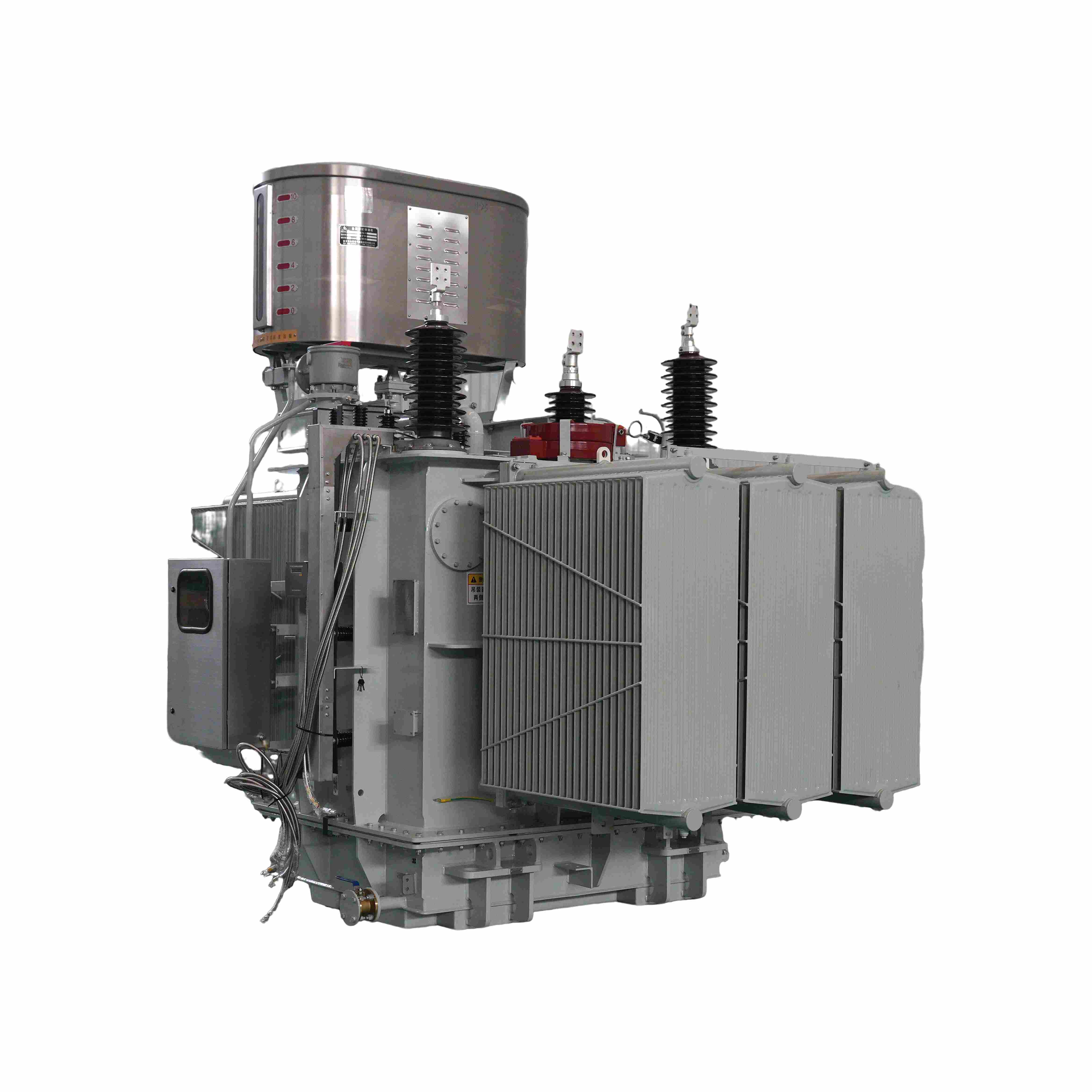
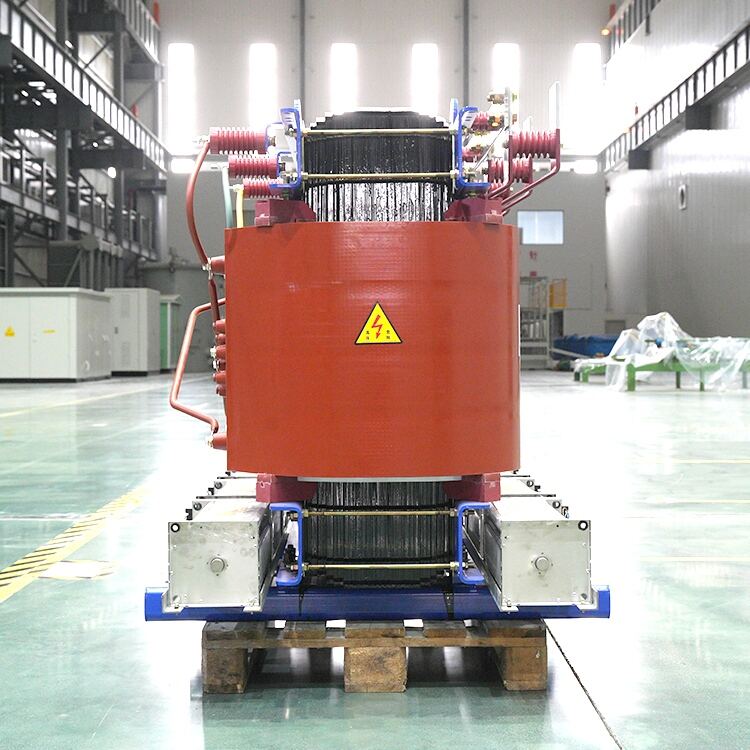
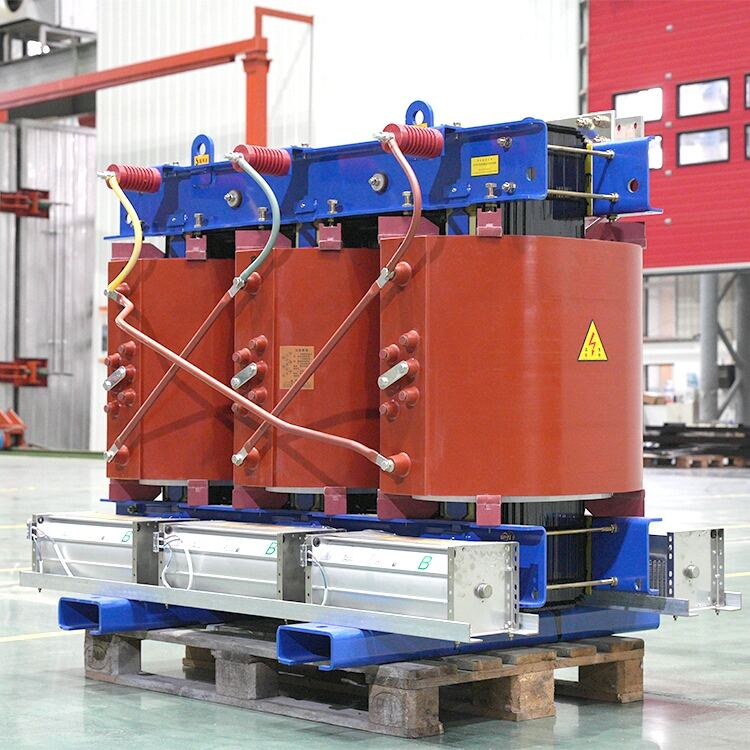
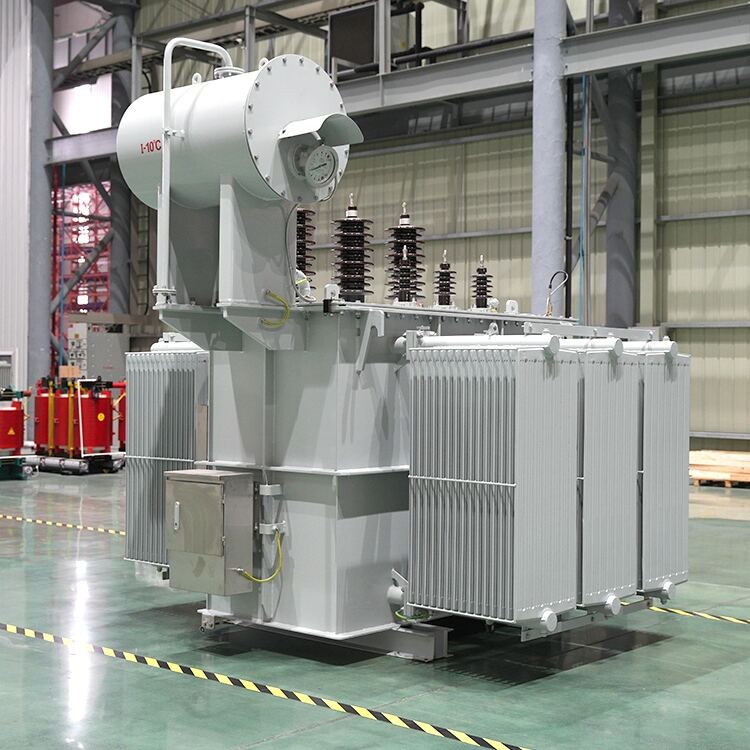
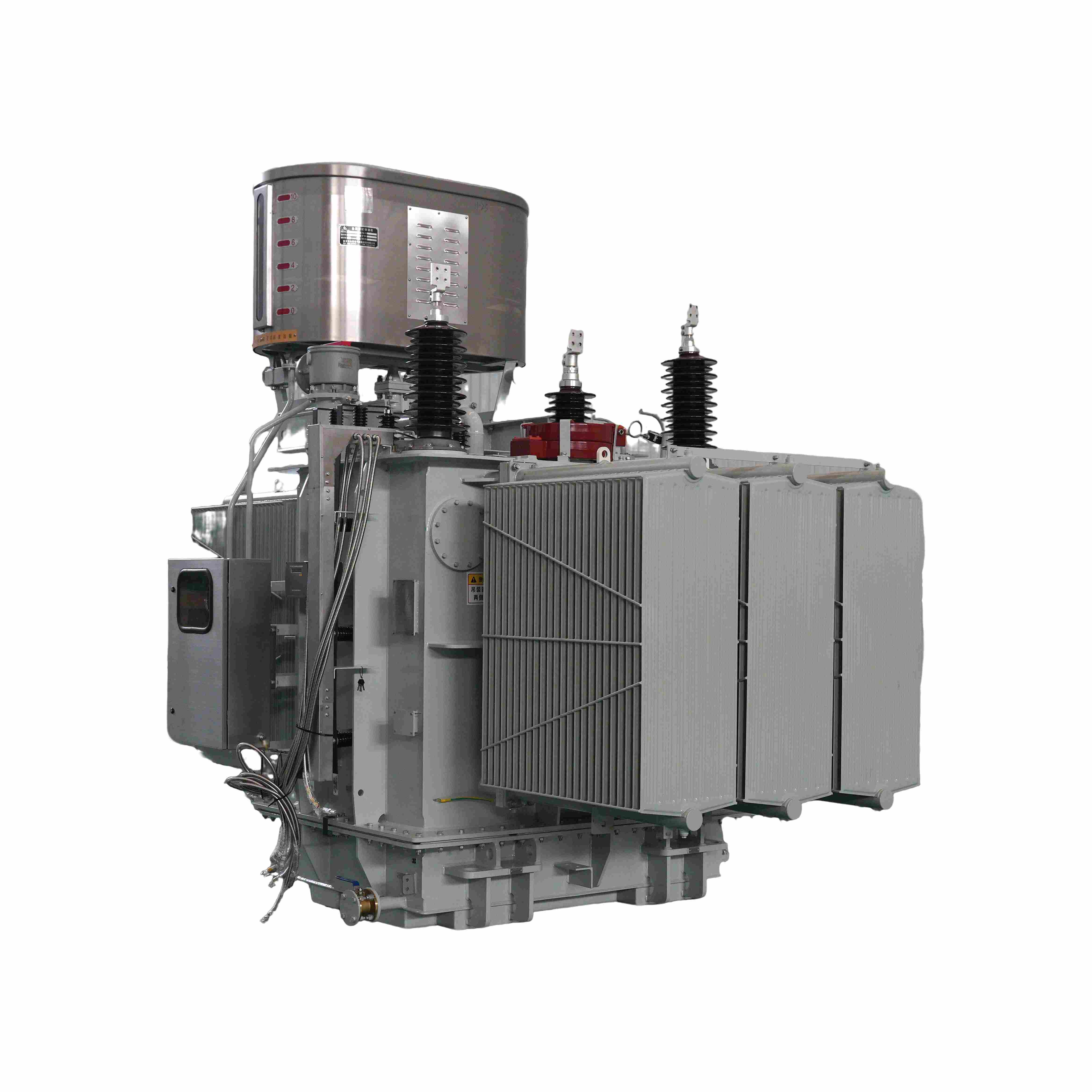
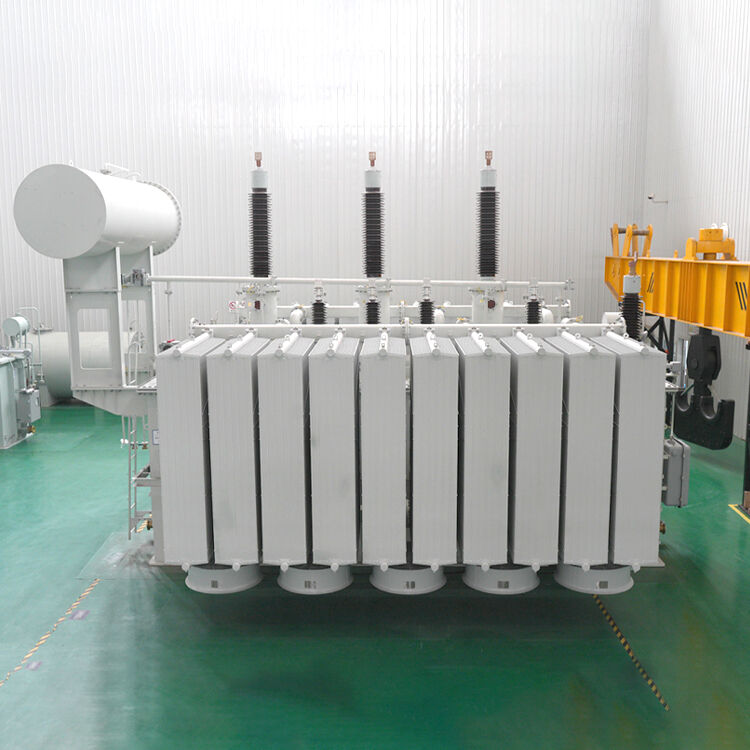
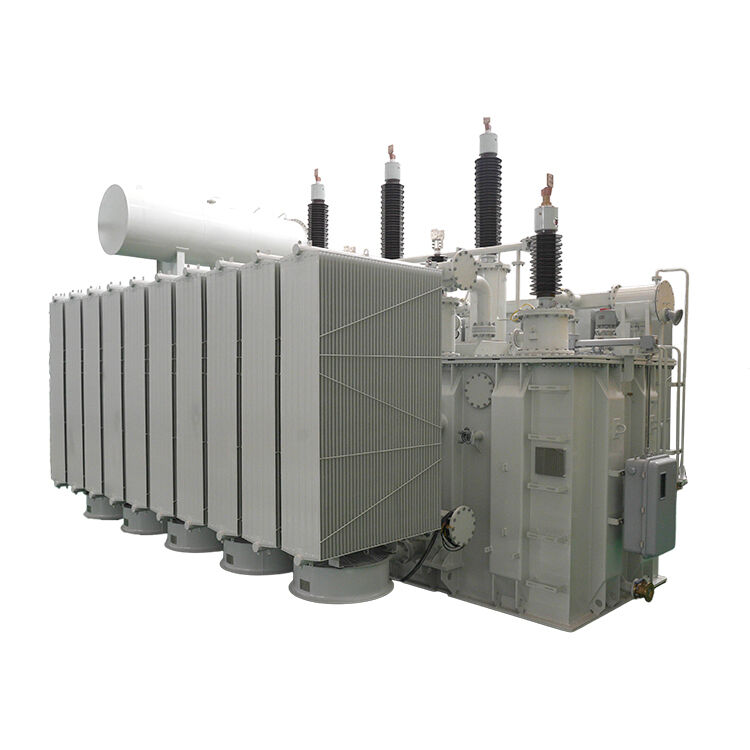
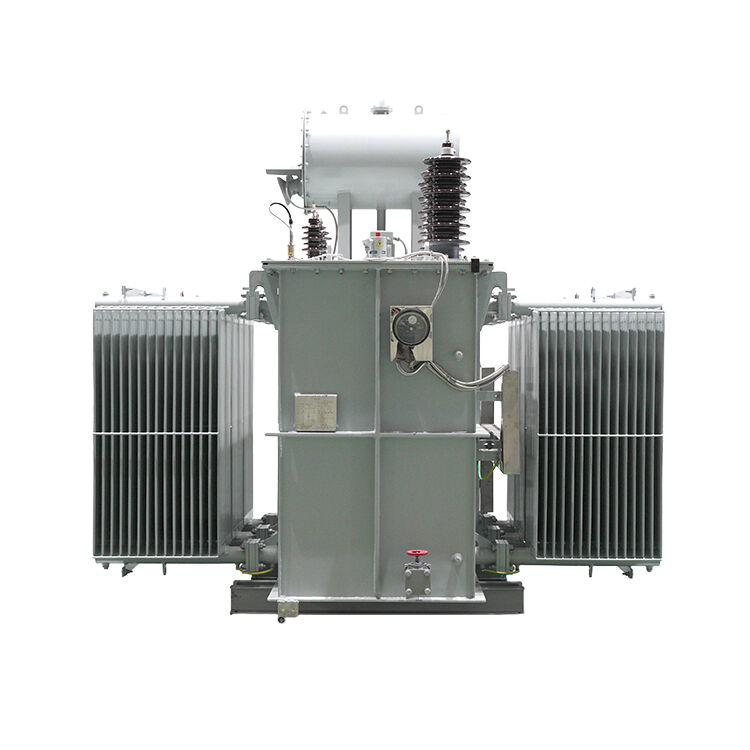
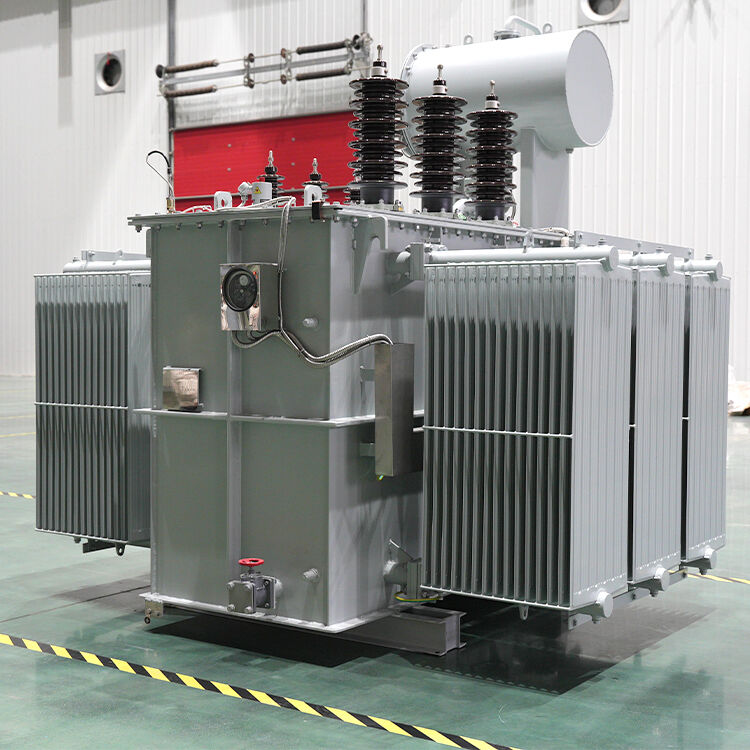
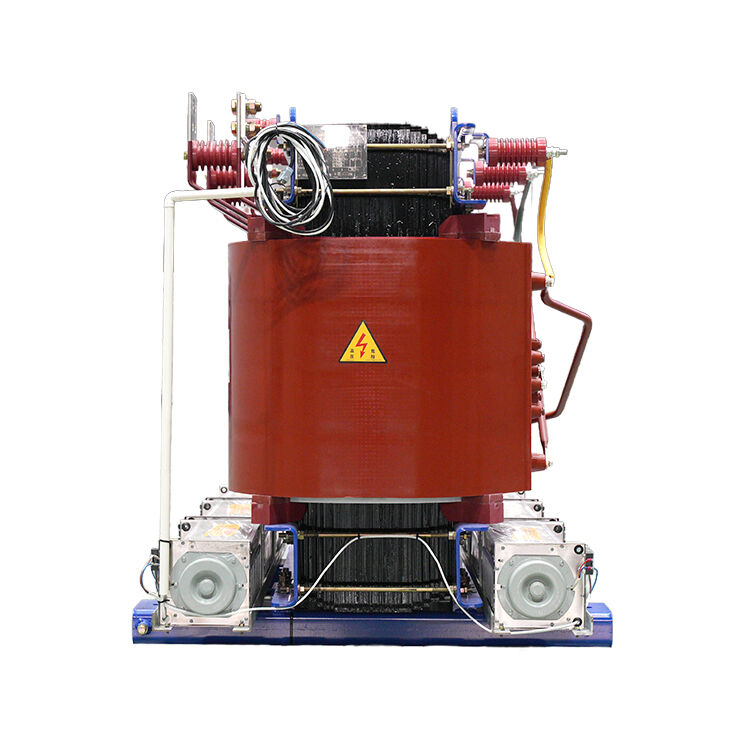
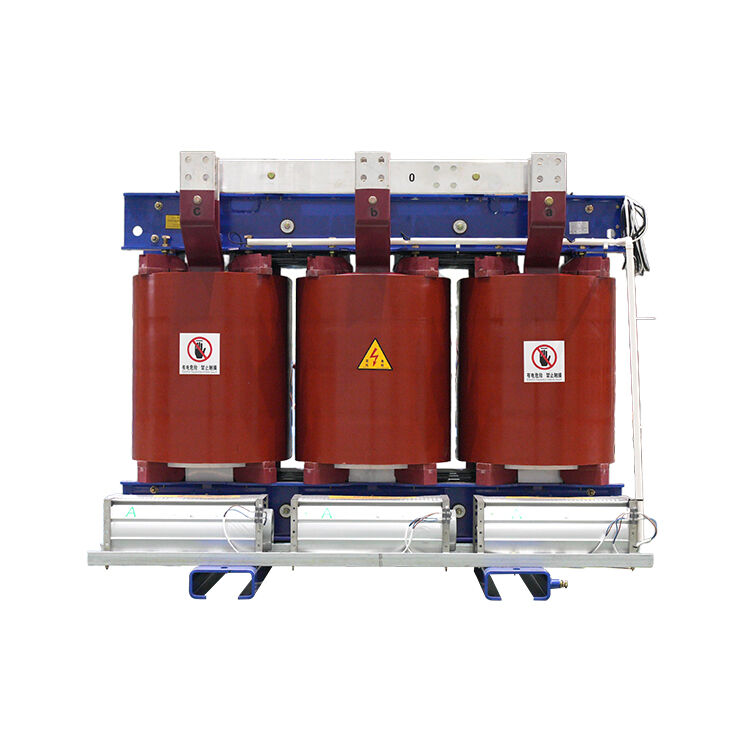
Understanding the cost of 3 phase transformer requires examining multiple factors that influence pricing and value proposition in industrial electrical systems. Three-phase transformers serve as critical components in electrical distribution networks, converting voltage levels while maintaining power efficiency across industrial, commercial, and residential applications. The cost of 3 phase transformer varies significantly based on power ratings, construction materials, efficiency standards, and manufacturer specifications. These electrical devices function by utilizing three separate windings arranged around a magnetic core, enabling efficient power transmission with reduced copper losses compared to single-phase alternatives. The primary technological features affecting the cost of 3 phase transformer include core construction methods, insulation systems, cooling mechanisms, and protection equipment integration. Modern three-phase transformers incorporate advanced silicon steel cores, high-temperature insulation materials, and sophisticated monitoring systems that enhance operational reliability while impacting overall pricing structures. Applications span across manufacturing facilities, data centers, hospitals, educational institutions, and utility distribution systems where consistent power quality remains essential. The cost of 3 phase transformer reflects engineering complexity required for handling higher power loads while maintaining voltage regulation under varying load conditions. Standard ratings range from small distribution units handling several kilovolt-amperes to massive utility transformers managing hundreds of megavolt-amperes. Construction variants include oil-filled, dry-type, and cast resin designs, each offering distinct advantages that influence the cost of 3 phase transformer based on environmental requirements and safety considerations. Installation factors such as foundation requirements, environmental enclosures, and auxiliary equipment contribute to total ownership costs beyond initial purchase prices. Energy efficiency ratings directly correlate with long-term operational savings, making higher-efficiency units more cost-effective despite elevated initial investment. Maintenance requirements, expected service life, and warranty coverage represent additional considerations when evaluating the true cost of 3 phase transformer ownership over extended operational periods.

New Product Recommendations

The cost of 3 phase transformer delivers exceptional value through superior power handling capabilities that significantly reduce electrical infrastructure expenses compared to multiple single-phase units. Organizations benefit from consolidated equipment requirements, simplified installation procedures, and reduced maintenance overhead when selecting three-phase solutions for their power distribution needs. Energy efficiency advantages translate directly into operational savings, as modern three-phase transformers achieve efficiency ratings exceeding 98 percent under optimal loading conditions. This efficiency improvement reduces electrical losses, minimizes heat generation, and decreases cooling requirements, resulting in lower utility bills and extended equipment lifespan. The balanced power delivery characteristics inherent in three-phase systems eliminate voltage fluctuations that can damage sensitive electronic equipment, protecting valuable machinery investments while maintaining consistent production output. Space optimization represents another compelling advantage, as the cost of 3 phase transformer includes compact designs that require significantly less floor space than equivalent single-phase installations. This space efficiency proves particularly valuable in urban environments where real estate costs remain high and available space is limited. Installation flexibility allows three-phase transformers to accommodate various voltage configurations, enabling organizations to adapt their electrical systems to changing operational requirements without complete infrastructure overhauls. The robust construction of three-phase transformers provides enhanced durability under demanding industrial conditions, resulting in longer service intervals and reduced replacement frequency. Advanced protection features integrated into modern units prevent damage from overloads, short circuits, and environmental hazards, minimizing unexpected downtime and repair costs. Standardized mounting configurations and connection interfaces simplify replacement procedures when upgrades become necessary, reducing labor costs and installation time. The cost of 3 phase transformer includes comprehensive monitoring capabilities that enable predictive maintenance strategies, allowing facility managers to identify potential issues before they result in costly failures. Voltage regulation precision maintains stable power quality essential for sensitive manufacturing processes, computer systems, and medical equipment operation. Load balancing capabilities distribute electrical loads evenly across all three phases, preventing overheating and extending overall system reliability while optimizing power factor correction.

Practical Tips

What Is a Transformer and How Does It Improve Power System Efficiency?

02

Jan

What Is a Transformer and How Does It Improve Power System Efficiency?

A transformer represents one of the most critical components in modern electrical power systems, serving as the backbone for efficient energy transmission and distribution across vast networks. These electromagnetic devices enable the seamless conver...
View More
How Does a Transformer Work in High Voltage Power Transmission?

08

Jan

How Does a Transformer Work in High Voltage Power Transmission?

High voltage power transmission systems form the backbone of modern electrical grids, enabling electricity to travel efficiently across vast distances. At the heart of these complex networks lies the power transformer, a crucial piece of equipment th...
View More
How Do Transformers Support Grid Stability in Large-Scale Power Networks?

20

Jan

How Do Transformers Support Grid Stability in Large-Scale Power Networks?

Large-scale power networks form the backbone of modern electrical infrastructure, requiring sophisticated equipment to maintain stability and reliability across vast geographical areas. Power transformers play a crucial role in these complex systems ...
View More
What Should Utilities Consider When Selecting a Transformer Supplier?

26

Jan

What Should Utilities Consider When Selecting a Transformer Supplier?

Selecting the right supplier for power infrastructure represents one of the most critical decisions utility companies face in today's rapidly evolving energy landscape. The process of choosing a power transformer supplier requires careful evaluation ...
View More

Get a Free Quote

Our representative will contact you soon.
Email
WhatsApp/Mobile
Name
Company Name
Message
0/1000

cost of 3 phase transformer

Superior Energy Efficiency and Long-Term Cost Savings

Superior Energy Efficiency and Long-Term Cost Savings

The cost of 3 phase transformer represents an investment in superior energy efficiency that delivers substantial long-term financial benefits through reduced operational expenses and enhanced system performance. Modern three-phase transformers achieve remarkable efficiency ratings of 98 percent or higher, significantly minimizing energy losses during power conversion processes compared to older technologies or single-phase alternatives. This exceptional efficiency translates directly into lower electricity bills, as reduced losses mean less wasted energy and decreased demand charges from utility providers. The advanced core materials utilized in contemporary three-phase transformers, including high-grade silicon steel laminations and amorphous metal cores, contribute to these efficiency improvements while maintaining compact form factors that optimize installation space requirements. Heat generation reduction represents another critical advantage, as efficient transformers produce less waste heat, reducing cooling system demands and further lowering operational costs. The cost of 3 phase transformer includes sophisticated design features such as optimized winding configurations, advanced insulation systems, and precision manufacturing tolerances that work together to minimize electrical losses under varying load conditions. Over the typical 25-30 year service life of industrial transformers, these efficiency gains compound into significant savings that often exceed the initial purchase price differential compared to less efficient alternatives. Energy monitoring capabilities integrated into modern units provide real-time feedback on performance metrics, enabling facility managers to optimize loading patterns and identify opportunities for additional energy savings. The environmental benefits of high-efficiency transformers align with corporate sustainability initiatives while potentially qualifying organizations for utility rebates and tax incentives that further improve the overall cost proposition. Load factor optimization features automatically adjust transformer operations to maintain peak efficiency across different operating conditions, ensuring consistent performance throughout daily and seasonal load variations. The cost of 3 phase transformer investment becomes even more attractive when considering avoided costs associated with oversized electrical infrastructure, reduced cooling requirements, and minimized environmental impact compliance measures.
Enhanced Reliability and Reduced Maintenance Requirements

Enhanced Reliability and Reduced Maintenance Requirements

The cost of 3 phase transformer encompasses advanced reliability features that significantly reduce maintenance requirements and operational downtime, delivering superior value through consistent performance and extended service intervals. Built-in protection systems safeguard against common electrical faults including overcurrent conditions, overvoltage events, and temperature excursions that could compromise transformer integrity or connected equipment safety. Sophisticated monitoring capabilities continuously track critical parameters such as winding temperatures, insulation resistance, moisture content, and dissolved gas levels, enabling predictive maintenance strategies that prevent costly failures before they occur. The robust construction methodology employed in three-phase transformers utilizes high-quality materials and precision manufacturing processes that enhance durability under demanding industrial operating conditions. Sealed tank designs in oil-filled units prevent moisture ingress and contamination, while dry-type transformers eliminate oil-related maintenance concerns entirely, reducing environmental compliance requirements and simplifying installation procedures. The cost of 3 phase transformer includes comprehensive diagnostic systems that provide early warning indicators of potential issues, allowing maintenance teams to schedule repairs during planned outages rather than responding to emergency situations that disrupt operations and increase repair costs. Advanced bushing designs and connection systems minimize maintenance access requirements while providing superior electrical performance and weather resistance in outdoor installations. Cooling system integration, whether through natural convection, forced air, or oil circulation methods, maintains optimal operating temperatures that extend insulation life and preserve transformer performance characteristics over extended service periods. Quality assurance testing procedures during manufacturing ensure that each transformer meets or exceeds industry standards for reliability, safety, and performance before delivery to customer sites. The standardized design approaches used in modern three-phase transformers facilitate parts availability and service support, reducing procurement lead times and inventory requirements for maintenance operations. Comprehensive warranty coverage typically included in the cost of 3 phase transformer provides additional protection against unexpected failures and demonstrates manufacturer confidence in product quality and reliability.
Versatile Applications and Scalable Power Solutions

Versatile Applications and Scalable Power Solutions

The cost of 3 phase transformer provides exceptional flexibility through versatile applications and scalable power solutions that adapt to diverse industrial, commercial, and utility requirements while maintaining optimal performance across varying load conditions. These transformers excel in manufacturing environments where consistent power quality is essential for automated production equipment, precision machinery, and process control systems that require stable voltage regulation and minimal harmonic distortion. Data center applications benefit from the reliable power conversion capabilities that support critical server infrastructure, cooling systems, and backup power equipment while maintaining the high availability standards demanded by modern computing facilities. Hospital and healthcare installations rely on three-phase transformers to power life-safety systems, medical imaging equipment, and surgical suites where power interruptions could have serious consequences for patient care and facility operations. Educational institutions utilize these transformers to support classroom technology, laboratory equipment, and campus-wide electrical distribution systems that must accommodate diverse load patterns throughout academic cycles. The cost of 3 phase transformer includes multiple voltage configuration options that enable seamless integration with existing electrical infrastructure while providing pathways for future expansion and system upgrades. Modular design approaches allow parallel operation of multiple units to increase capacity or provide redundancy for critical applications, ensuring continuous power availability even during maintenance periods or equipment failures. Construction standards accommodate both indoor and outdoor installations through appropriate enclosure ratings and environmental protection features that maintain reliable operation in challenging conditions including extreme temperatures, moisture exposure, and corrosive atmospheres. Load tap changing capabilities enable voltage adjustment to compensate for distribution system variations and load characteristics, optimizing power quality delivery to connected equipment while maintaining efficient operation across different loading scenarios. The cost of 3 phase transformer encompasses various cooling methods including natural air, forced air, and liquid cooling systems that support different power ratings and installation environments from small commercial buildings to large industrial facilities. Standardized mounting and connection interfaces facilitate installation flexibility while reducing engineering and construction costs associated with custom solutions or non-standard equipment specifications.

Get a Free Quote

Our representative will contact you soon.
Email
WhatsApp/Mobile
Name
Company Name
Message
0/1000