Electronic Step Down Transformer - High Efficiency Voltage Conversion Solutions

Get a Free Quote

Our representative will contact you soon.
Email
WhatsApp/Mobile
Name
Company Name
Message
0/1000

electronic step down transformer

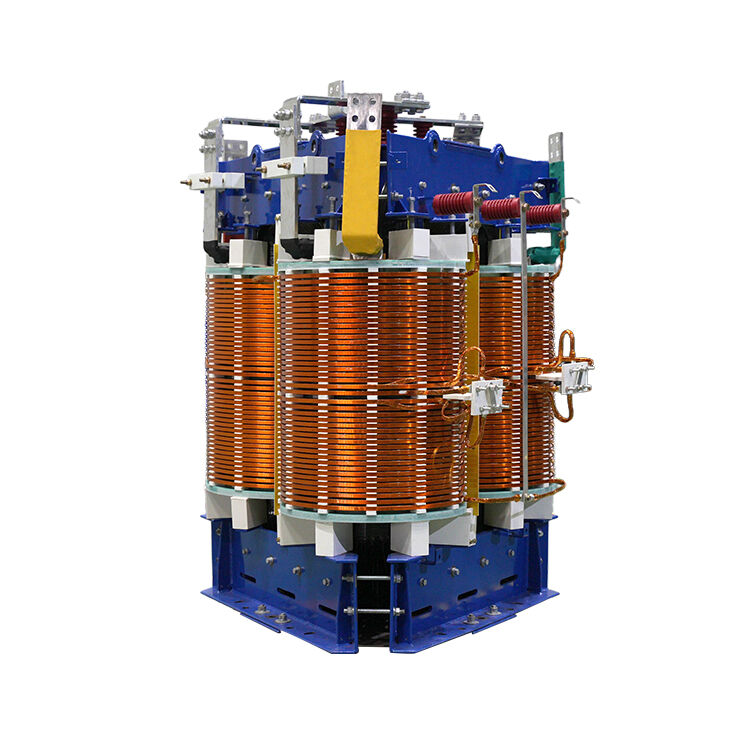
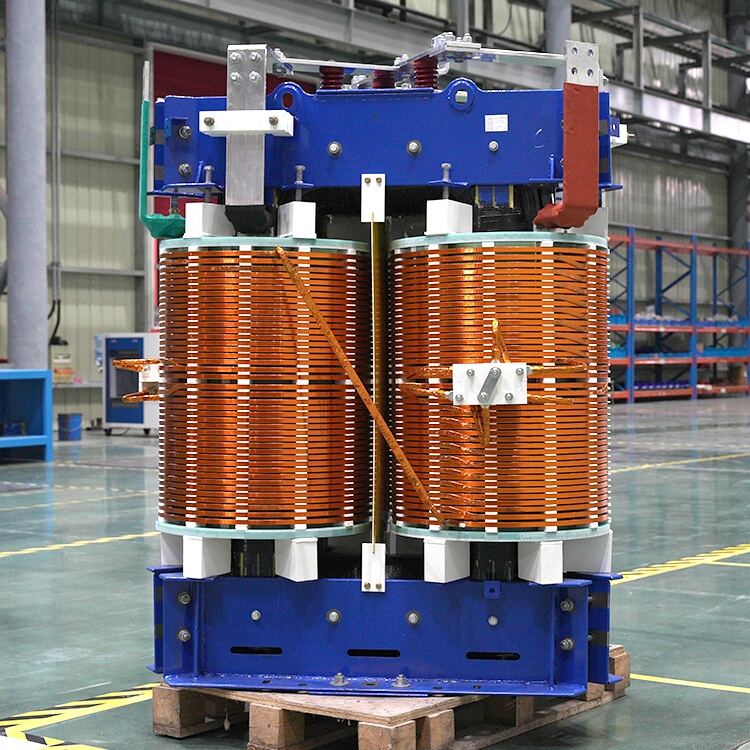
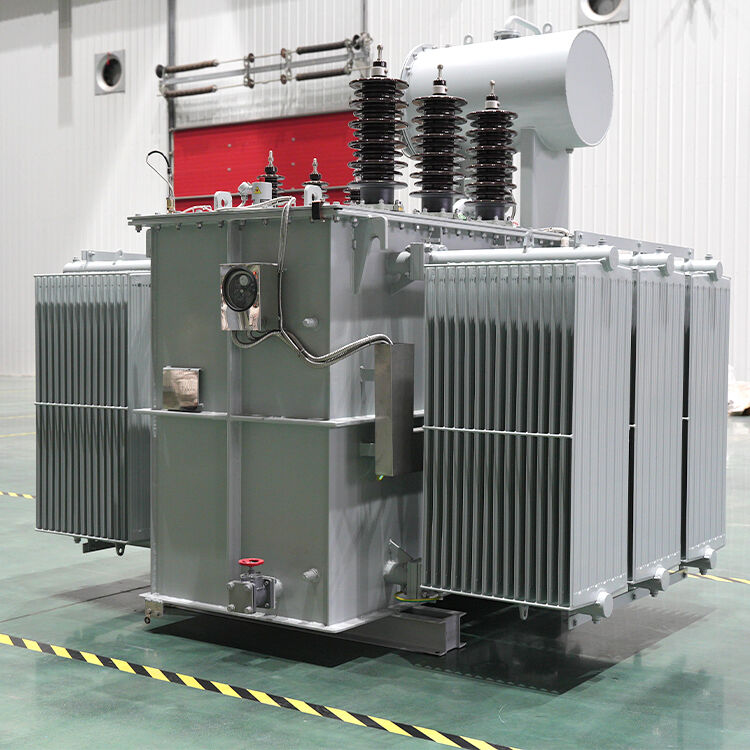
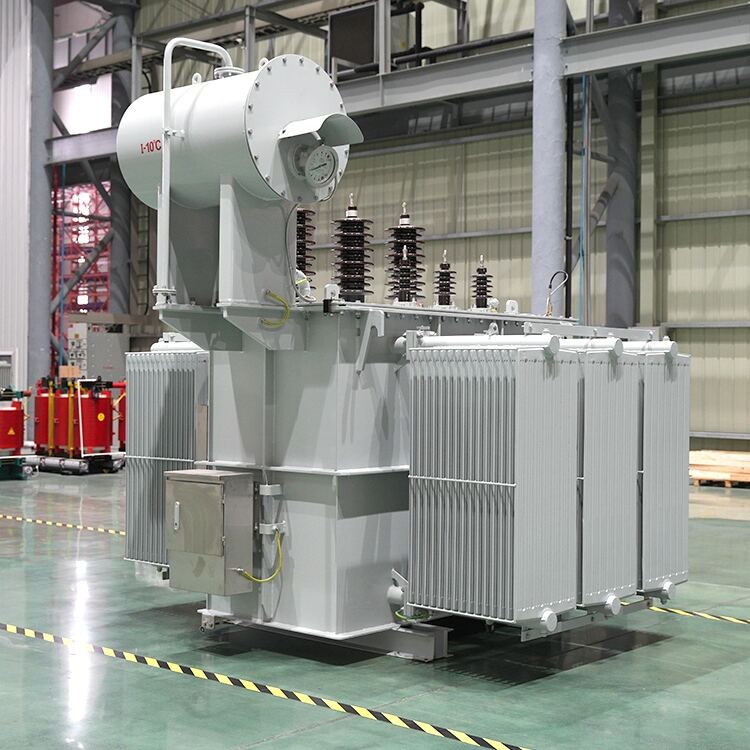
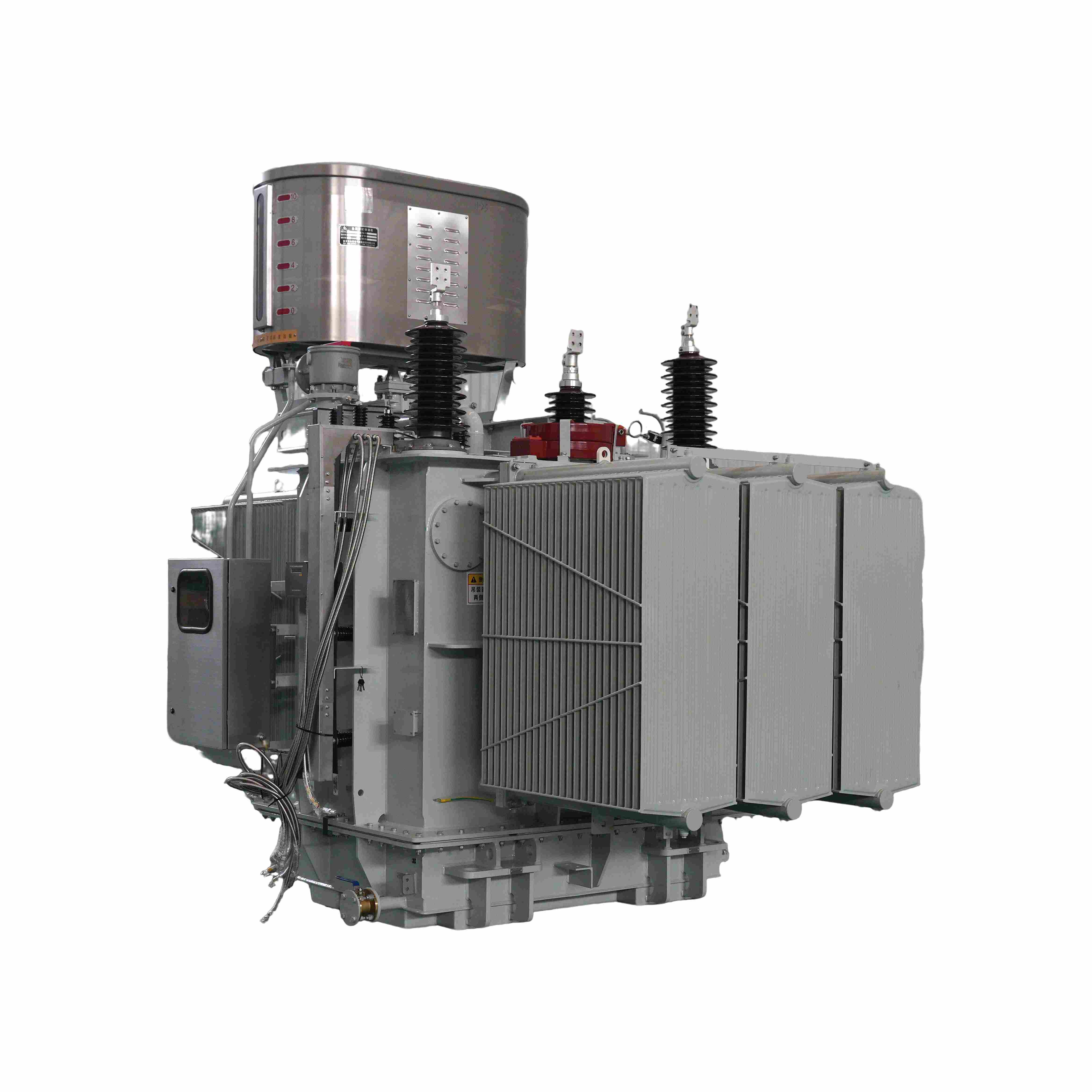
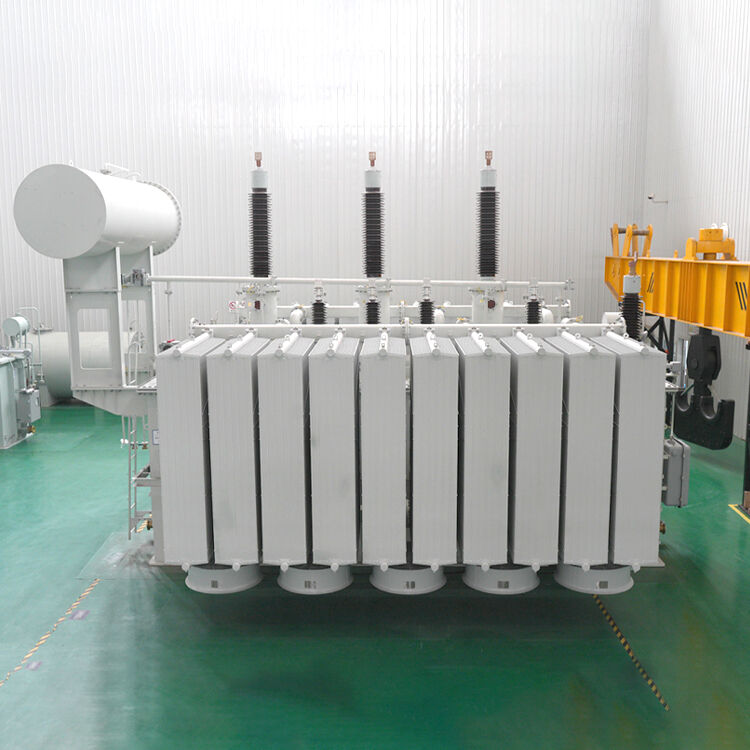
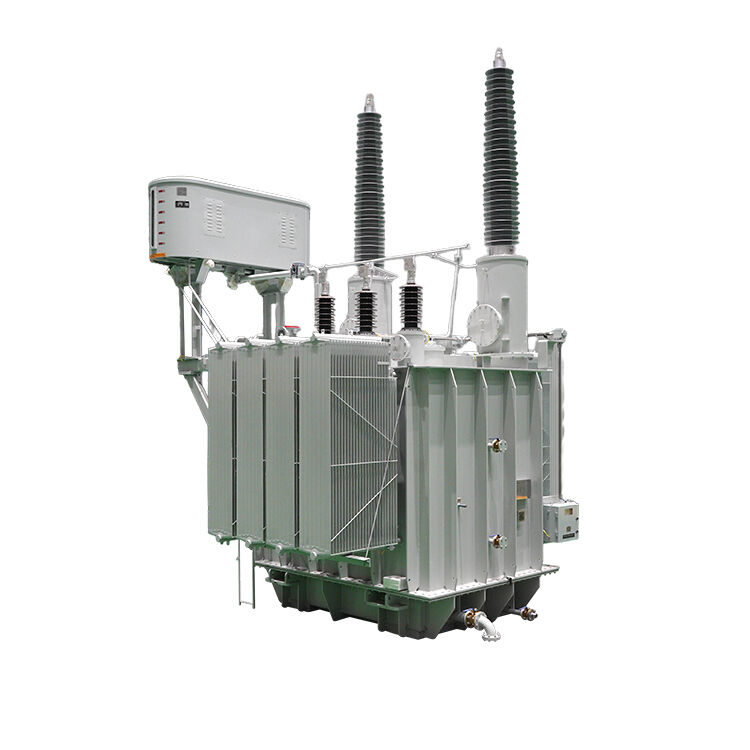
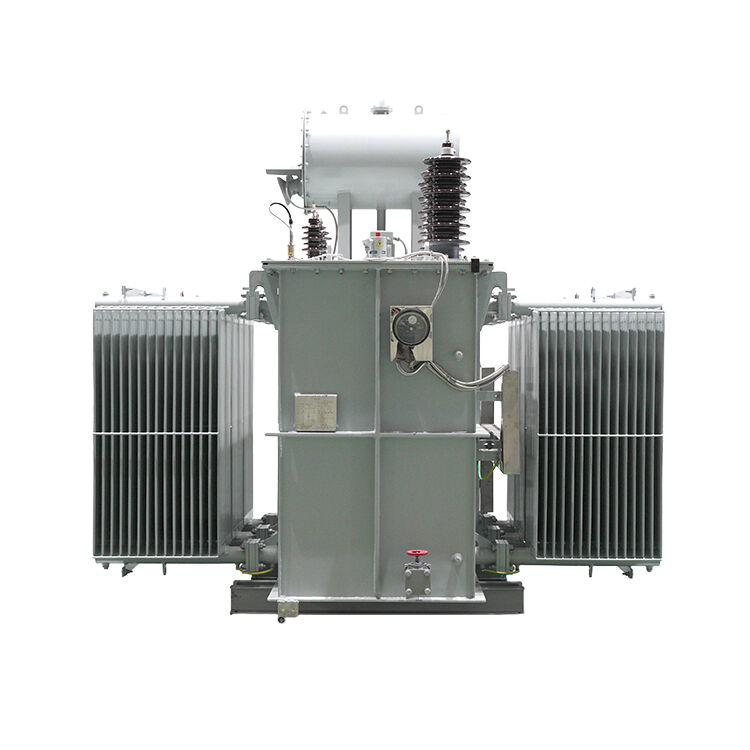
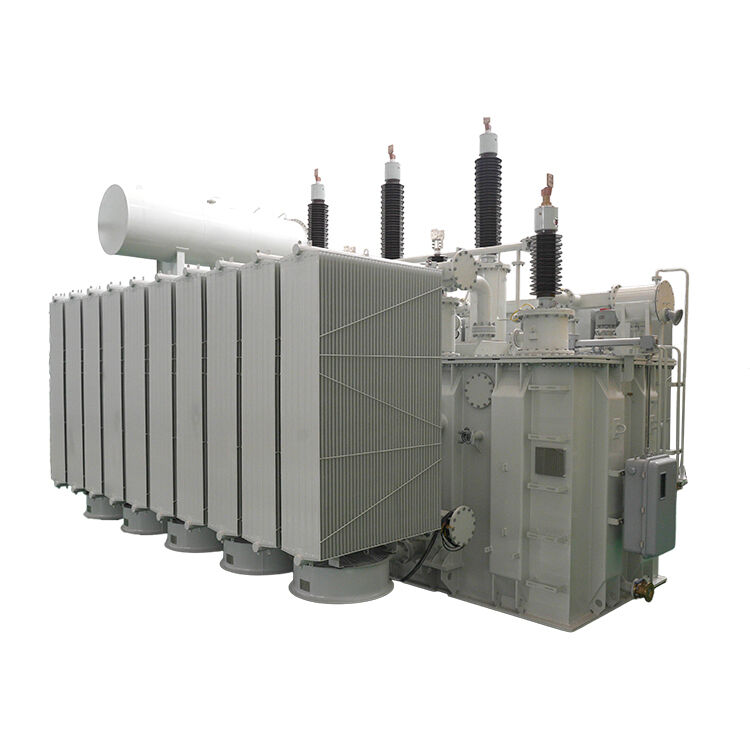
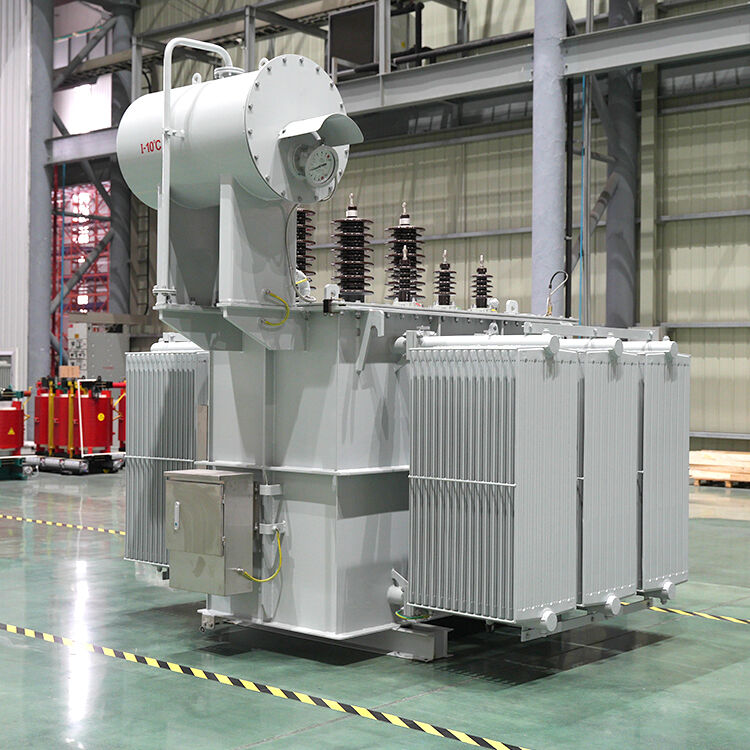
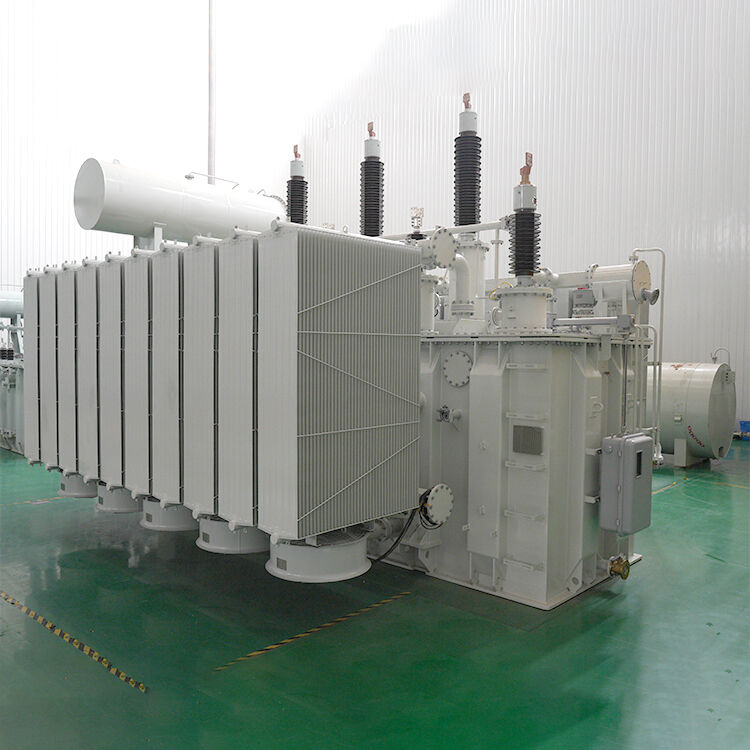
An electronic step down transformer represents a crucial component in modern electrical systems, designed to reduce voltage levels from higher input values to lower output requirements. Unlike traditional magnetic transformers, electronic step down transformers utilize advanced semiconductor technology and switching circuits to achieve voltage conversion with remarkable efficiency and precision. These sophisticated devices incorporate pulse width modulation techniques, high-frequency switching, and intelligent control systems to deliver stable, regulated output voltages across varying load conditions. The core functionality revolves around converting alternating current at one voltage level to a lower voltage level while maintaining power transfer efficiency. Electronic step down transformers feature compact designs that significantly reduce physical footprint compared to conventional alternatives. They integrate protection mechanisms including overcurrent protection, thermal shutdown, and voltage regulation circuits to ensure safe operation. Modern units incorporate digital control interfaces, remote monitoring capabilities, and programmable output settings. The switching frequency typically operates in the kilohertz range, enabling smaller magnetic components and improved power density. These transformers employ advanced filtering systems to minimize electromagnetic interference and ensure clean power delivery. Input voltage ranges are designed to accommodate various supply conditions, while output voltage stability remains within tight tolerance bands. Temperature compensation circuits maintain consistent performance across environmental variations. The electronic step down transformer utilizes feedback control loops to continuously monitor and adjust output parameters, ensuring optimal performance under dynamic load conditions. Energy efficiency ratings often exceed 90 percent, contributing to reduced operational costs and environmental impact. These units support both single-phase and three-phase applications, making them versatile solutions for diverse electrical requirements.

Popular Products

Electronic step down transformers deliver exceptional energy efficiency that translates directly into reduced electricity costs for users. These units achieve efficiency ratings between 90 to 95 percent, significantly outperforming traditional magnetic transformers that typically operate at 85 percent efficiency. The improved efficiency means less energy waste as heat, resulting in lower cooling requirements and reduced facility operating expenses. Users experience immediate cost savings through decreased power consumption, with payback periods often occurring within the first year of operation. The compact design of electronic step down transformers saves valuable space in electrical installations. Traditional transformers require substantial floor space and dedicated ventilation areas, while electronic versions occupy up to 70 percent less space. This space efficiency enables more flexible installation options and allows businesses to utilize valuable real estate for productive activities rather than equipment housing. Installation becomes simpler due to reduced weight, with electronic units weighing approximately half as much as equivalent magnetic transformers. The lightweight construction reduces structural requirements and simplifies transportation and handling procedures. Electronic step down transformers provide superior voltage regulation compared to conventional alternatives. Output voltage remains stable within 2 percent tolerance even under significant load variations, ensuring consistent performance of connected equipment. This precise regulation protects sensitive electronic devices from voltage fluctuations that can cause damage or operational issues. The fast response time to load changes prevents voltage dips that could disrupt critical processes or cause equipment shutdowns. Advanced protection features built into electronic step down transformers enhance system reliability and reduce maintenance costs. Overcurrent protection automatically limits current flow during fault conditions, preventing damage to the transformer and connected equipment. Thermal protection monitors internal temperatures and initiates shutdown procedures before dangerous levels are reached. Voltage monitoring systems detect input variations and maintain stable output despite supply fluctuations. These protection mechanisms extend equipment lifespan and minimize unexpected failures. Remote monitoring capabilities enable predictive maintenance strategies, allowing operators to identify potential issues before they cause system downtime. Digital interfaces provide real-time performance data, enabling optimization of system operation and early detection of degradation trends.

Latest News

What Is a Transformer and How Does It Improve Power System Efficiency?

02

Jan

What Is a Transformer and How Does It Improve Power System Efficiency?

A transformer represents one of the most critical components in modern electrical power systems, serving as the backbone for efficient energy transmission and distribution across vast networks. These electromagnetic devices enable the seamless conver...
View More
How Does a Transformer Work in High Voltage Power Transmission?

08

Jan

How Does a Transformer Work in High Voltage Power Transmission?

High voltage power transmission systems form the backbone of modern electrical grids, enabling electricity to travel efficiently across vast distances. At the heart of these complex networks lies the power transformer, a crucial piece of equipment th...
View More
Why Are Transformers Critical for Industrial Power Distribution Systems?

14

Jan

Why Are Transformers Critical for Industrial Power Distribution Systems?

Industrial power distribution systems form the backbone of modern manufacturing, commercial facilities, and critical infrastructure operations. At the heart of these complex networks lies a fundamental component that ensures safe, efficient, and reli...
View More
What Should Utilities Consider When Selecting a Transformer Supplier?

26

Jan

What Should Utilities Consider When Selecting a Transformer Supplier?

Selecting the right supplier for power infrastructure represents one of the most critical decisions utility companies face in today's rapidly evolving energy landscape. The process of choosing a power transformer supplier requires careful evaluation ...
View More

Get a Free Quote

Our representative will contact you soon.
Email
WhatsApp/Mobile
Name
Company Name
Message
0/1000

electronic step down transformer

Superior Energy Efficiency and Cost Reduction

Superior Energy Efficiency and Cost Reduction

Electronic step down transformers revolutionize power conversion through exceptional energy efficiency that directly impacts operational costs and environmental sustainability. These advanced units achieve efficiency ratings consistently above 92 percent, with premium models reaching 95 percent efficiency under optimal conditions. This substantial improvement over traditional magnetic transformers, which typically operate at 80-85 percent efficiency, translates to significant energy savings over the transformer's operational lifetime. The enhanced efficiency stems from advanced switching technology that minimizes power losses during voltage conversion processes. Unlike conventional transformers that dissipate substantial energy as heat through core losses and copper losses, electronic step down transformers utilize high-frequency switching circuits that dramatically reduce these inefficiencies. The reduced heat generation eliminates the need for extensive cooling systems, further decreasing overall power consumption. For industrial facilities operating multiple transformers, the cumulative energy savings can represent thousands of dollars annually in reduced electricity costs. Environmental benefits accompany the economic advantages, as improved efficiency directly correlates to reduced carbon footprint and lower greenhouse gas emissions. The electronic step down transformer supports corporate sustainability initiatives by minimizing energy waste and promoting responsible resource utilization. Return on investment calculations demonstrate that the initial premium for electronic transformers is typically recovered within 12-18 months through reduced operating costs. Long-term savings continue throughout the transformer's extended operational life, often exceeding 20 years with proper maintenance. The efficiency gains become even more pronounced under partial load conditions, where traditional transformers experience significant efficiency degradation while electronic units maintain high performance levels. This characteristic proves particularly valuable in applications with variable load profiles, ensuring consistent energy savings across all operating conditions.
Advanced Protection Systems and Reliability

Advanced Protection Systems and Reliability

Electronic step down transformers incorporate comprehensive protection systems that ensure reliable operation and extend equipment lifespan while minimizing maintenance requirements and unexpected failures. The sophisticated protection architecture includes multiple layers of monitoring and control mechanisms that continuously assess transformer performance and environmental conditions. Overcurrent protection systems utilize advanced current sensing technology to detect abnormal current flow patterns and initiate protective actions before damage occurs. These systems respond within milliseconds to fault conditions, isolating the transformer and preventing cascading failures that could affect entire electrical systems. Thermal protection monitoring employs multiple temperature sensors strategically positioned throughout the transformer to create a comprehensive thermal map. When temperatures approach predetermined thresholds, the system initiates cooling procedures or reduces load to maintain safe operating conditions. Critical temperature limits trigger automatic shutdown sequences that protect internal components from thermal damage. Voltage monitoring systems continuously track both input and output voltage parameters, detecting fluctuations that could indicate supply problems or internal faults. The electronic step down transformer automatically compensates for minor voltage variations while alerting operators to significant deviations that require attention. Ground fault detection capabilities identify insulation failures and electrical leakage that could pose safety hazards or cause equipment damage. These protection systems integrate with facility management systems, providing real-time status updates and historical performance data. Remote monitoring capabilities enable predictive maintenance strategies by tracking performance trends and identifying gradual degradation patterns. Maintenance teams receive advance notification of potential issues, allowing scheduled interventions that prevent unexpected downtime. The comprehensive protection systems reduce insurance costs by demonstrating proactive risk management and safety compliance. Equipment reliability statistics show significant improvement in mean time between failures compared to conventional transformers, resulting in increased operational uptime and productivity.
Compact Design and Installation Flexibility

Compact Design and Installation Flexibility

Electronic step down transformers deliver exceptional space efficiency and installation versatility that addresses the growing demand for compact electrical solutions in modern facilities. The advanced switching technology enables dramatic size reduction compared to traditional magnetic transformers, with electronic units occupying up to 75 percent less floor space while delivering equivalent power capacity. This space efficiency proves invaluable in urban environments where real estate costs are premium and every square foot represents significant value. The compact design eliminates the need for dedicated transformer rooms in many applications, allowing installation in standard electrical closets or equipment areas. Reduced weight characteristics, typically 50-60 percent lighter than magnetic equivalents, simplify handling and installation procedures while reducing structural requirements. Building designers appreciate the flexibility to locate electronic step down transformers closer to load centers, minimizing cable runs and reducing voltage drop concerns. The lightweight construction enables wall-mounted installations in applications where floor space is unavailable, providing additional installation options that enhance facility design flexibility. Reduced clearance requirements allow closer spacing to other equipment and walls, maximizing utilization of available space. The electronic step down transformer generates significantly less heat than conventional units, reducing ventilation requirements and enabling installation in temperature-sensitive environments. Quiet operation eliminates noise concerns that restrict transformer placement in occupied areas, expanding installation possibilities to locations previously unsuitable for electrical equipment. Modular design concepts allow multiple units to be configured in parallel or series arrangements to meet specific capacity and voltage requirements. This scalability enables right-sizing of electrical systems and facilitates future expansion without major infrastructure modifications. Transportation advantages include reduced shipping costs due to lower weight and smaller dimensions, while installation crews require fewer personnel and lighter equipment for positioning and connection procedures. The combination of compact size, reduced weight, and flexible mounting options significantly reduces installation time and associated labor costs.

Get a Free Quote

Our representative will contact you soon.
Email
WhatsApp/Mobile
Name
Company Name
Message
0/1000