Step Up and Step Down Autotransformer: Efficient Voltage Control Solutions for Industrial and Commercial Applications

Get a Free Quote

Our representative will contact you soon.
Email
WhatsApp/Mobile
Name
Company Name
Message
0/1000

step up and step down autotransformer

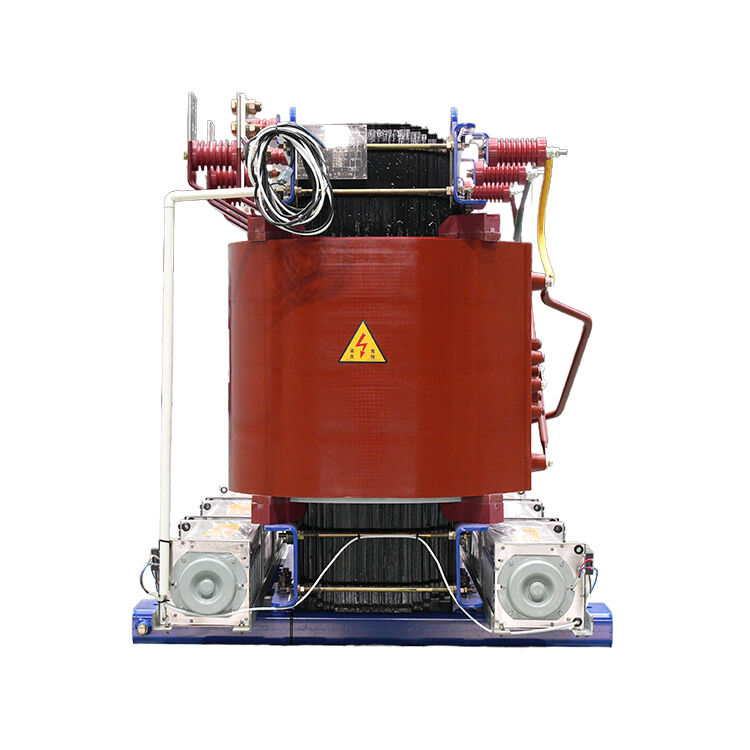
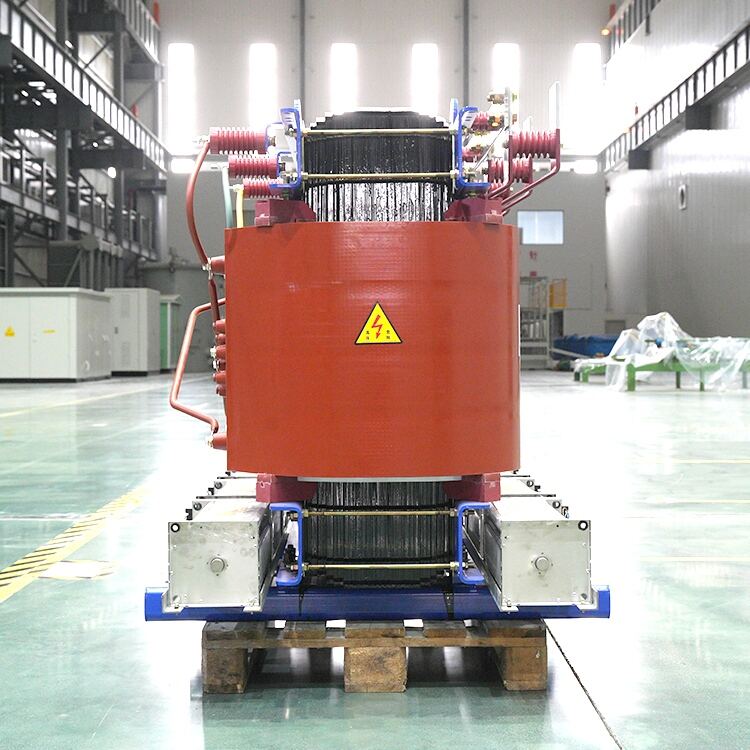
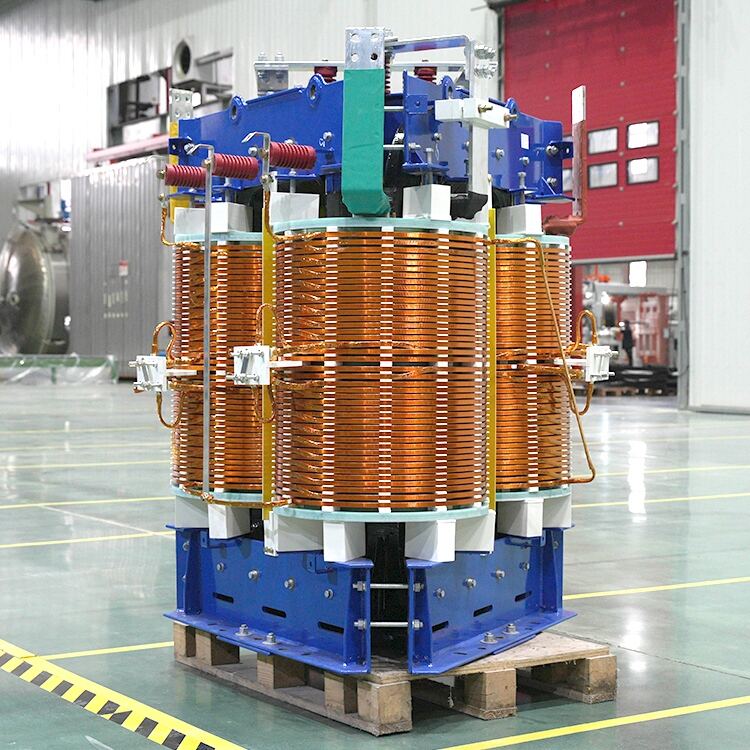
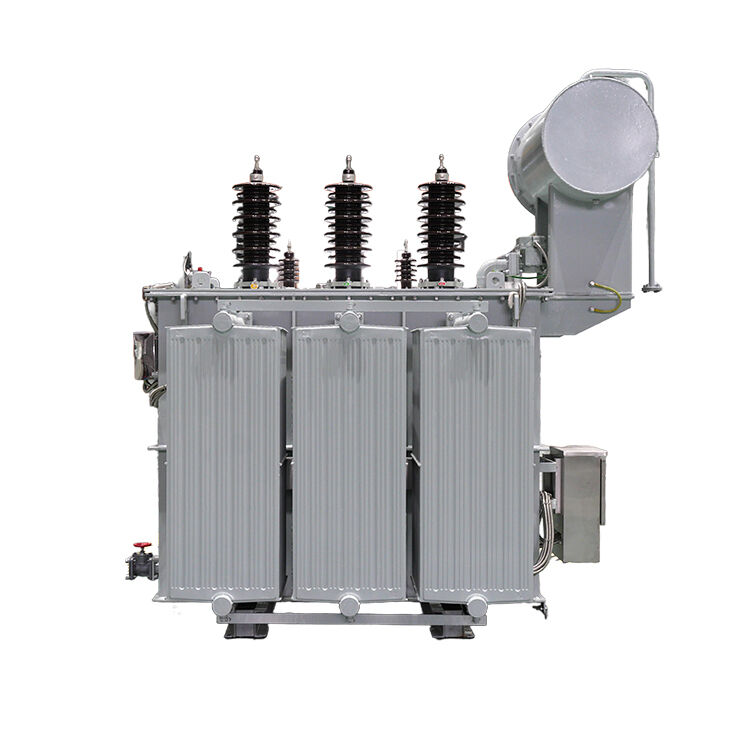
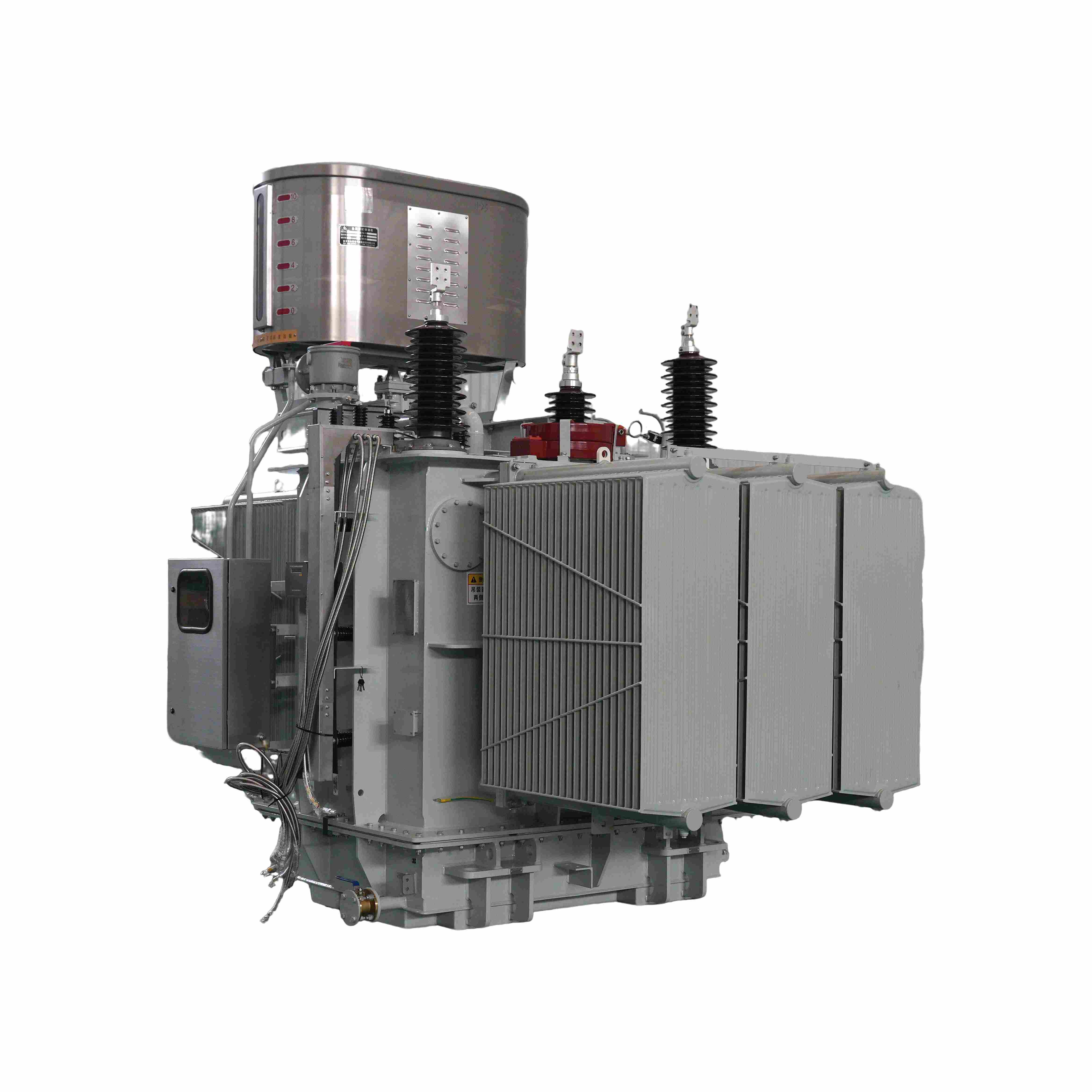
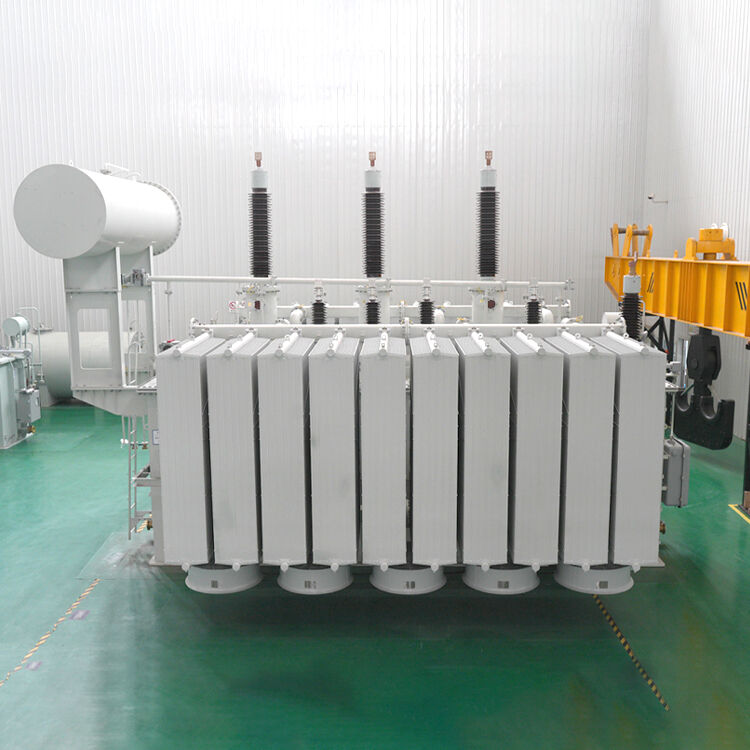
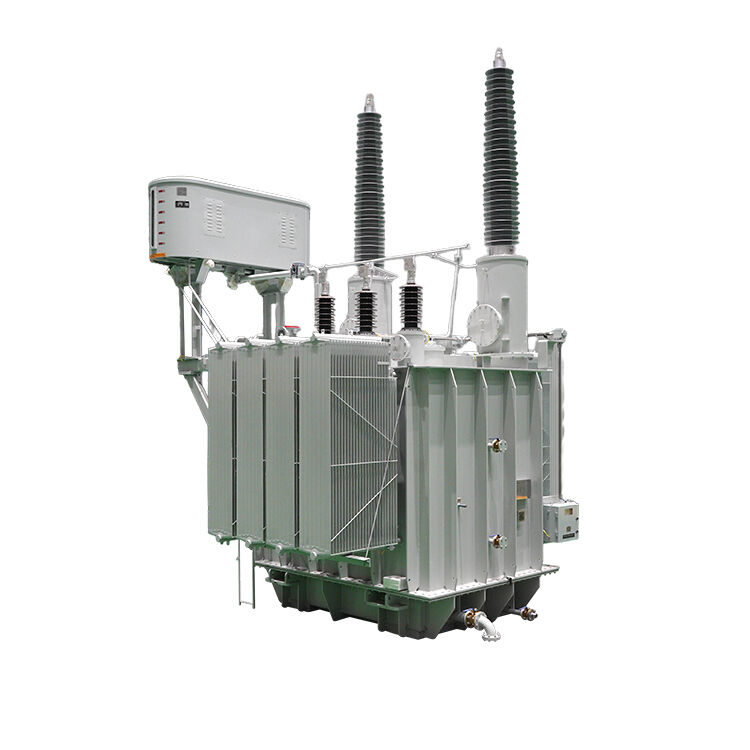
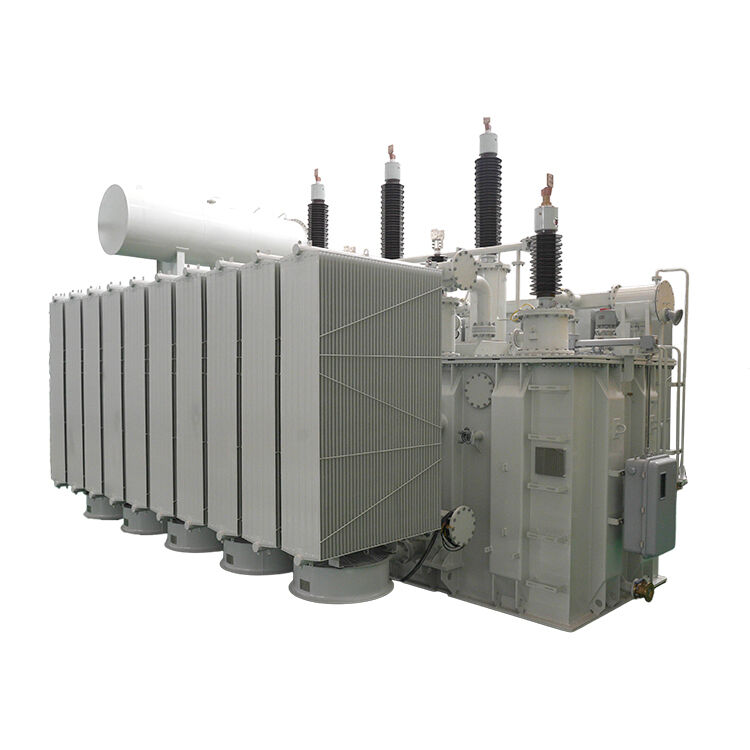
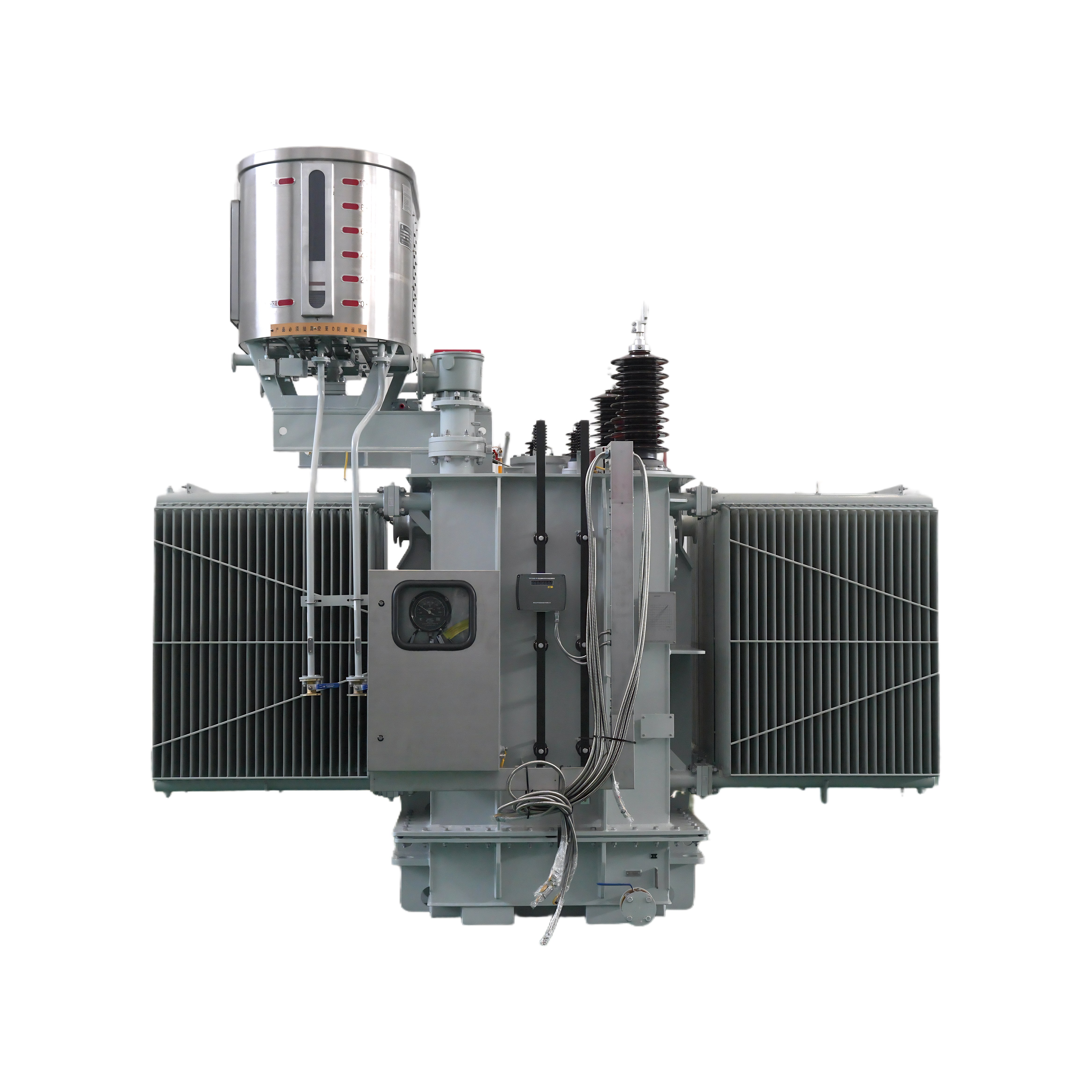
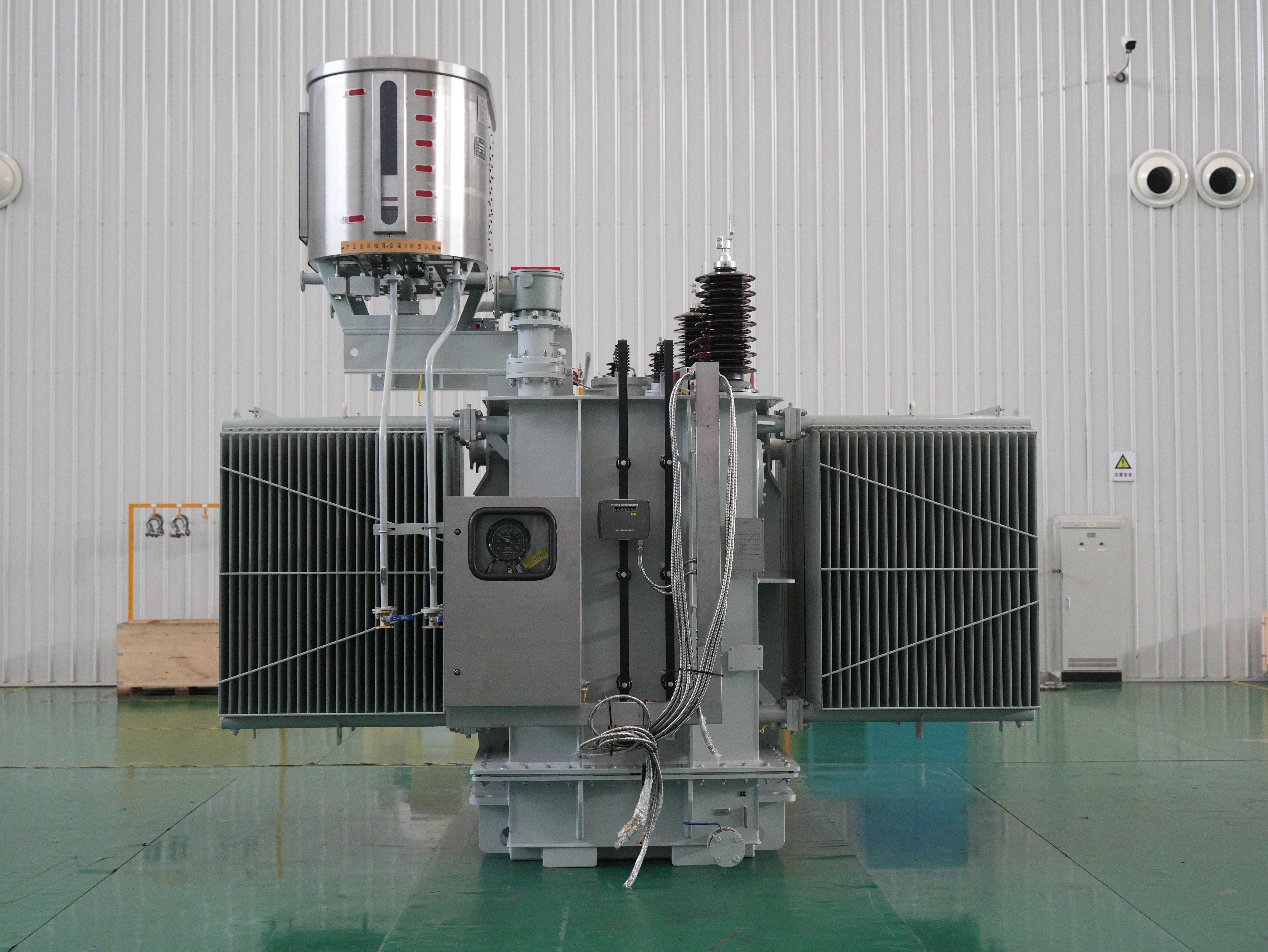
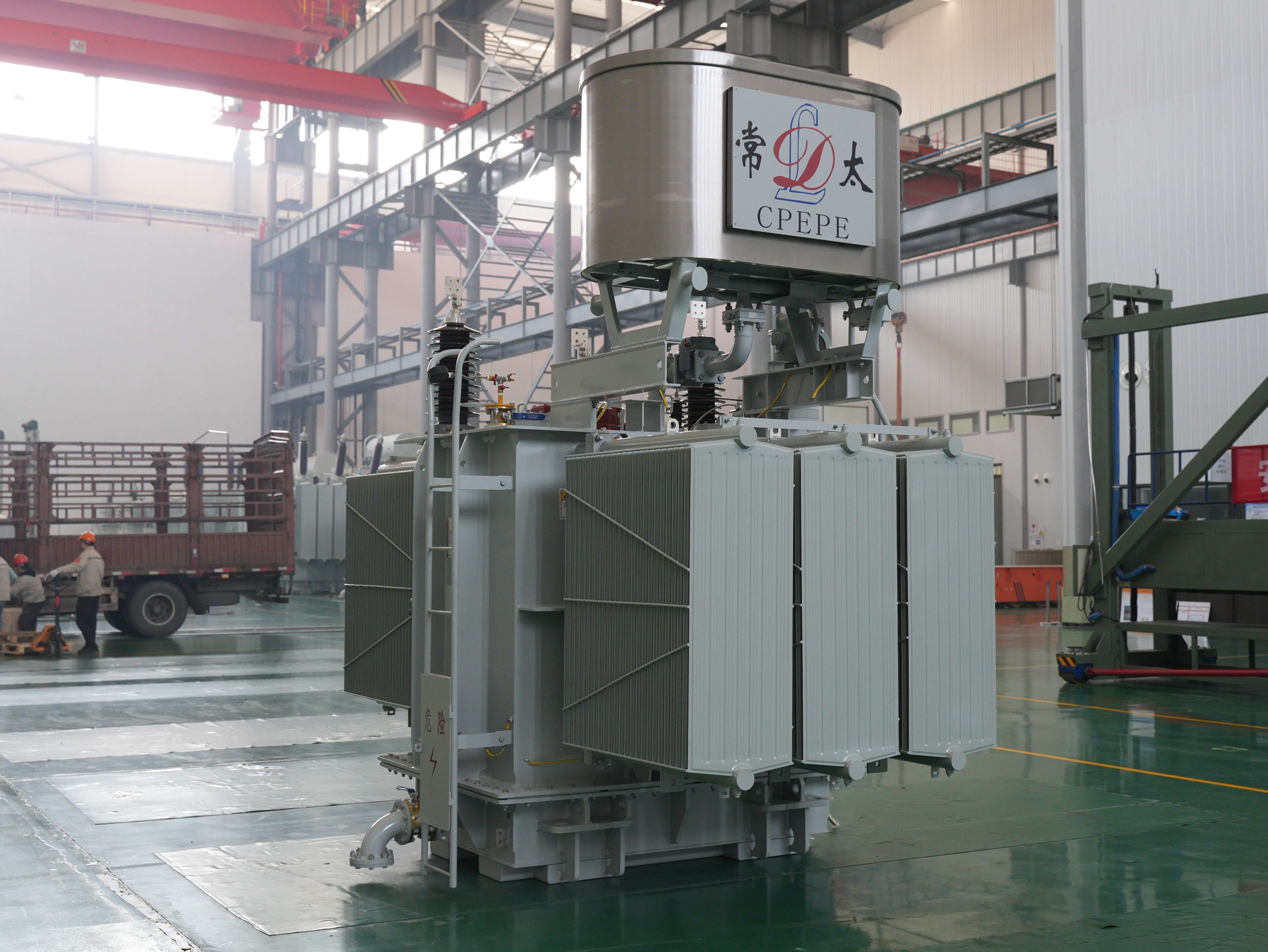
A step up and step down autotransformer represents an essential electrical device that efficiently modifies voltage levels while maintaining system continuity. This sophisticated equipment operates on the fundamental principle of electromagnetic induction, utilizing a single winding with multiple taps to achieve voltage transformation. Unlike conventional transformers that require separate primary and secondary windings, the step up and step down autotransformer shares a common winding between input and output circuits, creating a more compact and economical solution. The step up configuration increases voltage from a lower level to a higher level, typically used when electrical equipment requires higher voltage than the available supply. Conversely, the step down operation reduces high voltage to lower, safer levels suitable for residential or commercial applications. This dual functionality makes the step up and step down autotransformer incredibly versatile for various electrical installations. The technological architecture incorporates high-grade silicon steel laminations that minimize core losses and enhance magnetic flux efficiency. Advanced insulation systems ensure reliable operation across different environmental conditions, while precision-wound copper conductors deliver optimal electrical conductivity. Modern step up and step down autotransformer designs integrate protective features including overcurrent protection, thermal monitoring, and voltage regulation capabilities. These devices find extensive applications across industrial manufacturing, renewable energy systems, power distribution networks, and laboratory testing environments. In industrial settings, the step up and step down autotransformer enables equipment compatibility by matching voltage requirements of different machinery. Renewable energy installations utilize these transformers to optimize power conversion from solar panels or wind turbines. Laboratory environments depend on precise voltage control for testing equipment and calibration procedures. The step up and step down autotransformer construction typically includes robust enclosures designed for indoor or outdoor installation, with options for air-cooled or oil-filled cooling systems depending on power ratings and environmental requirements.

New Product Releases

The step up and step down autotransformer delivers exceptional cost-effectiveness compared to conventional transformer solutions. This economic advantage stems from reduced material requirements, as the single winding design eliminates the need for separate primary and secondary coils. Customers save significantly on initial purchase costs while enjoying lower installation expenses due to the compact size and reduced weight of the step up and step down autotransformer. The shared winding configuration reduces copper usage by approximately 20-30 percent, translating to substantial material cost savings that manufacturers pass on to end users. Energy efficiency represents another compelling benefit, with the step up and step down autotransformer typically achieving efficiency ratings of 98-99 percent. This high efficiency results from lower copper losses and reduced magnetic losses in the core structure. The improved efficiency translates to lower operating costs over the equipment lifetime, making the step up and step down autotransformer an environmentally responsible choice that reduces carbon footprint. Space optimization becomes crucial in modern electrical installations, and the step up and step down autotransformer excels in this area. The compact design requires significantly less floor space compared to equivalent conventional transformers, making it ideal for applications where real estate is expensive or limited. This space efficiency extends to reduced shipping costs and simplified handling during installation. Maintenance requirements for the step up and step down autotransformer remain minimal due to the robust construction and fewer internal components. The simplified design reduces potential failure points, resulting in higher reliability and longer service life. Regular maintenance typically involves basic cleaning and inspection procedures that facility personnel can perform without specialized transformer expertise. Voltage regulation capabilities of the step up and step down autotransformer provide precise control over output voltage levels. Multiple tap positions allow fine-tuning to match specific equipment requirements, ensuring optimal performance of connected loads. This flexibility eliminates the need for additional voltage regulation equipment, further reducing system complexity and costs. The step up and step down autotransformer also offers superior overload capacity, typically handling 150-200 percent of rated load for short periods without damage. This overload capability provides valuable protection during equipment startup sequences or temporary load increases, enhancing overall system reliability and reducing the risk of costly downtime.

Latest News

What Is a Transformer and How Does It Improve Power System Efficiency?

02

Jan

What Is a Transformer and How Does It Improve Power System Efficiency?

A transformer represents one of the most critical components in modern electrical power systems, serving as the backbone for efficient energy transmission and distribution across vast networks. These electromagnetic devices enable the seamless conver...
View More
How Does a Transformer Work in High Voltage Power Transmission?

08

Jan

How Does a Transformer Work in High Voltage Power Transmission?

High voltage power transmission systems form the backbone of modern electrical grids, enabling electricity to travel efficiently across vast distances. At the heart of these complex networks lies the power transformer, a crucial piece of equipment th...
View More
Why Are Transformers Critical for Industrial Power Distribution Systems?

14

Jan

Why Are Transformers Critical for Industrial Power Distribution Systems?

Industrial power distribution systems form the backbone of modern manufacturing, commercial facilities, and critical infrastructure operations. At the heart of these complex networks lies a fundamental component that ensures safe, efficient, and reli...
View More
How Do Transformers Support Grid Stability in Large-Scale Power Networks?

20

Jan

How Do Transformers Support Grid Stability in Large-Scale Power Networks?

Large-scale power networks form the backbone of modern electrical infrastructure, requiring sophisticated equipment to maintain stability and reliability across vast geographical areas. Power transformers play a crucial role in these complex systems ...
View More

Get a Free Quote

Our representative will contact you soon.
Email
WhatsApp/Mobile
Name
Company Name
Message
0/1000

step up and step down autotransformer

Superior Energy Efficiency and Cost Savings

Superior Energy Efficiency and Cost Savings

The step up and step down autotransformer stands out in the electrical equipment market due to its remarkable energy efficiency characteristics that directly translate to significant cost savings for users. This efficiency advantage originates from the unique single-winding design that fundamentally differs from conventional dual-winding transformers. In a traditional transformer, electrical energy must transfer across two separate windings through electromagnetic induction, inherently creating additional losses in the process. However, the step up and step down autotransformer utilizes a continuous winding where part of the energy transfers directly through electrical conduction while the remainder transfers through electromagnetic induction. This hybrid energy transfer mechanism reduces overall losses by 10-15 percent compared to conventional transformers of similar ratings. The reduction in losses manifests as lower heat generation, which not only improves efficiency but also extends equipment lifespan and reduces cooling requirements. For industrial facilities operating multiple transformers continuously, these efficiency gains compound into substantial annual energy savings. A typical 100 kVA step up and step down autotransformer operating at 95 percent load factor can save approximately 2,000-3,000 kWh annually compared to a conventional transformer. Over the 25-30 year expected lifespan of the equipment, these savings can exceed the initial purchase price difference. Additionally, the improved efficiency reduces demand charges from utility companies, as the step up and step down autotransformer draws less current to deliver the same power output. The environmental benefits extend beyond cost savings, as reduced energy consumption directly correlates to lower carbon emissions from power generation. For organizations pursuing sustainability goals or seeking LEED certification, the step up and step down autotransformer contributes valuable points toward energy efficiency requirements. The efficiency advantages become even more pronounced in applications requiring continuous operation, such as industrial processes, data centers, or critical infrastructure facilities where every percentage point of efficiency improvement translates to meaningful operational cost reductions.
Compact Design and Installation Flexibility

Compact Design and Installation Flexibility

The step up and step down autotransformer revolutionizes space utilization in electrical installations through its inherently compact design that delivers the same power handling capability as larger conventional transformers. This space efficiency stems from the elimination of separate primary and secondary windings, allowing engineers to design more compact core structures without compromising electrical performance. The physical footprint of a step up and step down autotransformer typically measures 20-40 percent smaller than equivalent conventional transformers, making it particularly valuable in urban environments where real estate costs are high or space is severely constrained. This compact profile extends vertically as well, with reduced height dimensions that facilitate installation in buildings with low ceiling clearances or underground vaults. The weight reduction achieved through the simplified winding structure provides additional installation benefits, as the step up and step down autotransformer requires less robust mounting structures and reduces foundation requirements. This weight advantage becomes particularly significant for rooftop installations where structural load calculations are critical. The reduced shipping dimensions and weight also translate to lower transportation costs, especially for remote installation sites or international projects where freight charges represent a significant portion of total project costs. Installation flexibility represents another key advantage of the step up and step down autotransformer design. The compact dimensions enable installation in locations previously unsuitable for transformer equipment, such as within building mechanical rooms, basement utility areas, or integrated into modular power distribution systems. This installation flexibility allows electrical engineers greater design freedom when developing power distribution systems for complex facilities. The step up and step down autotransformer can be easily integrated into existing electrical panels or switchgear lineups without requiring significant modifications to surrounding equipment. For retrofit applications, the compact size often allows replacement of existing transformers without major electrical room renovations, reducing project costs and minimizing facility downtime. The modular nature of many step up and step down autotransformer designs enables parallel operation for increased capacity or redundancy, providing scalable solutions that can grow with changing facility requirements while maintaining the space efficiency advantages that make these transformers particularly attractive for modern electrical installations.
Advanced Safety Features and Reliability

Advanced Safety Features and Reliability

The step up and step down autotransformer incorporates sophisticated safety mechanisms and reliability features that exceed industry standards, making it an ideal choice for critical applications where electrical safety and continuous operation are paramount. Modern step up and step down autotransformer designs integrate multiple layers of protection, beginning with advanced overcurrent protection systems that monitor electrical conditions continuously and respond instantaneously to fault conditions. These protection systems utilize digital relays with programmable trip curves that can be customized for specific application requirements, providing precise coordination with upstream and downstream protective devices. The step up and step down autotransformer also features comprehensive thermal monitoring through embedded temperature sensors that track winding temperatures and ambient conditions. This thermal protection prevents damage from overload conditions while providing early warning of developing problems before they result in equipment failure. Ground fault protection represents another critical safety feature integrated into modern step up and step down autotransformer designs. These systems detect even small ground currents that could indicate insulation degradation or other potentially dangerous conditions, automatically isolating the transformer to prevent electrical shock hazards or fire risks. The reliability advantages of the step up and step down autotransformer stem from its simplified internal construction that reduces potential failure points compared to conventional transformers. Fewer internal connections and joints minimize the risk of loose connections that could lead to arcing or overheating. The single winding design also eliminates interwinding insulation failures, which represent a common cause of transformer failures in conventional designs. Quality manufacturing processes ensure consistent insulation levels throughout the winding structure, with rigorous testing protocols that verify dielectric strength and partial discharge levels. The step up and step down autotransformer typically undergoes extensive factory testing including impulse testing, temperature rise verification, and long-term reliability assessments that simulate years of operation in accelerated test conditions. Advanced monitoring capabilities available in modern step up and step down autotransformer installations provide real-time visibility into operating conditions through integrated sensors and communication interfaces. These monitoring systems can track parameters such as load current, voltage levels, power factor, and harmonic content, enabling predictive maintenance strategies that maximize equipment lifespan while minimizing unplanned outages. Remote monitoring capabilities allow facility managers to track transformer performance from central control rooms or even mobile devices, ensuring rapid response to developing issues regardless of personnel location.

Get a Free Quote

Our representative will contact you soon.
Email
WhatsApp/Mobile
Name
Company Name
Message
0/1000