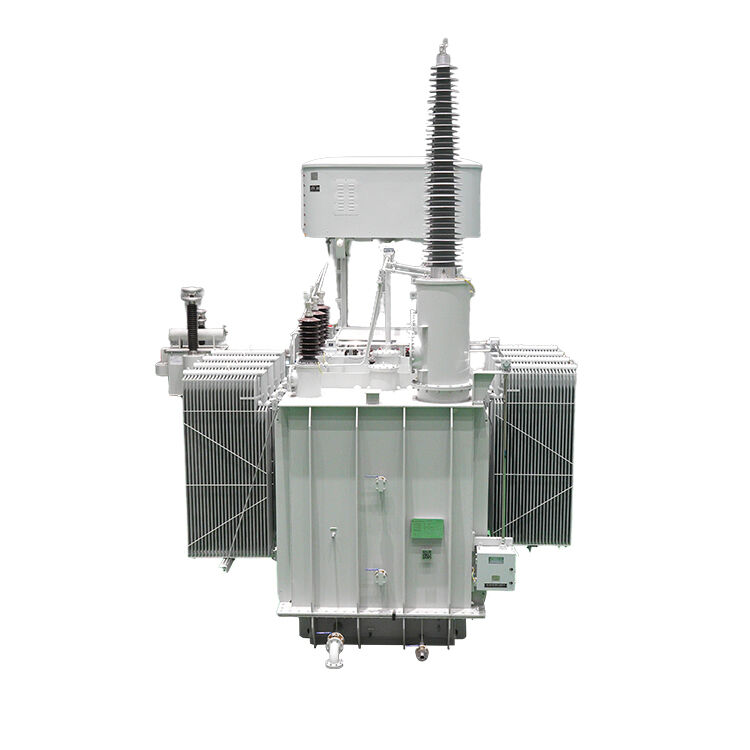
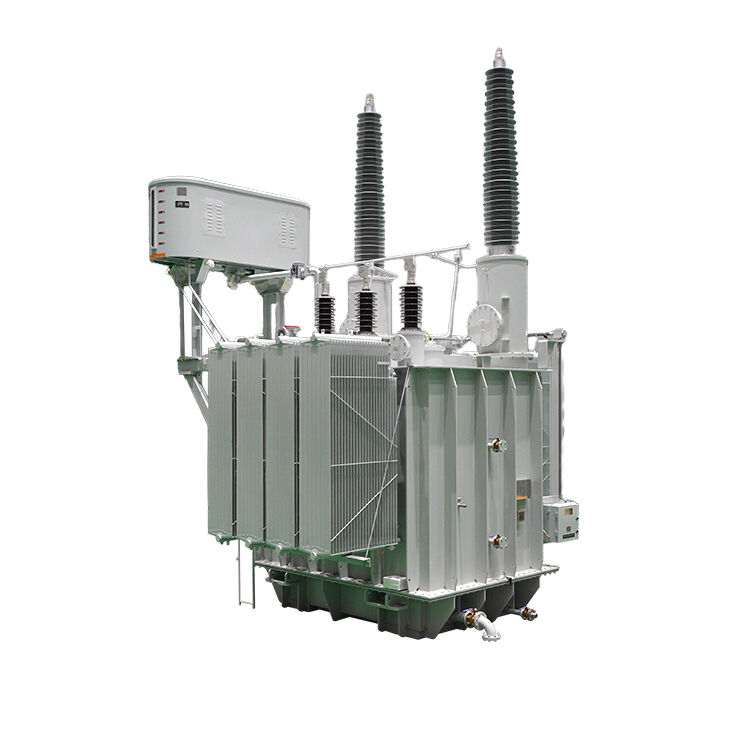
epoxy railway transformer
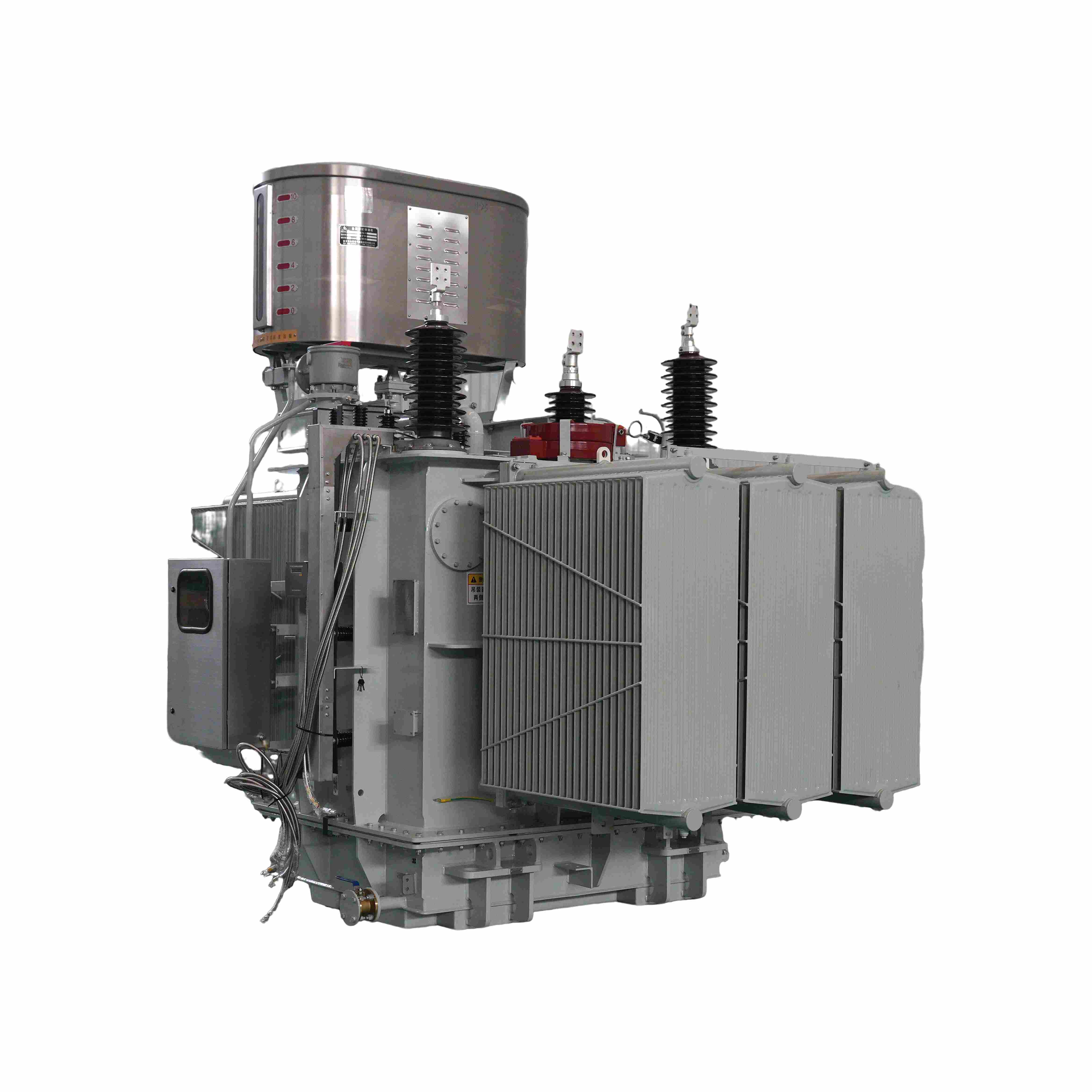
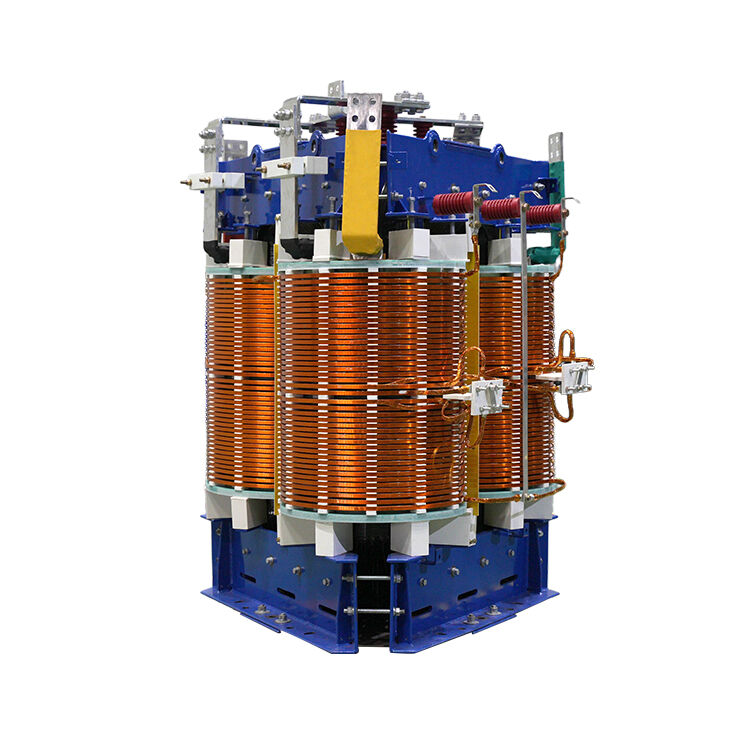
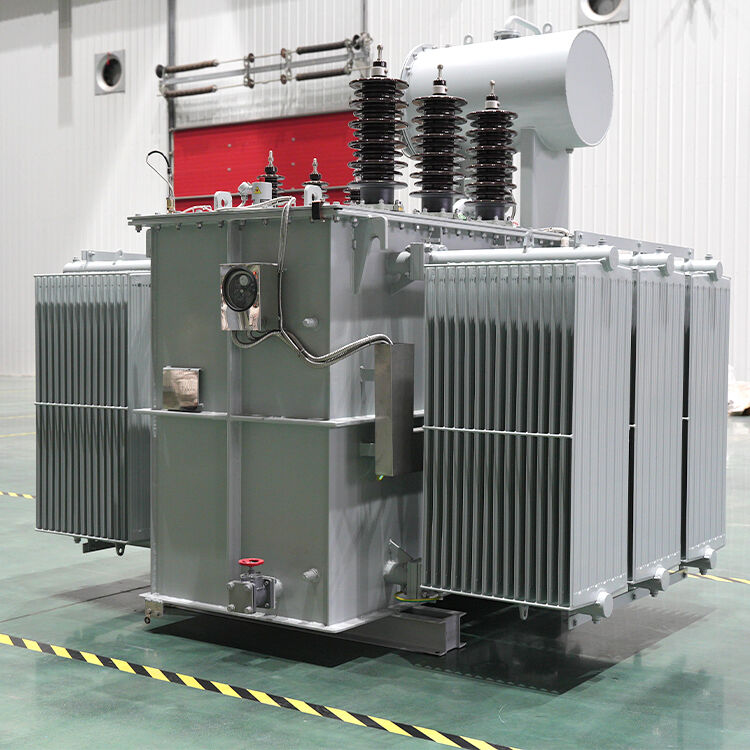
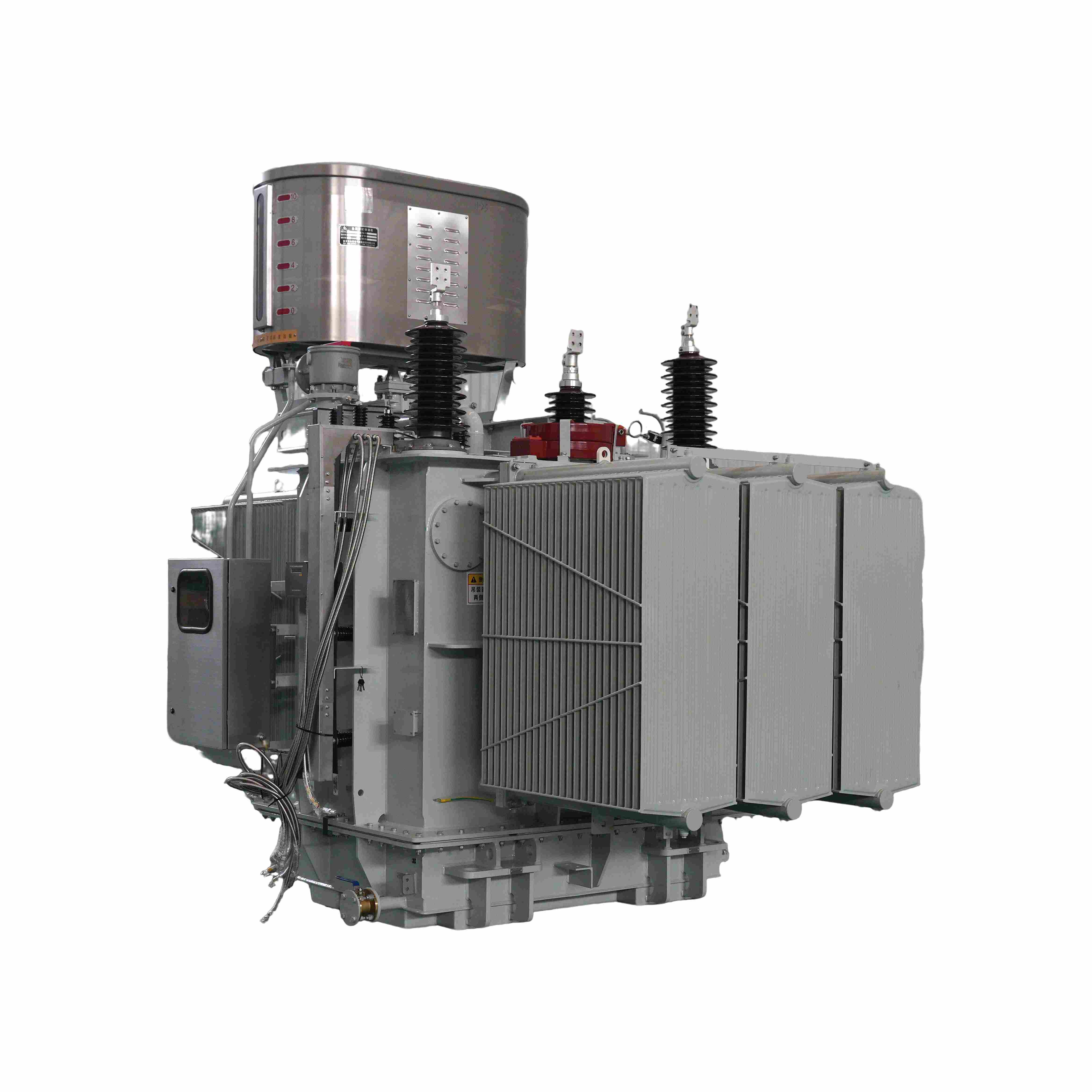
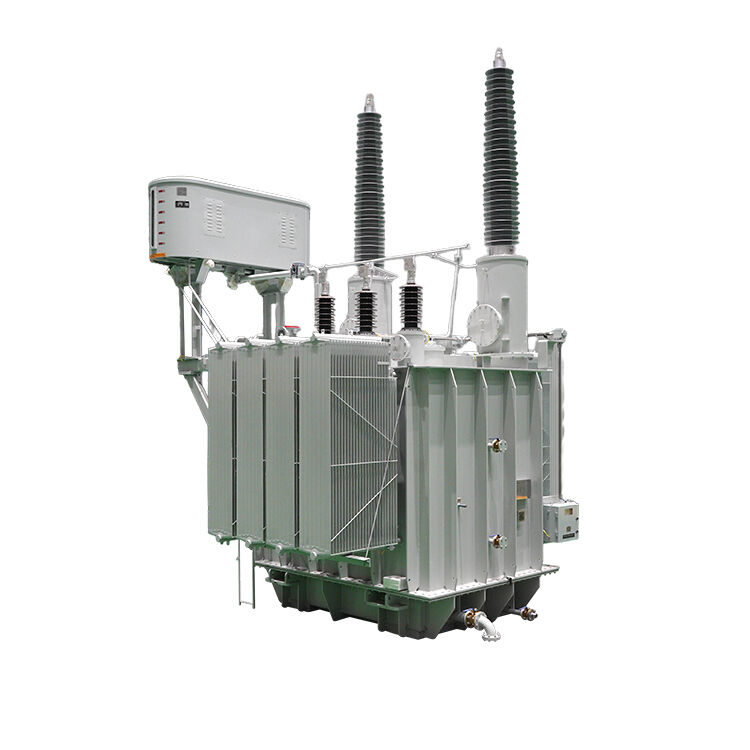
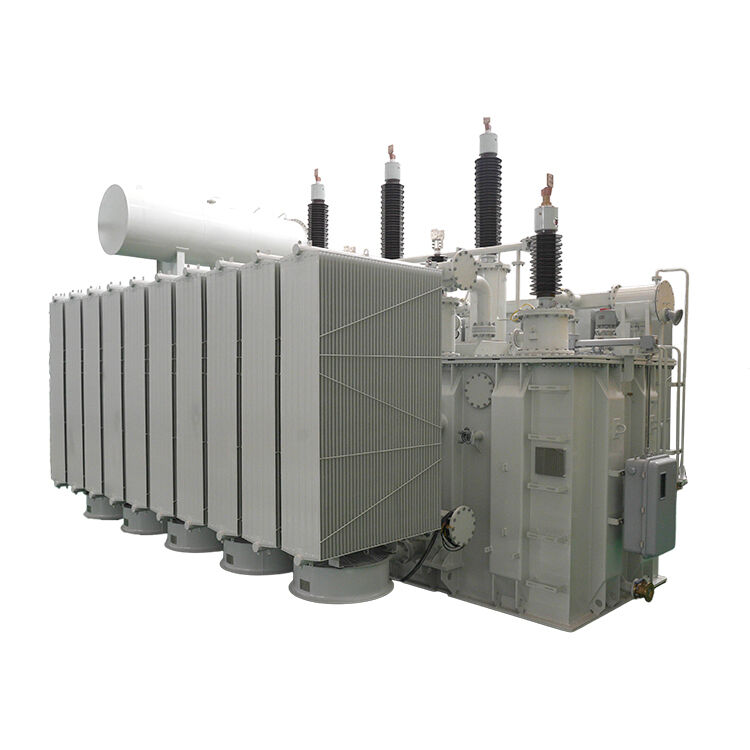
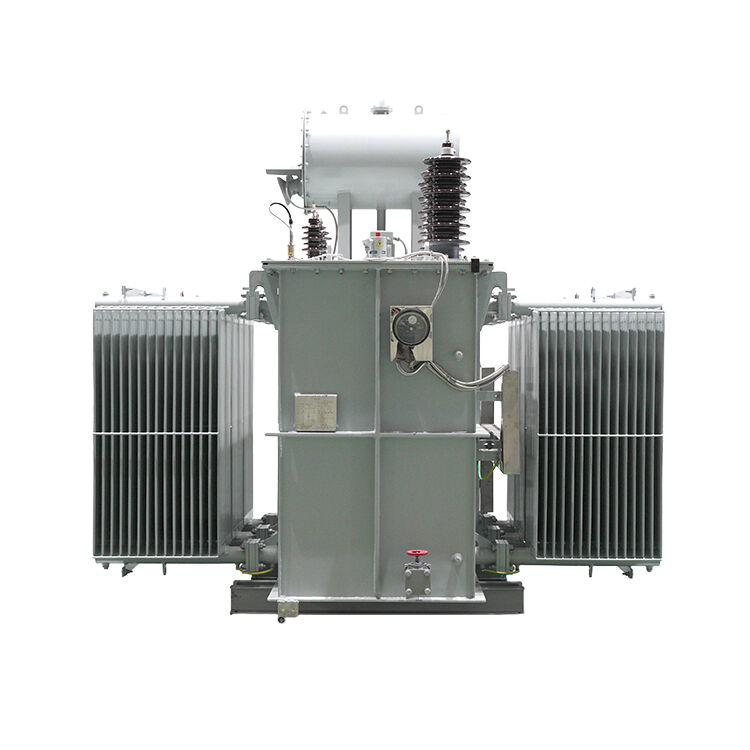
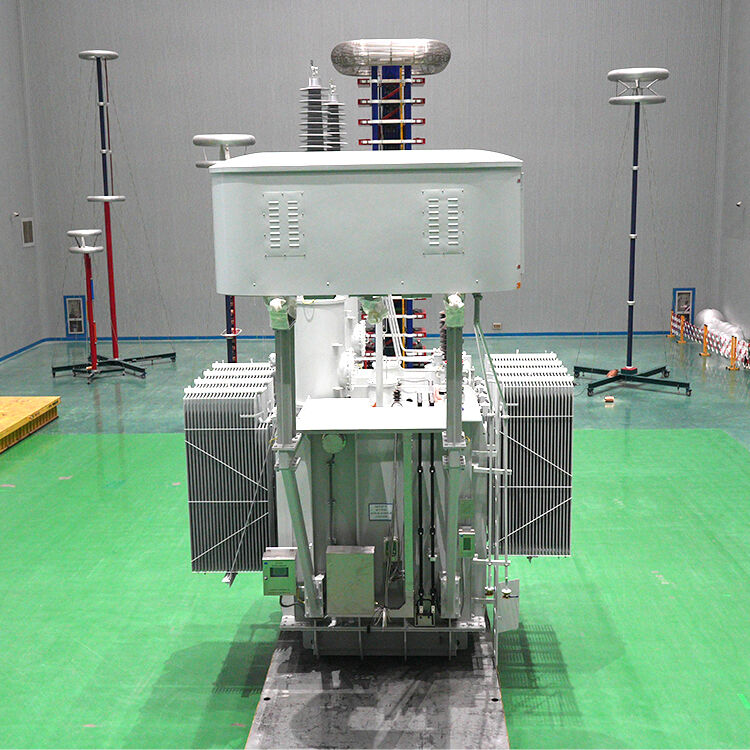
The epoxy railway transformer represents a cutting-edge solution in modern rail infrastructure, designed specifically to handle the demanding electrical requirements of railway systems worldwide. This specialized transformer utilizes advanced epoxy resin technology to create a robust, reliable power distribution unit that serves as the backbone of electrified railway networks. The primary function of the epoxy railway transformer centers on voltage conversion and power regulation, ensuring that electrical energy flows efficiently throughout the entire rail system. These transformers step down high-voltage power from transmission lines to appropriate levels suitable for train operation, signaling systems, and station facilities. The epoxy railway transformer incorporates sophisticated insulation systems that protect against electrical failures, moisture infiltration, and environmental hazards commonly encountered in railway environments. The technological features of this transformer include precision-wound copper conductors, high-grade silicon steel cores, and proprietary epoxy compounds that provide exceptional thermal stability and mechanical strength. Temperature monitoring systems built into each epoxy railway transformer enable real-time performance tracking, while advanced cooling mechanisms maintain optimal operating conditions even under heavy load scenarios. Railway applications for these transformers span across passenger transit systems, freight networks, high-speed rail lines, and urban metro systems. The epoxy railway transformer proves essential in powering traction systems, lighting infrastructure, communication networks, and safety equipment throughout rail corridors. Installation flexibility allows these transformers to function effectively in underground tunnels, elevated platforms, and outdoor switching stations. The compact design of the epoxy railway transformer facilitates integration into space-constrained railway environments while maintaining full operational capacity. Quality assurance protocols ensure each unit meets stringent railway industry standards for reliability, safety, and performance longevity.
 EN
EN