Railway Transformer for High Speed Rail: Advanced Power Solutions for Modern Transportation

Get a Free Quote

Our representative will contact you soon.
Email
WhatsApp/Mobile
Name
Company Name
Message
0/1000

railway transformer for high speed rail

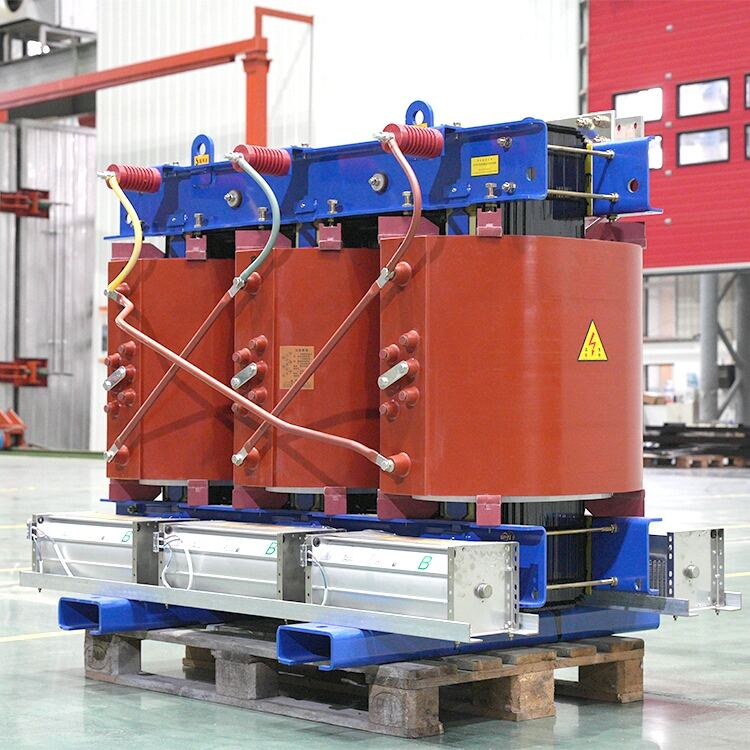
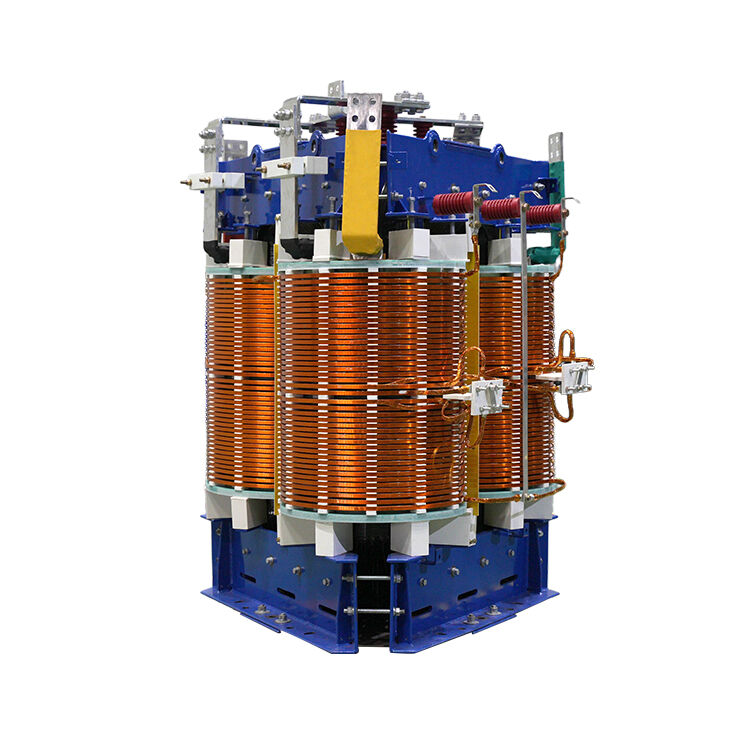
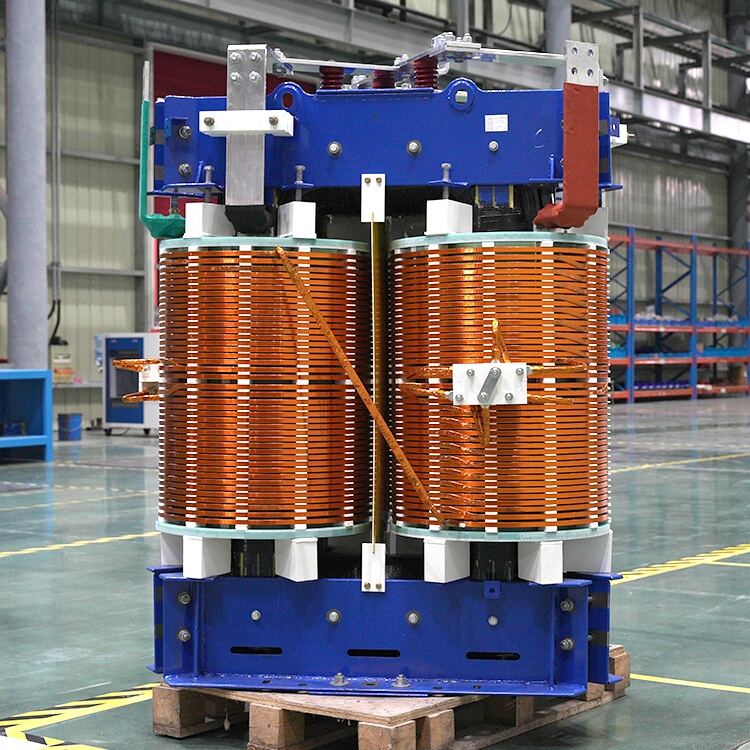
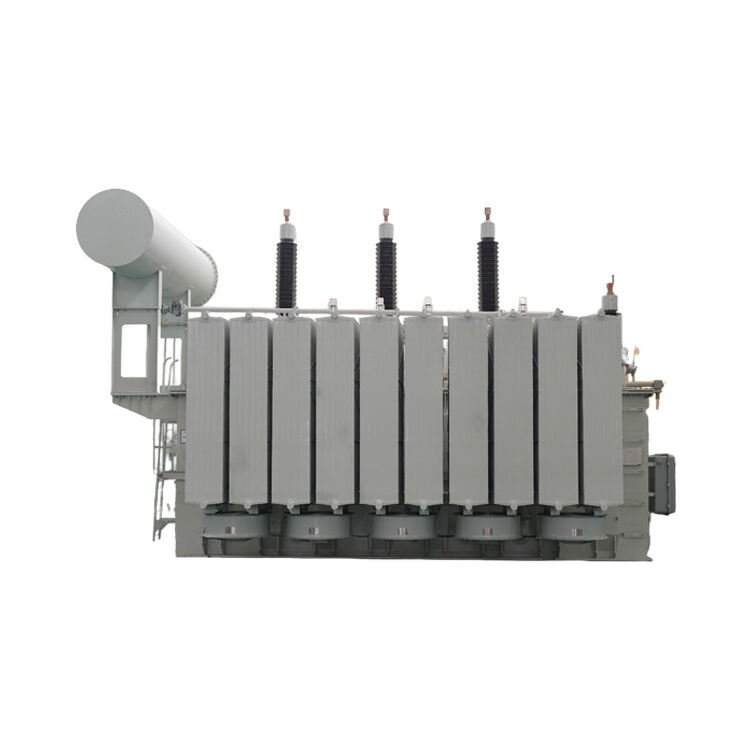
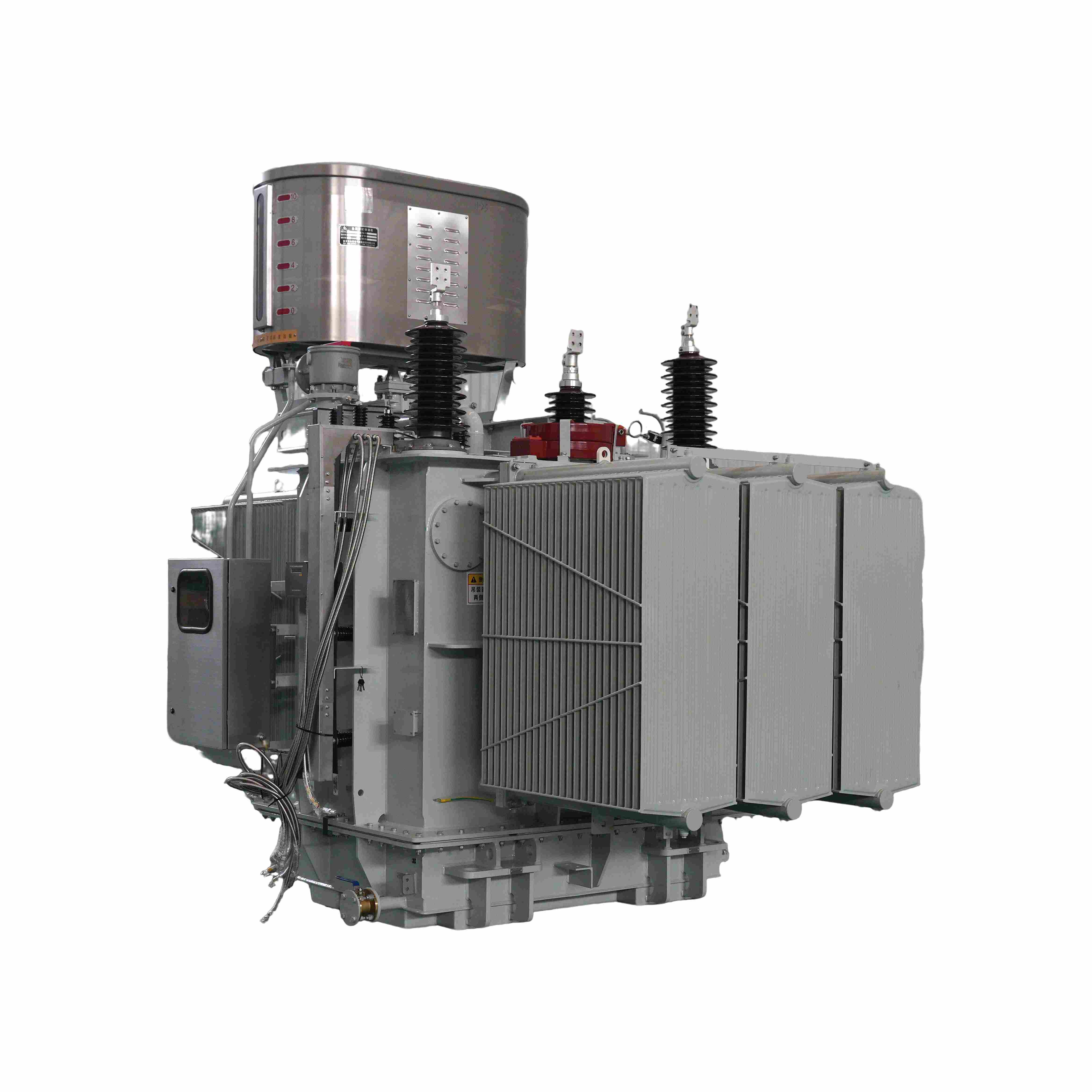
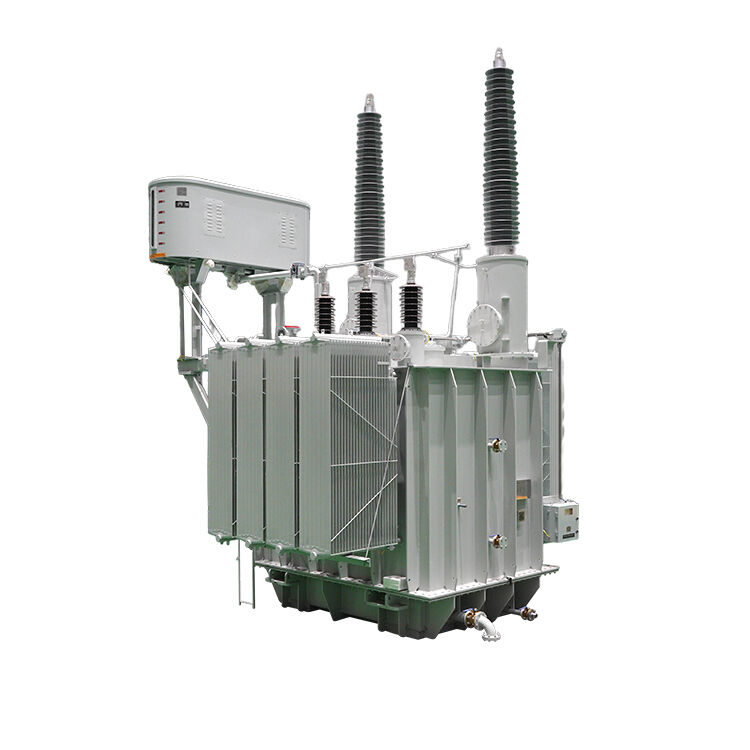
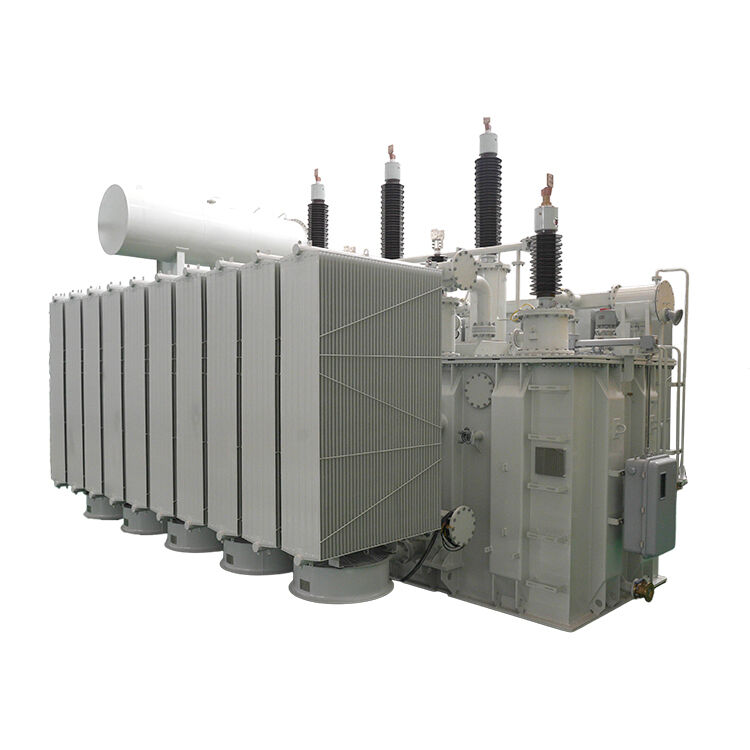
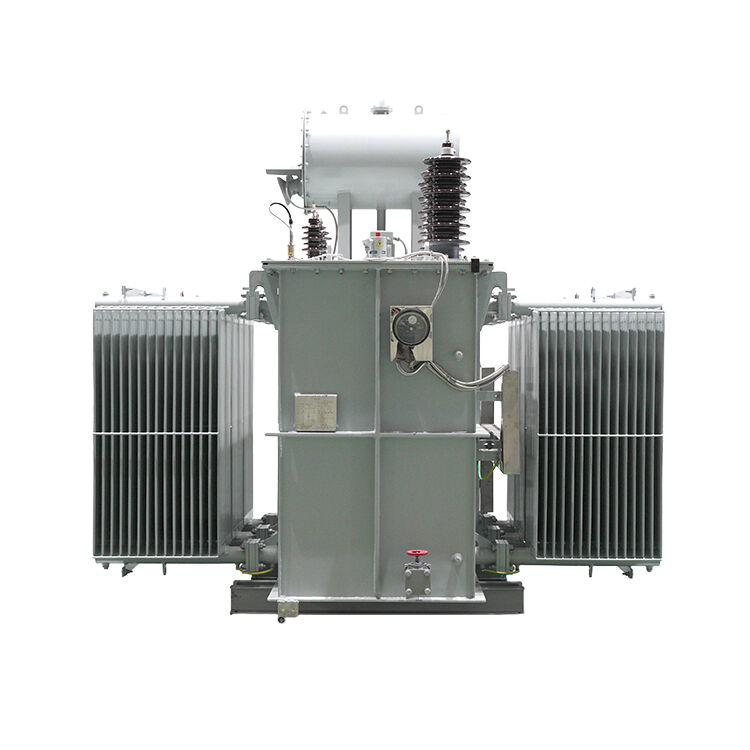
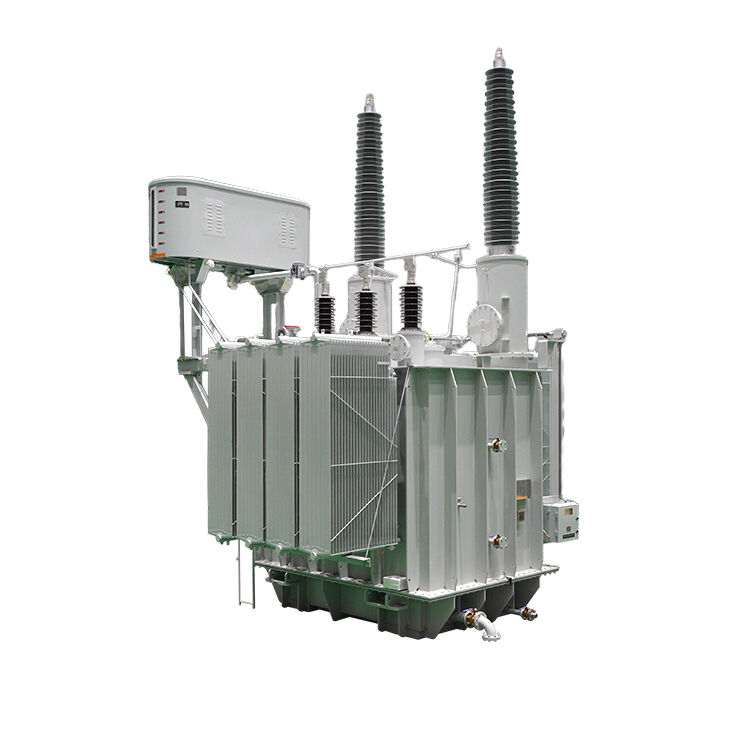
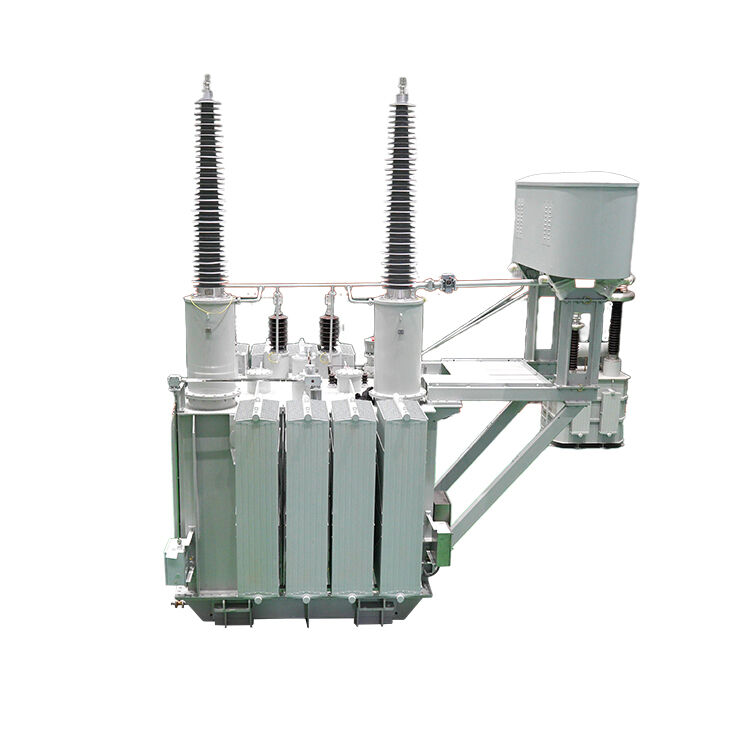
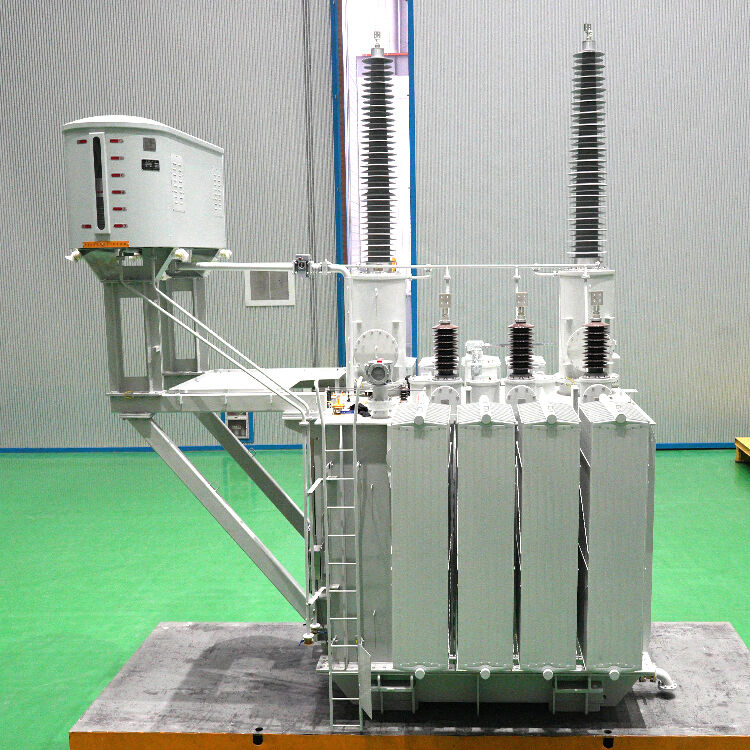
The railway transformer for high speed rail represents a critical component in modern electrified transportation infrastructure, serving as the backbone of power distribution systems that enable trains to achieve exceptional velocities while maintaining safety and efficiency standards. This sophisticated electrical equipment functions as an intermediary device that converts high-voltage alternating current from overhead catenary systems or third rails into appropriate voltage levels suitable for traction motors and onboard electrical systems. The railway transformer for high speed rail operates under demanding conditions, handling substantial power loads while ensuring consistent performance across varying operational scenarios. These transformers incorporate advanced magnetic core technologies, utilizing high-grade electrical steel laminations that minimize energy losses and reduce electromagnetic interference. The primary windings connect to the external power source, while secondary windings distribute electricity to multiple subsystems including propulsion motors, lighting circuits, air conditioning units, and communication equipment. Modern railway transformer for high speed rail designs feature compact configurations that optimize space utilization within train cars while providing robust protection against environmental factors such as vibration, temperature fluctuations, and electromagnetic disturbances. The cooling systems employed in these transformers often utilize forced air circulation or liquid cooling methods to maintain optimal operating temperatures during intensive operations. Safety mechanisms integrated into railway transformer for high speed rail units include overcurrent protection, thermal monitoring, and insulation coordination systems that prevent electrical faults and ensure passenger safety. The technological sophistication of these transformers enables high speed rail systems to achieve remarkable performance metrics, supporting train operations at speeds exceeding 300 kilometers per hour while maintaining energy efficiency and reliability standards essential for commercial passenger service.

Popular Products

Railway transformer for high speed rail systems deliver numerous practical benefits that directly impact operational efficiency, cost management, and service reliability for transportation operators and passengers alike. Energy efficiency stands as a primary advantage, with modern railway transformer for high speed rail units achieving conversion efficiencies exceeding 98 percent, significantly reducing operational costs and environmental impact through minimized power consumption. This exceptional efficiency translates into substantial savings on electricity bills, allowing operators to allocate resources toward service improvements and infrastructure expansion. The compact design of railway transformer for high speed rail equipment maximizes available space within train configurations, enabling operators to accommodate more passenger seating or cargo capacity without compromising electrical system performance. Maintenance requirements for contemporary railway transformer for high speed rail units have decreased dramatically compared to older technologies, featuring extended service intervals and predictive maintenance capabilities that reduce downtime and operational disruptions. The enhanced reliability of these transformers ensures consistent power delivery even under challenging operating conditions, minimizing service delays and improving passenger satisfaction scores. Advanced monitoring systems integrated into railway transformer for high speed rail equipment provide real-time performance data, enabling proactive maintenance scheduling and preventing unexpected failures that could disrupt service schedules. The superior power quality delivered by these transformers ensures smooth acceleration and deceleration profiles, enhancing passenger comfort while reducing wear on mechanical components throughout the train. Noise reduction technologies incorporated into railway transformer for high speed rail designs contribute to quieter passenger environments, improving the overall travel experience. The modular construction of modern transformers facilitates rapid replacement or upgrade procedures, minimizing service interruptions during maintenance activities. Environmental benefits include reduced carbon emissions through improved energy efficiency and compliance with stringent environmental regulations governing railway operations. The scalability of railway transformer for high speed rail systems allows operators to adapt power requirements based on route demands, passenger loads, and operational schedules, providing flexibility for future expansion or service modifications.

Practical Tips

What Is a Transformer and How Does It Improve Power System Efficiency?

02

Jan

What Is a Transformer and How Does It Improve Power System Efficiency?

A transformer represents one of the most critical components in modern electrical power systems, serving as the backbone for efficient energy transmission and distribution across vast networks. These electromagnetic devices enable the seamless conver...
View More
Why Are Transformers Critical for Industrial Power Distribution Systems?

14

Jan

Why Are Transformers Critical for Industrial Power Distribution Systems?

Industrial power distribution systems form the backbone of modern manufacturing, commercial facilities, and critical infrastructure operations. At the heart of these complex networks lies a fundamental component that ensures safe, efficient, and reli...
View More
How Do Transformers Support Grid Stability in Large-Scale Power Networks?

20

Jan

How Do Transformers Support Grid Stability in Large-Scale Power Networks?

Large-scale power networks form the backbone of modern electrical infrastructure, requiring sophisticated equipment to maintain stability and reliability across vast geographical areas. Power transformers play a crucial role in these complex systems ...
View More
What Should Utilities Consider When Selecting a Transformer Supplier?

26

Jan

What Should Utilities Consider When Selecting a Transformer Supplier?

Selecting the right supplier for power infrastructure represents one of the most critical decisions utility companies face in today's rapidly evolving energy landscape. The process of choosing a power transformer supplier requires careful evaluation ...
View More

Get a Free Quote

Our representative will contact you soon.
Email
WhatsApp/Mobile
Name
Company Name
Message
0/1000

railway transformer for high speed rail

Advanced Magnetic Core Technology

Advanced Magnetic Core Technology

The railway transformer for high speed rail incorporates cutting-edge magnetic core technology that represents a significant advancement in electrical engineering for transportation applications. This innovative core design utilizes premium-grade electrical steel laminations with specialized grain orientation that dramatically reduces magnetic losses and enhances overall system efficiency. The laminated core structure consists of multiple thin steel sheets, each coated with insulating materials that prevent eddy current formation, a common source of energy waste in traditional transformer designs. This meticulous construction process ensures that the railway transformer for high speed rail operates with minimal heat generation, extending component lifespan and reducing cooling requirements. The magnetic core geometry has been optimized through advanced computer modeling and finite element analysis, resulting in uniform magnetic flux distribution that eliminates hot spots and ensures consistent performance across all operating conditions. The specialized steel alloys used in these cores exhibit superior magnetic permeability characteristics, allowing the railway transformer for high speed rail to handle substantial power loads while maintaining compact dimensions essential for mobile applications. The core design also incorporates vibration-dampening features that minimize acoustic emissions, contributing to quieter operation that enhances passenger comfort during high-speed travel. Manufacturing processes for these cores involve precision assembly techniques that ensure exact alignment of laminations, preventing magnetic field distortions that could compromise efficiency or generate unwanted electromagnetic interference. The railway transformer for high speed rail core technology includes advanced insulation systems that provide exceptional dielectric strength, enabling safe operation at high voltages while protecting against electrical breakdown. Quality control measures during core production involve rigorous testing procedures that verify magnetic properties, insulation integrity, and mechanical stability under simulated operational stresses. This technological excellence in core design directly translates to improved reliability, reduced maintenance requirements, and enhanced operational efficiency for high-speed rail operators, making the railway transformer for high speed rail an indispensable component in modern transportation infrastructure.
Intelligent Monitoring and Control Systems

Intelligent Monitoring and Control Systems

The railway transformer for high speed rail features sophisticated intelligent monitoring and control systems that revolutionize maintenance practices and operational management in modern rail transportation. These advanced systems incorporate multiple sensor technologies including temperature monitoring, vibration analysis, current measurement, and voltage regulation capabilities that provide comprehensive real-time assessment of transformer performance. The intelligent monitoring framework enables the railway transformer for high speed rail to continuously evaluate its operational status, detecting potential issues before they develop into critical failures that could disrupt service operations. Data collection systems within these transformers capture thousands of measurement points per second, creating detailed performance profiles that maintenance teams can analyze to optimize operational parameters and predict component lifecycle requirements. The control algorithms integrated into railway transformer for high speed rail systems automatically adjust operational parameters based on load demands, environmental conditions, and system requirements, ensuring optimal efficiency across varying operational scenarios. Remote monitoring capabilities allow maintenance personnel to assess transformer status from centralized control centers, enabling rapid response to emerging issues and coordinated maintenance scheduling across entire fleet operations. The intelligent systems also include predictive analytics capabilities that analyze historical performance data to forecast maintenance requirements, component replacement schedules, and potential upgrade opportunities. Communication interfaces built into the railway transformer for high speed rail enable seamless integration with broader train management systems, facilitating coordinated operation of all electrical subsystems. The monitoring systems generate detailed diagnostic reports that help maintenance teams identify performance trends, optimize operational procedures, and implement preventive maintenance strategies that maximize system availability. Advanced fault detection algorithms can distinguish between normal operational variations and genuine system anomalies, reducing false alarms while ensuring prompt attention to legitimate concerns. The railway transformer for high speed rail monitoring systems also support regulatory compliance by automatically documenting operational parameters and performance metrics required for safety certifications and environmental reporting. These intelligent capabilities significantly reduce total cost of ownership by extending equipment lifespan, minimizing unscheduled maintenance, and optimizing energy consumption patterns throughout the transformer's operational life.

Enhanced Safety and Protection Features

Enhanced Safety and Protection Features

The railway transformer for high speed rail incorporates comprehensive safety and protection features that establish new standards for electrical system security in high-speed transportation applications. These advanced protection mechanisms include multi-level fault detection systems that monitor electrical parameters continuously, instantly responding to overcurrent conditions, voltage fluctuations, and insulation degradation that could pose safety risks to passengers and equipment. The railway transformer for high speed rail features sophisticated arc fault detection capabilities that can identify and isolate dangerous electrical arcs within milliseconds, preventing potential fires or equipment damage that could endanger passenger safety. Thermal protection systems integrated throughout the transformer monitor temperature conditions at critical points, automatically reducing load or initiating cooling procedures when predetermined thresholds are approached. The protection coordination schemes ensure that faults are isolated at the lowest possible system level, maintaining power to unaffected circuits while protecting the railway transformer for high speed rail from damage. Ground fault protection systems provide multiple layers of safety against electrical shock hazards, incorporating sensitive detection circuits that can identify minute current leakages and immediately disconnect affected circuits. The transformer housing design includes robust electromagnetic shielding that prevents interference with communication systems and sensitive electronic equipment throughout the train. Surge protection devices integrated into the railway transformer for high speed rail provide defense against lightning strikes and switching surges that could damage sensitive components or create safety hazards. The protection systems include comprehensive insulation monitoring that continuously evaluates the integrity of electrical barriers, alerting maintenance personnel to potential degradation before safety margins are compromised. Emergency shutdown capabilities enable rapid de-energization of the railway transformer for high speed rail in response to critical faults or emergency situations, with multiple independent triggering mechanisms ensuring reliable operation. The safety systems undergo rigorous testing and certification processes that verify compliance with international railway safety standards and regulatory requirements. Redundant protection circuits ensure that safety functions remain operational even if primary protection systems experience failures, providing multiple layers of security for passenger and equipment protection. The railway transformer for high speed rail safety features include comprehensive documentation and training programs that ensure maintenance personnel understand proper safety procedures and emergency response protocols essential for safe operation of these sophisticated electrical systems.

Get a Free Quote

Our representative will contact you soon.
Email
WhatsApp/Mobile
Name
Company Name
Message
0/1000