Railway Transformer for Metro - Advanced Power Solutions for Urban Transit Systems

Get a Free Quote

Our representative will contact you soon.
Email
WhatsApp/Mobile
Name
Company Name
Message
0/1000

railway transformer for metro

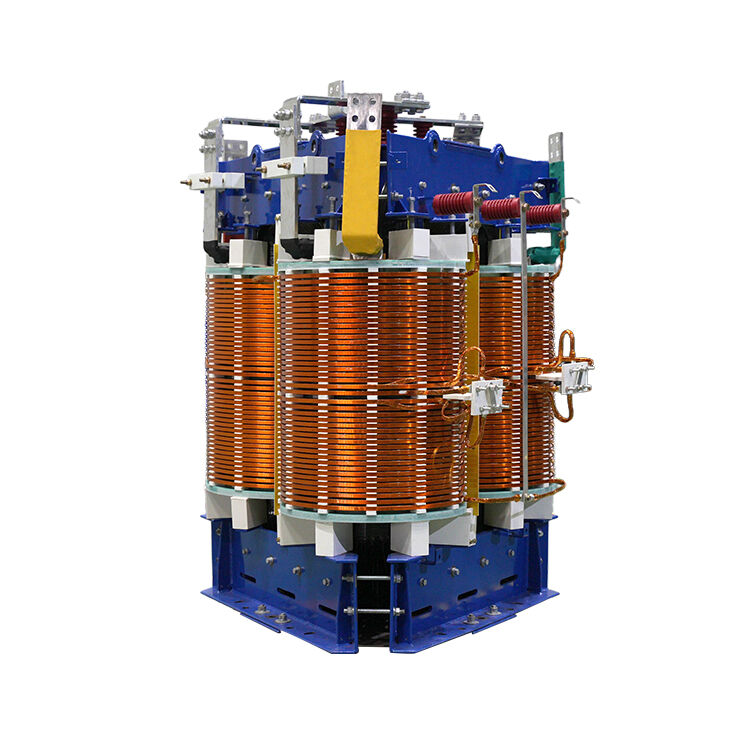
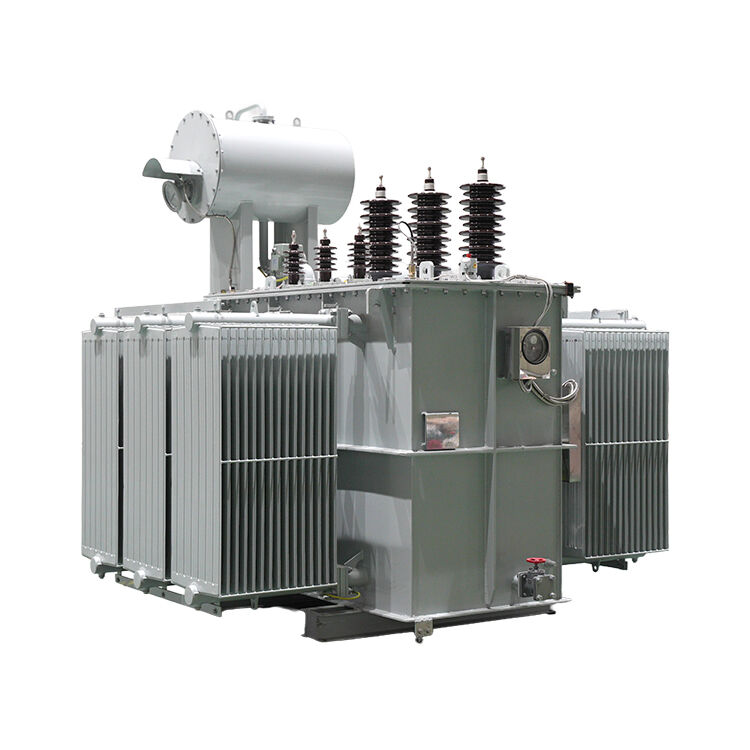
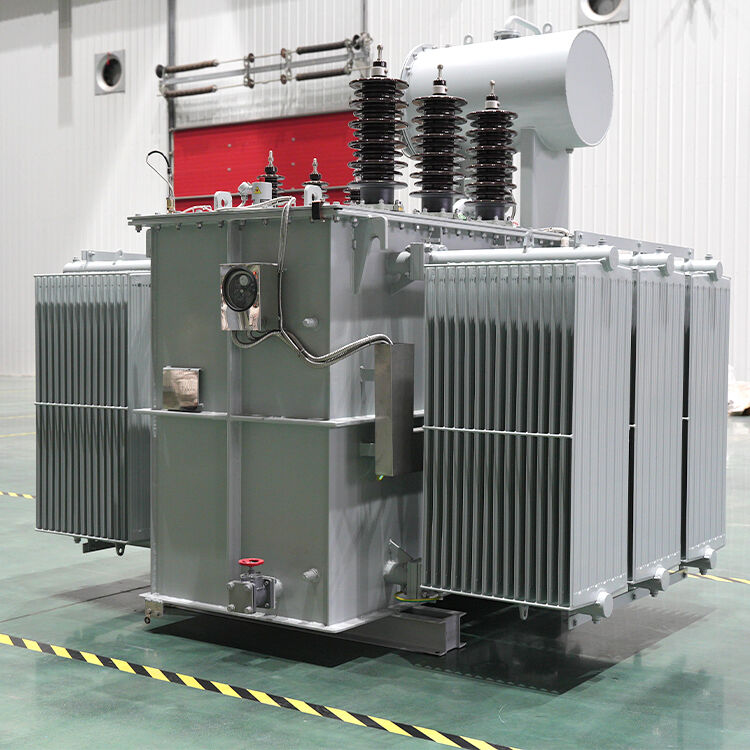
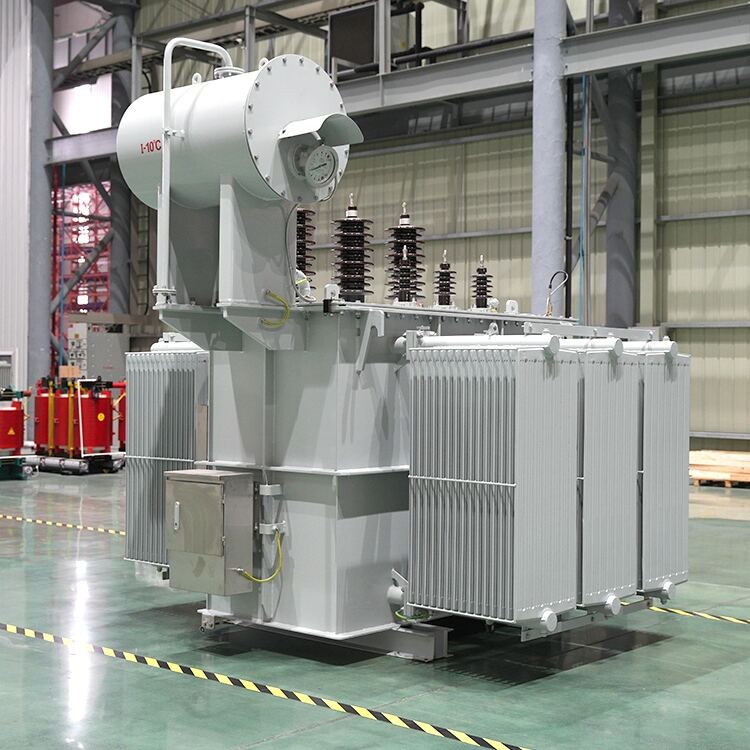
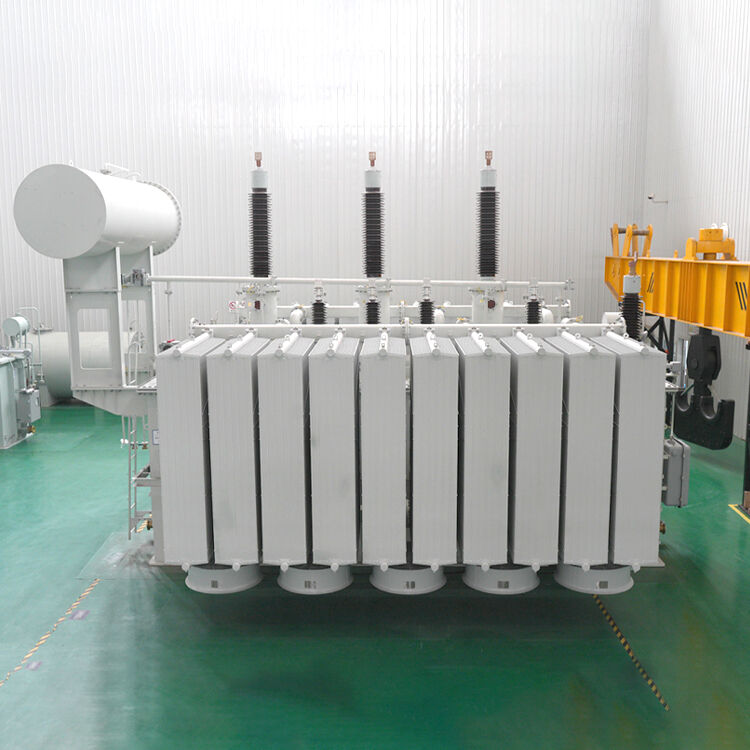
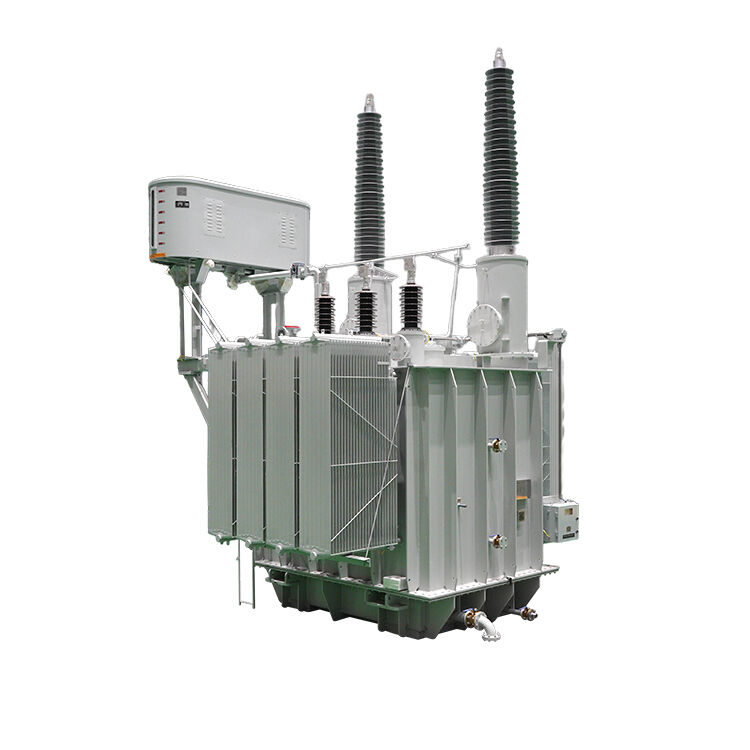
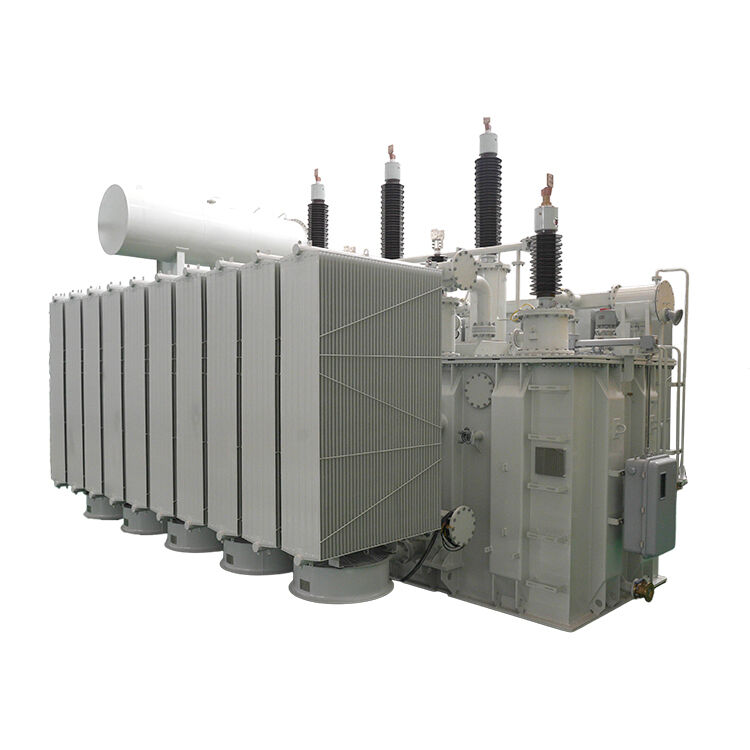
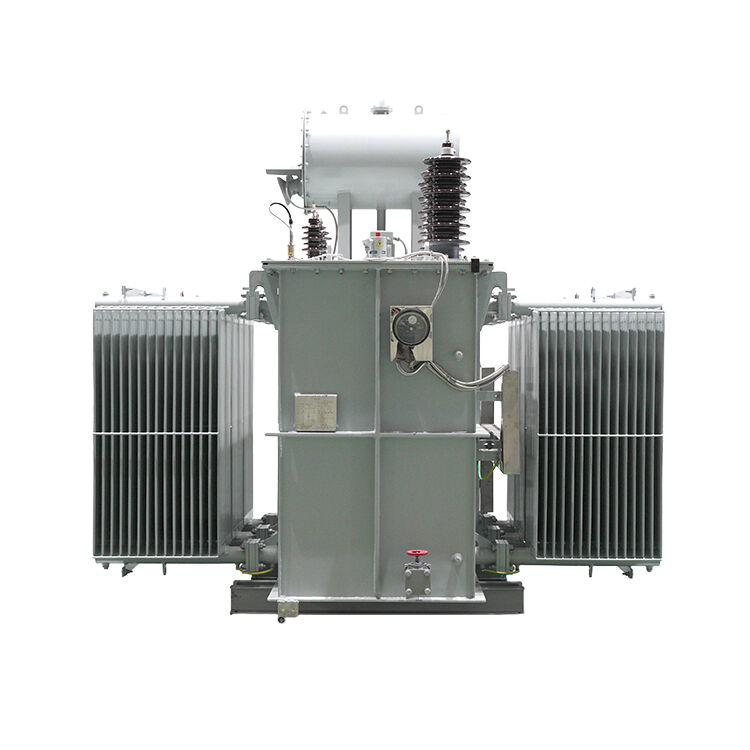
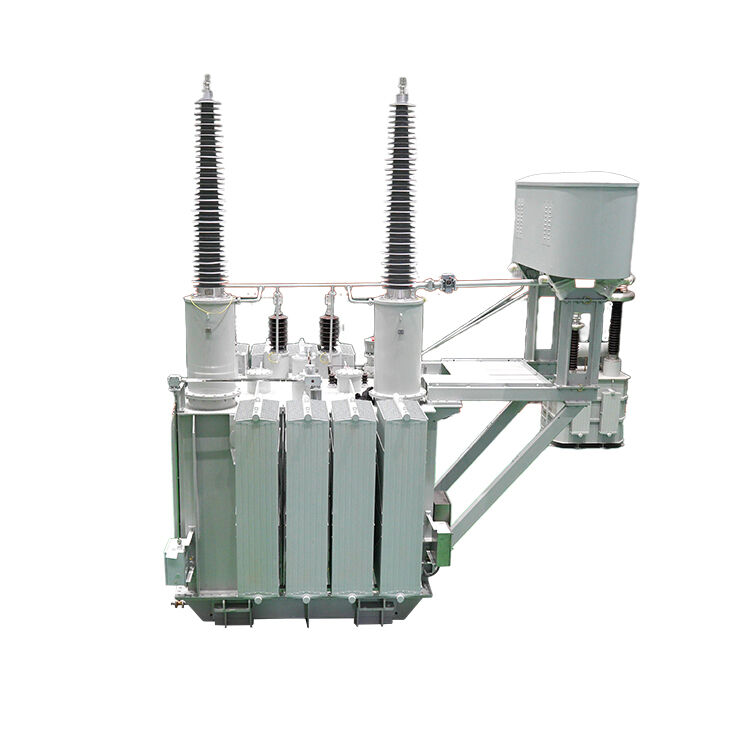
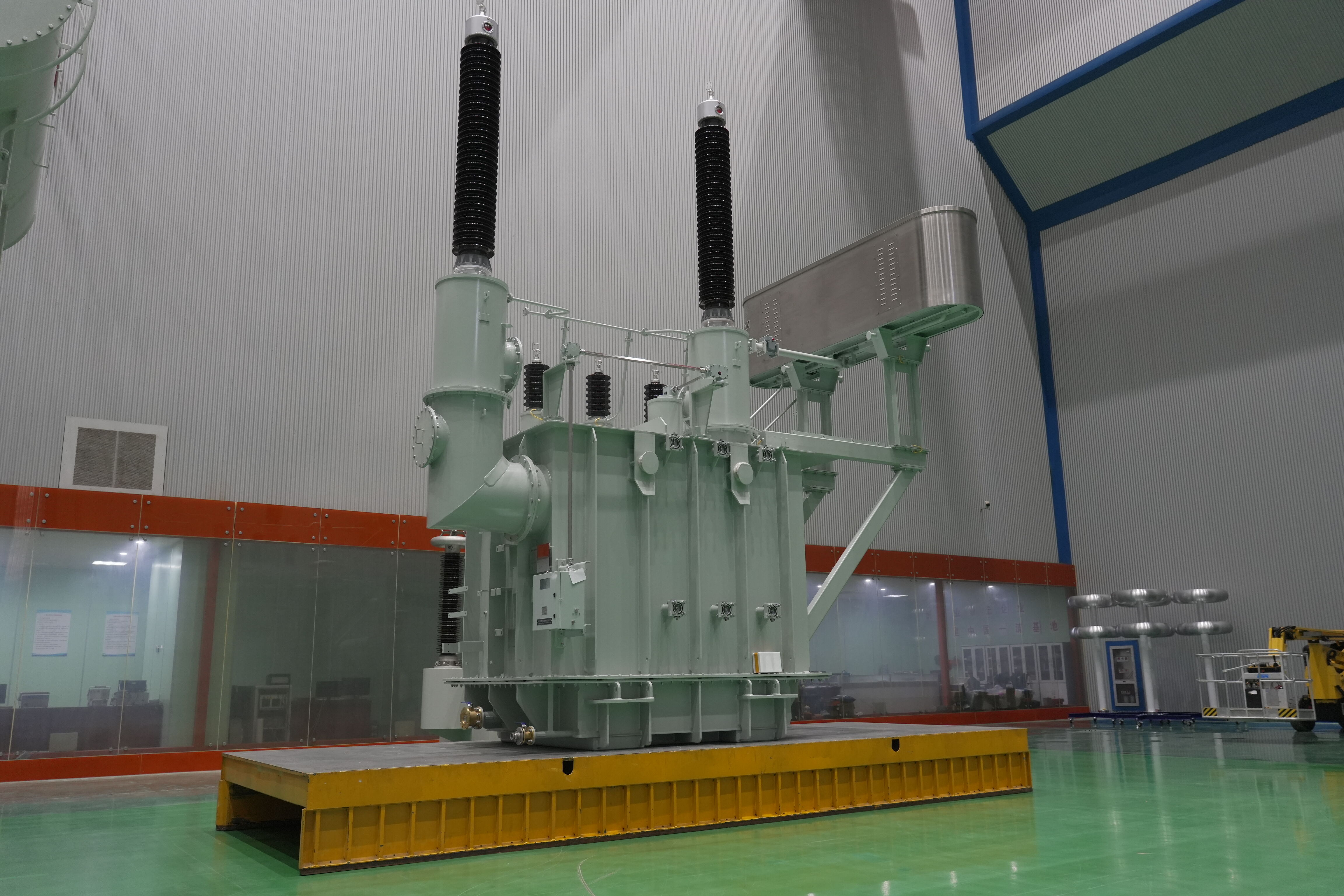
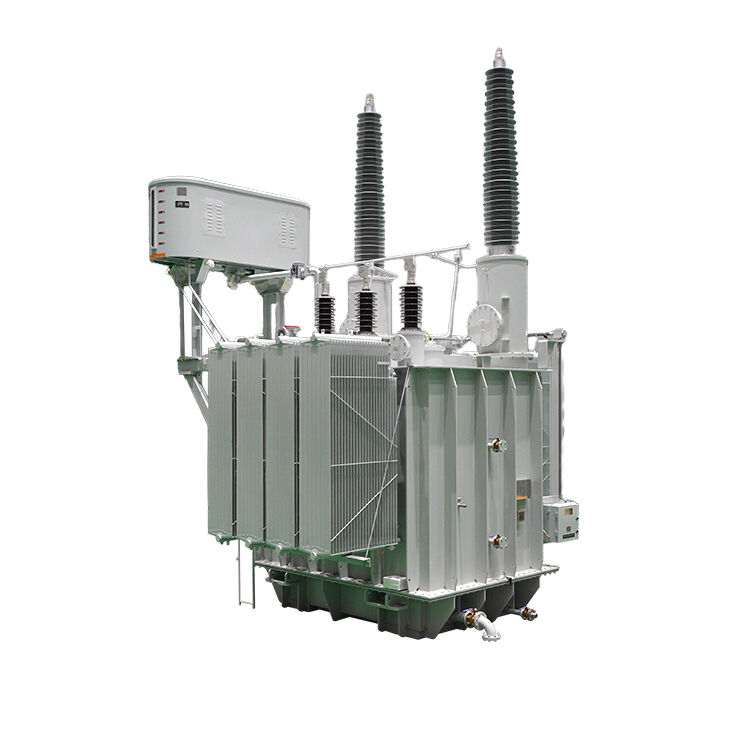
Railway transformer for metro systems represents a critical component in modern urban transportation infrastructure, serving as the backbone of electrical power distribution throughout metropolitan rail networks. These specialized transformers are engineered to handle the unique demands of metro operations, converting high-voltage electrical supply into appropriate voltage levels for various metro subsystems. The railway transformer for metro environments must operate reliably in challenging conditions, including vibration, temperature fluctuations, and electromagnetic interference common in underground and elevated rail systems. The primary function of a railway transformer for metro applications involves stepping down electrical voltage from the main power grid to levels suitable for train propulsion systems, lighting, ventilation, and station facilities. These transformers typically convert voltages from 22kV or 33kV distribution levels down to operational voltages such as 1500V DC or 750V DC, depending on the specific metro system requirements. Modern railway transformer for metro installations incorporates advanced insulation systems, robust construction materials, and sophisticated cooling mechanisms to ensure continuous operation in demanding environments. The technological features of railway transformer for metro units include flame-retardant materials, enhanced seismic resistance, and compact designs optimized for space-constrained urban installations. These transformers often feature intelligent monitoring systems that provide real-time performance data, enabling predictive maintenance and minimizing service disruptions. Applications of railway transformer for metro systems extend beyond basic power conversion to include integration with regenerative braking systems, where energy recovered from braking trains is fed back into the power network. The railway transformer for metro infrastructure also supports auxiliary systems such as escalators, elevators, communication networks, and emergency power supplies, making it an indispensable element in comprehensive metro operations.

New Products

Railway transformer for metro systems delivers exceptional operational benefits that directly impact service reliability and cost-effectiveness for transit authorities and passengers alike. These transformers provide superior energy efficiency compared to conventional alternatives, reducing operational expenses through optimized power conversion processes that minimize energy losses during transmission. The railway transformer for metro applications offers remarkable durability, withstanding harsh operating conditions including extreme temperatures, humidity, and mechanical stress from constant vibration and electromagnetic fields. This robustness translates to extended service life, reducing replacement costs and maintenance frequency while ensuring consistent power delivery to metro systems. The compact design of railway transformer for metro units enables efficient space utilization in crowded urban environments where real estate is at a premium. These transformers can be installed in confined spaces such as underground vaults or elevated platforms without compromising performance or accessibility for maintenance personnel. Railway transformer for metro systems incorporate advanced safety features including arc-resistant enclosures, flame-retardant materials, and sophisticated protection systems that prevent electrical faults from escalating into dangerous situations. This enhanced safety profile protects both equipment and personnel while maintaining uninterrupted metro service. The modular construction of railway transformer for metro installations allows for scalable power solutions that can adapt to growing ridership demands and system expansions. Transit authorities can incrementally increase power capacity by adding transformer modules rather than replacing entire systems, providing flexible investment strategies aligned with ridership growth patterns. Railway transformer for metro applications support regenerative braking technology, enabling trains to return energy to the power grid during deceleration, which significantly reduces overall energy consumption and operational costs. The intelligent monitoring capabilities integrated into modern railway transformer for metro systems provide real-time diagnostics and predictive maintenance alerts, allowing maintenance teams to address potential issues before they cause service disruptions. This proactive approach minimizes unplanned downtime and extends equipment life while optimizing maintenance resource allocation. Railway transformer for metro installations also demonstrate excellent electromagnetic compatibility, ensuring minimal interference with sensitive communication and control systems essential for safe metro operations.

Practical Tips

How Does a Transformer Work in High Voltage Power Transmission?

08

Jan

How Does a Transformer Work in High Voltage Power Transmission?

High voltage power transmission systems form the backbone of modern electrical grids, enabling electricity to travel efficiently across vast distances. At the heart of these complex networks lies the power transformer, a crucial piece of equipment th...
View More
Why Are Transformers Critical for Industrial Power Distribution Systems?

14

Jan

Why Are Transformers Critical for Industrial Power Distribution Systems?

Industrial power distribution systems form the backbone of modern manufacturing, commercial facilities, and critical infrastructure operations. At the heart of these complex networks lies a fundamental component that ensures safe, efficient, and reli...
View More
How Do Transformers Support Grid Stability in Large-Scale Power Networks?

20

Jan

How Do Transformers Support Grid Stability in Large-Scale Power Networks?

Large-scale power networks form the backbone of modern electrical infrastructure, requiring sophisticated equipment to maintain stability and reliability across vast geographical areas. Power transformers play a crucial role in these complex systems ...
View More
What Should Utilities Consider When Selecting a Transformer Supplier?

26

Jan

What Should Utilities Consider When Selecting a Transformer Supplier?

Selecting the right supplier for power infrastructure represents one of the most critical decisions utility companies face in today's rapidly evolving energy landscape. The process of choosing a power transformer supplier requires careful evaluation ...
View More

Get a Free Quote

Our representative will contact you soon.
Email
WhatsApp/Mobile
Name
Company Name
Message
0/1000

railway transformer for metro

Advanced Safety and Reliability Features for Metro Operations

Advanced Safety and Reliability Features for Metro Operations

Railway transformer for metro systems incorporates cutting-edge safety technologies specifically designed to meet the stringent requirements of urban transit environments where passenger safety is paramount. These transformers feature multiple layers of protection including advanced fault detection systems that can identify and isolate electrical anomalies within milliseconds, preventing potential hazards from affecting metro operations. The railway transformer for metro applications utilizes arc-resistant enclosures constructed with specialized materials that can contain and redirect dangerous electrical arcs away from personnel and critical equipment. This safety feature is particularly crucial in metro environments where maintenance workers frequently access electrical systems in confined spaces. The insulation systems employed in railway transformer for metro units exceed standard requirements, utilizing Class H insulation materials that maintain their integrity even under extreme temperature conditions and prolonged electrical stress. These enhanced insulation systems contribute to the exceptional reliability record of modern metro systems, where service interruptions due to transformer failures are virtually eliminated. Railway transformer for metro installations incorporate sophisticated monitoring systems that continuously assess critical parameters including temperature, vibration, partial discharge activity, and oil condition where applicable. These monitoring systems provide early warning indicators that enable maintenance teams to perform preventive actions before equipment failure occurs, ensuring uninterrupted service delivery to metro passengers. The robust mechanical construction of railway transformer for metro units includes seismic-resistant designs that can withstand earthquake forces while maintaining operational integrity, a critical consideration for metro systems in seismically active regions. Additionally, these transformers feature redundant cooling systems and backup protection circuits that ensure continued operation even if primary systems experience problems. The railway transformer for metro design philosophy emphasizes fail-safe operation, where any single component failure will not result in complete system shutdown, maintaining essential power delivery to safety-critical metro subsystems including emergency lighting, communication systems, and ventilation equipment.
Energy Efficiency and Environmental Sustainability

Energy Efficiency and Environmental Sustainability

Railway transformer for metro systems delivers outstanding energy efficiency performance that significantly reduces operational costs while supporting environmental sustainability goals pursued by modern transit authorities. These transformers achieve efficiency ratings exceeding 98 percent under normal operating conditions, minimizing energy losses during power conversion processes and reducing the overall carbon footprint of metro operations. The railway transformer for metro design incorporates advanced magnetic core materials and optimized winding configurations that reduce both no-load losses and load losses, ensuring maximum energy transfer efficiency throughout varying load conditions typical of metro service patterns. Modern railway transformer for metro units support regenerative braking systems that capture kinetic energy from decelerating trains and convert it back to electrical energy for reuse by the metro system. This regenerative capability can reduce overall energy consumption by up to 30 percent compared to conventional braking systems, providing substantial cost savings and environmental benefits. The railway transformer for metro installations utilize biodegradable insulating fluids where liquid insulation is required, eliminating environmental risks associated with traditional mineral oil-based systems while maintaining superior electrical and thermal performance. These eco-friendly insulating materials decompose naturally if accidentally released, protecting groundwater and soil from contamination in urban environments. Railway transformer for metro systems incorporate intelligent power management features that automatically adjust operating parameters based on real-time load demands, optimizing efficiency during periods of varying passenger traffic. During off-peak hours when metro service is reduced, these transformers can operate in energy-saving modes that further reduce power consumption without affecting service reliability. The thermal management systems in railway transformer for metro applications utilize advanced cooling technologies that minimize energy consumption required for temperature control while maintaining optimal operating conditions. These efficient cooling systems reduce the overall energy footprint of transformer installations while extending equipment life through precise temperature regulation. Railway transformer for metro units also contribute to reduced electromagnetic emissions through advanced shielding techniques and optimized design approaches that minimize interference with surrounding electronic systems and reduce environmental electromagnetic pollution in urban areas.
Compact Design and Urban Integration Capabilities

Compact Design and Urban Integration Capabilities

Railway transformer for metro applications features innovative compact design solutions that address the unique space constraints inherent in urban transit infrastructure while delivering full power capacity and functionality. These transformers utilize advanced engineering techniques including three-dimensional optimization algorithms that minimize physical footprint without compromising electrical performance or safety requirements. The railway transformer for metro design philosophy emphasizes vertical space utilization, allowing installations in narrow underground vaults, elevated platform areas, and confined mechanical rooms where conventional transformers cannot fit. Modern railway transformer for metro units incorporate modular construction approaches that enable flexible configuration options to match specific installation constraints while maintaining standardized components for simplified maintenance and spare parts inventory. The compact profile of railway transformer for metro systems facilitates installation in noise-sensitive urban areas through integrated sound dampening technologies that reduce acoustic emissions to levels compatible with residential and commercial neighborhoods. These quiet operation features are particularly important for metro systems that traverse densely populated areas where noise pollution regulations strictly limit permissible sound levels. Railway transformer for metro installations support multiple mounting configurations including wall-mounted, floor-standing, and suspended arrangements that maximize utilization of available space in diverse metro infrastructure environments. The standardized interfaces and connection systems employed in railway transformer for metro units simplify integration with existing electrical infrastructure while accommodating future system modifications and expansions. Advanced cable management systems integrated into railway transformer for metro designs organize electrical connections efficiently, reducing installation time and improving accessibility for maintenance personnel working in cramped quarters. The weather-resistant enclosures protecting railway transformer for metro equipment withstand harsh environmental conditions including temperature extremes, humidity, salt spray in coastal areas, and chemical exposure common in urban environments. These protective enclosures maintain their integrity throughout extended service life while providing easy access for routine maintenance and inspection activities. Railway transformer for metro systems also incorporate intelligent ventilation systems that provide adequate cooling airflow while minimizing the physical size of cooling equipment, further contributing to the overall compact design profile essential for successful urban integration.

Get a Free Quote

Our representative will contact you soon.
Email
WhatsApp/Mobile
Name
Company Name
Message
0/1000