High Voltage Auto Transformer Solutions - Efficient Power Regulation Technology

Get a Free Quote

Our representative will contact you soon.
Email
WhatsApp/Mobile
Name
Company Name
Message
0/1000

high voltage auto transformer

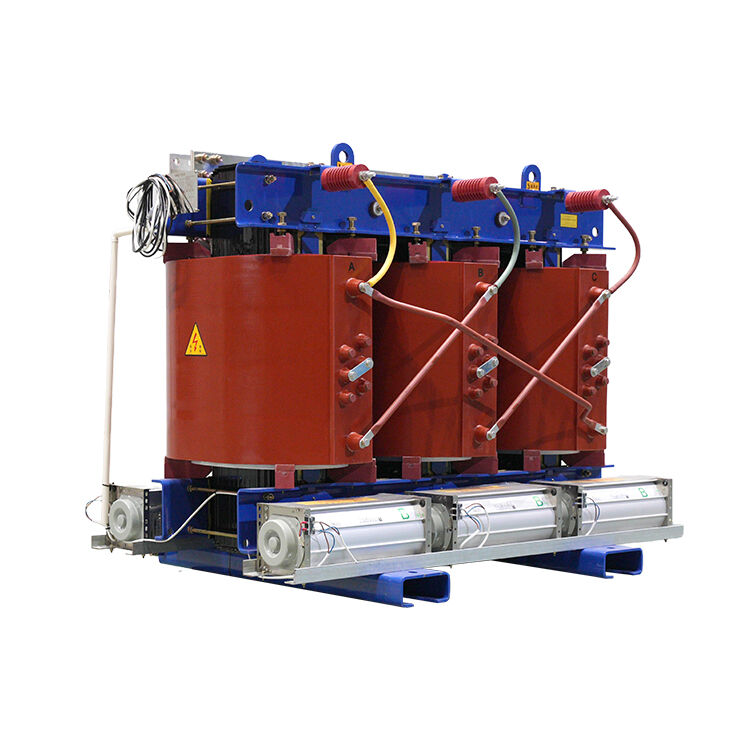
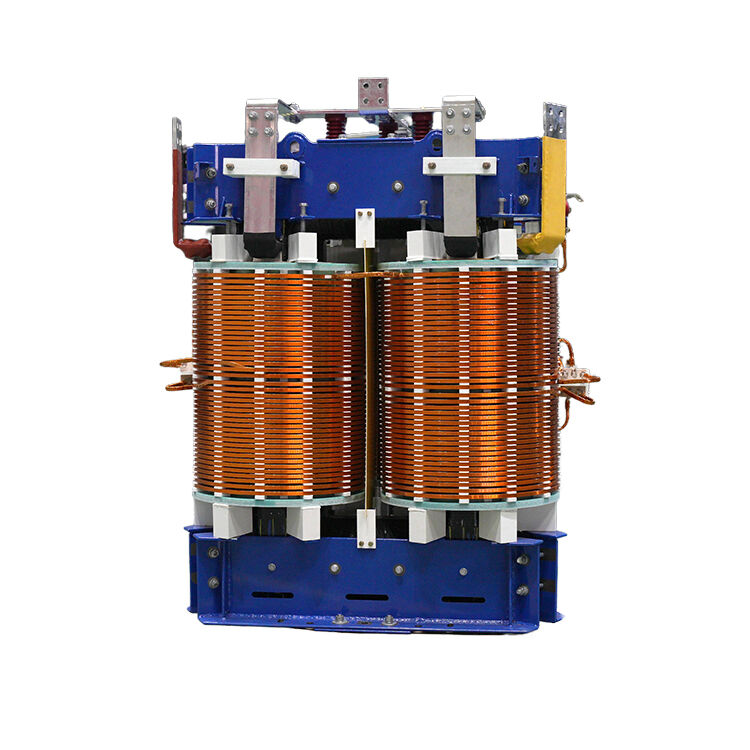
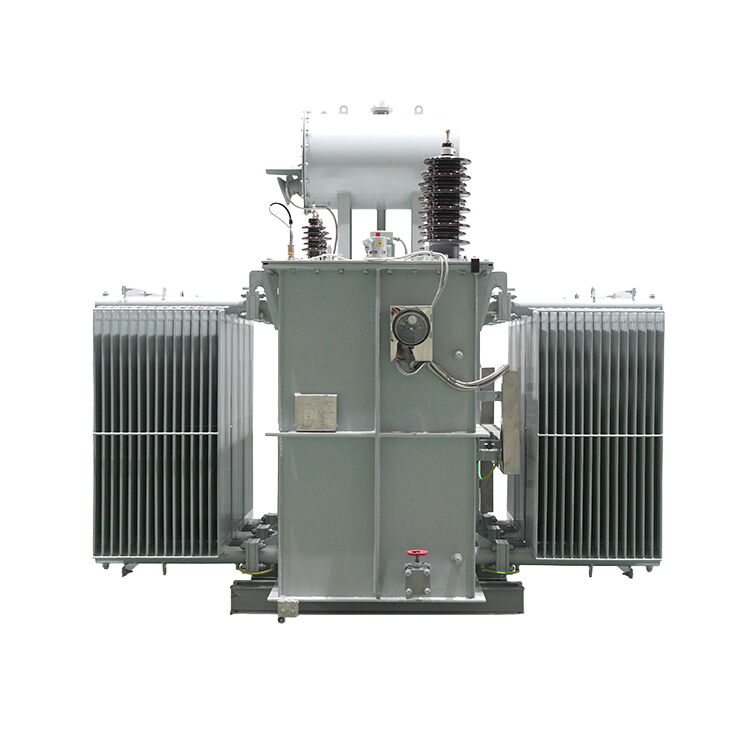
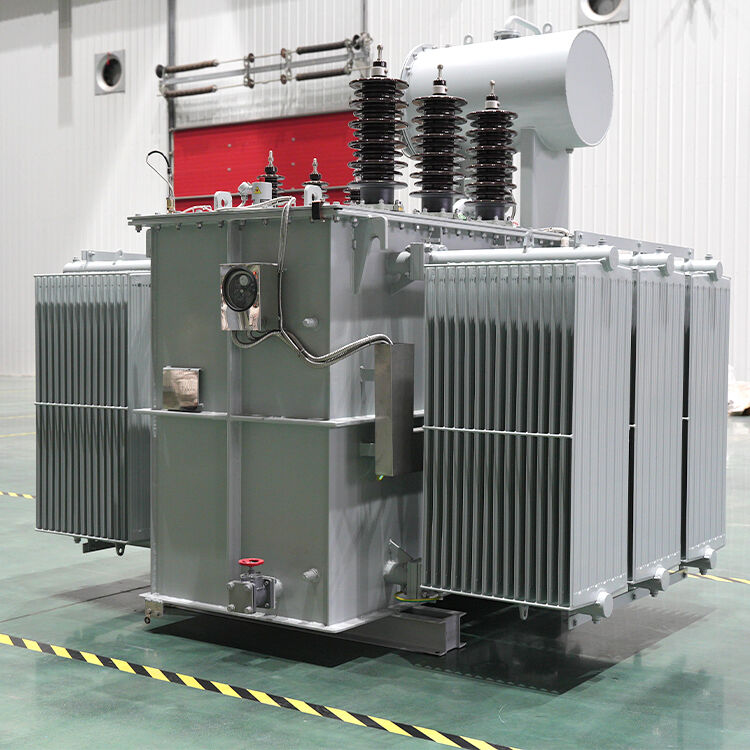
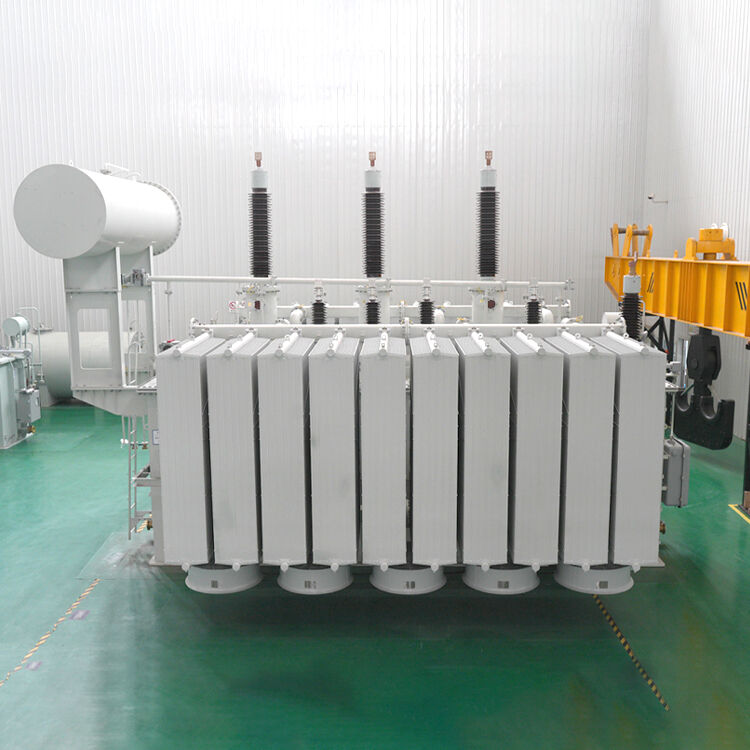
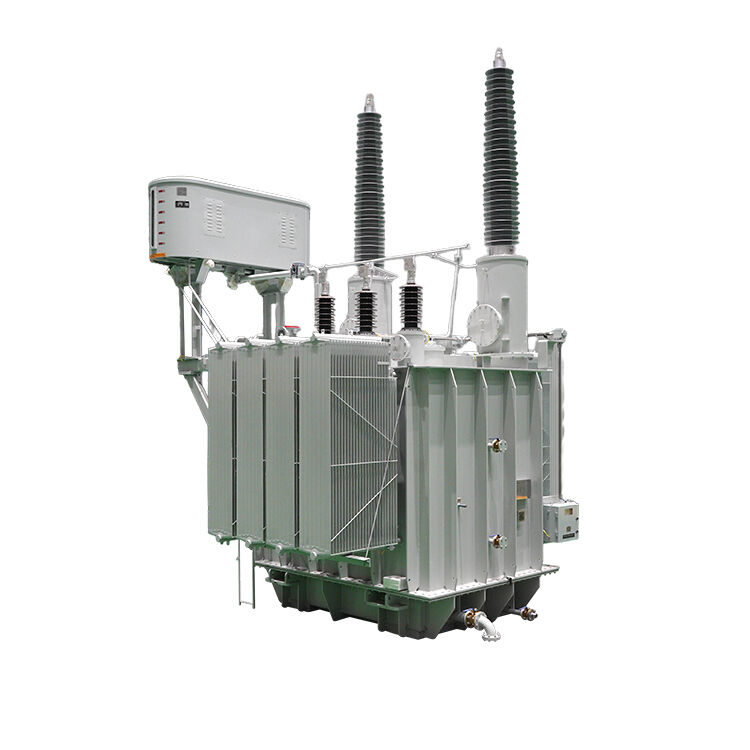
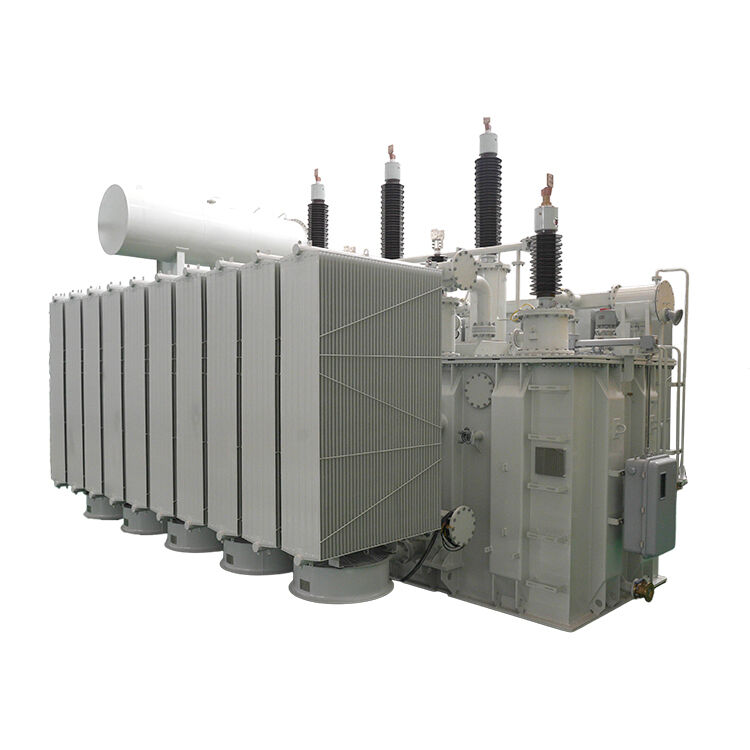
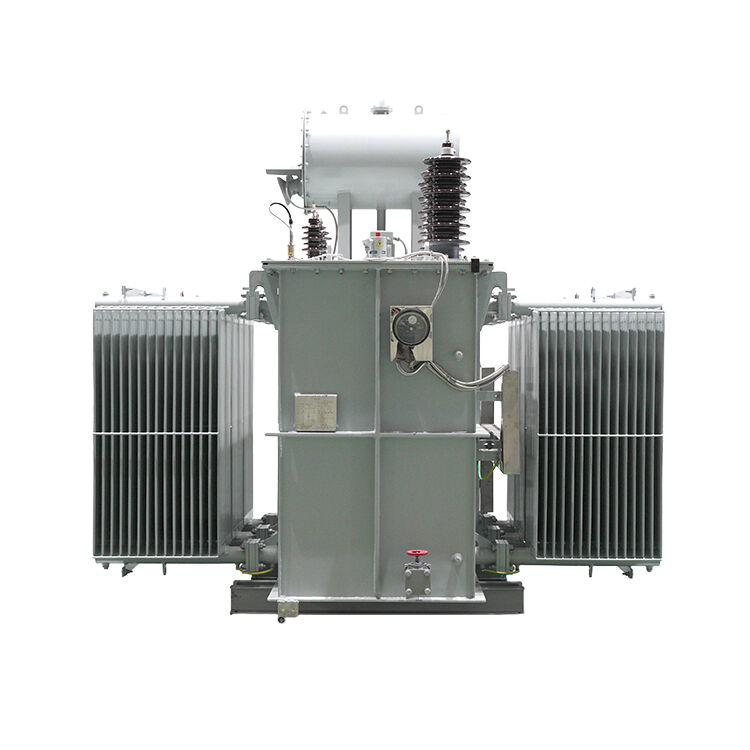
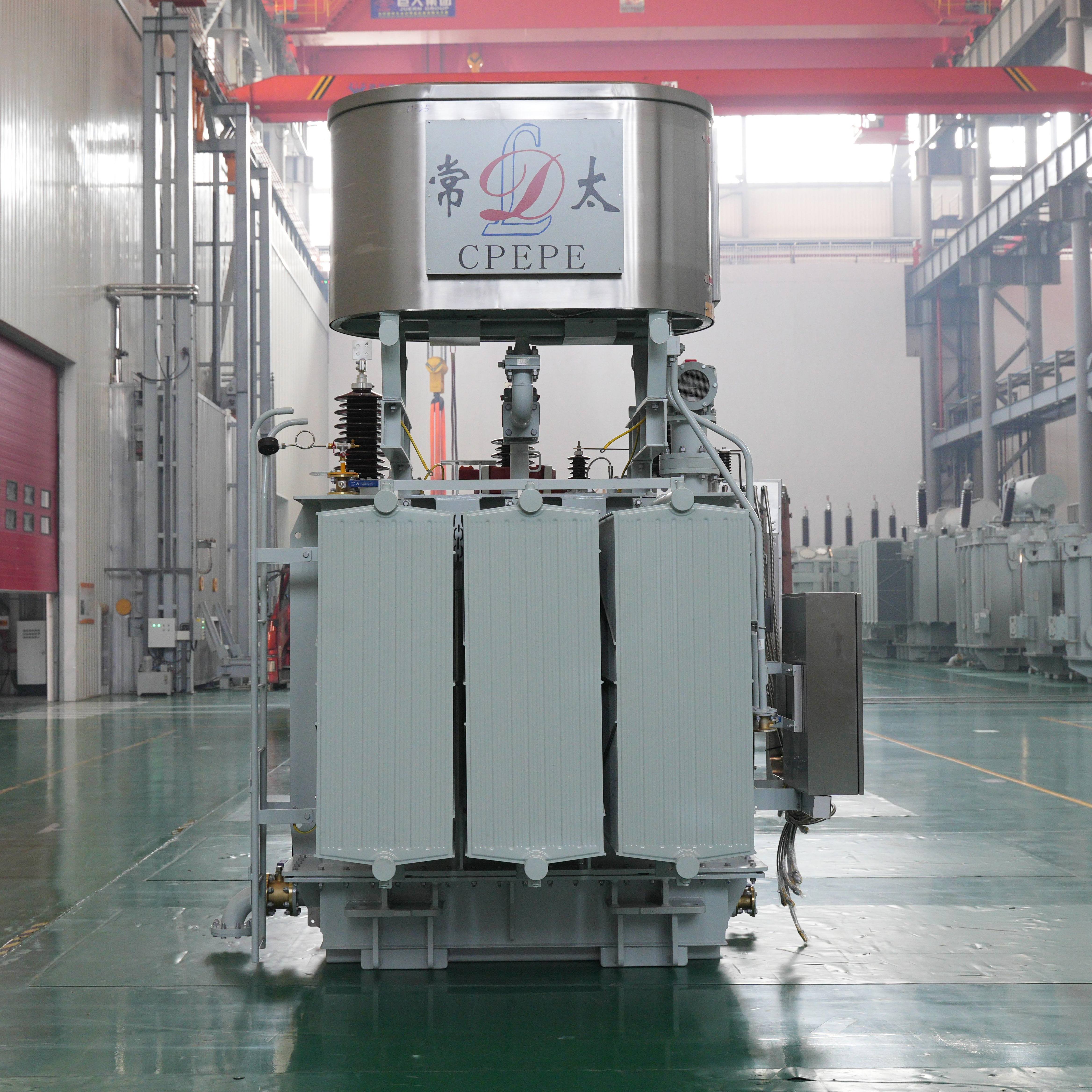
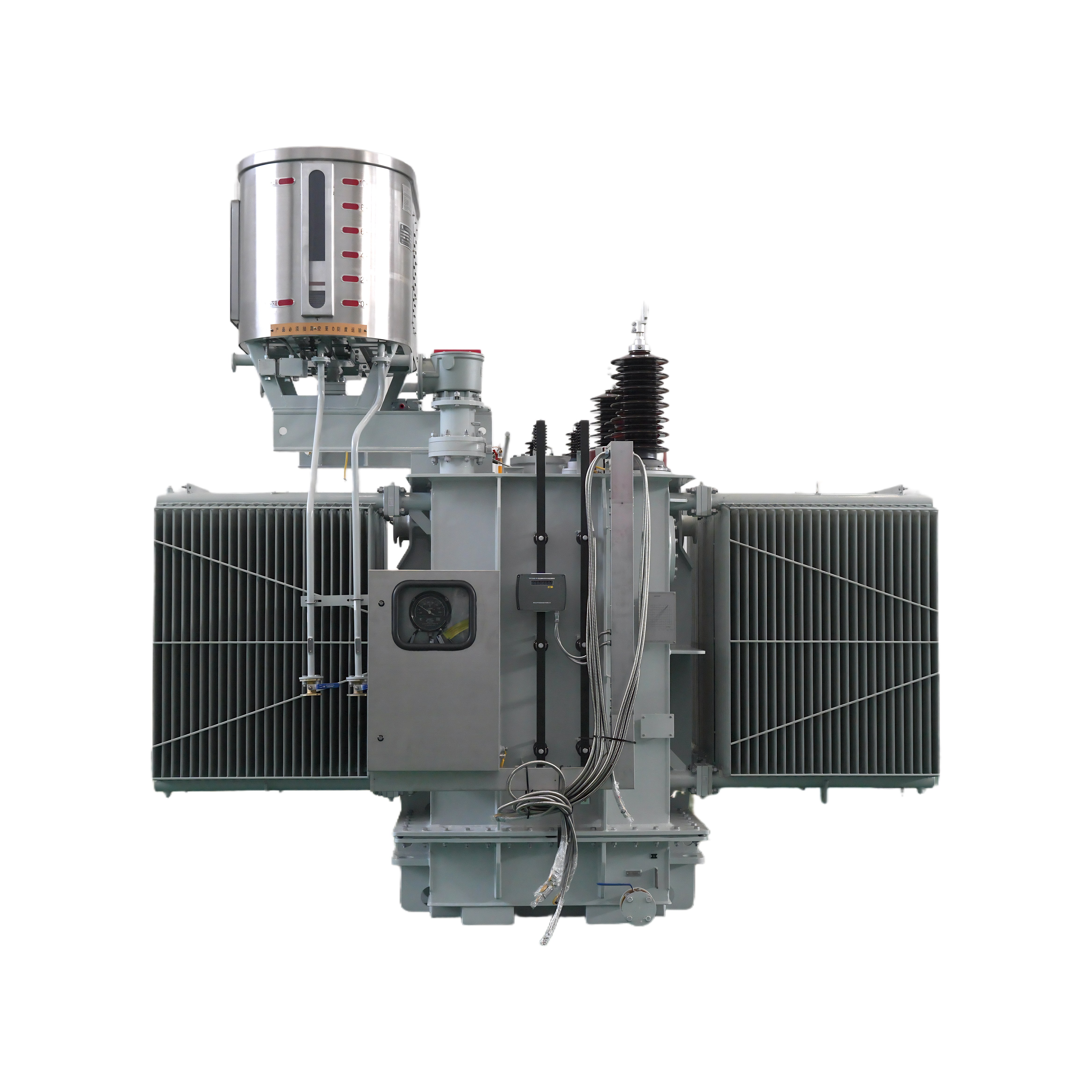
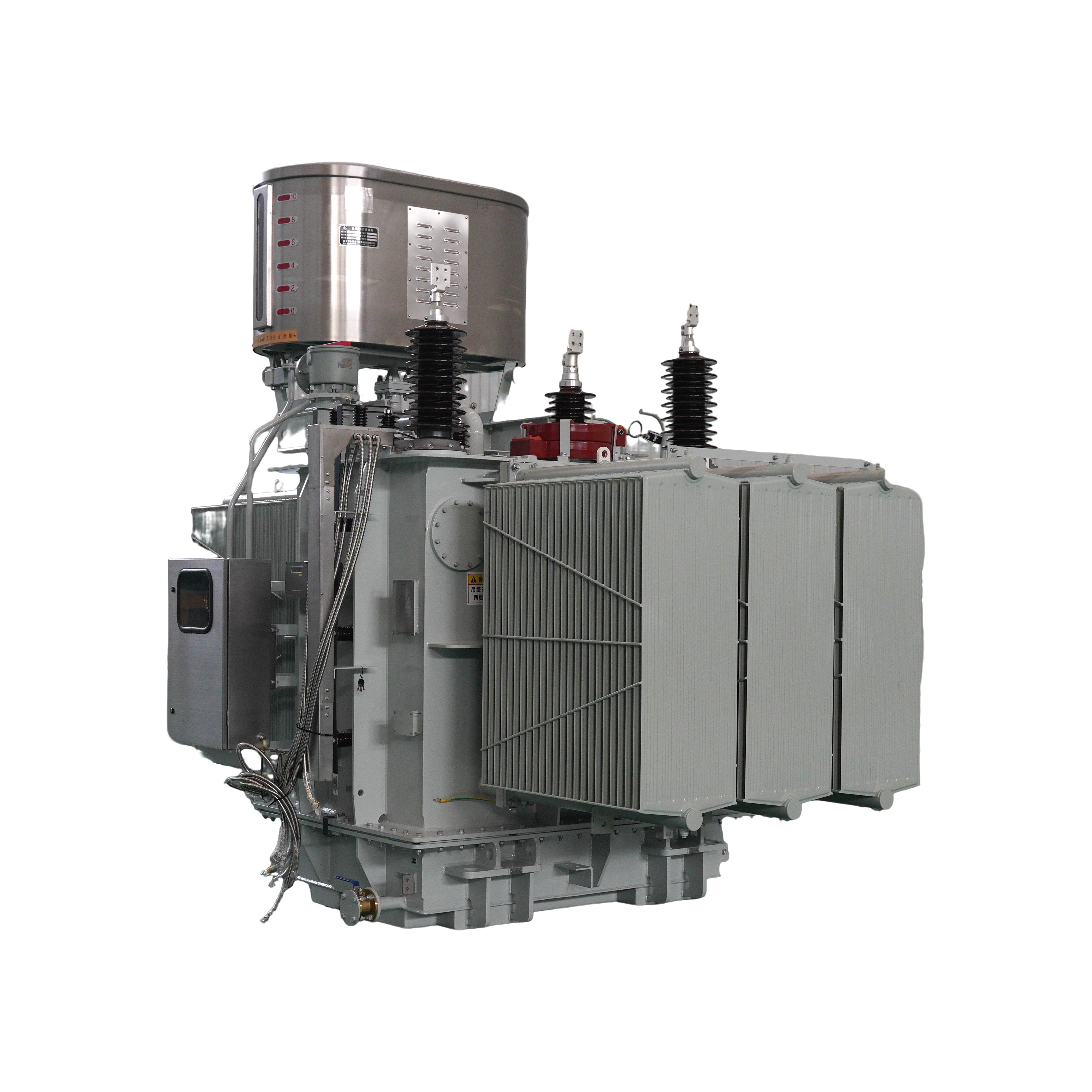
A high voltage auto transformer represents a specialized electrical device designed to efficiently modify voltage levels in power systems operating above 1000 volts. This equipment functions as a single-winding transformer where the primary and secondary circuits share a common electrical connection, creating a direct electrical link between input and output. The high voltage auto transformer operates on the principle of electromagnetic induction, utilizing a tapped winding configuration that allows for precise voltage regulation across various load conditions. The core construction typically employs high-grade silicon steel laminations to minimize energy losses and ensure optimal magnetic flux distribution throughout the transformer structure. These units incorporate advanced insulation systems specifically engineered to withstand extreme electrical stress encountered in high voltage applications. The winding design features carefully calculated turn ratios that determine the exact voltage transformation capabilities while maintaining electrical safety standards. Modern high voltage auto transformer designs integrate sophisticated cooling systems, including oil circulation or forced air cooling mechanisms, to manage thermal loads effectively during continuous operation. The magnetic circuit design optimizes flux linkage between windings, ensuring maximum energy transfer efficiency while reducing harmonic distortion in the output waveform. Protection systems within these transformers include overcurrent detection, temperature monitoring, and fault isolation capabilities that prevent damage during abnormal operating conditions. The tap changing mechanism allows for real-time voltage adjustment without interrupting power supply, making these devices invaluable for maintaining stable voltage levels in dynamic electrical networks. Installation requirements for high voltage auto transformer units demand specialized mounting structures and adequate clearance distances to ensure safe operation and maintenance access. These transformers undergo rigorous testing procedures including impulse voltage tests, partial discharge measurements, and thermal performance evaluations to verify their reliability in critical power system applications where electrical continuity remains paramount for industrial and utility operations.

Popular Products

High voltage auto transformer technology delivers exceptional economic benefits through reduced material requirements compared to conventional isolation transformers. The shared winding design eliminates the need for separate primary and secondary windings, resulting in significant cost savings during manufacturing and procurement. This streamlined construction reduces copper consumption by approximately 30-50 percent, making these transformers highly cost-effective for voltage regulation applications. The compact footprint of high voltage auto transformer units provides substantial space savings in electrical installations, allowing facility operators to optimize their substation layouts and reduce real estate requirements. Energy efficiency represents another compelling advantage, as these transformers typically achieve efficiency ratings exceeding 98 percent due to reduced winding losses and optimized magnetic circuit design. The lower impedance characteristics of high voltage auto transformer systems result in improved voltage regulation performance, maintaining stable output voltages even under varying load conditions. Maintenance requirements remain minimal due to the simplified internal structure and robust construction methods employed in modern designs. The reduced weight of these transformers simplifies transportation and installation procedures, lowering overall project costs and reducing crane requirements during deployment. Operational flexibility stands out as a key benefit, with tap changing capabilities enabling precise voltage adjustment to meet specific system requirements without equipment replacement. The high voltage auto transformer design provides excellent short-circuit withstand capability, protecting connected equipment from electrical faults and ensuring system reliability. Thermal performance benefits from the reduced losses within the transformer core and windings, extending operational lifespan and reducing cooling system demands. Environmental impact decreases significantly due to lower material consumption and reduced energy losses during operation, supporting sustainability initiatives in modern power systems. The simplified parallel operation capability of multiple high voltage auto transformer units enables scalable power system designs that can accommodate future load growth. Diagnostic monitoring becomes more straightforward due to the accessible winding configuration, allowing maintenance teams to perform comprehensive testing and condition assessment procedures efficiently. These transformers demonstrate superior performance in applications requiring frequent voltage adjustments, providing reliable service in industrial processes, renewable energy integration, and power quality improvement systems where consistent electrical performance remains critical for operational success.

Latest News

How Does a Transformer Work in High Voltage Power Transmission?

08

Jan

How Does a Transformer Work in High Voltage Power Transmission?

High voltage power transmission systems form the backbone of modern electrical grids, enabling electricity to travel efficiently across vast distances. At the heart of these complex networks lies the power transformer, a crucial piece of equipment th...
View More
Why Are Transformers Critical for Industrial Power Distribution Systems?

14

Jan

Why Are Transformers Critical for Industrial Power Distribution Systems?

Industrial power distribution systems form the backbone of modern manufacturing, commercial facilities, and critical infrastructure operations. At the heart of these complex networks lies a fundamental component that ensures safe, efficient, and reli...
View More
How Do Transformers Support Grid Stability in Large-Scale Power Networks?

20

Jan

How Do Transformers Support Grid Stability in Large-Scale Power Networks?

Large-scale power networks form the backbone of modern electrical infrastructure, requiring sophisticated equipment to maintain stability and reliability across vast geographical areas. Power transformers play a crucial role in these complex systems ...
View More
What Should Utilities Consider When Selecting a Transformer Supplier?

26

Jan

What Should Utilities Consider When Selecting a Transformer Supplier?

Selecting the right supplier for power infrastructure represents one of the most critical decisions utility companies face in today's rapidly evolving energy landscape. The process of choosing a power transformer supplier requires careful evaluation ...
View More

Get a Free Quote

Our representative will contact you soon.
Email
WhatsApp/Mobile
Name
Company Name
Message
0/1000

high voltage auto transformer

Advanced Voltage Regulation Technology

Advanced Voltage Regulation Technology

The high voltage auto transformer incorporates state-of-the-art voltage regulation technology that ensures precise control over electrical output parameters across diverse operating conditions. This sophisticated system employs an innovative tap changing mechanism that allows for seamless voltage adjustment without interrupting power supply to critical loads. The technology utilizes precision-engineered contact systems that maintain electrical continuity while transitioning between voltage taps, ensuring smooth operation even during dynamic load fluctuations. The control circuitry monitors system voltage continuously, automatically adjusting tap positions to maintain output voltage within specified tolerance limits. This intelligent regulation capability proves invaluable in applications where voltage stability directly impacts equipment performance and process efficiency. The high voltage auto transformer design integrates advanced materials in its tap changing components, including silver-plated contacts and specialized arc suppression systems that extend operational life while maintaining reliable switching performance. The microprocessor-based control system provides real-time monitoring of electrical parameters, enabling predictive maintenance strategies that prevent unexpected failures. Remote control capabilities allow operators to adjust voltage settings from central control rooms, improving operational efficiency and reducing the need for on-site personnel during routine adjustments. The precision of this voltage regulation technology extends to sub-percentage accuracy levels, making it suitable for sensitive industrial processes that require extremely stable power supplies. Environmental compensation features automatically adjust for temperature variations and load changes, ensuring consistent performance across seasonal variations and operational cycles. The high voltage auto transformer regulation system includes comprehensive protection features that prevent damage from overvoltage, undervoltage, and transient conditions. Data logging capabilities capture operational parameters for analysis and optimization, supporting continuous improvement initiatives in power system management. The modular design of the regulation system facilitates easy upgrades and modifications as system requirements evolve, protecting investment value over extended operational periods.
Superior Energy Efficiency Performance

Superior Energy Efficiency Performance

High voltage auto transformer units deliver exceptional energy efficiency performance that significantly reduces operational costs while supporting environmental sustainability goals. The innovative single-winding design minimizes energy losses by eliminating the isolation barrier present in conventional transformers, achieving efficiency ratings consistently above 98 percent under rated load conditions. This superior performance stems from the optimized magnetic circuit design that reduces core losses through advanced silicon steel laminations and precision manufacturing techniques. The reduced copper losses result from the shared winding configuration, which decreases the total conductor length required for operation while maintaining excellent electrical performance characteristics. Heat generation remains minimal due to the low-loss design, reducing cooling system requirements and further improving overall energy efficiency. The high voltage auto transformer efficiency curve remains flat across a wide range of loading conditions, ensuring optimal performance during both peak and light load periods. Advanced core materials featuring oriented grain structure provide superior magnetic properties that minimize hysteresis and eddy current losses. The transformer design incorporates innovative cooling strategies that enhance heat dissipation without requiring excessive energy consumption for ventilation systems. Load loss optimization techniques ensure that efficiency remains high even during partial loading scenarios commonly encountered in real-world applications. The high voltage auto transformer construction utilizes low-resistance connection methods that minimize I²R losses throughout the electrical circuit. Temperature rise characteristics remain well within acceptable limits due to the efficient heat management design, extending insulation life and maintaining performance over extended operational periods. Environmental benefits accumulate from the reduced energy consumption, contributing to lower carbon emissions and supporting corporate sustainability initiatives. The efficiency improvements translate directly into reduced utility costs, providing measurable return on investment for facility operators. Power quality improvements result from the low-impedance design, reducing voltage drop and improving power factor correction capabilities. The high voltage auto transformer efficiency performance remains stable throughout its operational life, ensuring consistent energy savings over decades of service.
Robust Construction and Reliability Features

Robust Construction and Reliability Features

The high voltage auto transformer incorporates robust construction methodologies and advanced reliability features that ensure dependable operation in demanding electrical environments. The mechanical design utilizes high-strength materials and precision manufacturing techniques that withstand extreme electrical and thermal stresses encountered during fault conditions and overload scenarios. The core assembly features interlocked lamination construction that prevents vibration-induced loosening while maintaining optimal magnetic circuit performance throughout extended operational periods. Insulation systems employ multiple barrier designs using premium materials rated for continuous operation at elevated temperatures and voltage levels. The high voltage auto transformer tank construction utilizes welded steel construction with corrosion-resistant coatings that protect against environmental degradation and extend service life. Bushing designs incorporate porcelain or composite materials engineered to withstand mechanical stress from conductor connections and thermal cycling during load variations. The oil preservation system maintains insulation integrity through nitrogen blanketing or conservator tank designs that prevent moisture ingress and oxidation. Protective relay systems integrate seamlessly with the transformer design, providing comprehensive fault detection and isolation capabilities that prevent damage from abnormal operating conditions. Sealing systems utilize advanced gasket materials and precision machining that maintain oil integrity while allowing for thermal expansion and contraction. The high voltage auto transformer design includes strategically positioned pressure relief devices that safely manage internal pressure increases during fault conditions. Quality assurance procedures include comprehensive factory testing protocols that verify electrical, mechanical, and thermal performance before shipment. Installation support services ensure proper commissioning and initial operation setup for optimal long-term reliability. Maintenance accessibility features facilitate routine inspection and service procedures without requiring extensive disassembly or specialized equipment. The modular construction approach enables component replacement and upgrades without complete unit replacement, maximizing investment protection. Documentation packages include detailed operation and maintenance manuals that support effective asset management throughout the equipment lifecycle. Reliability tracking systems provide performance monitoring capabilities that enable predictive maintenance strategies and optimize replacement timing decisions.

Get a Free Quote

Our representative will contact you soon.
Email
WhatsApp/Mobile
Name
Company Name
Message
0/1000