High Voltage Power Transformers: Advanced Solutions for Efficient Power Transmission and Distribution

Get a Free Quote

Our representative will contact you soon.
Email
WhatsApp/Mobile
Name
Company Name
Message
0/1000

high voltage power transformers

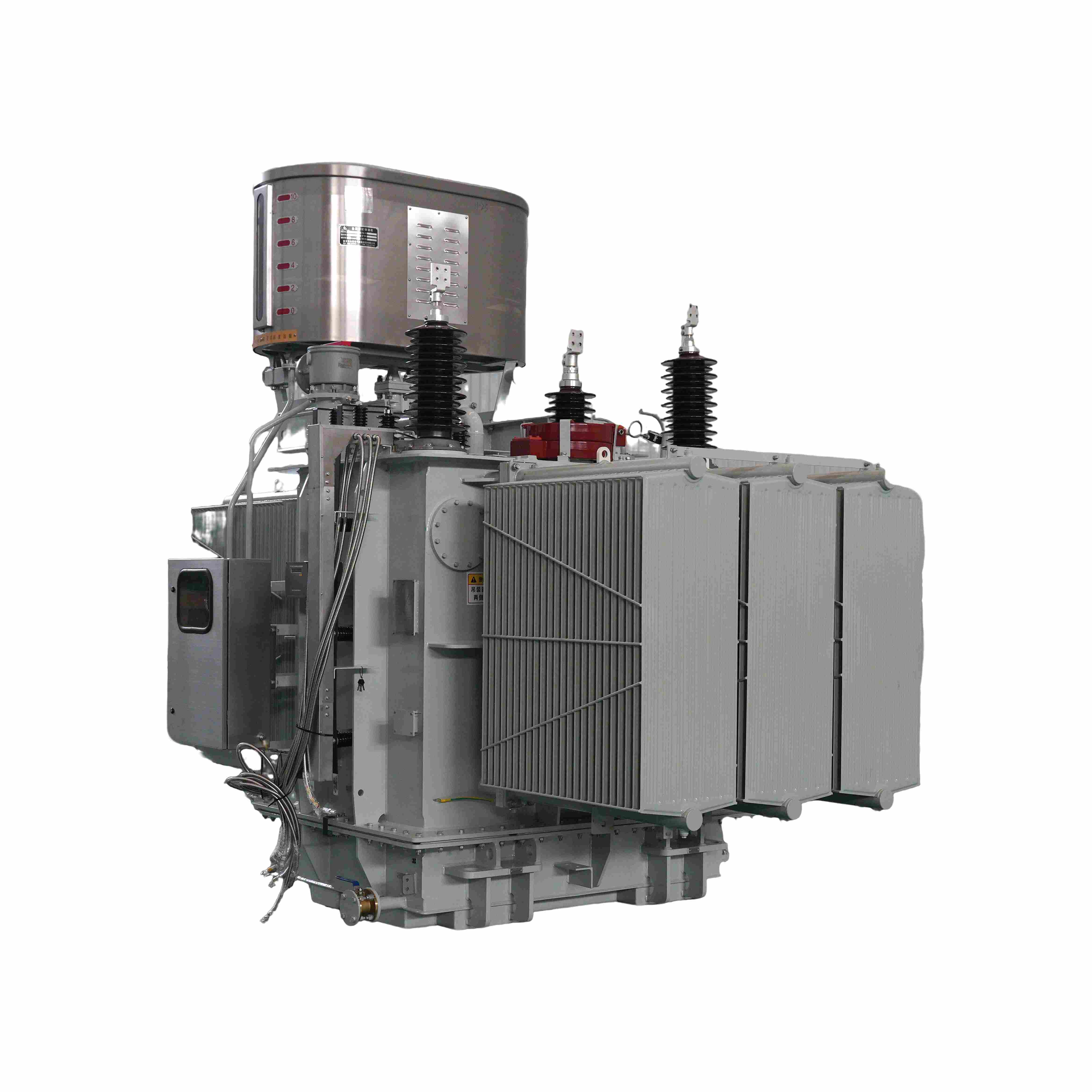
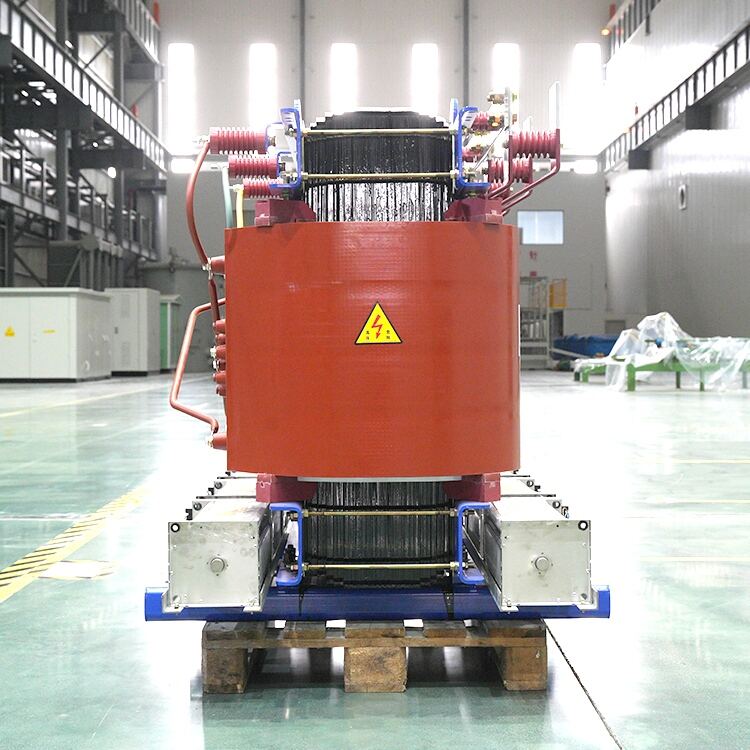
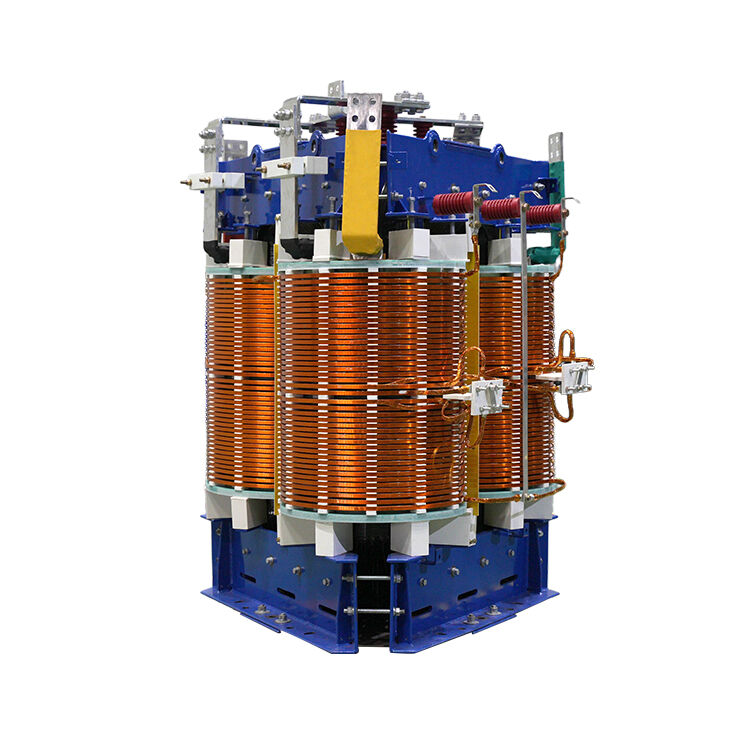
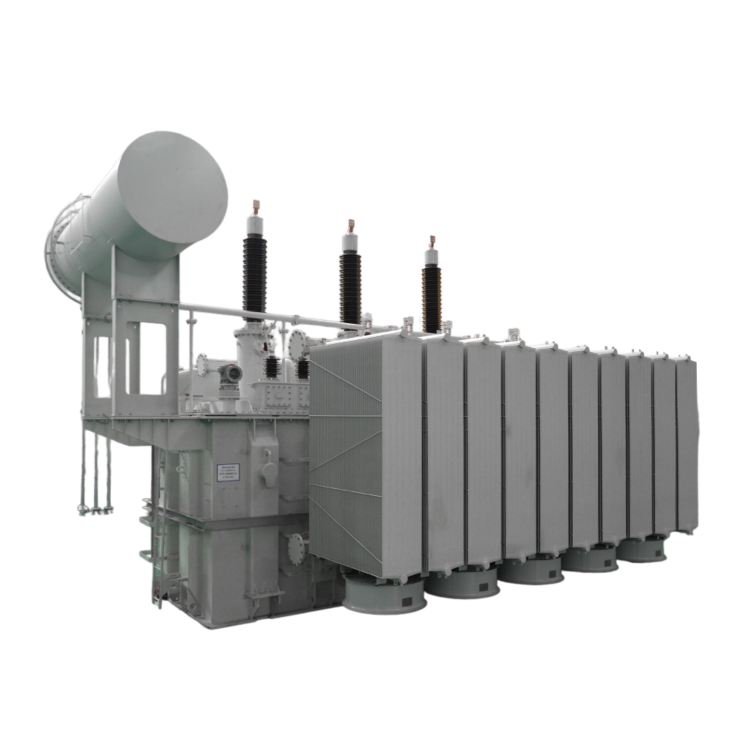
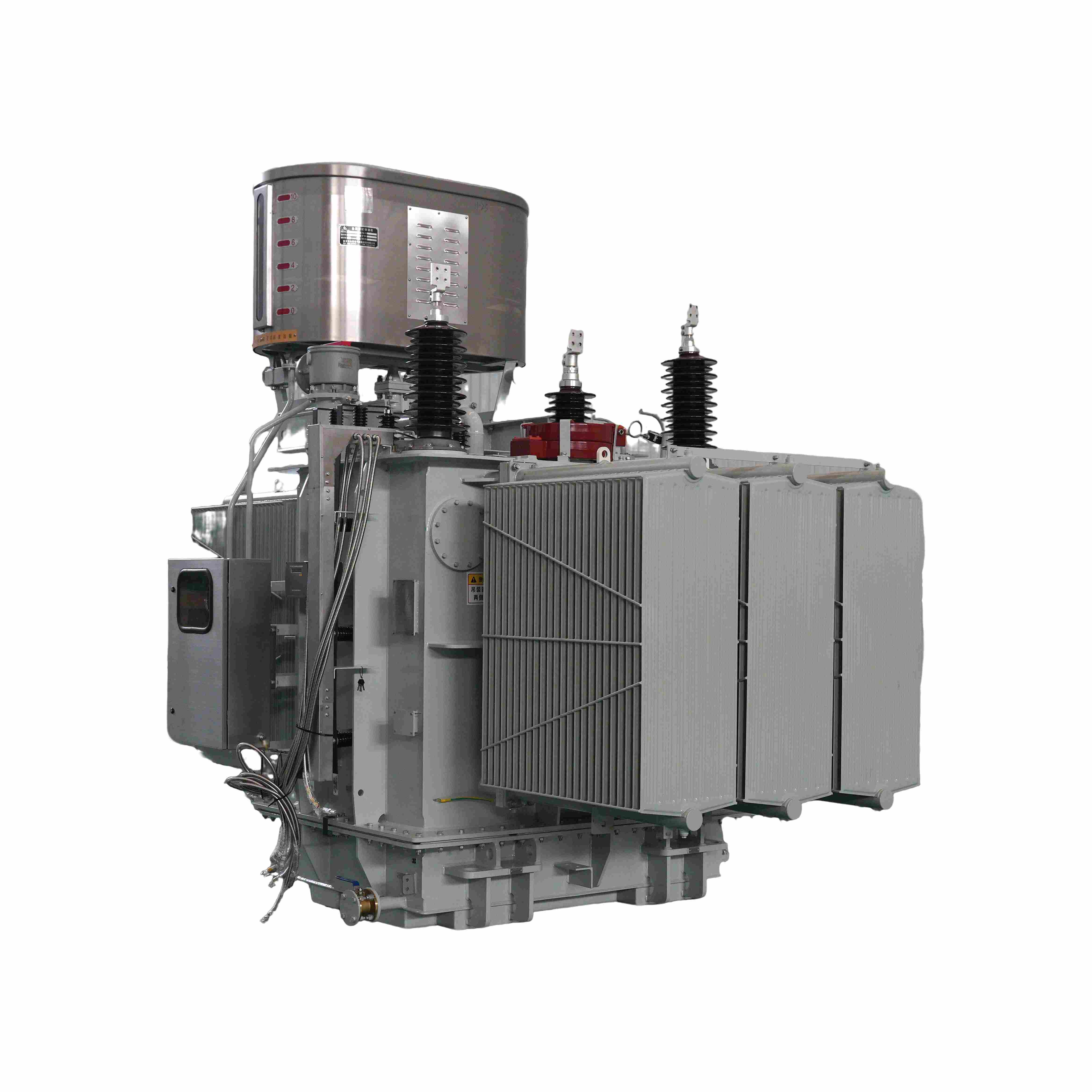
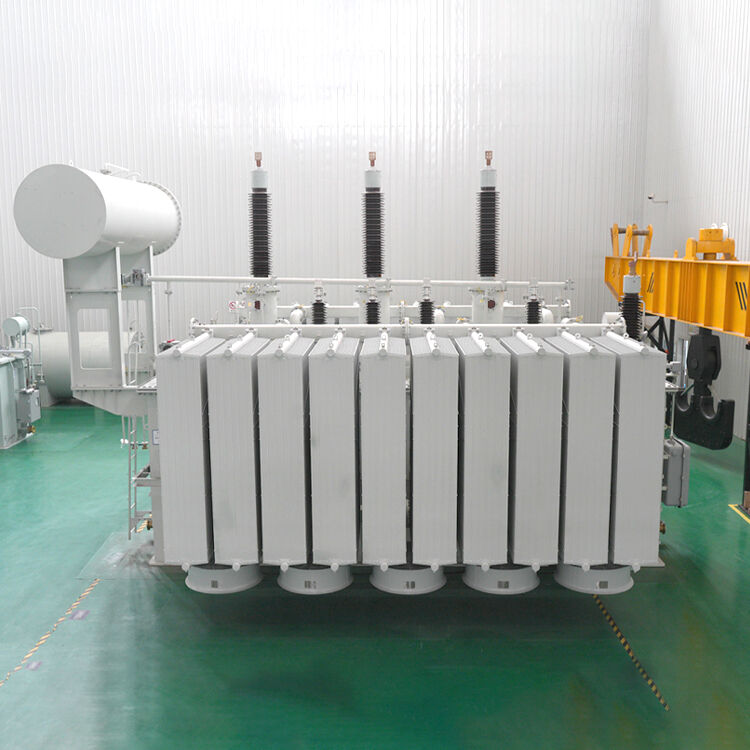
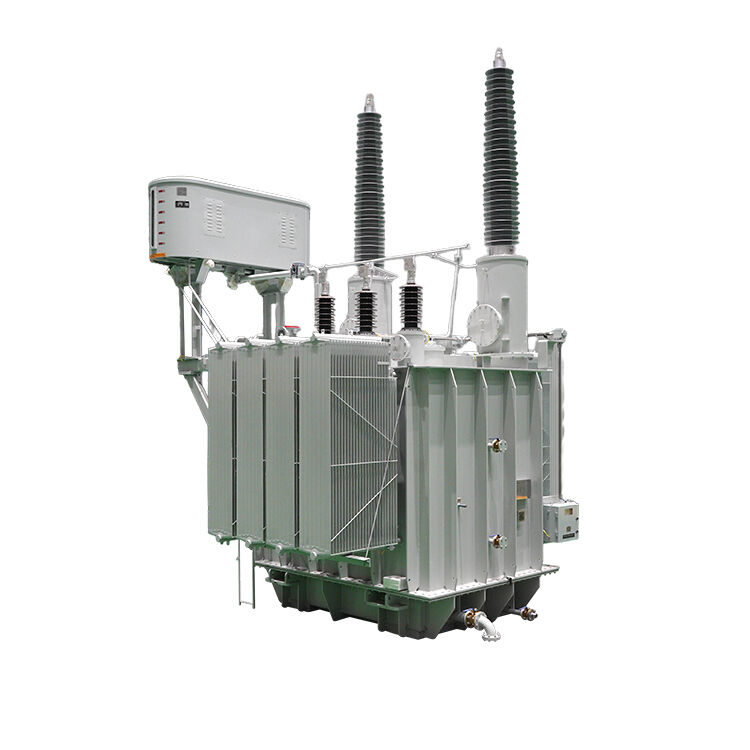
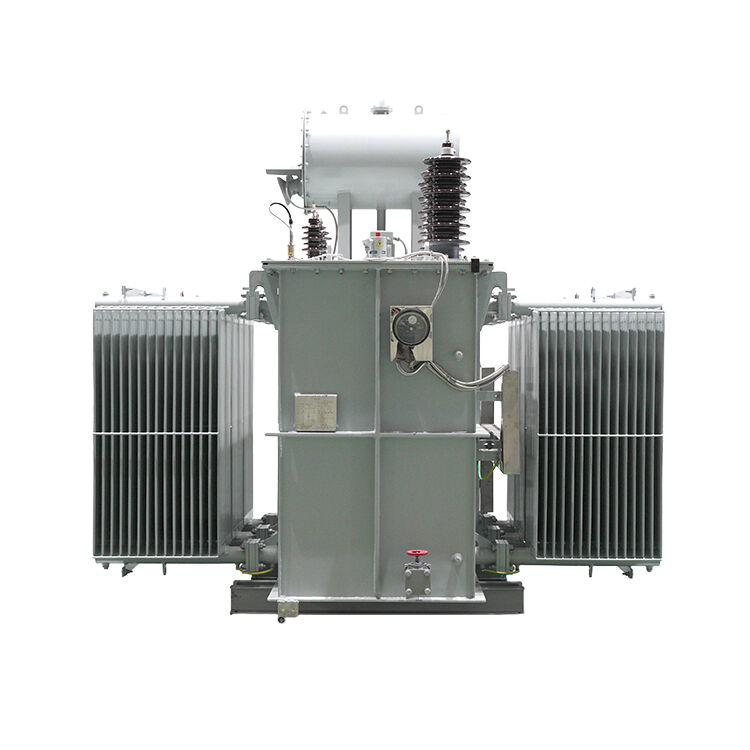
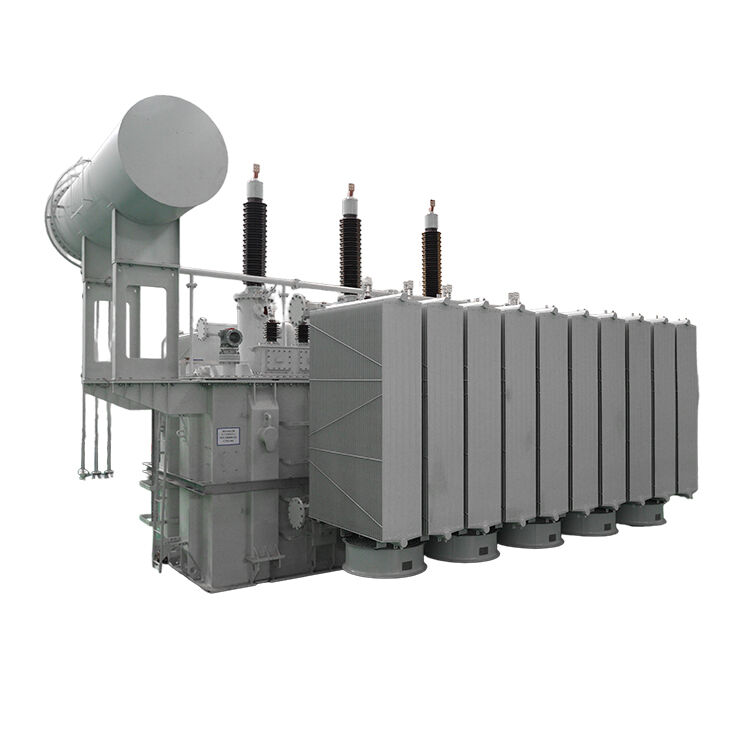
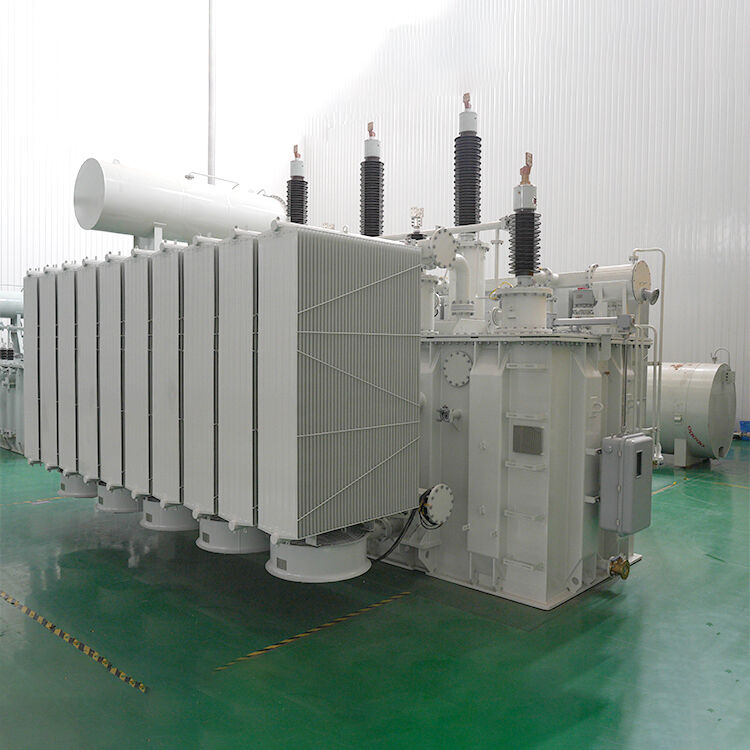
High voltage power transformers represent critical infrastructure components that facilitate the efficient transmission and distribution of electrical energy across power networks. These sophisticated electrical devices operate at voltage levels typically ranging from 35kV to 800kV, serving as the backbone of modern electrical grid systems worldwide. The primary function of high voltage power transformers involves stepping up or stepping down voltage levels to optimize power transmission efficiency over long distances while minimizing energy losses. Through electromagnetic induction principles, these transformers enable utilities to transmit electricity from generation facilities to distribution networks effectively. The core technological features of high voltage power transformers include advanced insulation systems, robust cooling mechanisms, and precision-engineered magnetic cores constructed from high-grade electrical steel. Modern designs incorporate sophisticated monitoring systems that continuously assess operational parameters including temperature, moisture levels, and dissolved gas concentrations. These transformers utilize various cooling methods including oil-immersed natural air cooling, forced air cooling, and water cooling systems depending on capacity requirements. The insulation system typically employs mineral oil or synthetic fluids combined with cellulose-based solid insulation materials. High voltage power transformers find extensive applications across multiple sectors including utility companies, industrial facilities, renewable energy installations, and critical infrastructure projects. In utility applications, these transformers serve transmission substations, distribution substations, and interconnection points between different voltage systems. Industrial applications encompass steel mills, chemical plants, mining operations, and manufacturing facilities requiring high-power electrical supply. The renewable energy sector relies heavily on high voltage power transformers for wind farms, solar installations, and hydroelectric plants to connect generated power to transmission networks. Railway electrification systems, marine applications, and data centers also depend on these transformers for reliable power supply. The technological advancement in high voltage power transformers continues evolving with smart grid integration, improved materials, enhanced monitoring capabilities, and environmental considerations driving innovation in design and manufacturing processes.

New Product Releases

High voltage power transformers deliver exceptional operational efficiency that translates directly into substantial cost savings for end users. These transformers typically achieve efficiency ratings exceeding 99 percent, meaning minimal energy loss during power transmission processes. This remarkable efficiency reduces operational expenses significantly over the transformer's lifespan, which commonly extends 30 to 40 years with proper maintenance. The economic benefits compound annually, making high voltage power transformers a sound long-term investment for utilities and industrial operators. Reliability stands as another paramount advantage, with modern high voltage power transformers engineered to provide continuous service under demanding conditions. Advanced design methodologies ensure these units withstand electrical stresses, thermal cycling, and environmental challenges while maintaining consistent performance. This reliability minimizes unexpected downtime, preventing costly production interruptions and service outages that can impact thousands of customers. The robust construction and quality materials used in high voltage power transformers contribute to their exceptional durability and longevity. Versatility represents a key strength, as high voltage power transformers accommodate diverse voltage requirements and load conditions across various applications. Manufacturers offer customizable solutions tailored to specific operational needs, whether for utility transmission networks, industrial processes, or renewable energy integration. This adaptability ensures optimal performance in unique operating environments while providing scalability for future expansion requirements. Environmental benefits emerge through the superior efficiency of high voltage power transformers, which directly reduces carbon emissions by minimizing energy waste. Lower transmission losses mean power plants generate less electricity to meet demand, resulting in reduced fuel consumption and environmental impact. Many modern units incorporate biodegradable insulating fluids and recyclable materials, further enhancing their environmental profile. Safety features integrated into high voltage power transformers protect both equipment and personnel through comprehensive protection systems. Advanced monitoring capabilities enable predictive maintenance strategies that identify potential issues before they become critical problems. This proactive approach extends equipment life, reduces maintenance costs, and improves overall system reliability. The proven technology behind high voltage power transformers provides peace of mind for operators managing critical electrical infrastructure, ensuring stable power supply for communities and industries that depend on consistent electrical service for daily operations and economic productivity.

Tips And Tricks

What Is a Transformer and How Does It Improve Power System Efficiency?

02

Jan

What Is a Transformer and How Does It Improve Power System Efficiency?

A transformer represents one of the most critical components in modern electrical power systems, serving as the backbone for efficient energy transmission and distribution across vast networks. These electromagnetic devices enable the seamless conver...
View More
How Does a Transformer Work in High Voltage Power Transmission?

08

Jan

How Does a Transformer Work in High Voltage Power Transmission?

High voltage power transmission systems form the backbone of modern electrical grids, enabling electricity to travel efficiently across vast distances. At the heart of these complex networks lies the power transformer, a crucial piece of equipment th...
View More
Why Are Transformers Critical for Industrial Power Distribution Systems?

14

Jan

Why Are Transformers Critical for Industrial Power Distribution Systems?

Industrial power distribution systems form the backbone of modern manufacturing, commercial facilities, and critical infrastructure operations. At the heart of these complex networks lies a fundamental component that ensures safe, efficient, and reli...
View More
What Should Utilities Consider When Selecting a Transformer Supplier?

26

Jan

What Should Utilities Consider When Selecting a Transformer Supplier?

Selecting the right supplier for power infrastructure represents one of the most critical decisions utility companies face in today's rapidly evolving energy landscape. The process of choosing a power transformer supplier requires careful evaluation ...
View More

Get a Free Quote

Our representative will contact you soon.
Email
WhatsApp/Mobile
Name
Company Name
Message
0/1000

high voltage power transformers

Advanced Cooling Technology for Maximum Performance

Advanced Cooling Technology for Maximum Performance

The sophisticated cooling systems integrated into high voltage power transformers represent a revolutionary advancement that directly impacts performance, reliability, and operational lifespan. These cooling technologies employ multiple methodologies including natural air cooling, forced air circulation, and advanced liquid cooling systems that maintain optimal operating temperatures even under heavy load conditions. The cooling mechanism prevents overheating that could compromise transformer efficiency and potentially cause catastrophic failures. Modern high voltage power transformers utilize mineral oil or synthetic cooling fluids that not only dissipate heat effectively but also provide additional insulation protection for internal components. The oil circulation system continuously moves cooling fluid through strategically positioned radiators and heat exchangers, ensuring uniform temperature distribution throughout the transformer core and windings. Advanced cooling systems incorporate intelligent temperature monitoring that automatically adjusts cooling intensity based on load conditions and ambient temperature variations. This adaptive approach optimizes energy consumption while maintaining ideal operating conditions. The cooling system design considers environmental factors including altitude, climate conditions, and installation space constraints to deliver maximum cooling efficiency. Radiator configurations can be customized with different fin designs and arrangements to maximize heat transfer surface area. Some high voltage power transformers feature hybrid cooling systems that combine natural convection with forced air circulation, providing redundancy and enhanced cooling capacity during peak demand periods. The cooling technology also includes moisture control systems that prevent water contamination in the cooling medium, which could compromise insulation properties and lead to equipment failure. Regular cooling system maintenance ensures continued optimal performance and extends transformer operational life significantly. The investment in advanced cooling technology pays dividends through reduced maintenance requirements, improved reliability, and enhanced operational efficiency that translates into substantial cost savings over the transformer's service life. These cooling innovations enable high voltage power transformers to operate safely at higher capacities while maintaining exceptional performance standards.
Superior Insulation System for Enhanced Safety

Superior Insulation System for Enhanced Safety

The insulation system within high voltage power transformers constitutes the most critical safety component, engineered to withstand extreme electrical stresses while providing reliable protection for decades of continuous operation. This sophisticated insulation framework combines liquid dielectric materials with solid insulation barriers to create multiple layers of protection against electrical breakdown and ensure safe operation at elevated voltage levels. The liquid insulation typically consists of highly refined mineral oil or advanced synthetic fluids that possess excellent dielectric properties and thermal stability. These fluids undergo rigorous testing and treatment processes to remove impurities, moisture, and gases that could compromise insulation integrity. The solid insulation components include specially treated cellulose materials, composite barriers, and advanced polymeric films strategically positioned throughout the transformer assembly. This multi-layer insulation approach provides redundant protection against electrical failures while accommodating thermal expansion and contraction cycles that occur during normal operation. Modern insulation systems incorporate advanced diagnostic capabilities that continuously monitor insulation condition through dissolved gas analysis, partial discharge detection, and moisture measurement techniques. These monitoring systems provide early warning indicators of potential insulation degradation, enabling proactive maintenance interventions before critical failures occur. The insulation design considers impulse withstand capabilities to protect against lightning strikes and switching surges that could damage sensitive internal components. Quality control processes ensure consistent insulation performance through factory testing that simulates actual operating conditions including temperature cycling, electrical stress testing, and environmental exposure evaluations. Environmental considerations have driven innovations in eco-friendly insulation materials that maintain superior performance while reducing environmental impact. Biodegradable insulating fluids and recyclable solid insulation materials reflect the industry's commitment to sustainable practices. The insulation system design also incorporates fire-resistant properties and containment features that enhance safety in the unlikely event of equipment failure. Regular insulation monitoring and maintenance protocols help identify potential issues early, extending equipment life and maintaining safety standards. The superior insulation technology in high voltage power transformers provides customers with confidence in system reliability and operational safety.
Smart Monitoring and Diagnostic Capabilities

Smart Monitoring and Diagnostic Capabilities

The integration of intelligent monitoring and diagnostic systems within high voltage power transformers represents a paradigm shift toward predictive maintenance and enhanced operational visibility that delivers significant value to customers through improved reliability and reduced operational costs. These sophisticated monitoring systems continuously collect and analyze critical operational parameters including oil temperature, winding temperatures, moisture content, dissolved gas concentrations, partial discharge activity, and load current variations. The real-time data acquisition enables operators to make informed decisions regarding load management, maintenance scheduling, and operational adjustments that optimize transformer performance and longevity. Advanced sensor networks embedded throughout the transformer provide comprehensive coverage of critical components, ensuring that potential issues are detected at the earliest possible stage. The diagnostic algorithms analyze trends and patterns in operational data to identify developing problems before they progress to critical failures that could result in costly outages or equipment damage. Remote monitoring capabilities allow operators to assess transformer condition from centralized control rooms, reducing the need for manual inspections and enabling rapid response to developing issues. The data logging and historical analysis features provide valuable insights into long-term performance trends that support strategic maintenance planning and lifecycle management decisions. Integration with supervisory control and data acquisition systems enables seamless incorporation of transformer monitoring data into broader grid management systems. The monitoring technology includes communication protocols that support various industry standards, ensuring compatibility with existing infrastructure and future system expansions. Predictive maintenance algorithms utilize machine learning techniques to refine diagnostic accuracy and reduce false alarms while improving detection sensitivity for genuine issues. The monitoring systems generate automated reports and alerts that keep maintenance personnel informed of transformer condition and recommended actions. These smart capabilities extend transformer operational life by enabling optimal maintenance timing and preventing catastrophic failures that could require premature replacement. The investment in advanced monitoring technology provides substantial return through reduced maintenance costs, improved reliability, and extended equipment life that delivers exceptional value to customers operating high voltage power transformers in critical applications.

Get a Free Quote

Our representative will contact you soon.
Email
WhatsApp/Mobile
Name
Company Name
Message
0/1000