Large Power Transformers: Advanced Solutions for Efficient Electrical Transmission and Distribution

Get a Free Quote

Our representative will contact you soon.
Email
WhatsApp/Mobile
Name
Company Name
Message
0/1000

large power transformers

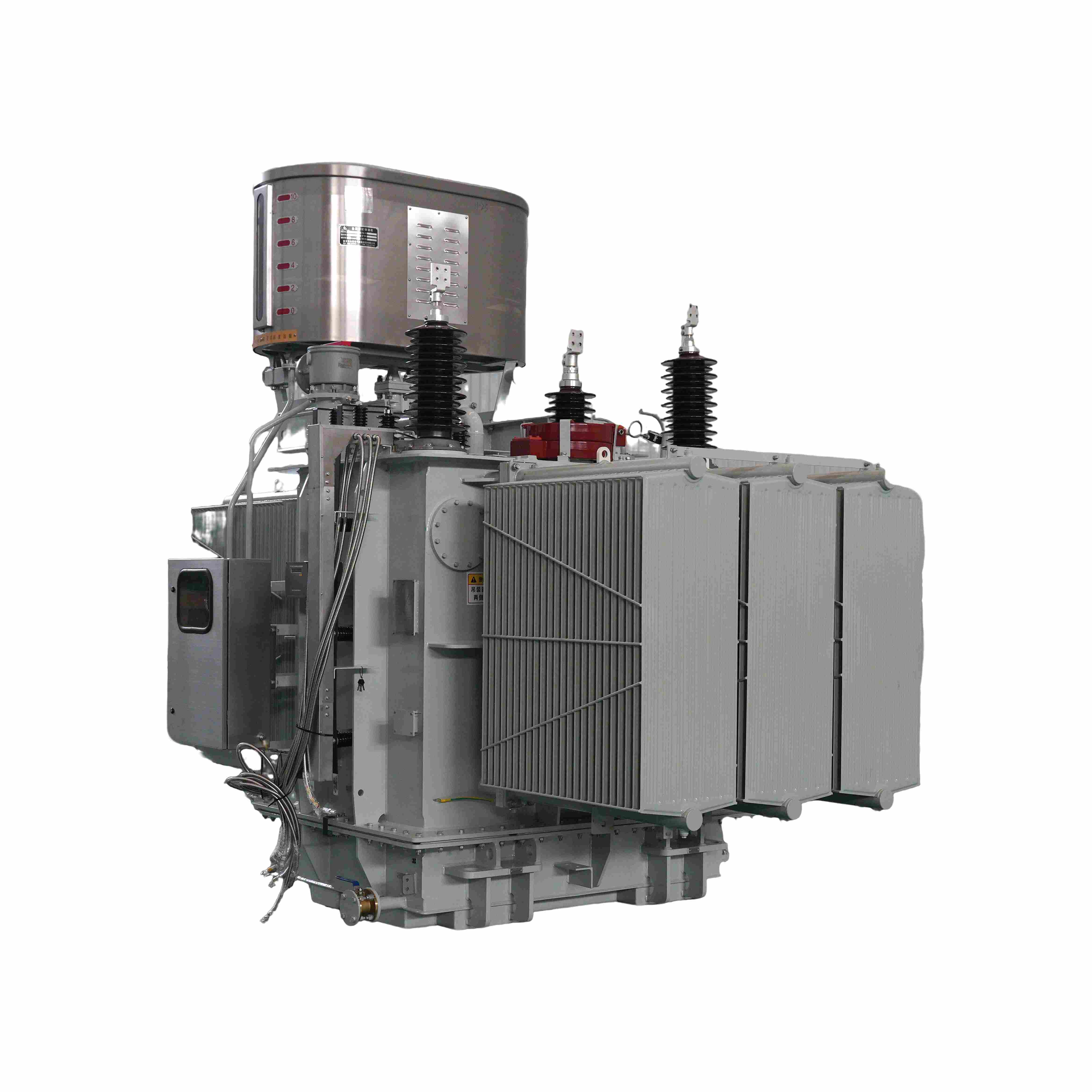
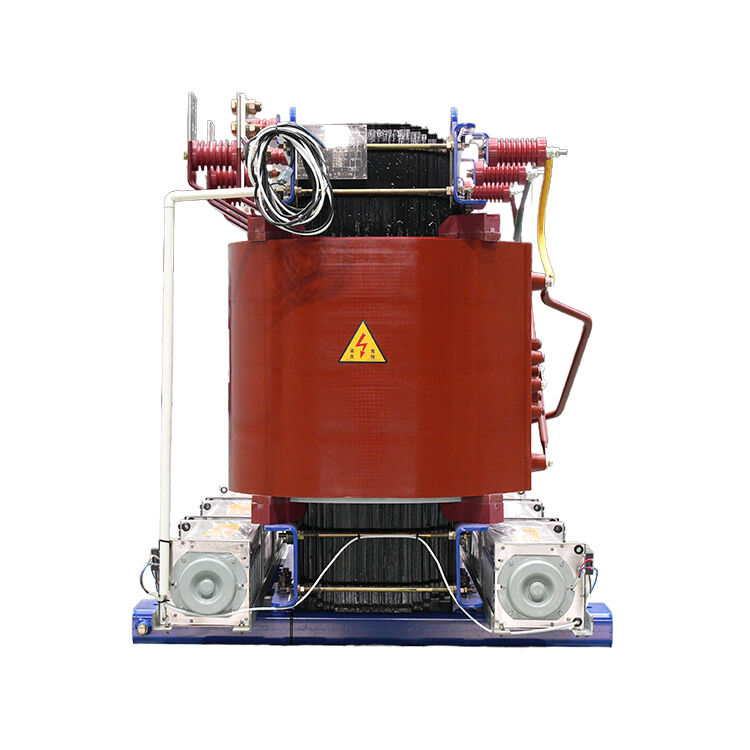
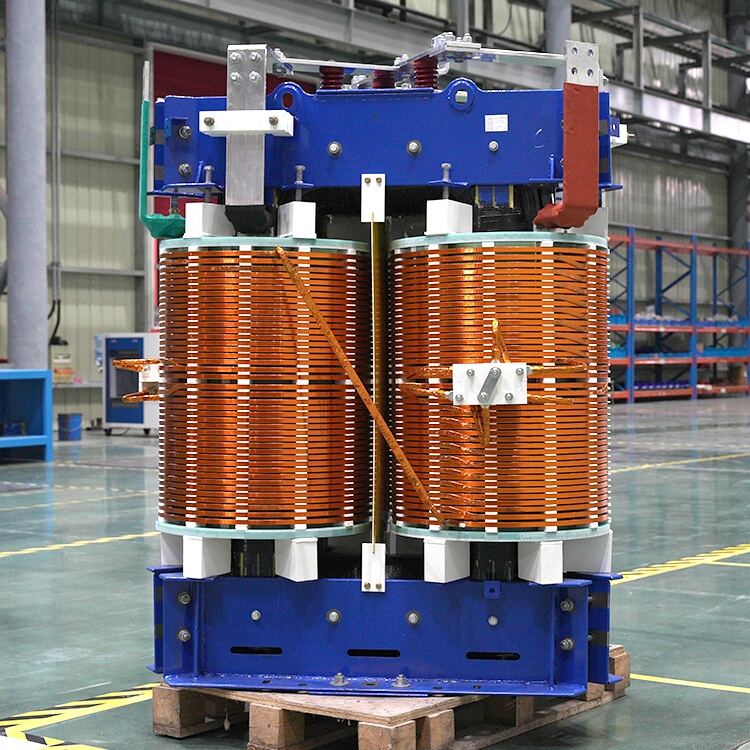
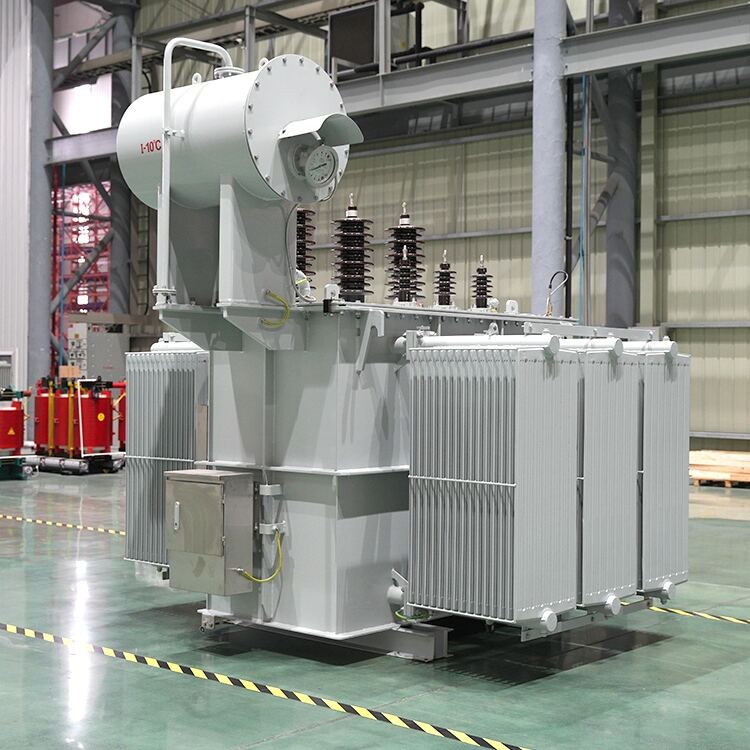
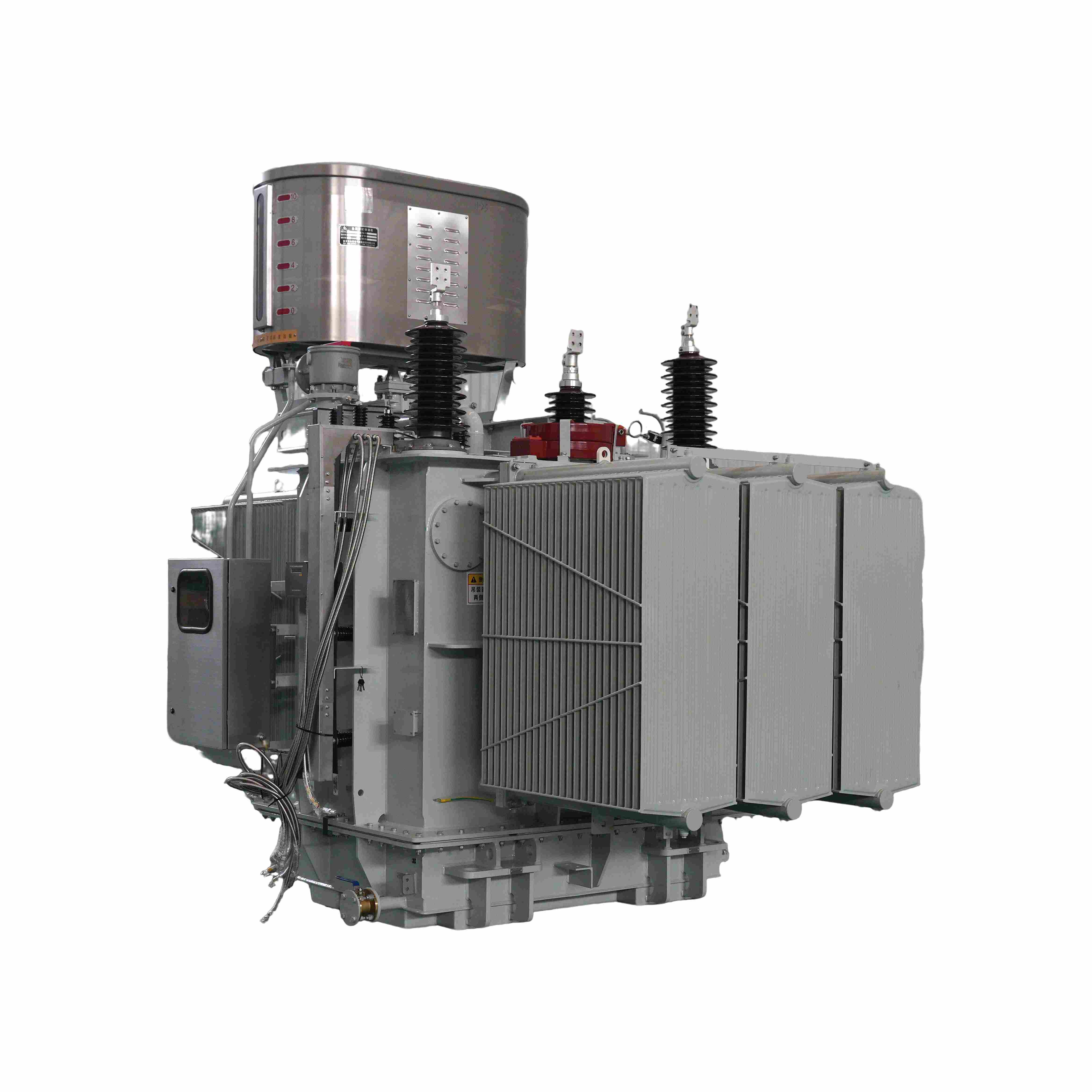
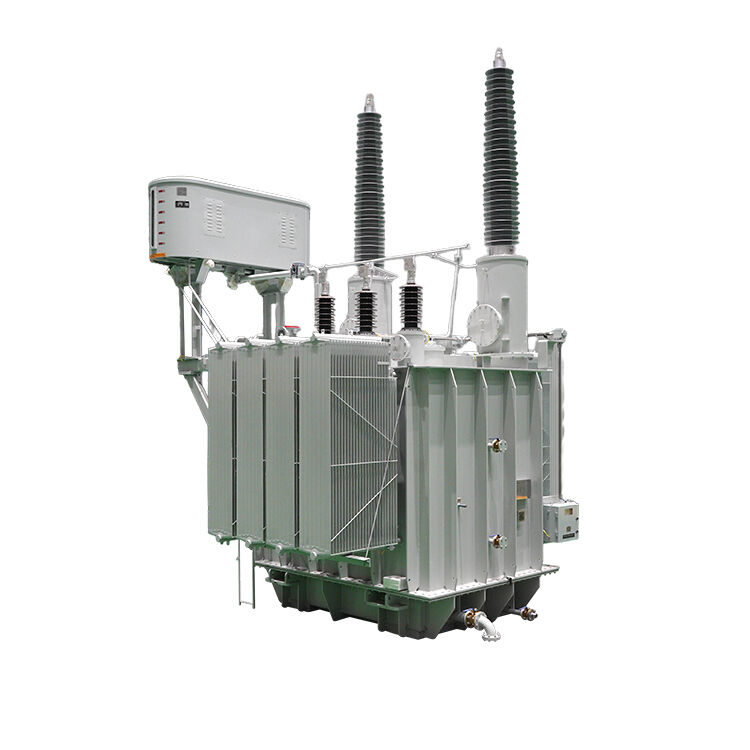
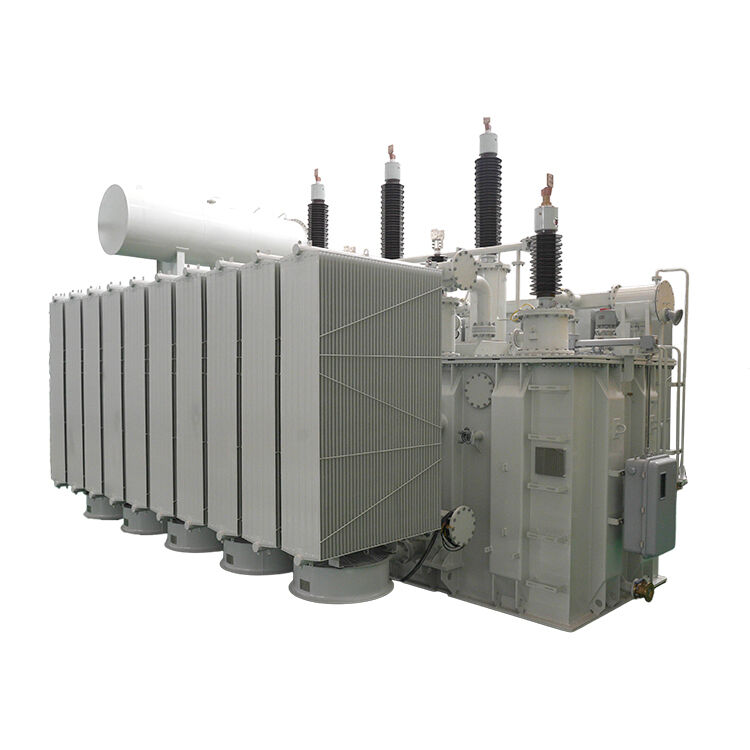
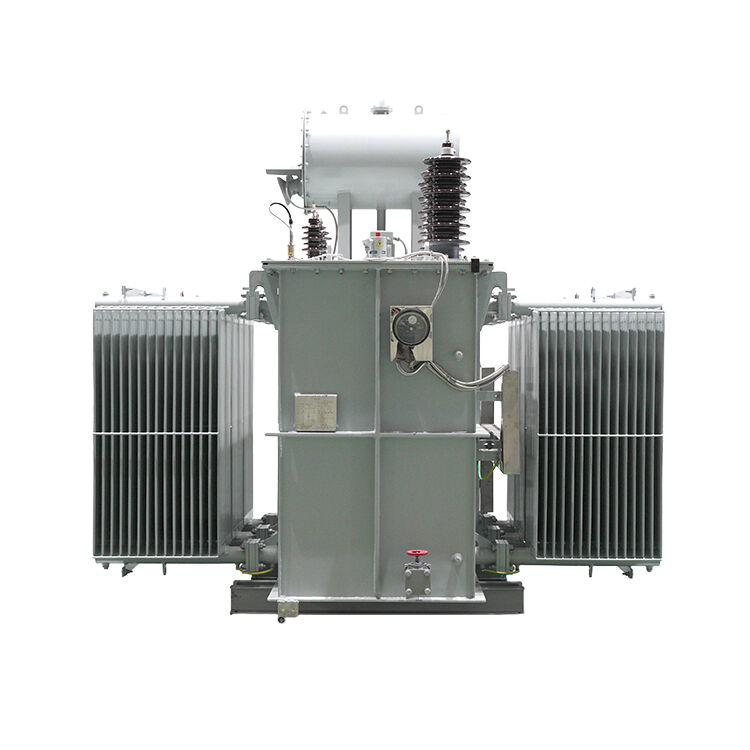
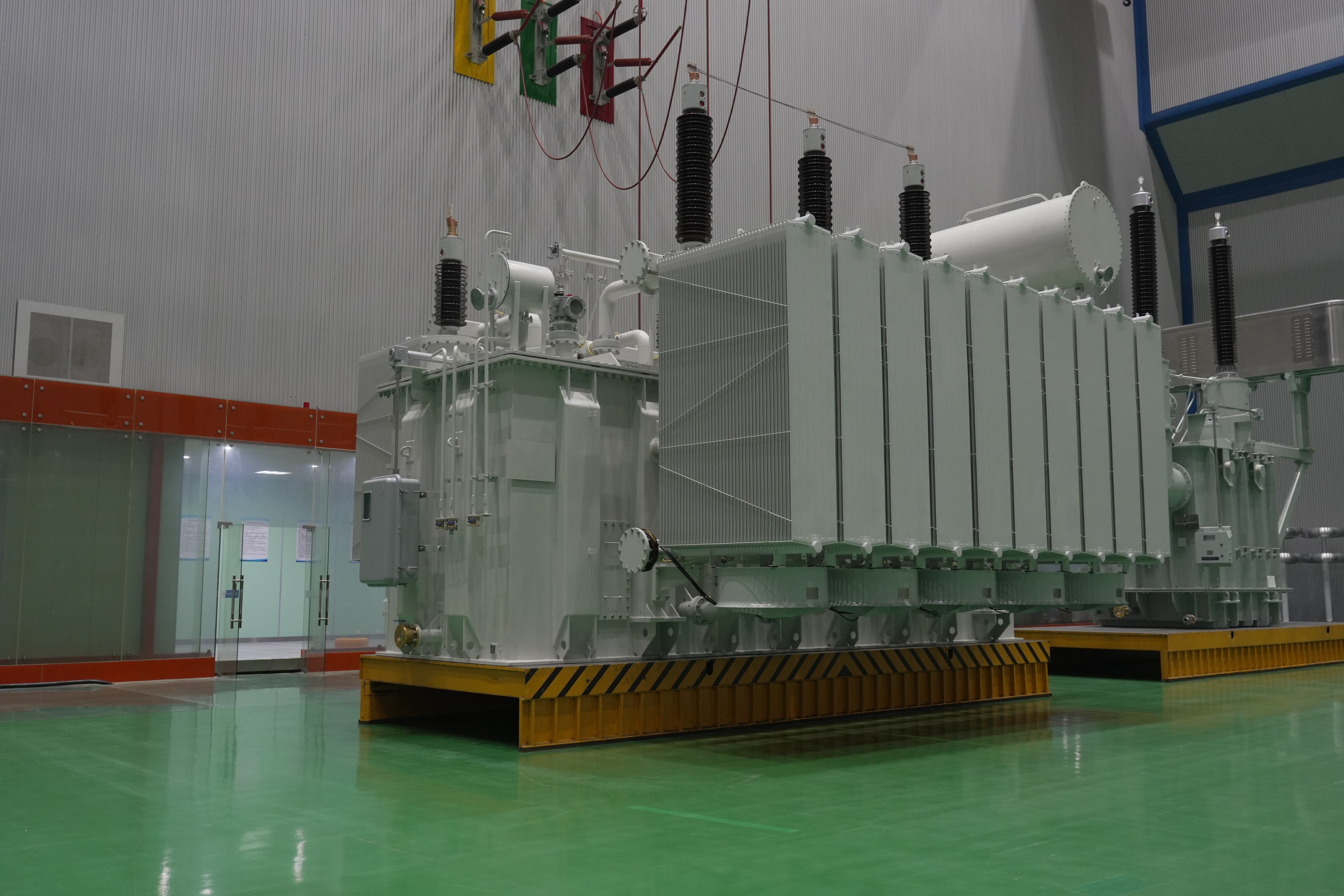
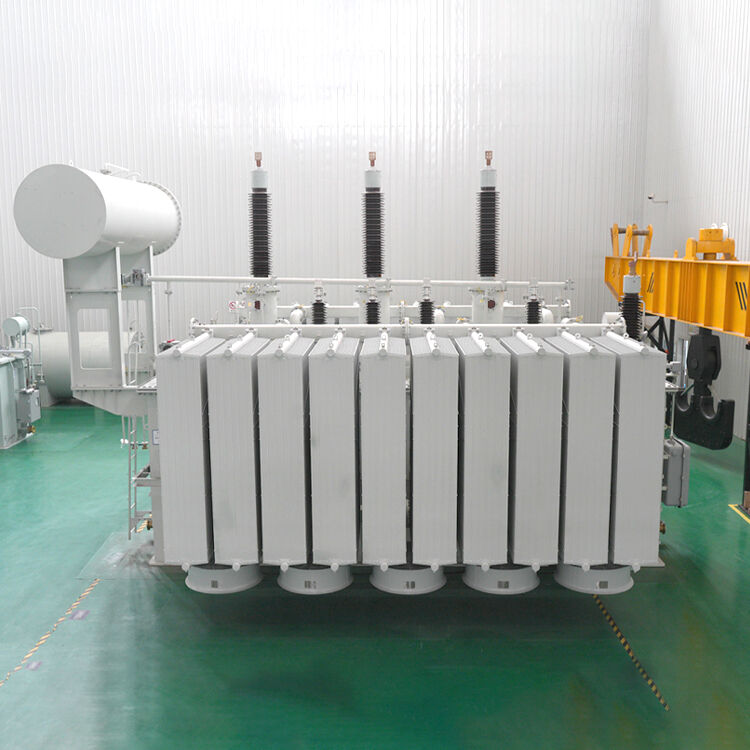
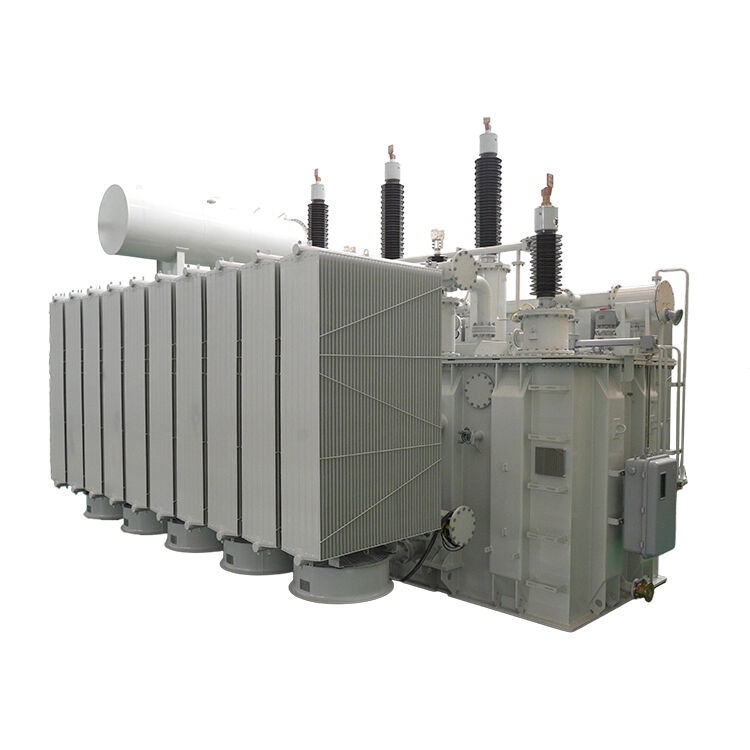
Large power transformers represent the backbone of modern electrical infrastructure, serving as critical components that enable efficient transmission and distribution of electrical energy across vast networks. These sophisticated electrical devices operate on the fundamental principle of electromagnetic induction, transferring electrical energy between different voltage levels while maintaining frequency consistency. The primary function of large power transformers involves stepping up voltage levels for long-distance transmission or stepping down voltages for safe distribution to end users. These massive installations typically handle power ratings exceeding 100 MVA and operate at transmission voltages ranging from 69 kV to 800 kV or higher. The technological architecture of large power transformers incorporates advanced magnetic core designs utilizing high-grade silicon steel laminations that minimize energy losses through hysteresis and eddy current reduction. The winding systems employ carefully engineered copper or aluminum conductors arranged in precise geometric configurations to optimize electrical performance and thermal management. Modern large power transformers integrate sophisticated cooling systems, including oil-immersed designs with forced circulation, air-forced cooling, and water-cooling mechanisms that maintain optimal operating temperatures under varying load conditions. These units feature comprehensive protection systems incorporating differential relays, overcurrent protection, and temperature monitoring equipment that ensure safe operation and prevent catastrophic failures. Applications of large power transformers span across multiple sectors including utility power generation facilities, industrial complexes, renewable energy installations, and urban distribution networks. In power generation plants, these transformers facilitate the connection between generators and transmission systems, enabling efficient power delivery to regional grids. Industrial applications include steel mills, chemical processing facilities, and manufacturing plants where large power transformers provide reliable voltage regulation for heavy machinery and process equipment.

Popular Products

Large power transformers deliver exceptional reliability that forms the foundation of stable electrical grid operations. These robust units operate continuously for decades with minimal maintenance requirements, providing consistent performance under varying load conditions and environmental challenges. The reliability factor translates directly into reduced operational costs for utilities and industrial facilities, eliminating expensive downtime and production losses. Energy efficiency represents another significant advantage, with modern large power transformers achieving efficiency ratings exceeding 99 percent during normal operation. This high efficiency reduces energy waste during transmission processes, resulting in substantial cost savings over the transformer's operational lifetime. The environmental impact also decreases through reduced energy consumption and lower carbon footprint. Economic benefits extend beyond operational savings, as large power transformers offer excellent return on investment through their extended service life spanning 30 to 40 years or more. The initial capital investment becomes highly cost-effective when distributed across decades of reliable service. Maintenance costs remain relatively low due to the robust construction and quality materials used in manufacturing. Scalability advantages allow large power transformers to accommodate future load growth and system expansion without requiring complete infrastructure overhaul. These units can handle varying load patterns and seasonal demand fluctuations while maintaining stable voltage regulation. The modular design approach enables utilities to incrementally increase capacity as demand grows. Safety features built into large power transformers protect both equipment and personnel through comprehensive monitoring systems and automatic protection schemes. These safety mechanisms prevent cascading failures that could affect entire regional power grids. Environmental resilience ensures continued operation during extreme weather conditions, natural disasters, and other challenging circumstances. Large power transformers incorporate weatherproof enclosures and seismic-resistant mounting systems that maintain functionality even during adverse conditions. The standardized design and manufacturing processes ensure compatibility with existing grid infrastructure, simplifying installation and integration procedures. Technical support and spare parts availability from established manufacturers provide additional operational advantages.

Practical Tips

What Is a Transformer and How Does It Improve Power System Efficiency?

02

Jan

What Is a Transformer and How Does It Improve Power System Efficiency?

A transformer represents one of the most critical components in modern electrical power systems, serving as the backbone for efficient energy transmission and distribution across vast networks. These electromagnetic devices enable the seamless conver...
View More
Why Are Transformers Critical for Industrial Power Distribution Systems?

14

Jan

Why Are Transformers Critical for Industrial Power Distribution Systems?

Industrial power distribution systems form the backbone of modern manufacturing, commercial facilities, and critical infrastructure operations. At the heart of these complex networks lies a fundamental component that ensures safe, efficient, and reli...
View More
How Do Transformers Support Grid Stability in Large-Scale Power Networks?

20

Jan

How Do Transformers Support Grid Stability in Large-Scale Power Networks?

Large-scale power networks form the backbone of modern electrical infrastructure, requiring sophisticated equipment to maintain stability and reliability across vast geographical areas. Power transformers play a crucial role in these complex systems ...
View More
What Should Utilities Consider When Selecting a Transformer Supplier?

26

Jan

What Should Utilities Consider When Selecting a Transformer Supplier?

Selecting the right supplier for power infrastructure represents one of the most critical decisions utility companies face in today's rapidly evolving energy landscape. The process of choosing a power transformer supplier requires careful evaluation ...
View More

Get a Free Quote

Our representative will contact you soon.
Email
WhatsApp/Mobile
Name
Company Name
Message
0/1000

large power transformers

Advanced Cooling Technology for Maximum Performance

Advanced Cooling Technology for Maximum Performance

The cooling systems integrated into large power transformers represent cutting-edge engineering solutions that directly impact operational efficiency and equipment longevity. These sophisticated cooling mechanisms address the fundamental challenge of heat dissipation generated during electrical energy conversion processes. Modern large power transformers employ multiple cooling strategies including natural convection, forced air circulation, and liquid cooling systems that work synergistically to maintain optimal operating temperatures. The most advanced installations utilize oil-natural air-natural cooling systems combined with forced oil and forced air circulation that can handle extreme load variations without temperature-related performance degradation. The cooling technology incorporates intelligent temperature monitoring systems with multiple sensor locations throughout the transformer core and winding assemblies. These sensors provide real-time thermal data that enables predictive maintenance strategies and prevents overheating conditions that could lead to insulation breakdown or equipment failure. The heat management capabilities allow large power transformers to operate at higher load factors while maintaining safe temperature margins, effectively increasing the power handling capacity without compromising reliability. Advanced radiator designs with optimized fin configurations maximize heat transfer surface area while minimizing space requirements and installation footprint. The cooling systems also feature automatic fan controls that activate based on load conditions and ambient temperatures, ensuring energy-efficient operation while providing adequate cooling capacity during peak demand periods. Maintenance accessibility remains a key consideration in cooling system design, with easily replaceable components and diagnostic interfaces that simplify routine service procedures. The thermal management advantages translate into extended equipment life, improved electrical performance, and reduced maintenance costs over the transformer's operational lifetime.
Superior Insulation Systems for Enhanced Safety

Superior Insulation Systems for Enhanced Safety

The insulation systems within large power transformers utilize state-of-the-art materials and design methodologies that provide exceptional electrical safety and operational reliability under high voltage conditions. These comprehensive insulation arrangements protect against electrical breakdown, moisture ingress, and environmental contamination that could compromise transformer performance. The primary insulation consists of high-quality transformer oil combined with solid insulation materials including pressboard, kraft paper, and specialized polymer compounds engineered to withstand extreme electrical stress levels. The liquid insulation system serves multiple functions including electrical insulation, heat transfer medium, and arc quenching capabilities that enhance overall transformer safety. Advanced oil treatment processes remove moisture, dissolved gases, and contaminants that could reduce insulation effectiveness or cause partial discharge phenomena. The solid insulation components utilize carefully controlled manufacturing processes that eliminate voids, air pockets, and other defects that could create weak points in the insulation structure. Quality control procedures include dielectric strength testing, partial discharge measurements, and thermal stability assessments that verify insulation performance before equipment commissioning. The insulation design incorporates grading systems that manage electrical field distribution and prevent stress concentration at critical interface points between different insulation materials. Modern large power transformers feature enhanced monitoring capabilities that continuously assess insulation condition through dissolved gas analysis, power factor measurements, and partial discharge detection systems. These diagnostic tools enable predictive maintenance strategies that identify potential insulation problems before they progress to equipment failure. The superior insulation systems provide extended service life, reduced maintenance requirements, and enhanced safety margins that protect personnel and surrounding equipment. Environmental resistance ensures continued insulation performance despite exposure to temperature variations, humidity changes, and contamination sources typically encountered in industrial and utility applications.

Intelligent Monitoring and Protection Systems

Intelligent Monitoring and Protection Systems

Contemporary large power transformers incorporate sophisticated monitoring and protection technologies that revolutionize equipment management through real-time data acquisition, analysis, and automated response capabilities. These intelligent systems provide comprehensive oversight of transformer operation, identifying potential issues before they develop into serious problems that could result in equipment damage or service interruptions. The monitoring architecture includes multiple sensor types measuring electrical parameters such as voltage, current, power factor, and harmonic content alongside mechanical indicators including vibration levels, acoustic emissions, and bushing conditions. Temperature monitoring extends throughout the transformer structure with sensors placed strategically in the core, windings, and cooling systems to provide complete thermal mapping. Oil quality monitoring systems continuously analyze dissolved gas concentrations, moisture content, and acidity levels that indicate insulation condition and potential fault development. The protection systems integrate advanced relay technologies with communication capabilities that enable coordination with grid management systems and automated switching equipment. Differential protection schemes provide high-speed fault detection and isolation that prevents damage propagation to other grid components. Overcurrent protection with time-coordination features ensures selective operation during fault conditions. The intelligent monitoring platforms utilize data analytics and machine learning algorithms that establish baseline operating patterns and identify deviations that may indicate developing problems. Predictive maintenance capabilities schedule service activities based on actual equipment condition rather than arbitrary time intervals, optimizing maintenance costs while ensuring reliable operation. Remote monitoring capabilities enable operators to assess transformer status from centralized control centers, reducing the need for on-site inspections and enabling rapid response to emerging issues. The comprehensive data logging and reporting features support regulatory compliance requirements and provide valuable information for system planning and optimization activities. These intelligent systems deliver improved operational efficiency, reduced maintenance costs, and enhanced system reliability that directly benefit utility operators and industrial customers.

Get a Free Quote

Our representative will contact you soon.
Email
WhatsApp/Mobile
Name
Company Name
Message
0/1000