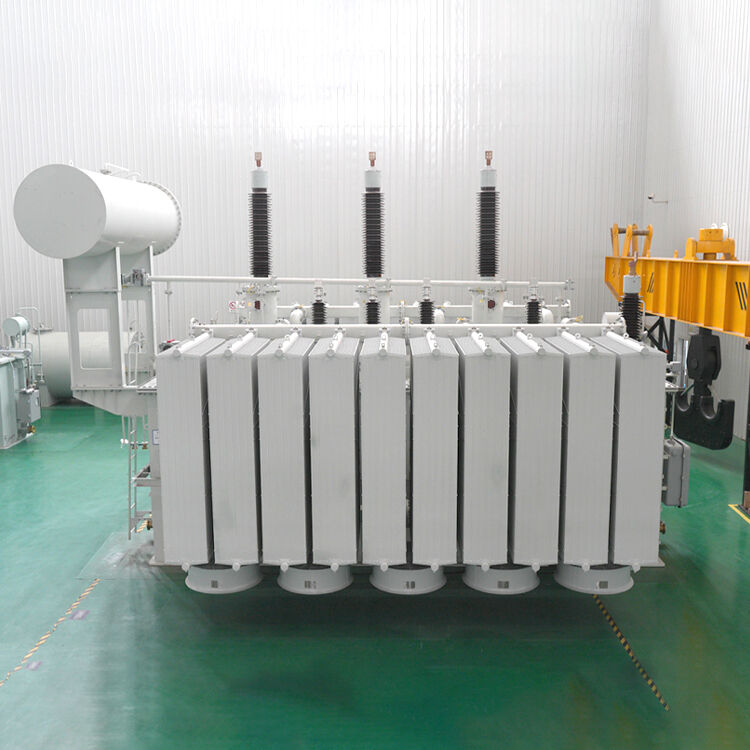
Low Voltage Oil Immersed Transformer: Superior Performance & Reliability Solutions

Get a Free Quote

Our representative will contact you soon.
Email
WhatsApp/Mobile
Name
Company Name
Message
0/1000

low voltage oil immersed transformer

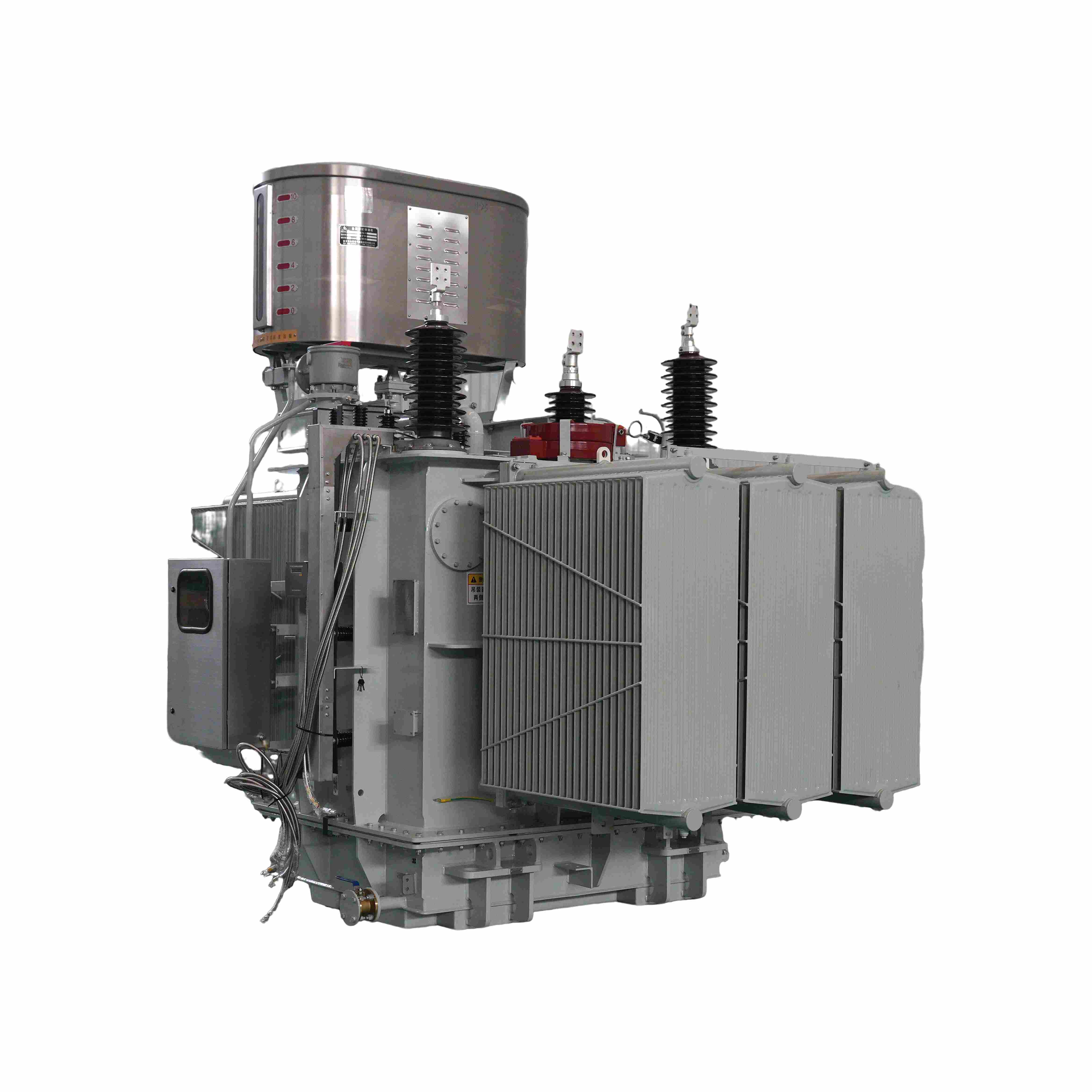
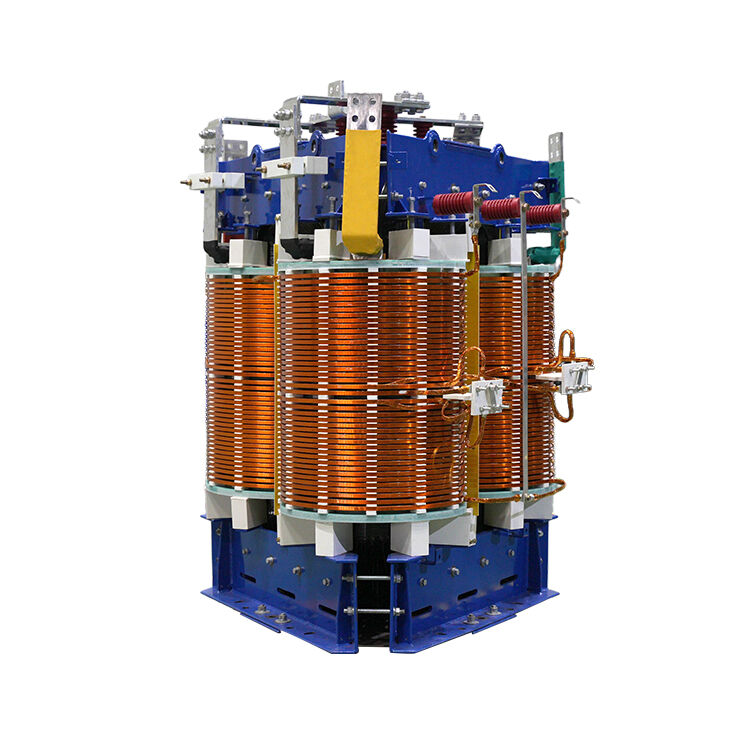
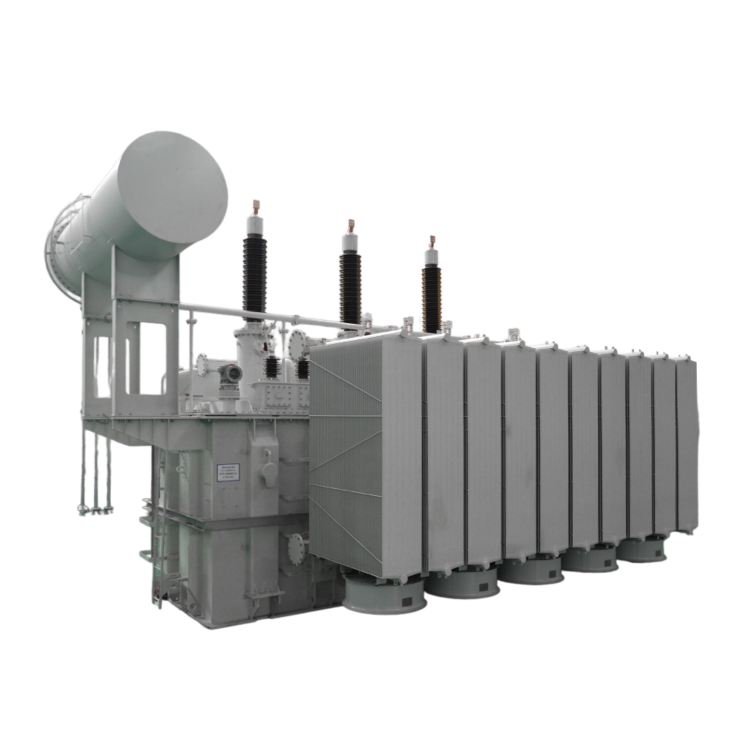
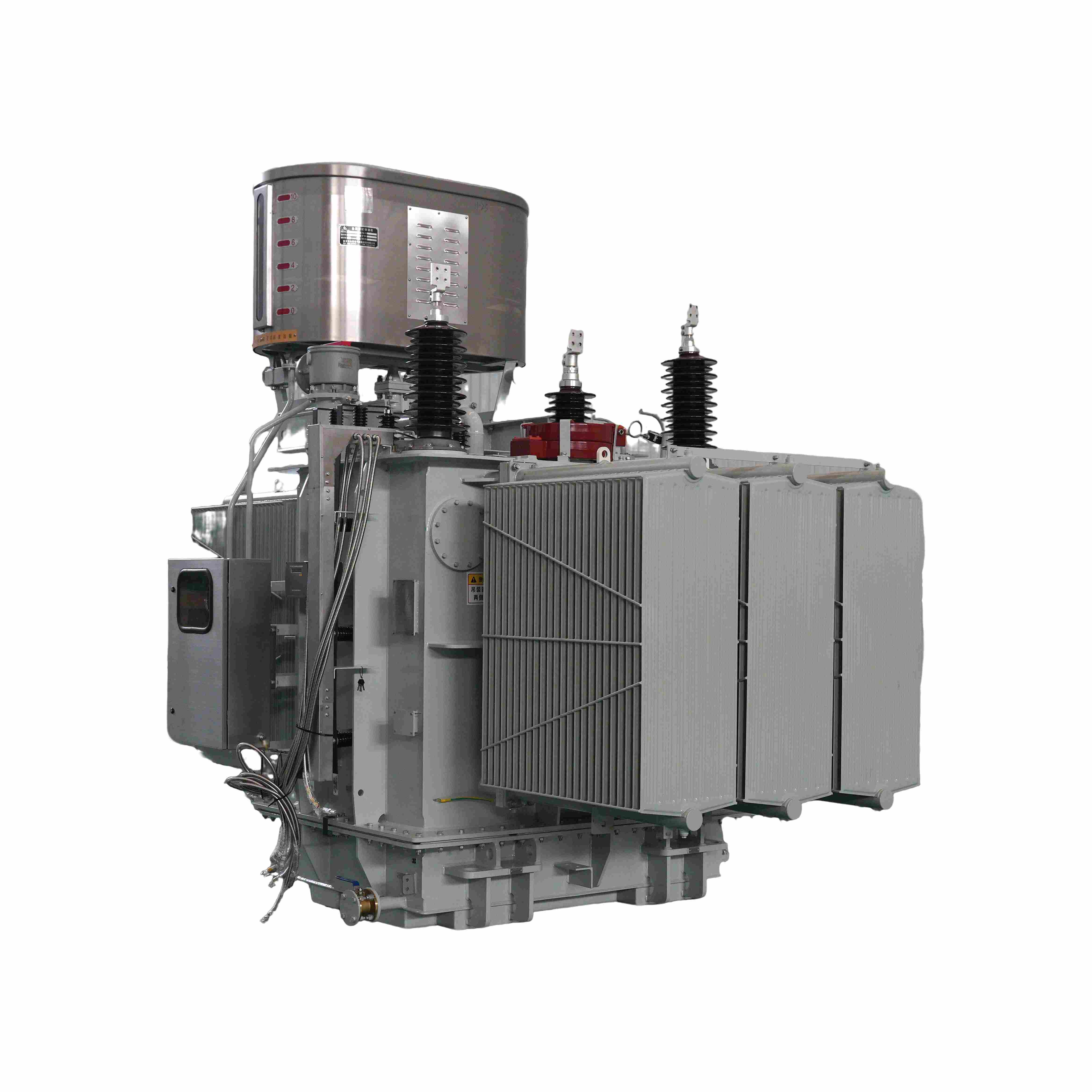
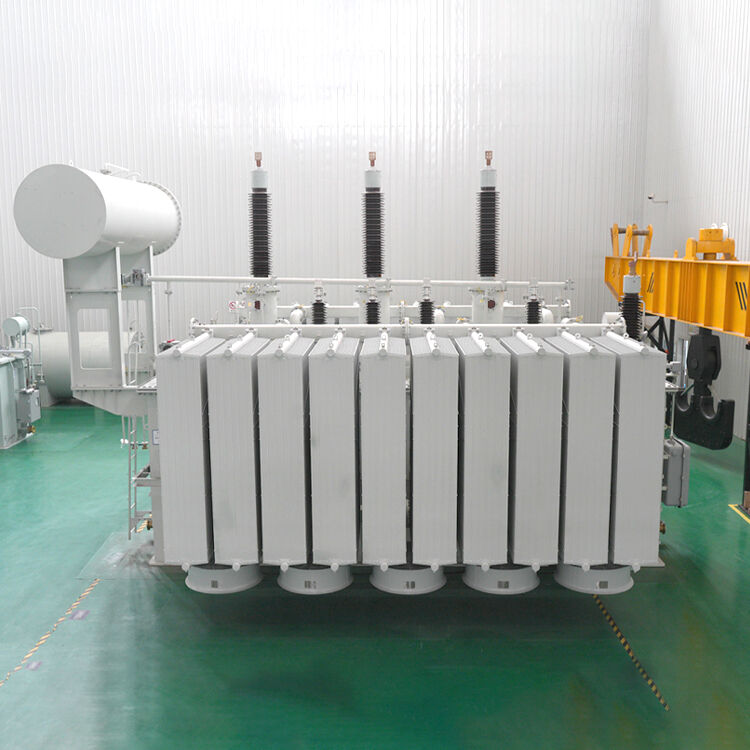
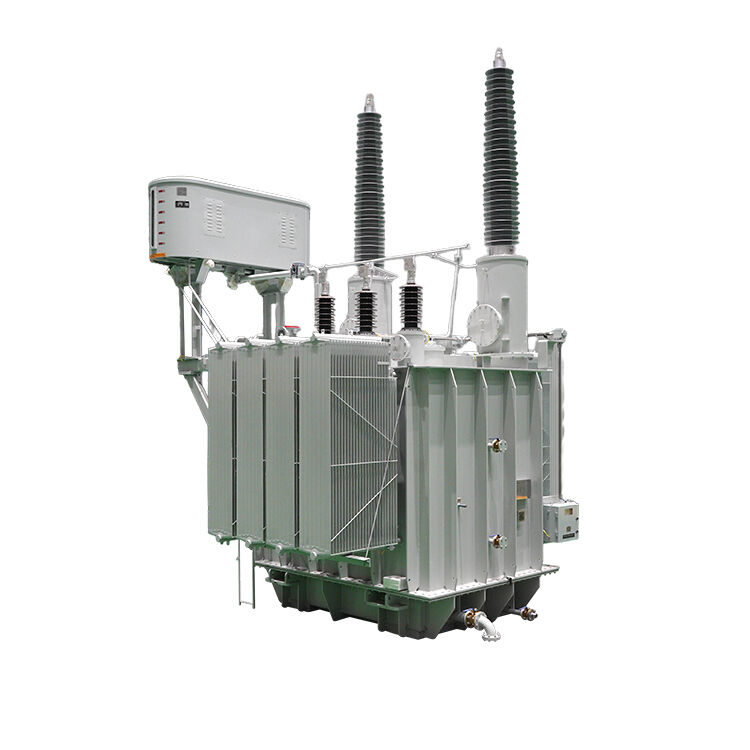
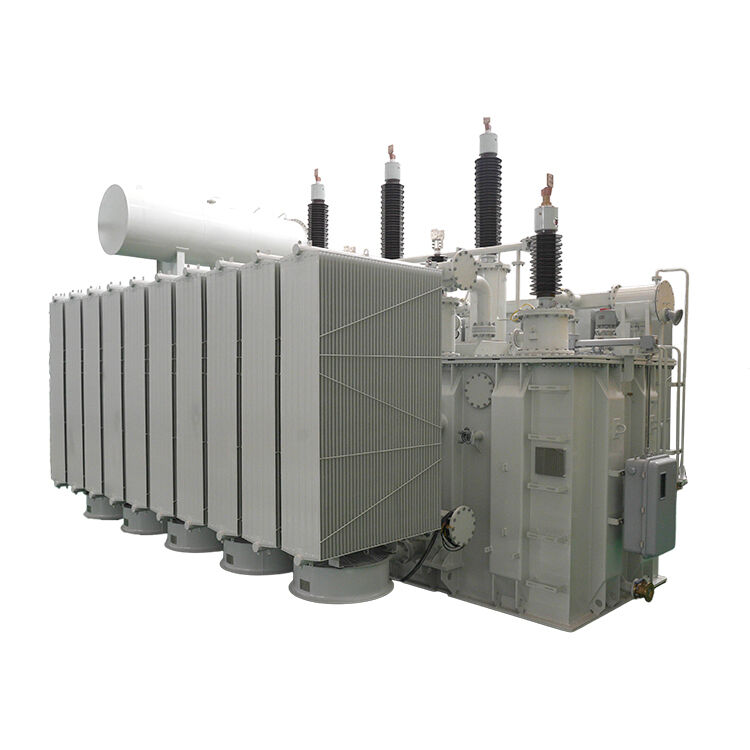
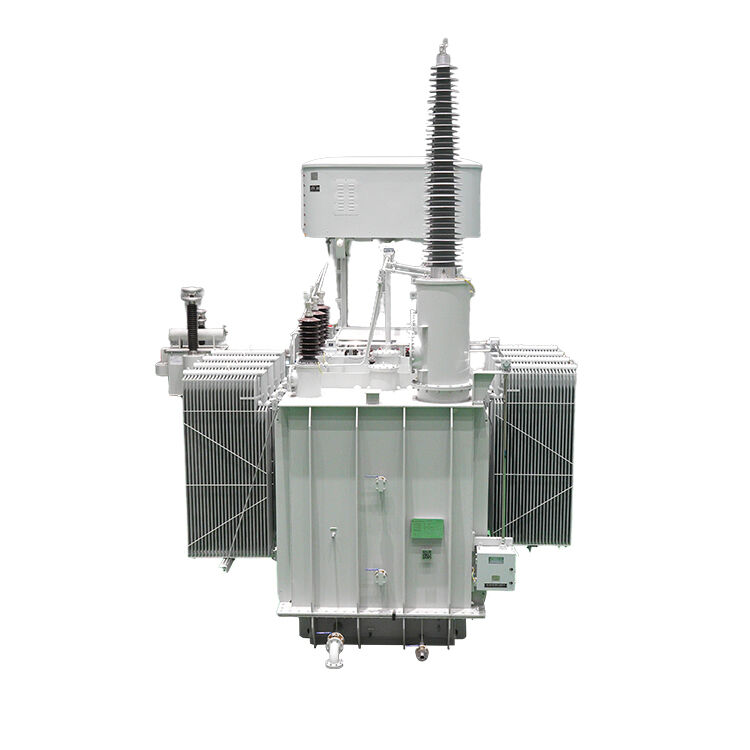
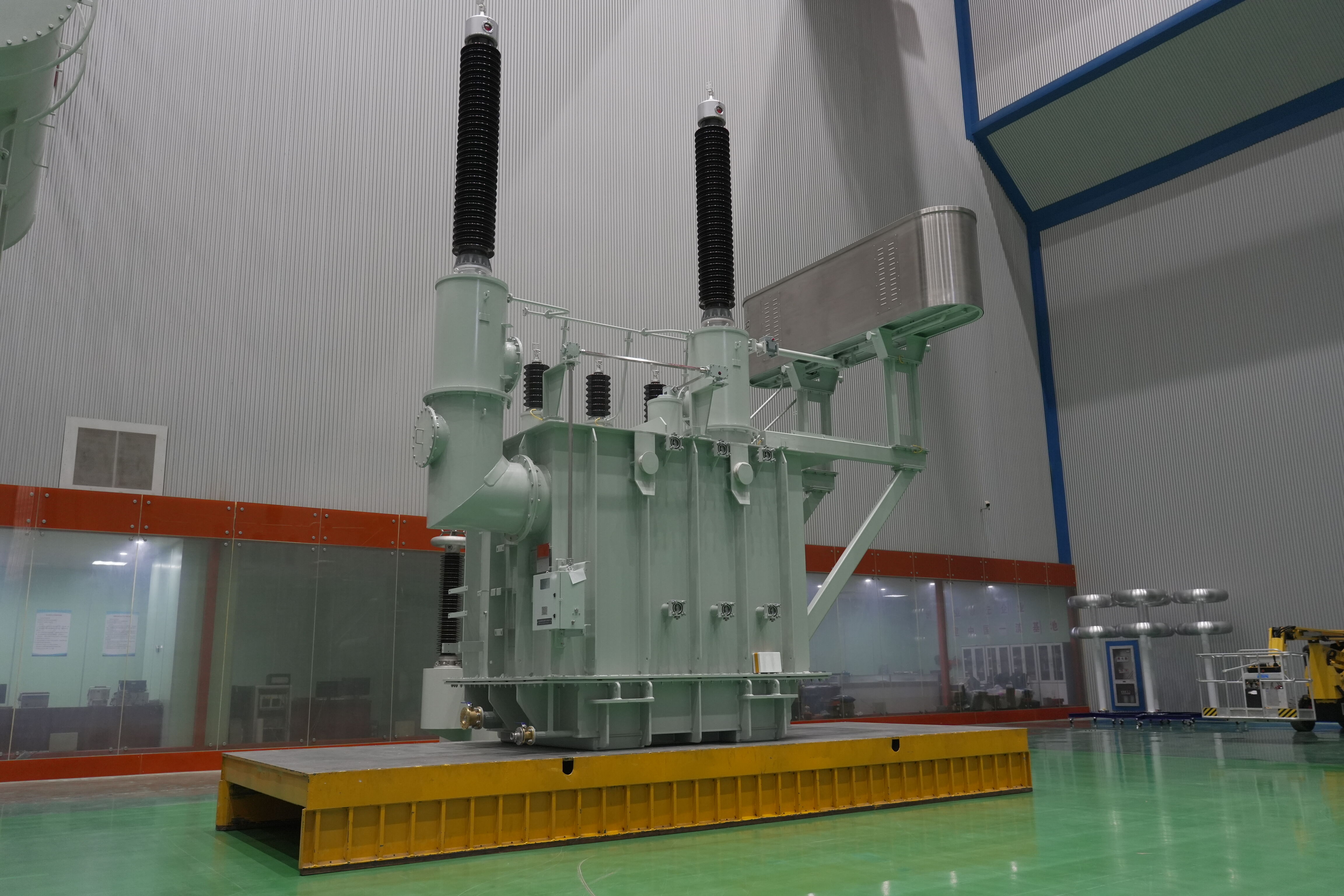
The low voltage oil immersed transformer represents a critical electrical component designed for power distribution systems operating at voltages typically below 35kV. This sophisticated electrical equipment utilizes mineral oil as both an insulating medium and cooling agent, ensuring optimal performance across various industrial and commercial applications. The primary function of a low voltage oil immersed transformer involves stepping down high voltage electricity to lower, more manageable levels suitable for end-user consumption. These transformers feature robust construction with copper or aluminum windings enclosed within steel tanks filled with specially refined transformer oil. The oil serves multiple purposes, providing electrical insulation between live components while simultaneously dissipating heat generated during operation. This dual functionality makes oil immersed transformers particularly effective for continuous duty applications where reliability is paramount. Technological features include advanced core design utilizing high-grade electrical steel laminations that minimize energy losses and reduce operational costs. The magnetic core construction employs step-lap joints and carefully selected materials to achieve superior electrical characteristics. Modern low voltage oil immersed transformers incorporate temperature monitoring systems, pressure relief valves, and oil level indicators to ensure safe operation and facilitate maintenance scheduling. These units typically feature tap changers for voltage regulation, allowing operators to adjust output voltage according to system requirements. The transformer tank design includes radiators or cooling fins to enhance heat dissipation, while internal components are protected against moisture ingress through specialized sealing systems. Applications span across electrical utilities, industrial facilities, commercial buildings, and renewable energy installations. These transformers prove essential in substations, manufacturing plants, hospitals, data centers, and residential complexes where consistent power delivery remains crucial for operations.

New Products

Low voltage oil immersed transformers deliver exceptional operational benefits that make them the preferred choice for numerous electrical applications. These units provide superior cooling capabilities compared to dry-type alternatives, allowing them to handle higher power loads while maintaining optimal operating temperatures. The oil immersion design enables these transformers to operate continuously at full capacity without performance degradation, resulting in improved system reliability and reduced downtime costs. Energy efficiency stands as a major advantage, with modern low voltage oil immersed transformers achieving efficiency ratings exceeding 98 percent. This high efficiency translates directly into lower electricity bills and reduced environmental impact for facility operators. The oil-filled design also provides excellent overload capability, allowing temporary operation above nameplate ratings during peak demand periods without immediate damage to internal components. Maintenance requirements remain minimal due to the protective nature of the oil environment, which prevents oxidation of internal conductors and insulation materials. Regular oil testing and periodic maintenance ensure decades of reliable service, making these transformers cost-effective long-term investments. The robust construction withstands harsh environmental conditions, including temperature fluctuations, humidity, and contamination that might compromise other transformer types. Sound levels operate significantly lower than many alternatives, making oil immersed units suitable for installation near residential areas or noise-sensitive environments. Voltage regulation capabilities allow precise control over output voltage, ensuring connected equipment receives stable power supply regardless of input variations. The self-healing properties of transformer oil help prevent minor electrical faults from developing into major failures, extending equipment lifespan. Installation flexibility accommodates both indoor and outdoor mounting configurations, with weatherproof enclosures available for external applications. These transformers also demonstrate excellent fault tolerance, with protective devices and oil-filled construction helping contain and minimize damage during electrical disturbances. The proven technology has operated successfully for over a century, providing confidence in long-term performance and parts availability. Cost considerations favor oil immersed designs for higher power applications, where initial investment pays dividends through superior performance and longevity.

Practical Tips

What Is a Transformer and How Does It Improve Power System Efficiency?

02

Jan

What Is a Transformer and How Does It Improve Power System Efficiency?

A transformer represents one of the most critical components in modern electrical power systems, serving as the backbone for efficient energy transmission and distribution across vast networks. These electromagnetic devices enable the seamless conver...
View More
How Does a Transformer Work in High Voltage Power Transmission?

08

Jan

How Does a Transformer Work in High Voltage Power Transmission?

High voltage power transmission systems form the backbone of modern electrical grids, enabling electricity to travel efficiently across vast distances. At the heart of these complex networks lies the power transformer, a crucial piece of equipment th...
View More
Why Are Transformers Critical for Industrial Power Distribution Systems?

14

Jan

Why Are Transformers Critical for Industrial Power Distribution Systems?

Industrial power distribution systems form the backbone of modern manufacturing, commercial facilities, and critical infrastructure operations. At the heart of these complex networks lies a fundamental component that ensures safe, efficient, and reli...
View More
How Do Transformers Support Grid Stability in Large-Scale Power Networks?

20

Jan

How Do Transformers Support Grid Stability in Large-Scale Power Networks?

Large-scale power networks form the backbone of modern electrical infrastructure, requiring sophisticated equipment to maintain stability and reliability across vast geographical areas. Power transformers play a crucial role in these complex systems ...
View More

Get a Free Quote

Our representative will contact you soon.
Email
WhatsApp/Mobile
Name
Company Name
Message
0/1000

low voltage oil immersed transformer

Superior Heat Dissipation and Thermal Management

Superior Heat Dissipation and Thermal Management

The exceptional thermal management capabilities of low voltage oil immersed transformers represent one of their most significant operational advantages. The transformer oil serves as an highly effective heat transfer medium, absorbing thermal energy generated by electrical losses within the windings and core, then efficiently dispersing this heat throughout the tank structure. This continuous heat circulation process prevents dangerous hot spots from developing within the transformer, which could otherwise lead to insulation degradation and premature failure. The oil's natural convection properties create thermal currents that continuously move cooler oil toward heat sources while carrying heated oil toward cooling surfaces. This dynamic heat exchange system operates automatically without requiring external pumps or fans in most applications, reducing complexity and maintenance requirements. The large thermal mass of the oil reservoir provides excellent temperature stability, smoothing out thermal transients that occur during load changes or fault conditions. External cooling enhancement through radiators, fins, or forced air cooling further improves heat dissipation capacity, allowing these transformers to handle substantial overloads when necessary. Temperature monitoring systems continuously track oil temperature, providing operators with real-time thermal status information and enabling predictive maintenance strategies. The superior heat management translates into extended insulation life, improved electrical performance, and enhanced overall reliability. Unlike dry-type transformers that rely solely on air circulation for cooling, oil immersed units maintain consistent internal temperatures regardless of ambient conditions. This thermal stability proves particularly valuable in applications with varying load demands or challenging environmental conditions. The heat dissipation advantages also enable more compact designs for given power ratings, reducing installation space requirements and associated infrastructure costs. Modern low voltage oil immersed transformers incorporate advanced cooling system designs that optimize oil flow patterns and maximize heat transfer efficiency, resulting in even better thermal performance and extended service life.
Enhanced Electrical Insulation and Dielectric Strength

Enhanced Electrical Insulation and Dielectric Strength

Low voltage oil immersed transformers provide exceptional electrical insulation properties through the strategic use of high-quality transformer oil combined with solid insulation materials. The oil serves as a superior dielectric medium with breakdown strength significantly higher than air, enabling safe operation at higher voltage levels within more compact designs. This enhanced dielectric strength allows manufacturers to reduce physical spacing between energized components while maintaining essential safety margins, resulting in more efficient use of materials and reduced overall transformer size. The oil also demonstrates self-healing characteristics, meaning that minor electrical stress events that might create permanent damage in other insulation systems can be absorbed and neutralized by the oil medium. When electrical discharge occurs within the oil, the liquid quickly fills any ionized paths, restoring full insulation integrity and preventing fault progression. The combination of oil and paper insulation creates a synergistic system where each material compensates for the other's limitations, providing robust protection against electrical stress, moisture, and contamination. Regular oil testing and conditioning maintain optimal dielectric properties throughout the transformer's service life, with filtration and degassing processes removing impurities that could compromise insulation performance. The oil immersion also protects solid insulation materials from atmospheric moisture, preventing the hygroscopic paper insulation from absorbing water that would reduce its electrical strength. Temperature stability of the oil-paper insulation system ensures consistent dielectric properties across varying operating conditions, unlike air-insulated systems where humidity and temperature changes can significantly affect insulation performance. The enhanced electrical insulation translates into improved safety margins, reduced risk of electrical faults, and increased reliability for critical applications. Modern oil formulations include antioxidants and corrosion inhibitors that further protect the insulation system and extend service life. This comprehensive insulation approach enables low voltage oil immersed transformers to operate safely in demanding environments while providing superior protection against electrical stress and environmental factors.
Proven Longevity and Reliability Performance

Proven Longevity and Reliability Performance

The remarkable longevity and reliability record of low voltage oil immersed transformers stems from decades of technological refinement and field-proven performance across diverse applications. These transformers routinely achieve service lives exceeding 30 years with proper maintenance, representing exceptional value for infrastructure investments. The oil-filled design inherently protects critical internal components from environmental degradation, moisture ingress, and oxidation that can shorten equipment lifespan in other transformer types. Regular oil analysis and reconditioning programs enable operators to monitor transformer health continuously and address potential issues before they develop into costly failures. The robust construction standards employed in manufacturing these units ensure they withstand mechanical stresses, electrical faults, and environmental challenges encountered during decades of operation. Statistical reliability data from utility companies and industrial operators consistently demonstrate failure rates below one percent annually for properly maintained oil immersed transformers. This exceptional reliability stems from conservative design practices, quality materials, and manufacturing processes refined over generations of technological development. The self-protecting characteristics of transformer oil help contain and minimize damage during fault conditions, often preventing minor issues from escalating into major failures that would require complete unit replacement. Standardized maintenance procedures and widely available replacement components support cost-effective upkeep throughout the transformer's service life. The proven technology foundation provides confidence for mission-critical applications where power interruption carries significant consequences. Continuous improvement in oil formulations, insulation materials, and manufacturing techniques has enhanced reliability while maintaining backward compatibility with established maintenance practices. Load tap changers and protective devices integrate seamlessly with oil immersed designs, providing additional operational flexibility and protection without compromising reliability. The extensive installed base of oil immersed transformers worldwide provides comprehensive performance data and maintenance experience, enabling accurate life-cycle cost analysis and optimal replacement scheduling. Environmental monitoring systems and predictive maintenance technologies further extend service life by enabling condition-based maintenance strategies that address issues proactively rather than reactively.

Get a Free Quote

Our representative will contact you soon.
Email
WhatsApp/Mobile
Name
Company Name
Message
0/1000