Compact Design and Space Optimization
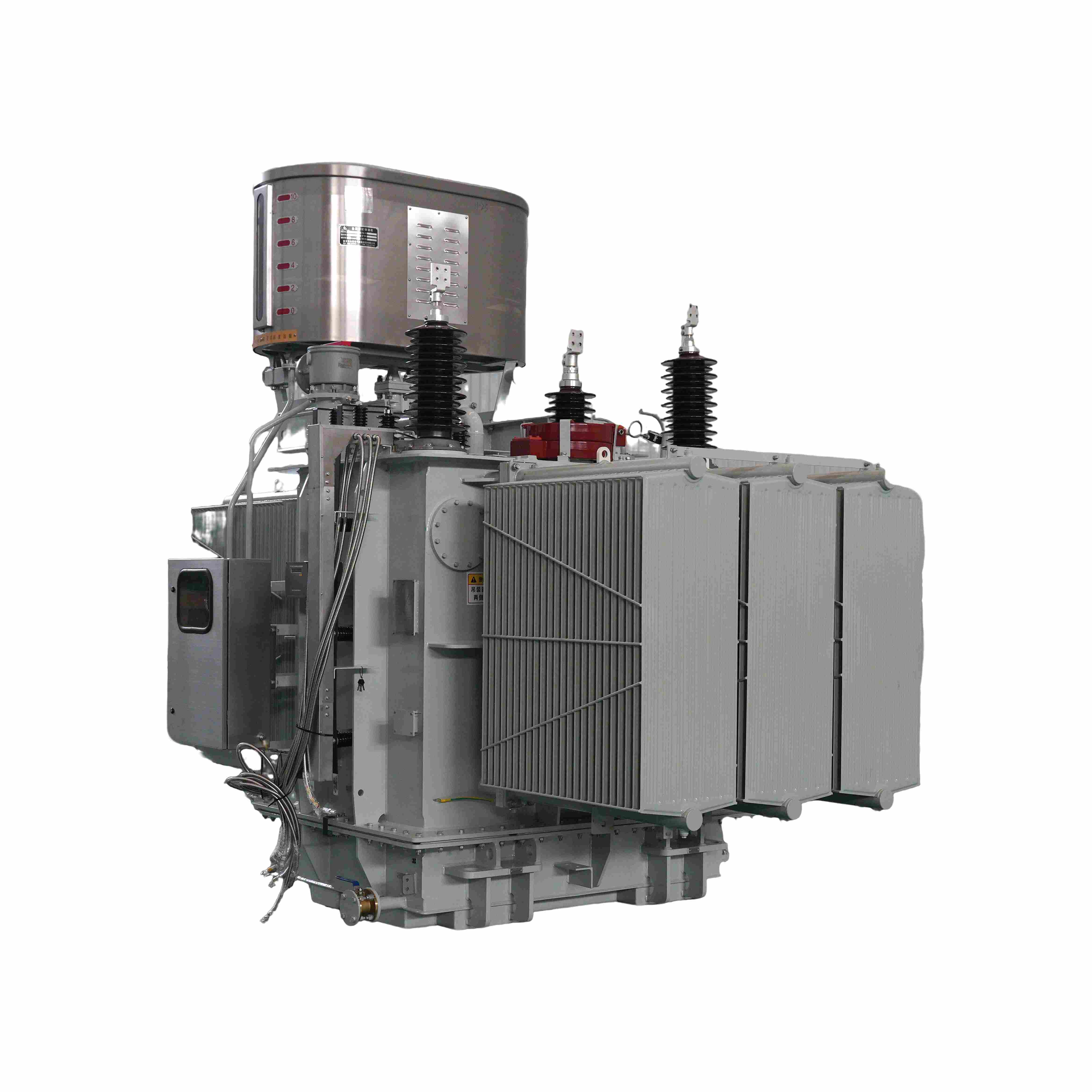
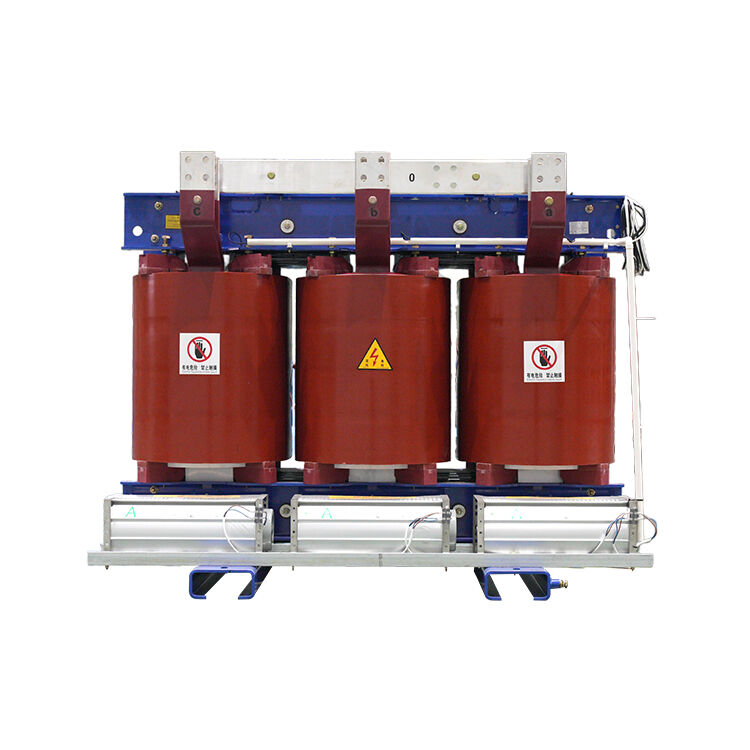
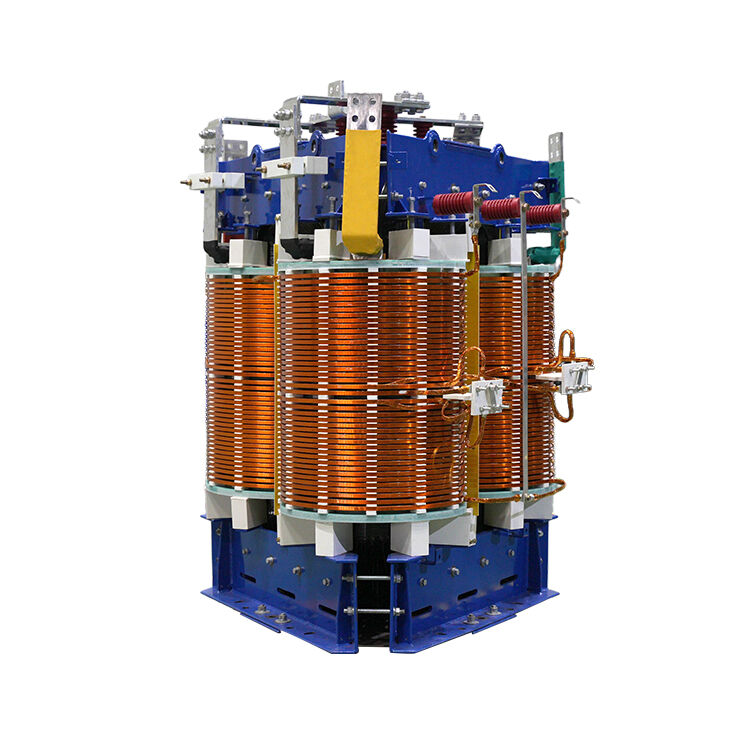
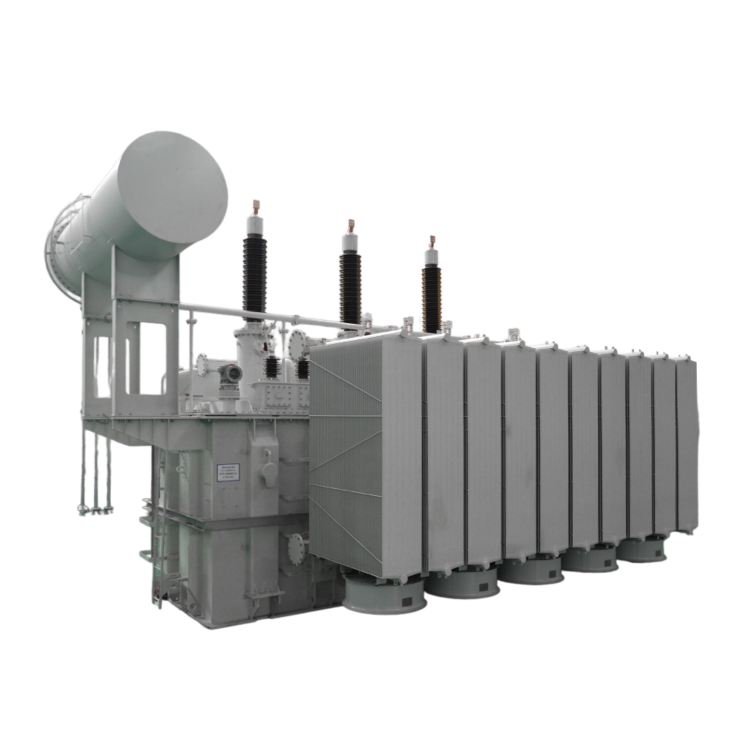
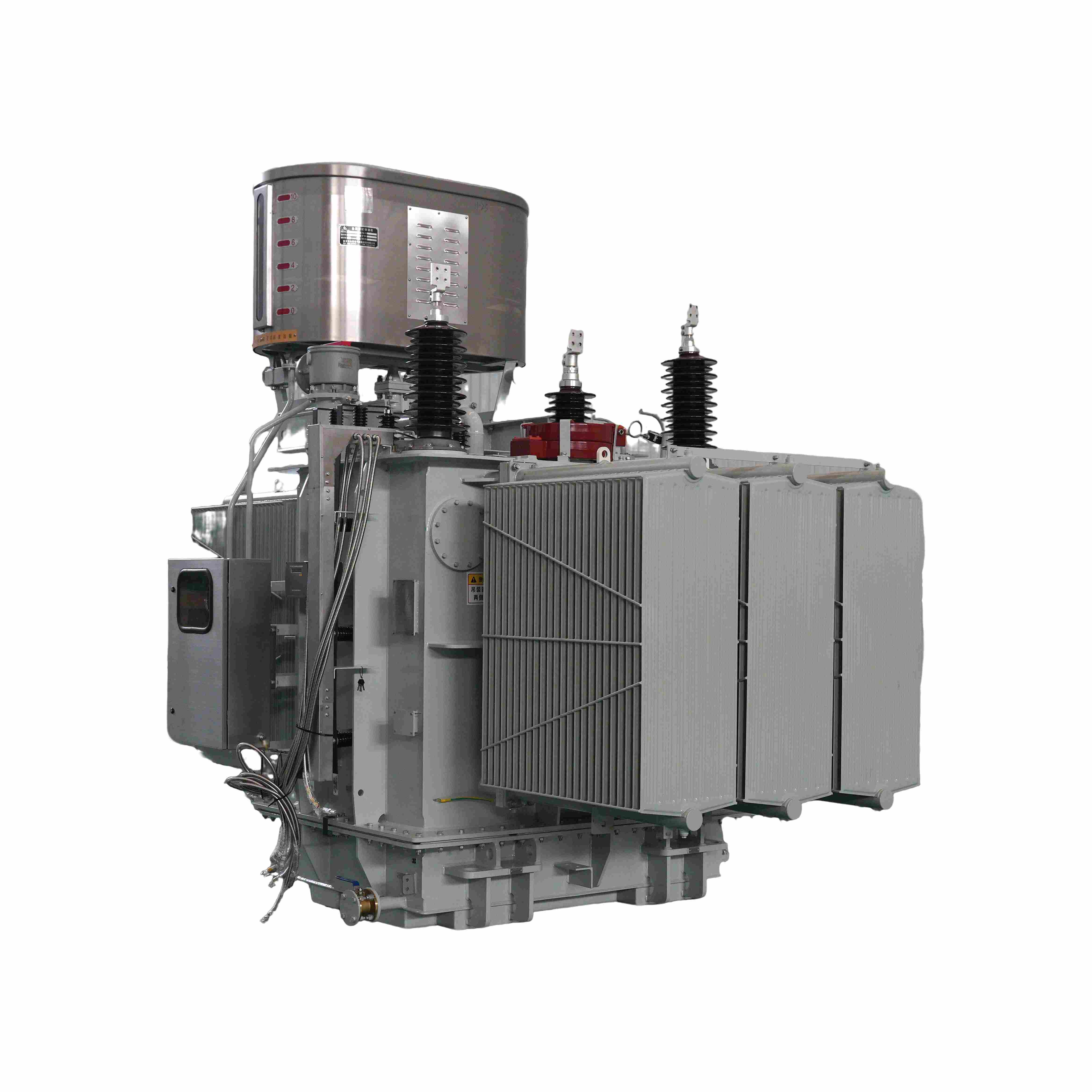
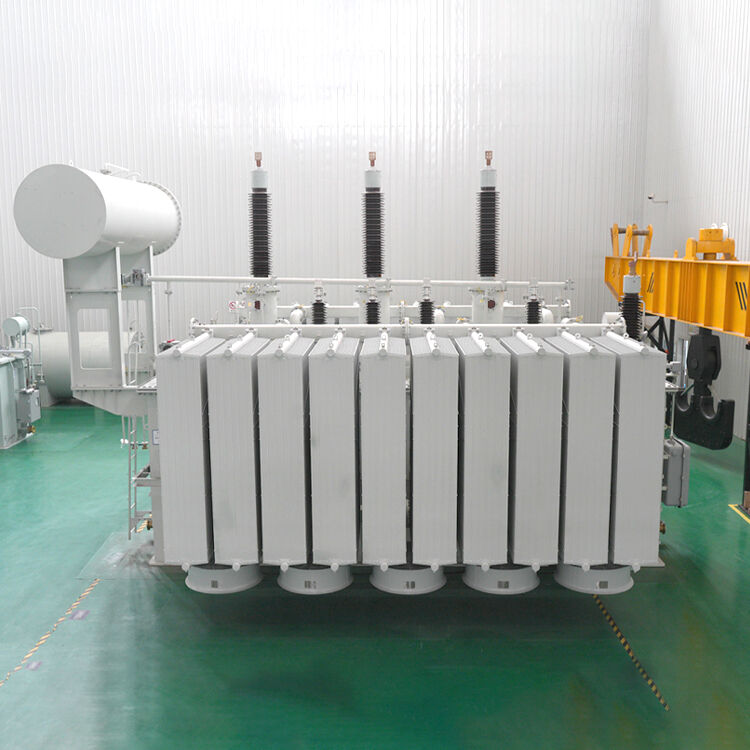
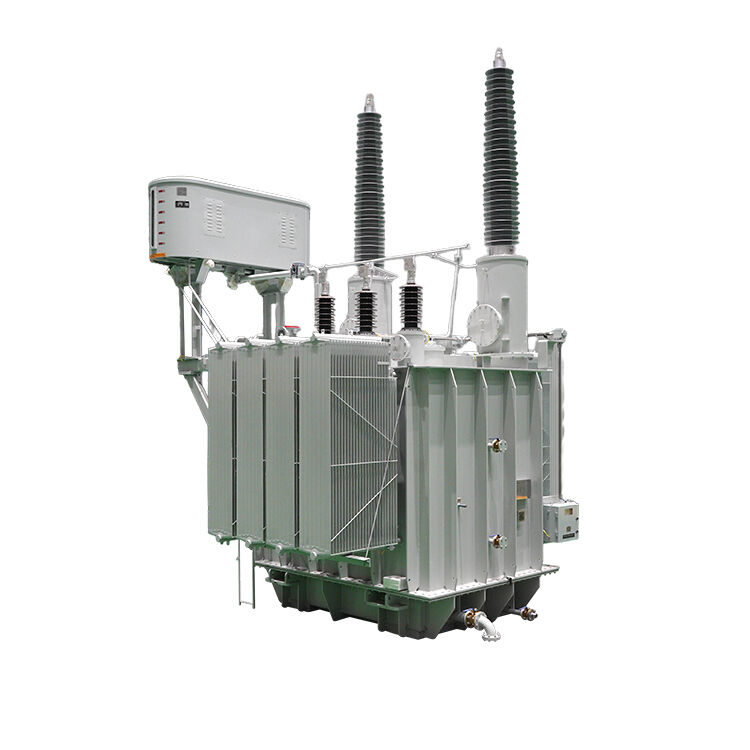
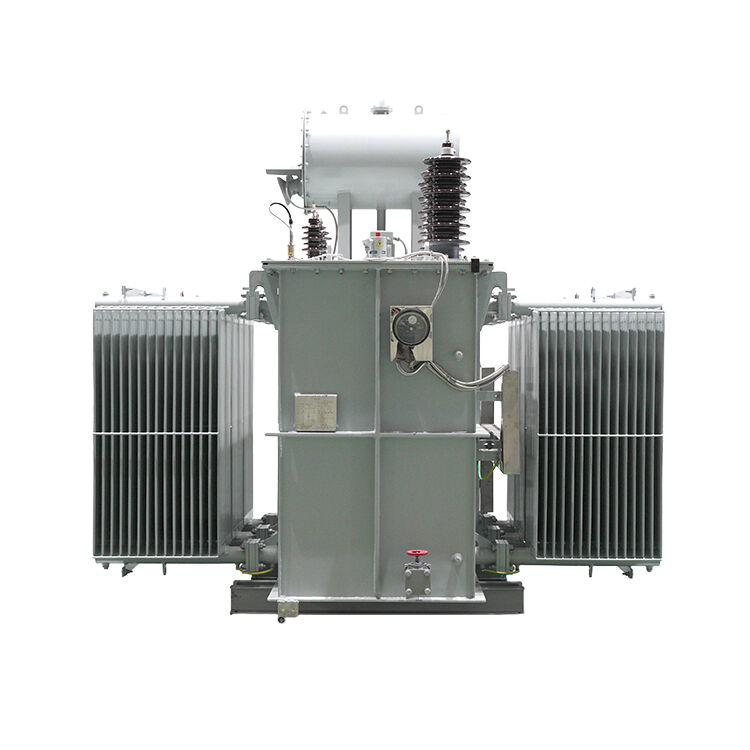
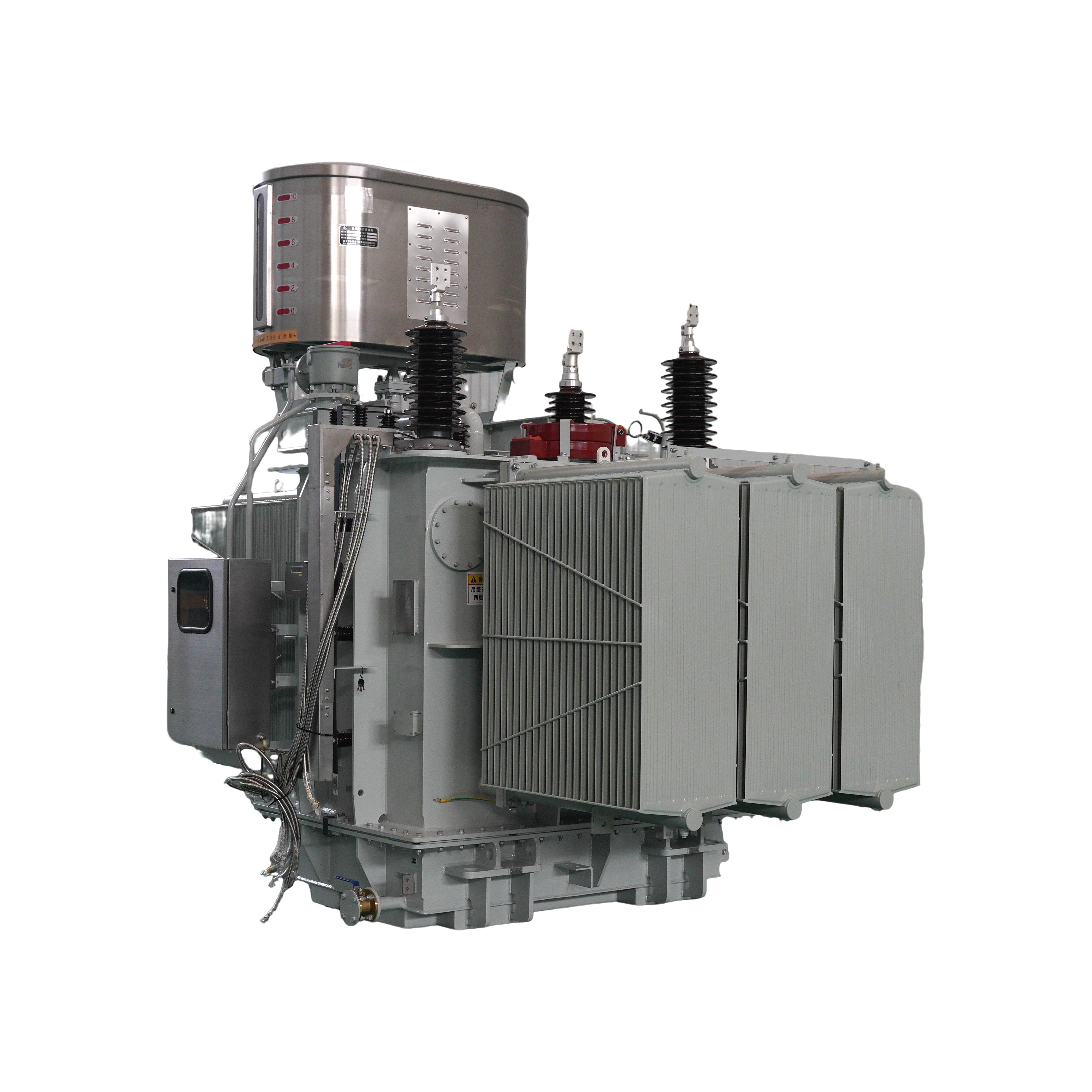
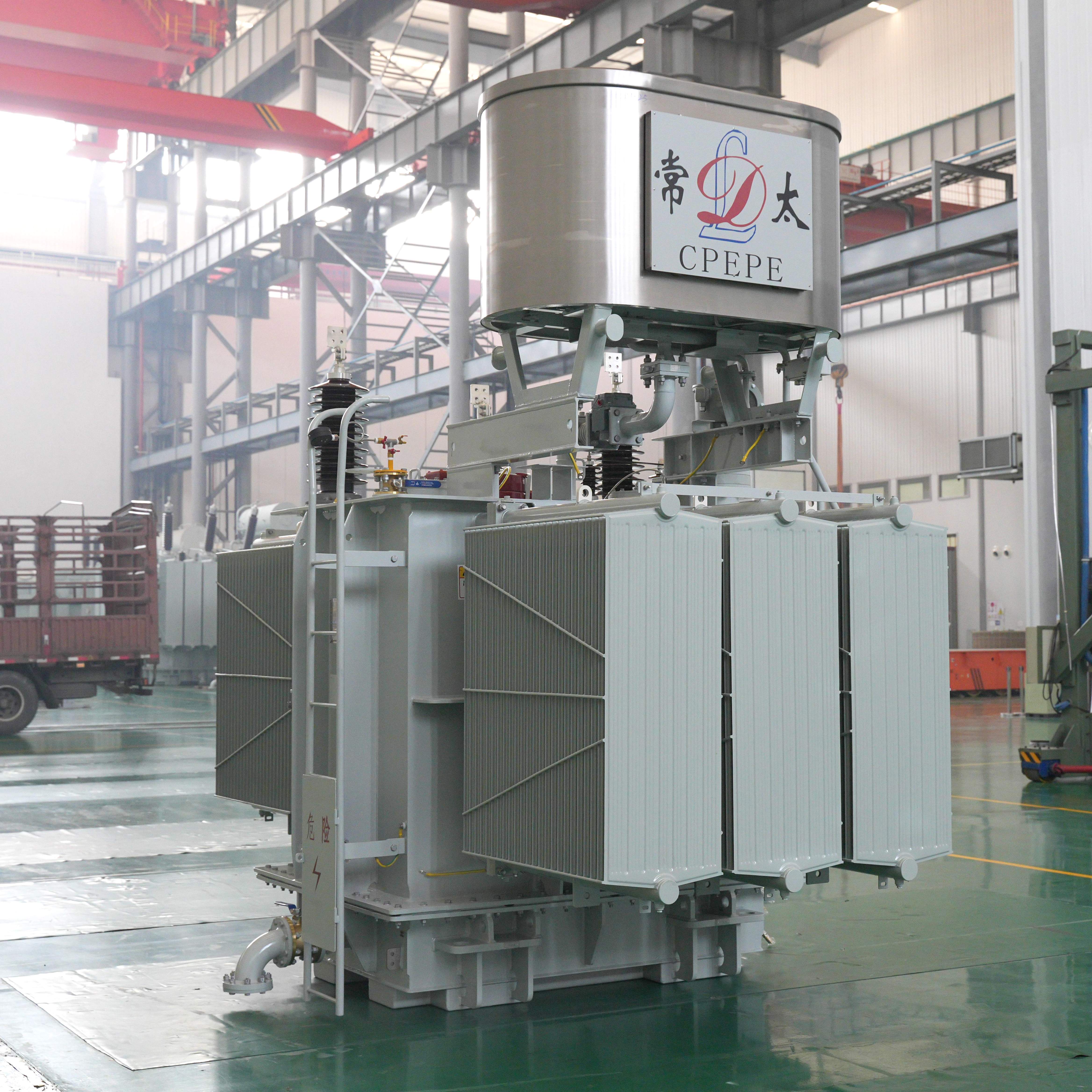
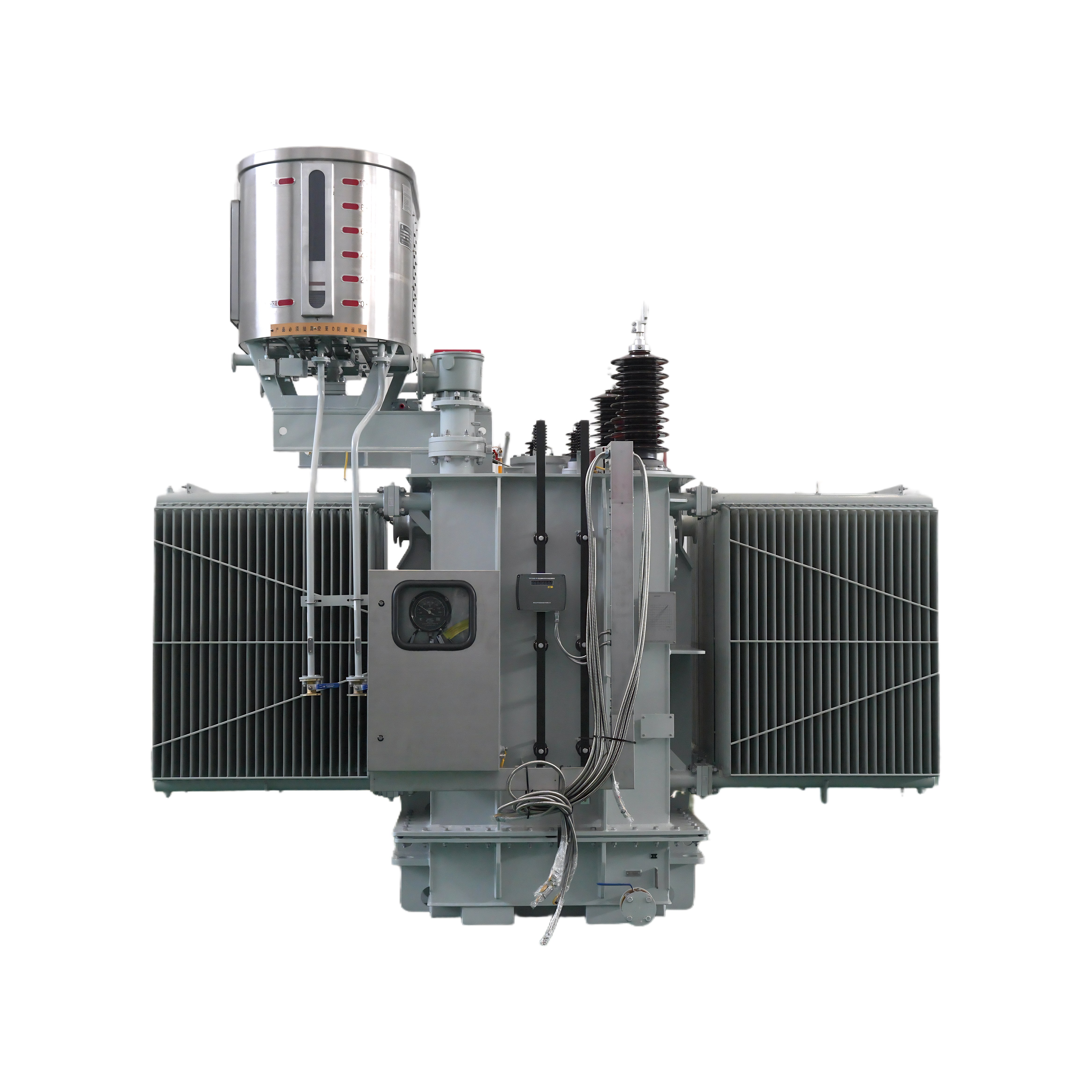
The auto transformer three phase excels in space utilization through its innovative compact design that addresses the growing challenge of limited installation space in modern electrical facilities. This space-efficient configuration results from the elimination of separate primary and secondary windings, allowing manufacturers to create more compact units without sacrificing electrical performance or safety standards. The reduced physical footprint enables installation in locations where conventional transformers simply cannot fit, providing unprecedented flexibility in facility design and electrical system layout. Many auto transformer three phase units occupy 30-40 percent less space than equivalent-rated conventional transformers, freeing valuable real estate for other critical equipment or operational activities. This space advantage proves particularly valuable in urban industrial facilities, offshore platforms, and retrofit applications where existing electrical rooms have limited expansion possibilities. The streamlined design also facilitates easier handling during transportation and installation procedures, reducing logistics costs and minimizing installation complexity. Modular mounting options allow auto transformer three phase units to be configured in various orientations, including wall-mounted, floor-standing, or rack-mounted arrangements to optimize available space utilization. The reduced weight characteristics, resulting from less copper and core material requirements, simplify structural support requirements and reduce building load considerations. Maintenance accessibility remains excellent despite the compact design, with strategically positioned connection points and service areas that ensure technician safety and convenience during routine inspections. The space savings achieved through auto transformer three phase installation often enable businesses to accommodate additional equipment within existing electrical rooms, improving overall facility capacity without requiring costly building expansions. Cooling requirements are also reduced due to lower heat generation, eliminating the need for extensive ventilation systems that would otherwise consume additional space around the transformer installation area.
 EN
EN