Autotransformer Solutions: Efficient Power Transformation with Superior Voltage Control

Get a Free Quote

Our representative will contact you soon.
Email
WhatsApp/Mobile
Name
Company Name
Message
0/1000

the autotransformer

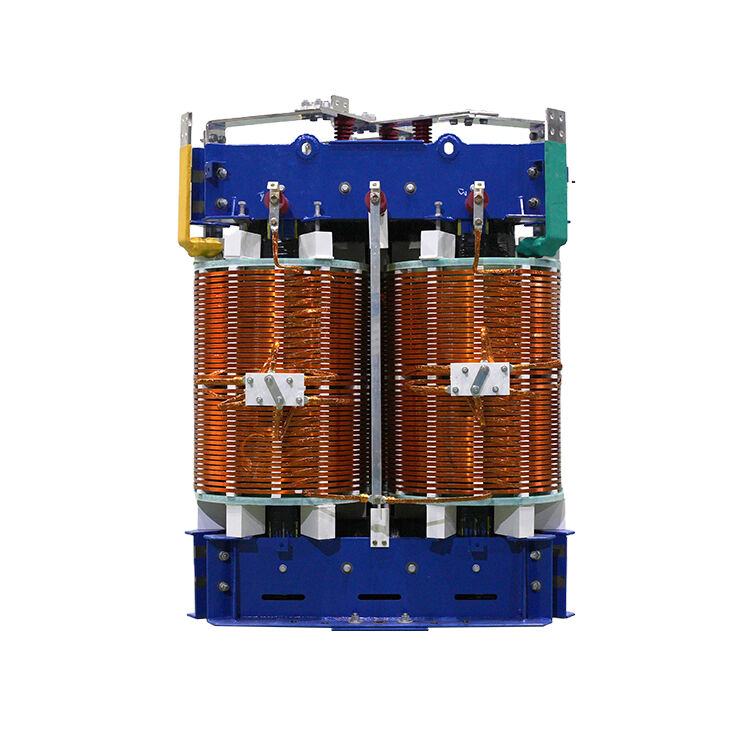
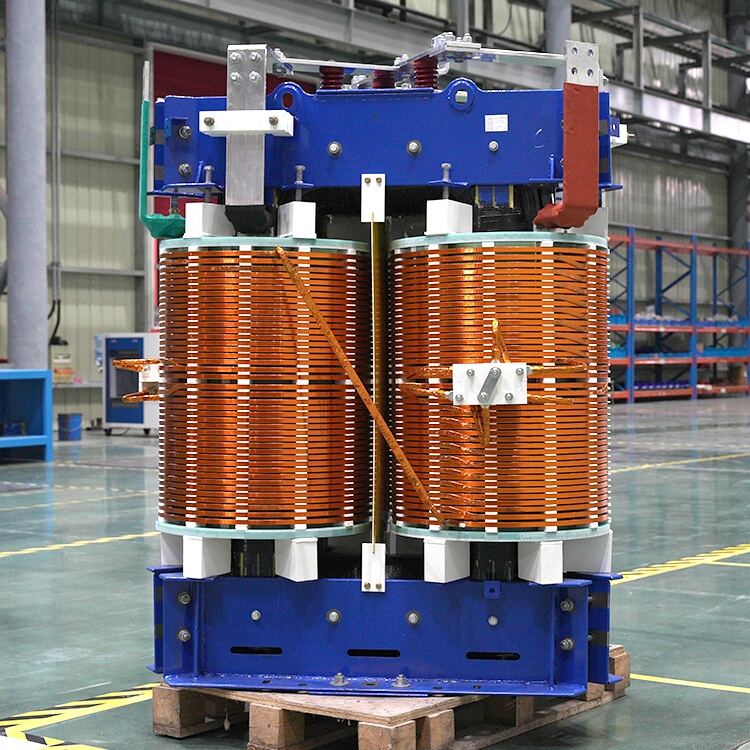
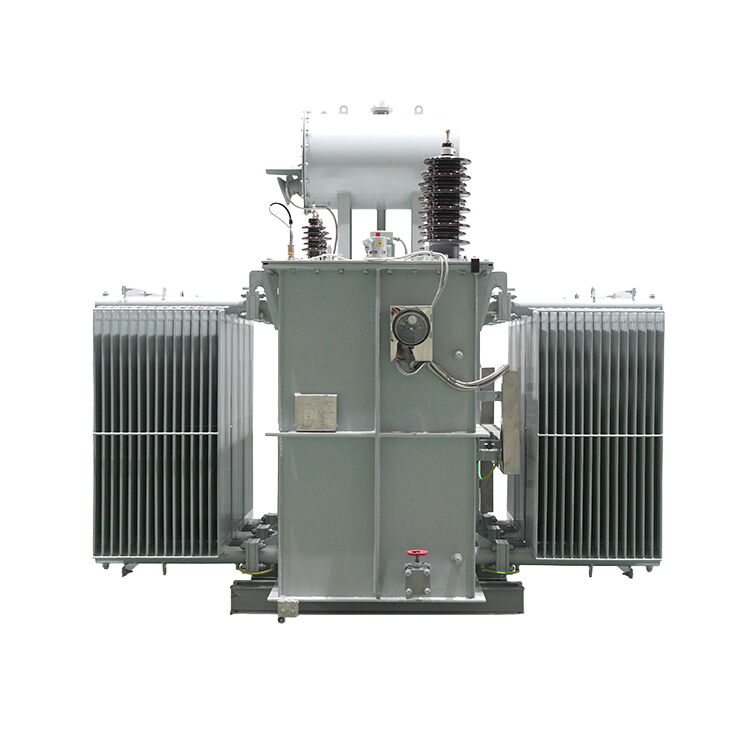
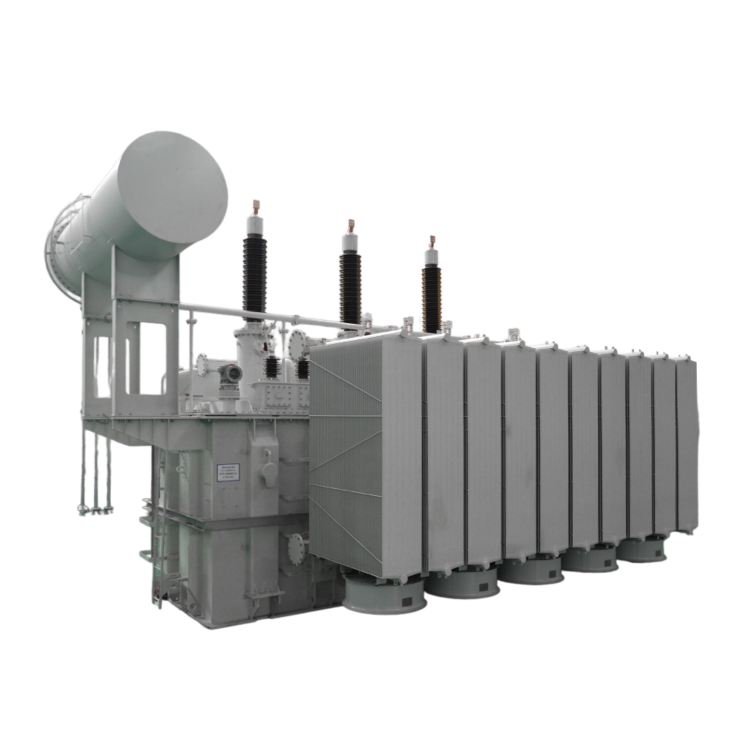
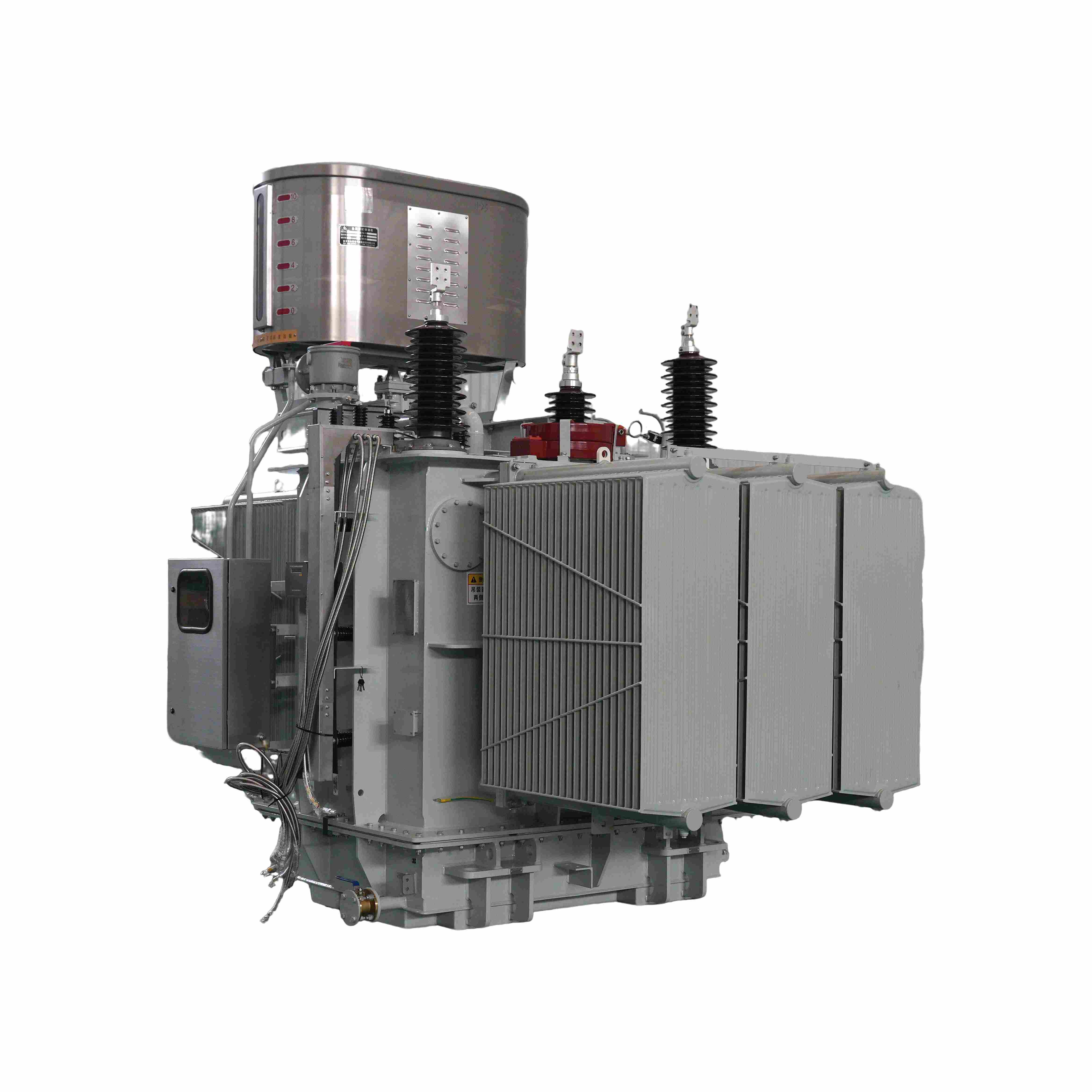
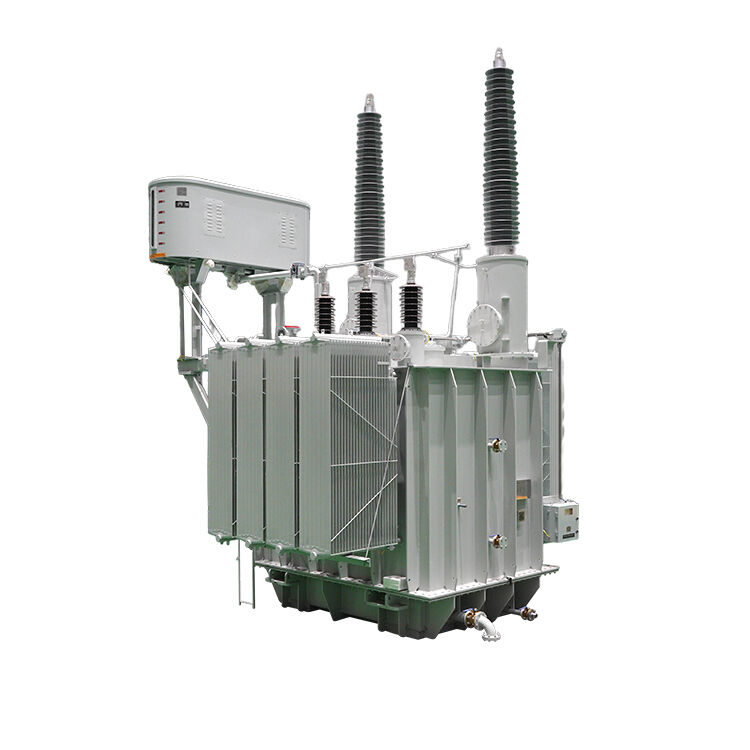
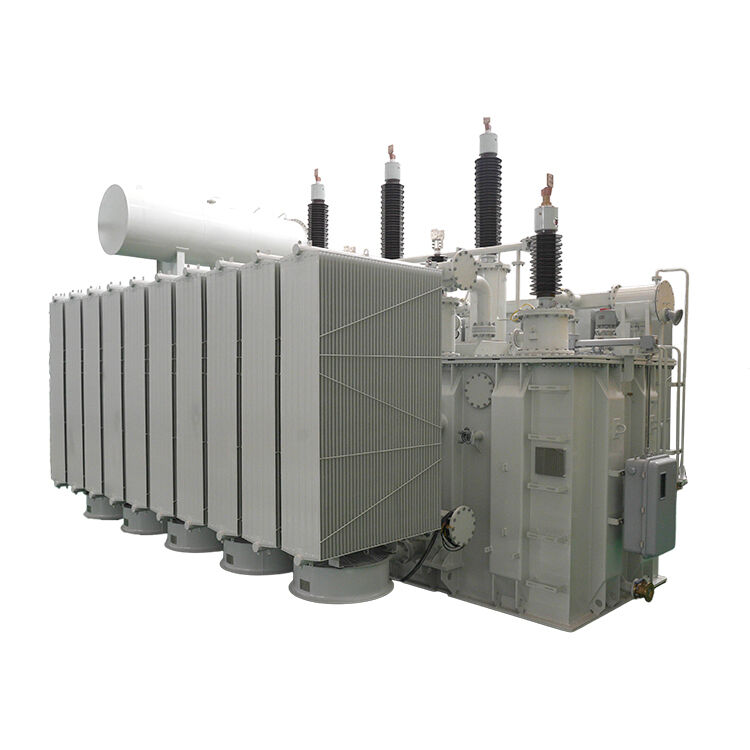
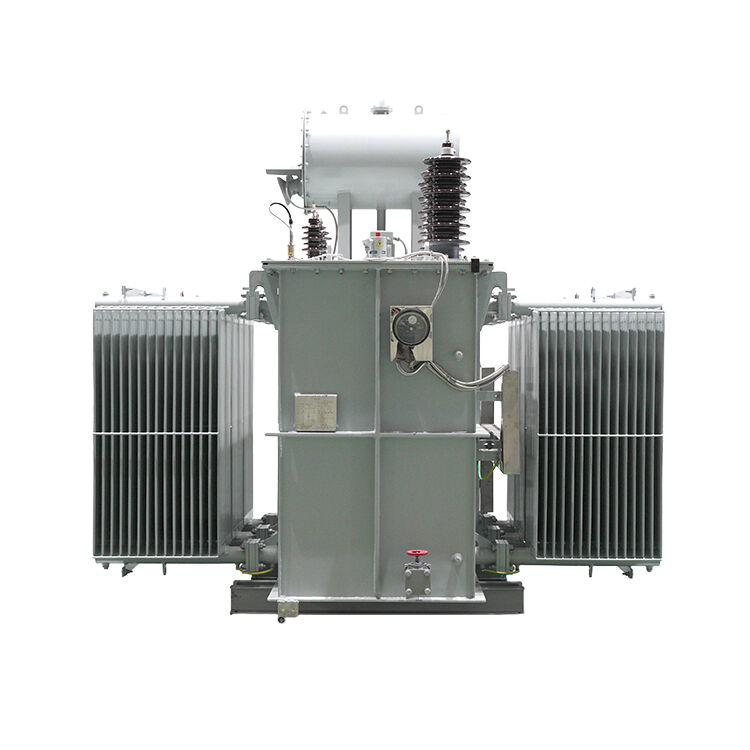
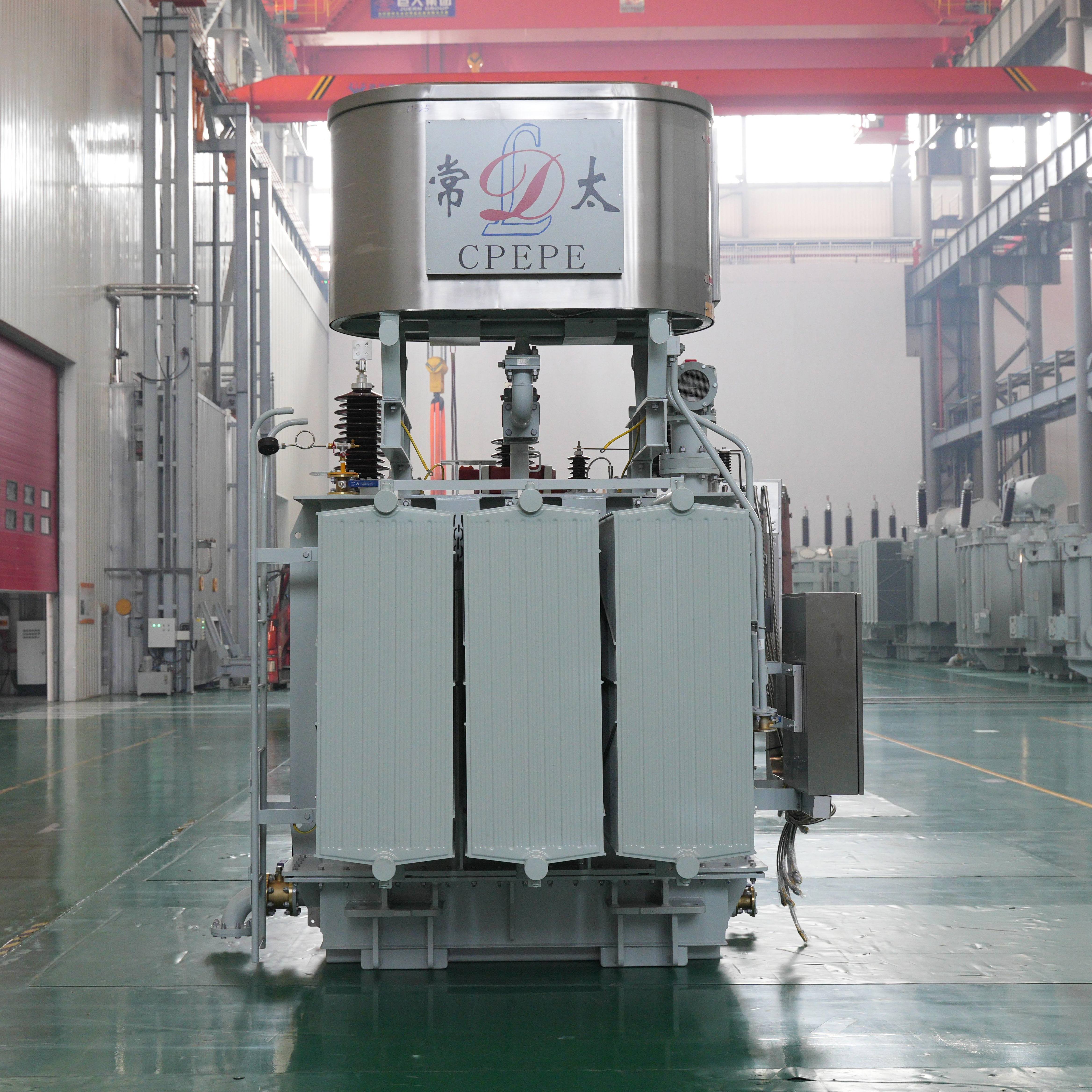
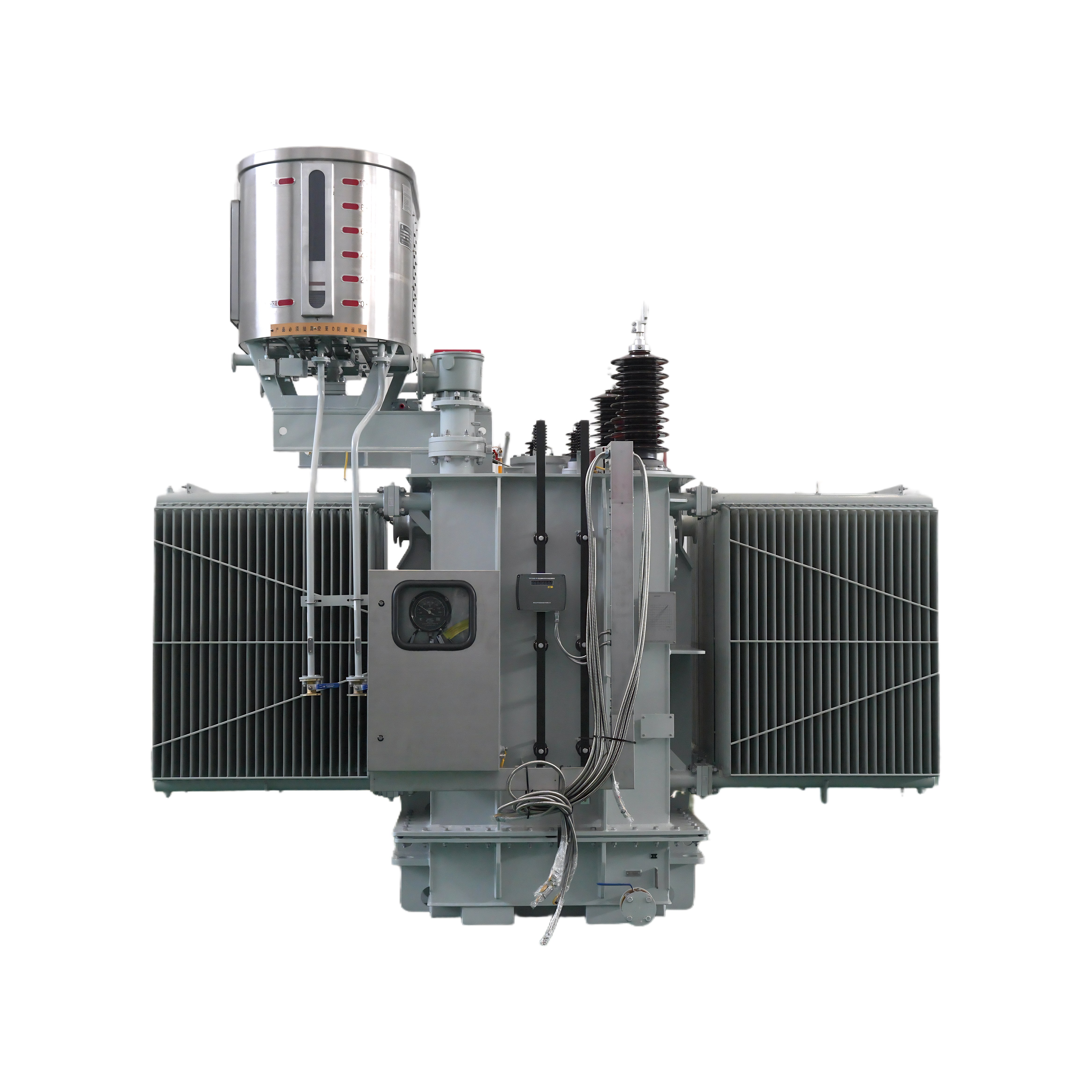
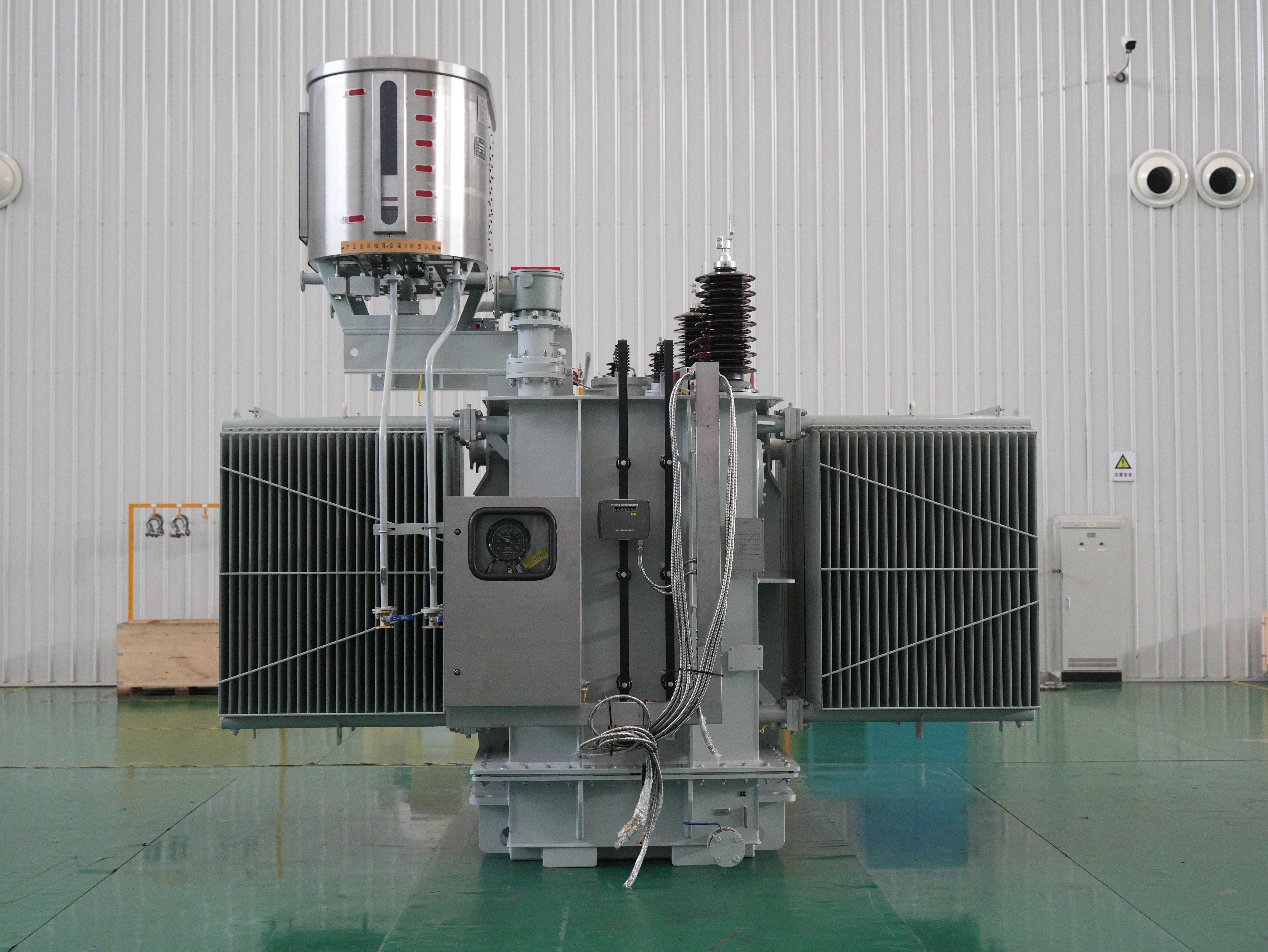
The autotransformer represents a specialized electrical device that efficiently transfers power between circuits while sharing a common winding configuration. Unlike conventional transformers that utilize separate primary and secondary windings, the autotransformer operates with a single continuous winding that serves dual purposes. This innovative design allows electrical energy to transfer through both electromagnetic induction and direct electrical connection, creating a highly efficient power transformation solution. The autotransformer features tap connections at strategic points along its winding, enabling precise voltage adjustment and regulation. These taps provide multiple output voltage levels from a single input source, making the autotransformer exceptionally versatile for various electrical applications. The device operates on the fundamental principle of electromagnetic induction while incorporating direct conductive coupling between input and output circuits. This dual-action mechanism significantly reduces material requirements compared to traditional transformer designs. The autotransformer construction typically employs high-grade silicon steel cores with carefully engineered laminations to minimize energy losses. Advanced insulation systems protect the windings while maintaining optimal thermal performance during operation. Modern autotransformer designs integrate sophisticated monitoring systems that track temperature, load conditions, and operational parameters in real-time. These intelligent features enhance safety protocols and extend equipment lifespan through predictive maintenance capabilities. The autotransformer finds extensive application in power distribution networks, industrial facilities, and renewable energy systems. Utility companies rely on autotransformers for voltage regulation in transmission and distribution networks, where they maintain stable power quality across varying load conditions. Manufacturing facilities utilize these devices for motor starting applications, where controlled voltage ramping prevents mechanical stress on equipment. The autotransformer also plays crucial roles in laboratory testing environments, providing variable voltage sources for equipment calibration and research purposes.

New Product Releases

The autotransformer delivers remarkable efficiency improvements that directly translate to reduced operational costs and enhanced performance for end users. This superior efficiency stems from the unique design where power transfers through both electromagnetic induction and direct electrical connection, minimizing energy losses typically associated with traditional transformer configurations. Users experience significantly lower electricity bills and reduced carbon footprints when implementing autotransformer solutions in their electrical systems. The cost-effectiveness of the autotransformer becomes immediately apparent through reduced material requirements and simplified construction processes. Manufacturers can produce these units using approximately 30 to 50 percent less copper and steel compared to conventional transformers of equivalent capacity. This material reduction translates directly into lower purchase prices for customers while maintaining superior performance characteristics. The compact design of the autotransformer provides substantial space savings in installation environments where real estate costs matter significantly. Facilities can accommodate higher power capacities within smaller footprints, maximizing available space utilization and reducing infrastructure requirements. Installation teams appreciate the lighter weight characteristics that simplify handling procedures and reduce crane requirements during positioning operations. Maintenance personnel benefit from the autotransformer's simplified internal structure that enables faster diagnostic procedures and streamlined repair protocols. The reduced component count minimizes potential failure points, resulting in improved reliability statistics and extended operational lifespans. Preventive maintenance schedules require fewer specialized tools and shorter shutdown periods, maximizing system availability for critical applications. The autotransformer provides exceptional voltage regulation capabilities that ensure consistent power quality under varying load conditions. This stable output voltage protects sensitive electronic equipment from damage while optimizing performance parameters across connected systems. Process industries particularly value this consistent power delivery for maintaining product quality standards and preventing costly production interruptions. The flexibility offered by multiple tap configurations allows users to adapt the autotransformer for changing operational requirements without replacing entire units. Engineering teams can modify voltage outputs through simple tap adjustments, providing long-term adaptability as facility needs evolve over time.

Latest News

What Is a Transformer and How Does It Improve Power System Efficiency?

02

Jan

What Is a Transformer and How Does It Improve Power System Efficiency?

A transformer represents one of the most critical components in modern electrical power systems, serving as the backbone for efficient energy transmission and distribution across vast networks. These electromagnetic devices enable the seamless conver...
View More
Why Are Transformers Critical for Industrial Power Distribution Systems?

14

Jan

Why Are Transformers Critical for Industrial Power Distribution Systems?

Industrial power distribution systems form the backbone of modern manufacturing, commercial facilities, and critical infrastructure operations. At the heart of these complex networks lies a fundamental component that ensures safe, efficient, and reli...
View More
How Do Transformers Support Grid Stability in Large-Scale Power Networks?

20

Jan

How Do Transformers Support Grid Stability in Large-Scale Power Networks?

Large-scale power networks form the backbone of modern electrical infrastructure, requiring sophisticated equipment to maintain stability and reliability across vast geographical areas. Power transformers play a crucial role in these complex systems ...
View More
What Should Utilities Consider When Selecting a Transformer Supplier?

26

Jan

What Should Utilities Consider When Selecting a Transformer Supplier?

Selecting the right supplier for power infrastructure represents one of the most critical decisions utility companies face in today's rapidly evolving energy landscape. The process of choosing a power transformer supplier requires careful evaluation ...
View More

Get a Free Quote

Our representative will contact you soon.
Email
WhatsApp/Mobile
Name
Company Name
Message
0/1000

the autotransformer

Superior Energy Efficiency and Cost Reduction

Superior Energy Efficiency and Cost Reduction

The autotransformer achieves exceptional energy efficiency ratings that surpass traditional transformer technologies through its innovative single-winding design architecture. This revolutionary approach eliminates the energy losses typically associated with separate primary and secondary windings, allowing power to flow through both electromagnetic induction and direct electrical pathways simultaneously. Users experience efficiency improvements ranging from 2 to 4 percent compared to conventional transformers, which translates to substantial cost savings over the equipment's operational lifetime. The direct electrical connection component of power transfer bypasses magnetic coupling losses entirely, creating a more streamlined energy flow path that minimizes heat generation and reduces cooling requirements. Manufacturing facilities implementing autotransformer solutions report measurable reductions in monthly electricity expenses, with some installations achieving payback periods of less than two years through energy savings alone. The enhanced efficiency characteristics become particularly valuable in high-capacity installations where even small percentage improvements generate significant economic benefits. Environmental benefits accompany these efficiency gains as reduced energy consumption directly correlates to lower carbon emissions and decreased environmental impact. Organizations pursuing sustainability goals find the autotransformer aligns perfectly with green energy initiatives while delivering tangible operational benefits. The thermal performance advantages of efficient operation extend equipment lifespan by reducing stress on internal components and insulation systems. Lower operating temperatures minimize degradation rates of critical materials, resulting in extended maintenance intervals and reduced lifecycle costs. Quality assurance teams appreciate the consistent performance characteristics that remain stable throughout extended operational periods, ensuring reliable power delivery for critical processes and sensitive equipment installations.
Compact Design with Maximum Space Utilization

Compact Design with Maximum Space Utilization

The autotransformer delivers unmatched space efficiency through its streamlined single-winding construction that eliminates the bulk associated with traditional dual-winding transformer designs. This compact architecture enables facilities to install higher power capacities within significantly smaller footprints, maximizing valuable floor space utilization and reducing infrastructure investment requirements. Urban installations particularly benefit from these space-saving characteristics where premium real estate costs make efficient space utilization critically important for project economics. The reduced physical dimensions stem from eliminated duplicate winding structures and optimized core geometries that maintain full electrical performance within smaller enclosures. Installation teams report dramatic improvements in positioning flexibility when working with autotransformer units, as the compact dimensions allow placement in previously inaccessible locations within existing facilities. Retrofit applications become more feasible when space constraints traditionally limit equipment upgrade options, enabling facility modernization projects that would otherwise require extensive structural modifications. The lightweight characteristics accompanying the compact design simplify transportation logistics and reduce installation costs through decreased crane requirements and simplified rigging procedures. Maintenance accessibility improves significantly when equipment occupies minimal space, allowing technicians to approach units from multiple angles and perform routine inspections more efficiently. The thermal management benefits of compact design include reduced air circulation requirements and simplified cooling system integration that further optimizes installation space utilization. Electrical rooms and transformer vaults can accommodate additional equipment when autotransformers replace conventional units, providing expansion capacity for future growth without facility modifications. Planning engineers appreciate the design flexibility offered by compact autotransformer solutions that enable creative layout configurations and optimize cable routing paths for improved system organization and maintenance access.
Flexible Voltage Regulation and Operational Adaptability

Flexible Voltage Regulation and Operational Adaptability

The autotransformer provides unparalleled voltage regulation flexibility through strategically positioned tap connections that enable precise output voltage adjustments across wide operational ranges. This adaptive capability allows single units to serve multiple voltage requirements simultaneously, eliminating the need for separate transformer installations and reducing overall system complexity. Industrial facilities benefit tremendously from this flexibility when accommodating equipment with varying voltage specifications or when operational requirements change over time. The tap-changing mechanisms available in modern autotransformer designs include both manual and automatic configurations that respond to load variations and maintain optimal voltage levels throughout operational cycles. Process industries particularly value the precise voltage control capabilities that ensure consistent product quality and prevent equipment damage from voltage fluctuations. The ability to fine-tune output voltages allows optimization of connected equipment performance while extending operational lifespans through proper voltage matching. Research and development facilities utilize the variable voltage capabilities for equipment testing protocols and calibration procedures that require precise voltage control across multiple test points. Educational institutions appreciate the training value provided by autotransformer tap configurations that demonstrate voltage regulation principles and provide hands-on learning opportunities for technical students. The operational adaptability extends to load management scenarios where autotransformers can redistribute power efficiently across varying demand patterns without requiring additional equipment modifications. Smart grid integration capabilities enable remote tap adjustment through automated control systems that respond to real-time grid conditions and optimize power distribution efficiency. Renewable energy installations benefit from the voltage regulation flexibility when integrating variable output sources like solar and wind systems that require adaptive voltage matching for optimal grid connection performance. The long-term value proposition includes future-proofing capabilities where facilities can adapt to changing electrical codes and equipment specifications through simple tap adjustments rather than complete equipment replacement programs.

Get a Free Quote

Our representative will contact you soon.
Email
WhatsApp/Mobile
Name
Company Name
Message
0/1000