Single Phase Transformer: Complete Guide to Benefits, Applications & Features

Get a Free Quote

Our representative will contact you soon.
Email
WhatsApp/Mobile
Name
Company Name
Message
0/1000

the single phase transformer

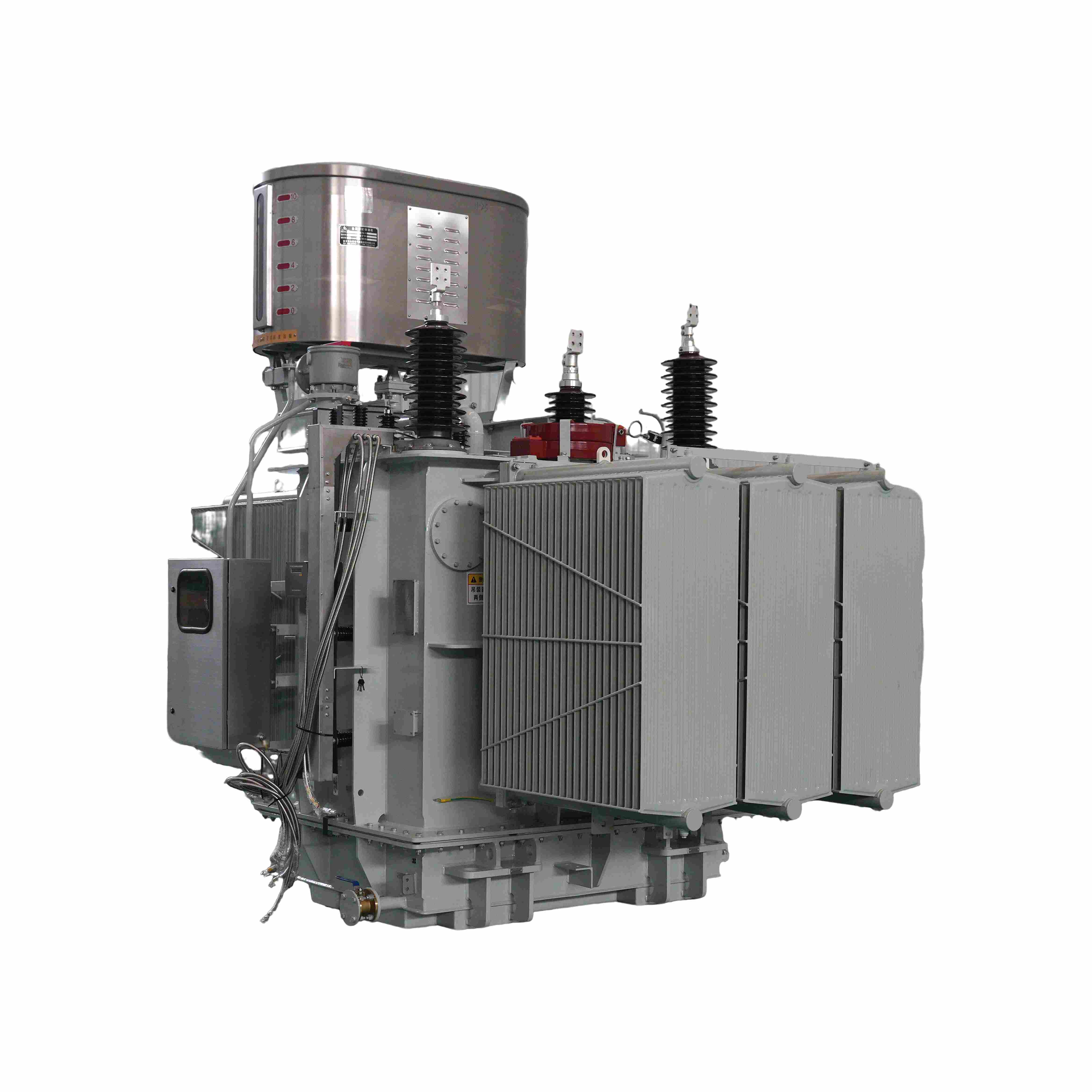
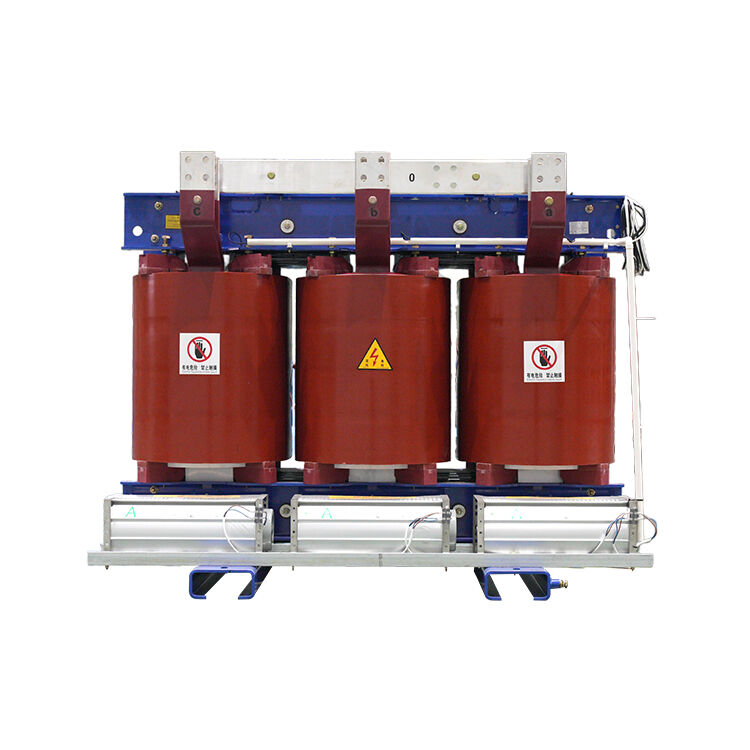
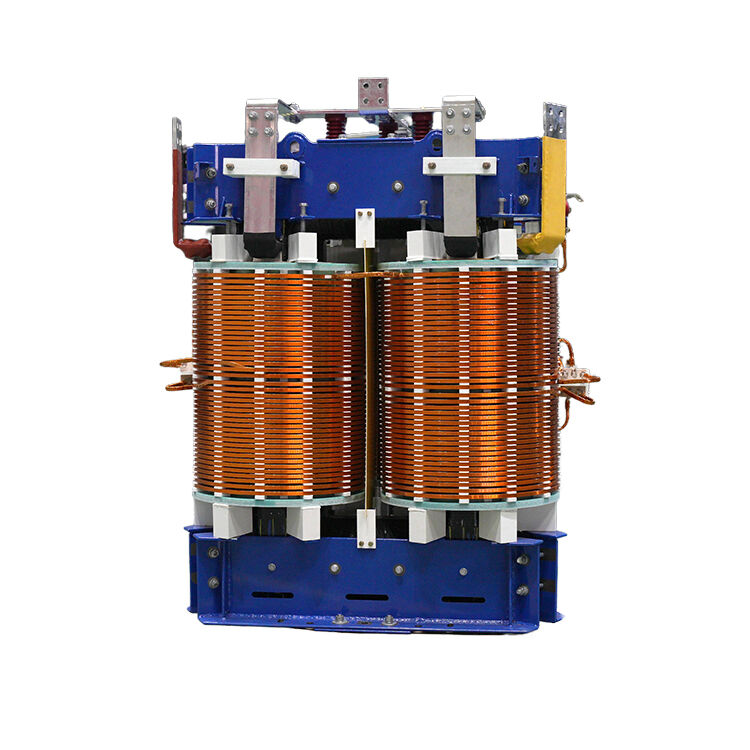
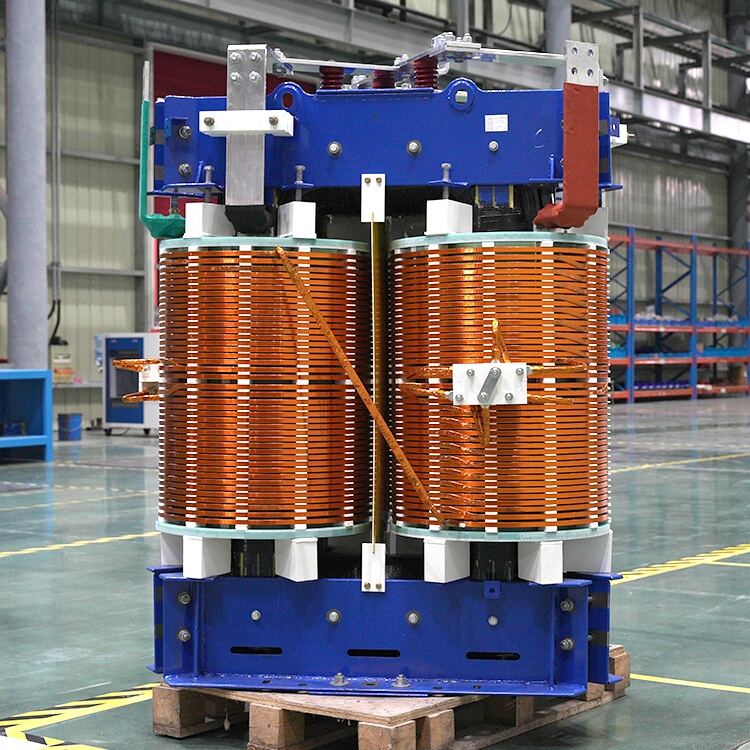
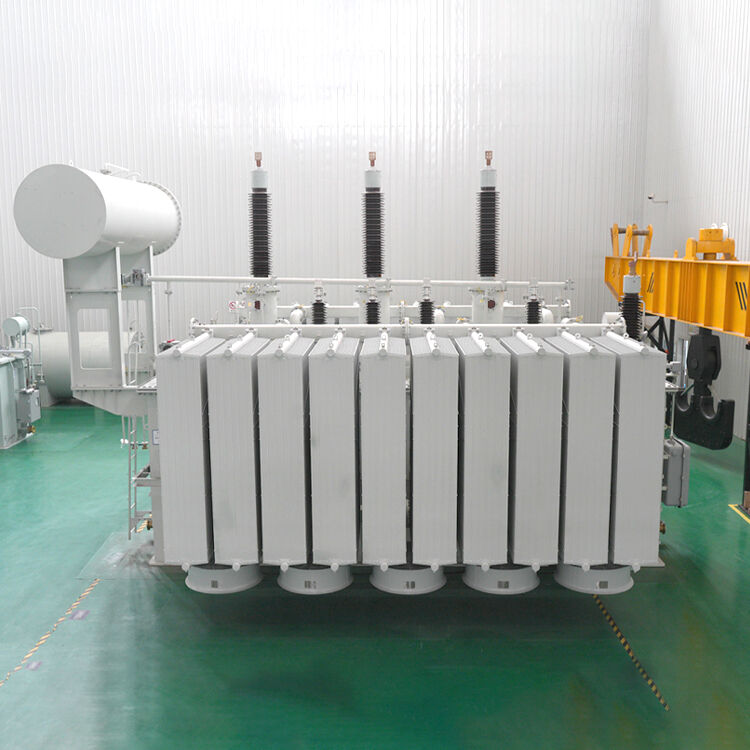
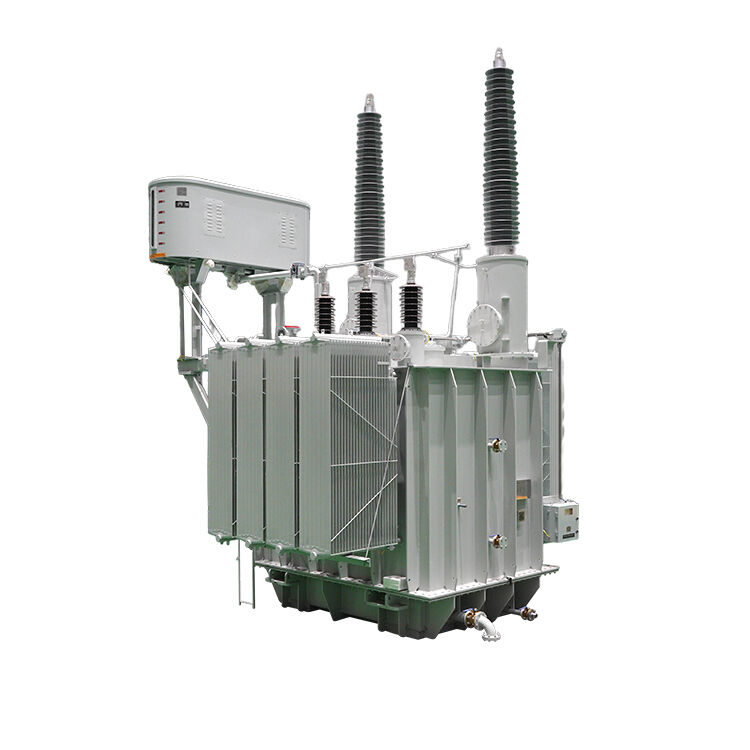
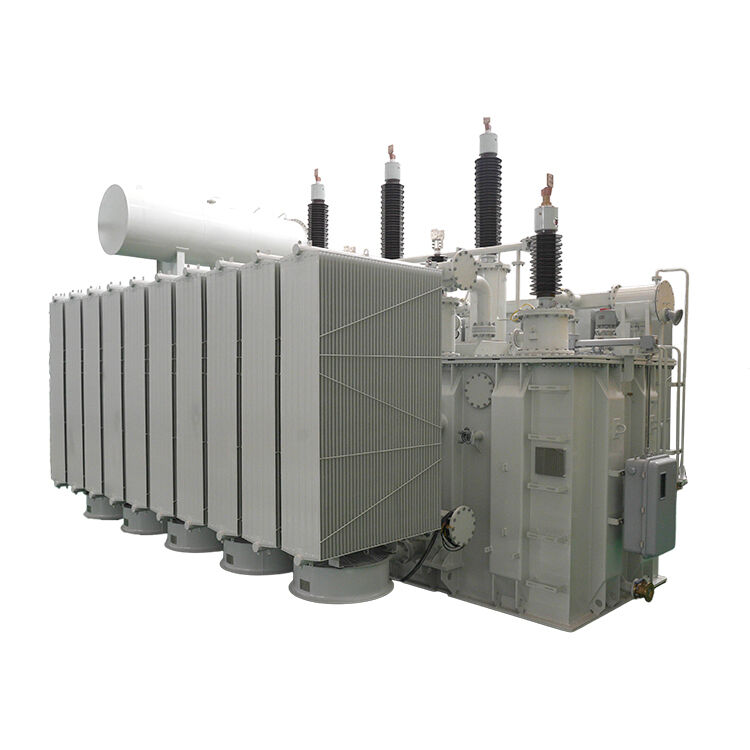
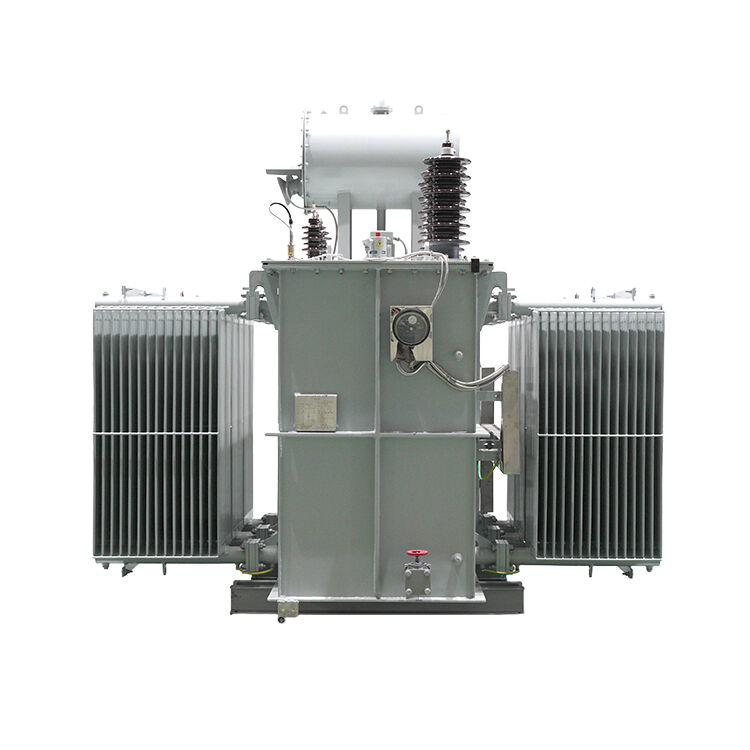
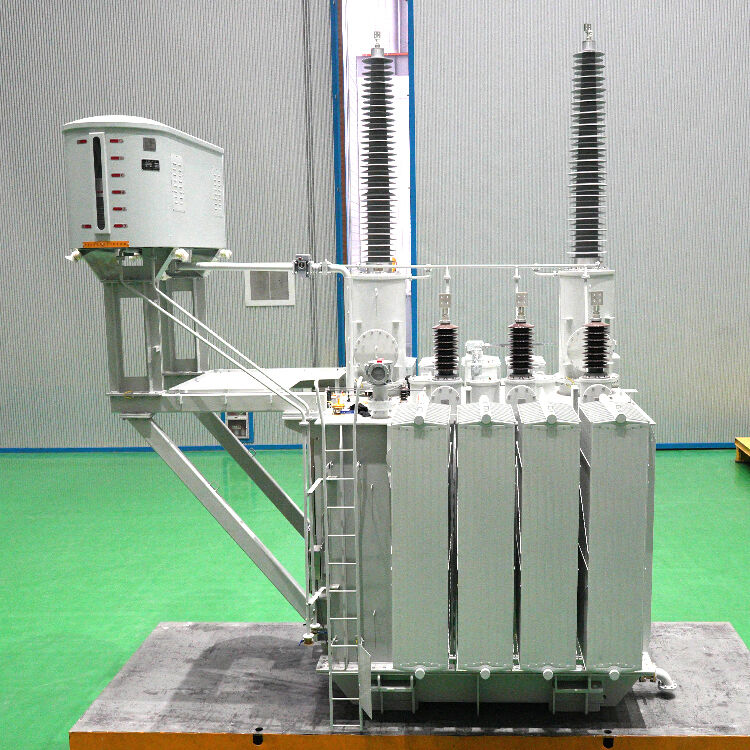
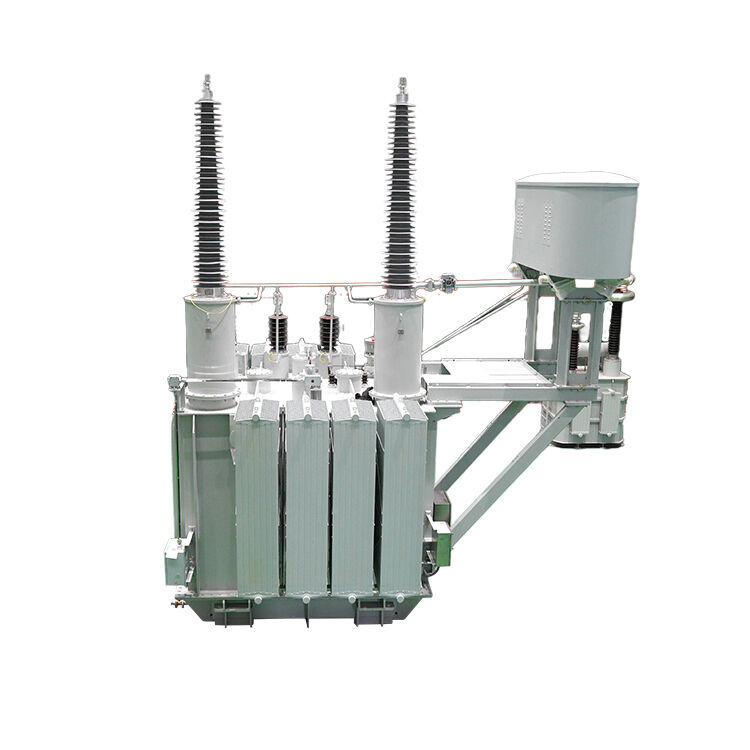
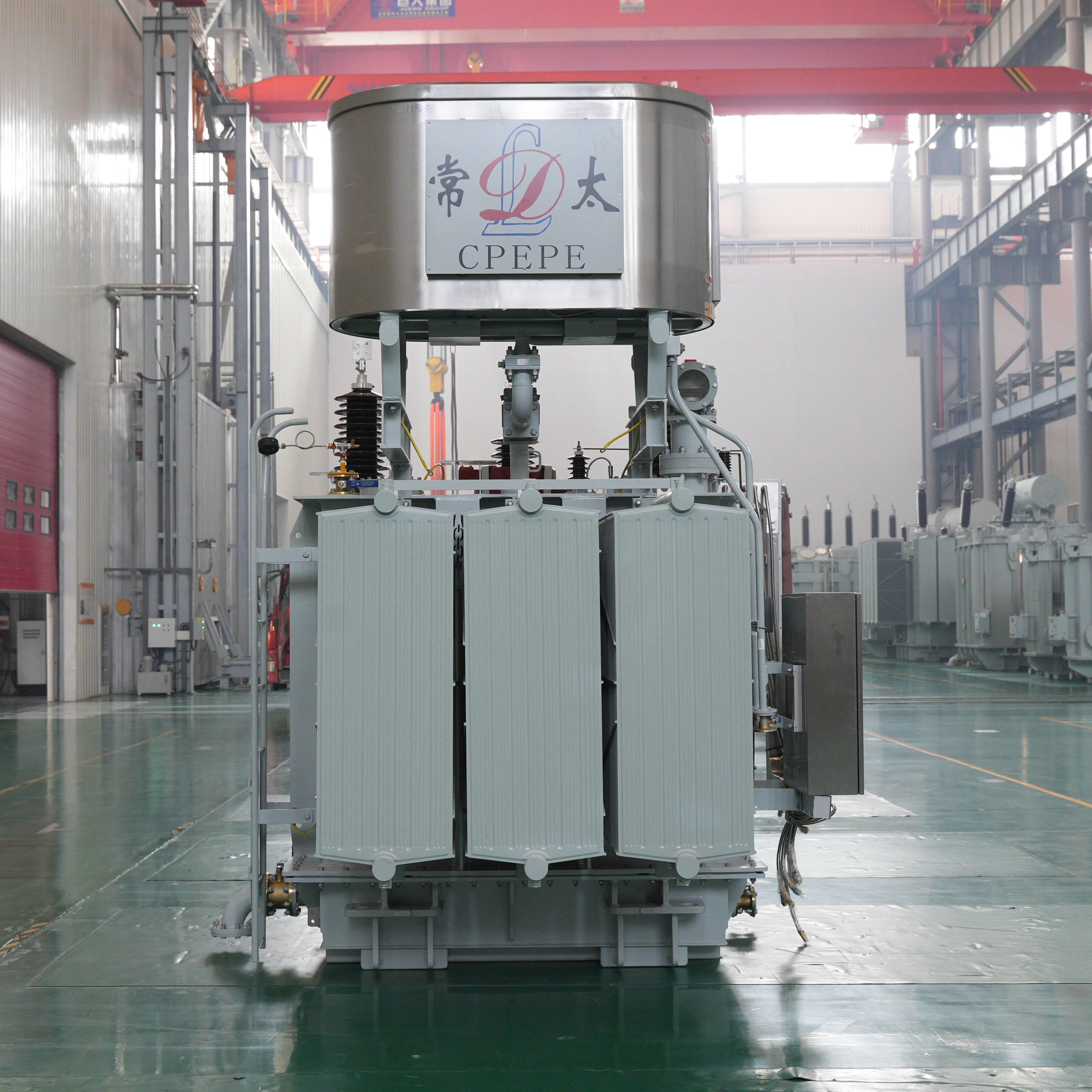
The single phase transformer represents a fundamental electrical device that operates on the principle of electromagnetic induction to transfer electrical energy between circuits while maintaining electrical isolation. This essential power equipment consists of primary and secondary windings wrapped around a laminated steel core, enabling efficient voltage conversion for countless residential, commercial, and industrial applications. The single phase transformer serves as the backbone of electrical distribution systems, converting high transmission voltages to usable levels for end consumers. Its primary function involves stepping voltage up or down depending on the turn ratio between primary and secondary windings, making it indispensable for power delivery networks. The technological features of the single phase transformer include its robust construction with high-grade silicon steel laminations that minimize core losses and improve efficiency. Advanced insulation materials ensure safe operation under various environmental conditions, while copper or aluminum windings provide excellent conductivity and thermal performance. Modern single phase transformer designs incorporate temperature monitoring systems, protective relays, and enhanced cooling mechanisms to ensure reliable long-term operation. These transformers typically operate at frequencies of 50 or 60 Hz and can handle power ratings ranging from a few VA to several MVA. Applications for the single phase transformer span numerous sectors including residential power supply, street lighting systems, small commercial buildings, agricultural installations, and specialized industrial processes. They power household appliances, lighting circuits, and electronic equipment in homes and offices. In rural areas, the single phase transformer enables electricity access for farming operations, irrigation systems, and remote facilities. The versatility of the single phase transformer makes it suitable for both indoor and outdoor installations, with weather-resistant enclosures protecting against environmental factors. Distribution companies rely heavily on these transformers for local power delivery, while manufacturers use them for specific machinery and process control applications.

New Products

The single phase transformer offers numerous practical benefits that make it the preferred choice for many electrical applications. First, its simple design and construction result in lower manufacturing costs compared to three-phase alternatives, making it economically attractive for budget-conscious projects. The straightforward winding configuration reduces complexity during production and maintenance, translating to cost savings for end users. Installation simplicity stands out as another major advantage, as the single phase transformer requires fewer connections and less complex wiring than multi-phase systems. This streamlined installation process reduces labor costs and project timelines, benefiting contractors and property owners alike. Maintenance requirements for the single phase transformer remain minimal due to its robust design and fewer moving parts. Regular visual inspections and basic electrical testing suffice for most applications, reducing ongoing operational expenses. The compact size and lighter weight of typical single phase transformer units facilitate easier handling and positioning during installation, especially in residential and small commercial settings where space constraints often exist. Energy efficiency represents a significant benefit, with modern single phase transformer designs achieving efficiency ratings exceeding 95 percent under optimal load conditions. This high efficiency translates directly into reduced energy costs and lower environmental impact over the transformer's operational lifetime. The single phase transformer demonstrates excellent reliability and longevity, often operating continuously for decades with minimal intervention when properly specified and installed. Its proven track record in countless installations worldwide provides confidence for both installers and end users. Flexibility in voltage combinations allows the single phase transformer to accommodate various input and output requirements, making it adaptable to diverse applications without extensive customization. Standard voltage ratings cover most common residential and light commercial needs, while custom designs address specialized requirements. The single phase transformer also provides excellent voltage regulation under varying load conditions, ensuring stable power delivery to connected equipment. This consistent performance protects sensitive electronic devices and maintains optimal operating conditions for motors, lighting, and other electrical loads. Safety features built into modern single phase transformer designs include overcurrent protection, thermal monitoring, and fault detection capabilities that prevent damage and ensure safe operation.

Practical Tips

How Does a Transformer Work in High Voltage Power Transmission?

08

Jan

How Does a Transformer Work in High Voltage Power Transmission?

High voltage power transmission systems form the backbone of modern electrical grids, enabling electricity to travel efficiently across vast distances. At the heart of these complex networks lies the power transformer, a crucial piece of equipment th...
View More
Why Are Transformers Critical for Industrial Power Distribution Systems?

14

Jan

Why Are Transformers Critical for Industrial Power Distribution Systems?

Industrial power distribution systems form the backbone of modern manufacturing, commercial facilities, and critical infrastructure operations. At the heart of these complex networks lies a fundamental component that ensures safe, efficient, and reli...
View More
How Do Transformers Support Grid Stability in Large-Scale Power Networks?

20

Jan

How Do Transformers Support Grid Stability in Large-Scale Power Networks?

Large-scale power networks form the backbone of modern electrical infrastructure, requiring sophisticated equipment to maintain stability and reliability across vast geographical areas. Power transformers play a crucial role in these complex systems ...
View More
What Should Utilities Consider When Selecting a Transformer Supplier?

26

Jan

What Should Utilities Consider When Selecting a Transformer Supplier?

Selecting the right supplier for power infrastructure represents one of the most critical decisions utility companies face in today's rapidly evolving energy landscape. The process of choosing a power transformer supplier requires careful evaluation ...
View More

Get a Free Quote

Our representative will contact you soon.
Email
WhatsApp/Mobile
Name
Company Name
Message
0/1000

the single phase transformer

Superior Cost-Effectiveness and Economic Value

Superior Cost-Effectiveness and Economic Value

The single phase transformer delivers exceptional economic value through its inherently simple design and manufacturing process, resulting in significantly lower initial costs compared to more complex multi-phase alternatives. This cost advantage begins during the manufacturing stage, where the straightforward single-phase configuration requires fewer materials and less complex assembly procedures. The reduced material requirements include simpler winding arrangements, smaller core structures, and fewer connection points, all contributing to lower production costs that translate directly into savings for customers. Installation expenses remain minimal due to the streamlined connection requirements of the single phase transformer, requiring only two primary and two secondary connections compared to the multiple connections needed for three-phase systems. This simplicity reduces installation time considerably, allowing electrical contractors to complete projects more efficiently and pass labor savings on to customers. The single phase transformer also eliminates the need for specialized installation equipment or extensive training, as most qualified electricians can handle the installation using standard tools and procedures. Maintenance costs throughout the operational lifetime of the single phase transformer remain exceptionally low due to its robust construction and minimal component count. The absence of complex phase relationships and reduced number of connection points minimize potential failure modes, resulting in fewer service calls and lower ongoing maintenance expenses. When maintenance is required, the straightforward design allows technicians to quickly diagnose and resolve issues without extensive troubleshooting or specialized equipment. The long operational lifespan of quality single phase transformer units, often exceeding 25-30 years with proper care, further enhances the economic value proposition by spreading the initial investment over many years of reliable service. Energy efficiency ratings of modern single phase transformer designs typically exceed 95 percent, translating into substantial energy cost savings over the unit's lifetime, making the economic benefits even more compelling for cost-conscious customers seeking long-term value.
Exceptional Reliability and Operational Stability

Exceptional Reliability and Operational Stability

The single phase transformer has earned a reputation for outstanding reliability through decades of proven performance in countless installations worldwide, making it the go-to choice for applications requiring dependable power conversion. This reliability stems from the fundamental simplicity of the single-phase design, which eliminates many potential failure points associated with more complex multi-phase systems. The robust construction typical of quality single phase transformer units incorporates high-grade materials and time-tested manufacturing techniques that ensure consistent performance under varying operating conditions. Silicon steel laminations in the core minimize energy losses while providing excellent magnetic properties that remain stable over many years of operation. The winding systems in reliable single phase transformer designs use premium copper or aluminum conductors with advanced insulation materials that withstand thermal cycling, moisture, and other environmental stresses without degradation. Temperature management represents a critical aspect of single phase transformer reliability, with modern designs incorporating effective cooling systems that maintain optimal operating temperatures even under full load conditions. This thermal stability prevents premature aging of insulation materials and ensures consistent electrical performance throughout the transformer's operational life. Voltage regulation capabilities of the single phase transformer remain exceptionally stable across varying load conditions, providing consistent output voltage that protects connected equipment and maintains optimal system performance. This stability is particularly important for sensitive electronic equipment and precision machinery that require steady power supplies. The single phase transformer also demonstrates excellent overload capability, handling temporary power surges and load variations without damage or performance degradation. Built-in protection features in modern single phase transformer designs include thermal monitoring, overcurrent protection, and fault detection systems that automatically disconnect the unit if abnormal conditions occur, preventing damage and ensuring safe operation. Quality assurance testing during manufacturing ensures that each single phase transformer meets strict performance standards before delivery, providing customers with confidence in their investment and long-term operational reliability.
Versatile Application Range and Adaptability

Versatile Application Range and Adaptability

The single phase transformer demonstrates remarkable versatility across an extensive range of applications, making it suitable for diverse industries and installation environments from residential homes to specialized industrial facilities. This adaptability begins with the wide variety of power ratings available, ranging from small units handling just a few VA for electronic circuits to large installations managing several MVA for industrial processes. Residential applications represent one of the largest markets for the single phase transformer, where these units provide essential voltage conversion for household electrical systems, stepping down utility voltages to safe levels for appliances, lighting, and electronic equipment. The compact form factor of residential single phase transformer units allows for easy integration into existing electrical panels or utility connections without requiring extensive modifications to building infrastructure. Commercial applications benefit from the flexibility of the single phase transformer in powering office buildings, retail establishments, restaurants, and small manufacturing facilities where three-phase power may not be available or necessary. The ability to customize voltage combinations makes the single phase transformer adaptable to international markets with different voltage standards, allowing manufacturers to serve global customers with appropriately configured units. Agricultural applications showcase another important use case, where the single phase transformer powers irrigation systems, barn lighting, grain handling equipment, and other farm machinery in rural areas where utility power may be limited or require voltage conversion. Industrial processes often require specialized single phase transformer configurations for specific equipment such as welding machines, induction heating systems, testing equipment, and control circuits that operate on single-phase power regardless of the facility's primary three-phase supply. The environmental adaptability of modern single phase transformer designs allows installation in various climates and conditions, with weather-resistant enclosures protecting against moisture, temperature extremes, and corrosive atmospheres. Indoor installations benefit from compact designs that fit in electrical rooms, utility closets, or dedicated transformer vaults, while outdoor units withstand harsh weather conditions while maintaining reliable operation year-round.

Get a Free Quote

Our representative will contact you soon.
Email
WhatsApp/Mobile
Name
Company Name
Message
0/1000