Auto Transformer Step Down: Efficient Voltage Reduction Solutions for Industrial Applications

Get a Free Quote

Our representative will contact you soon.
Email
WhatsApp/Mobile
Name
Company Name
Message
0/1000

auto transformer step down

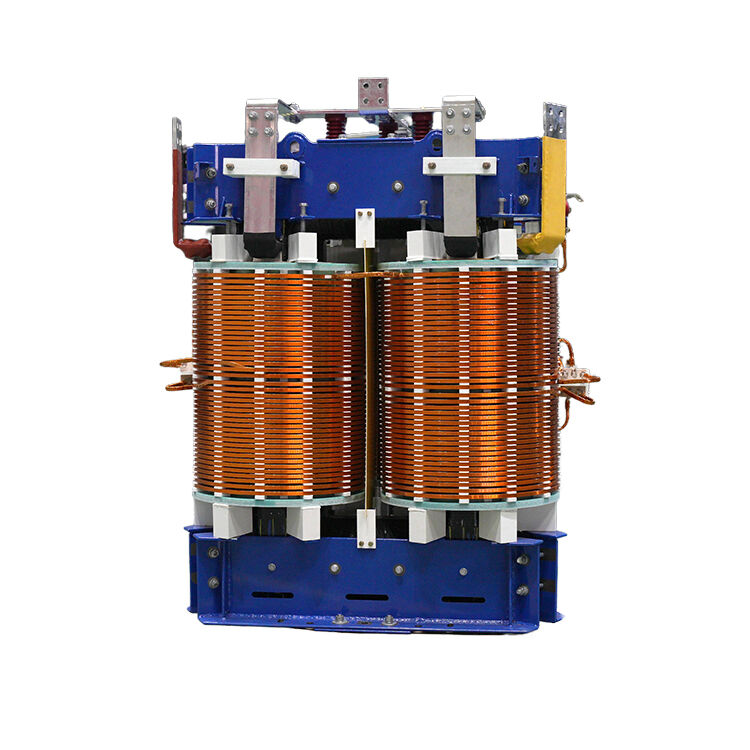
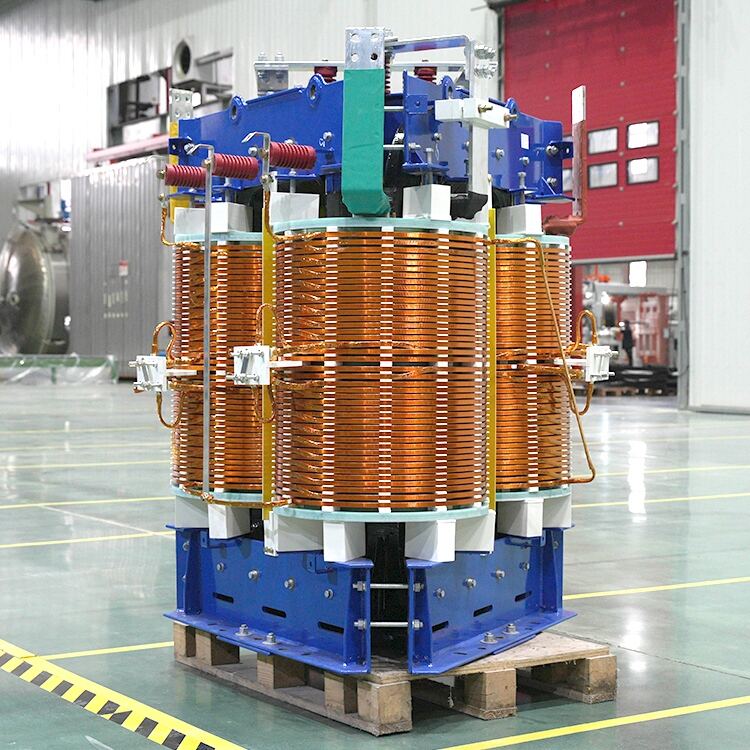
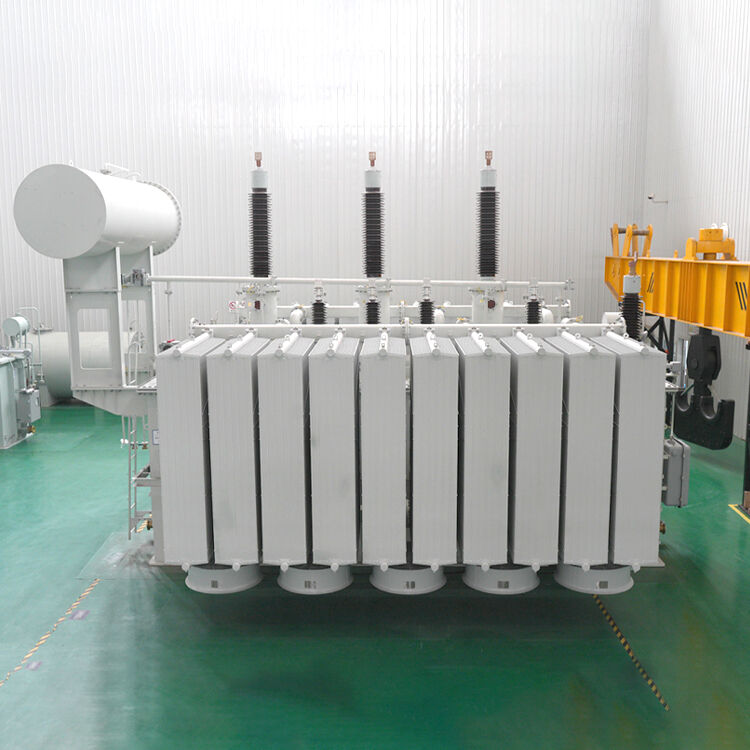
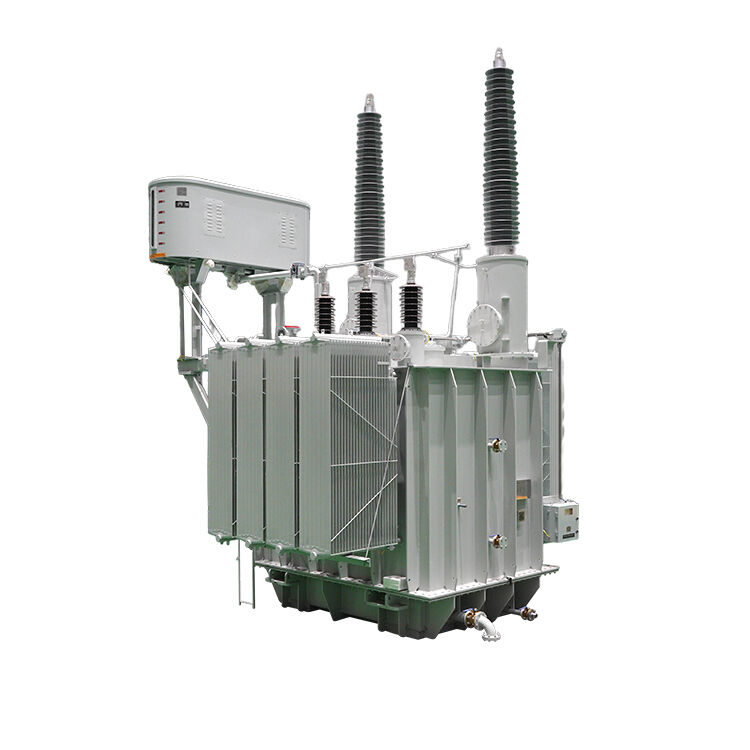
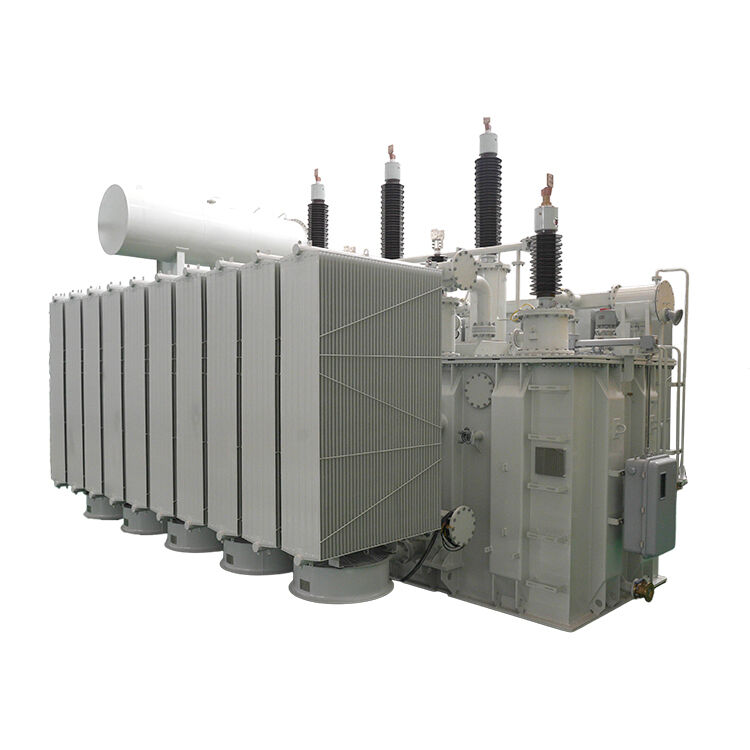
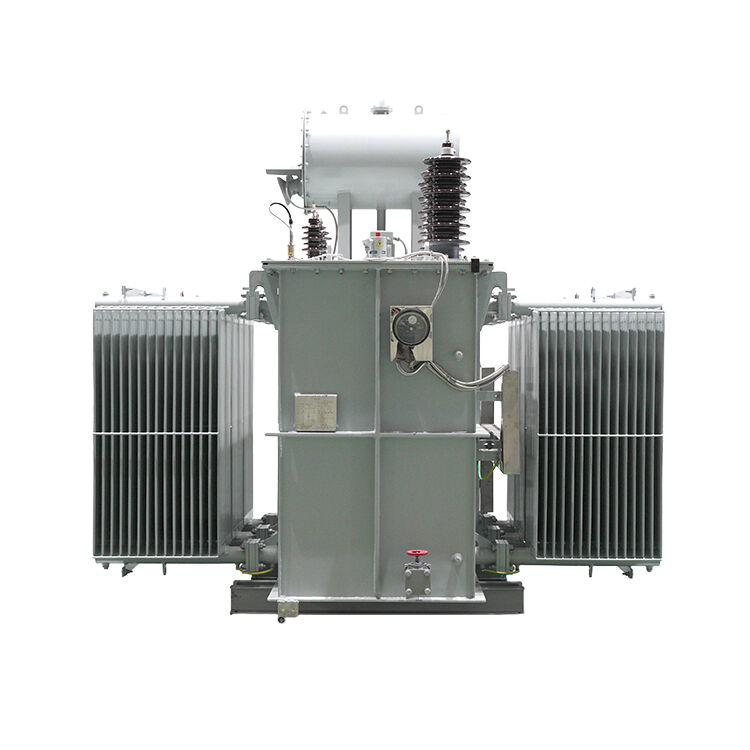
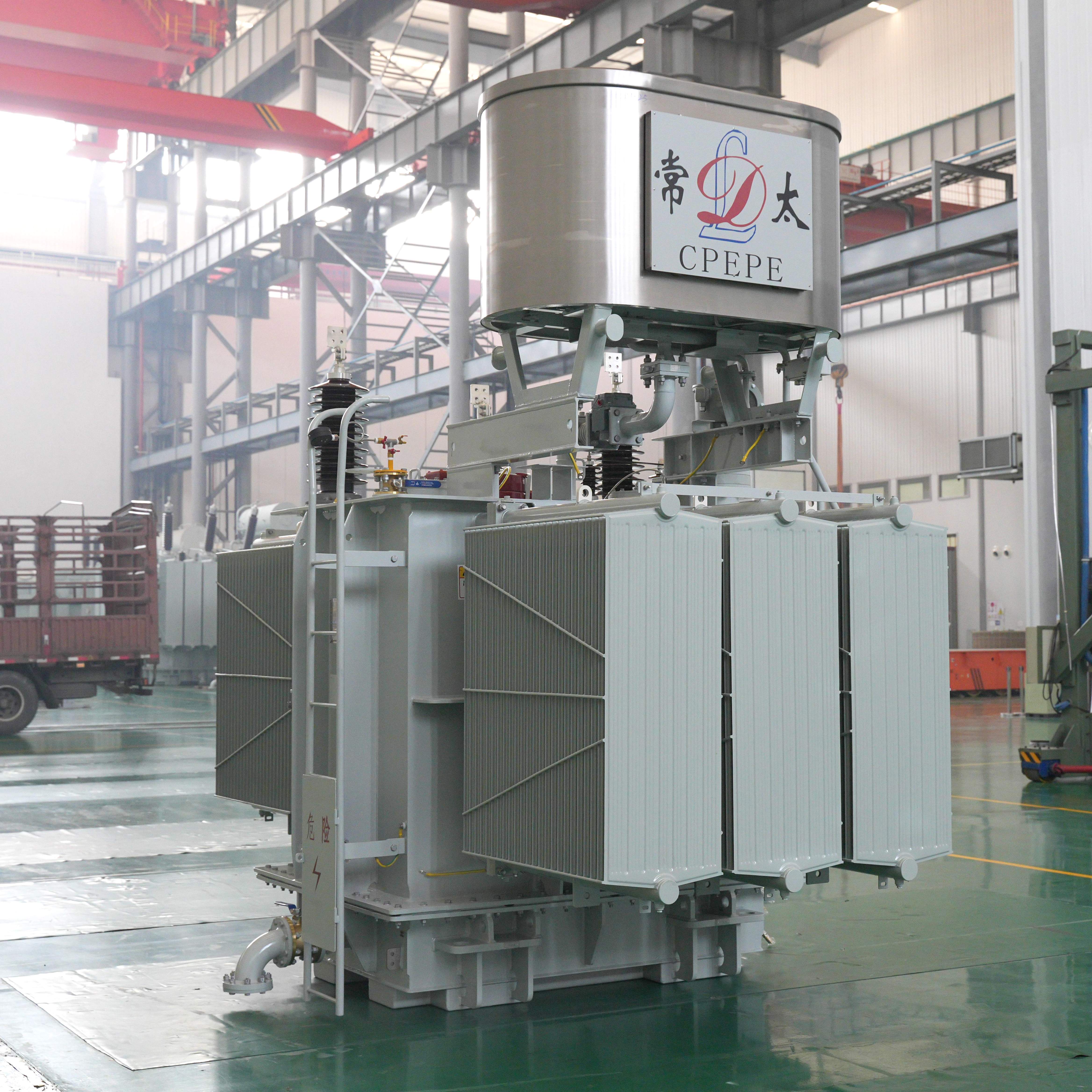
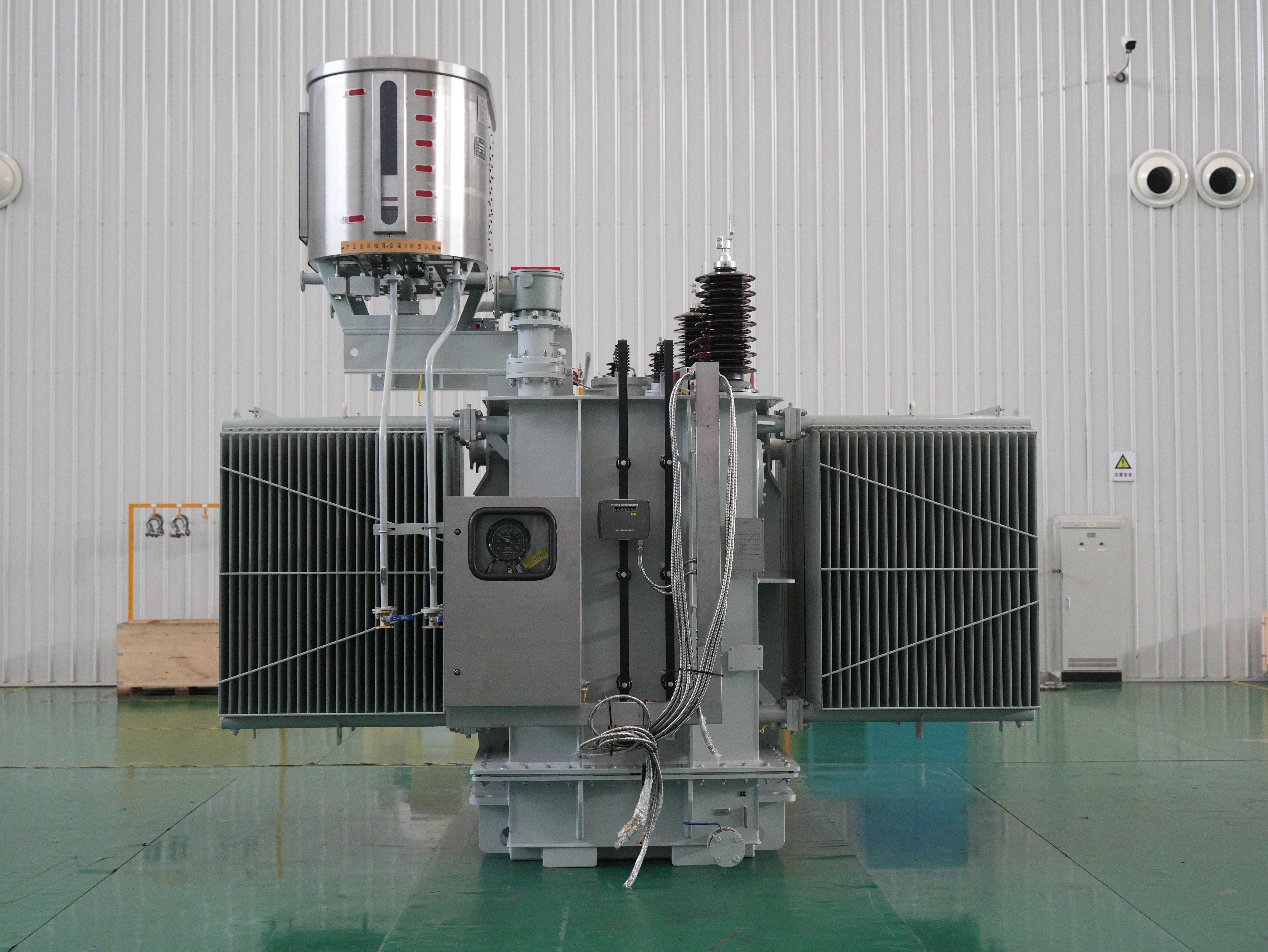
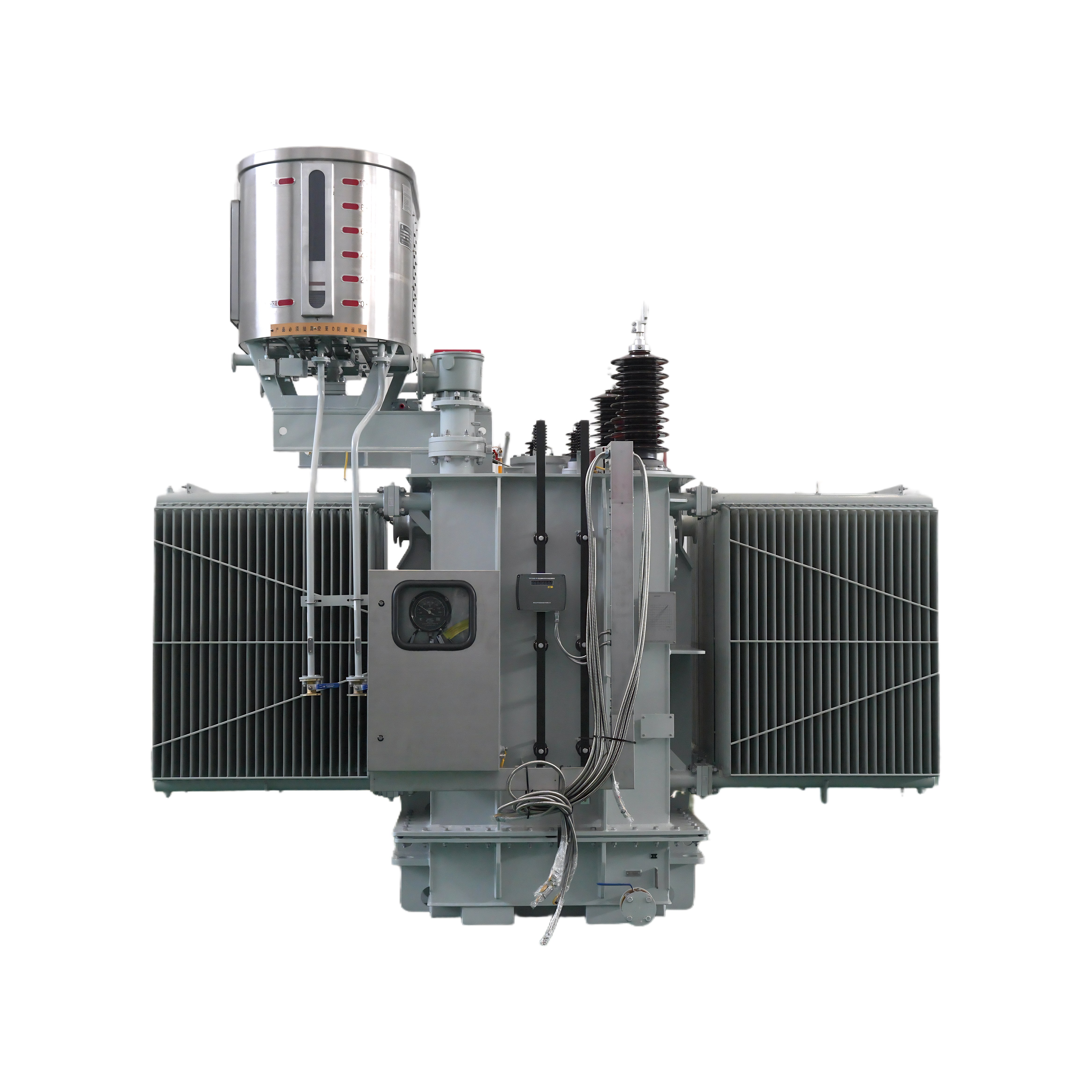
An auto transformer step down represents a specialized electrical device designed to reduce voltage levels while maintaining power efficiency and compact design. Unlike conventional transformers that utilize separate primary and secondary windings, the auto transformer step down employs a single continuous winding with multiple taps, creating a more streamlined approach to voltage transformation. This innovative configuration allows the device to step down high voltage inputs to lower, more manageable output levels suitable for various electrical applications. The core functionality revolves around electromagnetic induction principles, where the auto transformer step down utilizes a shared winding section between input and output circuits. This shared connection enables the device to transfer electrical energy more efficiently than traditional isolation transformers. The technological architecture features a laminated steel core that minimizes energy losses through eddy currents and hysteresis, while the continuous winding design reduces material requirements and overall manufacturing costs. Modern auto transformer step down units incorporate advanced insulation materials and precise winding techniques to ensure reliable operation under varying load conditions. The device operates by connecting the load across a portion of the total winding, effectively reducing the voltage proportionally to the turns ratio. This method proves particularly effective for applications requiring moderate voltage reduction without complete electrical isolation. Industries commonly deploy auto transformer step down systems in power distribution networks, manufacturing facilities, and commercial buildings where space constraints and efficiency requirements demand optimal solutions. The versatility of these devices extends to motor starting applications, lighting systems, and laboratory equipment where precise voltage control becomes essential. Safety features integrated into modern auto transformer step down designs include thermal protection, overcurrent monitoring, and surge suppression capabilities. These protective mechanisms ensure reliable operation while preventing damage from electrical faults or unexpected load variations, making the auto transformer step down an indispensable component in contemporary electrical infrastructure.

New Product Recommendations

The auto transformer step down delivers exceptional cost-effectiveness compared to conventional transformer solutions, primarily due to its simplified construction and reduced material requirements. This economic advantage stems from using approximately 15-20% less copper and steel than equivalent isolation transformers, resulting in significant savings for both manufacturers and end users. The shared winding design eliminates the need for separate primary and secondary coils, reducing manufacturing complexity and associated production costs. Installation expenses decrease substantially because auto transformer step down units require smaller mounting spaces and simplified wiring configurations. Maintenance costs remain minimal throughout the operational lifespan due to fewer components and robust construction methods. Energy efficiency represents another compelling advantage, with auto transformer step down systems achieving efficiency ratings between 98-99%, significantly higher than many alternative voltage regulation methods. This superior efficiency translates directly into reduced operating costs and lower environmental impact through decreased energy consumption. The compact footprint of auto transformer step down units addresses space limitations common in modern electrical installations, allowing engineers to maximize available space while maintaining optimal performance. Weight reduction becomes particularly beneficial in applications where structural loading presents concerns or transportation costs impact project budgets. Thermal performance excels due to improved heat dissipation characteristics inherent in the single-winding design, extending operational lifespan and reducing cooling requirements. The auto transformer step down provides excellent voltage regulation under varying load conditions, maintaining stable output voltage even when input fluctuations occur. This regulation capability protects sensitive equipment from voltage variations that could cause damage or performance degradation. Response time improvements allow auto transformer step down systems to react quickly to load changes, ensuring consistent power quality for connected equipment. Reliability increases through simplified construction with fewer connection points and reduced complexity compared to multi-winding alternatives. Manufacturing standardization enables consistent quality control and predictable performance characteristics across different production batches. The auto transformer step down integrates seamlessly with existing electrical systems, requiring minimal modifications to accommodate installation. Flexibility in tap arrangements allows customization for specific voltage requirements, providing tailored solutions for diverse applications. Environmental benefits include reduced material consumption during manufacturing and improved recyclability at end-of-life, supporting sustainability initiatives. Noise levels remain significantly lower than many conventional transformers, making auto transformer step down units suitable for noise-sensitive environments such as hospitals, schools, and residential areas.

Tips And Tricks

How Does a Transformer Work in High Voltage Power Transmission?

08

Jan

How Does a Transformer Work in High Voltage Power Transmission?

High voltage power transmission systems form the backbone of modern electrical grids, enabling electricity to travel efficiently across vast distances. At the heart of these complex networks lies the power transformer, a crucial piece of equipment th...
View More
Why Are Transformers Critical for Industrial Power Distribution Systems?

14

Jan

Why Are Transformers Critical for Industrial Power Distribution Systems?

Industrial power distribution systems form the backbone of modern manufacturing, commercial facilities, and critical infrastructure operations. At the heart of these complex networks lies a fundamental component that ensures safe, efficient, and reli...
View More
How Do Transformers Support Grid Stability in Large-Scale Power Networks?

20

Jan

How Do Transformers Support Grid Stability in Large-Scale Power Networks?

Large-scale power networks form the backbone of modern electrical infrastructure, requiring sophisticated equipment to maintain stability and reliability across vast geographical areas. Power transformers play a crucial role in these complex systems ...
View More
What Should Utilities Consider When Selecting a Transformer Supplier?

26

Jan

What Should Utilities Consider When Selecting a Transformer Supplier?

Selecting the right supplier for power infrastructure represents one of the most critical decisions utility companies face in today's rapidly evolving energy landscape. The process of choosing a power transformer supplier requires careful evaluation ...
View More

Get a Free Quote

Our representative will contact you soon.
Email
WhatsApp/Mobile
Name
Company Name
Message
0/1000

auto transformer step down

Superior Energy Efficiency and Cost Savings

Superior Energy Efficiency and Cost Savings

The auto transformer step down delivers unmatched energy efficiency that directly translates into substantial cost savings for businesses and organizations seeking optimal power management solutions. This exceptional efficiency stems from the innovative single-winding design that minimizes energy losses typically associated with traditional transformer configurations. When electrical current flows through the shared winding of an auto transformer step down, the magnetic coupling between input and output circuits operates at near-perfect efficiency levels, often exceeding 98% under normal operating conditions. This high efficiency means that less electrical energy converts to waste heat, reducing cooling requirements and associated energy costs. The economic impact becomes particularly significant in continuous-operation environments where even small efficiency improvements accumulate into substantial savings over time. For industrial facilities operating multiple auto transformer step down units, the cumulative energy savings can reduce annual electricity costs by thousands of dollars while simultaneously decreasing the facility's carbon footprint. The reduced heat generation also extends component lifespan, minimizing replacement costs and maintenance intervals. Additionally, the lower thermal stress on insulation materials prevents premature aging, ensuring consistent performance throughout the device's operational life. Utility companies often provide incentives for installing high-efficiency equipment like auto transformer step down systems, offering rebates or reduced rates that further enhance the economic benefits. The compact design requires less installation space, reducing construction costs and allowing more efficient use of valuable real estate in commercial and industrial facilities. Manufacturing cost advantages pass directly to customers, as the simplified construction process and reduced material requirements enable competitive pricing without compromising quality or performance. The auto transformer step down's efficiency advantages become even more pronounced in applications with varying load profiles, where traditional transformers might operate at reduced efficiency during partial load conditions, while the auto transformer maintains optimal performance across a broader range of operating conditions.
Compact Design with Maximum Space Utilization

Compact Design with Maximum Space Utilization

The auto transformer step down revolutionizes space utilization in electrical installations through its remarkably compact design that delivers maximum performance within minimal footprint requirements. This space-saving advantage becomes increasingly critical as modern facilities face growing pressure to optimize available space while accommodating expanding electrical infrastructure needs. The innovative single-winding construction eliminates the bulk associated with separate primary and secondary coils found in conventional transformers, reducing overall dimensions by up to 40% compared to equivalent-rated isolation transformers. This size reduction proves particularly valuable in urban environments where real estate costs remain high and every square foot of space carries significant economic value. The auto transformer step down's reduced weight, typically 20-30% lighter than comparable conventional units, simplifies installation procedures and reduces structural support requirements. Facility managers appreciate the flexibility this compact design provides when planning electrical room layouts or retrofitting existing installations with upgraded equipment. The smaller footprint allows multiple auto transformer step down units to fit within spaces previously occupied by single larger transformers, enabling more distributed power management strategies. This distribution capability improves system reliability by reducing single points of failure while providing better load balancing across facility electrical systems. Transportation costs decrease significantly due to reduced size and weight, making the auto transformer step down more economical for projects requiring multiple units or installations in remote locations. The compact design facilitates easier access for maintenance personnel, as technicians can work around the equipment more efficiently without requiring extensive space for maintenance procedures. Cooling requirements diminish due to the smaller thermal mass and improved heat dissipation characteristics, often eliminating the need for dedicated ventilation systems or allowing the use of smaller cooling equipment. The auto transformer step down's space efficiency extends beyond the device itself, as the simplified installation requirements reduce the need for extensive support structures, cable management systems, and protective enclosures. This comprehensive space optimization creates opportunities for facilities to expand their electrical capacity without major construction projects or facility relocations, providing scalability that adapts to growing operational demands while maintaining cost-effective power distribution solutions.
Enhanced Reliability and Simplified Maintenance

Enhanced Reliability and Simplified Maintenance

The auto transformer step down establishes new standards for reliability and maintenance simplicity through its robust construction and streamlined design that minimizes potential failure points while maximizing operational uptime. This reliability advantage stems from the fundamental design principle that reduces the number of connection points, winding interfaces, and complex components typically found in conventional transformer systems. The single continuous winding configuration eliminates the potential for primary-to-secondary winding failures that can plague traditional transformers, creating a more dependable power conversion solution for critical applications. Manufacturing precision in auto transformer step down production ensures consistent quality control and predictable performance characteristics that facility managers can rely upon for long-term operational planning. The simplified construction translates directly into reduced maintenance requirements, as fewer components mean fewer elements that require regular inspection, testing, or replacement over the device's operational lifespan. Maintenance technicians benefit from the straightforward design that allows quick visual inspections and simplified diagnostic procedures, reducing both maintenance time and associated labor costs. The auto transformer step down's thermal characteristics contribute significantly to reliability, as the improved heat dissipation prevents hot spots that commonly cause premature failure in conventional transformers. This thermal advantage extends insulation life and maintains consistent electrical characteristics throughout the operating temperature range. Diagnostic capabilities built into modern auto transformer step down systems provide real-time monitoring of key performance parameters, enabling predictive maintenance strategies that prevent unexpected failures and optimize maintenance scheduling. The robust construction methods employed in auto transformer step down manufacturing utilize high-grade materials and proven assembly techniques that withstand electrical stress, mechanical vibration, and environmental variations commonly encountered in industrial applications. Quality assurance testing during production ensures each auto transformer step down meets stringent reliability standards before deployment, providing customers with confidence in their investment. The simplified design philosophy extends to troubleshooting procedures, where technicians can quickly identify and resolve issues without requiring specialized diagnostic equipment or extensive training programs. Replacement part availability remains excellent due to the standardized construction methods and common components used across different auto transformer step down models, minimizing downtime when repairs become necessary and ensuring long-term serviceability for critical power systems.

Get a Free Quote

Our representative will contact you soon.
Email
WhatsApp/Mobile
Name
Company Name
Message
0/1000