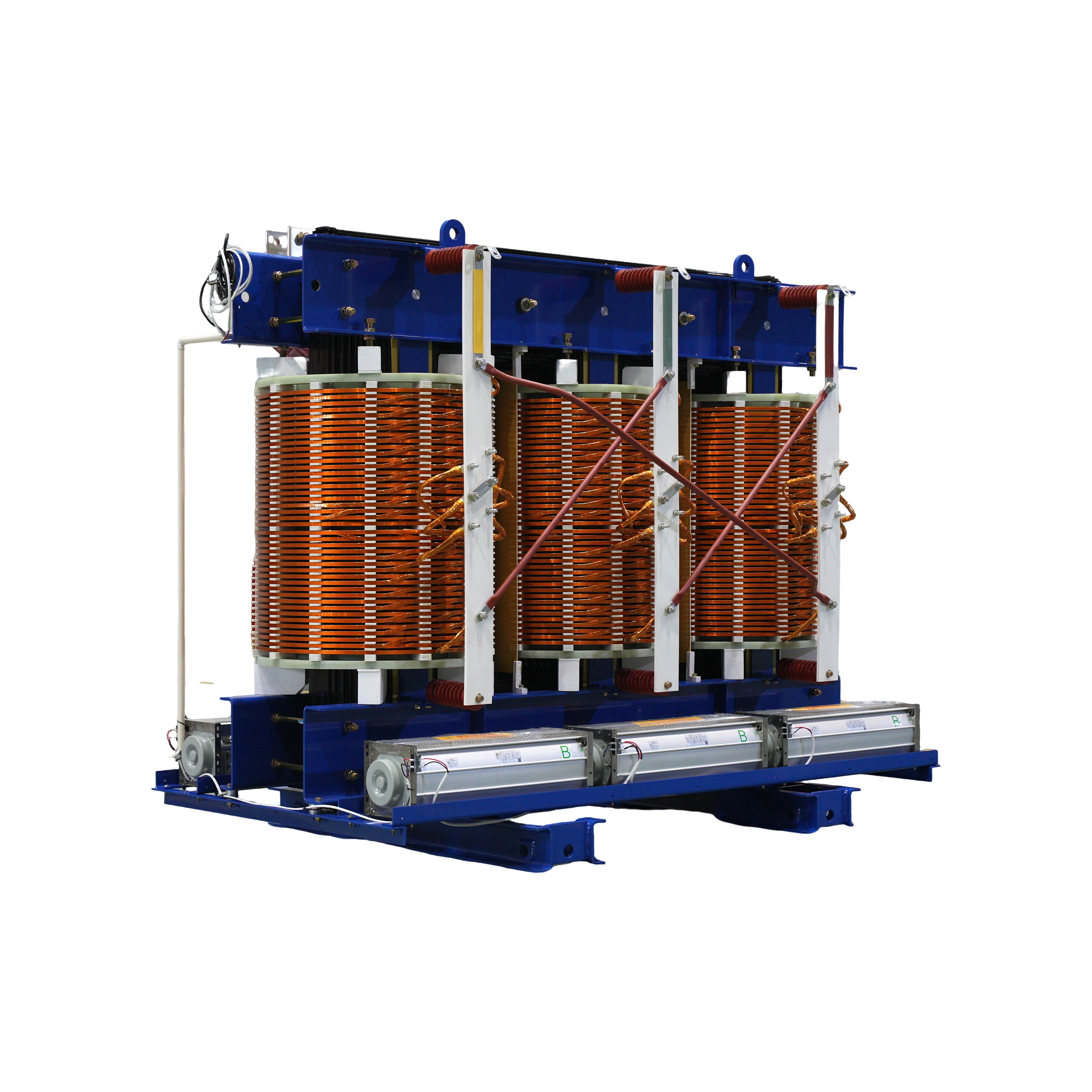
Superior Harmonic Suppression and Power Quality Enhancement
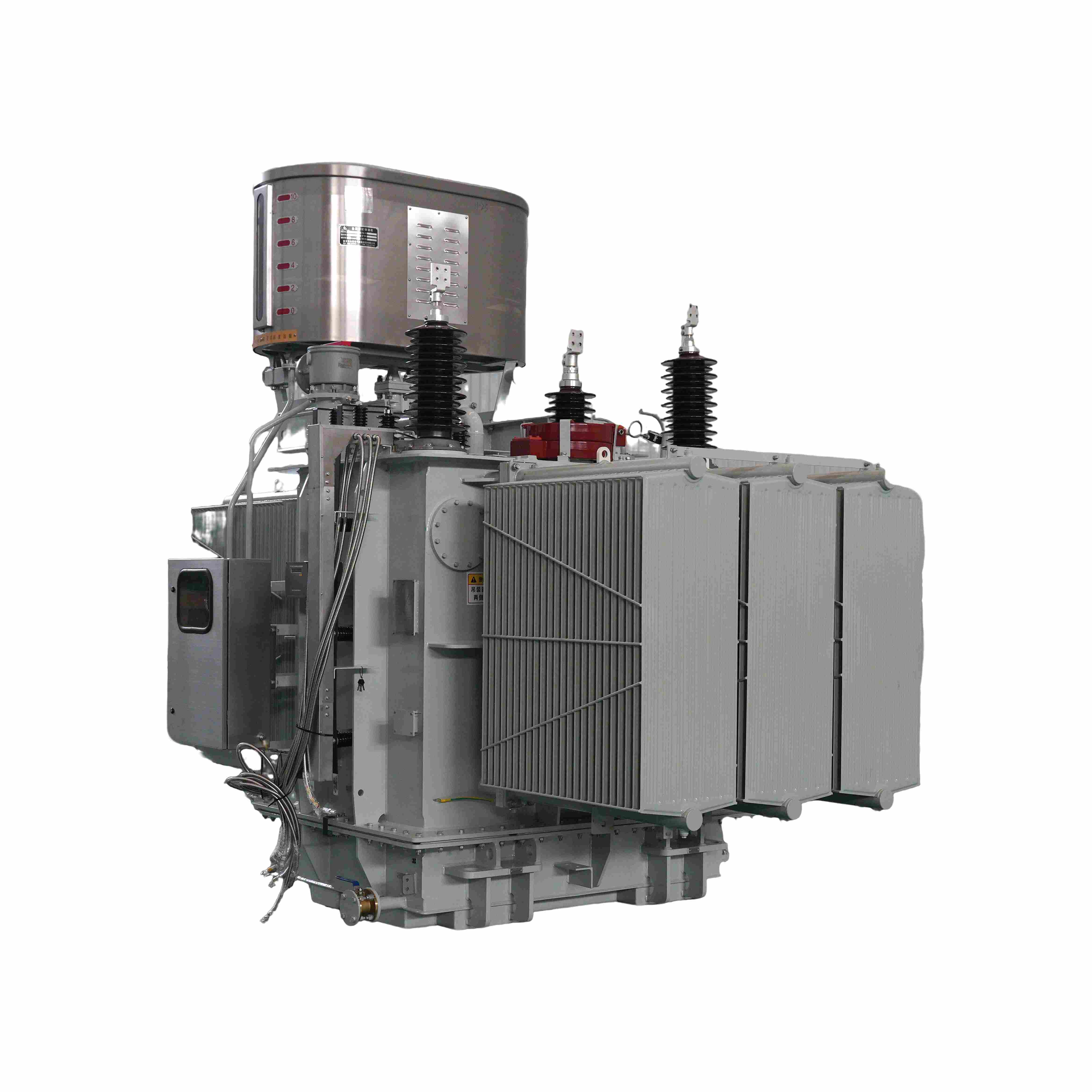
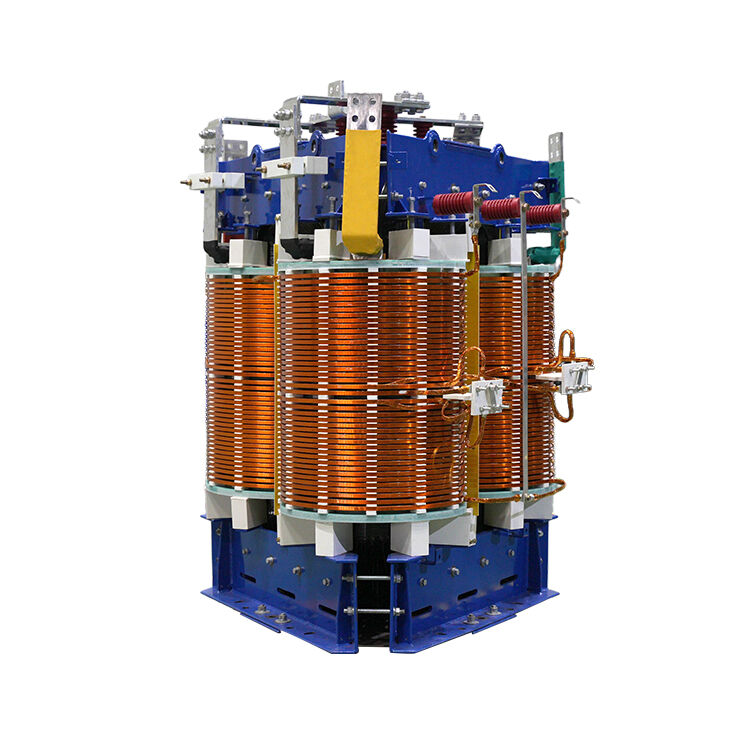
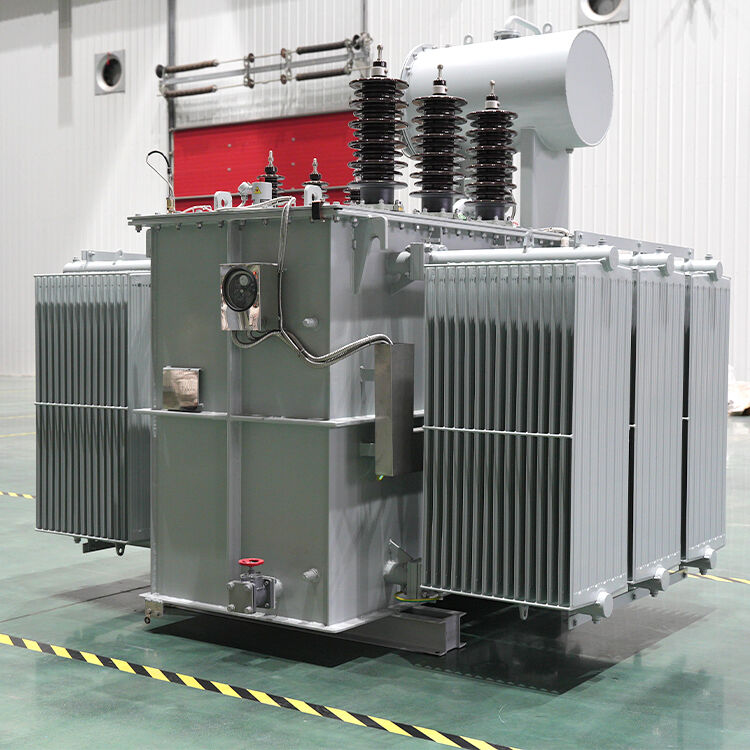
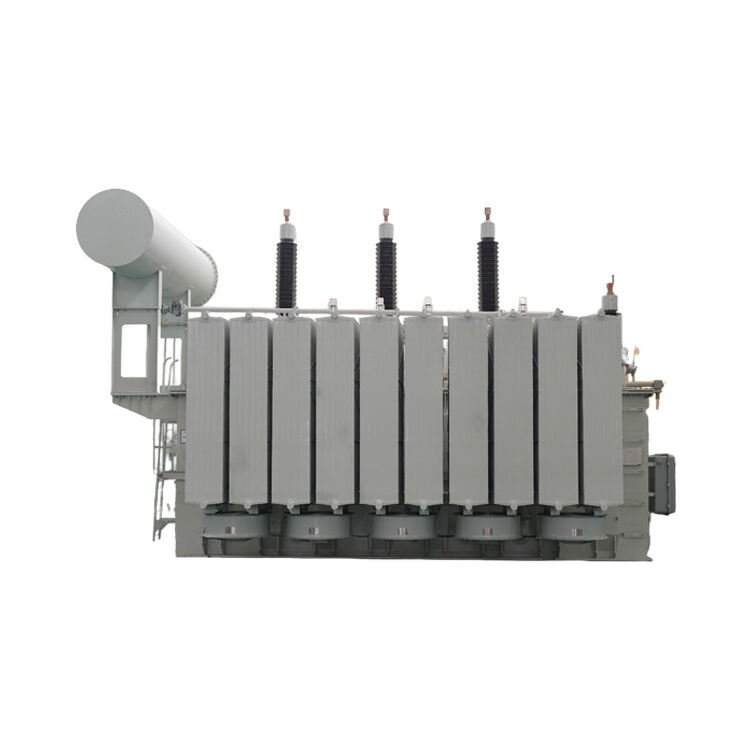
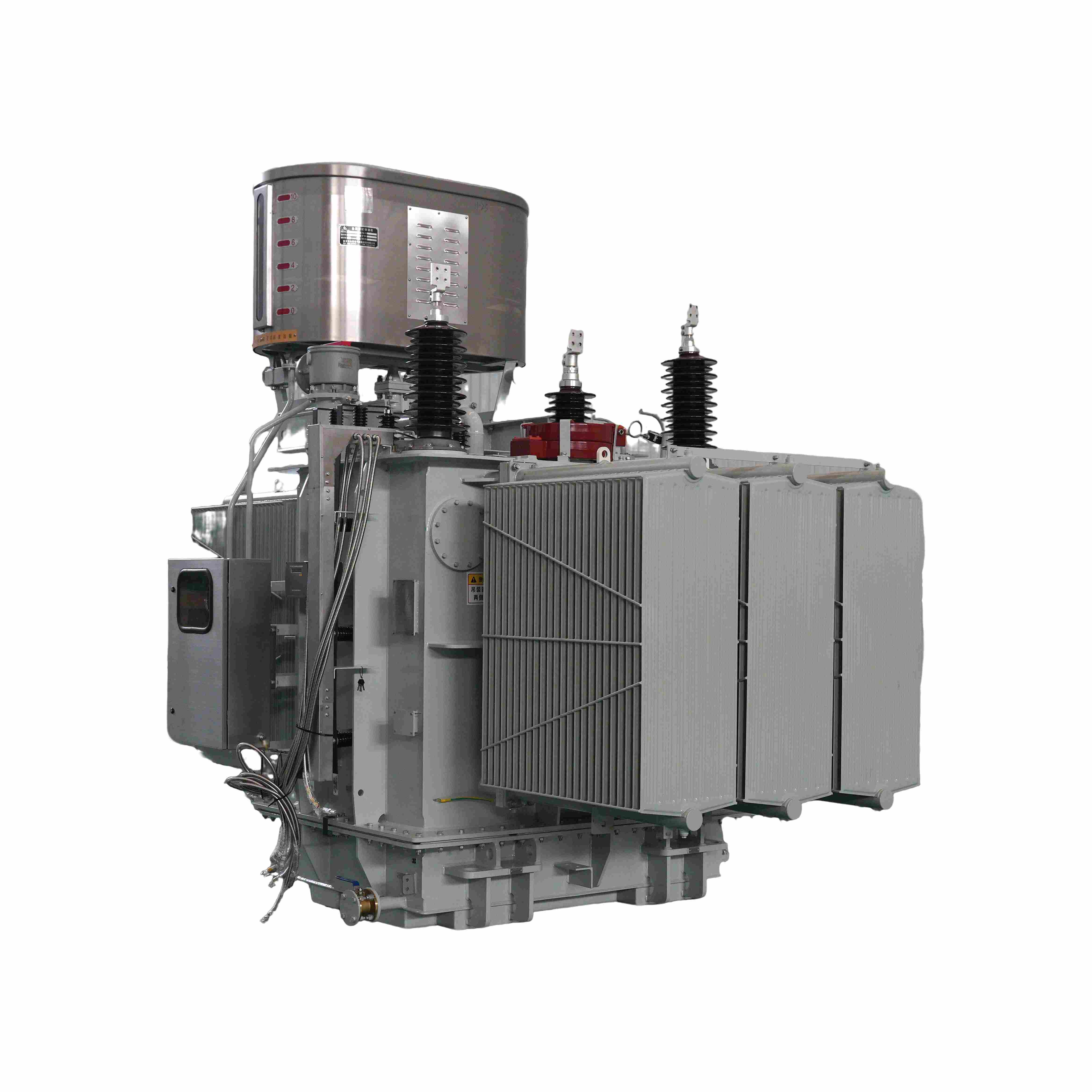
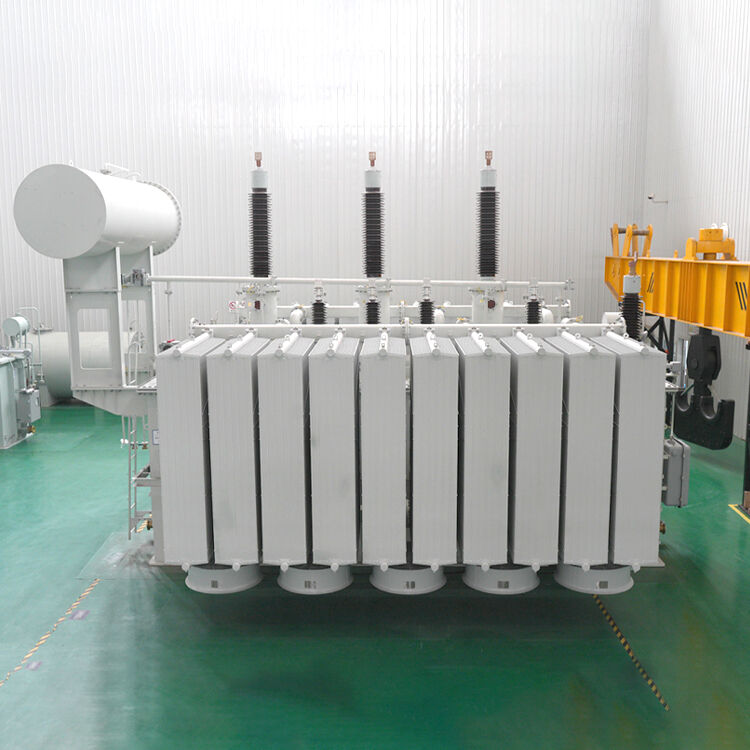
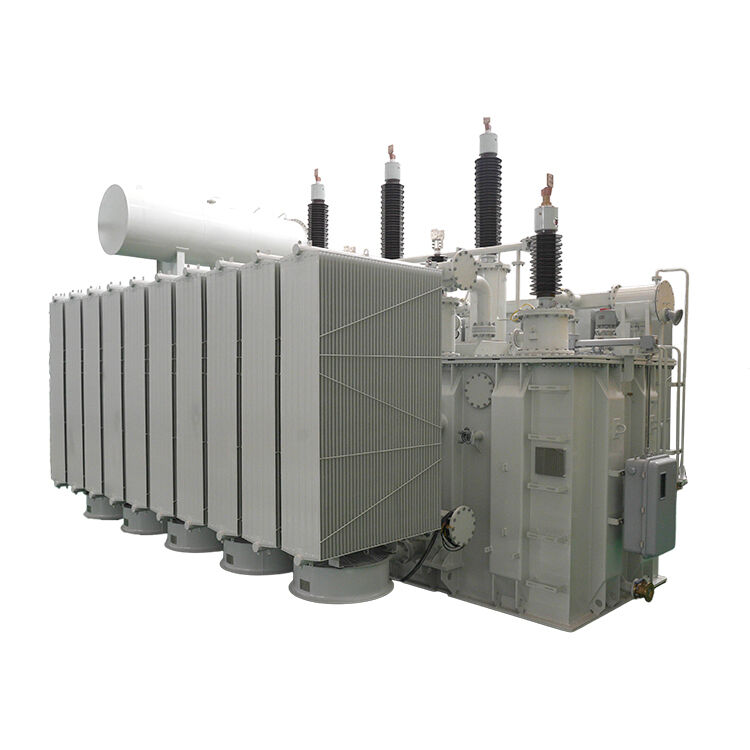
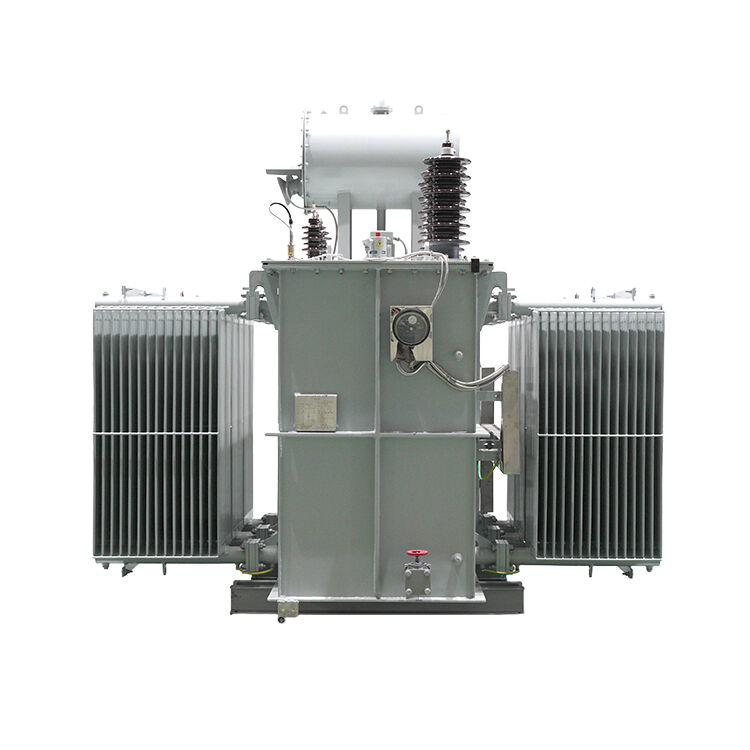
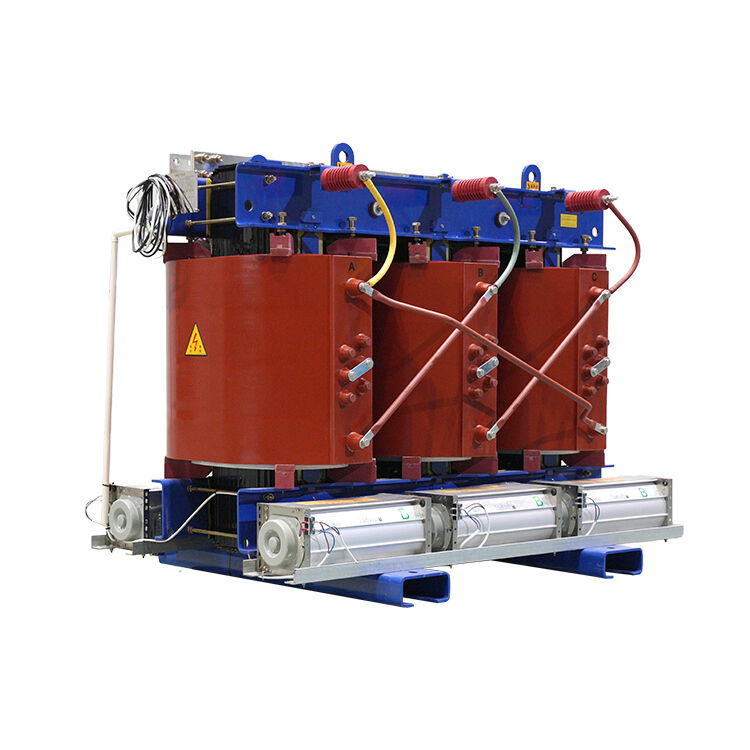
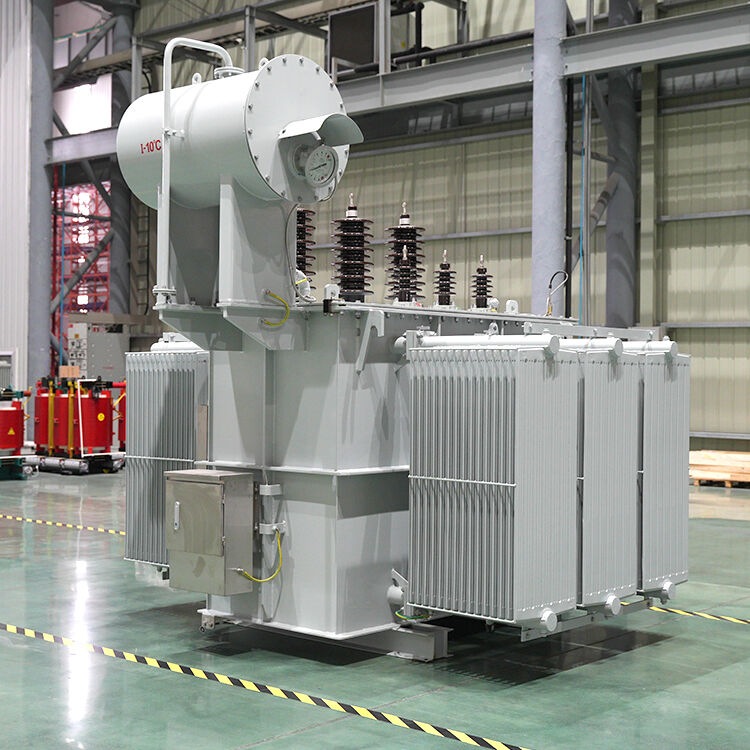
Delta star distribution transformers excel in delivering exceptional power quality through their inherent harmonic suppression capabilities, making them indispensable for modern electrical installations where sensitive electronic equipment demands clean, stable power. The delta primary winding configuration creates a closed loop that effectively traps third harmonic currents, preventing these distortions from propagating back into the supply system or affecting downstream equipment. This natural filtering action occurs without requiring additional harmonic mitigation equipment, providing significant cost savings and simplified system design. Third harmonic currents, which are particularly problematic in systems with non-linear loads such as computers, LED lighting, and variable frequency drives, can cause overheating, reduced efficiency, and premature equipment failure. The delta star distribution transformer eliminates these concerns by containing these currents within the delta loop, where they circulate harmlessly without affecting the overall power quality. This harmonic suppression capability becomes increasingly important as modern facilities incorporate more electronic loads that generate harmonic distortion. The transformer's ability to maintain sinusoidal voltage waveforms translates into improved equipment performance, reduced electromagnetic interference, and compliance with power quality standards. Additionally, the star secondary configuration provides balanced three-phase voltages even under unbalanced loading conditions, further enhancing power quality for connected equipment. The combination of harmonic suppression and voltage regulation capabilities makes delta star distribution transformers ideal for critical applications such as hospitals, data centers, manufacturing facilities, and commercial complexes where power quality directly impacts operational reliability and equipment longevity. Users benefit from reduced equipment maintenance, lower energy costs, improved system efficiency, and enhanced protection for valuable electronic assets, resulting in substantial long-term savings and improved operational performance.
 EN
EN