Dry Distribution Transformer: Advanced Electrical Solutions for Safe, Efficient Power Distribution

Get a Free Quote

Our representative will contact you soon.
Email
WhatsApp/Mobile
Name
Company Name
Message
0/1000

dry distribution transformer

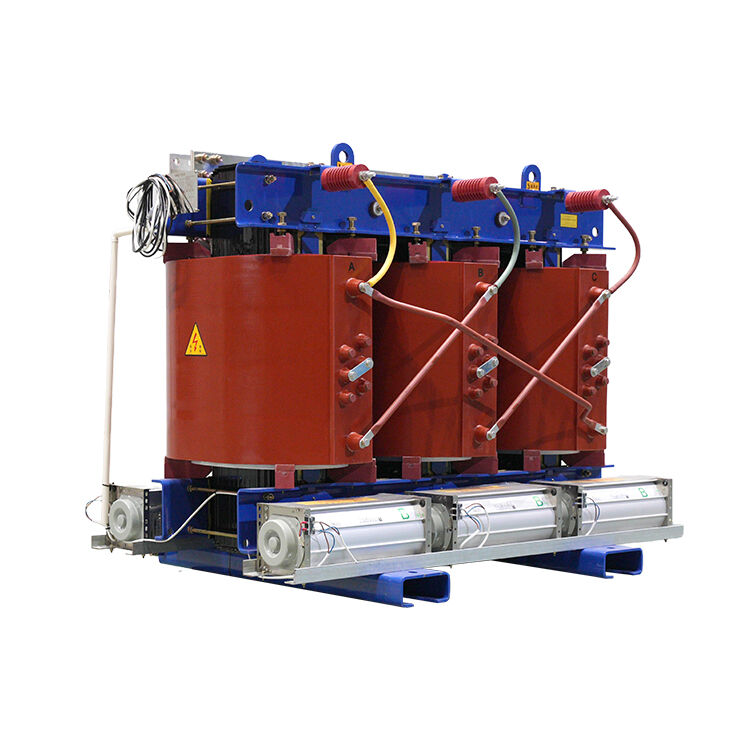
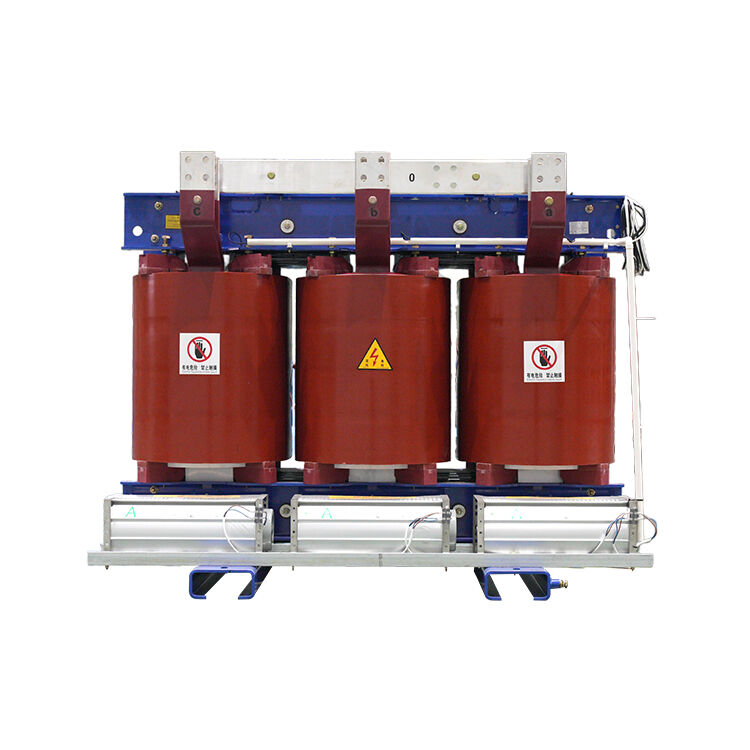
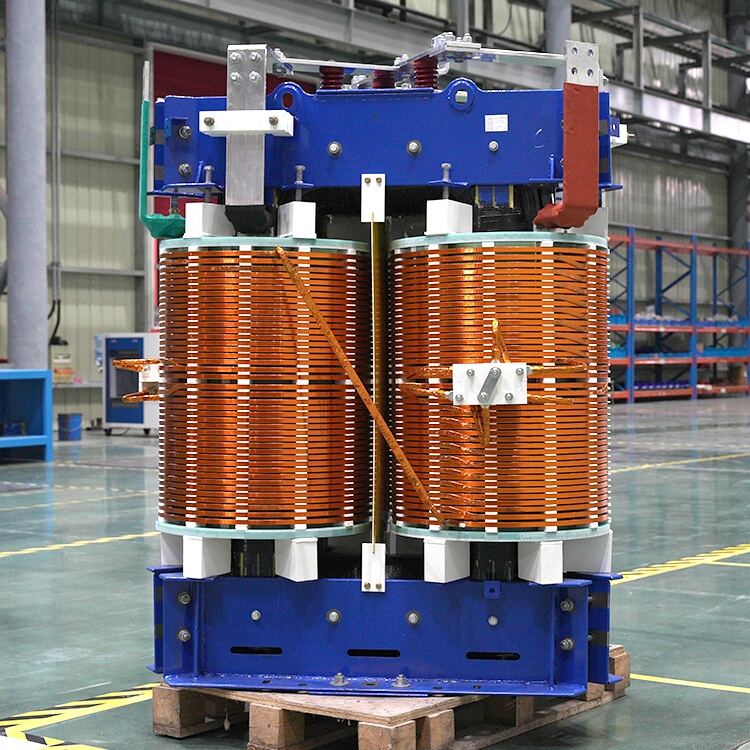
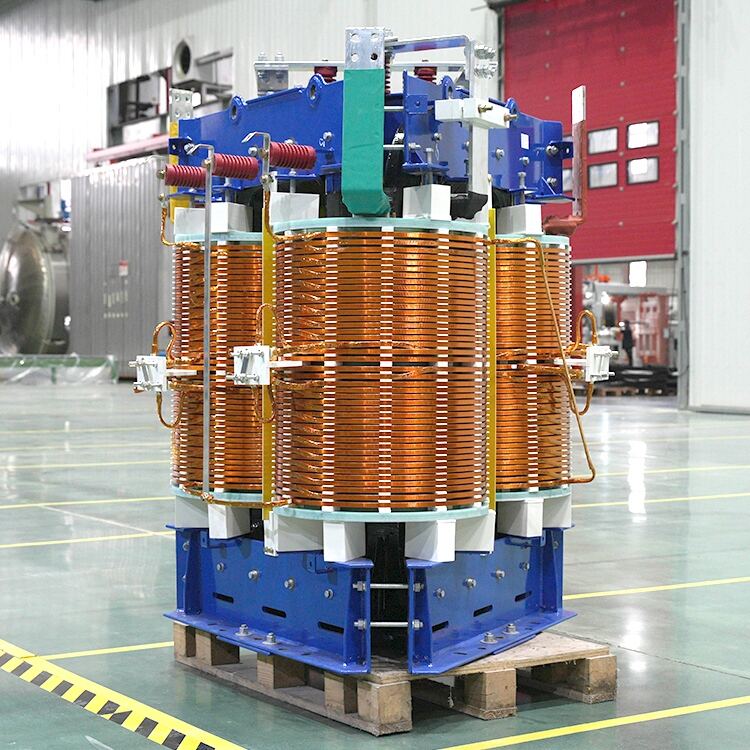
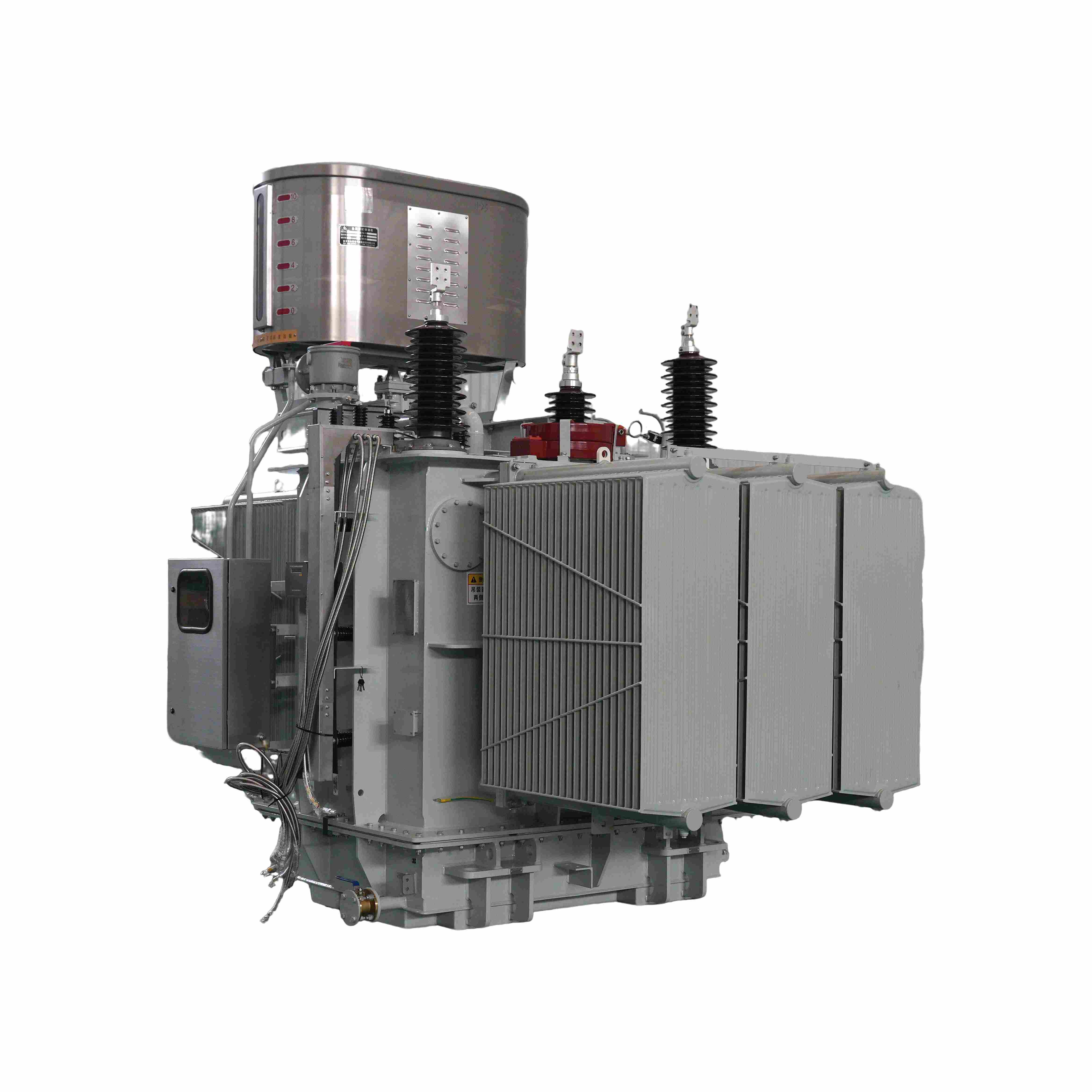
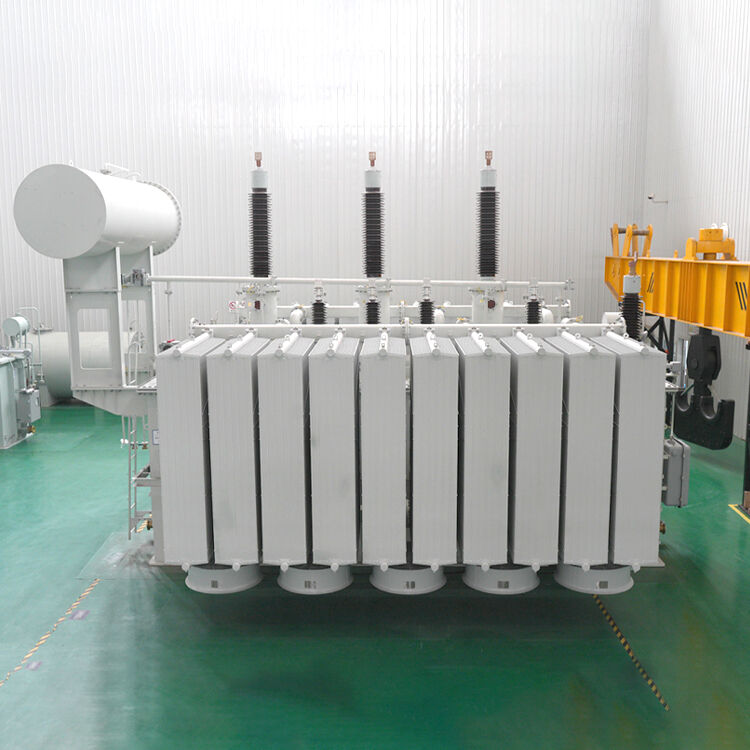
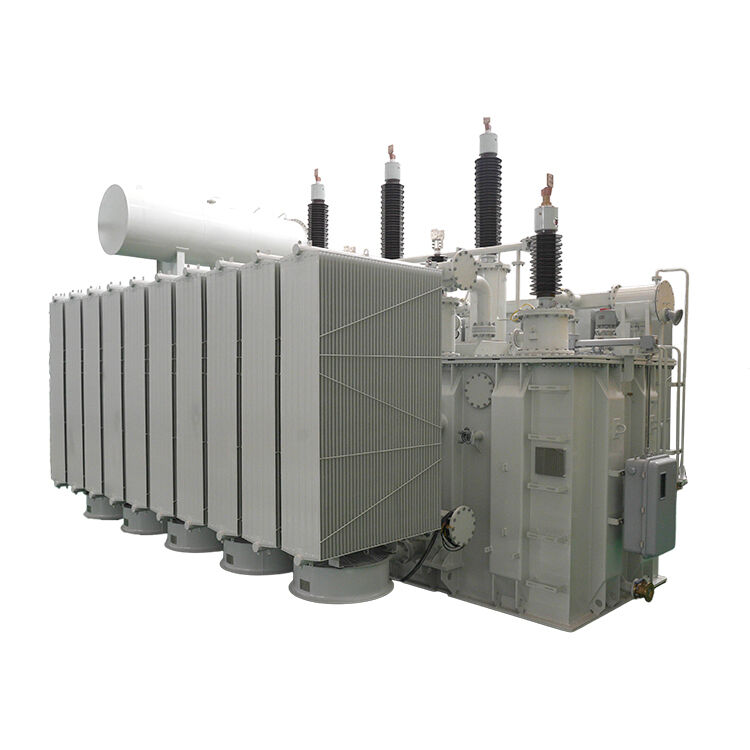
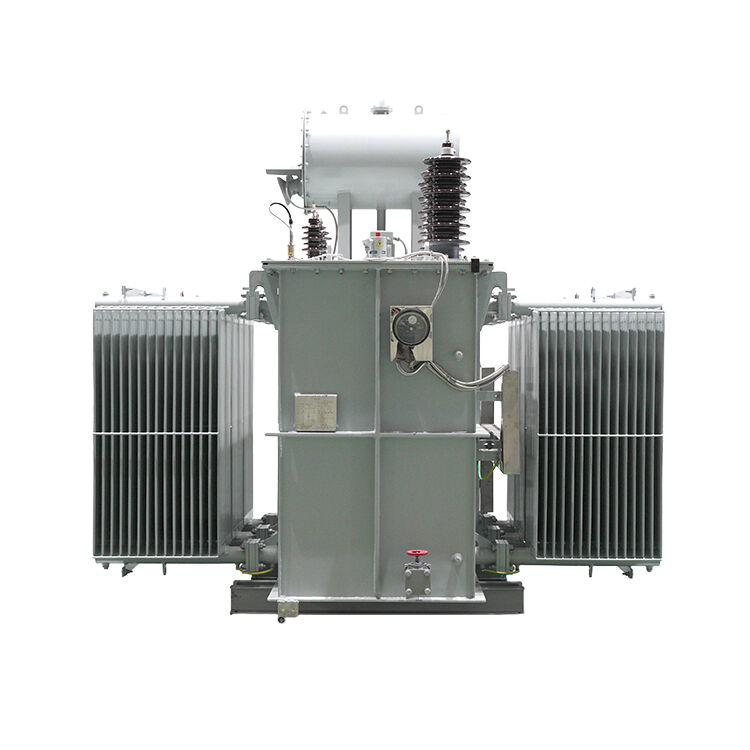
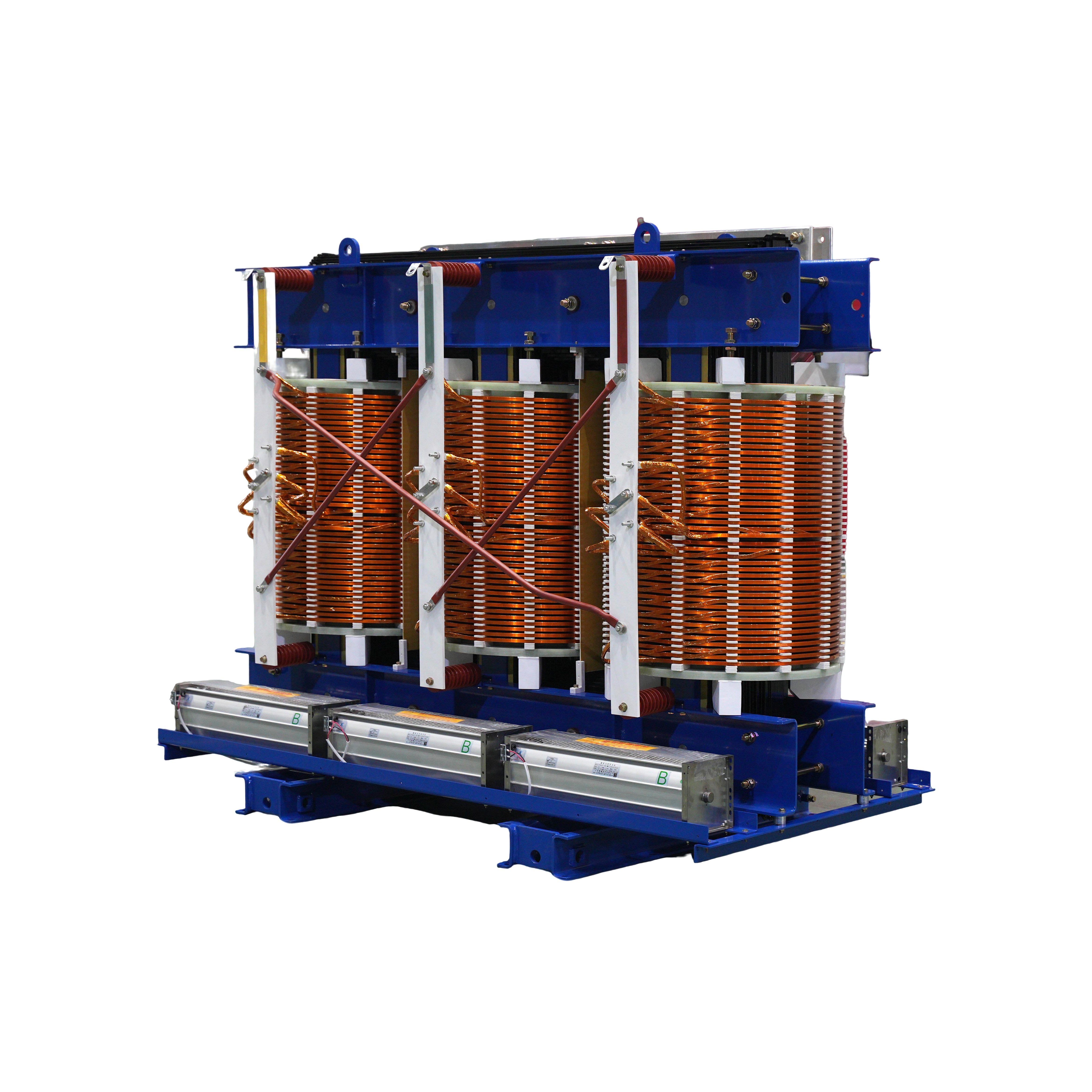
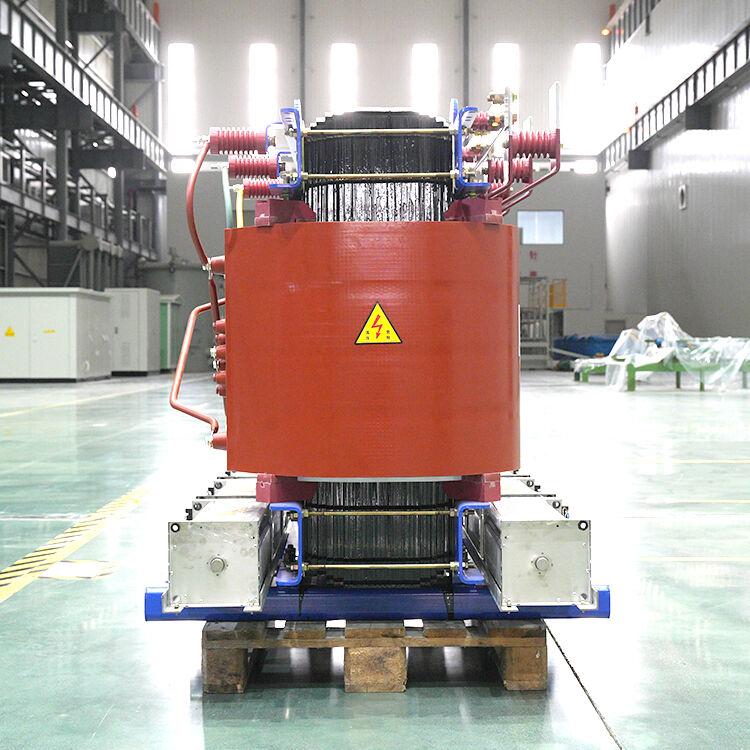
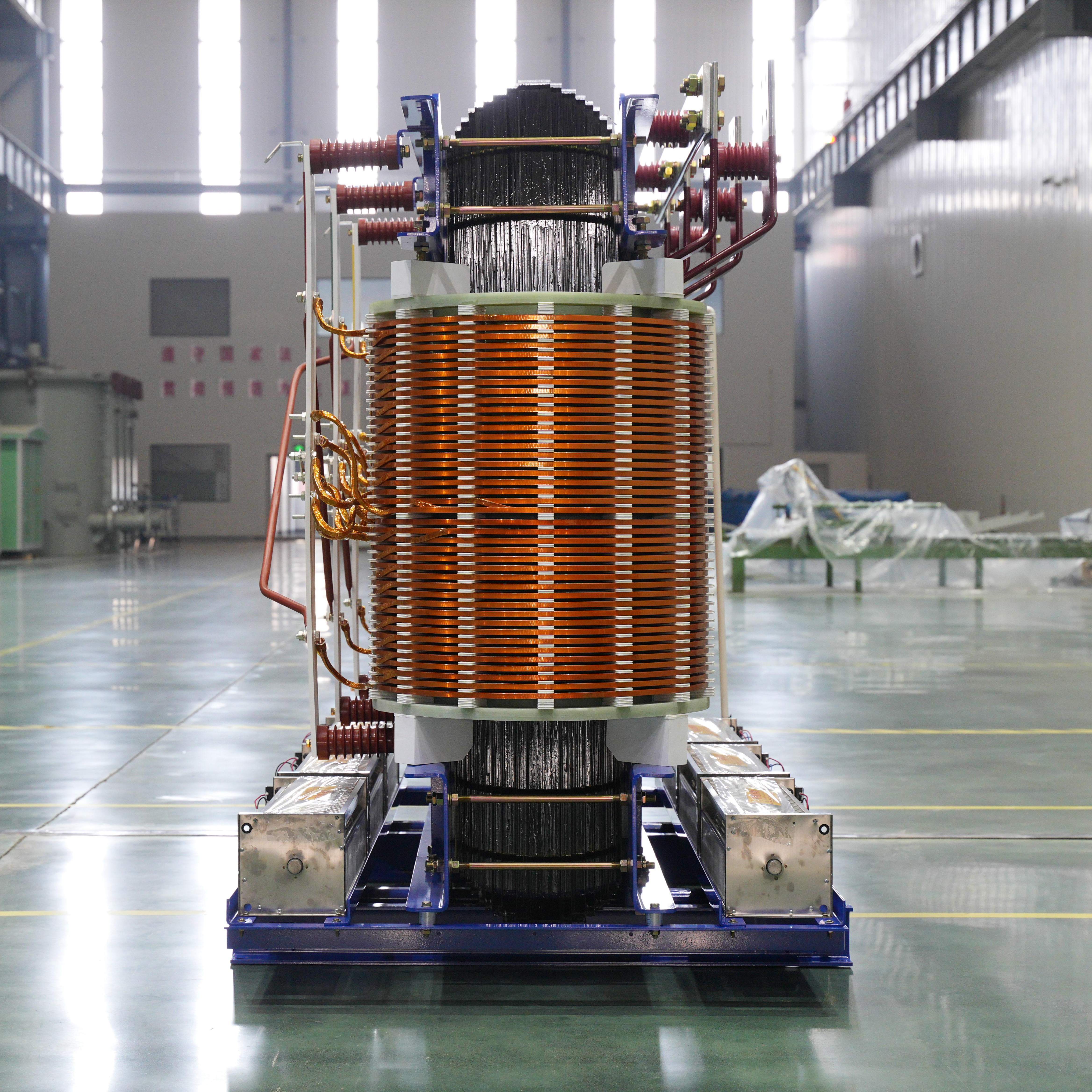
A dry distribution transformer represents a revolutionary advancement in electrical power distribution technology, offering superior performance and reliability for modern electrical systems. Unlike traditional oil-filled transformers, this innovative equipment utilizes advanced insulation materials such as epoxy resin or cast resin to provide electrical isolation without the need for liquid coolants. The primary function of a dry distribution transformer centers on voltage transformation, efficiently stepping down high voltage electricity to lower, more usable levels for residential, commercial, and industrial applications. These transformers operate through electromagnetic induction principles, featuring primary and secondary windings that enable seamless voltage conversion while maintaining optimal power quality. The technological features of dry distribution transformer systems include advanced cooling mechanisms that rely on natural air circulation or forced ventilation, eliminating the fire hazards and environmental concerns associated with oil-filled alternatives. Modern dry distribution transformer units incorporate sophisticated temperature monitoring systems, protection relays, and digital control interfaces that enhance operational safety and performance tracking. The solid insulation system provides exceptional dielectric strength while maintaining compact dimensions, making these transformers ideal for indoor installations where space constraints and safety requirements are paramount. Applications for dry distribution transformer technology span across diverse sectors including hospitals, shopping centers, office buildings, manufacturing facilities, and renewable energy installations. These transformers excel in environments where environmental protection, fire safety, and maintenance efficiency are critical considerations. The dry distribution transformer design eliminates the risk of oil leaks, reducing environmental impact and operational maintenance requirements. Additionally, these units can operate effectively in challenging environmental conditions, including high humidity, extreme temperatures, and areas prone to seismic activity, making them versatile solutions for global electrical infrastructure projects.

New Products

The dry distribution transformer delivers exceptional benefits that make it the preferred choice for modern electrical installations across various industries and applications. Safety stands as the foremost advantage, as these transformers eliminate fire risks associated with flammable insulating oils, providing peace of mind for facility managers and building owners. This enhanced safety profile makes the dry distribution transformer ideal for installations in populated areas, hospitals, schools, and commercial buildings where human safety cannot be compromised. Environmental benefits represent another compelling advantage, as dry distribution transformer technology eliminates the possibility of oil spills that could contaminate soil and groundwater. This eco-friendly approach aligns with corporate sustainability goals and environmental regulations, helping organizations meet their green building certifications and environmental compliance requirements. Maintenance advantages of dry distribution transformer systems significantly reduce long-term operational costs through simplified inspection procedures and eliminated oil testing requirements. Unlike oil-filled alternatives, these transformers require minimal routine maintenance, reducing downtime and operational expenses while extending equipment lifespan. The robust construction of dry distribution transformer units ensures reliable operation in diverse environmental conditions, from extreme cold to high humidity environments. Installation flexibility represents a major practical benefit, as dry distribution transformer units can be positioned indoors or outdoors without special containment structures or fire suppression systems required by oil-filled transformers. This flexibility reduces installation costs and enables optimal placement within facilities for improved electrical distribution efficiency. Cost-effectiveness emerges through reduced insurance premiums, elimination of oil replacement expenses, and lower environmental compliance costs. The dry distribution transformer design enables faster installation times due to lighter weight and simplified safety requirements, reducing project timelines and labor costs. Energy efficiency ratings of modern dry distribution transformer systems often exceed traditional alternatives, contributing to reduced operating expenses and improved power quality. Additionally, these transformers operate quietly, making them suitable for noise-sensitive environments such as residential areas, libraries, and medical facilities where acoustic pollution must be minimized.

Practical Tips

What Is a Transformer and How Does It Improve Power System Efficiency?

02

Jan

What Is a Transformer and How Does It Improve Power System Efficiency?

A transformer represents one of the most critical components in modern electrical power systems, serving as the backbone for efficient energy transmission and distribution across vast networks. These electromagnetic devices enable the seamless conver...
View More
How Does a Transformer Work in High Voltage Power Transmission?

08

Jan

How Does a Transformer Work in High Voltage Power Transmission?

High voltage power transmission systems form the backbone of modern electrical grids, enabling electricity to travel efficiently across vast distances. At the heart of these complex networks lies the power transformer, a crucial piece of equipment th...
View More
How Do Transformers Support Grid Stability in Large-Scale Power Networks?

20

Jan

How Do Transformers Support Grid Stability in Large-Scale Power Networks?

Large-scale power networks form the backbone of modern electrical infrastructure, requiring sophisticated equipment to maintain stability and reliability across vast geographical areas. Power transformers play a crucial role in these complex systems ...
View More
What Should Utilities Consider When Selecting a Transformer Supplier?

26

Jan

What Should Utilities Consider When Selecting a Transformer Supplier?

Selecting the right supplier for power infrastructure represents one of the most critical decisions utility companies face in today's rapidly evolving energy landscape. The process of choosing a power transformer supplier requires careful evaluation ...
View More

Get a Free Quote

Our representative will contact you soon.
Email
WhatsApp/Mobile
Name
Company Name
Message
0/1000

dry distribution transformer

Advanced Safety and Environmental Protection

Advanced Safety and Environmental Protection

The dry distribution transformer revolutionizes electrical safety through its innovative design that eliminates flammable insulating oils, creating an inherently safer electrical distribution solution for modern facilities. This groundbreaking safety feature addresses one of the most significant concerns in electrical infrastructure by removing the fire hazard that has historically plagued oil-filled transformer installations. The absence of combustible materials makes the dry distribution transformer the optimal choice for high-risk environments including hospitals, schools, data centers, and densely populated commercial buildings where fire safety cannot be compromised. Environmental protection capabilities of the dry distribution transformer extend beyond fire prevention to encompass comprehensive ecological responsibility. Without insulating oil, these transformers eliminate the risk of hazardous spills that could contaminate soil, groundwater, or surface water sources, making them compliant with the strictest environmental regulations worldwide. This environmental advantage becomes increasingly important as organizations strive to meet sustainability goals and obtain green building certifications such as LEED or BREEAM. The dry distribution transformer design supports corporate environmental responsibility initiatives while reducing potential liability exposure from environmental damage claims. Regulatory compliance becomes simplified with dry distribution transformer installations, as these units typically require fewer environmental permits and face less stringent ongoing monitoring requirements compared to oil-filled alternatives. Emergency response procedures are significantly streamlined since dry distribution transformer failures do not create environmental contamination scenarios that require specialized hazmat cleanup procedures. This simplified emergency response capability reduces insurance costs and regulatory complexity while improving overall facility safety protocols. The solid insulation system of the dry distribution transformer provides superior protection against electrical faults while maintaining optimal performance in challenging environmental conditions including high humidity, temperature fluctuations, and corrosive atmospheres that might compromise other transformer technologies.
Superior Maintenance Efficiency and Cost Reduction

Superior Maintenance Efficiency and Cost Reduction

The dry distribution transformer delivers unmatched maintenance efficiency through its innovative design that eliminates complex oil management requirements while providing superior operational reliability and cost-effectiveness. Traditional oil-filled transformers demand regular oil sampling, testing, filtration, and replacement procedures that create ongoing operational expenses and maintenance complexity. The dry distribution transformer eliminates these requirements entirely, reducing maintenance costs by up to sixty percent compared to oil-filled alternatives while improving system reliability through simplified operational procedures. Maintenance scheduling becomes dramatically simplified with dry distribution transformer installations, as these units require only basic visual inspections and electrical testing rather than complex oil analysis protocols. This reduction in maintenance complexity enables facility managers to optimize maintenance resources while ensuring consistent electrical system performance. The solid insulation system of the dry distribution transformer provides exceptional durability that extends equipment lifespan and reduces replacement frequency, contributing to improved total cost of ownership calculations. Downtime reduction represents a critical advantage of dry distribution transformer technology, as simplified maintenance procedures minimize service interruptions and improve overall facility productivity. Emergency repairs become faster and more straightforward since dry distribution transformer units do not require specialized oil handling equipment or environmental containment procedures during service activities. This operational advantage proves especially valuable in critical facilities such as hospitals, manufacturing plants, and data centers where electrical continuity directly impacts business operations and safety. Inventory management benefits emerge from dry distribution transformer installations, as facility managers eliminate the need to stock insulating oils, oil testing equipment, and specialized handling tools required for traditional transformer maintenance. The dry distribution transformer design enables predictive maintenance strategies through advanced monitoring systems that provide real-time performance data without the complexity of oil condition monitoring. Long-term operational planning becomes more accurate with dry distribution transformer systems due to their predictable performance characteristics and elimination of oil-related maintenance variables that can affect operational budgets and maintenance scheduling.
Exceptional Installation Flexibility and Performance Reliability

Exceptional Installation Flexibility and Performance Reliability

The dry distribution transformer offers unprecedented installation flexibility that enables optimal positioning within facilities while delivering superior performance reliability across diverse operating conditions and applications. Weight advantages of dry distribution transformer units significantly reduce structural requirements and installation complexity compared to oil-filled alternatives, enabling installation in locations that might not support heavier transformer types. This weight reduction translates to lower installation costs through reduced foundation requirements and simplified lifting equipment needs during installation procedures. Indoor installation capabilities represent a transformative advantage of dry distribution transformer technology, as these units can be positioned within buildings without the fire suppression systems, containment structures, or ventilation requirements mandated for oil-filled transformers. This indoor positioning capability enables optimal electrical distribution design while reducing transmission losses and improving overall system efficiency. The compact design of modern dry distribution transformer units maximizes available space utilization in crowded electrical rooms and substations where every square foot represents valuable real estate. Climate adaptability of dry distribution transformer systems ensures reliable operation across extreme temperature ranges, high humidity conditions, and altitude variations that might challenge other transformer technologies. This environmental resilience makes the dry distribution transformer ideal for installations in challenging climates including desert regions, tropical environments, and high-altitude locations where environmental extremes can impact electrical equipment performance. Seismic resistance capabilities built into dry distribution transformer designs provide enhanced reliability in earthquake-prone regions through robust mechanical construction and flexible mounting systems. Performance consistency of dry distribution transformer units remains stable across varying load conditions, providing reliable voltage regulation and power quality that supports sensitive electronic equipment and critical facility operations. The solid insulation system maintains its electrical properties over extended operational periods without degradation concerns associated with oil contamination or moisture absorption. Installation timeline advantages emerge from dry distribution transformer projects due to simplified site preparation requirements, reduced safety protocols, and elimination of oil filling procedures that can extend traditional transformer installation schedules by several days or weeks depending on project complexity and environmental requirements.

Get a Free Quote

Our representative will contact you soon.
Email
WhatsApp/Mobile
Name
Company Name
Message
0/1000