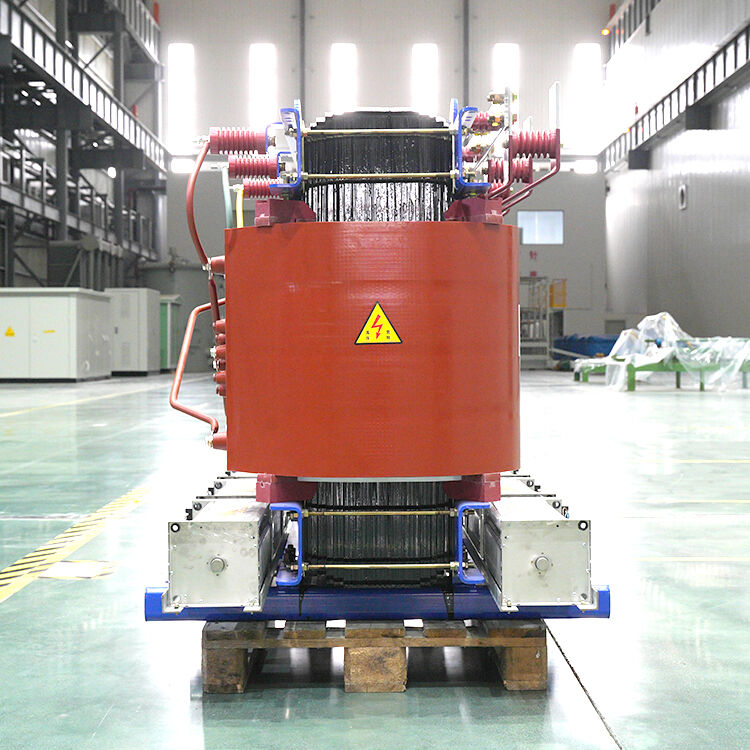
Dry Cast Resin Transformers: Advanced Electrical Solutions for Safe and Reliable Power Distribution

Get a Free Quote

Our representative will contact you soon.
Email
WhatsApp/Mobile
Name
Company Name
Message
0/1000

dry cast resin transformers

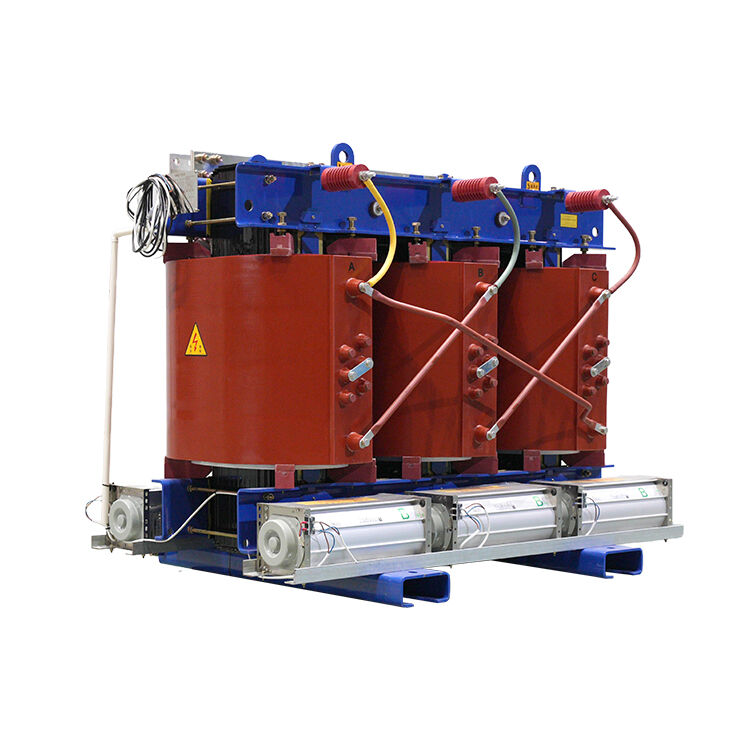
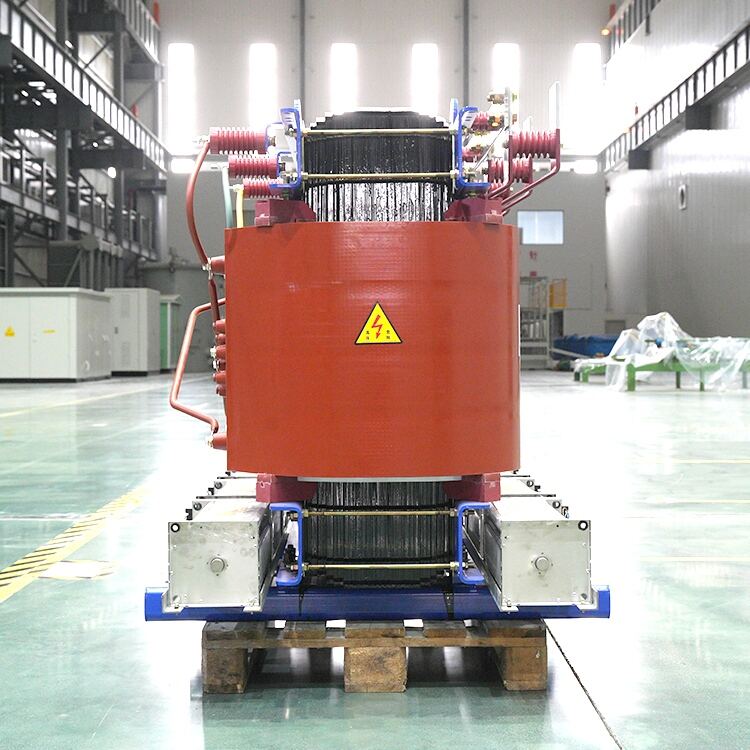
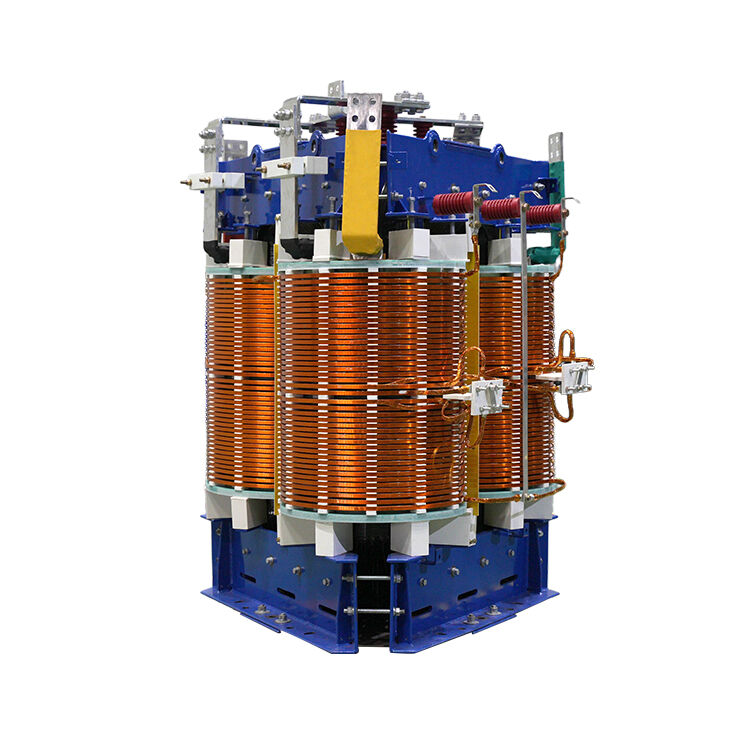
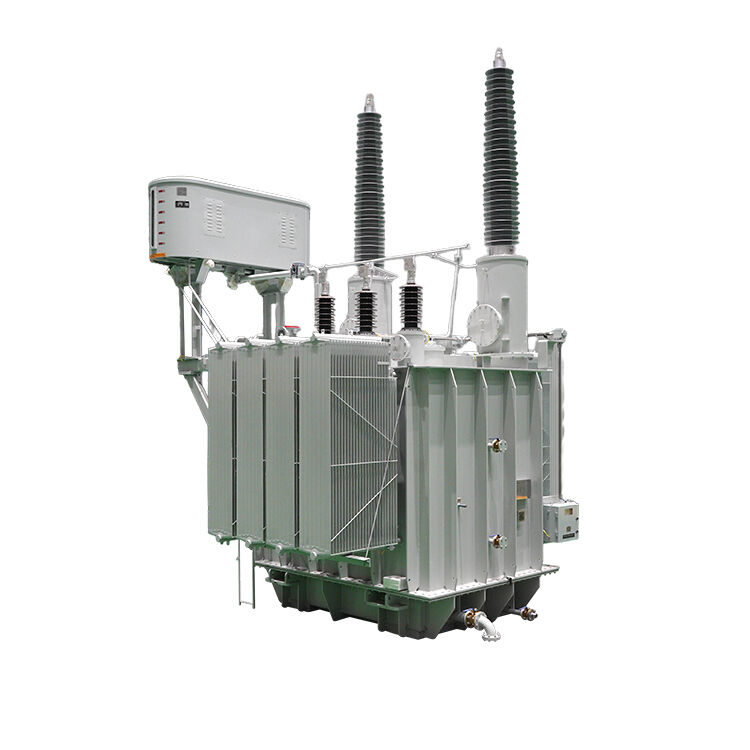
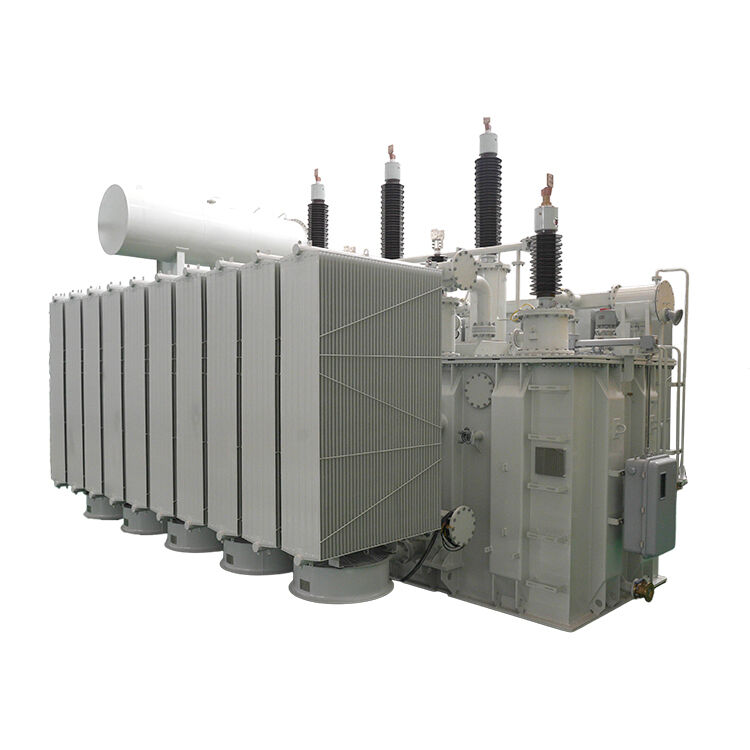
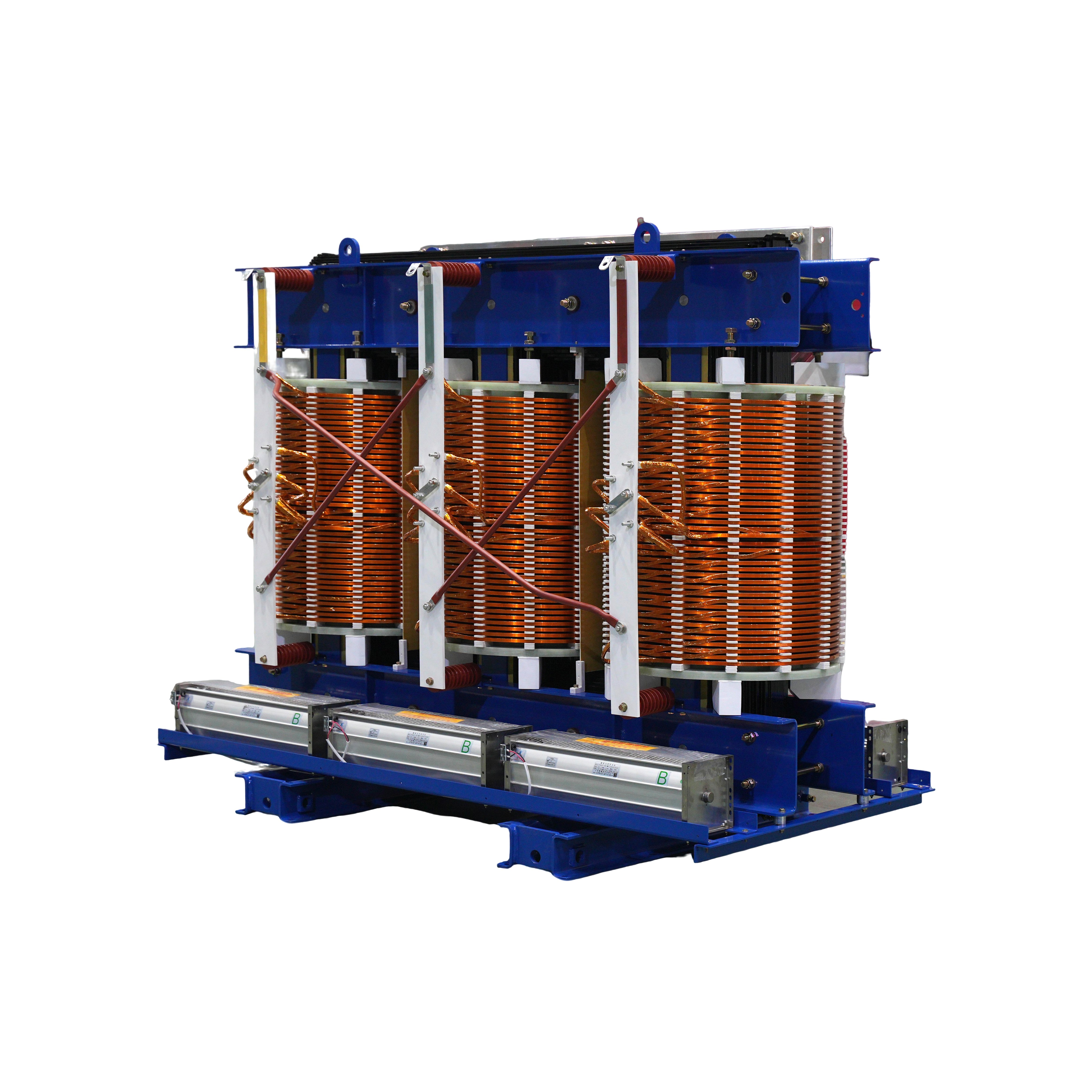
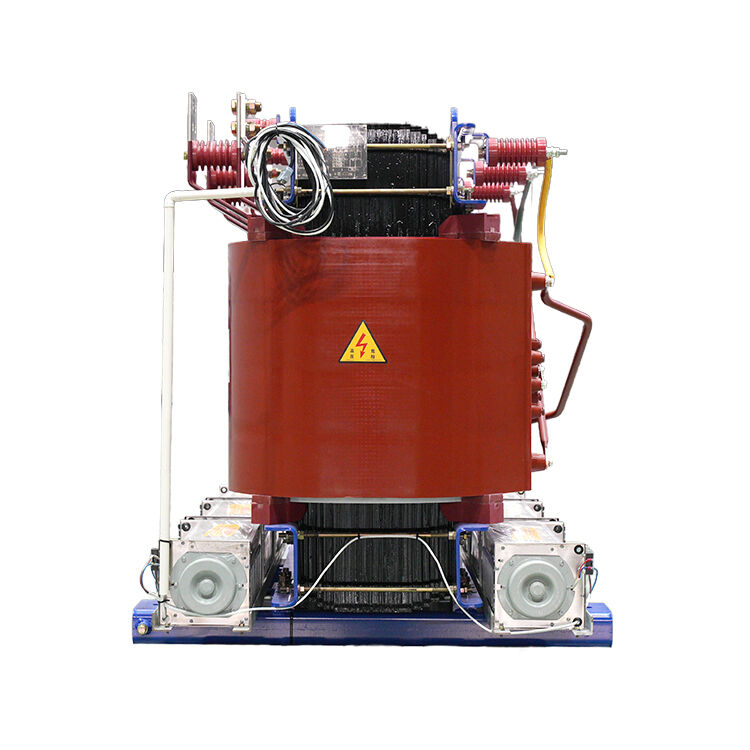
Dry cast resin transformers represent a cutting-edge advancement in electrical power distribution technology, offering superior performance and reliability for modern industrial applications. These transformers utilize advanced epoxy resin casting technology to encapsulate their windings, creating a robust and maintenance-free electrical device that operates efficiently in diverse environmental conditions. The primary function of dry cast resin transformers involves stepping up or stepping down electrical voltage levels while maintaining electrical isolation between primary and secondary circuits. Unlike traditional oil-filled transformers, these units employ solid insulation materials that eliminate the risk of oil leakage and fire hazards. The technological foundation of dry cast resin transformers centers on vacuum pressure impregnation processes that ensure complete penetration of epoxy resin into all winding spaces. This manufacturing technique creates a monolithic structure that provides exceptional mechanical strength and thermal stability. The resin casting process involves precise temperature control and curing cycles that produce transformers with superior insulation properties and extended operational lifespans. These transformers feature compact designs that optimize space utilization in electrical installations while delivering consistent performance across varying load conditions. The applications for dry cast resin transformers span numerous industries including manufacturing facilities, commercial buildings, renewable energy systems, and infrastructure projects. They prove particularly valuable in indoor installations where environmental safety requirements prohibit oil-filled equipment. Distribution networks frequently incorporate these transformers for reliable voltage conversion in residential complexes, shopping centers, hospitals, and educational institutions. Their ability to operate in confined spaces makes them ideal for underground installations and urban environments where space constraints demand efficient design solutions. The technology enables seamless integration with modern electrical systems while supporting sustainable energy initiatives through improved efficiency ratings and reduced environmental impact compared to conventional transformer technologies.

New Product Releases

Dry cast resin transformers deliver exceptional value through their comprehensive safety features that eliminate traditional transformer risks. These units operate without flammable liquids, significantly reducing fire hazards and creating safer working environments for personnel. The absence of oil eliminates potential soil and groundwater contamination risks, making them environmentally responsible choices for modern facilities. Their solid insulation system prevents explosive failures that can occur with gas-filled or oil-immersed equipment, providing peace of mind for facility managers and operators. The maintenance advantages of dry cast resin transformers translate directly into operational cost savings. These units require minimal routine maintenance compared to oil-filled alternatives, eliminating the need for regular oil testing, filtration, and replacement procedures. The sealed construction prevents moisture ingress and contamination, maintaining consistent performance throughout their operational lifespan. Facility managers benefit from reduced maintenance schedules, lower service costs, and decreased downtime for transformer servicing activities. The reliability factor extends operational intervals between inspections while maintaining optimal performance standards. Installation flexibility represents another significant advantage, as dry cast resin transformers can be positioned in locations previously unsuitable for oil-filled equipment. They can operate in basement installations, near occupied areas, and in environmentally sensitive locations without special containment systems or fire suppression equipment. The compact footprint reduces space requirements while the lightweight construction simplifies handling and positioning during installation processes. These transformers adapt to various mounting configurations including pad-mounted, vault-installed, or indoor substation applications. Their operational efficiency contributes to energy cost reduction through optimized power conversion processes. The solid insulation system maintains consistent electrical properties across temperature variations, ensuring stable voltage regulation under varying load conditions. Heat dissipation characteristics allow for higher loading capacity in many applications, maximizing power delivery capabilities. The transformers demonstrate excellent overload capacity, handling temporary load increases without performance degradation. Long-term operational benefits include extended service life expectancy, typically ranging from 30 to 40 years with proper installation and operation. The robust construction withstands mechanical stresses, temperature cycling, and electrical faults better than conventional designs. Investment protection results from their durability, reliability, and minimal maintenance requirements throughout their operational lifespan.

Practical Tips

What Is a Transformer and How Does It Improve Power System Efficiency?

02

Jan

What Is a Transformer and How Does It Improve Power System Efficiency?

A transformer represents one of the most critical components in modern electrical power systems, serving as the backbone for efficient energy transmission and distribution across vast networks. These electromagnetic devices enable the seamless conver...
View More
How Does a Transformer Work in High Voltage Power Transmission?

08

Jan

How Does a Transformer Work in High Voltage Power Transmission?

High voltage power transmission systems form the backbone of modern electrical grids, enabling electricity to travel efficiently across vast distances. At the heart of these complex networks lies the power transformer, a crucial piece of equipment th...
View More
Why Are Transformers Critical for Industrial Power Distribution Systems?

14

Jan

Why Are Transformers Critical for Industrial Power Distribution Systems?

Industrial power distribution systems form the backbone of modern manufacturing, commercial facilities, and critical infrastructure operations. At the heart of these complex networks lies a fundamental component that ensures safe, efficient, and reli...
View More
How Do Transformers Support Grid Stability in Large-Scale Power Networks?

20

Jan

How Do Transformers Support Grid Stability in Large-Scale Power Networks?

Large-scale power networks form the backbone of modern electrical infrastructure, requiring sophisticated equipment to maintain stability and reliability across vast geographical areas. Power transformers play a crucial role in these complex systems ...
View More

Get a Free Quote

Our representative will contact you soon.
Email
WhatsApp/Mobile
Name
Company Name
Message
0/1000

dry cast resin transformers

Advanced Epoxy Resin Insulation Technology

Advanced Epoxy Resin Insulation Technology

The cornerstone of dry cast resin transformers lies in their revolutionary epoxy resin insulation system, which fundamentally transforms electrical safety and performance standards in power distribution applications. This advanced technology employs specially formulated epoxy compounds that undergo precise vacuum impregnation processes, ensuring complete penetration into every microscopic space within the transformer windings. The result creates a monolithic insulation structure that provides superior electrical, mechanical, and thermal properties compared to traditional insulation methods. The epoxy resin system delivers exceptional dielectric strength, maintaining electrical integrity even under extreme operating conditions including temperature fluctuations, humidity variations, and mechanical stresses. This insulation technology eliminates partial discharge phenomena that commonly plague conventional transformers, significantly extending operational lifespan and maintaining consistent performance characteristics. The chemical composition of the epoxy resin provides inherent flame-retardant properties, ensuring that dry cast resin transformers meet the most stringent fire safety requirements without additional protective measures. The curing process creates cross-linked polymer structures that resist degradation from ultraviolet radiation, chemical exposure, and environmental contaminants, maintaining insulation properties throughout decades of service. The thermal characteristics of the epoxy system enable efficient heat dissipation while preventing thermal breakdown under high-load conditions. This technology supports higher power density applications, allowing manufacturers to design more compact transformers without compromising electrical performance or safety margins. The mechanical strength provided by the cured epoxy resin protects windings from vibration damage, transportation stresses, and seismic forces that could compromise traditional transformer designs. Installation benefits include reduced handling precautions since the solid insulation eliminates concerns about liquid spillage or gas emissions during transportation and positioning activities. The environmental advantages extend to recyclability, as the epoxy materials can be processed for material recovery at the end of the transformer's operational life, supporting sustainable manufacturing practices and circular economy principles.
Maintenance-Free Operation and Reliability

Maintenance-Free Operation and Reliability

Dry cast resin transformers revolutionize electrical infrastructure management through their maintenance-free operation characteristics, delivering unprecedented reliability that transforms operational cost structures and service planning requirements. The sealed construction eliminates traditional maintenance procedures associated with oil-filled transformers, including oil sampling, testing, filtration, and replacement activities that typically consume significant resources and create operational disruptions. This maintenance-free design results from the inherent stability of the solid insulation system, which does not degrade through oxidation, contamination, or moisture absorption like liquid insulation systems. The absence of moving parts, breathing apparatus, or oil circulation systems removes multiple potential failure points that require regular inspection and maintenance in conventional transformers. Operators benefit from elimination of oil leak monitoring, environmental compliance testing, and hazardous waste disposal procedures that create ongoing operational burdens and costs. The reliability advantages extend beyond maintenance reduction to include superior fault tolerance and recovery capabilities. Dry cast resin transformers demonstrate exceptional resistance to electrical faults, including short circuits, overcurrent conditions, and lightning strikes that can cause catastrophic failures in oil-filled equipment. The solid insulation system maintains structural integrity during fault conditions, often allowing continued operation after fault clearing where conventional transformers might require extensive repairs or replacement. This fault tolerance translates into improved system availability and reduced emergency maintenance requirements. The predictable aging characteristics of epoxy resin insulation enable accurate service life projections and planned replacement scheduling, eliminating unexpected failures that disrupt operations and create emergency costs. Temperature monitoring and diagnostic systems can accurately assess transformer condition throughout its operational life, providing early warning of any developing issues before they impact system performance. The reliability benefits extend to reduced spare parts inventory requirements, since the robust construction and predictable performance eliminate the need for extensive maintenance supplies and emergency replacement components. Long-term cost analyses consistently demonstrate significant total ownership cost advantages for dry cast resin transformers compared to oil-filled alternatives, primarily through reduced maintenance expenses, extended service intervals, and improved system reliability that minimizes operational disruptions and emergency repair costs.

Environmental Safety and Sustainability Benefits

Environmental Safety and Sustainability Benefits

Environmental consciousness drives the adoption of dry cast resin transformers as organizations prioritize sustainable practices and regulatory compliance in their electrical infrastructure decisions. These transformers eliminate environmental risks associated with oil-filled equipment, including soil contamination, groundwater pollution, and air quality impacts that can result from oil leaks, spills, or equipment failures. The solid insulation system contains no hazardous liquids that could escape into the environment, making dry cast resin transformers suitable for installation in environmentally sensitive areas including nature preserves, water treatment facilities, and urban green spaces. Regulatory compliance becomes significantly simplified since these transformers do not require environmental impact assessments, containment systems, or special permits typically mandated for oil-filled equipment installations. The manufacturing process incorporates sustainable practices through efficient material utilization and reduced waste generation compared to conventional transformer production methods. Epoxy resin systems demonstrate superior longevity, reducing replacement frequency and associated material consumption throughout the infrastructure lifecycle. The absence of oil eliminates ongoing environmental monitoring requirements and reduces the carbon footprint associated with oil production, transportation, and disposal activities. Indoor air quality benefits result from the elimination of oil vapors and potential gas emissions that can affect occupant comfort and health in enclosed installations. The fire safety advantages contribute to environmental protection by preventing transformer fires that could spread to surrounding structures or natural areas, reducing potential environmental damage from fire suppression activities and burned materials. Recycling capabilities at end-of-life support circular economy principles, as the copper windings, steel core materials, and even the epoxy components can be processed for material recovery and reuse in new products. Carbon footprint reduction occurs through improved energy efficiency, longer service life, and eliminated maintenance transportation requirements that reduce fuel consumption and emissions associated with routine service activities. The sustainable design philosophy extends to packaging and shipping, where the robust construction allows for more efficient transportation and reduced protective materials compared to fragile oil-filled equipment that requires extensive protective packaging and handling precautions during shipment and installation procedures.

Get a Free Quote

Our representative will contact you soon.
Email
WhatsApp/Mobile
Name
Company Name
Message
0/1000