dry type transformer cost
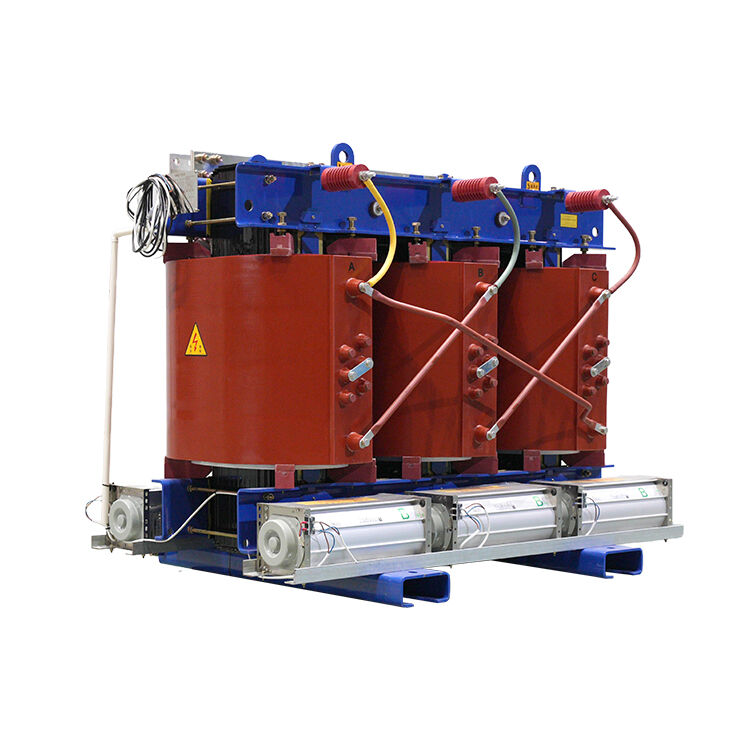
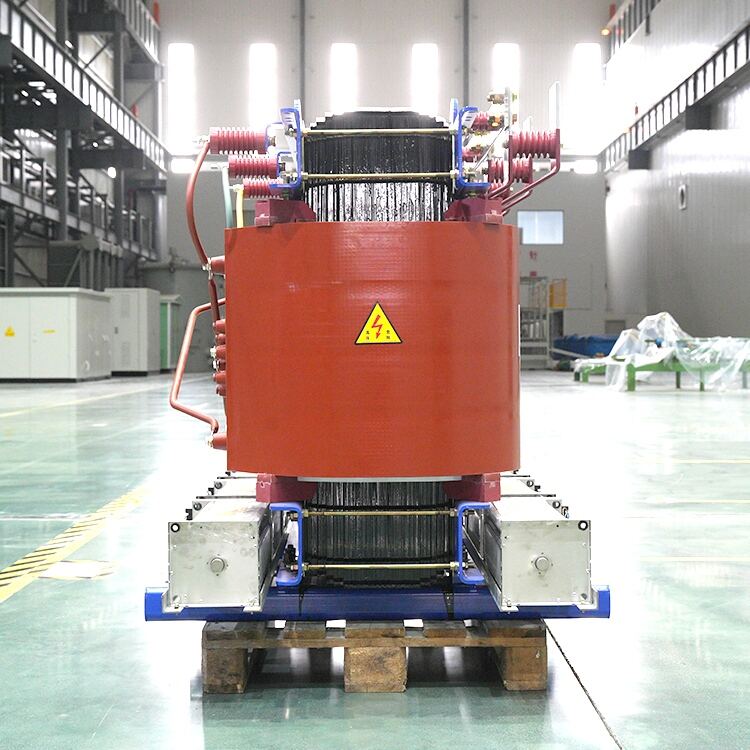
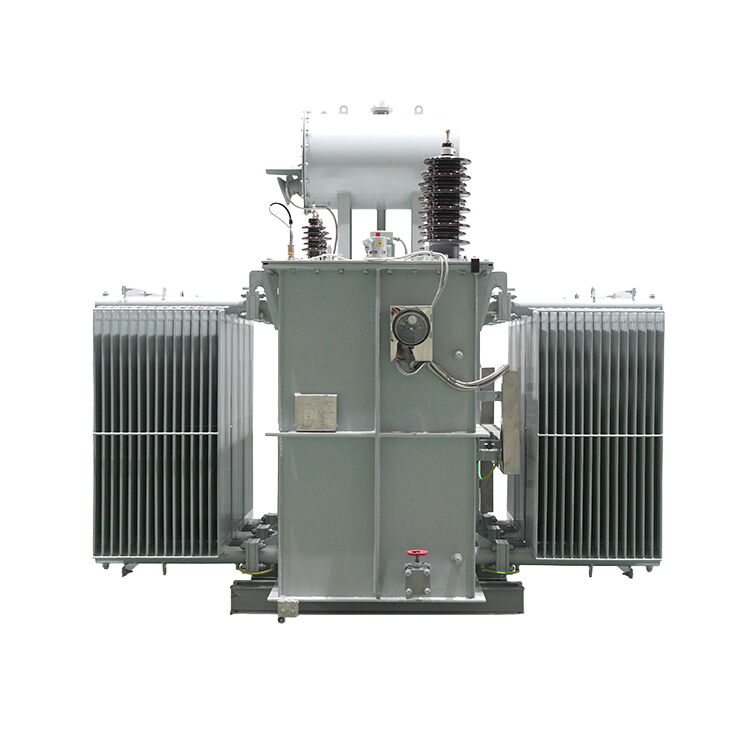
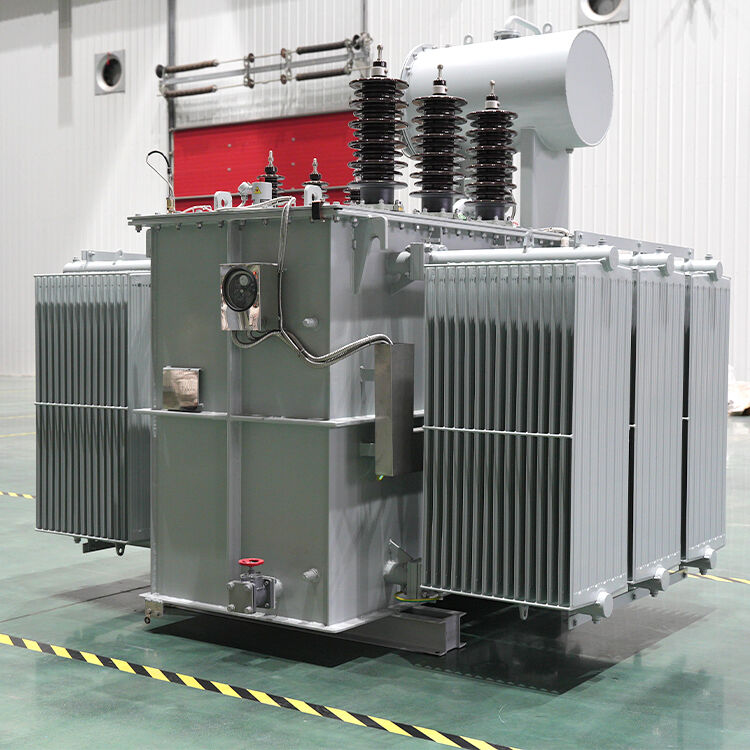
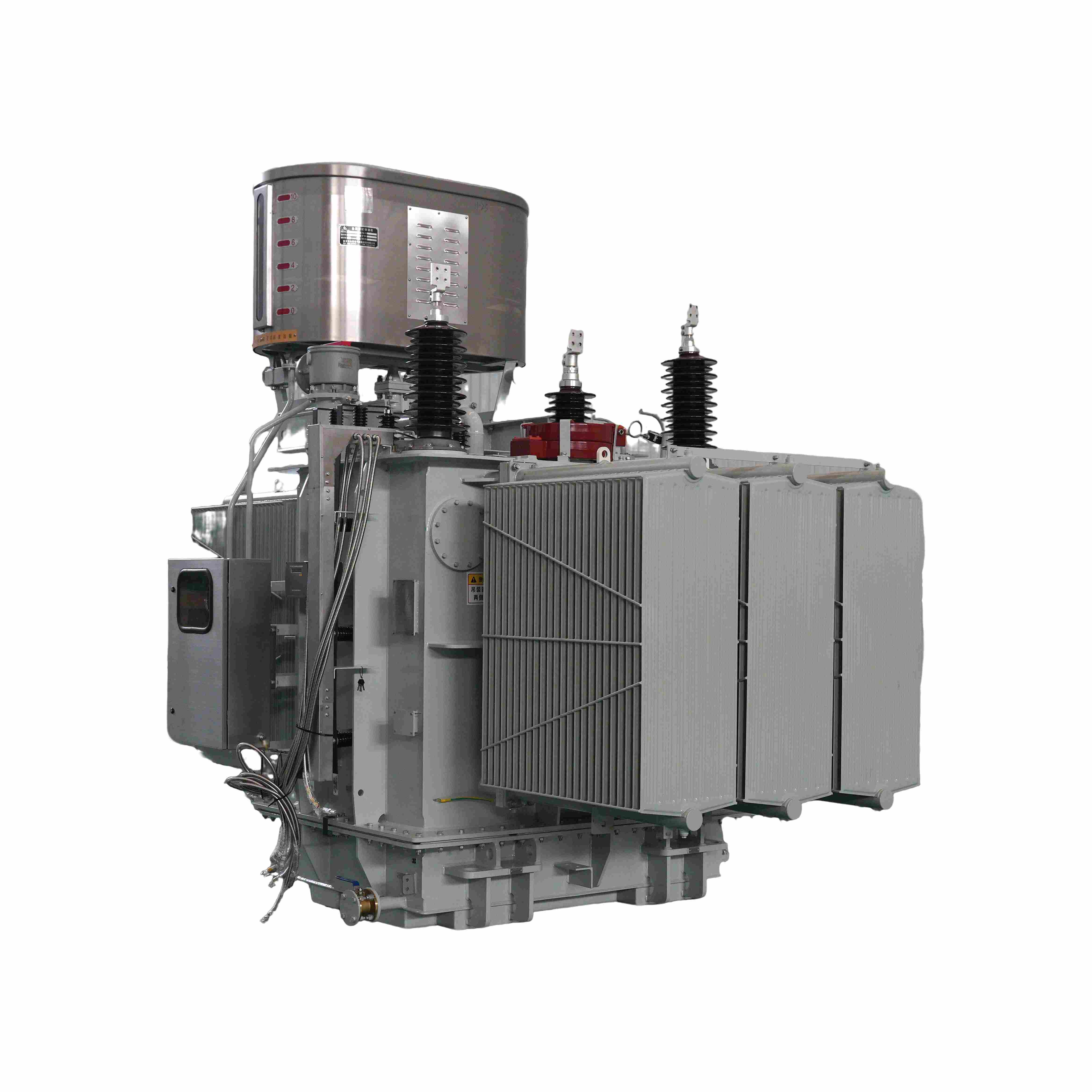
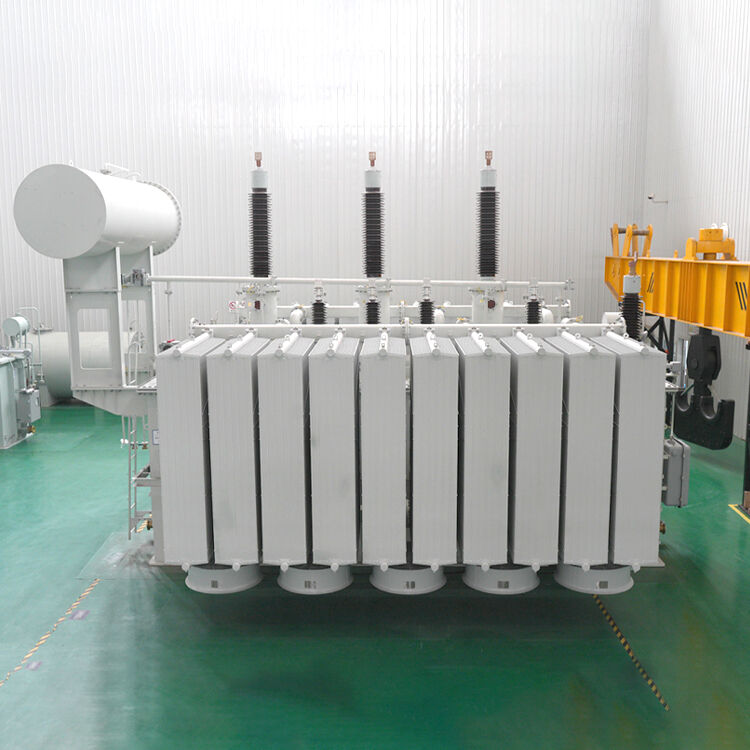
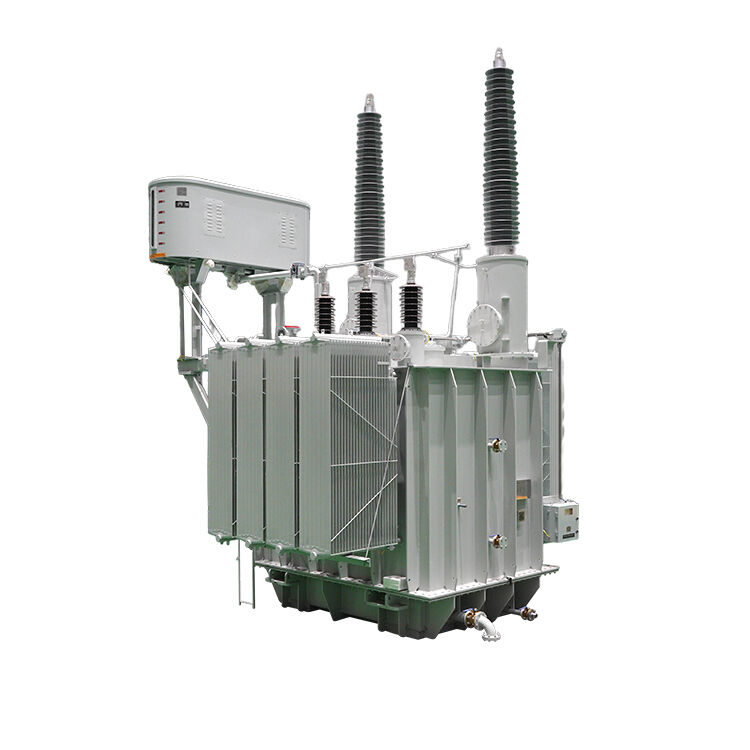
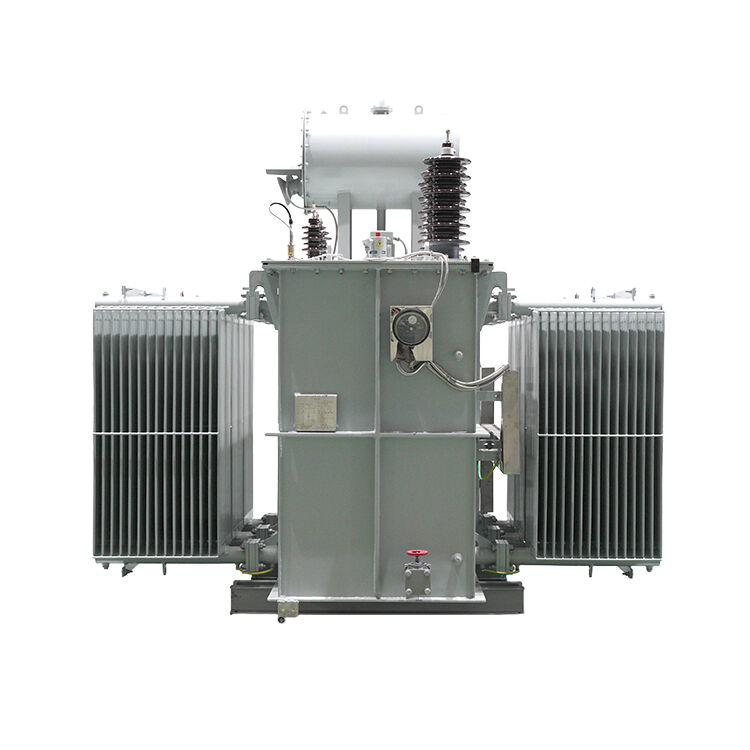
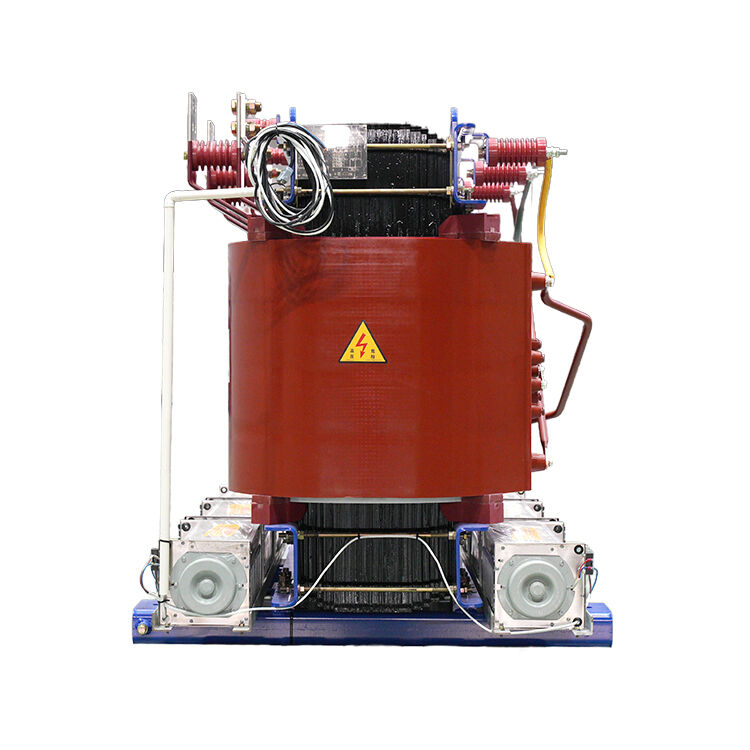
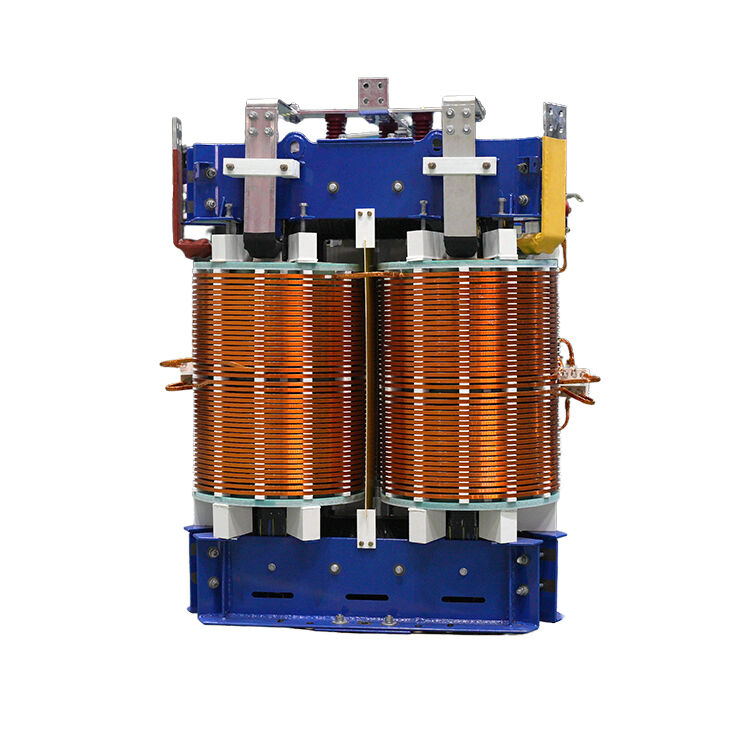
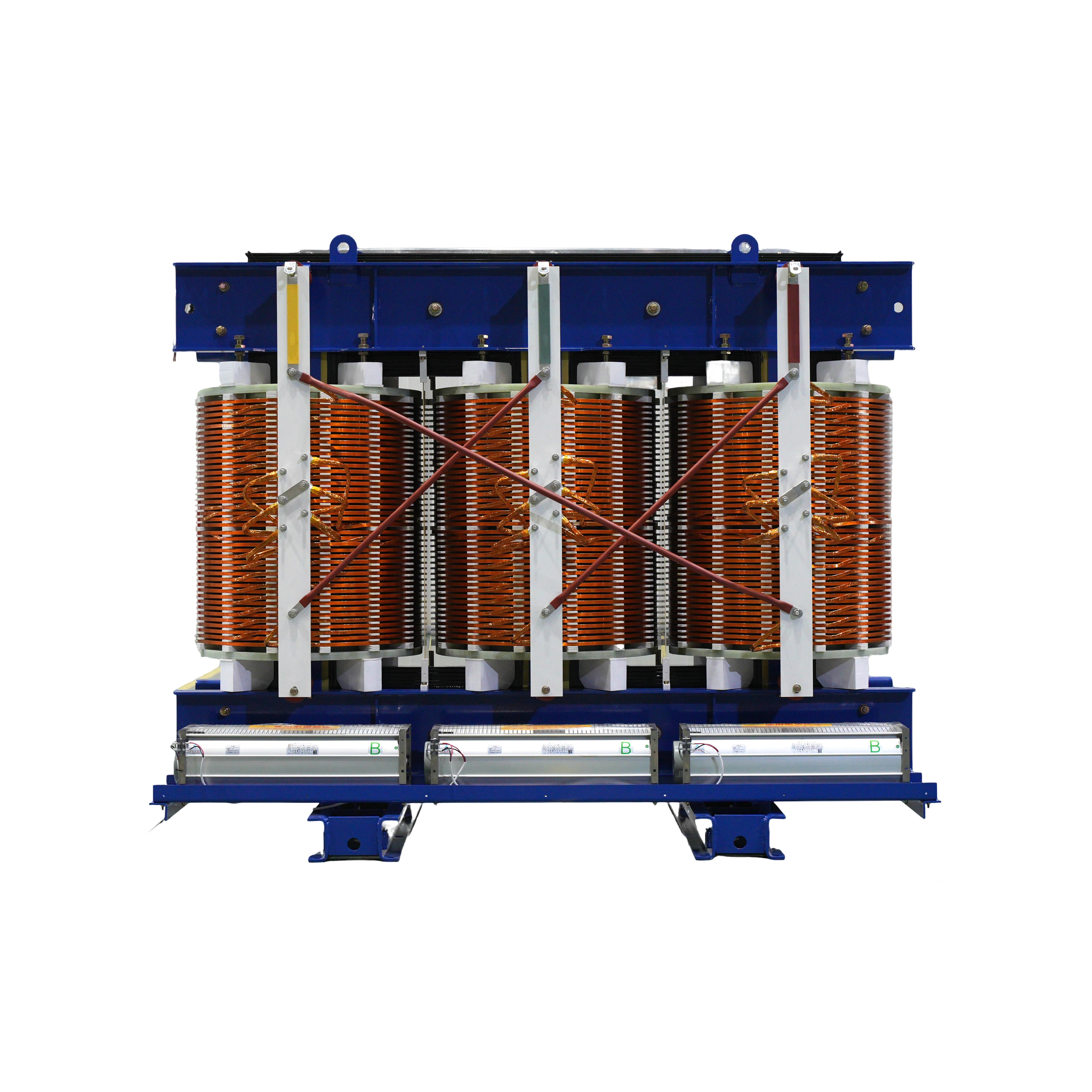
Understanding dry type transformer cost requires examining both the initial investment and long-term operational expenses associated with these essential electrical devices. Dry type transformers serve as critical components in electrical distribution systems, converting voltage levels without using liquid coolants like oil. The dry type transformer cost varies significantly based on capacity, voltage ratings, efficiency standards, and specific application requirements. These transformers utilize air or solid insulation materials instead of liquid dielectrics, making them safer for indoor installations and environmentally sensitive locations. The main functions include voltage transformation, electrical isolation, and power distribution across various industrial, commercial, and residential applications. Technological features that influence dry type transformer cost include advanced insulation systems, temperature monitoring capabilities, noise reduction designs, and enhanced cooling mechanisms. Modern units incorporate epoxy resin encapsulation, vacuum pressure impregnation, and cast coil construction methods that improve reliability while affecting overall pricing. Applications span data centers, hospitals, schools, manufacturing facilities, and commercial buildings where fire safety and environmental concerns make liquid-filled alternatives unsuitable. The dry type transformer cost structure encompasses manufacturing materials, labor, testing procedures, compliance certifications, and transportation considerations. Initial purchase prices typically range from moderate to premium levels compared to oil-filled counterparts, but the total cost of ownership often proves more economical over the equipment lifespan. Factors affecting dry type transformer cost include copper versus aluminum windings, insulation class ratings, impedance specifications, and environmental protection levels. Installation costs remain lower due to simplified foundation requirements and reduced fire protection measures. Maintenance expenses decrease significantly since dry type units require minimal routine servicing compared to liquid-filled transformers that need regular oil testing and replacement.
 EN
EN