High Voltage Dry Type Transformer: Advanced Electrical Solutions for Safe and Efficient Power Distribution

Get a Free Quote

Our representative will contact you soon.
Email
WhatsApp/Mobile
Name
Company Name
Message
0/1000

high voltage dry type transformer

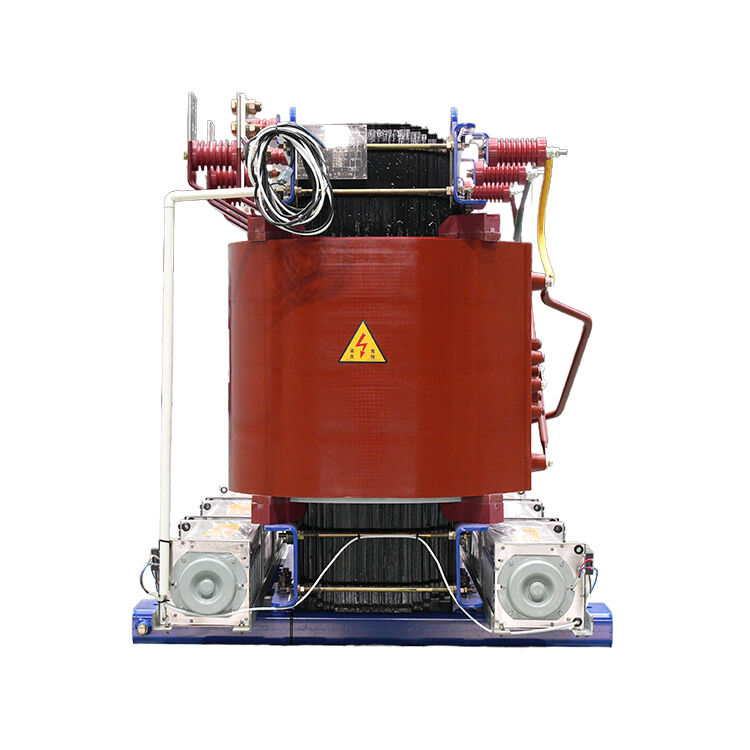
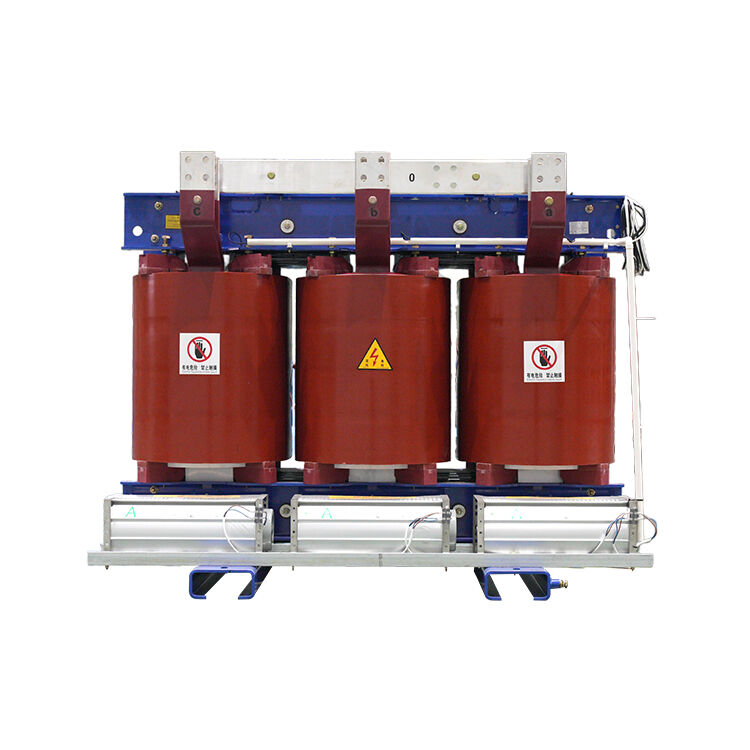
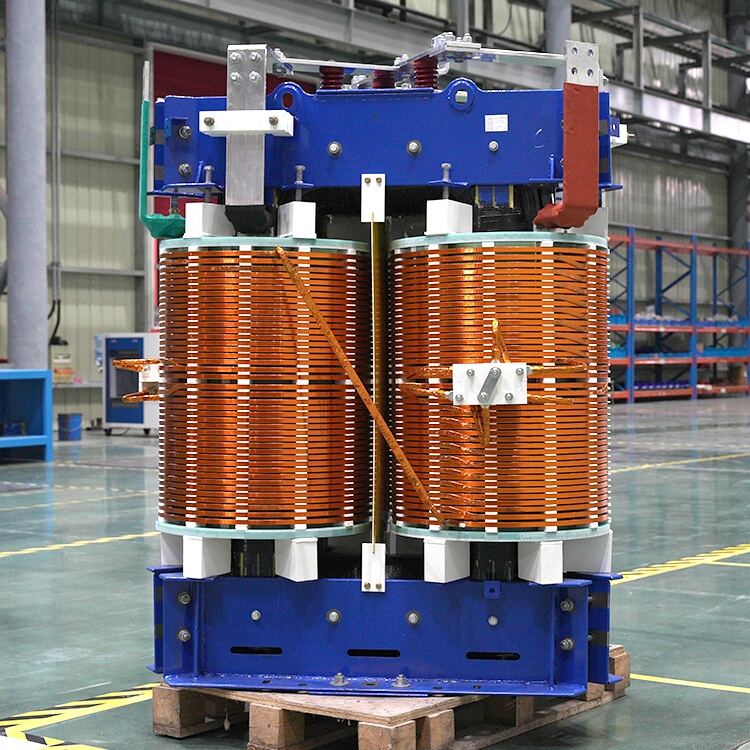
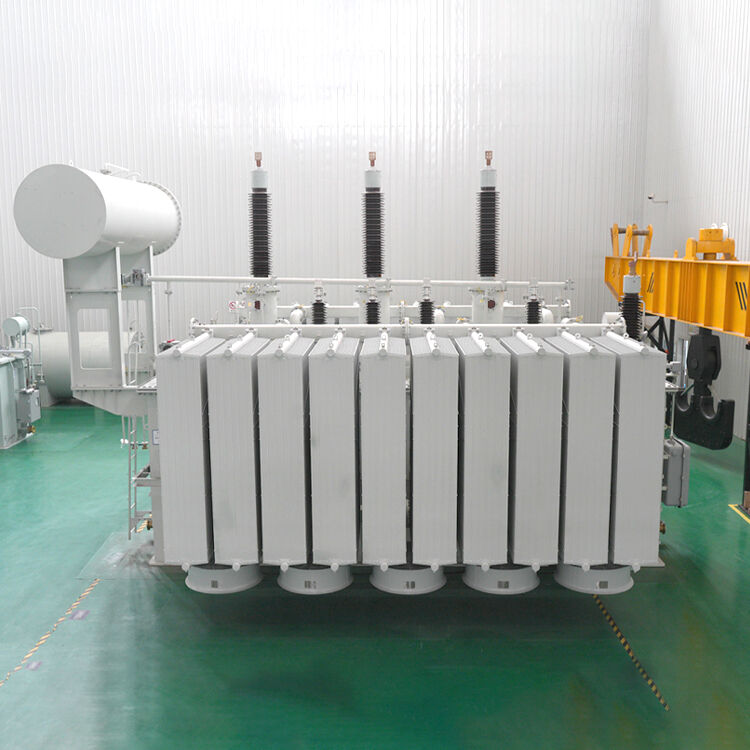
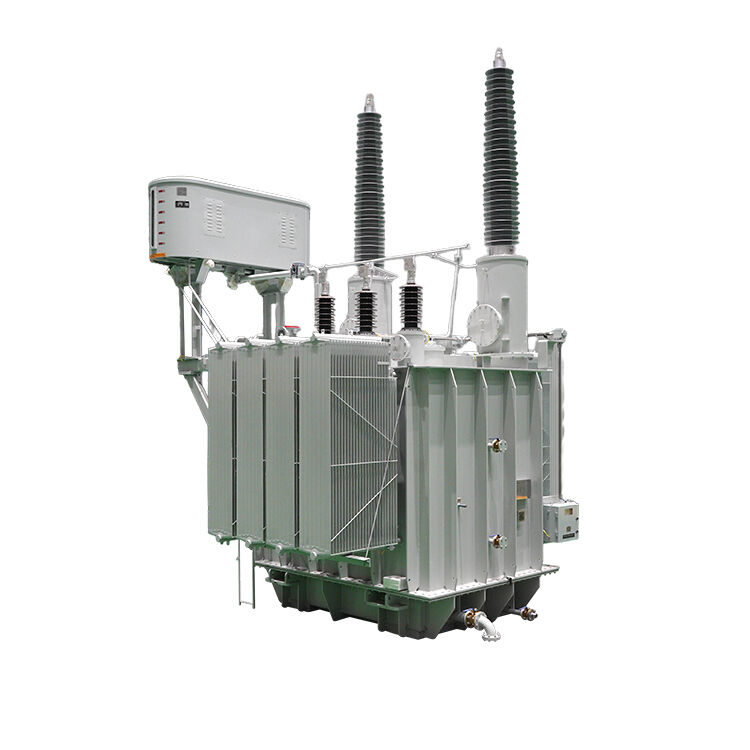
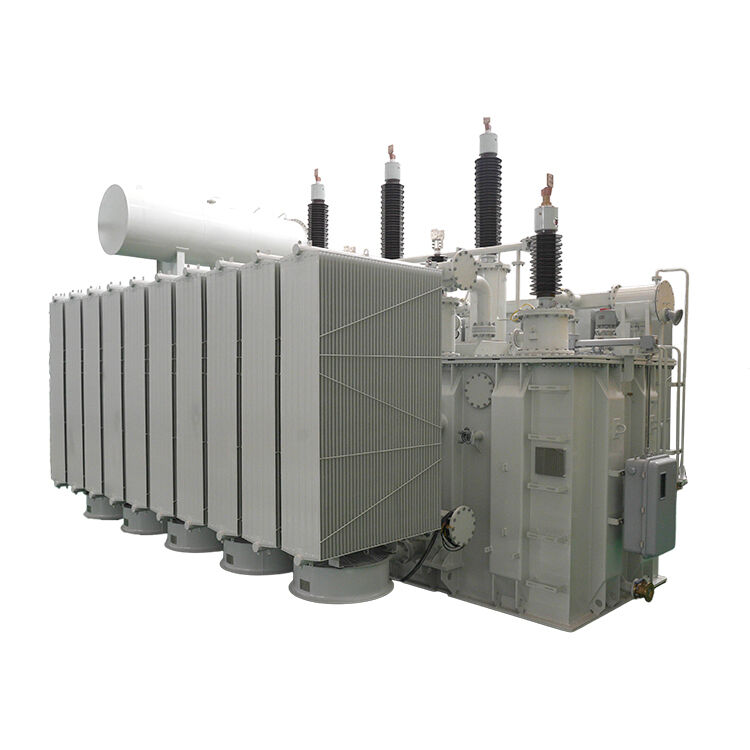
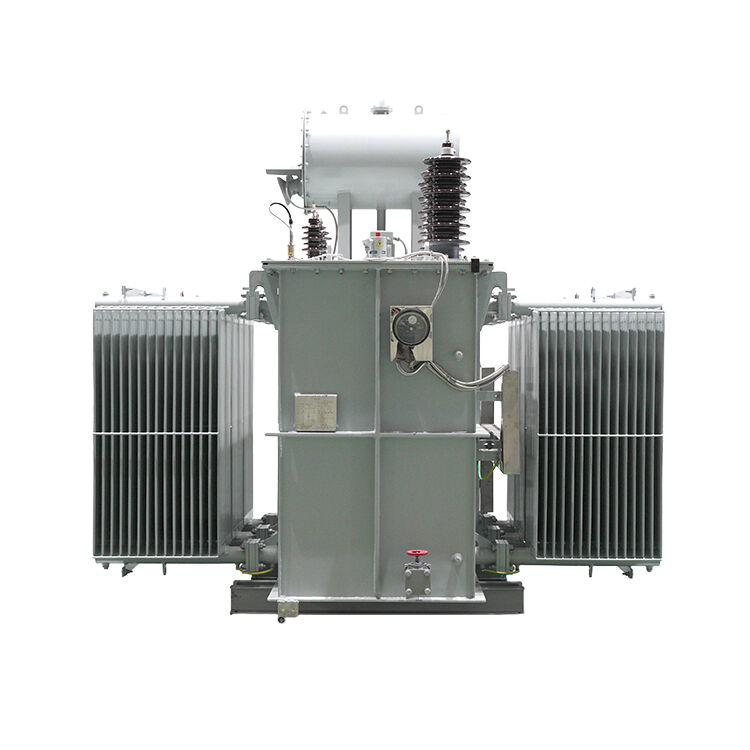
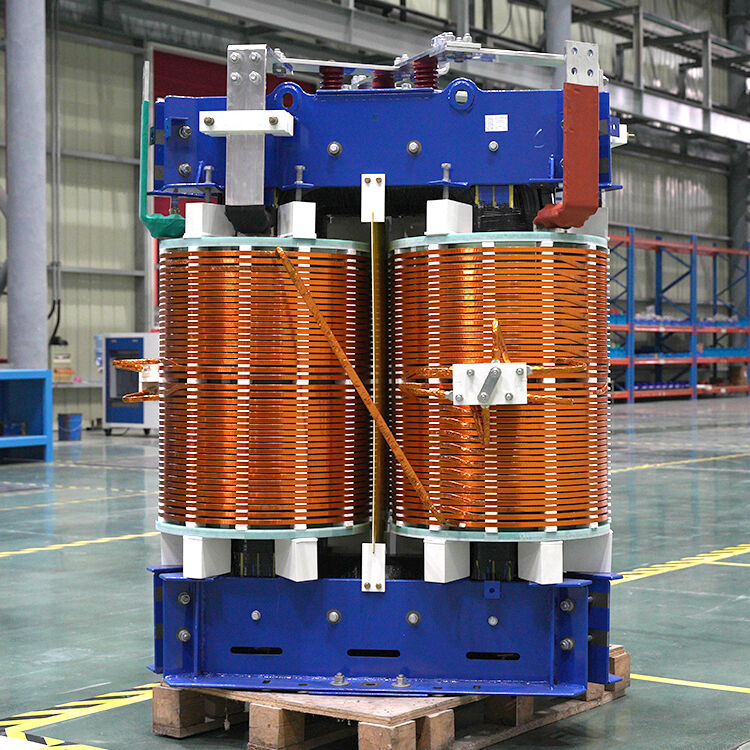
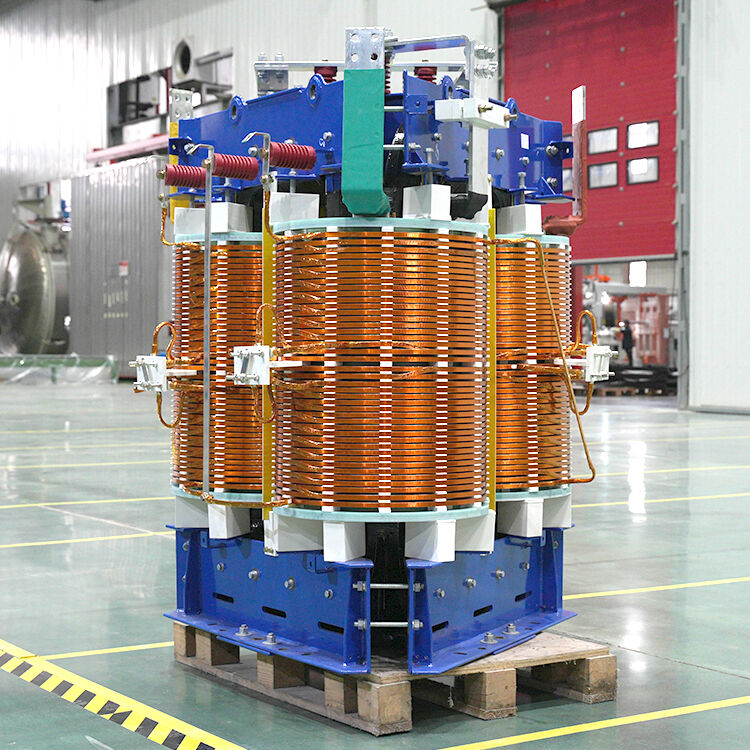
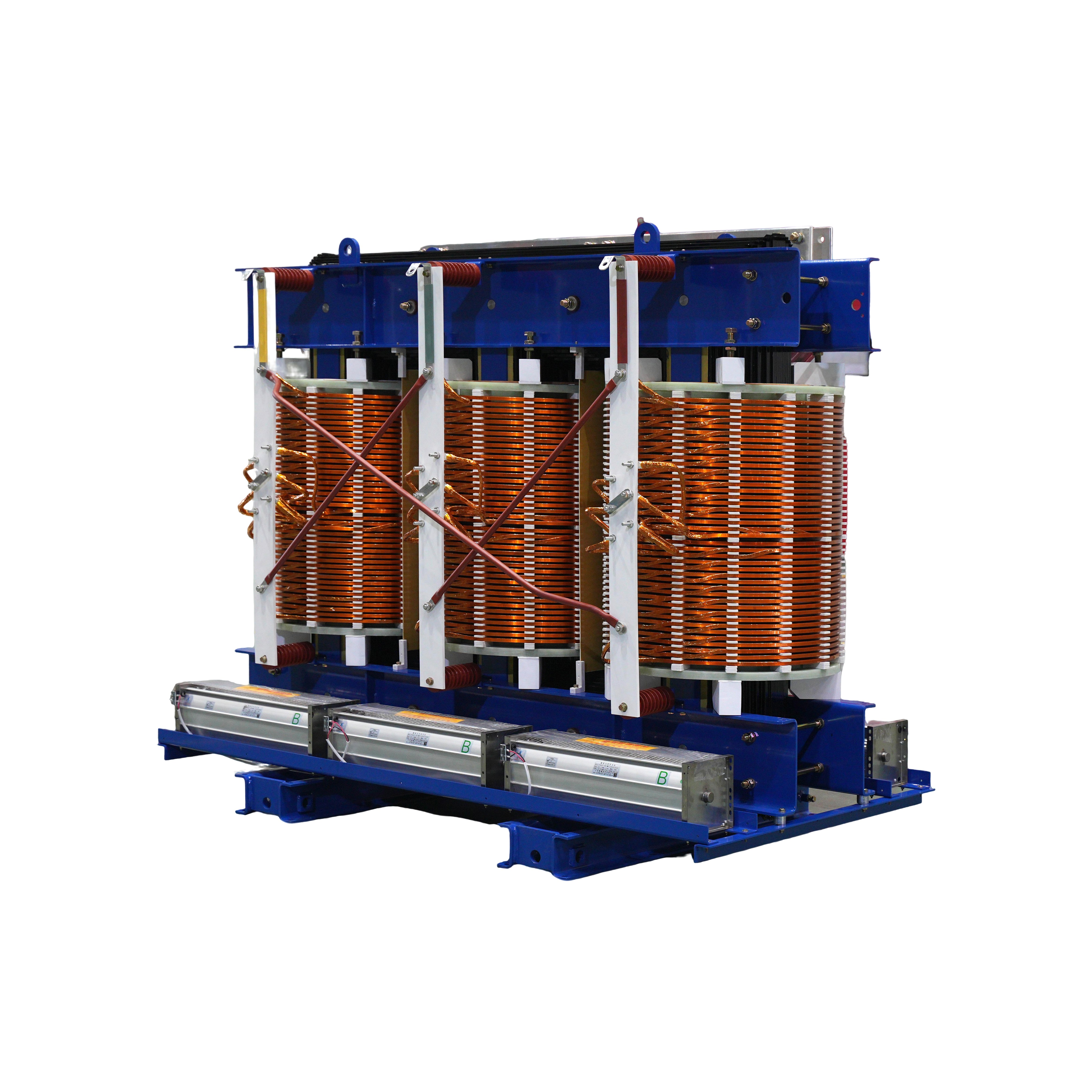
The high voltage dry type transformer represents a revolutionary advancement in electrical power distribution technology, designed to efficiently manage voltage conversion without the need for liquid cooling systems. This sophisticated electrical equipment operates by utilizing electromagnetic induction principles to step up or step down voltage levels while maintaining electrical isolation between circuits. Unlike traditional oil-filled transformers, the high voltage dry type transformer employs solid insulation materials and air cooling mechanisms, making it an environmentally friendly and maintenance-efficient solution for modern power systems. The primary function of these transformers centers on voltage regulation and power distribution across various industrial, commercial, and utility applications. They effectively convert high voltage electricity from transmission lines to lower voltages suitable for end-user consumption, or vice versa, depending on system requirements. The high voltage dry type transformer incorporates advanced core materials, typically constructed from high-grade silicon steel laminations that minimize energy losses and enhance magnetic flux efficiency. The winding configuration utilizes copper or aluminum conductors with superior insulation properties, ensuring reliable performance under demanding operational conditions. Key technological features include temperature monitoring systems, protective enclosures rated for specific environmental conditions, and modular designs that facilitate installation and maintenance procedures. These transformers operate across various voltage ranges, commonly handling voltages from 1kV to 36kV, with power ratings extending from hundreds of kVA to several MVA. Applications span across renewable energy installations, industrial manufacturing facilities, commercial buildings, data centers, mining operations, and electrical substations. The high voltage dry type transformer proves particularly valuable in indoor installations where fire safety concerns and environmental regulations restrict the use of oil-filled alternatives. Their compact design enables installation in space-constrained environments while delivering consistent performance throughout their operational lifespan, typically exceeding 25 years with proper maintenance protocols.

Popular Products

The high voltage dry type transformer offers numerous compelling advantages that make it the preferred choice for modern electrical infrastructure projects. Safety stands as the foremost benefit, as these units eliminate fire and explosion risks associated with oil-filled transformers. Without flammable liquids, facility managers can install these transformers in buildings, basements, and confined spaces with confidence. This safety feature significantly reduces insurance costs and regulatory compliance requirements. Environmental protection represents another major advantage, as the high voltage dry type transformer produces no oil spills or hazardous waste disposal concerns. Companies seeking to reduce their environmental footprint find these transformers align perfectly with sustainability goals and green building certifications. The absence of oil also means no soil contamination risks, making them ideal for installations near water sources or environmentally sensitive areas. Maintenance requirements remain minimal compared to oil-filled alternatives. Operators avoid costly oil testing, filtration, and replacement procedures that traditional transformers demand. The high voltage dry type transformer requires only periodic cleaning and visual inspections, dramatically reducing operational costs and downtime. Installation flexibility provides significant advantages for project managers and engineers. These transformers can be positioned closer to load centers without extensive ventilation systems or oil containment structures. This flexibility reduces installation costs and allows for more efficient facility layouts. The compact design means smaller transformer rooms and reduced construction expenses. Operational reliability exceeds that of many traditional transformer types. The high voltage dry type transformer withstands overload conditions better and recovers quickly from fault situations. Temperature rise characteristics remain predictable and manageable, ensuring consistent performance across varying load conditions. Cost effectiveness emerges through multiple factors including lower initial installation costs, reduced maintenance expenses, and longer service life expectancy. The high voltage dry type transformer typically delivers superior return on investment calculations when total cost of ownership factors are considered. Energy efficiency ratings often exceed traditional alternatives, resulting in lower operating costs throughout the transformer's lifespan. Additionally, these units provide excellent performance in harsh environmental conditions, including high humidity, dust, and temperature variations, making them suitable for diverse geographical locations and industrial applications where traditional transformers might struggle.

Practical Tips

How Does a Transformer Work in High Voltage Power Transmission?

08

Jan

How Does a Transformer Work in High Voltage Power Transmission?

High voltage power transmission systems form the backbone of modern electrical grids, enabling electricity to travel efficiently across vast distances. At the heart of these complex networks lies the power transformer, a crucial piece of equipment th...
View More
Why Are Transformers Critical for Industrial Power Distribution Systems?

14

Jan

Why Are Transformers Critical for Industrial Power Distribution Systems?

Industrial power distribution systems form the backbone of modern manufacturing, commercial facilities, and critical infrastructure operations. At the heart of these complex networks lies a fundamental component that ensures safe, efficient, and reli...
View More
How Do Transformers Support Grid Stability in Large-Scale Power Networks?

20

Jan

How Do Transformers Support Grid Stability in Large-Scale Power Networks?

Large-scale power networks form the backbone of modern electrical infrastructure, requiring sophisticated equipment to maintain stability and reliability across vast geographical areas. Power transformers play a crucial role in these complex systems ...
View More
What Should Utilities Consider When Selecting a Transformer Supplier?

26

Jan

What Should Utilities Consider When Selecting a Transformer Supplier?

Selecting the right supplier for power infrastructure represents one of the most critical decisions utility companies face in today's rapidly evolving energy landscape. The process of choosing a power transformer supplier requires careful evaluation ...
View More

Get a Free Quote

Our representative will contact you soon.
Email
WhatsApp/Mobile
Name
Company Name
Message
0/1000

high voltage dry type transformer

Advanced Fire Safety and Environmental Protection

Advanced Fire Safety and Environmental Protection

The high voltage dry type transformer delivers unparalleled fire safety performance through its innovative oil-free design, eliminating the primary cause of transformer-related fires in electrical installations. This revolutionary approach removes flammable insulating oils that pose significant safety hazards in traditional transformer designs, making these units suitable for installation in occupied buildings, underground facilities, and areas with strict fire codes. The solid insulation system utilizes advanced epoxy resin casting or vacuum pressure impregnation techniques that provide superior dielectric strength while maintaining complete fire resistance. Safety certifications from major testing organizations validate the transformer's ability to operate without generating toxic gases or smoke during emergency situations. Environmental protection benefits extend beyond fire safety, as the high voltage dry type transformer eliminates risks of oil spills that can contaminate soil and groundwater resources. This environmental advantage proves particularly valuable for installations near sensitive ecosystems, drinking water sources, or areas with stringent environmental regulations. The absence of hazardous materials simplifies disposal procedures at end-of-life, reducing environmental impact and compliance costs. Facility managers appreciate the reduced liability exposure that comes with oil-free operation, as they avoid potential cleanup costs and regulatory penalties associated with oil spills. Insurance companies often provide favorable rates for facilities using dry type transformers due to their superior safety profile. The high voltage dry type transformer supports corporate sustainability initiatives by eliminating the need for oil testing, disposal, and replacement procedures that generate environmental waste. Green building certification programs, including LEED and BREEAM, award points for dry type transformer installations due to their environmental benefits. This makes them an attractive choice for organizations committed to reducing their carbon footprint and achieving sustainability targets while maintaining reliable electrical infrastructure performance.
Superior Maintenance Efficiency and Operational Reliability

Superior Maintenance Efficiency and Operational Reliability

The high voltage dry type transformer revolutionizes maintenance practices through its simplified operational requirements and exceptional reliability characteristics. Unlike oil-filled transformers that demand regular oil sampling, testing, and replacement procedures, these units require minimal maintenance intervention throughout their operational lifespan. The solid insulation system eliminates moisture ingress concerns that plague oil-filled units, preventing insulation degradation and extending service life significantly. Maintenance personnel can perform routine inspections using visual checks and thermal imaging techniques without specialized oil testing equipment or hazardous material handling procedures. The self-cleaning properties of the epoxy resin insulation system resist dust accumulation and environmental contaminants that typically affect transformer performance. Temperature monitoring systems integrated into the high voltage dry type transformer provide continuous operational status updates, enabling predictive maintenance strategies that prevent unexpected failures. These transformers demonstrate superior overload capacity, typically handling 150-200% of rated load for extended periods without damage, providing valuable operational flexibility during peak demand situations. The absence of oil circulation systems eliminates mechanical failure points such as pumps, valves, and cooling systems that require regular maintenance in traditional designs. Vibration levels remain minimal due to the solid construction and lack of oil circulation equipment, reducing mechanical stress on mounting structures and extending installation lifespan. Operational reliability benefits include faster recovery from fault conditions, as the solid insulation system withstands electrical stress better than oil-paper insulation. The high voltage dry type transformer maintains consistent performance across wide temperature ranges without requiring auxiliary cooling systems in most applications. This reliability advantage translates to reduced downtime costs and improved power system availability. Service life typically exceeds 30 years with proper operation, providing exceptional long-term value for infrastructure investments. The modular design facilitates easy replacement of components when necessary, minimizing repair costs and system downtime.
Flexible Installation Options and Space Optimization

Flexible Installation Options and Space Optimization

The high voltage dry type transformer provides unprecedented installation flexibility that addresses the evolving needs of modern electrical infrastructure projects. Space constraints in urban environments and industrial facilities demand compact, efficient solutions, and these transformers deliver optimal footprint utilization without sacrificing performance or safety. The absence of oil containment requirements eliminates the need for expensive bund walls, leak detection systems, and specialized drainage infrastructure that traditional transformers demand. Installation teams can position the high voltage dry type transformer in basements, equipment rooms, rooftops, and other confined spaces where oil-filled units would be prohibited or impractical. This flexibility enables architects and engineers to optimize building designs and reduce construction costs associated with dedicated transformer vaults. Ventilation requirements remain minimal compared to oil-filled alternatives, as natural air circulation often provides adequate cooling for proper operation. The high voltage dry type transformer adapts to various mounting configurations including floor-standing, wall-mounted, and platform installations, accommodating diverse facility layouts and space constraints. Noise levels remain significantly lower than oil-filled transformers due to the absence of cooling pumps and oil circulation systems, making them suitable for noise-sensitive environments such as hospitals, schools, and residential areas. Transportation advantages include reduced weight compared to oil-filled units and elimination of special handling requirements for hazardous materials during shipping and installation. The modular construction allows for easier handling and positioning in tight spaces, reducing installation complexity and labor costs. Indoor installation capability protects the transformer from weather exposure, extending service life and reducing maintenance requirements associated with outdoor installations. The high voltage dry type transformer integrates seamlessly with building automation systems through digital monitoring interfaces that provide real-time operational data and remote control capabilities. This integration supports modern smart building initiatives and energy management strategies. Seismic resistance characteristics often exceed those of oil-filled transformers due to the solid construction and lower center of gravity, making them suitable for earthquake-prone regions. The flexible installation options enable retrofit projects in existing facilities where space limitations or safety concerns previously prevented transformer upgrades, supporting infrastructure modernization initiatives while maintaining operational continuity.

Get a Free Quote

Our representative will contact you soon.
Email
WhatsApp/Mobile
Name
Company Name
Message
0/1000