Epoxy Resin Dry Type Transformer - Advanced Safety & Environmental Protection Solutions

Get a Free Quote

Our representative will contact you soon.
Email
WhatsApp/Mobile
Name
Company Name
Message
0/1000

epoxy resin dry type transformer

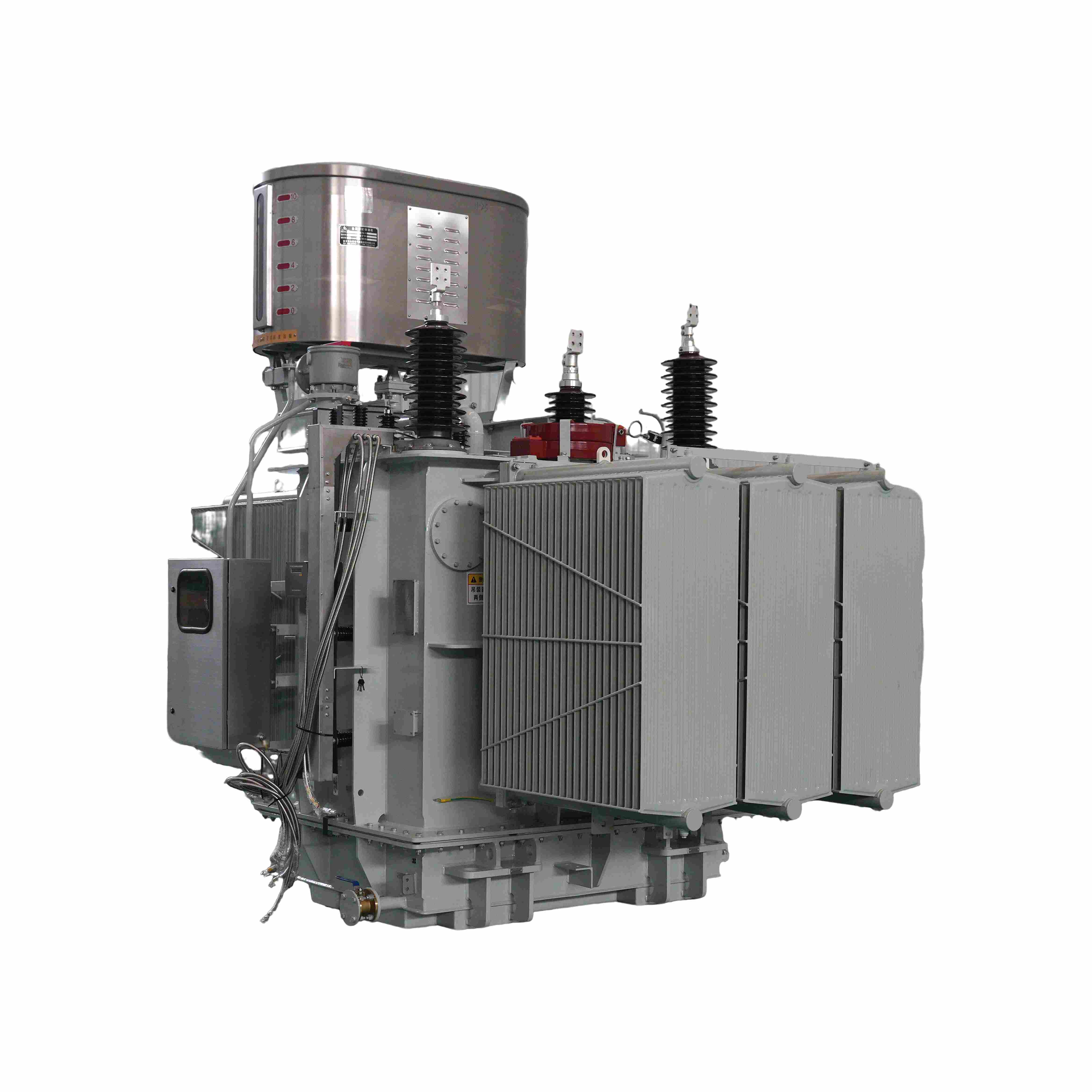
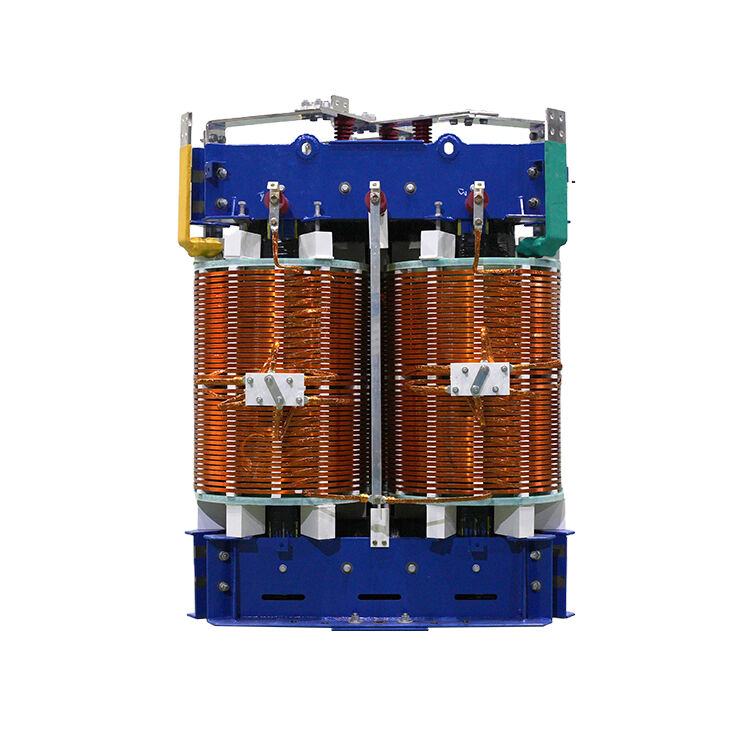
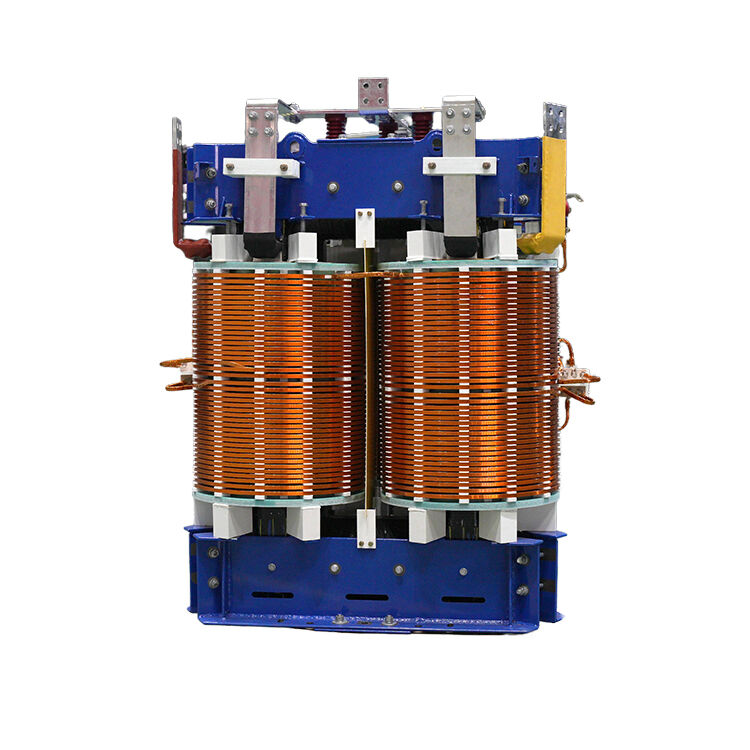
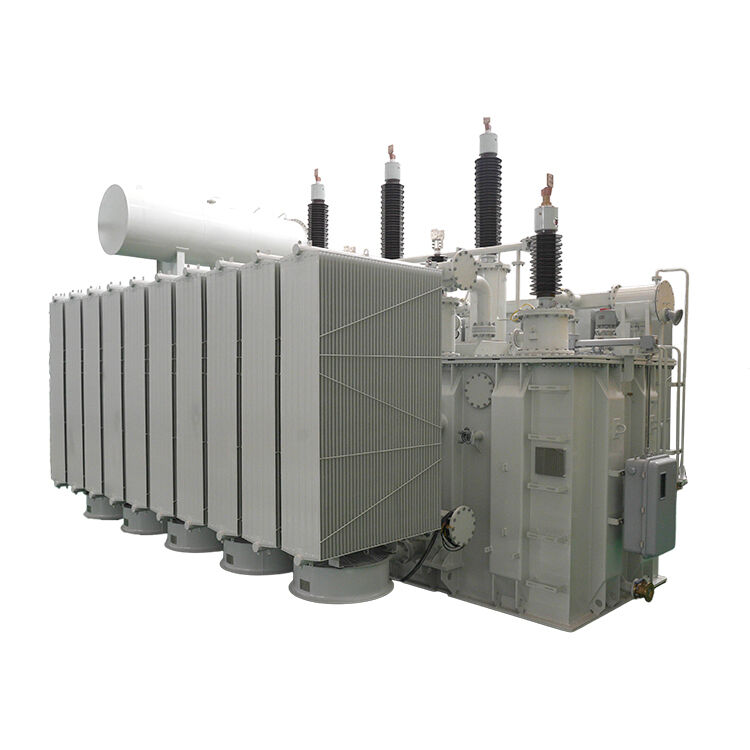
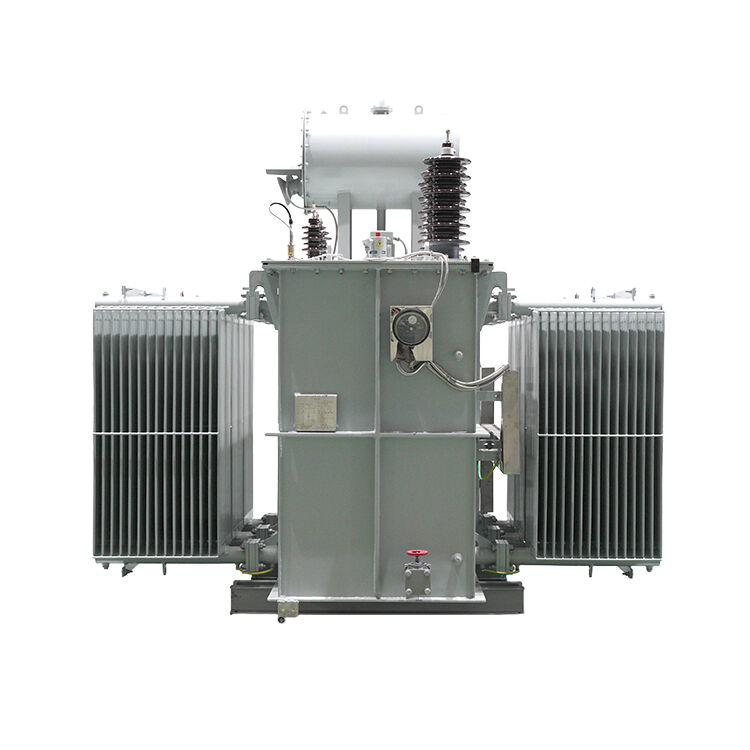
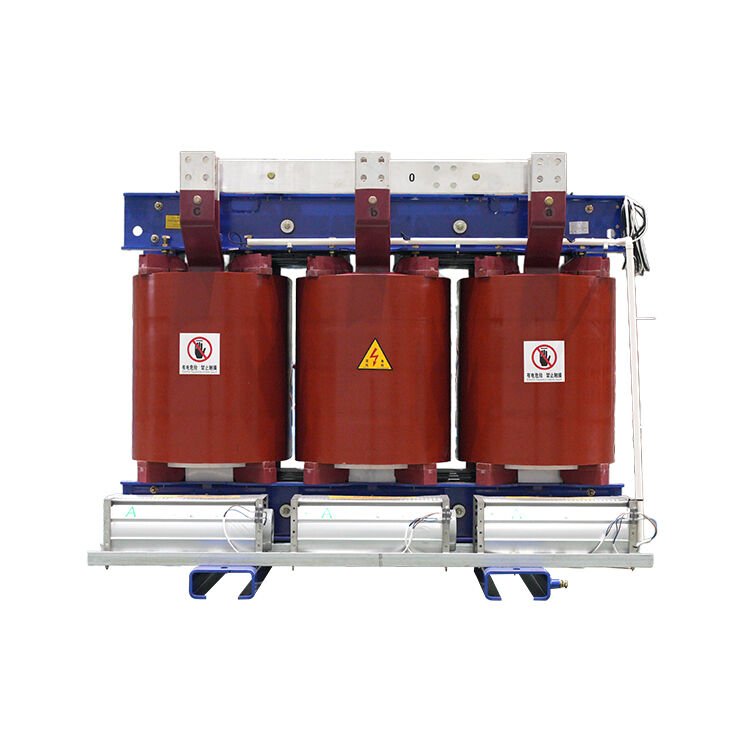
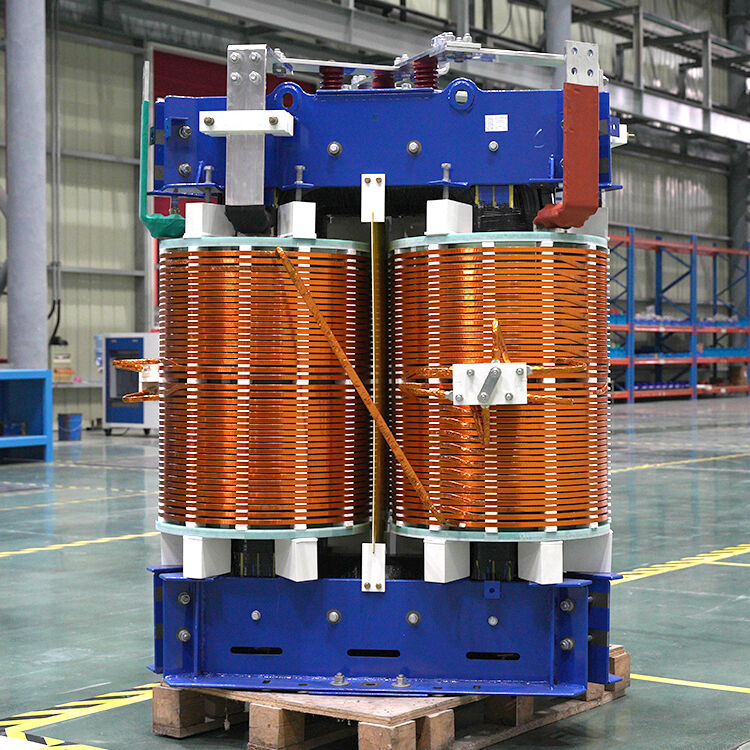
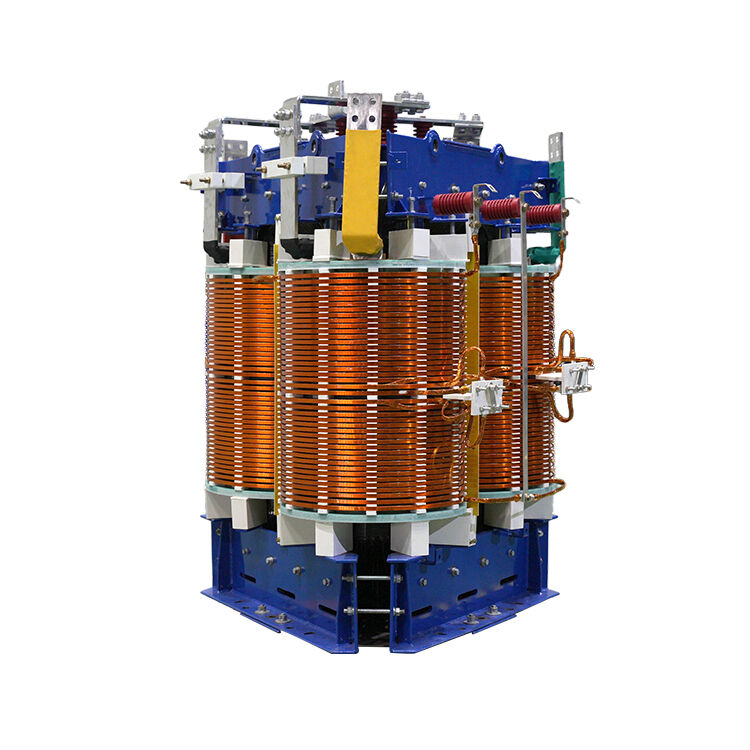
The epoxy resin dry type transformer represents a revolutionary advancement in electrical power distribution technology, combining superior insulation materials with innovative design principles to deliver exceptional performance across diverse industrial applications. This sophisticated electrical device utilizes epoxy resin as its primary insulation medium, completely eliminating the need for traditional oil-based cooling and insulation systems that have dominated the transformer industry for decades. The main function of an epoxy resin dry type transformer centers on voltage transformation, stepping electrical voltage up or down according to specific power distribution requirements while maintaining optimal efficiency and safety standards. The technological features of these transformers include vacuum pressure impregnation processes that ensure complete resin penetration throughout the winding structure, creating a solid, monolithic insulation system that provides superior protection against environmental factors, moisture, and contaminants. Advanced manufacturing techniques incorporate high-grade epoxy resins that cure under controlled temperature and pressure conditions, resulting in windings that exhibit exceptional mechanical strength, thermal stability, and electrical insulation properties. The transformer core utilizes high-quality silicon steel laminations that minimize energy losses and reduce operational noise levels significantly. Modern epoxy resin dry type transformers feature compact designs that maximize space utilization while delivering reliable power conversion capabilities. These units incorporate sophisticated cooling systems that may include natural air circulation, forced air cooling, or advanced heat dissipation technologies depending on power ratings and installation environments. The applications for epoxy resin dry type transformers span numerous industries including commercial buildings, hospitals, schools, manufacturing facilities, data centers, renewable energy installations, and urban power distribution networks where safety, reliability, and environmental considerations take precedence over traditional transformer solutions.

New Product Releases

Epoxy resin dry type transformers offer numerous compelling advantages that make them the preferred choice for modern electrical installations across various sectors. Safety represents the most significant benefit these transformers provide, as they eliminate fire and explosion risks associated with oil-filled units. The absence of flammable liquids means these transformers can be installed in buildings, underground facilities, and areas where human safety is paramount without requiring specialized fire suppression systems or extensive safety protocols. This safety advantage translates directly into reduced insurance costs and simplified regulatory compliance for facility owners and operators. Environmental protection stands as another major advantage, as epoxy resin dry type transformers contain no hazardous oils or chemicals that could potentially leak and contaminate soil, groundwater, or surrounding areas. This eco-friendly design aligns perfectly with modern sustainability initiatives and environmental regulations, making them ideal for green building projects and environmentally sensitive installations. Maintenance requirements are dramatically reduced compared to oil-filled alternatives, eliminating the need for regular oil testing, filtering, and replacement procedures. The sealed epoxy resin insulation system prevents moisture ingress and contamination, resulting in longer service life and improved reliability over decades of operation. Installation flexibility represents a crucial practical benefit, as these transformers can be placed indoors without special ventilation requirements, positioned closer to load centers for improved efficiency, and installed in areas with limited space constraints. The compact design reduces footprint requirements while the absence of oil containment systems eliminates the need for expensive bunding and spill prevention infrastructure. Operational efficiency remains consistently high throughout the transformer's lifespan, as the stable epoxy resin insulation maintains its dielectric properties without degradation, ensuring optimal power transfer and minimal energy losses. Cost-effectiveness emerges from reduced installation expenses, lower maintenance requirements, extended operational life, and elimination of oil-related infrastructure needs, making epoxy resin dry type transformers an economically sound investment for long-term electrical infrastructure projects.

Practical Tips

How Does a Transformer Work in High Voltage Power Transmission?

08

Jan

How Does a Transformer Work in High Voltage Power Transmission?

High voltage power transmission systems form the backbone of modern electrical grids, enabling electricity to travel efficiently across vast distances. At the heart of these complex networks lies the power transformer, a crucial piece of equipment th...
View More
Why Are Transformers Critical for Industrial Power Distribution Systems?

14

Jan

Why Are Transformers Critical for Industrial Power Distribution Systems?

Industrial power distribution systems form the backbone of modern manufacturing, commercial facilities, and critical infrastructure operations. At the heart of these complex networks lies a fundamental component that ensures safe, efficient, and reli...
View More
How Do Transformers Support Grid Stability in Large-Scale Power Networks?

20

Jan

How Do Transformers Support Grid Stability in Large-Scale Power Networks?

Large-scale power networks form the backbone of modern electrical infrastructure, requiring sophisticated equipment to maintain stability and reliability across vast geographical areas. Power transformers play a crucial role in these complex systems ...
View More
What Should Utilities Consider When Selecting a Transformer Supplier?

26

Jan

What Should Utilities Consider When Selecting a Transformer Supplier?

Selecting the right supplier for power infrastructure represents one of the most critical decisions utility companies face in today's rapidly evolving energy landscape. The process of choosing a power transformer supplier requires careful evaluation ...
View More

Get a Free Quote

Our representative will contact you soon.
Email
WhatsApp/Mobile
Name
Company Name
Message
0/1000

epoxy resin dry type transformer

Superior Safety and Fire Protection

Superior Safety and Fire Protection

The paramount safety advantage of epoxy resin dry type transformers stems from their inherent fire-resistant design that completely eliminates flammable liquids from the electrical system. Unlike traditional oil-filled transformers that pose significant fire and explosion risks, these units utilize solid epoxy resin insulation that cannot ignite or contribute to fire propagation under normal or fault conditions. This fundamental safety improvement allows installation in occupied buildings, underground vaults, high-rise structures, hospitals, schools, and other facilities where human safety takes absolute priority. The non-combustible nature of epoxy resin insulation means these transformers can be positioned adjacent to critical infrastructure, storage areas, and populated spaces without requiring expensive fire suppression systems, blast-resistant enclosures, or extensive safety clearances. Fire departments and safety inspectors consistently approve installations that would be impossible with oil-filled alternatives, enabling optimal placement for electrical efficiency and space utilization. The solid insulation system prevents arc propagation and contains electrical faults within the transformer structure, minimizing damage to surrounding equipment and infrastructure during abnormal operating conditions. Insurance companies recognize this reduced risk profile by offering lower premiums for facilities utilizing epoxy resin dry type transformers, creating immediate cost savings that compound over the equipment's operational lifetime. Emergency response procedures are simplified significantly, as first responders do not need to address potential oil spills, toxic fumes, or explosive hazards during fire emergencies or natural disasters. The absence of pressurized oil systems eliminates catastrophic failure modes that could result in widespread contamination or extensive property damage, providing peace of mind for facility managers and building occupants alike.
Environmental Sustainability and Regulatory Compliance

Environmental Sustainability and Regulatory Compliance

Environmental protection capabilities of epoxy resin dry type transformers address growing concerns about industrial equipment's ecological impact while ensuring compliance with increasingly stringent environmental regulations worldwide. The complete absence of mineral oils, synthetic fluids, and other potentially hazardous substances eliminates risks of soil and groundwater contamination that plague oil-filled transformer installations throughout their operational lifecycle. This environmental advantage becomes particularly crucial in urban environments, near water sources, in agricultural areas, and within environmentally sensitive ecosystems where even minor spills could cause significant ecological damage. Regulatory compliance is streamlined dramatically, as these transformers do not require environmental impact assessments, spill prevention plans, groundwater monitoring systems, or specialized waste disposal procedures associated with oil-containing equipment. The solid epoxy resin construction means no liquid waste generation during normal operation or maintenance activities, supporting corporate sustainability initiatives and reducing environmental liability exposure. End-of-life disposal is environmentally responsible, as epoxy resin components can be recycled or disposed of safely without special hazardous waste protocols required for oil-contaminated materials. Carbon footprint reduction occurs through elimination of oil production, transportation, processing, and disposal activities while the extended operational life of epoxy resin insulation reduces replacement frequency and associated environmental impacts. Green building certification programs recognize these environmental benefits, often awarding points toward LEED, BREEAM, and other sustainability ratings for facilities incorporating dry type transformer technology. Climate change resilience is enhanced, as these transformers operate reliably across wide temperature ranges without oil viscosity concerns, thermal expansion issues, or weather-related performance degradation that affects fluid-filled alternatives in extreme environmental conditions.
Maintenance-Free Operation and Long-Term Reliability

Maintenance-Free Operation and Long-Term Reliability

The maintenance-free operational characteristics of epoxy resin dry type transformers represent a transformative advantage that significantly reduces lifecycle costs while ensuring consistent performance over decades of service. The solid epoxy resin insulation system requires no periodic testing, sampling, filtering, or replacement procedures that consume substantial resources in oil-filled transformer maintenance programs. This elimination of routine maintenance activities translates directly into reduced operational expenses, minimized system downtime, and decreased dependency on specialized maintenance personnel and equipment. The hermetically sealed construction prevents moisture ingress, contamination, and oxidation that typically degrade insulation performance in traditional transformers, ensuring stable dielectric properties throughout the equipment's operational lifetime. Temperature cycling, load variations, and environmental conditions do not affect the solid insulation system's integrity, maintaining consistent electrical performance without the gradual degradation experienced by oil-based systems. Predictive maintenance requirements are minimized, as the stable epoxy resin insulation exhibits predictable aging characteristics without the complex chemical interactions and contamination issues that complicate oil-filled transformer monitoring programs. Asset management becomes more straightforward with clearly defined replacement intervals based on electrical performance rather than unpredictable maintenance interventions driven by oil condition or environmental factors. Remote monitoring capabilities are enhanced, as these transformers typically incorporate advanced sensors and communication systems that provide real-time performance data without requiring physical inspection or sampling procedures. Operational continuity is improved significantly, as planned maintenance outages become unnecessary for routine insulation system servicing, allowing continuous operation except for scheduled electrical system maintenance activities. The robust construction and stable insulation properties result in extended service life expectations often exceeding 30 years under normal operating conditions, providing exceptional return on investment compared to alternatives requiring frequent maintenance interventions and earlier replacement cycles.

Get a Free Quote

Our representative will contact you soon.
Email
WhatsApp/Mobile
Name
Company Name
Message
0/1000