High-Performance Low Voltage to High Voltage Transformers - Efficient Power Conversion Solutions

Get a Free Quote

Our representative will contact you soon.
Email
WhatsApp/Mobile
Name
Company Name
Message
0/1000

low voltage to high voltage transformer

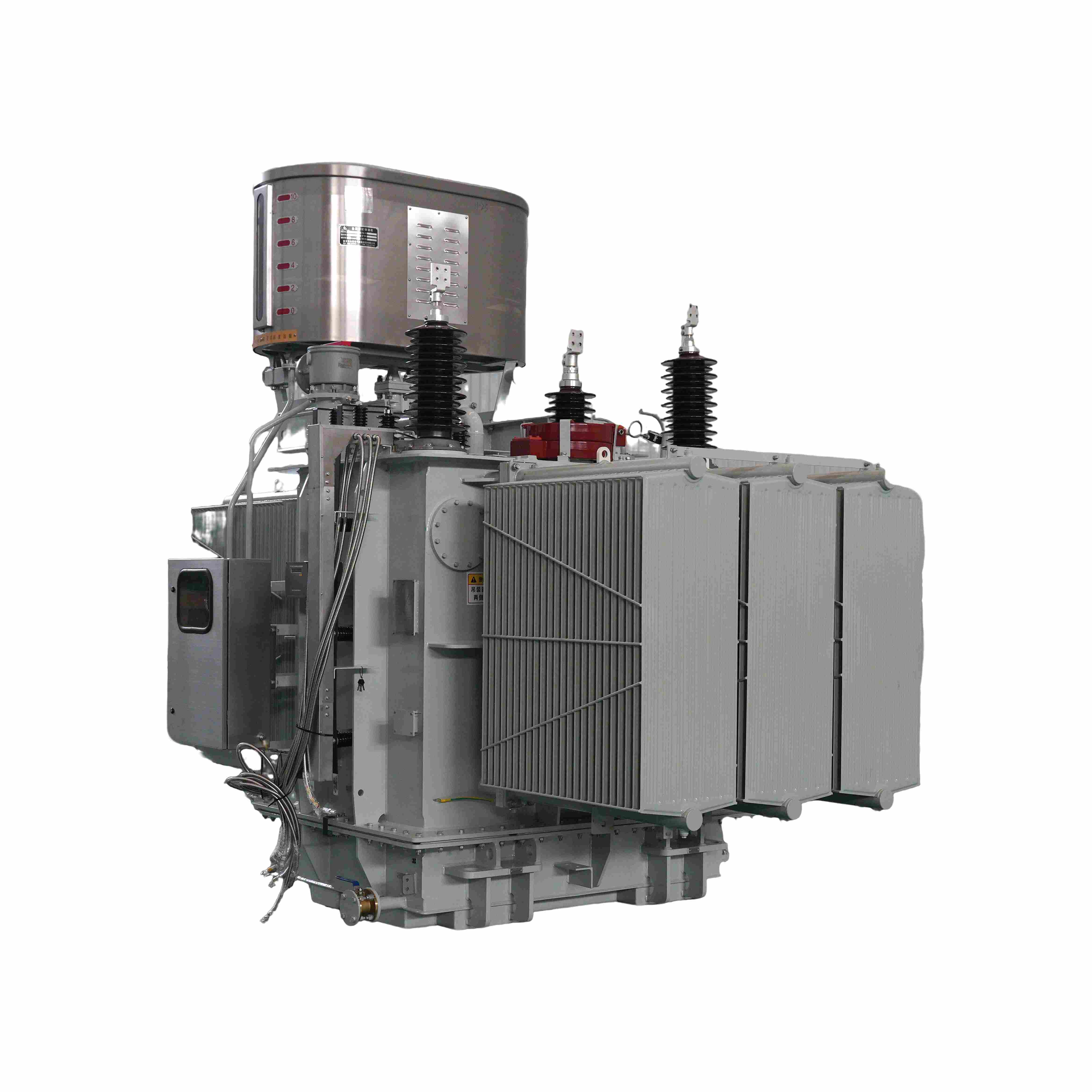
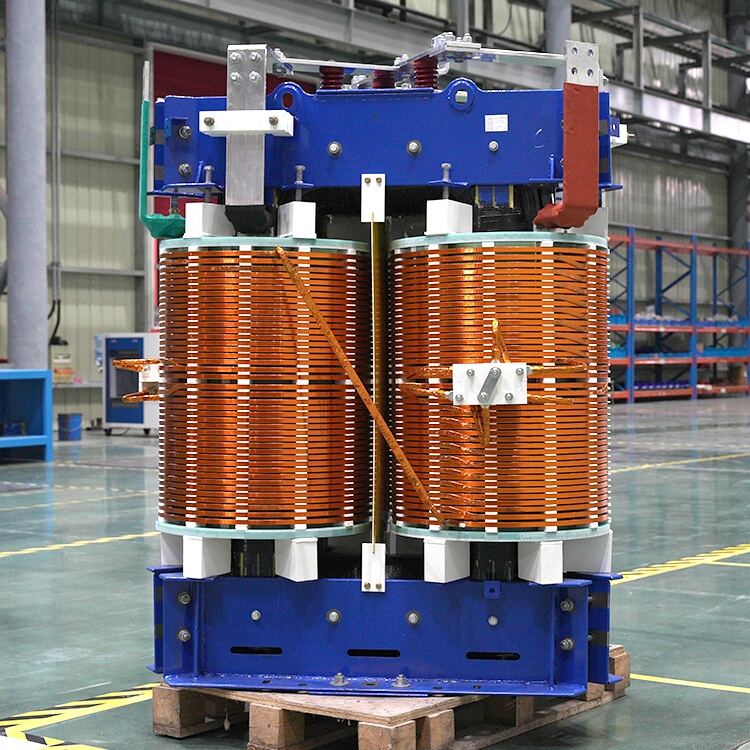
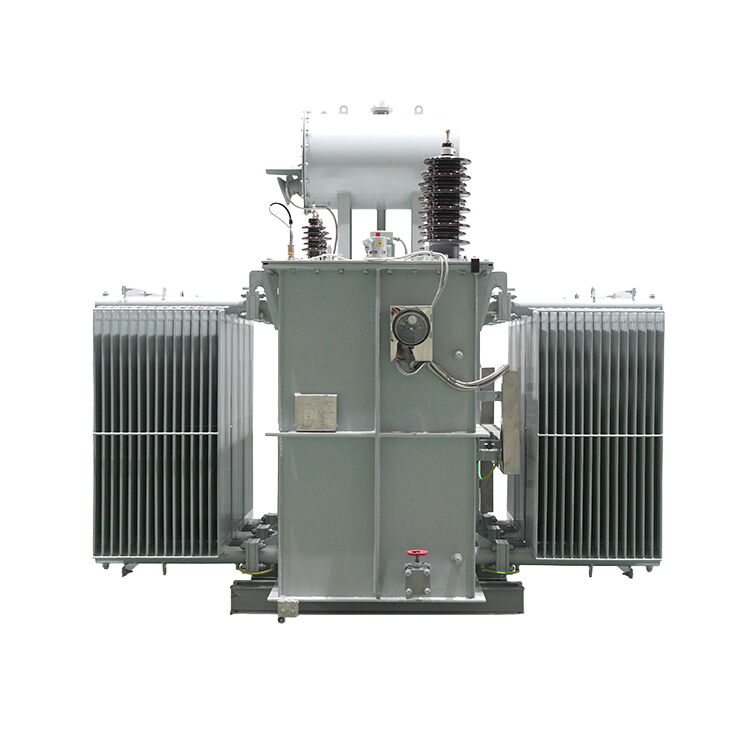
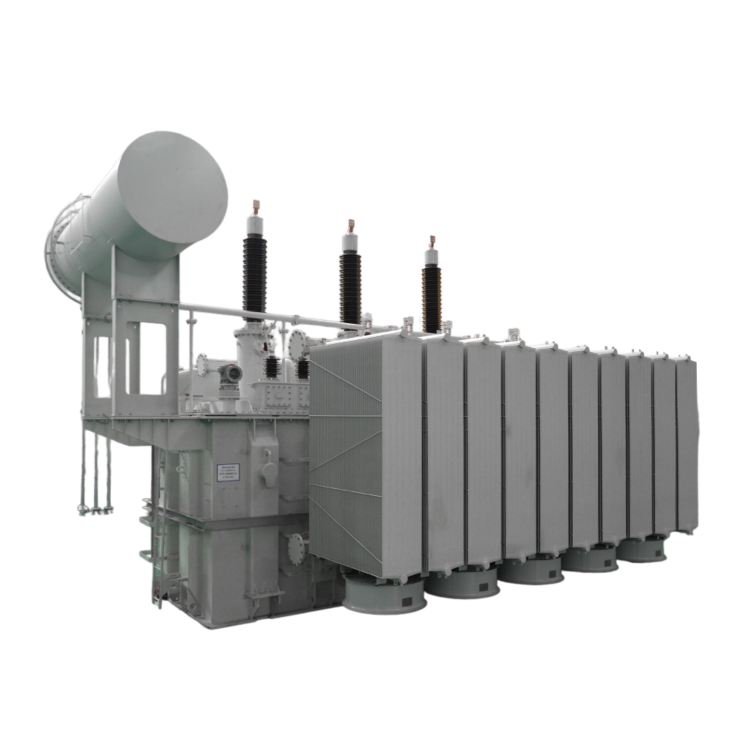
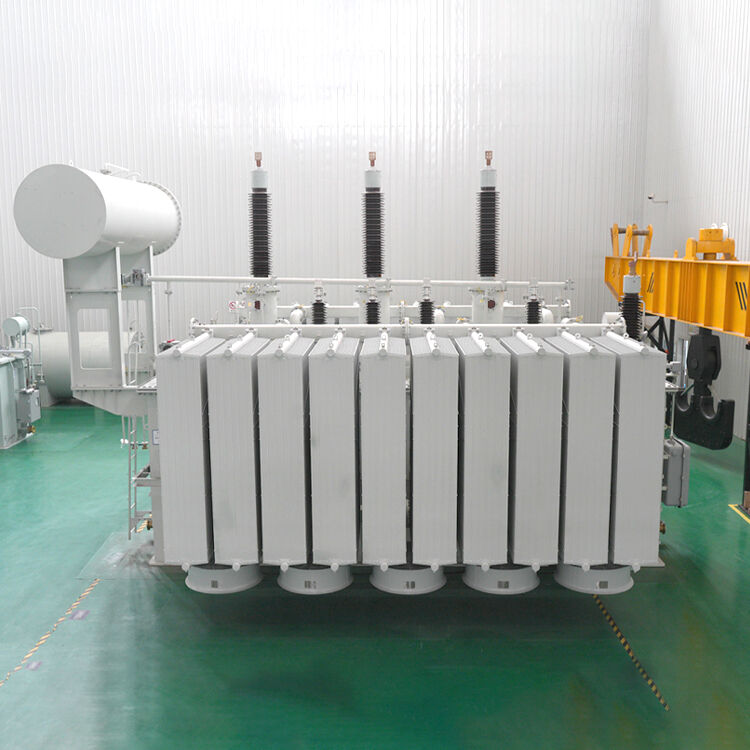
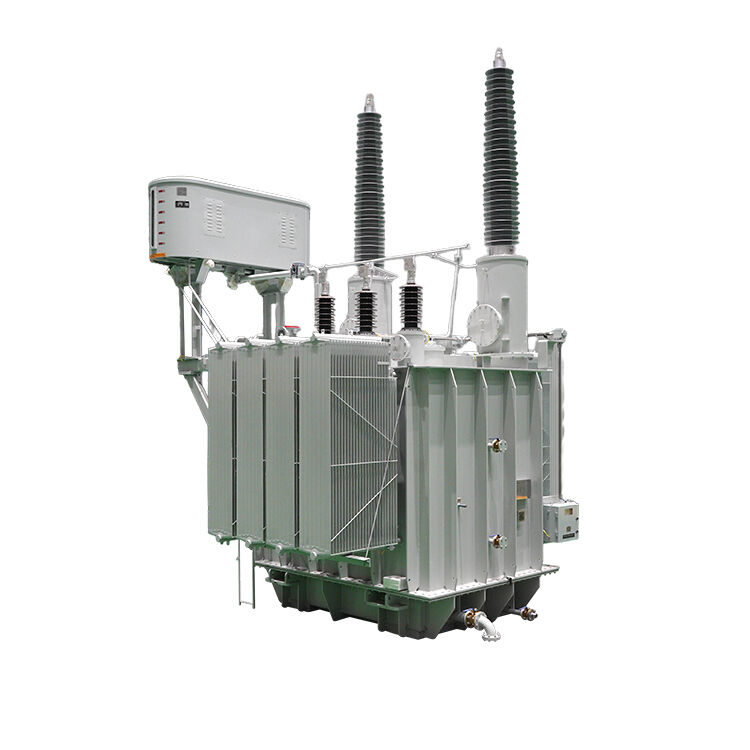
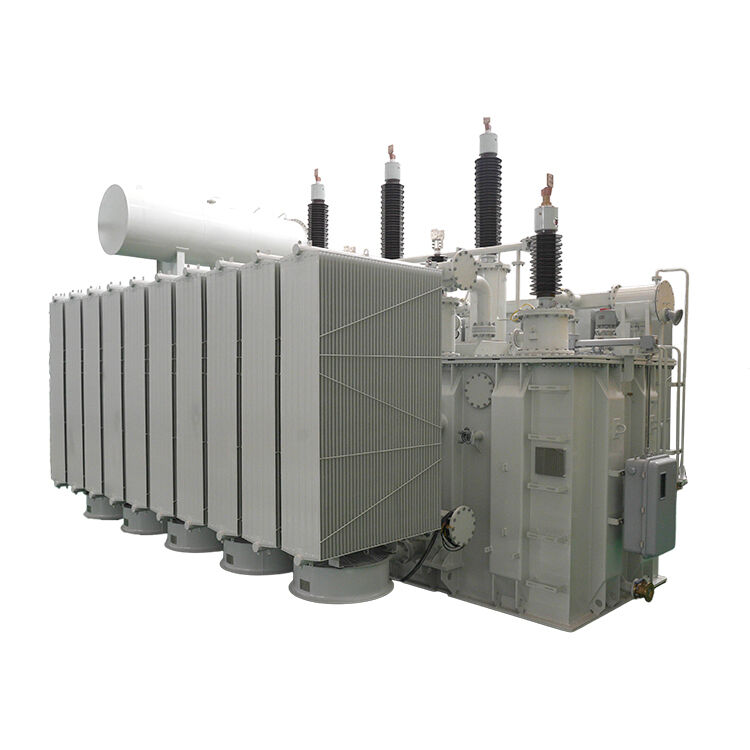
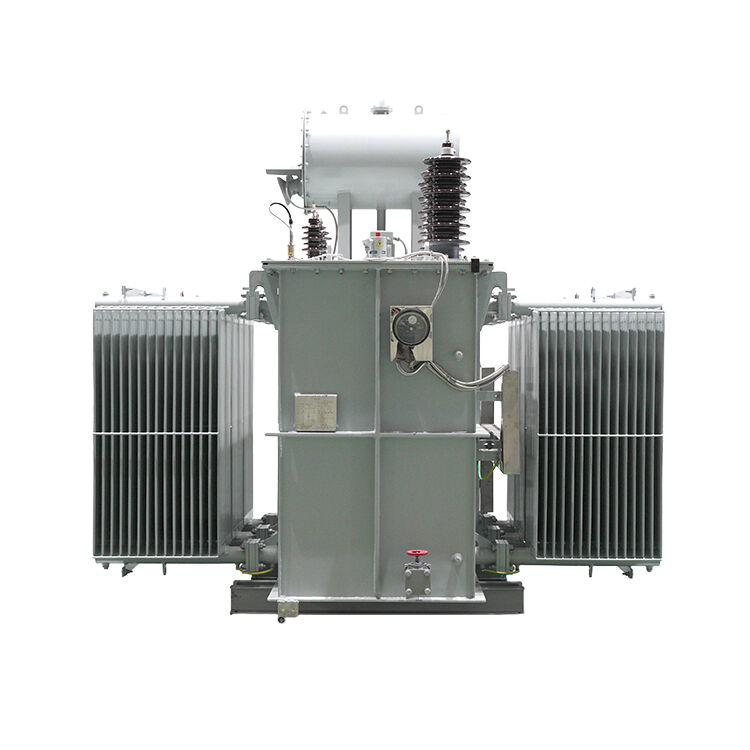
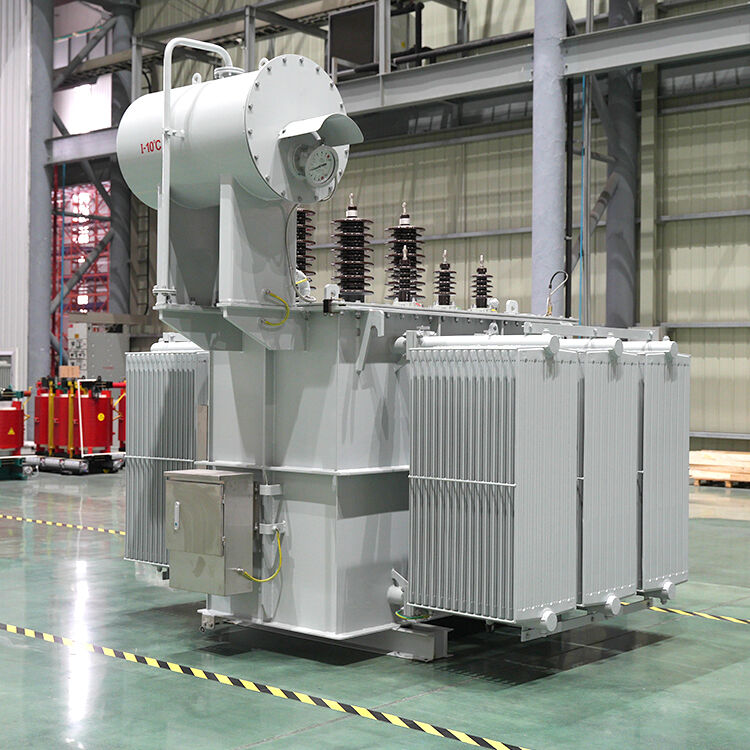
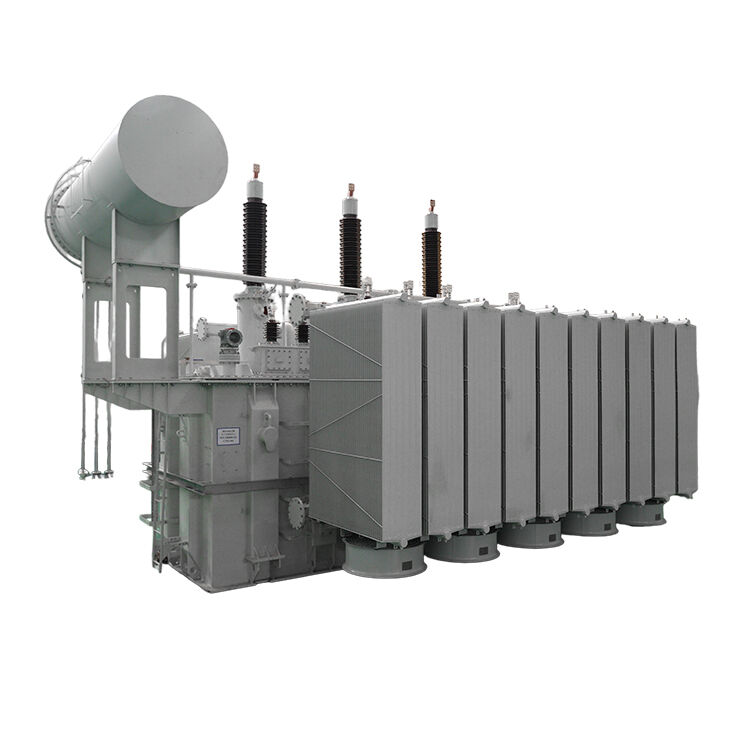
A low voltage to high voltage transformer represents a fundamental electrical component designed to convert electrical energy from lower voltage levels to significantly higher voltage levels through electromagnetic induction principles. This sophisticated device operates by utilizing two or more coils of wire, known as windings, wrapped around a magnetic core to facilitate voltage conversion while maintaining power efficiency. The primary function of this transformer involves receiving electrical input at relatively low voltage levels and delivering output at substantially elevated voltage levels, making it indispensable for numerous industrial and commercial applications. The technological features of a low voltage to high voltage transformer include precision-engineered magnetic cores constructed from high-grade silicon steel laminations that minimize energy losses and maximize magnetic flux transfer. Advanced insulation systems protect against electrical breakdown and ensure safe operation under high voltage conditions. Modern designs incorporate sophisticated cooling mechanisms, including forced air circulation or oil immersion systems, to manage heat generation during operation. The transformer's construction includes carefully calculated turn ratios between primary and secondary windings to achieve desired voltage multiplication factors. Quality transformers feature robust terminal connections, comprehensive protection systems, and monitoring capabilities for optimal performance tracking. Applications for low voltage to high voltage transformers span diverse industries including power generation facilities, electrical testing laboratories, research institutions, manufacturing plants, and specialized equipment operations. These transformers prove essential in powering high voltage equipment, conducting electrical testing procedures, operating electrostatic precipitators, driving X-ray machines, and supporting various scientific research applications. The versatility of these devices makes them critical components in power distribution systems, industrial processes requiring elevated voltage levels, and specialized applications demanding reliable voltage conversion. Their role extends to supporting renewable energy systems, medical equipment, and advanced manufacturing processes that require precise voltage control.

New Products

The advantages of implementing a low voltage to high voltage transformer in electrical systems provide substantial benefits that directly impact operational efficiency and cost-effectiveness for businesses and organizations. These transformers deliver exceptional energy conversion efficiency, typically achieving 95-98% efficiency rates, which translates to minimal power losses during voltage transformation processes. This high efficiency means reduced electricity costs and lower environmental impact, making these devices economically attractive for long-term operations. The reliability factor stands as another significant advantage, as quality low voltage to high voltage transformers demonstrate extended operational lifespans often exceeding 25-30 years with proper maintenance. This longevity provides excellent return on investment and reduces replacement costs over time. Safety represents a paramount advantage, as these transformers incorporate multiple protection mechanisms including overcurrent protection, temperature monitoring, and insulation barriers that prevent electrical hazards and protect personnel from dangerous voltage levels. The compact design of modern transformers allows for flexible installation options, accommodating space constraints while delivering powerful voltage conversion capabilities. Installation versatility enables placement in various environments, from indoor electrical rooms to outdoor substations, providing operational flexibility. These transformers offer precise voltage regulation, maintaining stable output levels even with varying input conditions, which ensures consistent performance of connected equipment and processes. The low maintenance requirements represent another practical advantage, as quality transformers need minimal routine servicing, reducing operational disruptions and maintenance costs. Many models feature self-monitoring capabilities that alert operators to potential issues before they become critical problems. Cost-effectiveness extends beyond initial purchase price, encompassing reduced operational expenses through efficient energy conversion and minimal maintenance needs. The scalability advantage allows users to select transformer ratings that match specific power requirements, avoiding oversized installations that waste resources. Environmental benefits include reduced electromagnetic emissions and noise levels compared to alternative voltage conversion methods. These transformers support sustainable operations by minimizing energy waste and reducing carbon footprints. The technological advancement in modern designs provides enhanced performance characteristics, including improved thermal management, better insulation systems, and increased durability under challenging operating conditions.

Latest News

How Does a Transformer Work in High Voltage Power Transmission?

08

Jan

How Does a Transformer Work in High Voltage Power Transmission?

High voltage power transmission systems form the backbone of modern electrical grids, enabling electricity to travel efficiently across vast distances. At the heart of these complex networks lies the power transformer, a crucial piece of equipment th...
View More
Why Are Transformers Critical for Industrial Power Distribution Systems?

14

Jan

Why Are Transformers Critical for Industrial Power Distribution Systems?

Industrial power distribution systems form the backbone of modern manufacturing, commercial facilities, and critical infrastructure operations. At the heart of these complex networks lies a fundamental component that ensures safe, efficient, and reli...
View More
How Do Transformers Support Grid Stability in Large-Scale Power Networks?

20

Jan

How Do Transformers Support Grid Stability in Large-Scale Power Networks?

Large-scale power networks form the backbone of modern electrical infrastructure, requiring sophisticated equipment to maintain stability and reliability across vast geographical areas. Power transformers play a crucial role in these complex systems ...
View More
What Should Utilities Consider When Selecting a Transformer Supplier?

26

Jan

What Should Utilities Consider When Selecting a Transformer Supplier?

Selecting the right supplier for power infrastructure represents one of the most critical decisions utility companies face in today's rapidly evolving energy landscape. The process of choosing a power transformer supplier requires careful evaluation ...
View More

Get a Free Quote

Our representative will contact you soon.
Email
WhatsApp/Mobile
Name
Company Name
Message
0/1000

low voltage to high voltage transformer

Superior Energy Efficiency and Cost Savings

Superior Energy Efficiency and Cost Savings

The superior energy efficiency of low voltage to high voltage transformers represents one of their most compelling advantages, delivering exceptional performance that directly impacts operational costs and environmental sustainability. Modern transformer designs achieve remarkable efficiency ratings between 95-98%, meaning that only 2-5% of input energy is lost during the conversion process from low voltage to high voltage levels. This exceptional efficiency stems from advanced core materials, optimized winding configurations, and precision manufacturing techniques that minimize energy losses through heat generation and electromagnetic inefficiencies. The economic implications of this high efficiency become particularly significant in continuous operation scenarios, where even small percentage improvements in efficiency translate to substantial cost savings over time. For organizations operating these transformers for extended periods, the cumulative energy savings can amount to thousands of dollars annually, depending on the transformer's rating and utilization patterns. The environmental benefits complement the economic advantages, as reduced energy consumption directly correlates to lower carbon emissions and decreased environmental impact. This efficiency advantage becomes increasingly important as organizations focus on sustainability goals and carbon footprint reduction initiatives. The advanced magnetic core construction, typically utilizing high-grade silicon steel laminations, minimizes core losses while maximizing magnetic flux transfer between windings. Additionally, the precision-wound copper conductors reduce resistive losses, further enhancing overall efficiency. Temperature management systems integrated into modern designs prevent efficiency degradation due to excessive heat, maintaining optimal performance throughout the transformer's operational life. The efficiency advantage extends beyond direct energy savings to include reduced cooling requirements, lower heat generation in electrical rooms, and decreased strain on building HVAC systems. Quality low voltage to high voltage transformers maintain their efficiency levels over decades of operation, providing consistent performance and reliable cost savings throughout their extended service life. This sustained efficiency makes these transformers excellent long-term investments for organizations seeking to optimize their electrical infrastructure while minimizing operational costs.
Exceptional Reliability and Extended Service Life

Exceptional Reliability and Extended Service Life

The exceptional reliability and extended service life of low voltage to high voltage transformers make them invaluable investments for organizations requiring dependable voltage conversion solutions over decades of operation. These transformers are engineered using premium materials and advanced manufacturing techniques that ensure consistent performance under various operating conditions and environmental challenges. The robust construction typically includes high-grade magnetic cores made from specially treated silicon steel, premium insulation systems rated for high voltage applications, and corrosion-resistant enclosures that protect internal components from environmental factors. Quality transformers routinely operate reliably for 25-30 years or more with minimal maintenance requirements, providing exceptional return on investment and operational continuity. The reliability stems from conservative design practices that incorporate safety margins in all critical components, ensuring the transformer can handle occasional overload conditions without failure. Advanced insulation systems prevent electrical breakdown even under extreme conditions, while comprehensive protection circuits guard against overcurrent, overvoltage, and overtemperature situations. The extended service life results from careful attention to thermal management, as excessive heat represents the primary factor limiting transformer longevity. Modern designs incorporate efficient cooling systems, including natural convection, forced air circulation, or oil immersion cooling, depending on the application requirements. These cooling mechanisms maintain optimal operating temperatures, preventing insulation degradation and extending component life significantly. The reliability advantage translates to reduced downtime, lower replacement costs, and improved operational predictability for businesses depending on consistent high voltage power supply. Many manufacturers provide comprehensive warranties extending 10-15 years, demonstrating confidence in their products' reliability and durability. The service life extension comes from using premium materials throughout the construction, including high-temperature-rated insulation materials, corrosion-resistant metals, and robust mechanical components designed to withstand vibration and thermal cycling. Regular maintenance protocols, including periodic inspections and testing, can further extend service life beyond typical expectations. The reliability factor becomes particularly crucial in critical applications where transformer failure could result in significant operational disruptions, equipment damage, or safety hazards.

Versatile Applications and Installation Flexibility

Versatile Applications and Installation Flexibility

The versatile applications and installation flexibility of low voltage to high voltage transformers make them essential components across diverse industries and specialized equipment installations. These transformers adapt to numerous operational requirements, from laboratory testing environments to heavy industrial applications, demonstrating remarkable versatility in voltage conversion solutions. The flexibility extends to various mounting options, including floor-standing units, wall-mounted configurations, and custom enclosures designed for specific environmental conditions. Indoor installations benefit from compact designs that fit within electrical rooms and control panels, while outdoor-rated models withstand harsh weather conditions including temperature extremes, moisture, and corrosive atmospheres. The application versatility encompasses power generation facilities where these transformers step up voltage levels for transmission systems, industrial manufacturing plants requiring high voltage for specialized processes, and research institutions conducting electrical testing and experimentation. Medical facilities utilize these transformers for powering X-ray equipment and other diagnostic machinery, while environmental applications include electrostatic precipitators for air pollution control systems. The installation flexibility allows for custom configurations matching specific space constraints and operational requirements. Transformers can be designed with various terminal arrangements, mounting configurations, and enclosure types to accommodate unique installation challenges. The modular design approach enables field customization and easy maintenance access, reducing installation complexity and long-term service requirements. Many models offer multiple input and output voltage options, providing operational flexibility for applications with varying power requirements. The environmental adaptability includes designs suitable for high-altitude installations, extreme temperature conditions, and corrosive industrial atmospheres. Special enclosure materials and coatings protect against specific environmental challenges while maintaining electrical performance. The installation flexibility extends to electrical connections, with various terminal types and configurations available to match existing electrical infrastructure. Remote monitoring capabilities allow installation in locations where direct access is limited, providing operational visibility without requiring frequent site visits. The application range continues expanding with technological advances, including renewable energy systems, electric vehicle charging infrastructure, and advanced manufacturing processes requiring precise voltage control. This versatility ensures that low voltage to high voltage transformers remain relevant and valuable across evolving industrial and technological landscapes.

Get a Free Quote

Our representative will contact you soon.
Email
WhatsApp/Mobile
Name
Company Name
Message
0/1000