Comprehensive Protection and Monitoring Systems
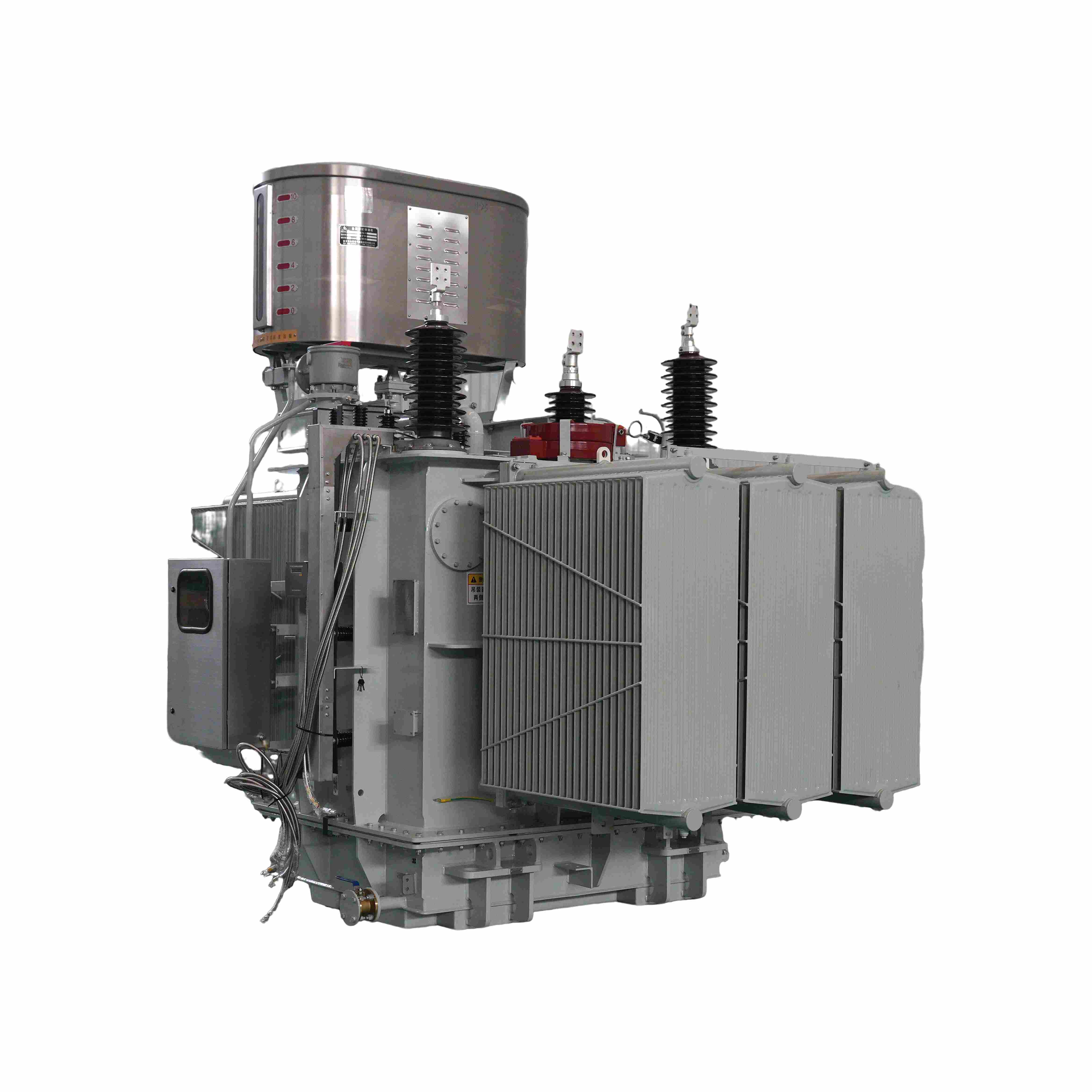
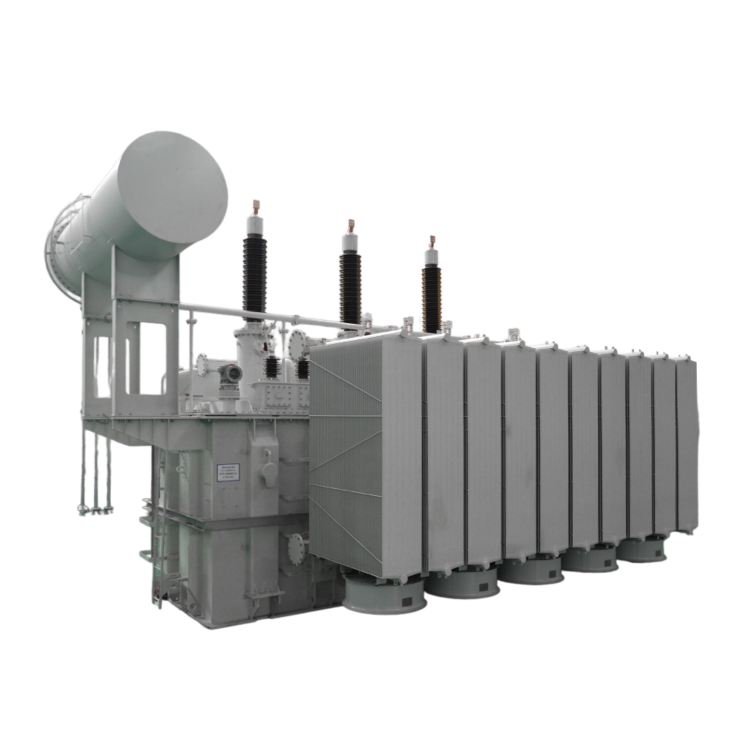
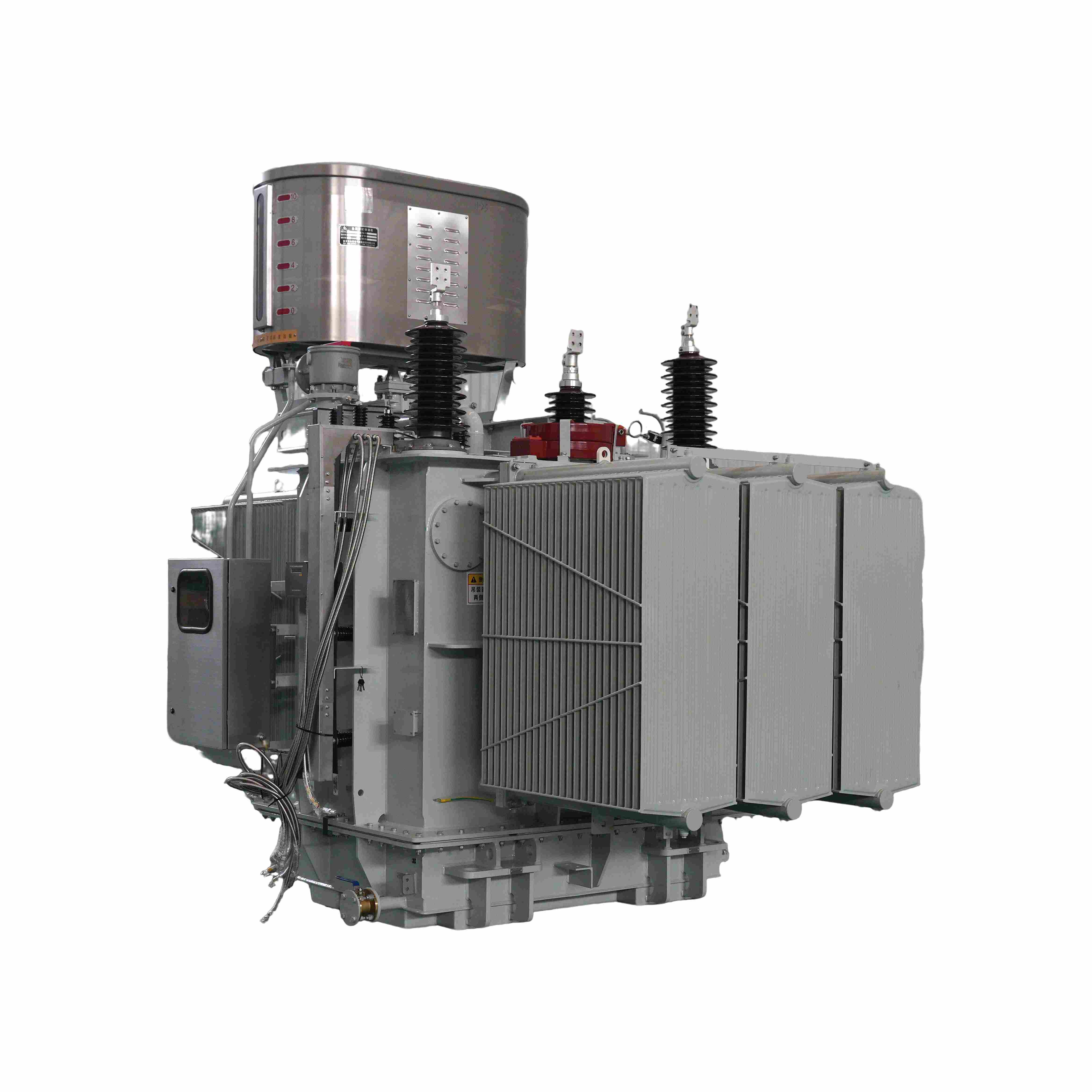
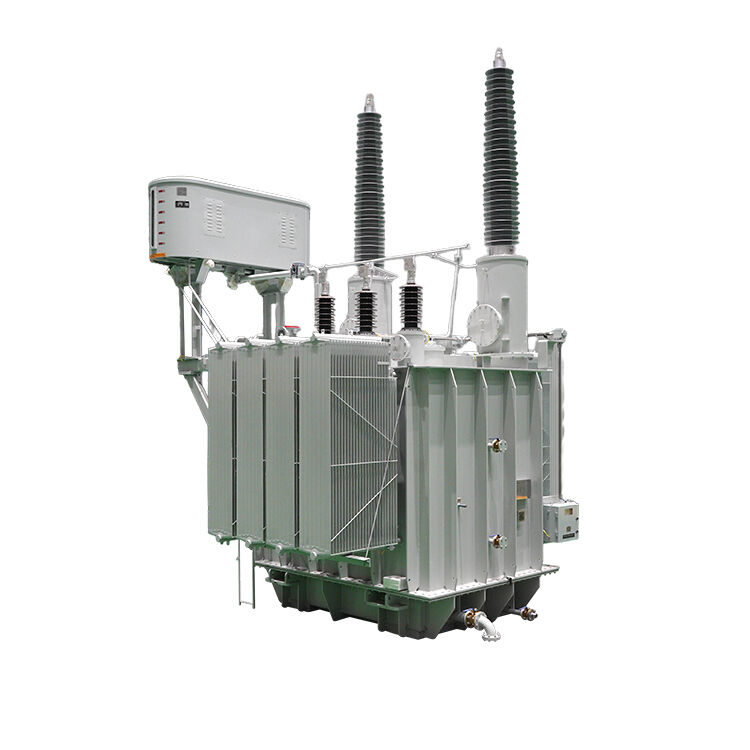
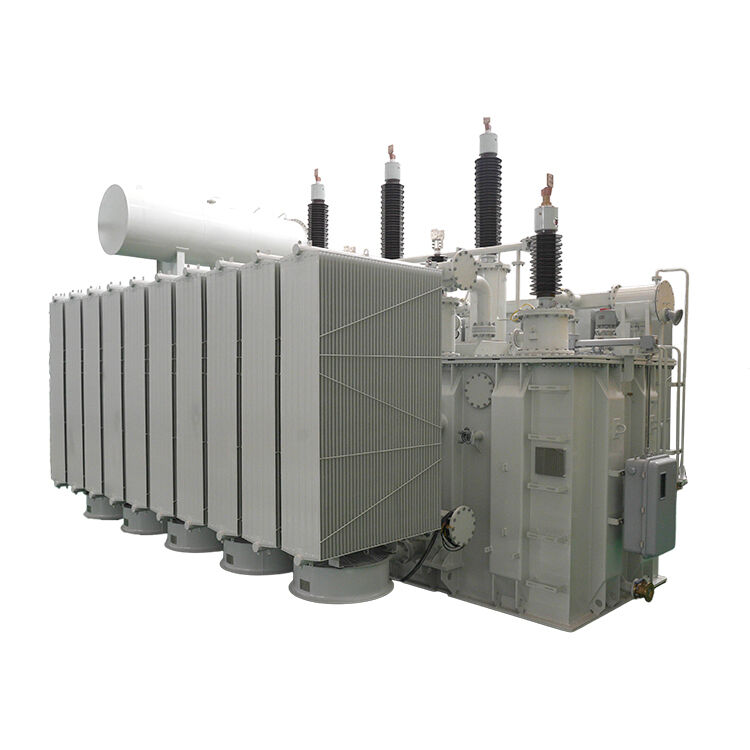
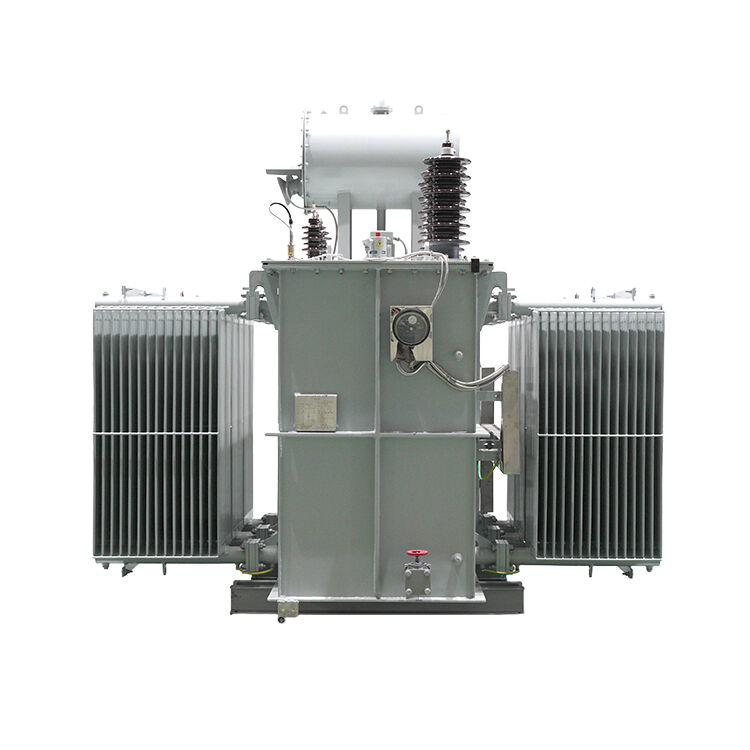
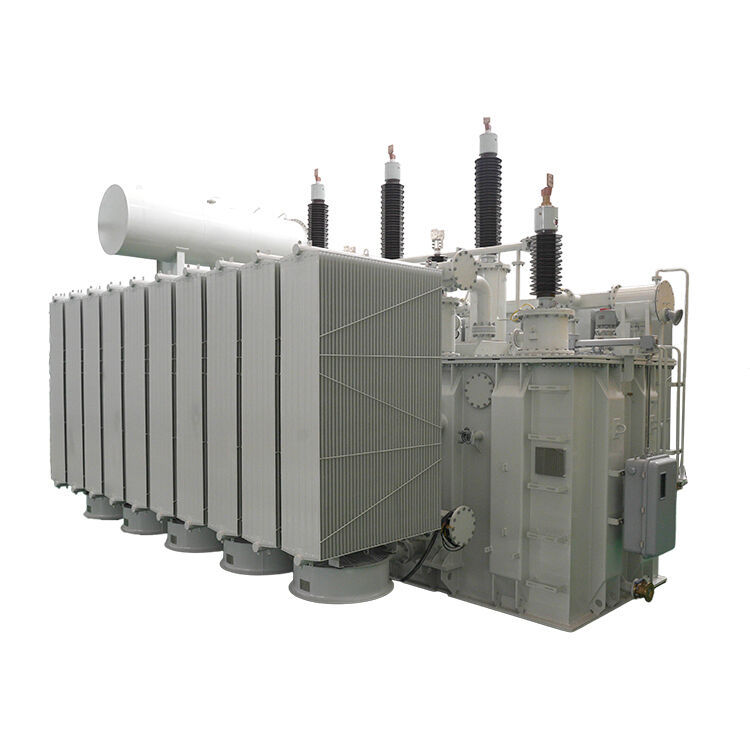
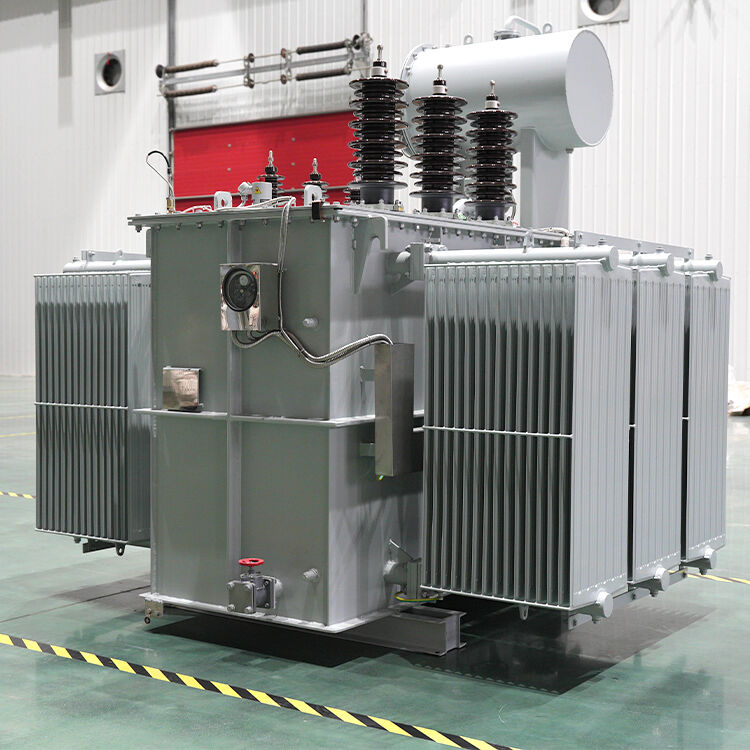
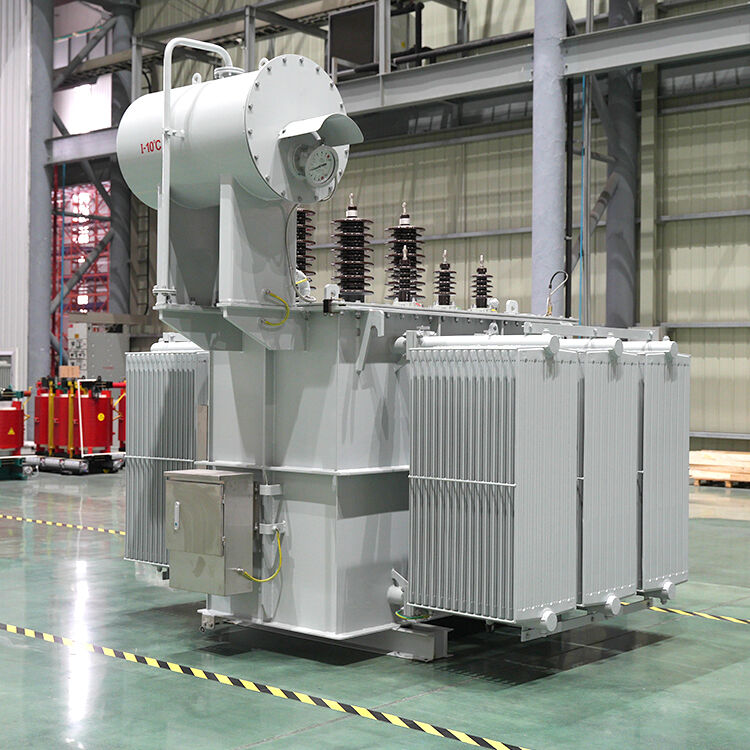
Modern high voltage electrical transformer installations incorporate sophisticated protection and monitoring systems that revolutionize equipment management through intelligent automation and predictive maintenance capabilities. These comprehensive systems continuously monitor critical parameters including winding temperatures, oil quality indicators, partial discharge activity, load current distribution, and mechanical vibration patterns, providing operators with real-time visibility into equipment health and performance trends. The protection systems integrate multiple layers of safeguards, including overcurrent protection, differential protection, ground fault detection, and rapid pressure rise protection that respond instantly to abnormal conditions, isolating faults before they can cause equipment damage or safety hazards. Advanced dissolved gas analysis systems automatically sample and analyze transformer oil, detecting minute concentrations of fault gases that indicate developing problems such as overheating, arcing, or insulation degradation, enabling maintenance teams to address issues before they escalate into major failures. Temperature monitoring systems utilize fiber optic sensors and thermal imaging technology to provide precise temperature measurements at critical locations throughout the high voltage electrical transformer, ensuring optimal cooling system performance and preventing thermal damage to sensitive components. Vibration monitoring systems detect mechanical anomalies such as loose connections, core movement, or cooling system irregularities, providing early warning of potential mechanical failures. The integrated control systems communicate seamlessly with supervisory control and data acquisition networks, enabling remote monitoring, automated load switching, and coordinated response to system disturbances. Predictive analytics algorithms process historical performance data to identify trends, predict maintenance requirements, and optimize operational parameters for maximum efficiency and reliability. Emergency protection systems include rapid fault clearing capabilities, automatic fire suppression systems, and fail-safe shutdown procedures that protect personnel and equipment during emergency conditions. The monitoring systems maintain comprehensive event logs and performance records that support regulatory compliance, insurance requirements, and forensic analysis following any system disturbances.
 EN
EN